_1745823981883.webp)


Installation checklist: civil, mechanical, and electrical requirements for UF skids
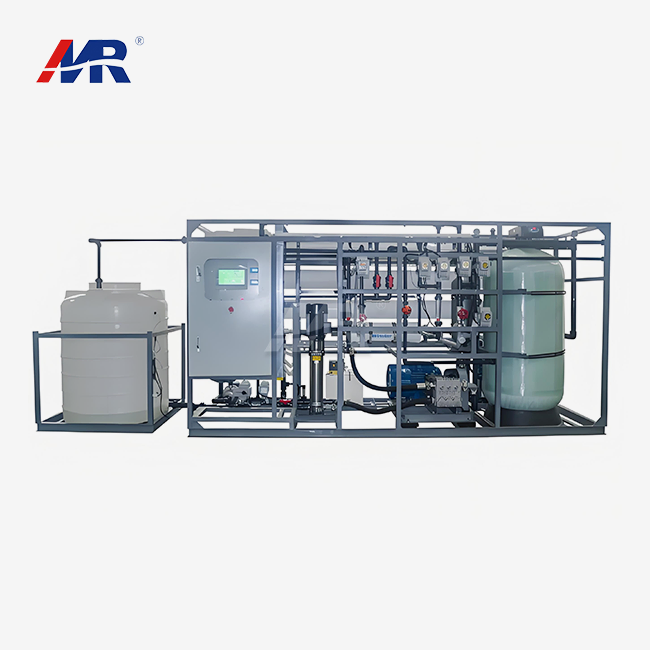
Proper installation of ultrafiltration water treatment systems is crucial for optimal performance and longevity. This section outlines the essential civil, mechanical, and electrical requirements for setting up UF skids effectively.
Civil Requirements
Before installing an ultrafiltration plant, ensure the following civil requirements are met:
- Foundation quality: The establishment must be capable of supporting the weight of the UF system, counting when it's filled with water.
- Level surface: The establishment zone ought to be superbly level to prevent uneven stretching on the system components.
- Drainage framework: Execute a satisfactory seepage framework to handle discharge and cleaning arrangement discharge.
- Accessibility: Guarantee adequate space around the UF slide for upkeep and operation activities.
- Chemical capacity zone: Assign an isolated, well-ventilated zone for putting away cleaning chemicals.
Mechanical Requirements
Address these mechanical aspects when installing your ultrafiltration system:
- Piping format: Plan a productive channeling framework that minimizes weight loss and permits simple maintenance.
- Valves and fittings: Utilize high-quality valves and fittings consistent with the system's working conditions.
- Pump determination: Select pumps that meet the stream and weight requirements of your particular UF configuration.
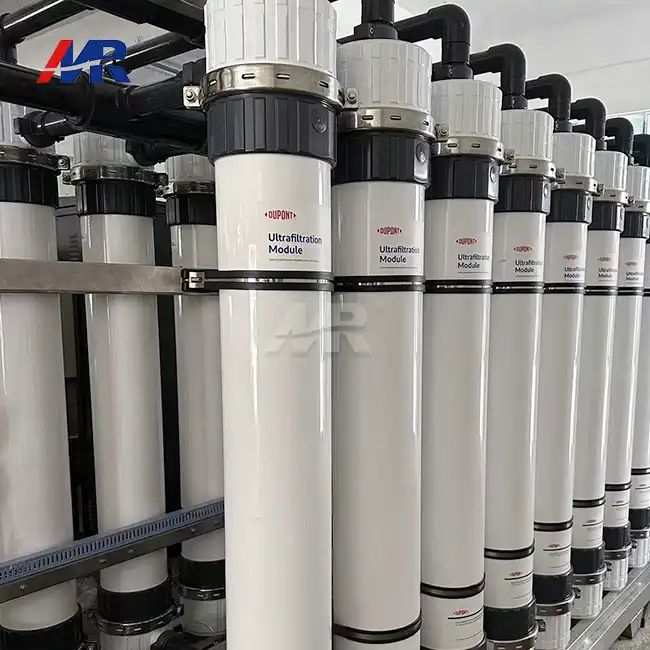
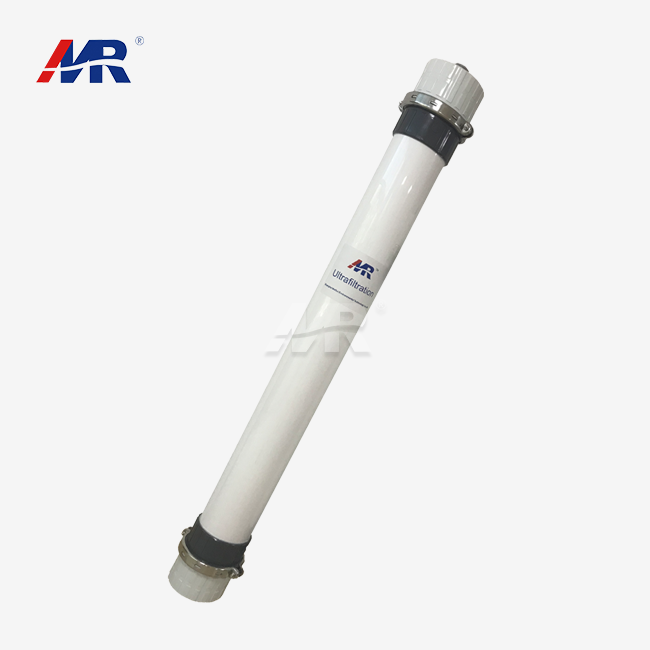
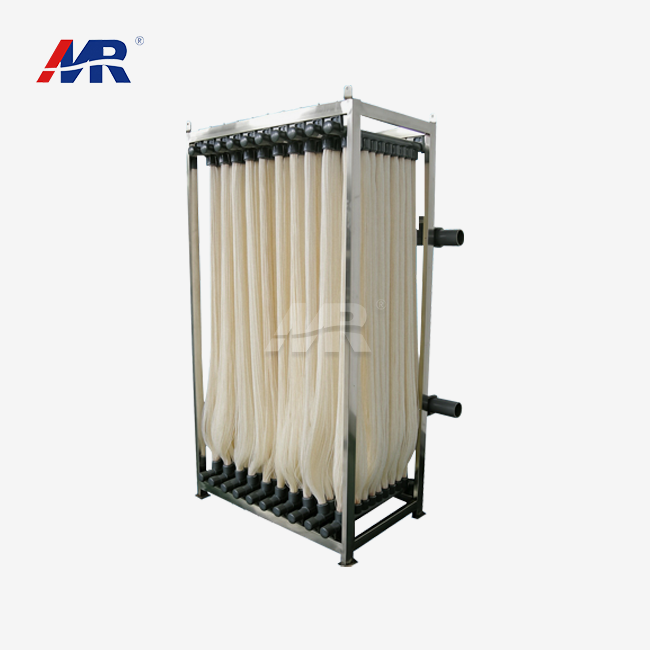
- Membrane lodging: Guarantee legitimate establishment of layer lodgings to avoid spills and keep up framework integrity.
- Pre-treatment hardware: Introduce vital pre-treatment components such as silt channels or chemical dosing systems.
Electrical Requirements
Consider these electrical factors for a smooth UF system installation:
- Power supply: Confirm that the accessible control supply meets the system's voltage and amperage needs.
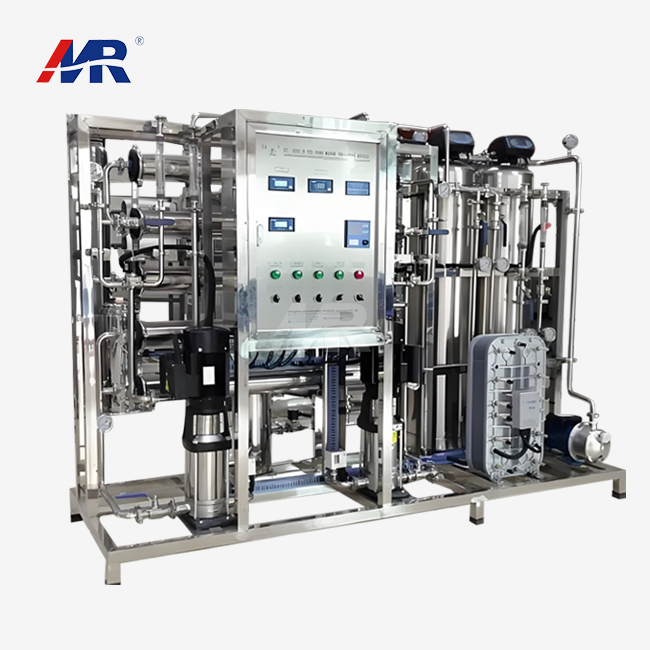
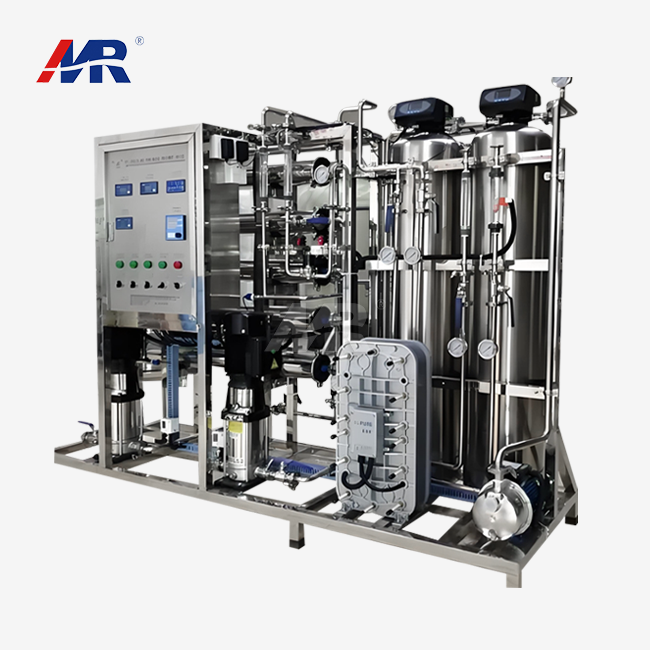
- Control board: Introduce a user-friendly control board with suitable instrumentation and computerization capabilities.
- Sensors and observing gadgets: Actualize sensors for weight, stream, and water quality checking throughout the system.
- Grounding and security: Guarantee legitimate establishment and introduce surge protection devices to protect electrical components.
- Backup control: Consider introducing a reinforcement control framework to keep up operation during control outages.
By meticulously addressing these civil, mechanical, and electrical requirements, you lay a solid foundation for the successful installation and operation of your ultrafiltration water treatment system. This attention to detail during the installation phase will contribute significantly to the system's efficiency, reliability, and longevity.
Commissioning tests and start-up protocol for membrane systems
After installation, proper commissioning and start-up procedures are critical to ensure your ultrafiltration water treatment system operates at peak performance from day one. This section outlines the essential tests and protocols to follow when bringing your UF system online.
Pre-Commissioning Checks
Before initiating the start-up sequence, perform these preliminary checks:
- Visual review: Look at all components for legitimate establishment and any signs of damage.
- Valve positions: Confirm that all valves are in their rectify positions for start-up.
- Electrical associations: Double-check all electrical associations and guarantee security gadgets are operational.
- Chemical dosing systems: Affirm that chemical dosing pumps are appropriately calibrated and primed.
- Instrumentation calibration: Calibrate all sensors and observing gadgets for exact readings.
System Flushing and Leak Testing
Conduct thorough flushing and leak testing procedures:
- Initial flush: Run clean water through the framework to expel any flotsam and jetsam or contaminants from the installation.
- Pressure test: Continuously pressurize the framework and check for spills at all associations and fittings.
- Membrane keenness test: Perform a layer astuteness test to guarantee no harm occurred during shipping or installation.
Performance Verification Tests
Execute these tests to verify the system's performance:
- Flow rate test: Degree and alter stream rates to meet plan specifications.
- Pressure drop examination: Screen weight drops over the layer modules to guarantee they drop inside worthy desired ranges.
- Filtrate quality check: Analyze the filtrate quality to affirm it meets the required standards.
- Backwash viability: Assess the viability of the discharge cycle in keeping up film performance.
Control System Validation
Ensure the control system is functioning correctly:
- Alarm testing: Reenact different alert conditions to confirm legitimate system response.
- Automated grouping testing: Run through all mechanized arrangements, including filtration, discharge, and cleaning cycles.
- Remote checking setup: If appropriate, design and test inaccessible checking and control capabilities.
Operator Training
As part of the commissioning process, provide comprehensive training to system operators:
- System diagram: Familiarize administrators with all components and their functions.
- Operating methods: Prepare staff on standard working methods, including start-up, shutdown, and schedule operations.
- Troubleshooting: Give direction on distinguishing and tending to common issues.
- Maintenance assignments: Taught administrators on customary upkeep necessities and procedures.
By following this structured commissioning and start-up protocol, you can ensure that your ultrafiltration water treatment system begins its operational life on the right foot. This meticulous approach not only validates the system's performance but also sets the stage for efficient, long-term operation and easier maintenance down the line.
Long-term maintenance roadmap: routine, quarterly, and annual tasks
Maintaining a sltrafiltration system ultrafiltration water treatment system is vital for guaranteeing its life span and reliable execution. This area traces a comprehensive support guide, enumerating schedule, quarterly, and yearly tasks that will keep your system working at top efficiency.
Routine Maintenance Tasks
Perform these tasks on a daily or weekly basis:
- Monitor framework parameters: Frequently check and record key execution pointers such as stream rates, weights, and filtrate quality.
- Inspect for spills: Conduct visual assessments of all channeling, associations, and film lodgings for signs of leakage.
- Clean strainers and pre-filters: Check and clean pre-treatment components to avoid clogging and guarantee ideal flow.
- Verify chemical dosing: Guarantee chemical dosing frameworks are working accurately, and chemical levels are adequate.
- Backwash viability: Screen the viability of discharge cycles and alter recurrence if necessary.
Quarterly Maintenance Tasks
Schedule these more in-depth maintenance activities every three months:
- Membrane cleaning: Perform a chemical clean-in-place (CIP) method to evacuate fouling and reestablish layer performance.
- Valve support: Assess and benefit all valves, including actuators and seals.
- Pump upkeep: Check pump execution, grease up orientation, and replace seals if needed.
- Instrumentation calibration: Recalibrate weight gages, stream meters, and other checking devices.
- Control framework check: Confirm the legitimate working of all robotized control arrangements and alert systems.
Annual Maintenance Tasks
Conduct these comprehensive maintenance activities once a year:
- Membrane keenness testing: Perform nitty-gritty keenness tests on all layer modules to distinguish any harm or degradation.
- System execution review: Conduct an exhaustive examination of system execution against plan details and verifiable data.
- Electrical framework review: Check all electrical components, counting engines, control boards, and wiring.
- Mechanical upgrade: Review and benefit all mechanical components, including pumps, valves, and piping.
- Membrane substitution evaluation: Assess the requirement for layer substitution based on execution information and age.
Preventive Maintenance Strategies
Implement these strategies to prevent issues and extend system life:
- Trend examination: Routinely analyze execution patterns to recognize potential issues some time recently they gotten to be critical.
- Spare parts stock: Keep up a stock of basic spare parts to minimize downtime amid repairs.
- Operator preparing: Give intermittent refresher training to administrators to guarantee best practices are followed.
- Documentation overhaul: Keep all framework documentation, including working strategies and support logs, up to date.
Optimization and Upgrade Considerations
As part of your long-term maintenance strategy, consider these optimization opportunities:
- Energy productivity survey: Evaluate the system's vitality utilization and investigate alternatives for improving efficiency.
- Technology overhauls: Remain educated about progressions in ultrafiltration innovation and consider updates when beneficial.
- Process optimization: Ceaselessly refine working parameters to maximize execution and minimize asset consumption.
- Automation improvements: Assess openings to increment automation for improved consistency and decreased administrator workload.
By following this comprehensive upkeep guide, you can guarantee the life span and ideal execution of your ultrafiltration water treatment system. Standard upkeep not as it were avoids startling downtime but also contributes to cost-effective operation and reliable water quality yield. Keep in mind that, whereas this directly gives a strong system, it's essential to tailor your support approach to your particular framework requirements and working conditions.
Conclusion
Installing and keeping up an ultrafiltration water treatment system is a complex but fulfilling endeavor that can altogether improve water quality and operational proficiency across different businesses. By taking after the comprehensive rules sketched out in this article – from the beginning establishment checklist to the long-term upkeep guide – you can guarantee that your UF system works at peak performance throughout its lifespan.
Remember that each ultrafiltration system is special, and whereas these rules give a strong establishment, it's pivotal to adjust them to your particular needs and working conditions. Normal observing, proactive upkeep, and persistent optimization are key to maximizing the benefits of your ultrafiltration water treatment system.
If you're looking to actualize or overhaul your water treatment infrastructure, consider collaborating with specialists who can give custom-fitted arrangements and progressive support. Guangdong Morui Environmental Technology Co., Ltd specializes in cutting-edge water treatment arrangements, advertising not only fair gear, but comprehensive establishment, commissioning, and support services.
Our group of experienced engineers and specialists can offer assistance you plan, introduce, and keep up an ultrafiltration system that meets your particular requirements, whether you're in manufacturing, food and beverage production, pharmaceuticals, or municipal water treatment. With our claim film generation offices and associations with driving brands in water treatment innovation, we're interestingly situated to provide end-to-end solutions that guarantee clean, secure water for your operations.
FAQ
Q1: How often should I replace the membranes in my ultrafiltration system?
A: The lifespan of ultrafiltration membranes typically ranges from 3 to 5 years, depending on various factors such as feed water quality, operating conditions, and maintenance practices. Regular performance monitoring and annual integrity testing can help determine the optimal time for membrane replacement. If you notice a consistent decline in filtrate quality or increased pressure drop across the membranes despite proper cleaning, it may be time to consider replacement.
Q2: Can ultrafiltration remove dissolved solids from water?
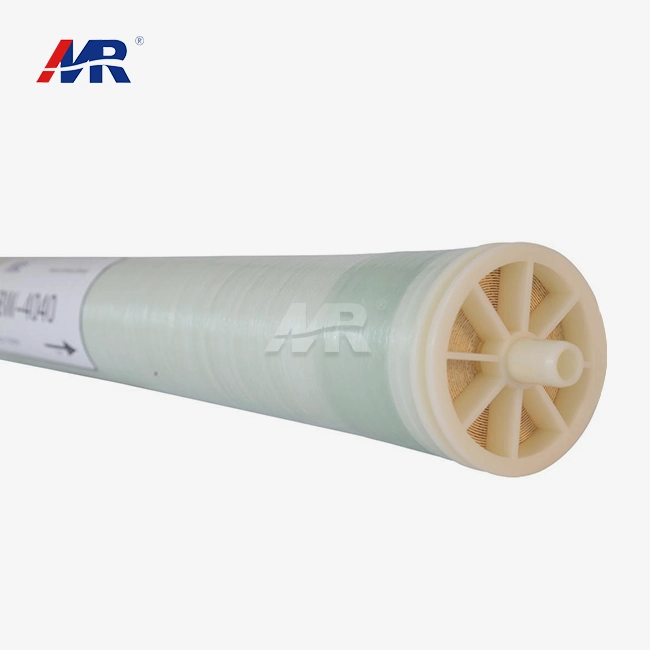
A: Ultrafiltration is primarily designed to remove suspended solids, bacteria, viruses, and other larger molecules from water. While it is highly effective at removing these contaminants, it does not typically remove dissolved solids such as salts or minerals. For the removal of dissolved solids, additional treatment methods like reverse osmosis or ion exchange may be necessary. However, ultrafiltration can serve as an excellent pre-treatment step for these processes, significantly improving their efficiency and longevity.
Q3: How can I optimize the energy efficiency of my ultrafiltration water treatment system?
A: Several strategies can help optimize the energy efficiency of your ultrafiltration system: 1. Implement variable frequency drives (VFDs) on pumps to adjust power consumption based on demand. 2. Optimize backwash frequency and duration to minimize unnecessary energy use. 3. Ensure proper pre-treatment to reduce membrane fouling, which can increase energy consumption. 4. Regularly maintain and clean membranes to maintain optimal performance. 5. Consider energy recovery devices if dealing with high-pressure applications. 6. Monitor and analyze energy consumption data to identify areas for improvement. By implementing these measures, you can significantly reduce the energy footprint of your ultrafiltration system while maintaining high performance.
Expert Ultrafiltration Water Treatment System Solutions | Morui
At Guangdong Morui Environmental Technology Co., Ltd, we specialize in providing state-of-the-art ultrafiltration water treatment systems tailored to meet the diverse needs of industries across Asia, South America, and Africa. Our comprehensive solutions encompass not only top-quality equipment but also expert installation, commissioning, and ongoing maintenance services.
With over 14 branches, 500 employees, and a team of 20 skilled engineers, we have the expertise and resources to handle projects of any scale. Our in-house membrane production facility and equipment processing factories ensure that we deliver cutting-edge technology and maintain strict quality control throughout the manufacturing process.
Whether you're in the manufacturing sector, food and beverage industry, pharmaceutical field, or municipal water treatment, our ultrafiltration systems can help you achieve superior water quality while optimizing operational efficiency. We understand that each client has unique requirements, which is why we offer customized solutions backed by our extensive experience and technical know-how.
Ready to elevate your water treatment capabilities? Contact us today at benson@guangdongmorui.com to discuss your specific needs and discover how our ultrafiltration water treatment systems can transform your operations. Let Guangdong Morui be your partner in achieving clean, safe, and efficient water treatment solutions.
References
1. Johnson, A. R., & Smith, B. T. (2021). Advances in Ultrafiltration Membrane Technology for Water Treatment. Journal of Membrane Science, 589, 117-135.
2. Lee, C. H., & Park, J. S. (2020). Optimization of Ultrafiltration Systems for Industrial Water Treatment. Water Research, 175, 115-128.
3. Wang, X., & Zhang, Y. (2019). Long-term Performance and Maintenance Strategies for Ultrafiltration Plants in Municipal Water Treatment. Environmental Science & Technology, 53(18), 10456-10468.
4. Chen, Y., & Liu, H. (2022). Best Practices in Ultrafiltration System Commissioning and Start-Up. Journal of Water Process Engineering, 47, 102679.
5. Patel, S., Kumar, R., & Singh, A. (2021). Preventive Maintenance Techniques for Industrial Ultrafiltration Systems. Desalination and Water Treatment, 210, 345-359.
6. Garcia, M., & Thompson, L. (2020). Integrated Approaches to Optimizing UF System Efficiency and Longevity. Water Research, 182, 115987.