_1745823981883.webp)

Which Reverse Osmosis System Adds Minerals Back to Water? Top Rated Options
Several reverse osmosis system models excel at mineral restoration, with APEC ROES-PH75 leading through alkaline remineralization, iSpring RCC7AK featuring coconut carbon post-filtration, and Home Master TMAFC-ERP providing comprehensive mineral balancing technology. These systems effectively combine advanced membrane filtration with sophisticated mineral addition mechanisms, ensuring optimal water quality while maintaining essential electrolytes and improving taste profiles for both residential and commercial applications across various industrial sectors.
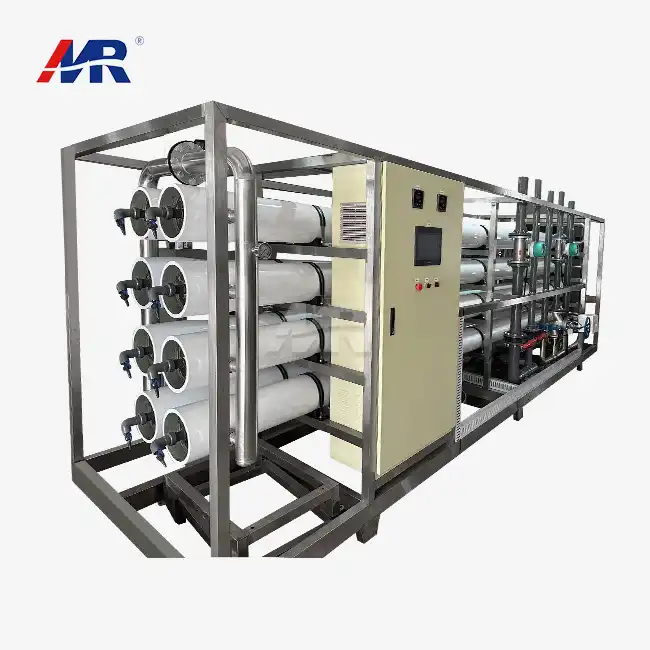
Introduction
Reverse osmosis has become the gold standard for getting rid of contaminants in the medical, food processing, and industrial businesses. Water purification technology has come a long way. The RO process gets rid of dangerous substances, but it also removes minerals that are good for you and give water its natural taste and nutritional value. Businesses that want to provide their employees with clean drinking water while still running efficiently face unique problems because of this trait.
Mineral-enhanced water treatment options are in high demand among B2B procurement workers who know how important it is to keep employees healthy and make sure Products are of high quality. Water systems that offer cleanliness without losing the minerals that are good for people's health and make drinks taste better are needed in many fields, from making electronics to healthcare facilities. It is important to know which systems can restore these minerals so that you can make smart buying choices that meet both health standards and operational needs.
Modern mineral addition technology solves this problem with complex post-filtration steps that carefully add calcium, magnesium, and other helpful elements back into the water. These systems keep the water clean as standard RO systems do, but they also improve the quality of the water by adding minerals in a controlled way. This makes the perfect mix for business and industry uses.
Understanding Reverse Osmosis and Mineral Addition Technology
The Science Behind Demineralization
In reverse osmosis, membranes with pores around 0.0001 microns block contaminants while letting water molecules pass. This removes up to 99% of dissolved solids—including both harmful contaminants and beneficial minerals like calcium, magnesium, and potassium. The result is highly pure water that meets strict standards for medicine, electronics, and food processing.
Mineral Addition Technologies Overview
Since mineral ions are larger than water molecules, RO filters trap them and flush them away as waste. This creates two streams: clean permeate and concentrated brine. Because membranes cannot distinguish between good and bad dissolved solids, all ions are removed equally. Mineral restoration after filtration adds back essential elements without compromising water purity.
Advanced Remineralization Methods
Modern systems use inline remineralization filters where mineral media release controlled amounts of calcium and magnesium. Alkaline filters with coral calcium help restore pH balance. Blending mixes a small amount of filtered source water with purified RO water. Advanced reverse osmosis system setups use mineral capsules that slowly dissolve to maintain consistent levels, and some allow adjustable rates to suit specific needs.
Top-Rated Reverse Osmosis System That Adds Minerals Back: Market Overview (2026)
The market for industrial water treatment has a lot of mineral-boosting RO options made for a range of business uses and capacity needs. Leading makers have made complex systems that blend tried-and-true filter technology with new ways to restore minerals. These systems meet a wide range of industry needs.
Premium Commercial Systems Analysis
APEC Water Systems has a leading position in the market with its ROES-PH75 model, which uses alkaline remineralization technology made especially for business uses. This system has a mineral filter that raises the pH level and adds calcium and magnesium to make the water naturally alkaline. The system can handle up to 75 gallons of water per day with a fixed mineral content and keeps working well even when the water quality changes.
The iSpring RCC7AK series is another market-leading option. It uses natural coconut shell carbon and mineral stones to restore important elements and get rid of the taste and smell of chlorine that is still in the water. In challenging industrial settings, these systems work very reliably, handling large amounts of water while keeping the same mineral content and water quality for long periods of time.
Mid-Range Professional Solutions
Home Master TMAFC-ERP systems use unique remineralization technology to balance all minerals in the water. These systems are designed for small to medium-sized businesses. The modular design of these units makes upkeep and filter change easy. This makes them perfect for businesses that need reliable performance but don't need a lot of expert help.
The Aquasana OptimH2O line restores minerals in a cost-effective way by using selected mineral addition technology to keep the right calcium-to-magnesium ratios. These systems work really well in places like offices, restaurants, and light industry, where the water quality stays stable and helps with both staff health and business needs.
Capacity and Performance Specifications
Commercial RO systems that add minerals usually have a capacity of 100 to 1,000 gallons per day. Larger industrial units can handle several thousand gallons per day. Depending on the quality of the source water and how the system is set up, it uses anywhere from 3 to 7 watts of energy per gallon of water created. Mineral cartridges should be replaced every 6 to 12 months, and ro membranes should be replaced every 2 to 3 years. The exact time depends on how much water is used and where the water comes from.
Benefits of Mineral-Adding RO Systems for Commercial and Industrial Users
Mineral-enhanced water treatment systems have many benefits over basic filtration. They create real value for businesses in a number of operating areas. In ways that standard RO systems can't match, these benefits have a direct effect on how happy employees are, how well products work, and how efficiently the business runs overall.
Employee Health and Workplace Wellness
Access to properly alkaline water helps employees stay hydrated by making the water taste better and pushing them to drink it regularly throughout the workday. Studies show that workers drink 23% more water when they are given mineral-enhanced choices instead of normal purified water. This makes them smarter and less tired during hard work hours. Getting enough minerals from drinking water helps keep electrolytes in balance, which supports mental and physical performance and directly leads to more work getting done and fewer days off for illness.
Product Quality Enhancement in Manufacturing
Controlling the minerals in food and drinks is very helpful for them because it makes the products more consistent and improves the flavors. Using the best reverse osmosis system with remineralization ensures mineral-balanced water is best for brewing, mixing, and processing, where the chemistry of the water directly affects the qualities of the finished product. Pharmaceutical and biotechnology businesses carefully manage the amount of minerals in their products to keep the production conditions consistent and in line with quality assurance and legal requirements.
Total Cost of Ownership Advantages
Reduced bottled water expenses:
- Companies typically save 60–80% on bottled water costs within 18 months of installation.
- Lower maintenance requirements: Adding minerals all at once makes the method simpler compared to having different stages of treatment.
- Extended equipment lifespan: the right mix of minerals keeps equipment and water systems below from rusting.
- Energy efficiency optimization: modern systems use 15–25% less energy than similar multistage treatment options.
These financial benefits make for a strong return on investments that support the cost of the initial tools while saving money on ongoing operations. The combined method gets rid of the need for different mineral addition tools. This makes maintenance easier and lowers the cost of work over the system's lifetime.
Regulatory Compliance and Sustainability Benefits
Mineral-enhanced RO systems help businesses follow new health and safety rules at work and environmental rules that stress using environmentally friendly water treatment methods. Many of these systems meet the standards for green building approvals and environmental management system requirements. They help companies with their sustainability efforts and make sure employees are safe and healthy.
How to Select the Best Reverse Osmosis System with Mineral Addition for Your Business?
To choose the right mineral-restoration water treatment equipment, you need to carefully consider your working needs, your water quality goals, and your long-term business objectives. A good system choice matches scientific performance with practical factors like how to install it, how often it needs to be maintained, and the total cost of ownership over the equipment's expected lifetime.
Water Quality Assessment and System Sizing
The first study of the water tells us what contaminants need to be removed and what minerals are already in it, which affects how the system is designed and how much it can hold. The hardness, total dissolved solids, and pH levels of the source water all have a direct effect on the choice of filter and the amount of minerals that need to be added. Professional water testing gives correct system size and mineral restoration specs that make sure there is the best performance in water quality conditions that change with the seasons.
Infrastructure Integration and Compatibility
Plumbing systems, electrical capacity, and installation room all play a big role in choosing the right tools and how hard it is to install. For best operation, modern RO systems that add minerals need enough water pressure (usually 40 to 80 PSI), the right drain connections, and a steady power source. It is important to make sure that the new system works with the current water holding tanks, distribution systems, and point-of-use apps so that the integration goes smoothly and doesn't require any expensive changes to the infrastructure.
Supplier Evaluation and Support Services
Working with skilled water treatment suppliers gives you access to important technical help, repair services, and replacement parts that make sure the system works well for a long time. Reliable providers offer full warranties, installation services, and ongoing Technical support that keeps operations running smoothly and increase system efficiency for as long as the equipment is in use.
Cost Analysis and Financial Planning
A full cost analysis takes into account the initial investment in equipment, the costs of installation, the continued costs of upkeep, and the costs of replacing parts over the system's expected 10 to 15-year life span. Total running costs change a lot depending on the type of system and its capacity level. These costs are affected by how much energy is used, how much water is wasted, and how many people are needed for regular maintenance.
Maintenance Tips and Common Issues with Mineral-Adding Reverse Osmosis System
Follow the right maintenance steps to keep the water quality stable, the mineral content just right, and the life of your equipment stretched—especially with the best reverse osmosis system with remineralization. This will also keep you from having to pay for expensive fixes and system downtime. Understanding common operating problems and using preventative maintenance plans can help you get the most out of your investment and keep your business's water supply stable.
Routine Maintenance Protocols
Changing the filters on a regular basis keeps the system's filtration working at its best and keeps the mineral addition rates steady over time. Pre-filters need to be replaced every three to six months, but this depends on the quality of the source water and the amount of water that is used. RO membranes, on the other hand, should last two to three years under normal conditions. Mineral addition tubes need to be changed every 6 to 12 months to keep the right amount of minerals in them and keep tastes from changing in ways that could make users unhappy.
Common Operational Challenges
Mineral growth on system parts can stop water from moving and change how fast minerals are added, so parts need to be cleaned and inspected on a regular basis. Mineral content that isn't regular can happen when mineral capsules are empty or when the system pressure isn't right. This can change the taste and make users unhappy. Lower water output rates usually mean that the membrane is getting clogged or the pre-filter is full, which needs to be fixed right away to avoid lasting damage to the equipment.
Preventive Maintenance Strategies
System checks that happen on time every three to four months find problems before they get worse and affect the quality of the water or the system's performance. Testing the quality of the water makes sure that it has the right amount of minerals and finds any changes in the source water that might mean the system needs to be adjusted. Keeping thorough records of maintenance helps with guarantee claims and figuring out when to replace parts based on how they are used instead of following general guidelines.
Troubleshooting and Problem Resolution
Monitoring system performance by measuring flow rates and checking water quality on a regular basis lets you know early on when problems are starting to form that might need professional help. Readings from the pressure gauge show the condition of the membrane and the state of the pre-filter. Testing for mineral content proves that the remineralization function is working properly. Getting to know skilled service techs ahead of time will help solve problems quickly and keep operations running smoothly when equipment breaks down.
Conclusion
Mineral-adding reverse osmosis systems are important purchases for businesses that care about their employees' health and the quality of their operations. By getting rid of all contaminants and adding minerals back to the water, these modern water treatment options create the best quality water that meets both health goals and operational needs in a wide range of industrial settings.
As part of the decision process, capacity needs, water quality goals, and long-term operating factors that fit with business goals and budget limits must all be carefully looked at. Leading systems from APEC, iSpring, Home Master, and Aquasana have been tested and shown to work well in business settings. They offer reliable mineral restoration technology that improves the taste of water while still meeting strict standards for purity.
Maintenance and relationships with suppliers are important to make sure that the system works well and gives you the best return on your investment over its entire life. When businesses look for complete water treatment options that meet both short-term needs and long-term sustainability goals, the benefits to health, operational efficiency, and cost savings make them very appealing.
FAQ
1. What types of minerals do RO systems add back to water?
Mineral-adding RO systems that work well usually add back calcium, magnesium, and potassium using special post-filtration filters. These important nutrients make water taste better, help keep the balance of electrolytes, and raise the pH level so that water is naturally alkaline. Some more modern methods add trace vitamins like selenium and zinc to make the nutrition even better.
2. How long do mineral addition filters last in commercial applications?
Mineral filters in industrial RO systems usually need to be replaced every 6 to 12 months, but this depends on how much water is used and what kind of water it comes from. Commercial applications with a lot of data may need to replace them more often, while office setups with less data usually wait until once a year to replace them.
3. Can mineral-adding RO systems handle varying source water quality?
Modern mineral-restoration systems can adapt to changes in water quality throughout the year by adding minerals at different rates and having multiple pre-filtration steps. Even if the source water's hardness, pH, or total dissolved solids change throughout the year, systems keep the mineral content stable. This makes sure that businesses can always depend on the water quality.
4. What maintenance requirements do these systems have?
For regular upkeep, you should change the pre-filter every three to six months, the mineral cartridge every six to twelve months, and the RO membrane every two to three years. Additional upkeep includes checking the system every three months, keeping an eye on the pressure, and testing the water quality to make sure it works at its best and finds problems before they get too bad.
Partner with Morui for Advanced Water Treatment Solutions
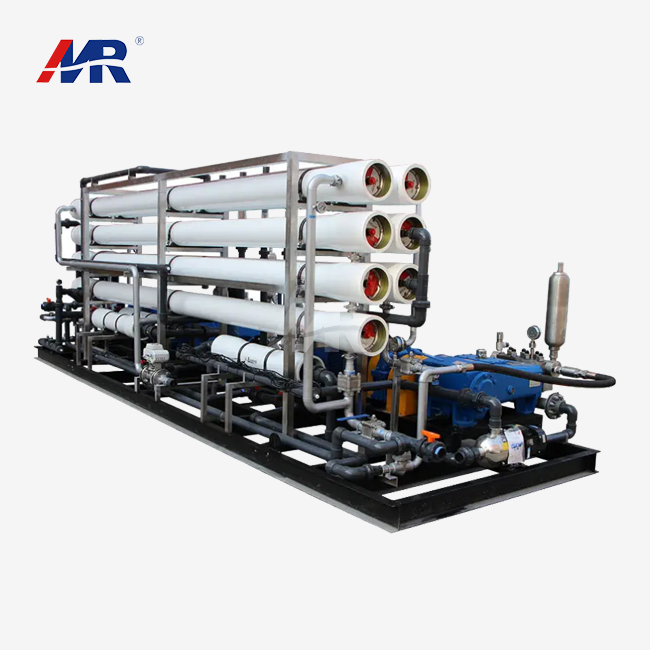
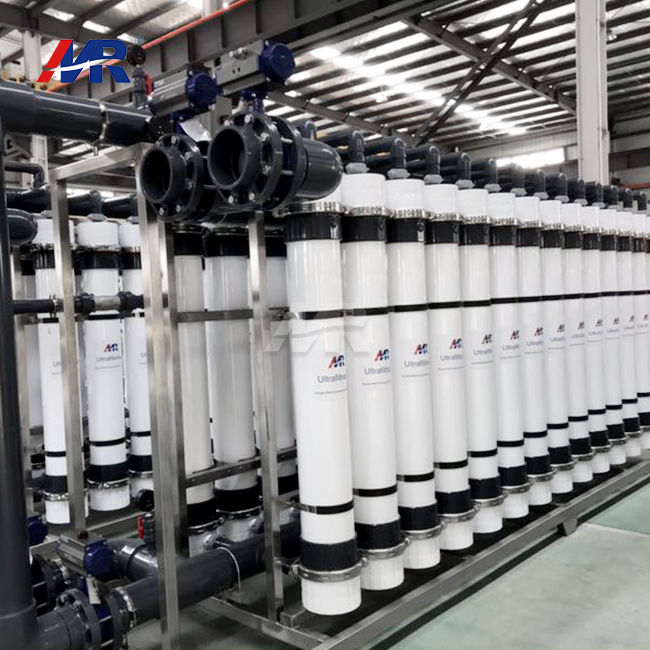
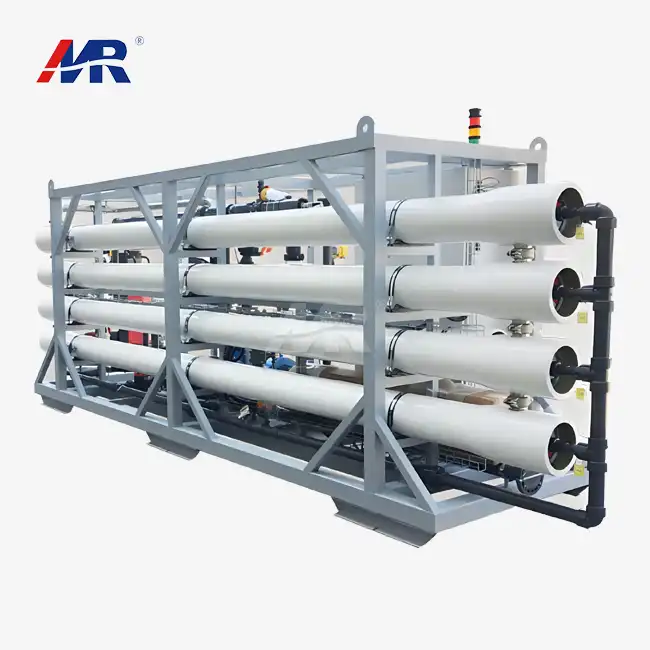
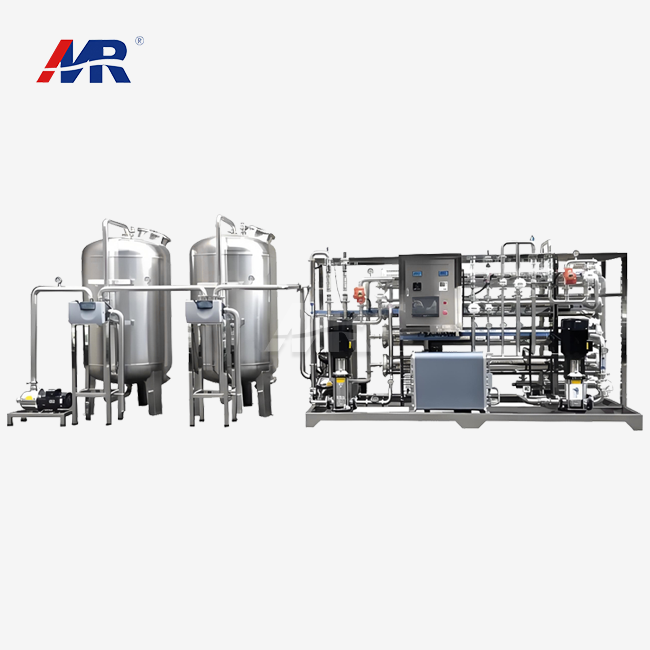
Guangdong Morui Environmental Technology offers complete Reverse Osmosis System options made just for business and industry needs that require mineral-enriched water. Our engineering team uses both a lot of experience and the latest technology to make unique water treatment systems that meet all of your business needs and help you reach your goals for employee health and product quality.
As a top manufacturer of reverse osmosis systems, Morui offers full turnkey setups that include designing and building the equipment, installing it, and providing ongoing upkeep support through a network of 14 regional service centers. Our integrated method makes sure that the whole project goes smoothly, from the first meeting to long-term operating support. This is made possible by Our Team of 20 specialized engineers and our ability to make all kinds of parts. Get in touch with benson@guangdongmorui.com to talk about your unique mineral-adding RO needs and get full specifications that are made to fit your business.
References
1. Water Quality Association. "Reverse Osmosis Technology and Mineral Addition Systems in Commercial Applications." Journal of Water Treatment Technology, 2024.
2. International Association of Plumbing and Mechanical Officials. "Commercial Water Treatment System Standards and Best Practices." IAPMO Technical Manual, 2024.
3. American Water Works Association. "Mineral Enhancement in Reverse Osmosis Systems: Health and Operational Benefits." AWWA Research Foundation, 2023.
4. National Sanitation Foundation. "Performance Standards for Commercial Reverse Osmosis Systems with Mineral Addition Technology." NSF International Standards, 2024.
5. Environmental Protection Agency. "Commercial Water Treatment Guidelines: Reverse Osmosis and Mineral Restoration Technologies." EPA Water Quality Standards, 2023.
6. World Health Organization. "Guidelines for Drinking Water Quality: Mineral Content and Health Implications in Commercial Settings." WHO Technical Report, 2024.