_1745823981883.webp)

Step-by-Step Guide: How to Install Reverse Osmosis for Hard Water Treatment
To get the best results in industrial and business settings, installing a Reverse Osmosis Unit to treat hard water needs to be carefully planned and carried out in a methodical manner. This complete guide walks you through the whole installation process, from the first evaluation to the improvement that comes after. If you're in charge of treating water for factories, food processing plants, or pharmaceutical companies, installing reverse osmosis systems correctly will ensure stable water quality while cutting costs and meeting strict government standards.
Understanding Reverse Osmosis for Hard Water Treatment
When it comes to dealing with hard water in business and industry, reverse osmosis is the best technology available. Semi-permeable barriers are used in this process to get rid of dissolved minerals, contaminants, and chemicals that make water hard.
Core Components of RO Systems
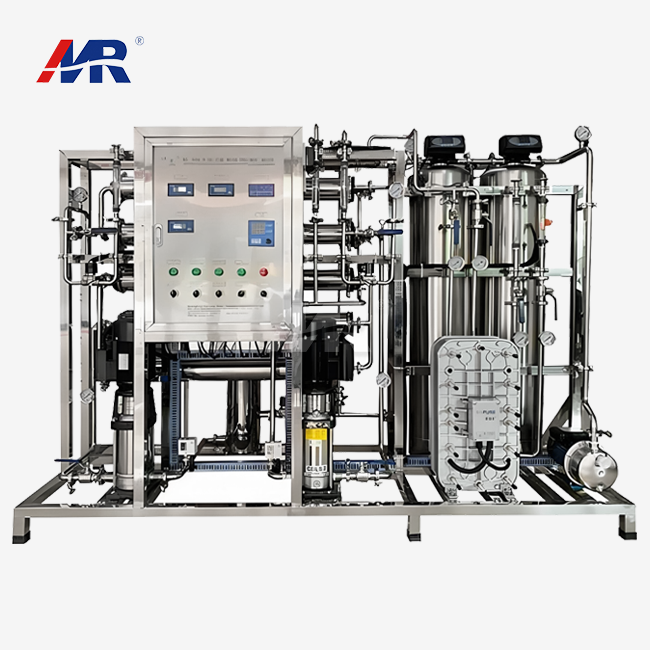
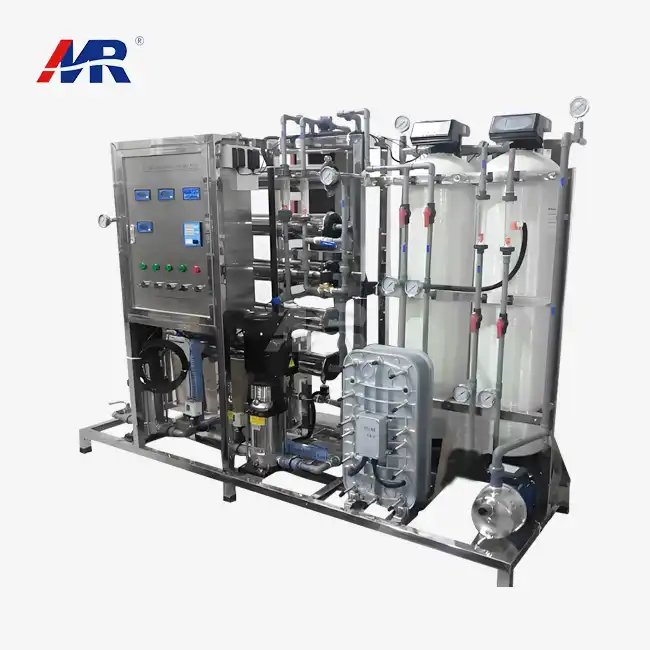
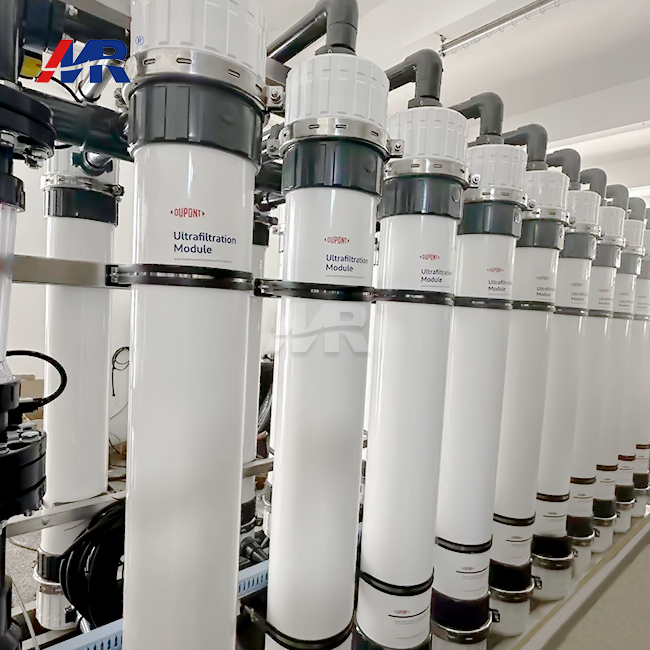
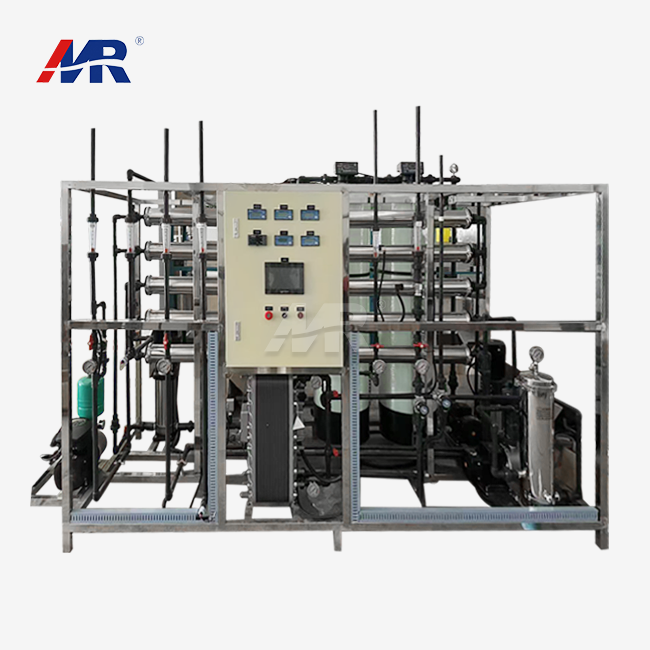
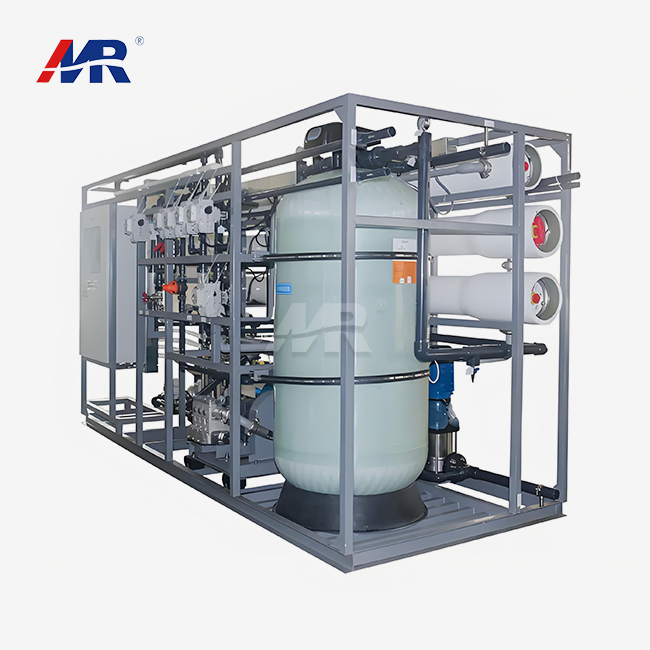
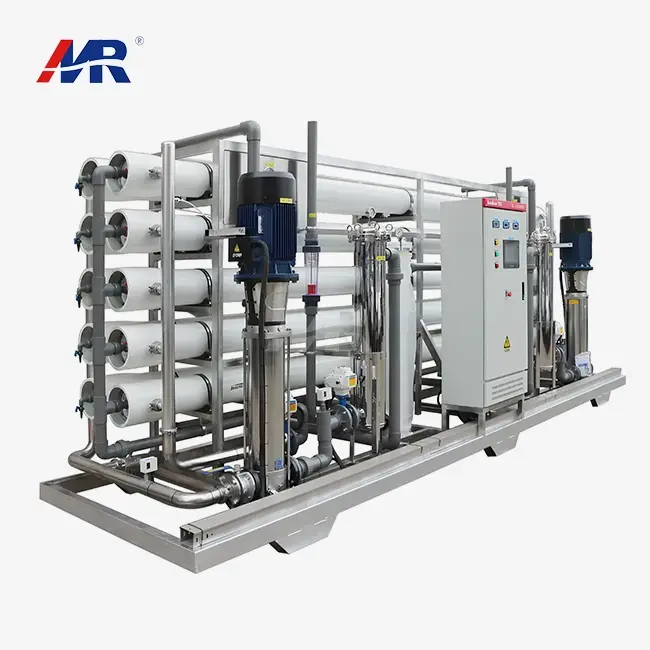
Modern reverse osmosis systems have a number of important parts that work together. High-pressure pumps make the force needed to move water through special membranes. Before the membranes are used, sediments and chemicals that could damage the membranes are removed in pre-filtration stages. Parts that come after the cleaning make sure that the water passes certain quality standards for different uses.
The membrane technology that these devices are based on can achieve very high levels of efficiency. Advanced thin-film composite membranes have salt rejection rates of more than 99%, which makes them perfect for cleaning water with TDS levels of up to 12,000 ppm and making permeate with TDS levels below 150 ppm.
Comparing RO Technology with Traditional Methods
Reverse osmosis is better than standard filtration methods in a number of important ways when looking at water treatment choices. RO systems get rid of the dissolved minerals that cause hardness, while activated carbon filters mostly deal with taste and smell problems. Even though distillation works, it uses a lot more energy than current Reverse Osmosis Unit designs, which only need 1.5 kWh/m³ or less to run. RO technology is especially helpful for factories that process well water that has a lot of minerals in it. When a pharmaceutical company in Texas switched from ion exchange systems to reverse osmosis, it cut its water treatment costs by 35% and got better water quality across all of its production lines at the same time.
Preparing for Installation: Planning and Requirements
Thorough planning and accurate assessment of your facility's unique needs are the first steps to a successful installation. This step affects how well and how long your water cleaning investment will work.
Water Quality Assessment and Testing
Professional water research is the first step in choosing the right solution. Total dissolved solids, hardness levels, pH, chlorine content, and possible contaminants that are unique to your water source should all be tested. Water from cities usually has 200 to 400 ppm TDS, but water from wells can have more than 1,000 ppm, so it needs to be treated in a different way.
A study in the lab shows important factors that affect the choice of membrane and the need for pre-treatment. High levels of chlorine need activated carbon pre-filtration, and high levels of iron need special methods to get rid of them before the RO step.
Selecting the Appropriate RO System
How much system capacity is needed depends on how demand spikes happen and what the program is doing. Continuous high-volume production is common in manufacturing sites. Smaller commercial businesses may benefit from batch processing systems that can store data.
Modern systems are very flexible when it comes to expanding their potential. A 500m³/day system with a 75% recovery rate can work well for medium-sized businesses and still use little energy. The flexible design means that the system can be expanded in the future without having to be replaced completely. This gives growing companies a great return on their investment.
B2B Procurement Considerations
There are more than just the beginning equipment costs to consider when evaluating providers. Long-term operational success is greatly affected by warranty coverage, the availability of expert help, and repair service networks. Established makers usually offer complete packages that include training for operators, supervision during installation, and preventative maintenance plans.
Financing choices and the benefits of buying in bulk for reverse osmosis for hard water help shopping budgets work better. A lot of companies offer flexible payment plans and discounts for installations at more than one spot, which makes it easier for people to afford big water treatment projects.
Step-by-Step Installation Process
The best performance and life of a system depend on how it is installed. This methodical technique cuts down on common installation mistakes and boosts operating efficiency.
Pre-Installation Preparation
Assessing the available room, services, and environmental factors is the first step in getting a site ready. The installation place needs to have enough air flow, be able to keep its temperature stable, and be easy to get to for regular upkeep. For industrial systems, 480V three-phase power is usually needed, and backup power should be considered for important uses.
Some of the most important tools are pipe wrenches, pressure gauges, electrical multimeters, and torque wrenches that are set up to connect to membrane housings. Safety gear and compliance paperwork make sure that the installation follows all neighborhood and industry rules.
System Installation Sequence
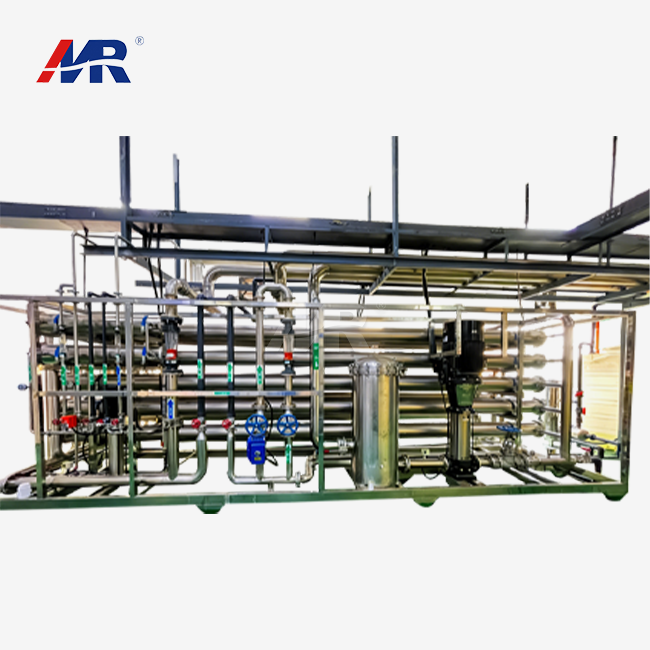
Installation is done in a sensible order, starting with the structural parts and moving on to the pipes, electrical links, and control systems. Here are the most important steps for installation:
- Foundation and Mounting: Attach the main frame of the system to a stable, level base that can handle working loads and vibrations.
- Inlet Piping and Pre-filtration: Connecting water supply lines and setting up pre-treatment parts like sediment screens and carbon filtration steps (inlet piping and pre-filtration)
- High-Pressure Pump Installation: align and connect the main pump system correctly, then mount and connect it.
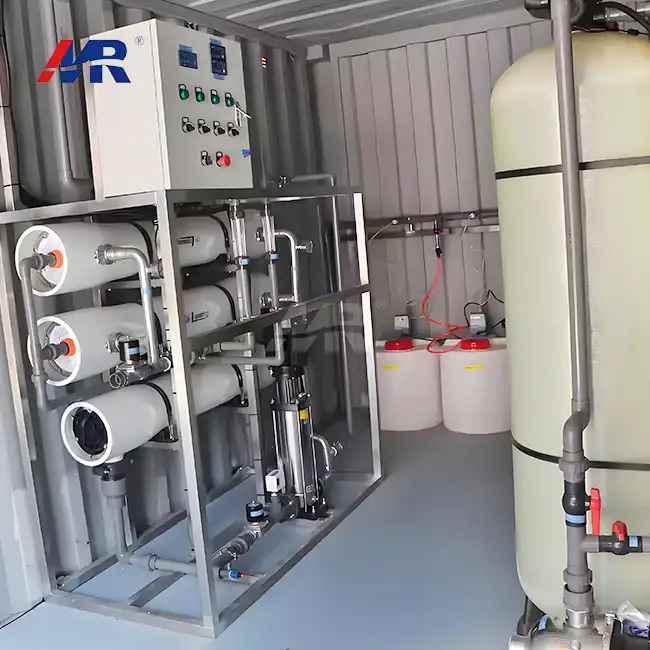
- Membrane Housing Connection: Stick RO membrane housings in place while paying close attention to where the o-rings go and how much power is needed.
- Post-Treatment Components: Connect tools for adjusting pH and remineralization as needed by the application.
Each installation step requires verification of connections and preliminary testing before proceeding to the next phase. Keeping good records during installation helps with fixing problems and following the insurance terms.
Common Installation Challenges and Solutions
Installation teams often have trouble regulating the pressure, especially when they join water systems that are already in place. Pressure-lowering valves and surge protection devices keep membranes from getting damaged by changes in pressure that happen a lot in industrial settings.
To avoid uneven loads and early wear, the membrane housing fitting needs to be done with great care. By using measured torque tools and following the manufacturer's instructions, you can make sure that the seal is properly formed without overtightening, which could damage the parts.
Post-Installation: Operation, Maintenance, and Efficiency Optimization
The operational factors and preventative maintenance plans of a Reverse Osmosis Unit must be carefully monitored in order to maximize its performance. With the right care after installation, you can keep the water quality stable and keep operating costs low.
Routine Maintenance Protocols
When upkeep is due depends on the water quality and how often the machine is used. Usually, pre-filters need to be replaced every three to six months, while membrane parts can work well for two to three years in normal circumstances. To keep things running smoothly, areas with a lot of contamination need to be checked more often.
Tracking output flow rates, pressure differences between membrane stages, and permeate quality factors are all part of performance monitoring. Automated tracking systems give workers data in real time and let them know about possible problems before they affect the quality of the water.
Energy Optimization Strategies
To use as little power as possible, modern systems have energy recycling devices and variable frequency drives. When compared to traditional designs, these technologies can cut running costs by 20 to 30 percent while keeping the quality of the result the same.
Recovery rate optimization finds a balance between making more water and reducing the amount of trash concentrate. Systems that work at 75% recovery rates are very efficient and keep membranes from getting too dirty, which shortens their useful life.
Professional Support Services
Maintenance jobs and replacing membranes in reverse osmosis for hard water systems that are too complicated often need specialized knowledge. Authorized service providers give expert help, replacement parts, and system updates that keep the system running at its best for as long as it is used.
Emergency support services make sure that there is little downtime when unexpected equipment breaks down. Comprehensive service agreements usually include preventative maintenance visits, priority access to parts, and expert support 24 hours a day for important purposes.
Conclusion
Putting in a reverse osmosis device to treat hard water is an investment in both the quality of the water and the efficiency of the business. The step-by-step process described in this guide makes sure that the installation is done correctly and that it works well and doesn't cost too much in the long run. Every step, from the first analysis of the water to the improvement after installation, makes sure that the water treatment is reliable and meets the strict needs of businesses and industries. Planning ahead, having a professional install it, and keeping up with the upkeep will set you up for years of reliable service in a wide range of situations.
FAQ
Q1: What are the main benefits of treating hard water with an RO system?
Minerals that make water hard, like calcium and magnesium, are successfully removed by reverse osmosis systems, which also get rid of other dissolved toxins. They keep the water quality stable, keep downstream equipment from rusting, and are cheaper in the long run than chemical cleaning methods.
Q2: How often should membrane elements be replaced in industrial applications?
How often the membrane needs to be replaced varies depending on the quality of the feed water and how the system is being used. Industrial membranes usually need to be replaced every two to three years, but in places with a lot of fouling, they may need to be changed more often. Monitoring pressure differences and permeate quality on a regular basis helps figure out the best time to replace something.
Q3: Can Reverse Osmosis Unit systems handle highly contaminated well water sources?
When built correctly and given the right pre-treatment, modern RO systems can treat well water with high TDS levels of up to 12,000 ppm. Specialized pre-filtration gets rid of iron, manganese, and other impurities that could hurt membranes. This makes sure that the system works well even when the water source isn't ideal.
Q4: What factors influence the total cost of ownership for commercial RO systems?
The total costs of ownership include the cost of buying the equipment, installing it, using energy, replacing membranes, and doing regular upkeep. Designs that use less energy, recover up to 75% of the energy they use, and use less than 1.5 kWh/m³ of power have much lower running costs over the lifespan of the system.
Partner with Morui for Your Reverse Osmosis Unit Installation
Guangdong Morui Environmental Technology Co., Ltd. has been specializing in water treatment options for industry and commercial uses for more than ten years. Our all-in-one Reverse Osmosis Unit systems use cutting-edge membrane technology, can run automatically, and have pre-treatment choices that can be changed to fit your needs. They provide your facility with consistently high-quality water. With 20 experienced engineers, dedicated membrane production facilities, and partnerships with top component providers like Shimge Water Pumps and Runxin Valves, we offer full turnkey solutions, from the initial meeting to ongoing support for maintenance. Get in touch with our technical team at benson@guangdongmorui.com to talk about your needs and find out why top makers trust Morui as their reverse osmosis unit provider.
References
1. Smith, J.A. & Johnson, M.R. (2023). "Industrial Water Treatment Systems: Design and Implementation Guidelines." Water Technology Quarterly, 45(3), 78-92.
2. Chen, L. & Rodriguez, C. (2024). "Membrane Technology Advances in Reverse Osmosis Applications." Journal of Water Process Engineering, 38, 145-158.
3. Thompson, K.W. (2023). "Energy Optimization in Commercial Reverse Osmosis Systems." Industrial Water Treatment Review, 29(7), 34-41.
4. Williams, P.D. & Zhang, H. (2024). "Installation Best Practices for Large-Scale RO Plants." Water Infrastructure Management, 18(2), 89-103.
5. Anderson, R.S. (2023). "Maintenance Strategies for Extended Membrane Life in Industrial Applications." Process Water Technology, 52(11), 67-75.
6. Martinez, A.F. & Kim, S.H. (2024). "Hard Water Treatment Economics: Comparative Analysis of Treatment Technologies." Water Economics Journal, 31(4), 112-127.