

_1745823981883.webp)

How Does a Leachate Management System Work? A Complete Guide for Landfills
There's more to modern dump management than just burying trash and leaving. One of the hardest things for operators is dealing with leachate, which is the dirty liquid that the leachate management system forms when rain soaks through trash that is breaking down. To keep groundwater from getting contaminated and to follow environmental rules, a leachate management system gathers, stores, treats, and safely gets rid of this dangerous wastewater. These systems include collection networks, pumping stations, storage facilities, and cleaning technologies that keep landfills around the world running efficiently while protecting the ecosystems nearby.
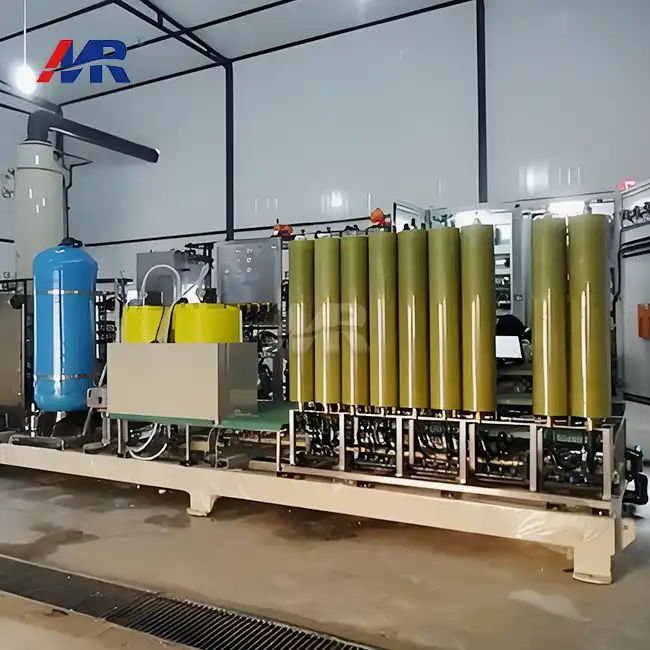
Understanding Leachate and Why It Demands Immediate Attention
A poisonous mix is made when organic matter breaks down. Heavy metals, organic molecules, ammonia, and pathogens are broken down by water that gets into the waste layers. As this dirty liquid seeps down through trash cans, it creates leachate that has chemical oxygen demand levels that are higher than 50,000 mg/L, which is more than 100 times stronger than regular city sewage.
Leachate moves into aquifers and surface streams if nothing is done to stop it. Groundwater that comes from uncontrolled landfills has contaminated drinking water wells in several countries, making them useless. Before giving operating permits to new disposal facilities, regulatory agencies now require full leachate control systems.
The composition changes a lot based on how old the waste is and the weather. In young landfills, the leachate is acidic and full of volatile fatty acids. In older landfills, the discharge is alkaline and full of organic substances that are hard to break down. Changes in temperature, patterns of rainfall, and the rate at which trash is compacted all affect the amount and strength of leachate.
Core Components That Make Collection Systems Function
Every landfill that follows the rules has a designed barrier system under it. The base is made up of high-density polyethylene liners that make an impermeable floor that moves leachate toward collection spots. These man-made membranes are usually 1.5 to 2.5 millimetres thick and don't break down chemically for decades.
A drainage layer made of gravel or special geocomposite materials sits on top of the cushion. This permeable zone lets leachate run through without getting stuck. The drainage layer has perforated lines that collect accumulated liquids and send them to central sump pumps, where submersible pumps take the waste to places where it can be stored or treated.
Monitoring wells placed around the edges of landfills find any possible leaks. Every so often, operators take samples from these sentinel wells and look at the groundwater chemistry for signs of liner failures, such as dissolved ammonia, chloride, and conductivity jumps.
The Journey From Collection to Treatment
Landfill leachate follows a carefully orchestrated path through the leachate management system once it enters collection pipes. Initial storage occurs in lined retention ponds or engineered tanks. These holding facilities provide surge capacity during heavy rainfall events while allowing preliminary settling of suspended solids.
How treatment is done depends on what needs to be done for release and what facilities are available. A lot of operators choose biological treatment as their main method. To lower the amount of organic material, they use sequencing batch reactors or membrane bioreactors. Biodegradable substances are broken down by microbial communities into biomass, carbon dioxide, and water.
Advanced combustion processes get rid of contaminants that are hard for living things to break down. Ozone injection, UV photolysis, and Fenton reactions are some of the technologies that can break down complex chemical molecules that regular treatment can't. Reverse osmosis technology makes highly pure wastewater that can be released into sensitive receiving waters or used again.
Some landfills use leachate recirculation, which involves pumping partly treated liquid back into the mass of the landfill. This practice speeds up the stabilization of waste, raises the production of landfill gas, and lowers the net amount of leachate that needs to be disposed of outside the landfill. Bioreactor landfill operations improve the way water is distributed, turning static burial cells into controlled decomposition rooms.
Selecting Treatment Technologies Based on Discharge Standards
The pharmaceutical and biotechnology companies know that different uses need different levels of purity. The same is true for treating leachate. When wastewater is sent to municipal wastewater treatment plants instead of rivers or lakes directly, it needs less intense pretreatment.
Physical-chemical processes quickly get rid of contaminants. Activated carbon adsorption picks up dissolved organics, and coagulation and flocculation get rid of tiny particles and metals. Ammonia stripping lowers the amount of nitrogen in the system before biological treatment, which keeps microbial communities from being stopped.
Membrane technology has changed the way wastewater is treated in a big way. Ultrafiltration gets rid of bacteria and suspended solids, and it's used to prepare water for reverse osmosis systems. The mix makes permeate with total dissolved solids below 100 mg/L, which meets strict release requirements while concentrating contaminants into a reject stream that is easier to handle.
When liquid discharge is not allowed, evaporation devices work very well. Mechanical vapour recompression or thermal evaporators cut the amount of leachate by at least 95%, leaving behind solid waste that can be safely thrown away. The cost of energy makes this method less appealing, but sometimes there are no other options because of rules.
Operational Challenges That Test Even Experienced Teams
Leachate composition changes continuously. Seasonal rainfall variations cause dramatic volume fluctuations, requiring flexible treatment capacity. Winter freeze-thaw cycles can damage exposed piping, while summer evaporation concentrates contaminants, increasing treatment difficulty.
Membrane fouling plagues many reverse osmosis installations, and leachate management systems treating leachate. Organic compounds, biopolymers, and inorganic scales accumulate on membrane surfaces, reducing flux and increasing operating pressures. Effective pretreatment—including coagulation, filtration, and antiscalant dosing—extends membrane lifespan and maintains consistent performance.
Disposal of treatment residuals presents logistical puzzles. Concentrated reject streams from membrane systems contain toxic constituents requiring specialized handling. Some facilities reinject concentrates into deep geological formations, while others solidify residues with cement or lime before landfilling at secure hazardous waste facilities.
Corrosion attacks pumps, piping, and instrumentation exposed to aggressive leachate chemistry. Selecting appropriate materials—stainless steel, fibreglass-reinforced plastic, or specialized coatings—extends equipment service life. Regular inspection and maintenance prevent catastrophic failures that could release untreated leachate into the environment.
Monitoring and Compliance in an Increasingly Regulated Landscape
Environmental agencies mandate rigorous leachate sampling and reporting. Typical monitoring programs track pH, chemical oxygen demand, biochemical oxygen demand, ammonia, total suspended solids, heavy metals, and priority pollutants. Sampling frequency ranges from weekly to quarterly, depending on facility size and risk classification.
Real-time monitoring systems provide continuous data streams. Online analyzers measure key parameters like conductivity, pH, and turbidity, triggering alarms when values exceed preset thresholds. Automated sampling equipment collects flow-proportional composite samples, ensuring representative characterization of variable discharges.
Leachate toxicity testing assesses environmental risk. Whole effluent toxicity evaluations expose indicator organisms—typically water fleas, fathead minnows, or algae—to diluted samples. Survival, reproduction, and growth metrics determine safe discharge concentrations that protect aquatic ecosystems.
Groundwater monitoring well networks surround compliant landfills. Quarterly or semi-annual sampling detects potential leachate migration beyond containment systems. Statistical analysis compares downgradient well data against upgradient background conditions, identifying contamination trends requiring corrective action.
Emerging Technologies Reshaping Leachate Management Approaches
Forward osmosis represents an innovative alternative to conventional reverse osmosis. This process uses concentrated draw solutions to extract water from leachate without high hydraulic pressures. Lower energy consumption and reduced fouling tendencies make forward osmosis attractive for remote landfill locations with limited power availability.
Electrochemical treatment destroys recalcitrant compounds through oxidation at specialized anodes. Boron-doped diamond electrodes generate hydroxyl radicals that mineralize organic contaminants into carbon dioxide and water. These systems handle variable influent quality without biological process upsets, though electrode costs remain substantial.
Constructed wetlands offer a low-energy leachate management system for polishing pretreated leachate. Engineered marshes containing cattails, reeds, and other aquatic plants remove residual nutrients and metals through biological uptake and microbial transformation. Land requirements limit applicability, but operational simplicity appeals to facilities seeking reduced mechanical complexity.
Hybrid systems combining multiple treatment technologies optimize performance across changing conditions. Sequential biological treatment, membrane filtration, and advanced oxidation provide redundant barriers against discharge violations. Modular designs allow capacity expansion as landfill operations grow.
Financial Considerations That Influence System Design Decisions
Capital costs for comprehensive leachate treatment systems range from hundreds of thousands to several million dollars. Engineering, equipment procurement, construction, and startup commissioning all contribute to initial investment. Larger facilities benefit from economies of scale, reducing per-gallon treatment costs.
Operating expenses include energy consumption, chemical reagents, membrane replacement, residuals disposal, and labour. Biological treatment systems typically offer the lowest ongoing costs, though they require skilled operators monitoring microbial health. Membrane and evaporation technologies consume more energy but produce higher-quality effluent with less operator intervention.
Lifecycle cost analysis should guide technology selection. Systems with lower capital costs sometimes incur higher long-term expenses through frequent maintenance, premature component replacement, or discharge violations triggering regulatory penalties. Experienced suppliers help decision-makers evaluate total ownership costs across projected facility lifetimes.
Financial incentives sometimes offset leachate management investments. Government grants, low-interest loans, and tax credits support environmental infrastructure improvements. Renewable energy integration—using landfill gas to power treatment systems—reduces operating costs while improving sustainability metrics.
Partner With a Proven Leachate Management System Manufacturer
Morui delivers turnkey leachate treatment solutions engineered for your specific leachate management system discharge requirements and budget constraints. Our technical team designs custom systems integrating biological reactors, membrane filtration, and advanced oxidation tailored to your leachate characteristics. With 20 experienced engineers, dedicated membrane production facilities, and comprehensive installation services, we transform contamination challenges into compliance successes. Contact our specialists at benson@guangdongmorui.com to discuss your landfill's unique requirements and receive a detailed proposal.
References
1. Jeldsen, P., Barlaz, M.A., Rooker, A.P., Baun, A., Ledin, A., and Christensen, T.H. "Present and Long-Term Composition of MSW Landfill Leachate: A Review." Critical Reviews in Environmental Science and Technology, Vol. 32, No. 4, 2002, pp. 297-336.
2. Renou, S., Givaudan, J.G., Poulain, S., Dirassouyan, F., and Moulin, P. "Landfill Leachate Treatment: Review and Opportunity." Journal of Hazardous Materials, Vol. 150, No. 3, 2008, pp. 468-493.
3. Kulikowska, D. and Klimiuk, E. "The Effect of Landfill Age on Municipal Leachate Composition." Bioresource Technology, Vol. 99, No. 13, 2008, pp. 5981-5985.
4. Foo, K.Y. and Hameed, B.H. "An Overview of Landfill Leachate Treatment via Activated Carbon Adsorption Process." Journal of Hazardous Materials, Vol. 171, No. 1-3, 2009, pp. 54-60.
5. Wiszniowski, J., Robert, D., Surmacz-Gorska, J., Miksch, K., and Weber, J.V. "Landfill Leachate Treatment Methods: A Review." Environmental Chemistry Letters, Vol. 4, No. 1, 2006, pp. 51-61.
6. Abbas, A.A., Jingsong, G., Ping, L.Z., Ya, P.Y., and Al-Rekabi, W.S. "Review on Landfill Leachate Treatments." American Journal of Applied Sciences, Vol. 6, No. 4, 2009, pp. 672-684.
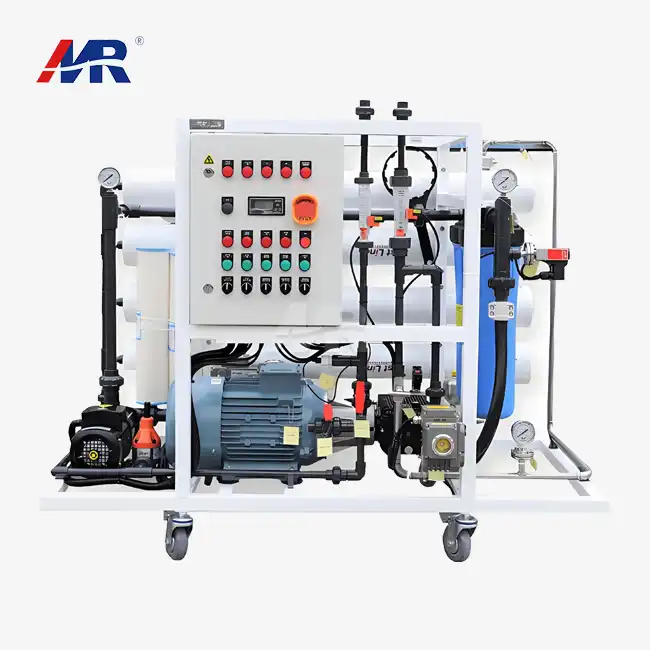 VIEW MORE2m3/hour seawater desalination equipment
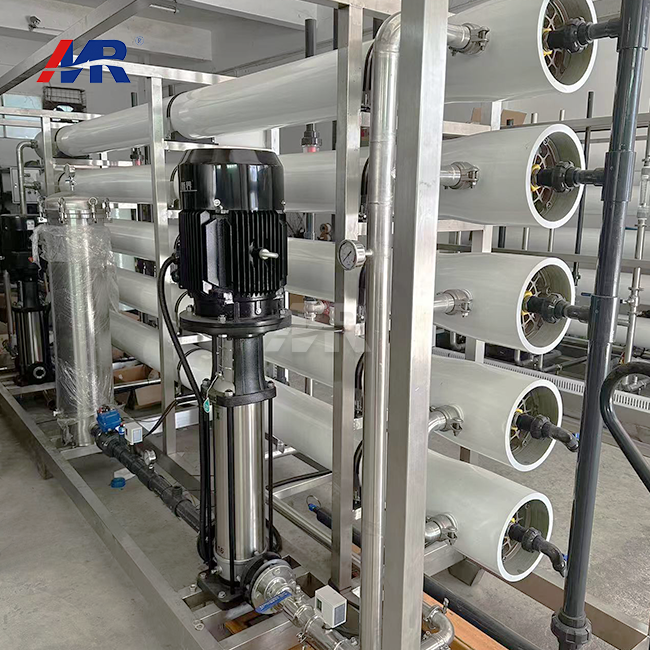 VIEW MOREosmosis water purification system
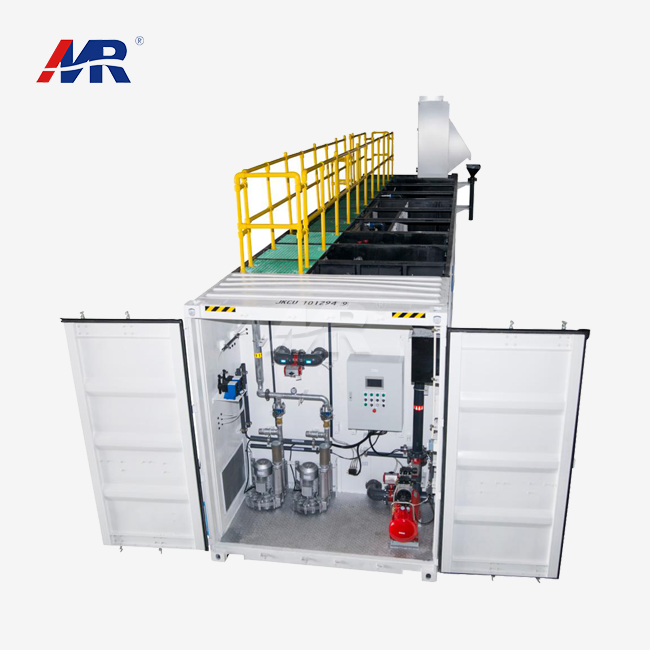 VIEW MOREhome sewage treatment plant
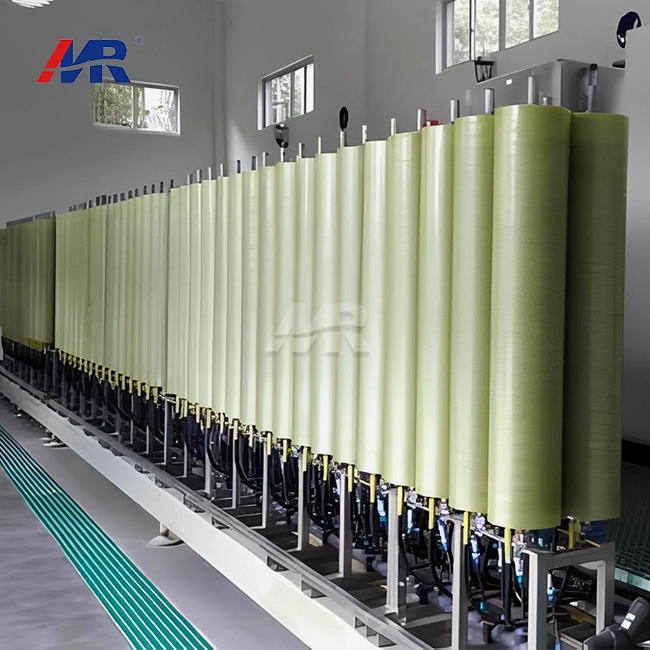 VIEW MORELeachate DTRO Treatment Equipment
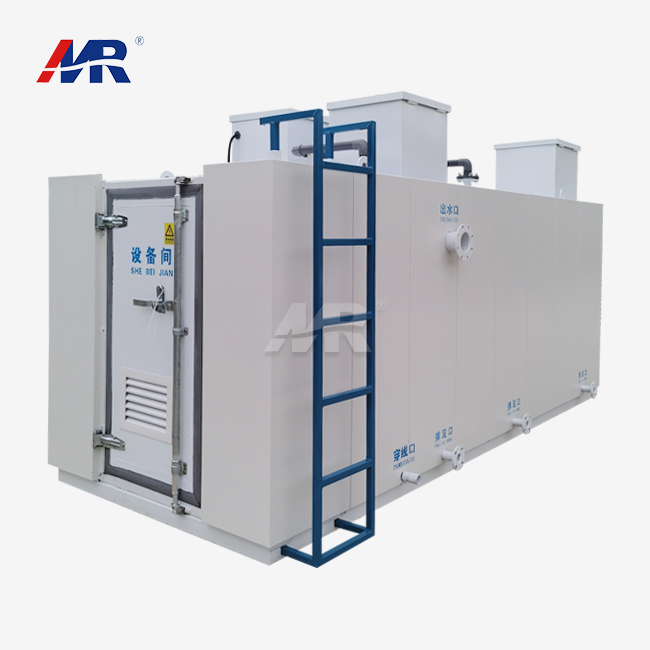 VIEW MOREwastewater treatment plant
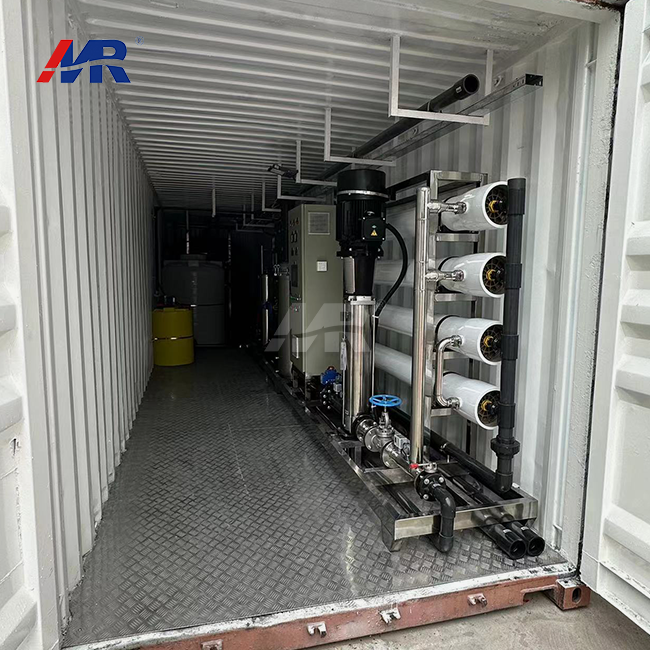 VIEW MOREcontainerized ro system
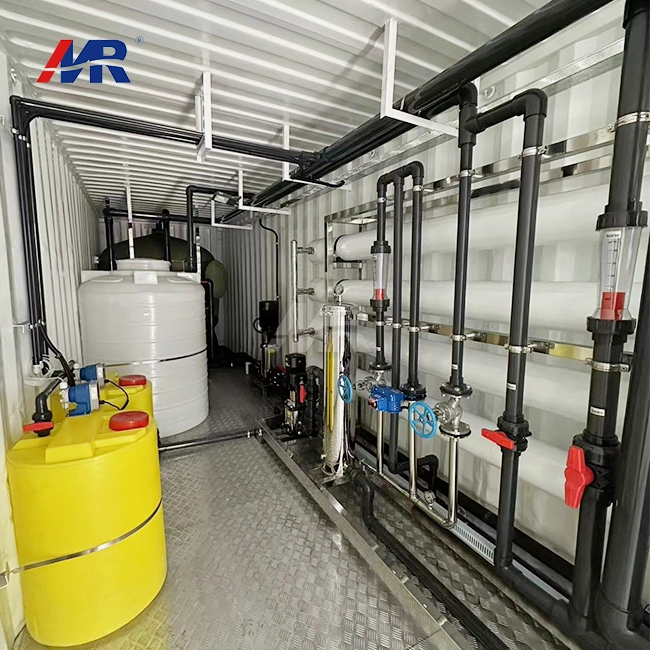 VIEW MOREcontainerized desalination plant
 VIEW MORELandfill Leachate Treatment System
