_1745823981883.webp)

The Cost of Reverse Osmosis: Is It Worth Every Cent?
The reverse osmosis price is often the most reverse osmosis price important thing for decision-makers in all fields when they are thinking about investments in water treatment. The clear answer is yes—every dollar spent on a good RO system pays off in the long run by making the water cleaner, meeting regulations, being more efficient, and lowering costs. Initial costs depend on capacity and setup, but the real value comes from long-term performance, lower contamination risks, and less downtime that protects both production quality and brand image.
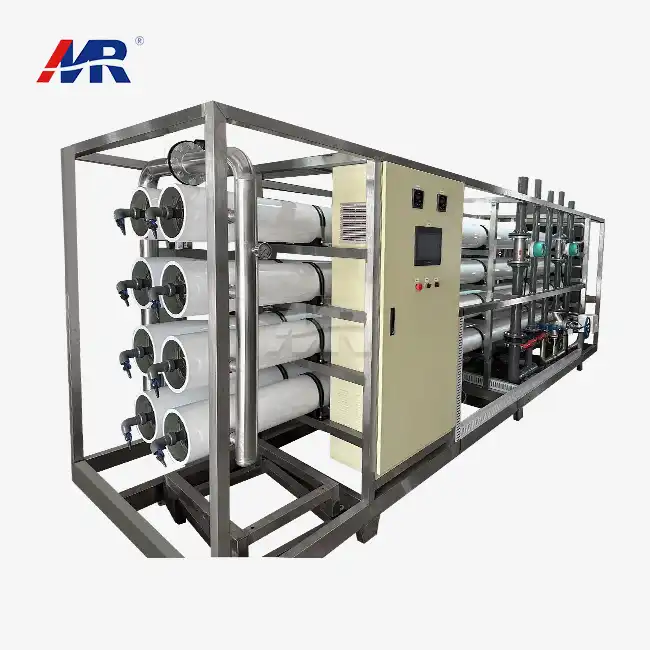
Understanding the Breakdown of Reverse Osmosis System Costs
Analyzing the costs associated with reverse osmosis (RO) systems helps purchasing teams make informed decisions that balance performance and price.
Equipment Components and Their Price Impact
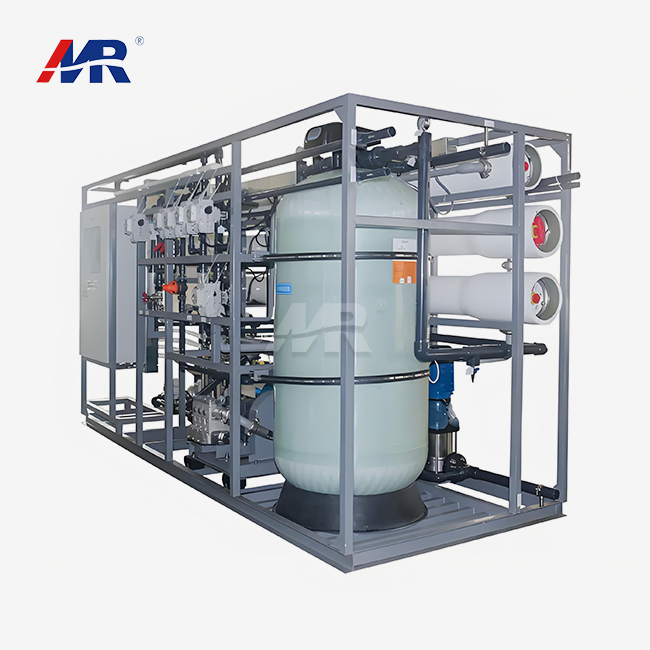
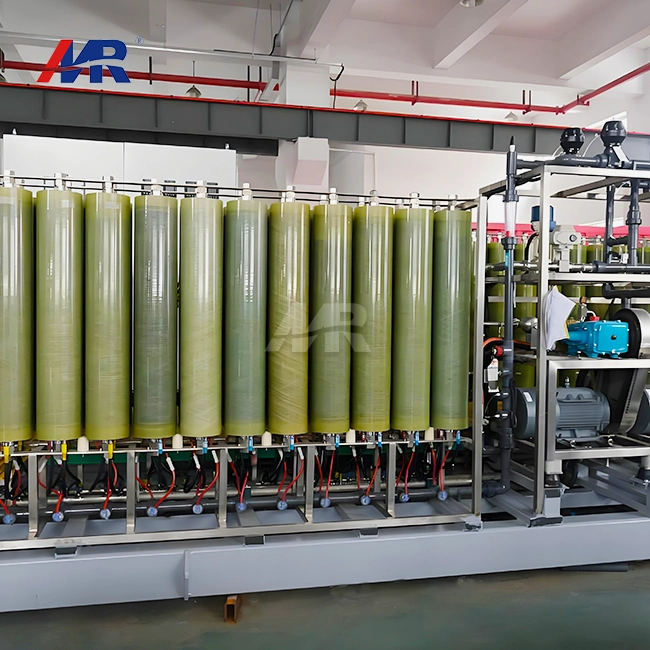
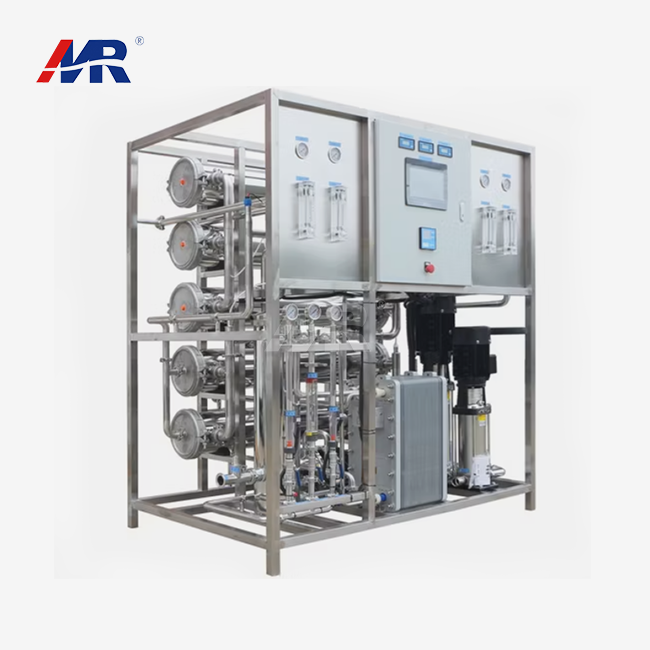
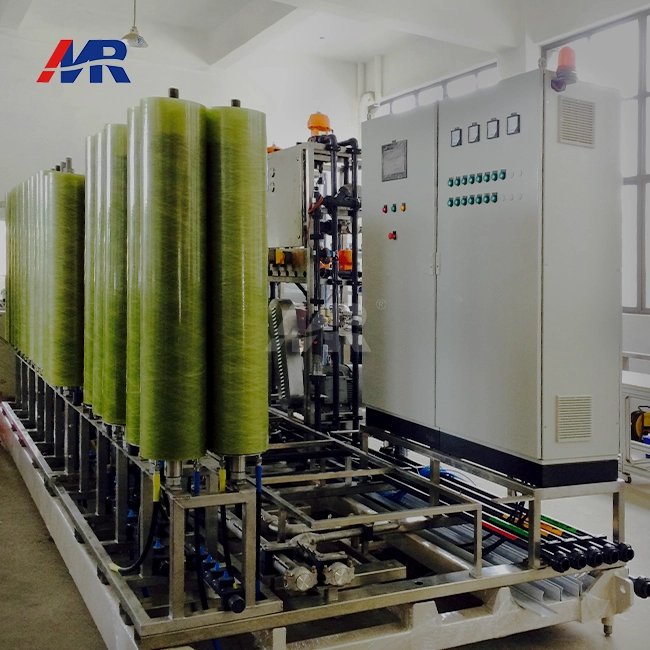
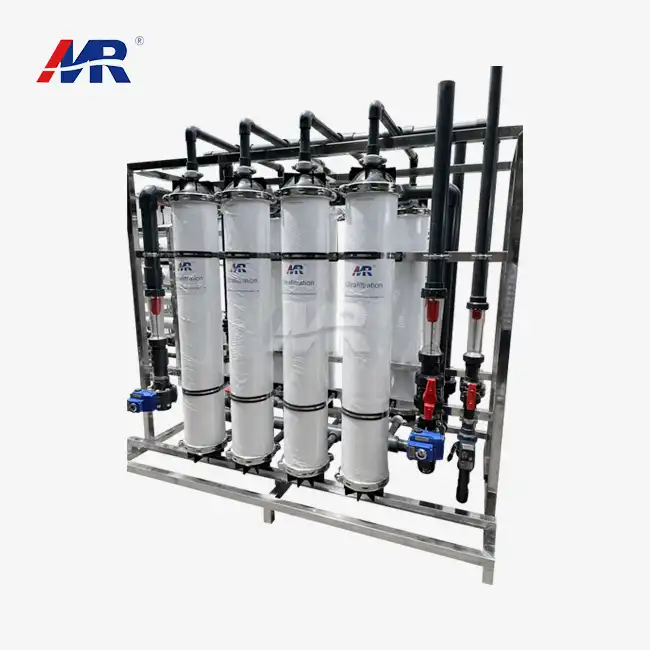
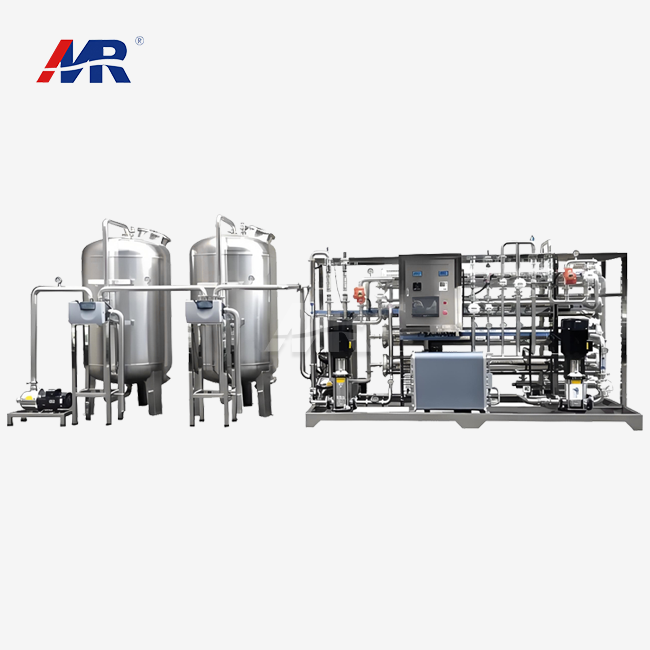
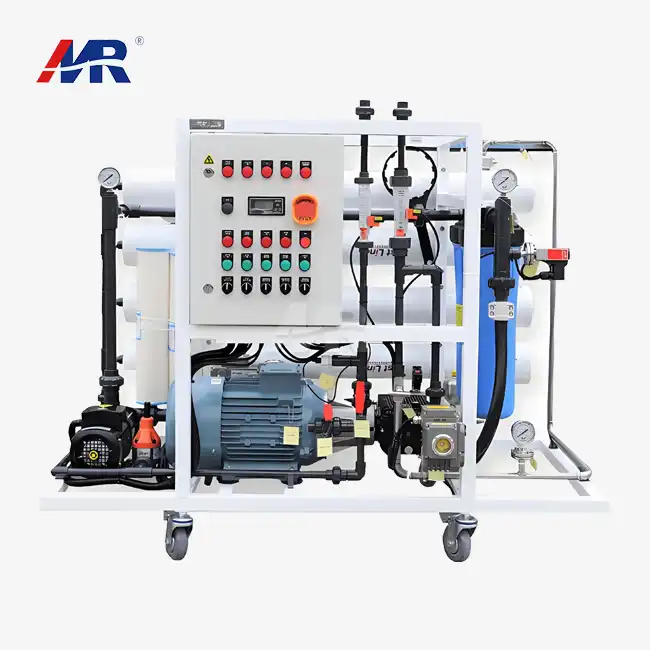
The primary components of an RO system significantly influence its overall cost. The membranes are crucial for filtration, with thin-film composite (TFC) membranes generally being more expensive than cellulose acetate options. TFC membranes excel at rejecting salt and removing over 99% of contaminants, making them ideal for applications where water purity is critical, such as in pharmaceuticals and food processing. Pre-filtration steps using carbon and sediment filters protect the membranes from damage, while high-pressure pumps tailored to specific water chemistry and flow requirements are essential for commercial and industrial systems. These pumps often need to be robust enough to maintain consistent pressure over extended periods, with stainless steel construction required in corrosive environments. Storage tank size also impacts costs, ranging from small home tanks of 2 to 4 gallons to large commercial tanks holding thousands of gallons. Larger tanks provide immediate access to clean water, which is vital for continuous industrial processes.
Installation Complexity and Regional Factors
Installation expenses vary based on site-specific conditions. Facilities requiring extensive alterations to water, electricity, or structural setups face higher costs. Labor rates differ across regions, with coastal cities typically charging more than rural areas. Water source characteristics significantly affect system design. For instance, municipal water requires less preparation than saline groundwater, which demands additional softening and iron removal steps. Seawater desalination projects, among the most complex and costly, utilize multiple membrane runs and corrosion-resistant materials. Regulatory compliance can add to operational costs, with some states imposing strict permit requirements for concentrate discharge and water conservation ratios, necessitating reverse osmosis price advanced recovery optimization equipment.
Operational Costs Through the Lifecycle
Energy consumption is the highest ongoing cost for RO systems, especially in high-pressure applications like seawater desalination. Modern energy recovery devices can reduce power needs by up to 60%, impacting operating costs over the system's lifespan. Industries reliant on RO systems must factor energy costs into their total ownership calculations. The concentrate-to-permeate ratio indicates how much water is wasted, affecting both energy expenses and environmental sustainability. Traditional RO systems typically produce 3–4 gallons of wastewater for every gallon of clean water, while advanced designs can achieve a 1:1 ratio, making recovery rates an important consideration. Maintenance schedules for filters depend on water quality and usage. Carbon filters usually need replacement every 6 to 12 months, sediment filters every 3 to 6 months, and membranes every 2 to 5 years. Implementing predictive maintenance through differential pressure monitoring and regular water quality testing can prevent costly replacements and downtime.
Warranty and Service Agreement Value
A comprehensive warranty protects against manufacturing defects and premature failures. Reputable manufacturers often offer warranties lasting 5 to 10 years, safeguarding significant investments. Service agreements covering preventive maintenance and emergency responses help streamline operations and budget planning. Facilities with proactive service contracts experience 40% less unplanned downtime compared to those relying on reactive repairs, ensuring consistent production and product quality—benefits that outweigh the contract costs.
How to Choose the Best Reverse Osmosis System for Your Business Budget
When you do strategic procurement, you have to make sure that the system details match the working needs while also minimizing costs.
Capacity Planning and Demand Assessment
When you're too big, you have to pay too much for cash and run your business too much, and when you're too small, you have problems with production and quality. Predicting daily and peak water needs accurately based on production plans, yearly changes, and growth forecasts is the first step in choosing the right system. Pharmaceutical companies must account for validation batches, cleaning cycles, and emergency backup capacity when specifying system size. Electronics assembly plants need to be able to produce things in real time so that they can keep up with wafer cleaning plans and avoid storage delays that could lead to contamination. To get the best cost per gallon, food makers balance batch production methods with the amount of space in their holding tanks. Modular system designs make it easier to add more features as an operation grows. Starting with the right-sized configuration and adding parallel treatment lines as demand grows keeps growth paths open while lowering the original investment. This method works especially well for startups and small businesses in the area that are facing uncertain growth paths.
Evaluating Supplier Reputation and Support Infrastructure
A supplier's value goes beyond the price of the tools they offer and includes the value of a long-term relationship. Established makers with a lot of experience with different applications bring technical knowledge that keeps design mistakes from being too expensive. We've seen many examples of cheap technology that didn't work right and had to be replaced within 18 months. This is called a false economy and hurts the trustworthiness of budgets. During the commissioning and operating phases, the system for after-sales help is very important. Whether small problems are fixed quickly or turn into long production stops depends on how easy it is to get local service, how many parts are in stock, and how quickly expert help responds. Before choosing a supplier, procurement teams should make sure that the service is available in their area and ask for customer examples from similar apps. Warranty terms should be carefully looked over beyond simple duration claims. To avoid surprises, it's important to know what situations void coverage, reaction time promises for warranty service, and membrane performance guarantees. Premium providers who are sure of their engineering can offer full safety that reverse osmosis price cheap makers can't match.
Customization for Operational Integration
Off-the-shelf solutions don't always provide the best cost-performance balance for a specific location. Changes in water chemistry, limited room, the need for automation, and limits on discharge all make customization necessary. Skilled providers can do this without charging too much for engineering. This freedom is made possible by pre-engineered flexible components that can be configured to fit specific needs. Pharmaceutical and biotech facilities need special kinds of industrial equipment that don't come with standard paperwork packages, clean design features, or the ability to connect to automation systems. The extra cost of systems that are GMP-compliant is worth it because they make getting governmental approval and getting ready for audits easier. Specialized materials, like fiberglass tanks, hastelloy pipes, and chemical-resistant seals, help chemical and electroplating processes that deal with corrosive feed streams last longer in harsh conditions. Initial cost increases don't matter when compared to the costs of replacing things that break down too soon.
Long-term Cost Considerations and Value Analysis of Reverse Osmosis Systems
A full financial study looks at more than just the buying price; it also looks at the whole economics of the product's life.
Recurring Maintenance and Consumable Expenses
The most important ongoing cost is replacing the membrane, which can cost anywhere from $300 to $1,500 per unit, based on its size and specifications. Large systems with many membrane parts need to be replaced every three to five years, which costs $5,000 to $20,000. By finding the best cleaning plans before permanent fouling happens, proactive monitoring through adjusted performance tracking can increase the life of membranes. Chemical cleaning programs keep the efficiency of the membrane's salt rejection and flow between replacements. Setting up regular cleaning procedures using approved formulas costs a few hundred dollars every three months, but it stops the flux loss that causes membrane removal too soon. For big setups, we suggest automated cleaning systems to make sure consistency and cut down on the need for staff. Consumables for pre-filters are a smaller but more common cost. Carbon filters, which cost $40 to $100, last 6 to 12 months, while sediment tubes, which cost $15 to $50 each, need to be replaced every three months in most public water systems. Source water with a lot of sediment makes replacements happen more often.
Energy Consumption and Efficiency Optimization
The price of electricity changes a lot depending on the system pressure needed and the local utility rates. Brackish water RO works at 150 to 400 psi and needs 0.5 to 2 kWh of power to make 1000 gallons of water. At 800-1,200 psi, desalinating seawater takes 3–6 kWh per thousand gallons if no energy recovery is used. With current energy recovery machines, this number drops to 1.5–3 kWh.Variable frequency drives on feed pumps change the pressure based on real demand instead of always running at full capacity, which saves energy. The technology raises the cost of the system by $2,000 to $8,000, but it usually pays for itself in 18 to 24 months by cutting down on power use. In most industrial settings, continuous operation uses less energy than irregular cycling because the energy used at start-up and during stabilization is higher than the energy used at steady state. Facilities that use batch production should check to see if longer working hours at lower production rates lower overall energy costs compared to short, high-intensity production times.
ROI Through Quality and Compliance Benefits
By measuring the costs that were avoided, the RO system's value goes beyond its direct practical measures. When beverage companies get their taste profiles to be uniform, they avoid customer complaints, reverse osmosis price, and brand damage that are hard to measure with simple cost accounting but have a huge effect on revenue. Pharmaceutical businesses that always follow GMP escape threats like warning letters, consent decrees, and production shutdowns that could end their business. When electronics makers use ultrapure water to lower defect rates, yield percentages go up, which saves millions of dollars every year in complex chip production. If a factory that makes 50,000 wafers a month can increase yield by just one percentage point, it will save so much money that it will cover the cost of the RO system. Medical-grade RO systems are essential for the safety of patients in healthcare sites that offer dialysis services. The cost factor isn't just about water purification economics; it's also about avoiding liability and following the rules. This is why premium system specs and redundant backup capabilities are necessary.
Where and How to Buy Reverse Osmosis Systems at the Best Price
Strategic buying practices can help you secure favorable prices while ensuring the quality of reverse osmosis (RO) systems and reliability from suppliers.
Comparing Procurement Channels
Authorized wholesalers provide valuable services beyond equipment sales, including application planning, installation support, startup assistance, and warranty management. While prices may be slightly higher than direct online purchases, these support services are crucial during commissioning and operation phases. Online industrial machinery platforms offer transparent pricing and a wide range of manufacturers, appealing to cost-conscious buyers. However, limited Technical support and challenges in coordinating repairs can pose risks, which experienced procurement managers carefully weigh.
Negotiation Strategies for Optimal Value
Procurement teams can leverage bulk order discounts by consolidating needs across multiple sites or collaborating with other organizations, potentially securing price reductions of 10 to 25 percent on orders of multiple units. Additionally, negotiating extended warranties or enhanced service agreement features can provide significant value without substantial costs to manufacturers. Installation and testing services are also negotiable. While competitive bids for installation might reduce overall project costs, they may complicate collaboration. Turnkey solutions simplify project management but could increase expenses.
Certification and Quality Verification
Independent certification, such as NSF/ANSI, ensures systems meet health and safety standards. NSF/ANSI 58 and 61 Certifications verify compliance and performance claims, while pharmaceutical applications require adherence to 21 CFR Part 11 standards. ISO 9001 certification indicates a mature quality management system, correlating with consistent product performance and customer service. Given that membrane quality significantly impacts system efficiency, opting for membranes from reputable suppliers like Dow, Toray, or Hydranautics is advisable, as they maintain rigorous quality control and command higher prices due to superior performance and durability.
Conclusion
The reverse osmosis price of reverse osmosis systems is not just a purchase cost; it's an investment in the quality of the water, the dependability of the system, and its long-term value. Reverse osmosis price factors are still important, but a thorough analysis that includes lifecycle costs, quality assurance, regulatory compliance, and productivity benefits shows strong economic support across many industries. To be successful at procurement, you need to find a balance between limited starting cash and minimizing the total cost of ownership. You should also choose methods and suppliers that will keep working well for 15 to 20 years. Now the question isn't whether RO systems are worth the money; it's how quickly quality systems give measured returns through better product quality, lower operational risks, and competitive benefits in fields where water purity is key to success.
FAQ
1. What factors most significantly influence reverse osmosis system pricing?
The main factor that affects the reverse osmosis price is the system's capacity, which is measured in gallons per day. Commercial systems can range from $5,000 for small businesses to more than $500,000 for large factories. The price depends on the type and amount of membranes. For example, TFC membranes are more expensive than cellulose acetate membranes but work better. The difficulty of pretreatment depends on the quality of the source water. For example, ocean desalination needs the most expensive setups. The amount of automation, the building materials, and the compliance certifications all add extra costs that are needed for certain uses.
2. How do budget and premium systems compare economically over time?
Budget systems require less money up front because they have simpler designs, stock parts, and fewer support services. They work well in situations where the water quality needs to be flexible, and there is technology support available in-house. Advanced features like energy recovery, automatic cleaning, remote tracking, and full guarantees are built into high-end systems. These features lower running costs and the chance of downtime. Total cost of ownership research usually suggests that high-end systems are better for mission-critical tasks where production delays cost a lot of money. The crossing point is based on things that are unique to the building, like the cost of labor, the rate of utilities, and the value of the production.
3. What membrane replacement intervals should we expect, and what do they cost?
The membrane can last anywhere from two to five years, based on the type of water used, how it is used, and how well the cleaning program works. Each industrial membrane costs between $300 and $1,500, and most systems have between 3 and 7 parts per pressure tank. Normalized performance tracking finds the best time to change parts before salt passage increases hurt the quality of the product. It is more cost-effective to replace something before it stops working properly than to replace it after it has broken down. Setting aside money for replacements in maintenance budgets stops unexpected capital expenditures that make it hard to plan finances.
Get Competitive Reverse Osmosis System Pricing from a Trusted Manufacturer
For reverse osmosis procurement to go smoothly, you need to work with experienced providers who know the specific needs of your business. Morui has been treating water for 20 years and has worked with clients in North America in the pharmaceutical, food processing, electronics, and industry sectors. Our engineering team creates unique solutions that are the best balance of cost and performance for your needs, whether you need small business systems or large industrial plants that make thousands of gallons of water every day.
Our all-around method includes providing the equipment, setting it up for you, helping you get it up and running, and offering ongoing service agreements that protect your investment. We keep a large inventory of parts on hand so that we can quickly respond to repair needs. Our remote tracking tools also find possible problems before they affect production.
Our clear pricing framework for reverse osmosis systems, reverse osmosis price, and full water treatment options helps procurement managers and technical decision-makers. We offer reasonable prices on reverse osmosis from makers, as well as discounts for projects with more than one unit and flexible payment terms that work with your budget. You can talk to our technical sales team at benson@guangdongmorui.com about your needs and get a thorough cost analysis that is specific to your location.
References
1. American Water Works Association (2022). Reverse Osmosis and Nanofiltration: Manual of Water Supply Practices M46. AWWA Press.
2. Baker, R.W. (2021). Membrane Technology and Applications, 4th Edition. John Wiley & Sons.
3. Greenlee, L.F., Lawler, D.F., Freeman, B.D., Marrot, B., & Moulin, P. (2020). "Reverse Osmosis Desalination: Water Sources, Technology, and Today's Challenges." Water Research, 43(9), 2317-2348.
4. International Desalination Association (2023). Industrial Water Treatment: RO System Design and Operational Best Practices. IDA Technical Report Series.
5. National Sanitation Foundation (2023). NSF/ANSI Standard 58: Reverse Osmosis Drinking Water Treatment Systems - Performance Requirements and Test Methods. NSF International.
6. Water Quality Association (2022). Cost-Benefit Analysis of Commercial and Industrial Water Treatment Systems. WQA Industry Analysis Report.