_1745823981883.webp)

Environmental Impact of Untreated Sewage Wastewater and Why Treatment Matters
Untreated sewage sludge is one of the biggest environmental problems that businesses and cities have to deal with right now. Without proper wastewater treatment, pollutants from homes, factories, and farms flow straight into rivers, lakes, and ocean waters, causing a chain reaction of environmental damage. These toxins bring in dangerous pathogens, heavy metals, and nutrient loads that hurt the health of the water and land and even the air by releasing methane and hydrogen sulfide. Not only does polluted sewage hurt the environment, it also puts people's health at greater risk because waterborne diseases spread quickly through it. In North America and Europe, strict regulations require companies to install effective waste treatment systems. Following these rules is not only the right thing to do, but also the law that must be followed for operations to continue.
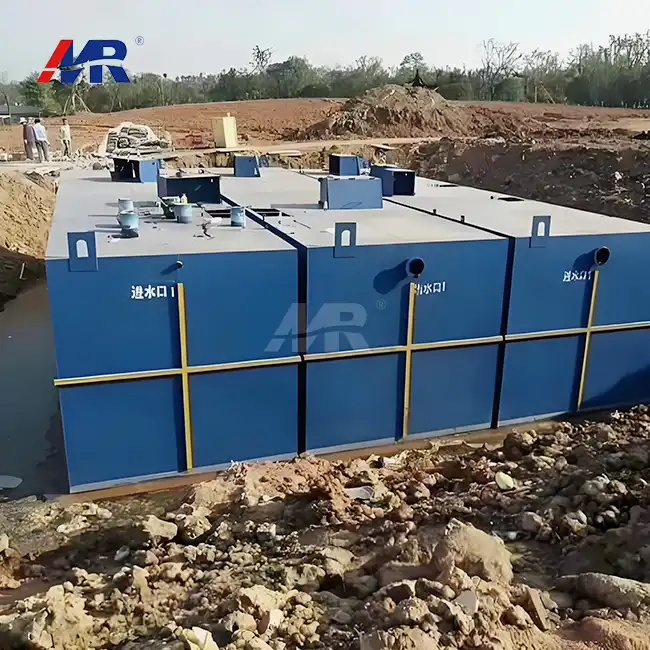
Understanding the Environmental Impact of Untreated Sewage Wastewater
Water Contamination and Ecosystem Disruption
If sewage goes into natural rivers without being cleaned, it lowers the amounts of biochemical oxygen demand (BOD) and chemical oxygen demand (COD), which makes dissolved oxygen less available. Fish numbers die out, watery plants die out, and food chains break down as a whole. Heavy metals from electroplating plants, pharmaceutical residues from hospitals, and chronic organic pollutants from chemical plants all build up in layers, making harmful hotspots that last for decades. Too much nitrogen and phosphorus cause damaging algal blooms along the coast, which create "dead zones" where marine life can't live.
Public Health Risks
Untreated wastewater treatment brings germs like parasitic protozoa that cause cholera, typhoid, and diarrhea, as well as E. coli and Salmonella. When people in a community use dirty water sources for drinking or farming, epidemics can happen. When factories release wastewater that hasn't been cleaned, it can expose workers and people living nearby to chemicals that can cause cancer and mess with hormones that build up in the body over time.
Regulatory Landscape and Compliance Pressures
The United States Environmental Protection Agency (EPA) sets strict rules on discharge under the Clean Water Act. In the European Union, the Urban Wastewater Treatment Directive is enforced by orders. Not following the rules leads to big fines, shutting down operations, and damage to the company's image. Pharmaceutical companies have to make sure their water is clean enough to meet Good Manufacturing Practice (GMP) standards. Semiconductor companies need ultrapure water to meet certain standards, and the FDA checks food processing plants' production water quality all the time. When procurement teams understand these legal systems, they can see that investing in advanced treatment technology protects both business interests and natural resources.
Why Wastewater Treatment Matters: Benefits and Industry Applications
Pollution Reduction and Resource Recovery
Waste streams are turned into useful materials by modern cleaning systems. waste wastewater treatment methods lower the amount of organic matter in water by more than 95%, and barrier technologies let water be used again for things like irrigation, cooling towers, and even drinking. Anaerobic digesters take in biogas from strong industrial wastewater, turning processes that use a lot of energy into ones that produce energy. Nutrient recovery systems take out phosphorus and nitrogen so that fertilizer can be made. This closes resource loops and lowers the cost of doing business.
Industry-Specific Treatment Needs
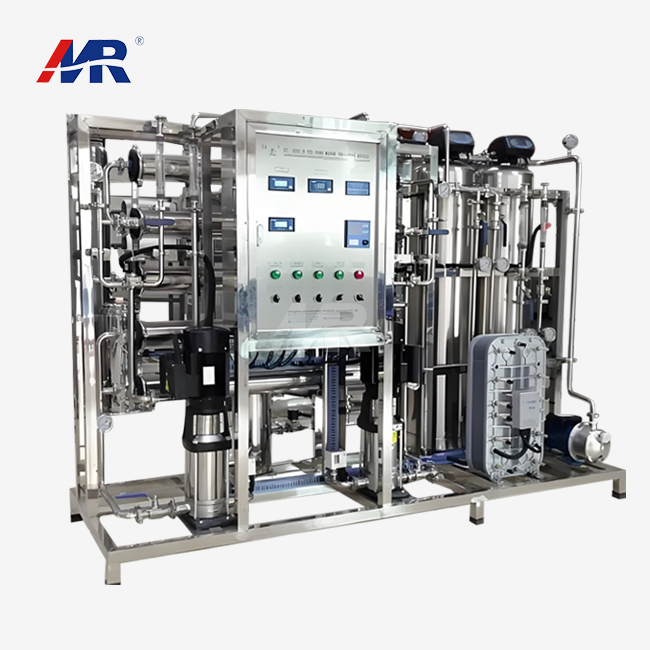
Different industries have different pollution problems that need specific answers. In pharmaceutical and laboratory facilities, complicated chemical mixtures and the need for clean production mean that they need ultrafiltration and reverse osmosis equipment that stays in line with GMP standards. Electronics companies need ultrapure water systems that use both reverse osmosis (RO) and electrodeionization (EDI) to clean chips, since even small amounts of dirt can mess up the production process. Businesses that make food and drinks have to deal with a lot of organic matter and changing flow rates. membrane bioreactor systems help them handle shock loads without stopping the process. Using advanced oxidation and specialized filters, petrochemical companies clean oilfield reinjection water. Power plants, on the other hand, need demineralized water for boiler feedwater systems to keep them from scaling and corroding.
Corporate Social Responsibility and Brand Value
Including strong treatment facilities in companies' sustainability plans shows caring for the environment in a way that stakeholders understand. Environmental, Social, and Governance (ESG) measures are becoming more and more important to investors when figuring out how much a business is worth. Customers like to buy from companies that have clear environmental records. Communities are happy to have businesses that care about their water supplies. When you invest in a treatment system, you get measurable CSR results that improve your brand's image, help you hire the best people, and give you an edge in markets where sustainability affects buying choices.
Stages and Methods of Wastewater Treatment Explained
Four-Stage Treatment Process
Wastewater treatment goes through stages that get more and more precise, and each stage targets a different group of contaminants. Screening and grit removal are done in the beginning phase to keep larger debris and rough bits from damaging equipment further down the line. For the first stage of treatment, sedimentation tanks are used. These tanks separate the floating solids by gravity, which lowers the organic loads by 30 to 40 percent and evens out the flow rates. Biological processes are used in secondary treatment, where bacteria break down dissolved organics and minerals, lowering the BOD by more than 90%. Advanced filtering, chemical disinfection, and nutrient polishing are used in tertiary treatment to make wastewater that meets strict standards for dumping or reuse.
Biological Treatment Technologies
Activated sludge systems move mixed liquid with established microbe communities through aeration tanks, creating the best conditions for breaking down organic matter. Moving Bed Biofilm Reactors (MBBR) use plastic carriers with large specific surface areas (500–1,200 m²/m³) where biofilms can grow. These carriers have small sizes and can handle different loads. When compared to regular systems, which only handle 2,000 to 3,000 mg/L of Mixed Liquor Suspended Solids (MLSS), membrane bioreactors can handle 8,000 to 12,000 mg/L of MLSS. This is because they use ultrafiltration membranes to physically separate the cleaned water from the biomass. This increase makes it possible for MBR systems to produce better effluent in 30% less space, without having to use extra clarifiers.
Advanced Membrane Filtration Systems
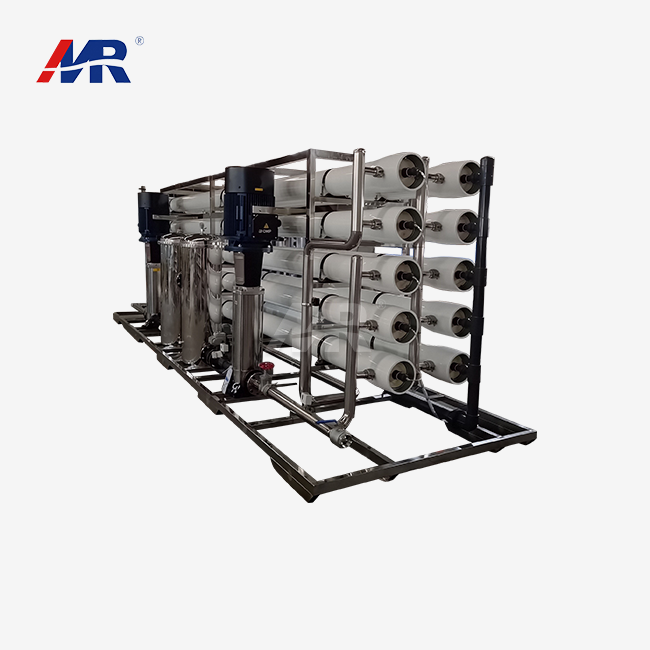
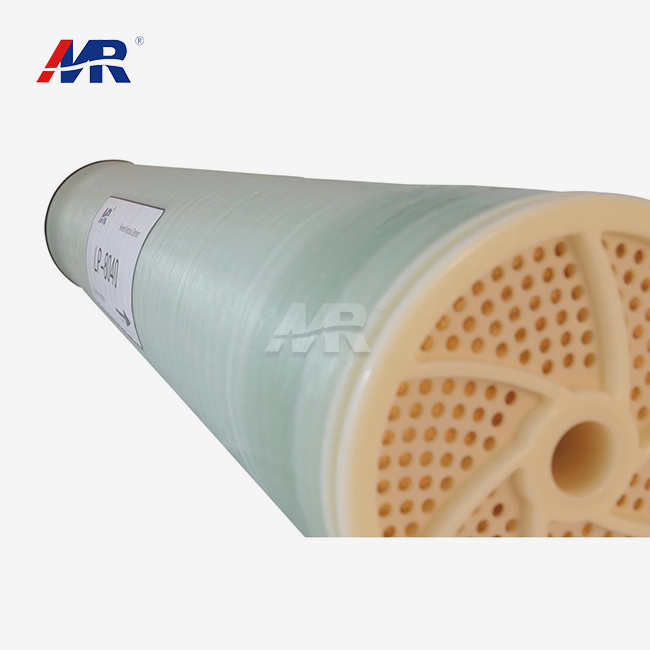
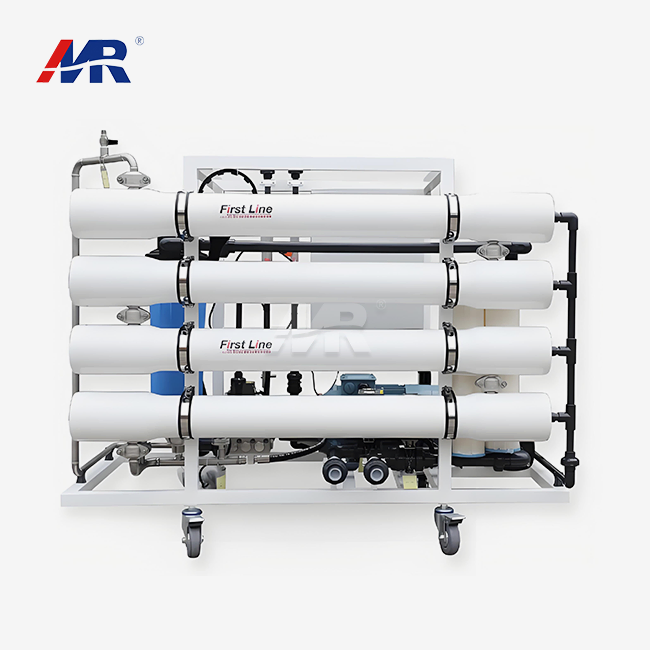
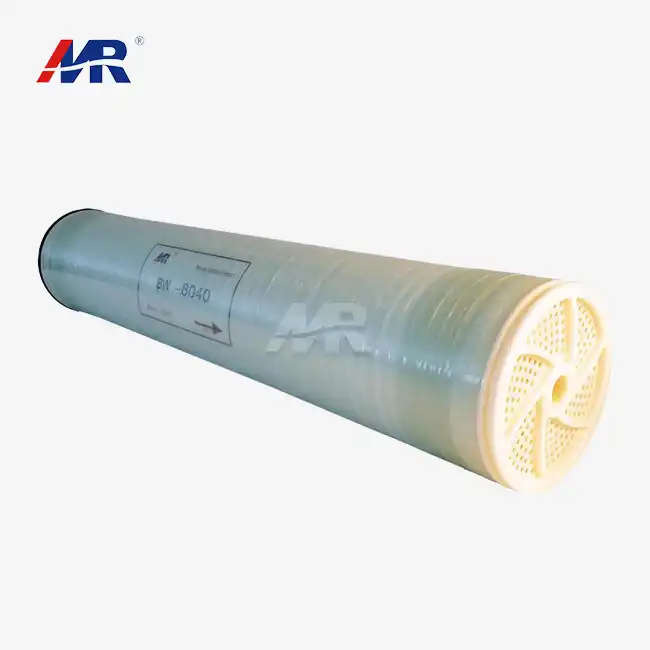
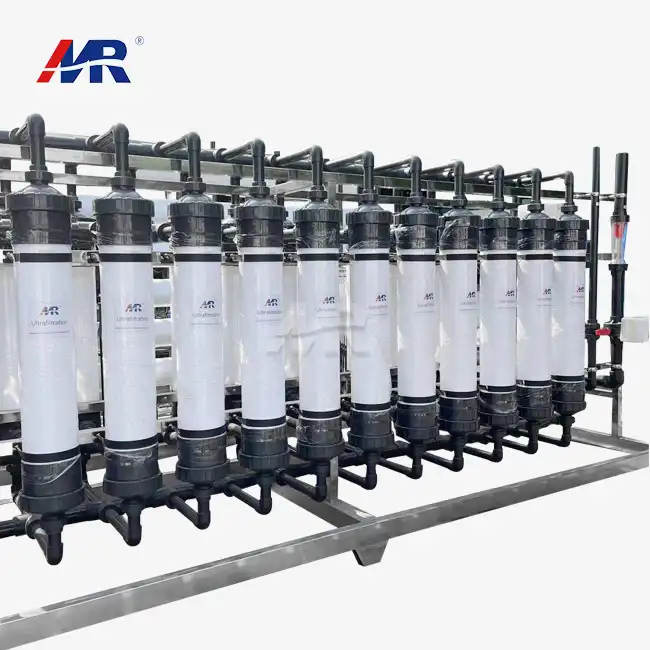
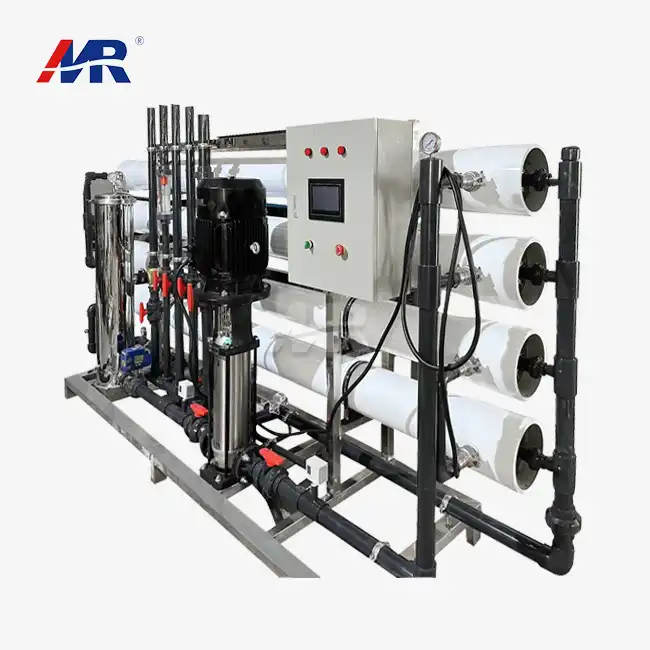
Morui's cutting-edge machinery uses membrane bioreactor technology to solve tough business problems. When technical decision-makers look at treatment expenses, our systems give them very good success measures that matter. The process starts with basic screening and grit removal, which keeps membranes from getting clogged. Before going into the AAO biological treatment zone, bulk solids are broken down by primary sedimentation. There, anaerobic, anoxic, and aerobic conditions remove organics, phosphorus, and nitrogen in that order. After mbr membrane filtration, a crystal-clear permeate is made that can be used again or thrown away.
Here are the core technical advantages that distinguish our systems:
- BOD removal efficiency reaches 95% or higher, which means that even the tightest discharge permits can be followed. The water can also be used for things other than drinking, like irrigation in gardens or cooling factories.
- COD removal efficiency exceeds 85%, which is very important for businesses that deal with tough organic molecules that don't respond to normal biological treatment.
- Suspended solids removal achieves 99%, making the wastewater clear, which gets rid of worries about turbidity and saves ecosystems that are sensitive to pollution.
- Energy consumption ranges from 0.5-0.8 kWh/m³, which is a lot less than other systems because the aeration is adjusted and the process is controlled automatically, which changes the settings in real time.
- Compact design reduces footprint by 30%, which is especially helpful for brownfield retrofits in cities or industrial areas with limited space where land costs affect the overall cost of the project.
- Modular construction enables phased capacity expansion, letting facilities fit their treatment capacity to their production growth without having to build too much infrastructure at first.
These technology requirements directly lead to gains in operations. Manufacturing plants that have to deal with changing output plans like the shock load limit because it keeps the process from getting messed up. Hotels and business complexes gain from operations that don't produce smells, which saves guests' experiences. Fully automated operations cut down on the need for staff while keeping uniform performance and are used in hospitals and healthcare centers. Schools and transportation hubs like the quiet operation that has little effect on the neighborhood.
Smart Monitoring and Automation
Modern treatment systems have Supervisory Control and Data Acquisition (SCADA) systems built in that show the pressure across the barrier, the levels of dissolved oxygen, and the amounts of nutrients in the water in real time. Automated chemical doses make the best use of coagulants and disinfectants, which lowers costs while still meeting treatment goals. Predictive maintenance programs look at patterns in performance to plan when to clean and repair parts before they break. This increases uptime and makes equipment last longer.
Comparing Wastewater Treatment Solutions: Making the Right Procurement Decision
Activated Sludge vs. Membrane Bioreactor Systems
When procurement teams look at wastewater treatment, they have to weigh a lot of different factors. Traditional activated sludge systems have lower start-up costs and have been used successfully for decades, which makes them a good choice for city uses where land is plentiful. Membrane bioreactors cost more to buy at first, but they produce better waste, leave smaller marks, and are easier to run, which lowers the total cost of ownership over 20 years. MBR technology offers great benefits for fields that need to reuse things a lot or don't have a lot of room.
Centralized vs. Decentralized Treatment Approaches
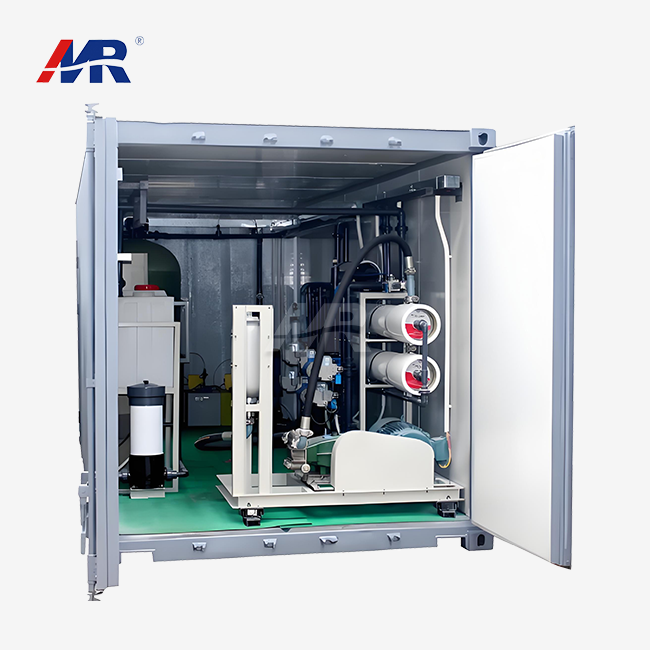
Traditionally, cities handled their wastewater by having big, central plants that served whole neighborhoods. These plants were able to save money by processing a lot of wastewater at once, but they needed very large collection networks to work. Decentralized methods clean wastewater closer to where it is made, which cuts down on the infrastructure needed for transport and allows for local recovery. Containerized treatment units that mix biological processes with membrane separation in transportable modules are being used more and more in industrial parks, vacation areas, and remote installations. Capacity runs from 50 m³/day for small sites to 10,000 m³/day for large manufacturing operations, so it can be used in a wide range of situations.
Supplier Assessment Criteria
A successful procurement process includes more than just the specs of the equipment. It also includes installation help, training for operators, and upkeep contracts that guarantee long-term performance. There are a lot of solutions available from global suppliers, but regional players like Morui are better because they can respond quickly, make changes, and offer integrated services from planning to commissioning. Our engineering team works directly with clients to look at the features of wastewater, government rules, and practical limitations, then comes up with treatment plans that work best for those situations. Our company has more than 500 workers, including 20 specialized engineers. It has 14 branches that offer local support and can make membranes and other tools in-house. Partnerships with well-known part providers, such as Shimge water pumps, Runxin valves, and Createc instruments, use tried-and-true technologies to make sure system stability.
Overcoming Challenges in Wastewater Treatment for Sustainable Operations
Scalability and Flexibility Requirements
As production rates change and product lines shift, so do industrial processes. Waste wastewater treatment needs to be able to handle changes in garbage makeup and volume without having to be rebuilt from scratch. This problem can be solved by modular designs, which use standard pieces that can be connected in parallel to add capacity in small steps that match the growth of the business. Biological treatment systems work better with microbial communities that can adapt to different types of influent and keep their performance stable even when operational changes happen.
Regulatory Compliance Complexity
Facility managers have a hard time figuring out how to get permits and fill out environmental reports. This is especially true for international companies that do business in different countries with different rules. Compliance risks can be lowered by hiring experienced sellers who know how the rules work in your area. Continuous tracking and automatic data logging built into treatment systems make it easier to meet reporting requirements and provide proof of environmental responsibility during audits and inspections.
Operational Expertise and Training
Advanced treatment technology needs workers who are skilled and know how biological processes work, how membranes work, and how control systems work. A lot of places have trouble hiring and keeping staff with specific knowledge. Fully automated systems require less work from operators for regular tasks and have easy-to-use screens that show operators what to do when changes need to be made. Comprehensive training programs make sure that maintenance staff know how to fix problems and do preventative maintenance that makes systems last longer.
Cost Optimization Strategies
Treatment expenses are often limited by budget issues, even though regulations require them to be made. Life-cycle cost analysis shows that designs that use less energy and require less upkeep are more valuable in the long run than low-cost options that need to be fixed often and use too much power. In many places, capital costs are covered by government benefits to save water and stop waste. Resource recovery options, such as making biogas, extracting nutrients, and reusing water, create new income sources that make the project more profitable.
Conclusion
The damage that raw sewage waste wastewater treatment does to the environment means that business owners and city governments need to act right away. Polluted waterways, risks to public health, and fines from the government all make it very important for businesses to invest in more advanced cleaning facilities. Modern membrane bioreactor systems work very well in small spaces and make waste that can be disposed of or used again while using as little energy as possible and being as easy to operate as possible. Before making a purchase choice, you need to carefully look at the technical specs, the supplier's skills, and the total cost of ownership over the whole duration of the equipment. Companies that put sustainability and following the rules first will have long-term success in markets that care more and more about being good to the earth.
Frequently Asked Questions
1. What factors determine the appropriate wastewater treatment system for my facility?
The choice of wastewater treatment relies on the features of the influent, such as flow rates, organic loads, and types of contaminants; the release or reuse requirements set by permits; the amount of room available for installing equipment; and practical factors, such as the number of employees and the cost of energy. Technical studies describe the makeup of wastewater by analyzing it in a lab. They also find cleanup methods that get rid of specific pollutants effectively while meeting government standards and staying within budget limits.
2. How do membrane bioreactor systems compare with conventional activated sludge for industrial applications?
MBR technology produces better effluent while taking up much less space, which is especially useful for industrial areas that are limited on space. Higher fixed costs were balanced by less land being needed, the removal of clarifiers, and easier operations. Membrane systems work best for industries that need to reuse water or have strict limits on how much they can dump. On the other hand, facilities with lots of room and average cleaning needs may find that traditional methods are more cost-effective.
3. What maintenance requirements should procurement teams anticipate for treatment systems?
As part of routine upkeep, the membranes are cleaned, the aeration equipment is checked, and the tracking instruments are calibrated. Automated systems require professional service on a regular basis, but require less work from operators. Comprehensive maintenance contracts help businesses plan their budgets ahead of time and make sure that factory-trained techs follow important steps that protect equipment warranties and keep performance standards high throughout their useful lives.
Partner with a Trusted Waste Wastewater Treatment Supplier
Morui wants expert leaders, site managers, and people who buy things to look into how our advanced membrane bioreactor systems can help you with your wastewater problems. Our engineering team does free site surveys to find out about the characteristics of the influent, any legal requirements, and any operational limitations so that they can come up with custom treatment solutions. Our systems offer the efficiency, dependability, and safety guarantee your operations need. They can handle up to 10,000 m³/day and have been used successfully in industry, hospitality, healthcare, and educational settings. Get in touch with our experts at benson@guangdongmorui.com to discuss your wastewater treatment needs and receive detailed technical proposals backed by our years of experience working with a wide range of industries. Find out why top companies choose Morui as their environmental technology partner for long-term water management options.
References
1. Environmental Protection Agency (2023). "Clean Water Act Compliance Guidelines for Industrial Dischargers." Washington, D.C.: EPA Office of Water.
2. Metcalf & Eddy, Inc. (2022). "Wastewater Engineering: Treatment and Resource Recovery, 6th Edition." New York: McGraw-Hill Education.
3. Water Environment Federation (2023). "Membrane Bioreactor Systems for Municipal and Industrial Applications: Design and Operation Manual." Alexandria, VA: WEF Press.
4. World Health Organization (2022). "Guidelines for Wastewater Treatment and Public Health Protection in Developing Regions. " Geneva: WHO Department of Water, Sanitation and Health.
5. American Water Works Association (2023). "Industrial Water Reuse: Technology Assessment and Economic Feasibility." Denver: AWWA Research Foundation.
6. International Water Association (2022). "Advanced Biological Treatment Technologies: Performance Benchmarking and Innovation Trends." London: IWA Publishing.