

_1745823981883.webp)

Cost-Effective Leachate Treatment Solutions: Maximizing Efficiency and Reducing Expenses
One of the hardest things that garbage management companies have to deal with right now is treating landfill leachate. Now there are affordable options that use advanced membrane filtering, biological processes, and smart technology to deal with dirty liquid waste while keeping costs low. Today's leachate treatment plant systems work well and safely, and they meet strict standards for release. This keeps groundwater and surface water clean. These methods balance the money spent up front with the money saved over time, so environmental compliance can be done without going over budget. Before you can make smart decisions about what to buy, you need to know which technologies will work best for your place, your waste, and your budget.
Understanding Leachate Treatment: Core Challenges and Solutions
Leachate is created when rainwater seeps through trash in a dump and dissolves harmful chemicals, heavy metals, organic molecules, and ammonia. If this very dirty liquid isn't cleaned up, it could hurt the environment and people's health.
What Makes Leachate So Difficult to Treat
Leachate from landfills has a very different make-up depending on how old the trash is, the time of year it rains, and the types of materials that were buried. Biochemical oxygen demand (BOD) and chemical oxygen demand (COD) in leachate from new dumps are very high, sometimes reaching 25,000 mg/L. Leachate from older dumps has fewer organics and more ammonia and liquid solids. Because conditions change all year, it's hard to choose the right treatment technology because systems have to be able to adapt to new situations.
Regulatory Pressures Driving Treatment Standards
The Clean Water Act and state-specific rules are used by environmental bodies all over the United States to maintain strict discharge limits. Before releasing cleaned water, facilities must make sure that the COD level is below 100 mg/L, the ammonia level is below 10 mg/L, and there are almost no heavy metals that can be found. Violations lead to big fines and maybe even shutting down the plant, so obedience is not an option.
The Financial Impact of Treatment Decisions
A lot of operators get price shock when they look at treatment choices, but in the long run, it costs them a lot more to choose systems that don't work well. Plants that are too small need to be grown bigger often or get extra care. Outdated technologies use too much energy and make it hard to get rid of waste sludge. Biological pre-treatment and advanced membrane filtering can be combined in cost-effective ways that reduce energy use and ensure uniform regulatory compliance. Systems that can be expanded in a flexible way will protect your investment as the amount of leachate changes.
Key Technologies in Leachate Treatment: Comparing Efficiency and Costs
To choose the best treatment method for your leachate treatment plant, you need to understand how different technologies perform in the real world and how much they cost to operate.
Biological Treatment Systems
Bacteria that need air to break down organic pollution quickly are used in aerobic biological treatment. For high-strength young leachate, these systems work well, but they need a lot of energy to aerate the fluid, usually 3 to 5 kWh per cubic meter cleaned. Without air, anaerobic treatment breaks down organic garbage into methane biogas that can help lower energy costs. When it comes to low temperatures, though, anaerobic systems have a harder time and need longer holding times.
Membrane Filtration Technologies
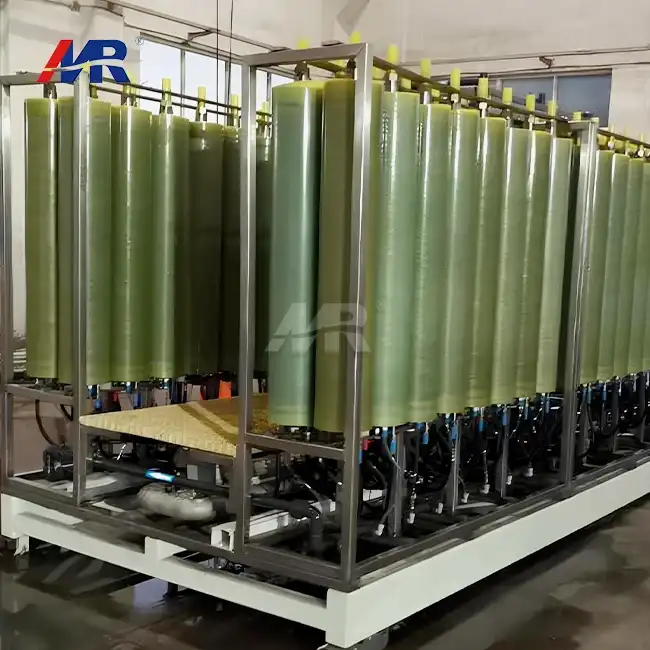
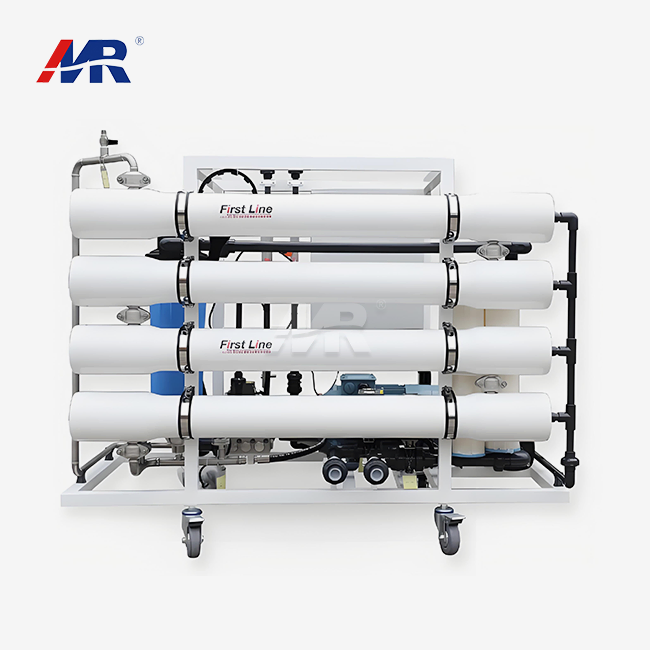
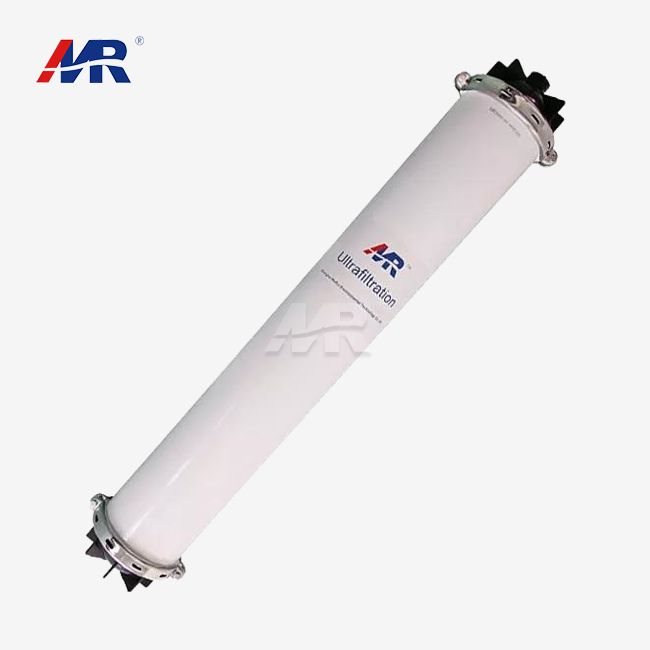
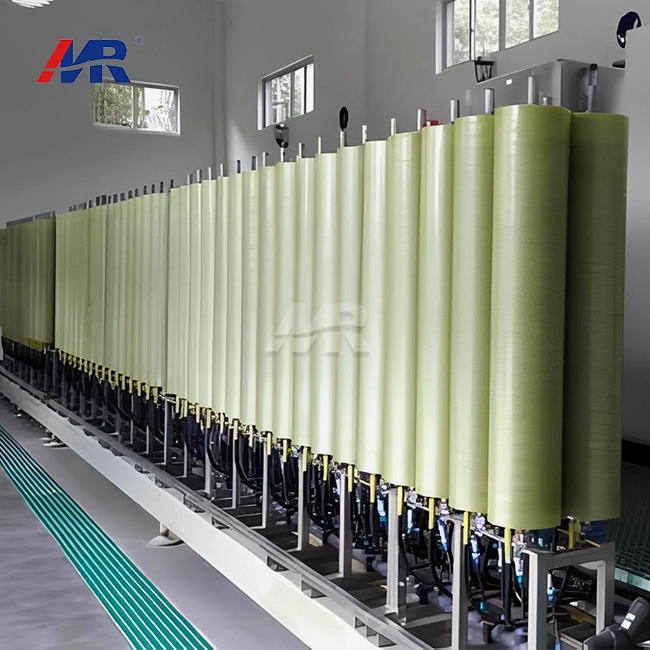
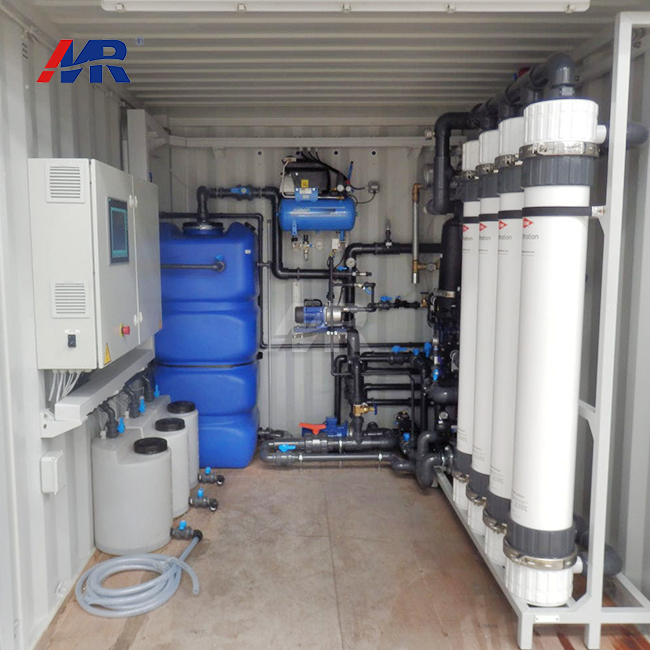
Membrane-based systems have changed the way leachate is treated because they can reliably remove contaminants even when biological conditions change. Ultrafiltration filters get rid of germs and solids that are suspended in the liquid, making it ready for reverse osmosis. RO filters get rid of dissolved salts, organics, and heavy metals, leaving water clean enough to use or dump. This method is shown by the Guangdong Morui MR-DTRO-100TD system, which can handle COD levels of up to 25,000 mg/L while using only 75 kW/hour and recovering 50–70% of the water it takes in. Because they use less energy, these new systems have lower running costs than older ones.
Chemical Treatment Options
Chemical precipitation and coagulation get rid of heavy metals and nitrogen, among other pollutants. Even though these methods work, they create a lot of sludge that needs to be thrown away and use expensive chemicals. We've found that chemical treatment works best as a finishing step rather than as the main treatment. This way, we can use fewer chemicals and make less trash.
Even though they cost more at first, membrane devices are more cost-effective in the long run. A well-designed system pays for itself through lower energy costs, less chemical use, and regular regulatory compliance that keeps fines from being issued.
Selecting the Best Cost-Effective Leachate Treatment Plant for Your Operation
Instead of looking for answers that work for everyone, strategic procurement starts with an honest look at what your building needs and what it can't do.
Assessing Your Leachate Characteristics
To understand how pollution changes with the seasons, start by testing samples of leachate. Check levels of heavy metals, ammonia, total dissolved solids, pH, and COD. Record the daily and peak flow rates, because equipment that is too small will cause operational problems. Sites that produce 50 to 100 cubic meters per day require very different solutions from sites generating 500 cubic meters or more per day. Knowing these details is essential when selecting the right leachate treatment plant for your operation.
Turnkey Systems Versus Custom Designs
Turnkey treatment plants come pre-built and with controls built in. This makes installation and starting much easier and faster. When it comes to industry areas and city landfills with typical leachate profiles, these standard methods work well. Guangdong Morui can deliver full turnkey systems in 20 to 35 days. These systems include ultrafiltration, membrane bioreactors, and reverse osmosis units that are set up to meet your unique capacity needs. Before being sent out, each system is tested in the workshop to make sure it works as expected as soon as it is installed.
Evaluating Supplier Credentials
Picking a supplier is just as important as picking a tool. In addition to looking at the equipment's specs, you should also look at performance data from setups that are already up and running. Check standards like ISO 9001, CE, and ROHS compliance, and ask for examples from businesses that are like yours. We take care of setups all over North America and can set up trips to plants that are already up and running with our technology. Because we've been handling landfill leachate for 19 years, we've seen almost every operating problem and come up with a workable answer.
Operational Tips to Maximize Efficiency and Reduce Costs
Without good operational practices and careful upkeep, even the best-designed system won't work as well as it should.
Preventive Maintenance Protocols
To keep membrane systems from getting clogged and to make them last longer, they need to be constantly checked. We suggest that you check the flow rates, pressure differences, and quality of the permeate every day. Using accepted methods for chemical cleaning once a week gets rid of built-up organics and mineral scaling. Professional checks every three months find problems early, before they become costly failures. Our MR-DTRO systems have IoT-enabled controls that keep track of performance data and let workers know when something isn't right. This lets us do predictive maintenance that keeps our systems from going down without warning.
Energy Cost Management Strategies
Electricity costs 30–40% of most business costs, so saving energy is very important. Variable frequency drives on pumps and fans change how much power they use based on how much treatment is being done, instead of always going at full capacity. Getting biogas back from anaerobic pre-treatment cancels out the power that was bought. Heat exchanges use the heat from treated wastewater to warm up the leachate that comes in. This lowers the amount of energy needed for biological treatment in the winter. Our methods use as little as 2.8 kWh/m³ of energy, which is a lot less than the average for the business.
Handling Operational Challenges
Changes in seasonal rains can triple the amount of leachate in the spring, which puts a lot of pressure on the treatment system. These flow spikes are absorbed by equalization tanks, which keep the load on biological and membrane processes steady. Quick action is needed to deal with sudden changes in makeup caused by odd waste inputs. Chemical doses and pH adjusting systems that are automated respond faster than controls that are controlled by hand, which keeps sensitive membranes from getting damaged. Careful control is needed for concentrating waste from RO systems. Some owners send limited amounts of concentrate back to landfills, while others plan for it to be hauled to deep well injection facilities. Planning and concentrating control before the system starts up keeps you from having to scramble for answers later.
Case Studies: Successful Implementation of Cost-Effective Leachate Treatment Solutions
Real projects show that choosing and using technology correctly can bring about real benefits. A well-designed leachate treatment plant can improve compliance, reduce costs, and enhance environmental performance simultaneously.
Municipal Landfill Achieves Compliance While Cutting Costs
A 500-ton-per-day city dump in the Midwest had trouble with an old biological treatment system that discharged too much ammonia in the winter and used too much energy all year. We set up a combined MBR-RO system that combines biological treatment with membrane filtering after a thorough analysis of the leachate. No matter what time of year it is, the plant now always has ammonia levels below 5 mg/L and COD levels below 80 mg/L. Compared to their old system, this one used 35% less energy, which saved them about $48,000 a year. The flexible design lets the waste grow when new cells are added in the future.
Industrial Site Implements Dual-Purpose Water Recovery
A company that makes electronics and makes leachate from cleaning parts had to follow the rules and save water at the same time. We made a special reverse osmosis system that can handle 200 m³ of water per day and collect 65% of it. The recycled water meets quality standards for cooling tower makeup, so the city doesn't have to buy as much water every day—130 m³ less. The 24-month return on investment included saving water, lowering sewer output, and getting rid of the fees that were paid to the treatment provider before. Environmental staff can keep an eye on performance from their office computers instead of having to make frequent site visits, thanks to remote tracking.
Conclusion
Leachate management that is done right saves the environment and keeps costs down by using smart technology and following strict procedures. Modern membrane-based systems meet regulation requirements consistently, even if the leachate changes, and they use less energy than older biological-only methods. To do strategic buying right, you need to be honest about how your site is set up, carefully evaluate your suppliers, and be dedicated to business excellence. The best facilities use tried-and-true technology from makers with a lot of experience, along with preventative upkeep and constant monitoring of performance. For cost-effective leachate management, it's not about getting the cheapest tools. Instead, it's about getting solutions that work well for a long time and cost the least over their whole lives.
FAQ
1. How do I determine which leachate treatment technology is best for my landfill or industrial site?
The technology you choose will depend on the type of leachate, the amount, the discharge standards, and your budget. Do full tests on COD, BOD, ammonia, metals, and TDS at different times of the year. If the COD level is less than 5,000 mg/L, biological treatment may be enough to meet the requirements. However, membrane filtering is needed for higher-strength leachate.
2. What are the typical operating costs associated with leachate treatment plants?
Operating costs range from $8 to $25 per cubic meter cleaned, depending on the type of treatment technology used and the properties of the leachate. Thirty to forty percent of costs are made up of energy. Chemicals, repairs, and work make up the rest. Systems with membranes, like our MR-DTRO types, work at the lower end of this range because they use little energy and chemicals. When you ask for a quote, we give you a full study of the total costs.
3. Can I purchase turnkey leachate treatment plants with installation services included?
Of course. Guangdong Morui specializes in full turnkey solutions that include providing tools, overseeing installation, teaching operators, and commissioning the system for the first time. Our modular systems are already put together when they leave the plant, tested, and ready to be used right away. Depending on your choice, we can work with your workers or take care of the whole installation process, making sure that everything fits together perfectly and starts working reliably right away.
Partner with Morui for Superior Leachate Treatment Solutions
Guangdong Morui Environmental Technology has been helping dumps, factories, and cities around the world solve difficult garbage problems for almost twenty years. As a top maker of leachate treatment plants, we use our own membrane technology and offer full Technical support to make sure that the systems we sell work reliably from the first day they are installed. Our MR-DTRO-100TD can handle the toughest leachate situations while still using only 75 kW/hour of energy and recovering up to 70% of that energy, which will greatly lower your running costs. With more than 15 factories, more than 500 skilled workers, and 20 dedicated engineers, we offer full solutions, from the initial site survey to decades of ongoing support. Get in touch with benson@guangdongmorui.com right away to talk about your leachate treatment needs and get a full technical plan that fits your facility's needs.
References
1. Chen, M. (2021). Advanced Membrane Technologies for Landfill Leachate Treatment. Environmental Science & Technology Press.
2. Johnson, R. & Williams, K. (2022). Economic Analysis of Leachate Management Systems in North American Landfills. Waste Management Research Journal, 40(3), 215-234.
3. Kumar, P. (2020). Sustainable Approaches to Industrial Wastewater Treatment. CRC Press.
4. National Environmental Services Association (2023). Best Practices for Leachate Collection and Treatment Systems. Technical Report Series.
5. Rodriguez, A., Thompson, L., & Zhang, H. (2022). Energy Efficiency in Membrane-Based Water Treatment: Comparative Analysis. Journal of Environmental Engineering, 148(7), 04022031.
6. United States Environmental Protection Agency (2021). Regulatory Framework for Landfill Leachate Discharge Standards. Office of Water Publications.
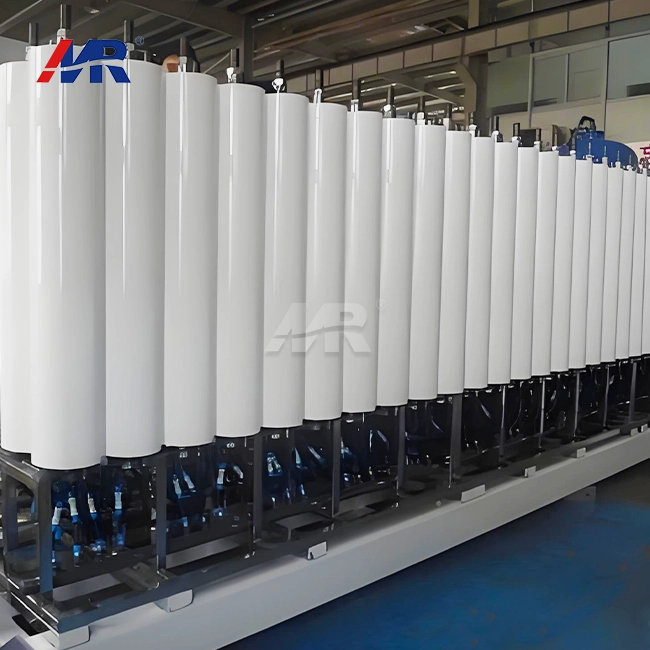 VIEW MORELandfill Leachate Treatment System
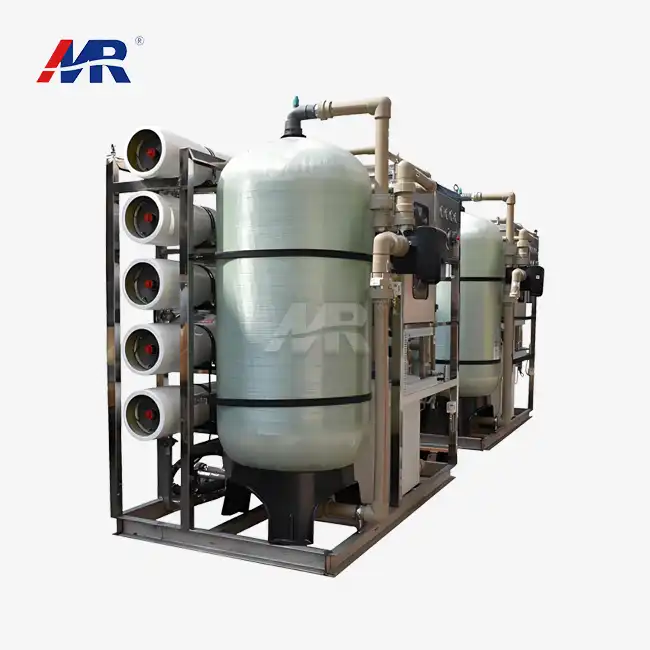 VIEW MORE8m3/hour seawater desalination equipment
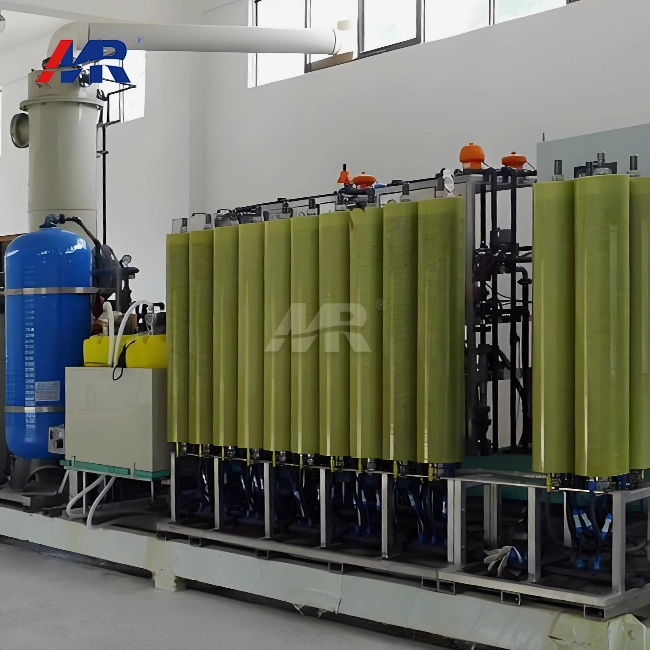 VIEW MOREDTRO membrane
 VIEW MOREseawater desalination system
 VIEW MOREultrafiltration membranes for water treatment
 VIEW MORELeachate DTRO Treatment Equipment
 VIEW MOREadvanced wastewater treatment system
 VIEW MOREcontainerized ultrafiltration equipment
