

_1745823981883.webp)

Top Leachate Treatment Technologies to Reduce Pollution and Protect Ecosystems
Good leachate management is one of the biggest problems that modern towns, companies, and landfills all over the world have to deal with. Leachate is a very dirty liquid that is created when rainwater soaks through trash in dumps. Heavy metals, ammonia, organic toxins, and dissolved solids are found in it, and they are bad for groundwater sources and communities close by. These places can now use better ways to clean to change this harmful waste into water that is safe to use again or put back into the environment. This keeps people healthy and saves nature areas while also making sure that stricter rules about the environment are followed.
Understanding Leachate and Its Challenges
Heavy metals, organic substances, and other harmful chemicals are released into the environment when trash breaks down in dumps and water from rain or snow seeps in. This is called leachate. Adding ammonia nitrogen levels above 2,000 mg/L and chemical oxygen demand (COD) levels up to 60,000 mg/L in new dumps can do a lot of damage to ecosystems in soil and water that don't treat their waste. There is a lot more garbage here than what most sewer systems can handle.
The Complexity of Leachate Composition
The makeup changes a lot based on the weather, the type of trash, the age of the dump, and the time of year. When a dump is new, it makes leachate, which is made up of a lot of biological matter that breaks down on its own. It gets harder for living things to break down the chemicals that are made as the waste ages. Because of these many differences, care methods need to be able to adapt to how the people who live in the facility change over time.
Regulatory and Operational Hurdles
Fluctuating composition changes over time because of the age of the waste. Rules and laws also change, and the treatment plant has design and upkeep problems that make it hard to run. The European Union is constantly dropping the highest amounts of nitrogen compounds and heavy metals that can be present, and the U.S. Environmental Protection Agency (EPA) has strict rules about how much pollution can be put out there. These rules and regulations say that places have to show steady success by tracking all the time. Buying teams have to think about more costs and difficulties when they plan to buy systems that will last for a long time.
Overview of Key Leachate Treatment Technologies
There are both old and new ways to get rid of different contaminants effectively in leachate cleaning. People can decide how to build merged systems that meet their performance goals and stay within their budgets for capital and running costs when they know about all the different technologies that are available.
Water has been cleaned in the past by physical methods like filtering and settling, chemical methods like coagulation and oxidation, and biological methods like aerobic and anaerobic processes. Most cleaning plants are built around these ideas. These tried-and-true ways have set limits on how much they can remove, but they can usually handle most biological loads and cost less to set up than more advanced systems.
Advanced Oxidation Processes (AOP), membrane Bioreactor (MBR), and bioaugmentation are some of the new technologies that have made things better by getting rid of contaminants more effectively and making operations run more easily. Specifically, membrane technologies have transformed the field by enabling places to meet discharge standards that were not possible with traditional treatment alone. These methods work the same way, even if the inputs change, but they cost more to set up at first. This makes them look better.
Comparing Technology Performance and Costs
How to pick the right technology depends on what the site needs and what it can't do. It costs about $2 to $5 per cubic meter for biological systems to get rid of soluble organics. However, they have trouble getting rid of chemicals that don't break down and ammonia. Chemical cleaning gets rid of some contaminants, but it also makes sludge that needs to be thrown away. This adds $3 to $8 per cubic meter to the cost of running the system. There are many types of pollution that membrane systems can get rid of at the same time. However, systems that treat 50 to 100 cubic meters of water every day usually cost between $500,000 and $2 million to buy and set up. When people who work in buying understand these trade-offs, they can find the best ways to balance short-term budget worries with long-term productivity.
Detailed Insights into Top Leachate Treatment Technologies
A number of different technologies, each one aimed at a different type of contamination, are often used together for leachate management in the best way possible. We will look at the most common ways that places are changing how they deal with pollution.
Membrane Bioreactor (MBR) Technology
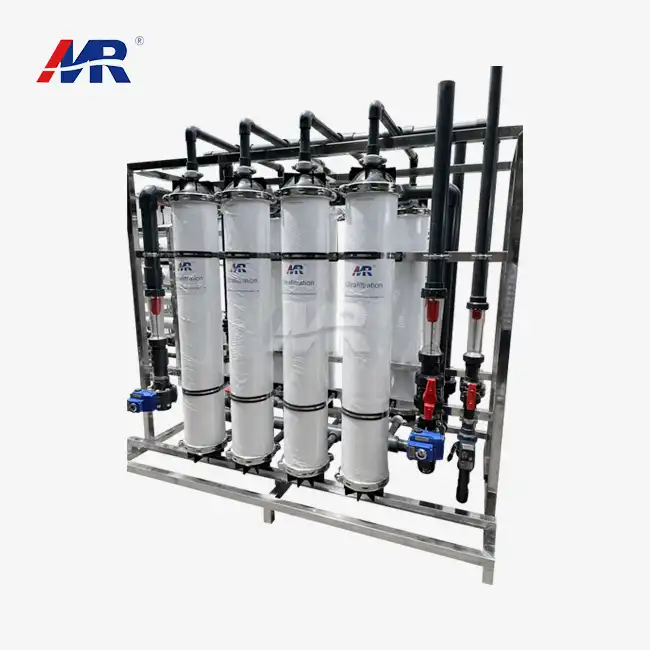
Membrane Bioreactor (MBR) technology combines biological treatment with ultrafiltration membranes in a compact system, making it ideal for sites with limited space and strict discharge standards. Microorganisms break down organic matter while membranes separate solids from treated water, producing effluent with suspended solids below 5 mg/L. MBR systems maintain stable performance even under fluctuating influent conditions because the membrane barrier ensures consistent filtration. Municipal and industrial applications show COD removal rates of 85–95% and dissolved solids removal of 90–98%. This reliability and high treatment efficiency make MBR a preferred solution for modern leachate treatment facilities requiring continuous, high-quality wastewater purification.
Disk Tube Reverse Osmosis (DTRO) Systems
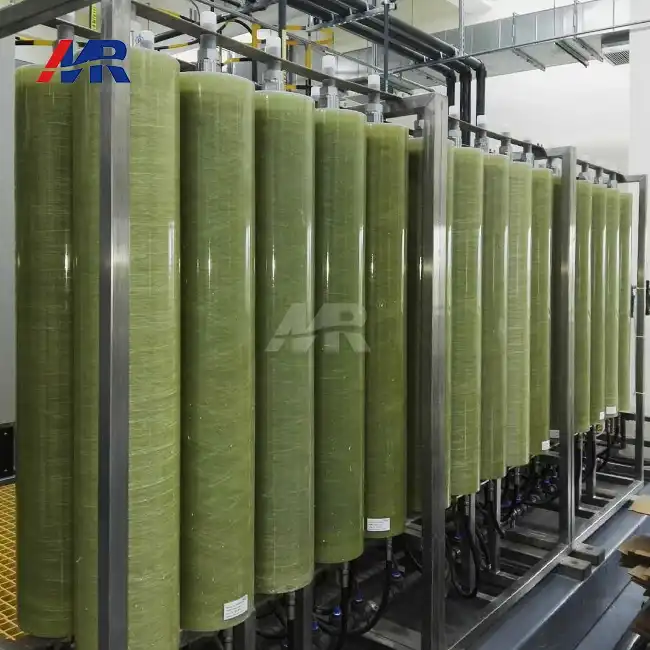
Disk Tube Reverse Osmosis (DTRO) is designed for high-strength leachate with high COD and total dissolved solids. Unlike spiral-wound membranes, DTRO uses stacked flat disk membranes to create turbulent flow, reducing fouling and enabling treatment of wastewater with over 30,000 mg/L TDS. Advanced DTRO systems can remove more than 90% of contaminants and recover 50–70% of influent water. Energy recovery units reduce power consumption, while anti-fouling membranes extend operational cycles. Modular stainless-steel construction improves durability under corrosive conditions, and PLC control systems allow remote monitoring. DTRO is widely used in landfill leachate treatment due to its reliability, efficiency, and low long-term operating costs.
Biological Treatment Methods
Through bacterial metabolism, biological methods like aerobic and anaerobic digestion are able to lower the amount of organic matter and toxins. These methods have been used in many different types of business settings and are less expensive to set up than membrane systems. Aerobic processes add air to help bacteria break down organic waste. This gets rid of 70–85% of COD for chemicals that break down naturally. Anaerobic systems don't need air to work. They make methane biogas, which can help a building use less energy while getting rid of strong organic waste. These are the best ways to treat things before putting them through membrane devices. They cut down on the amount of biological matter that sticks to the membrane. This makes it last longer and gets dirty less often. Animal and food processing plants have shown that biological pre-treatment cuts by 40–60% the number of times membranes need to be cleaned. This means that there is a lot less chemical waste and downtime.
Chemical Treatment Techniques
To get rid of heavy metals and tough chemicals that biological processes can't handle well, you need chemical cleaning methods like coagulation, flocculation, and oxidation. Iron chloride or aluminum sulfate are examples of coagulants that make particles in solution less stable and harden metals that have been dissolved. Eighty to ninety-five percent of the copper, zinc, lead, and chrome molecules are gone. Organic chemicals that are hard for living things to break down are broken down by ozone, hydrogen peroxide, or chlorine. For leachate from old dumps that has humic chemicals in it, this is especially important. It costs $3 to $8 per cubic meter more to clean with chemicals, and they make sludge that needs to be thrown away. But they still have to be used to make sure that tight limits on the release of certain contaminants are met, which other technologies can't do safely.
Advanced Oxidation Processes (AOP)
Advanced Oxidation Processes (AOP) use highly reactive hydroxyl radicals to destroy persistent organic pollutants in leachate. Technologies such as ozone/UV, UV/hydrogen peroxide, and Fenton’s reagent break down pharmaceuticals, toxic organics, and aromatic compounds into biodegradable substances. Studies show AOP can reduce refractory COD by 60–80%, making previously untreated wastewater suitable for further biological or membrane treatment. AOP is typically applied as a polishing step to remove the final 10–20% of contaminants and meet strict environmental regulations. Although energy and chemical consumption are higher, AOP enables facilities to achieve discharge standards without relying on costly off-site waste disposal.
Choosing the Right Leachate Treatment Solution: A B2B Procurement Guide
You have to think about a lot of things to find the best leachate management system. These include how well the treatment works, how well it meets laws, how much it costs to set up and run, and how easy it is to add on to meet the needs of a growing center. The people whose job it is to buy things have to balance short-term budgets with long-term costs that cover 15 to 25 years of use.
Critical Assessment Criteria
The most important thing is that the treatment works, and systems must always stay within their output limits, no matter what the season is or what kind of trash is being sent through them. Regulatory compliance is more than just getting rid of contaminants; it also includes rules for keeping track of things, sending reports, and proving that you can be relied on during checks. It can cost anywhere from $300,000 for simple biological plants to over $3 million for sites that use both biological plants and membranes. Running the systems, on the other hand, costs between $5 and $15 per cubic meter cleaned. These costs include chemicals, labor, energy, and maintenance. Scalability is very important for facilities that are getting bigger or that think the rules will get tighter. This is because flexible systems let capacity grow without having to rebuild everything from scratch.
Evaluating Manufacturer Capabilities
Top manufacturers stand out by having years of experience, a large selection of services, and expert support that lasts for as long as a system is in use. Membrane technology companies that have been in business for 15 to 20 years know how to make systems work better when things go wrong. Because important parts are made in-house, quality control is always present. Also, there are more than 15 industrial buildings where the materials, flow rates, and levels of automation can be changed to fit each site's needs. Putting in pre-assembled skid systems cuts the time it takes to build something from three to six months to twenty to thirty-five days. This keeps the project on track and speeds up the return on investment. With free leachate research, on-site setup, predictive maintenance through IoT-enabled tracking, and global spare parts networks, you can protect long-term performance and improve uptime.
Best Practices and Future Trends in Leachate Management
Key to sustainable leachate management are ongoing monitoring, careful reviews of performance, and the planned combination of different treatment technologies that work well together to get rid of all kinds of contaminants as quickly as possible. For example, places that always follow the rules check the water quality every day, use automatic alarm systems to know when something goes wrong with the process, and make repair plans based on how the equipment is working over time, not at set times.
Anticipating Regulatory Evolution
In order for facilities to be successful in the future, they need to be able to guess when rules will change, especially in strict European and North American systems, and use proactive compliance tactics to avoid police actions. It is still being looked into by the U.S. Environmental Protection Agency (EPA) how to lower the rules on total dissolved solids and ammonia nitrogen. More and more, Europe is putting limits on the amount of medical drugs and microplastics that can be found in wastewater. If businesses buy more advanced treatment options now, they can avoid having to pay for expensive upgrades when the rules get tighter. This makes sure that everything runs easily and they don't get fined for not following the rules.
Emerging Innovations
Digital tracking tools, automation, and resource recovery are some of the new technologies that fit with the circular economy ideas and could completely change the job market. There are real-time monitors that check dozens of aspects of the water quality. This lets process changes happen that stop release violations before they happen. Automation saves money on labor costs at places far away and makes things more consistent by getting rid of mistakes that people make. Resource recovery systems can turn leachate from a waste problem into a possible source of income. These systems can get ammonia for making fertilizer, dissolved salts for use in industry, and biogas for making energy.
Conclusion
As cleaner technologies for leachate management have come out, procurement workers now have more options for how to handle even the toughest trash streams while still following strict environmental rules. Chemical and biological methods that have been used for a long time are combined with new membrane systems to make Products that work best in that location. When a business works with experienced manufacturers, they get full help with planning, setting up, launching, and ongoing improvements that keep the system running well for decades. As rules get tighter and the circular economy grows in popularity, treatment centers will be able to stay in business longer if they invest in scalable, efficient infrastructure. This will also protect people's health and the environment.
Frequently Asked Questions About Leachate Treatment
1. What factors most influence leachate treatment technology selection?
The type of treatment chosen is mostly based on the raw water's properties, like the amount of COD, ammonia, heavy metals, and total dissolved solids, as well as the rules in the area that govern release. They also need to think about the space they have access to, the tools they already have, the people who know how to run the business, and their budgets for both big purchases and day-to-day costs. When there is a lot of ammonia in a site, it generally needs biological nitrification and then membrane cleaning. There needs to be chemical formation steps for leachate that has a lot of heavy metals in it.
2. How do DTRO systems compare to conventional reverse osmosis for leachate applications?
Regular spiral-wound membranes don't work as well with strong, smelly waste streams like leachate from landfills as Disk Tube Reverse Osmosis (DTRO) systems do. The unique disk form creates uneven flow patterns that keep fouling to a minimum. This lets trash with total dissolved solids above 30,000 mg/L be treated, which are conditions that quickly foul spiral-wound elements. Standard ro membranes only last 1-2 years in waste service, but DTRO membranes last 3–5 years. In other words, the cost of repair is a lot less, even though the initial investment was bigger.
3. What investment range should facilities expect for comprehensive treatment systems?
Systems that can clean 50 to 100 cubic meters of wastewater per day normally cost between $800,000 and $2.5 million to build all the way through. Between $8 and $15 per cubic meter cleaned goes toward running the machine. This includes electricity, chemicals, labor, and repairs. These costs change based on how complicated the effluent is and how much release is needed. Biological pre-treatment, membrane filtration, and advanced oxidation systems cost more to set up but meet the tightest dumping rules and give you the most freedom in how you run your business.
Partner with Proven Leachate Management Technology Manufacturers
For 19 years, Guangdong Morui Environmental Technology has used membrane technology. The company has more than 15 workshops with more than 500 hardworking employees. They work together to make sure that landfills, factories, and city businesses can trust the leachate management they offer. Our MR-DTRO-80TD system shows the high level of technical skill and operational effectiveness that sets the best companies in this tough market area apart. Only 65 kW of power is used per hour, but it cleans up to 25,000 mg/L of COD and returns 50–70% of the water that goes into it. Free analysis of leachate samples, custom system design, quick deployment of pre-assembled skids within 20–35 days, immediate testing, and expert help 24 hours a day, 7 days a week, backed by our global spare parts network, are all parts of our full support service. Send an email to benson@guangdongmorui.com with your specific needs to talk to our engineering team and get a full report on how our ISO 9001, CE, and ROHS-compliant systems can help your building follow the rules and be better for the environment.
References
1. Renou, S., Givaudan, J.G., Poulain, S., Dirassouyan, F., & Moulin, P. (2008). Landfill leachate treatment: Review and opportunity. Journal of Hazardous Materials, 150(3), 468-493.
2. Kjeldsen, P., Barlaz, M.A., Rooker, A.P., Baun, A., Ledin, A., & Christensen, T.H. (2002). Present and long-term composition of MSW landfill leachate: A review. Critical Reviews in Environmental Science and Technology, 32(4), 297-336.
3. Wiszniowski, J., Robert, D., Surmacz-Gorska, J., Miksch, K., & Weber, J.V. (2006). Landfill leachate treatment methods: A review. Environmental Chemistry Letters, 4(1), 51-61.
4. Deng, Y., & Englehardt, J.D. (2006). Treatment of landfill leachate by the Fenton process. Water Research, 40(20), 3683-3694.
5. Kurniawan, T.A., Lo, W.H., & Chan, G.Y. (2006). Physico-chemical treatments for removal of recalcitrant contaminants from landfill leachate. Journal of Hazardous Materials, 129(1-3), 80-100.
6. Amor, C., De Torres-Socías, E., Peres, J.A., Maldonado, M.I., Oller, I., Malato, S., & Lucas, M.S. (2015). Mature landfill leachate treatment by coagulation/flocculation combined with Fenton and solar photo-Fenton processes. Journal of Hazardous Materials, 286, 261-268.
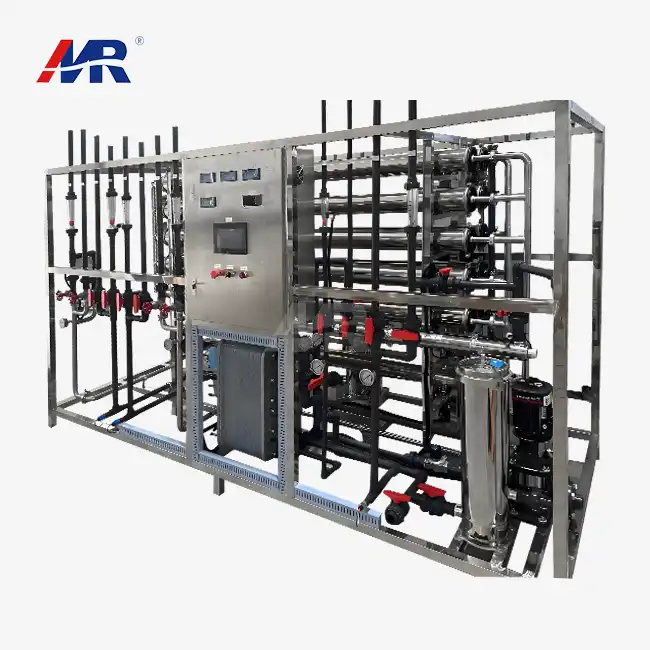 VIEW MORE2000 liters/hour EDI system
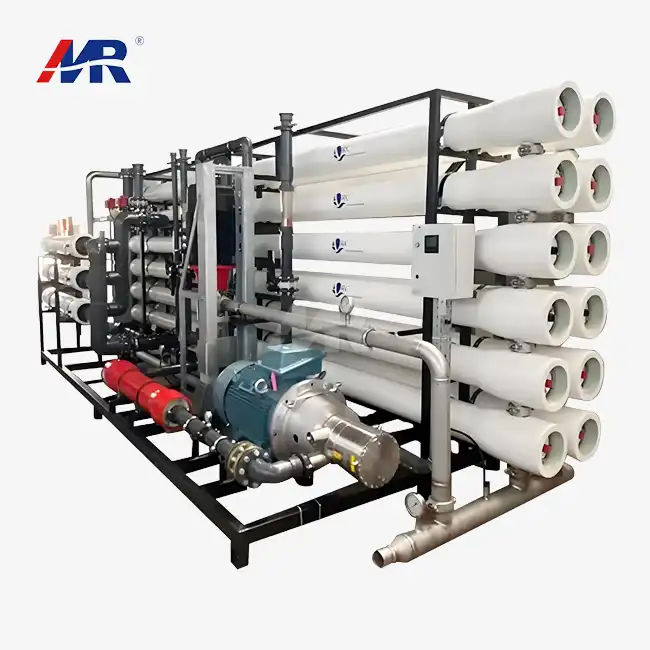 VIEW MORE45m3/hour seawater desalination system
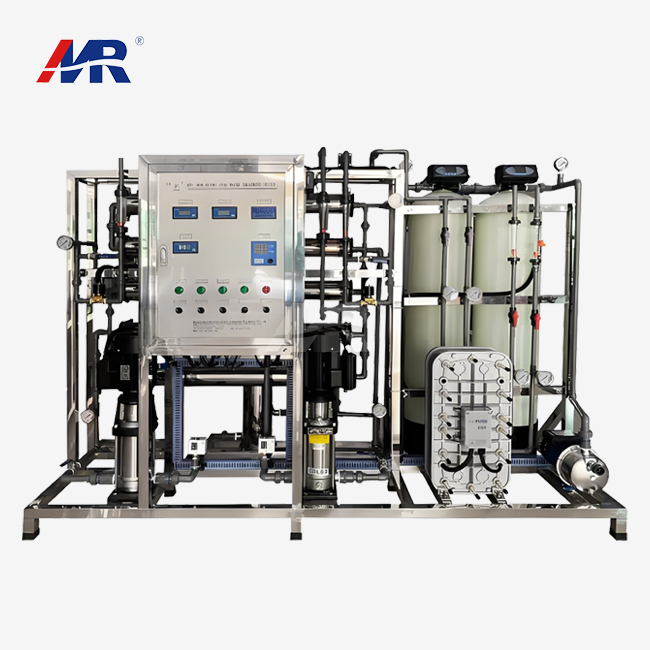 VIEW MORE500LPH EDI equipment
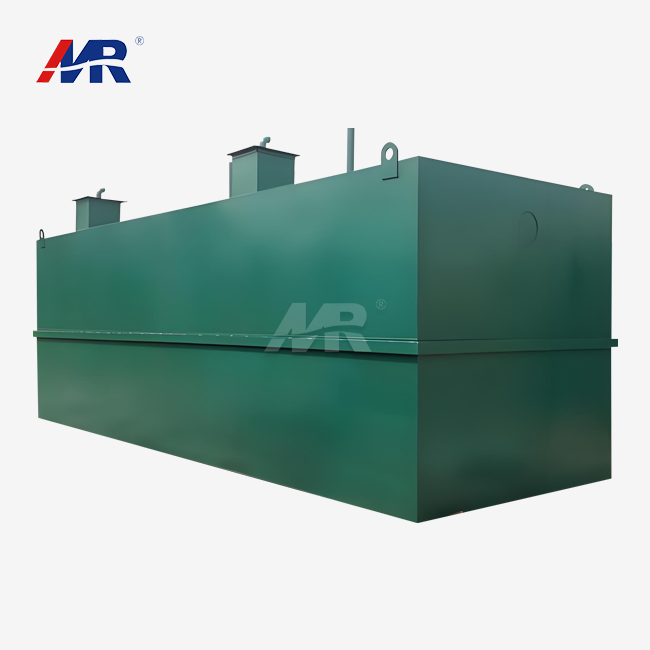 VIEW MOREwaste water treatment system
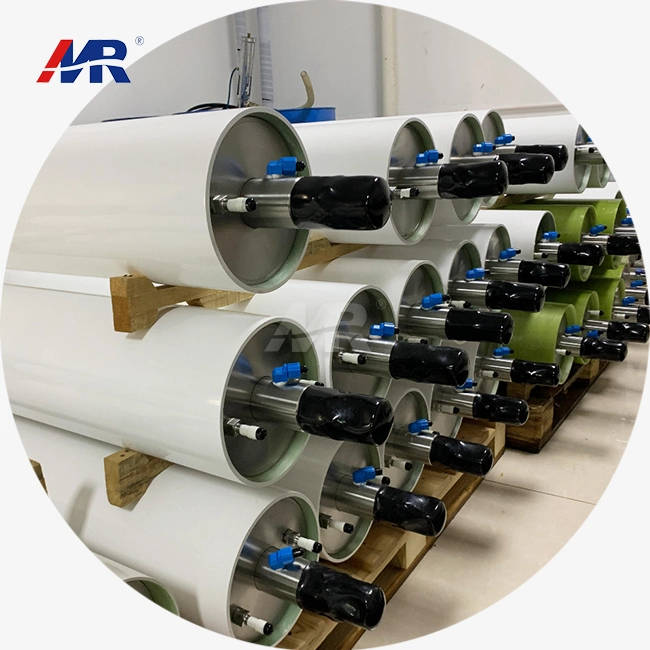 VIEW MORELandfill Leachate Treatment Plant
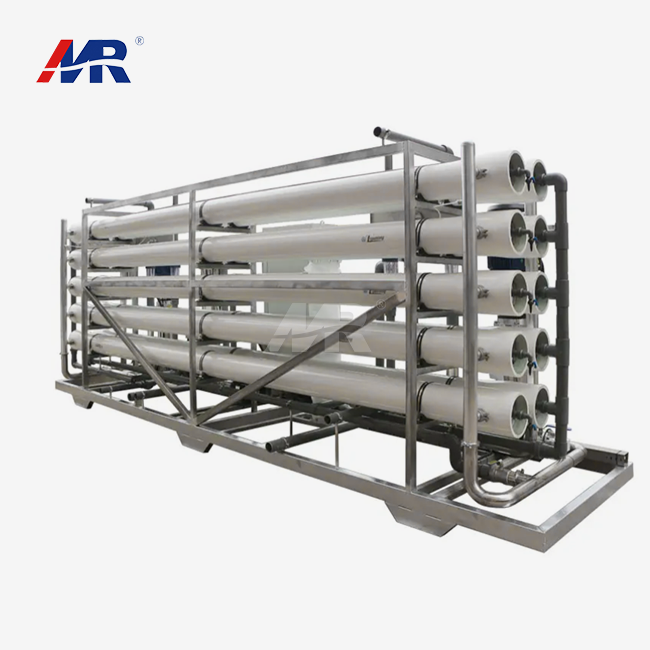 VIEW MOREbrackish water reverse osmosis systems
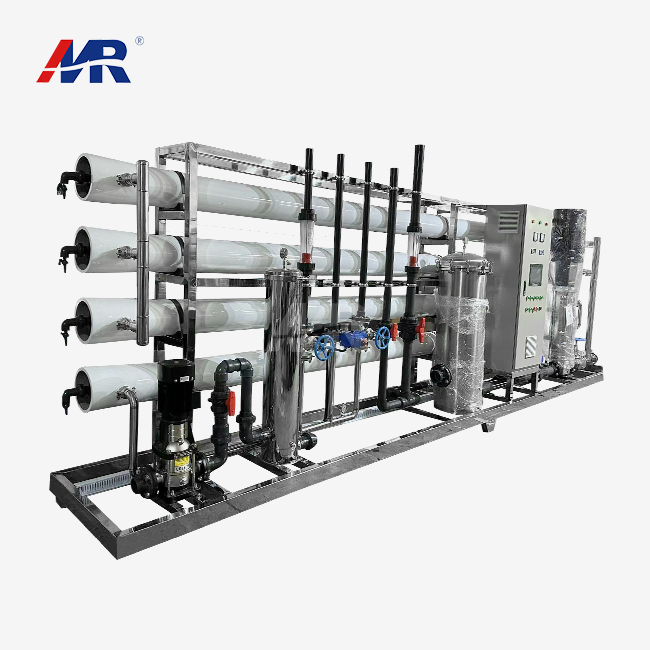 VIEW MOREreverse osmosis plant
 VIEW MORE15T/H ultrafiltration system
