

_1745823981883.webp)

Beginner's Guide to Seawater Desalination (SWRO)
A lack of water affects billions of people around the world, and traditional sources of freshwater are under more and more pressure. Seawater Reverse Osmosis, or SWRO, is a tried-and-true way to turn large amounts of ocean water into freshwater that can be used. Using high-pressure and semi-permeable screens, this technology separates dissolved salts from seawater, making clean water that can be used by businesses and cities. Compared to older steam distillation methods, SWRO rejects more than 99% of salt while using a lot less energy. This makes it the best choice for coastal towns and businesses around the world that need reliable, scalable water solutions.
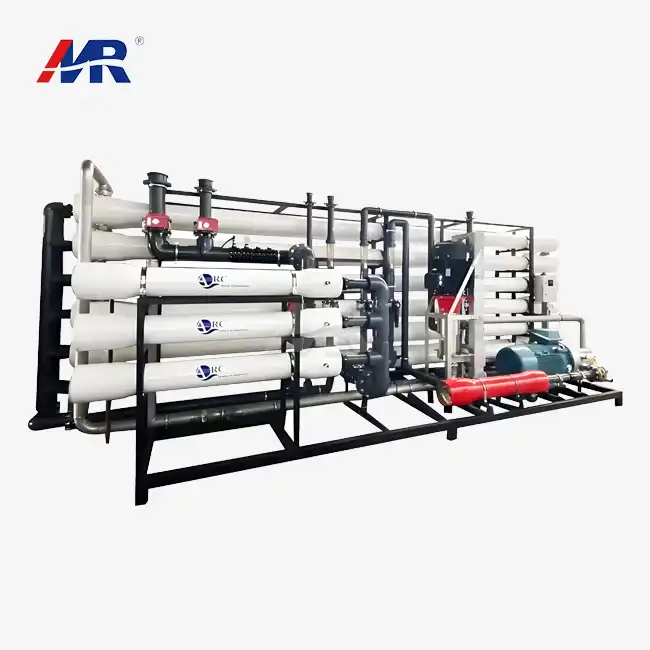
Understanding the Fundamentals of Seawater Reverse Osmosis (SWRO)
What Makes SWRO Technology Different from Traditional Methods?
There are about 35,000 parts per million of total dissolved solids in seawater. This creates a huge osmotic pressure that makes it impossible to clean normally. To get around this problem, SWRO devices use pressures between 55 and 83 bar to push water molecules through special thin-film composite membranes while keeping salt ions and other contaminants out. The membrane structure is made up of several safe layers, such as a polyester support structure and an active polyamide surface that separates the molecules. This design lets water pass through but stops objects bigger than 0.0001 microns.
Pretreatment methods have a big impact on how well saltwater desalination works. The feed water is filtered before it gets to the high-pressure membranes. This gets rid of any solids, organic matter, or biological contaminants that might damage the membranes' delicate surfaces. Modern SWRO plants have energy recovery devices that take pressure from the concentrated brine stream and put it back into the system. This makes the system use up to 60% less power than older versions.
Core Components That Drive SWRO Performance
Every successful system for desalinating seawater is made up of several elements that work together. The intake structure takes in rainwater while causing as little damage as possible to marine environments. After going through pretreatment trains, this raw feed is put through multimedia filtration. Ultrafiltration membranes are often used to get stable silt density index values below 3.0. This mixture keeps the reverse osmosis parts further down the line from getting dirty too soon.
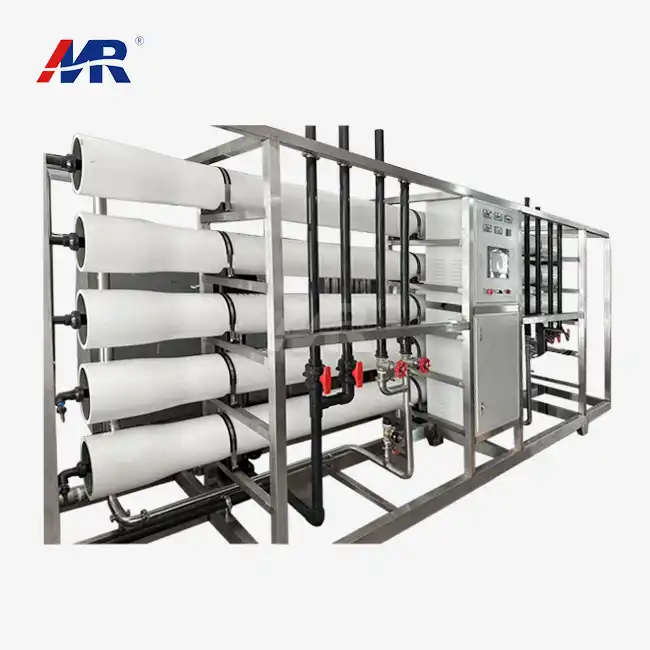
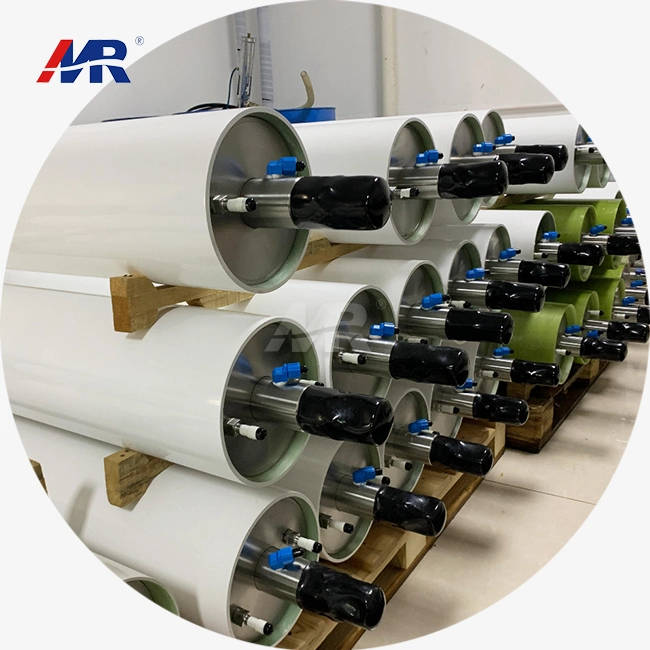
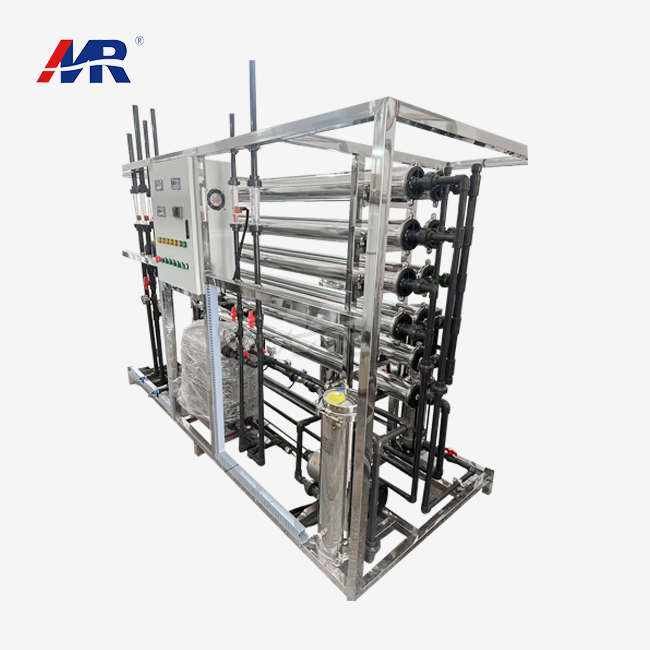
The most important part of any SWRO system is the high-pressure pumps, which provide the mechanical force needed to overcome the natural osmotic pressure. These pumps have to keep the pressure steady across hundreds or thousands of membrane parts that are set up in pressure tanks. After the water has been treated, post-treatment devices change the pH levels and add back in important minerals to make the water drinkable or meet certain industry needs. Automated control panels keep an eye on important factors like differential pressure, conductivity readings, and flow rates all the time. If performance strays from what was expected, repair alerts are sent out.
Industrial Applications Driving SWRO Adoption
Manufacturing areas in many different businesses rely on having reliable access to clean water. Desalinating seawater is used by food and drink companies to make sure their Products are safe and have the same taste every time. This is especially important for companies that bottle water and make drinks. For making medicines and cleaning equipment, pharmaceutical businesses need water that meets strict GMP standards. For making semiconductors, the electronics industry needs very clean water, because even small amounts of impurities can ruin whole production runs. Facilities that make electricity use huge amounts of water for boiler feedwater and cooling systems. Thermal and nuclear plants that are close to the coast are turning more and more to SWRO technology instead of using up freshwater sources in the middle of the country. In the same way, petrochemical plants use desalination to clean process water and deal with wastewater streams that have salts dissolved in them. Municipal water officials who serve people who live along the coast see SWRO infrastructure as important for long-term water security and being able to handle droughts, especially since climate trends are becoming less reliable.
Key Challenges in Seawater Desalination and How SWRO Addresses Them
Energy Consumption and Operational Economics
Earlier ways of purification used too much energy, which meant that producing freshwater wasn't possible for many uses. A lot of heat energy was needed for multi-stage flash distillation—usually 15 to 25 kWh per cubic metre of output water. This measure has become a lot better thanks to SWRO technology. Modern systems can get specific energy usage between 2.5 and 4.5 kWh per cubic metre when they have efficient energy recovery devices. Because of this drop, treating seawater is now cheaper than treating water from other sources in many areas.
For brackish uses, Morui's advanced water treatment methods, including SWRO, work within the 0.8–1.2 kWh per cubic metre range. This shows how much efficiency can be achieved by constantly improving technology. Our flexible designs include variable frequency drives that change the speed of the pump based on real-time demand. This keeps energy from going to waste when demand is low. These smart systems figure out the best way to run automatically, so the quality of the output stays the same while the power use stays low even when the load changes.
Membrane Fouling and System Longevity
In the past, biological growth, mineral scaling, and particle buildup on membrane surfaces made systems less reliable and required more upkeep. Fouling slows down the flow of permeate, speeds up the passing of salt, and damages membranes more quickly. To deal with these problems, you need thorough pretreatment plans and strict cleaning procedures. Ultrafiltration gets rid of colloidal particles and bacteria that cause biofouling. Chemical dosing stops the buildup of calcium carbonate and silica.
When normalised permeate flow drops by 10-15% or differential pressure rises above accepted levels, clean-in-place methods bring the membrane back to working order. Our equipment has automatic monitoring that keeps an eye on performance signs all the time and lets workers know when damage is about to happen that can't be fixed. The control panel is easy to use and shows trends clearly. This lets you do preventative maintenance instead of fixes after the fact. This proactive method raises the membrane's life span from 3 to 7 years in well-kept systems, lowering the total cost of ownership by a large amount.
Environmental Impact and Brine Management
Unless it is handled properly, concentrated brine release can be bad for marine environments. The waste stream from SWRO systems has chemicals that treat the water first and is twice as salty as wild seawater. Operators who are responsible use diffuser systems to quickly lessen the flow of brine, which reduces the chance of localised salt spikes. Some facilities mix reject streams with cooling water outflows from power plants nearby to make sure the water is sufficiently diluted before it is released.
Regulatory frameworks are calling for more and more environmentally friendly practices throughout the whole process of treating water. Modern projects that desalinate seawater include environmental impact studies during the planning stages to find the best places to release the water and set up rules for tracking. When compared to thermal options, SWRO plants have a smaller impact, which means they need less land and don't disturb as many habitats. Fewer carbon emissions are directly linked to operations that use less energy. This helps companies meet their green goals and follow stricter environmental rules.
Evaluating SWRO Solutions for Procurement: Features, Pricing, and Vendor Selection
Technical Specifications That Matter for Your Operations
When making choices about purchases, it's important to carefully compare SWRO performance measures with operational needs. Specifications for capacity show how much product water is made every hour, usually in cubic metres per hour. The recovery rate is the amount of feed water that is turned into permeate. Higher numbers mean that the membrane is more efficient, but they may also wear out faster. Our 60 cubic metre per hour SWRO method recovers up to 75% of the waste, which is a good balance between longevity and efficiency.
The final water quality is determined by how well salt is rejected, which is shown as a percentage of dissolved solids cleared. To make water that can be used for most things, systems that handle seawater need to have rejection rates above 99.4%. The permeate total dissolved solids standard shows how pure the finished water is. Values below 500 ppm are fine for many industrial uses, and values below 50 ppm meet strict pharmaceutical requirements. When handling feed water with up to 2,000 ppm TDS, our equipment always produces permeate TDS levels below 50 ppm, making it suitable for a wide range of commercial uses.
The operating pressure affects how much energy is used and how long the equipment lasts. Systems that work with seawater usually work between 55 and 70 bar, while systems that work with salty water work between 10 and 16 bar. By matching the system design to the salinity of the feed water, you can avoid using extra energy. Dimensional specs make sure that the equipment fits in the room that is available in the building, and flexible configurations can be used to work with the limitations of each spot. Modularity lets capacity grow in stages as demand rises, protecting the initial investment while keeping working freedom.
Understanding Total Cost of Ownership
The purchase price is only one part of the long-term financial responsibility. Energy use has a direct effect on running costs over the life of a machine. A factory that makes 1,000 cubic metres of concrete every day uses 4 kWh of energy per cubic metre at $0.12 a kWh, so it costs $480 a day, or $175,000 a year, for power. Cutting energy use by 1 kWh per cubic metre saves about $44,000 a year, which is a good reason to spend more on technology that uses less energy.
The repair of membranes is another ongoing high cost. Each standard part costs between $800 and $1,500, and big displays have hundreds of them. If you do the right upkeep, you can extend the life of an item from four years to seven years. This cuts the yearly cost of replacement by over 40%. Using chemicals for cleaning and preparation raises running costs even more, but new designs lower these needs by being more resistant to fouling and automatically optimising operations.
How much work needs to be done depends on how complex the system is and how much it is automated. Fully automated plants that can be monitored from afar require less staff than plants that are run by people. Vendor support deals that cover preventative maintenance, emergency fixes, and expert advice help keep costs down and make sure that the system works well. When you look at all of these things together, you can see the real economic value proposition, which goes beyond the initial capital spending.
Selecting Reliable Suppliers and Partners
Qualifications of the vendor have a big effect on the success of the project and the customer's long-term happiness. Companies with a lot of experience in the field have shown they can handle complicated setups and figure out operating problems. Manufacturing capacity and quality control methods (including SWRO) make sure that products are always reliable. Guangdong Morui Environmental Technology runs its own membrane plant and a number of sites that process equipment. This provides stability in the supply chain and quality assurance by vertical integration.
When thinking about future growth and technology improvements, how long a partnership lasts is important, and SWRO is no exception. Suppliers who want to keep working with the same customers put money into learning about their needs and coming up with custom solutions. Component compatibility across product generations saves investments made in earlier generations when capacity or efficiency is increased. By looking at a supplier's track record through customer references and case studies, you can compare their real performance to what they say they will do, which helps you make smart procurement choices.
Conclusion
Desalinating seawater using reverse osmosis technology has been shown to work and can be used on a large scale to help towns and businesses around the world that are having trouble getting enough water. When compared to older methods, modern SWRO systems are much more efficient while still producing high-quality results. To be successful, you need to carefully look over the technical specs, fully comprehend the total ownership costs, and choose experienced sources who are willing to work with you for a long time. When something is installed correctly, used correctly, and maintained regularly, it will work reliably for a long time. New inventions offer even better energy efficiency, membrane performance, and operating intelligence. This will make SWRO technology a key part of long-term plans for managing water sustainably for many years to come.
FAQ
1. How does feed water temperature affect SWRO system performance?
When it comes to membrane permeability and salt passing, temperature has a big effect. For every degree Celsius rise, the flow of permeate water usually goes up by about 3%, but salt water also moves through a little more. Operators have to change the applied pressure with the seasons to keep the quality and amount of output stable, even when the temperature changes. Base temperatures are higher for systems made for tropical conditions than for installations in cooler regions.
2. What causes premature membrane failure in desalination systems?
Lack of proper prep is the main reason why membranes break down quickly. Fouling happens very quickly when suspended solids, organic matter, or scale precursors reach the surfaces of membranes. Operating beyond the limits that were intended, like using too much pressure or rebound rates, can also put stress on membranes. Regular tracking, using the right chemicals for cleaning, and following the manufacturer's instructions will keep most problems from happening and extend the life of the system.
3. When should I schedule membrane cleaning procedures?
When standardised permeate flow drops by 10-15%, differential pressure rises by 15%, or salt passage rises by 5-10% from baseline values, clean-in-place operations should be done. If you wait too long to clean after these points, fouling can become permanent and damage the membrane's ability to work. Strong cleaning facilities usually clean every three to six months, while facilities with difficult feedwaters may need to be cleaned once a month.
Partner with Morui for Your SWRO Desalination Needs
Guangdong Morui Environmental Technology has a lot of experience with treating water in factories. Our Team of more than 500 professionals, which includes 20 specialized engineers, provides full solutions, from the initial assessment to ongoing operating support. We make advanced membrane technologies in our own factories, and we work with the best component sources in the business to make sure the stability of our systems. We make designs that are specific to your needs, whether you need small tools for use abroad or large-scale systems for cities. Get in touch with us at benson@guangdongmorui.com to talk about how our SWRO solutions can help you reach your water treatment goals with reliable, efficient technology and quick service.
References
1. Elimelech, M. & Phillip, W.A. (2011). The Future of Seawater Desalination: Energy, Technology, and the Environment. Science, 333(6043), 712-717.
2. Greenlee, L.F., Lawler, D.F., Freeman, B.D., Marrot, B. & Moulin, P. (2009). Reverse osmosis desalination: Water sources, technology, and today's challenges. Water Research, 43(9), 2317-2348.
3. Voutchkov, N. (2018). Energy Use for Membrane Seawater Desalination – Current Status and Trends. Desalination, 431, 2-14.
4. Ghaffour, N., Missimer, T.M. & Amy, G.L. (2013). Technical review and evaluation of the economics of water desalination: Current and future challenges for better water supply sustainability. Desalination, 309, 197-207.
5. Kim, J., Park, K., Yang, D.R. & Hong, S. (2019). A comprehensive review of energy consumption of seawater reverse osmosis desalination plants. Applied Energy, 254, 113652.
6. Fritzmann, C., Löwenberg, J., Wintgens, T. & Melin, T. (2007). State-of-the-art of reverse osmosis desalination. Desalination, 216(1-3), 1-76.
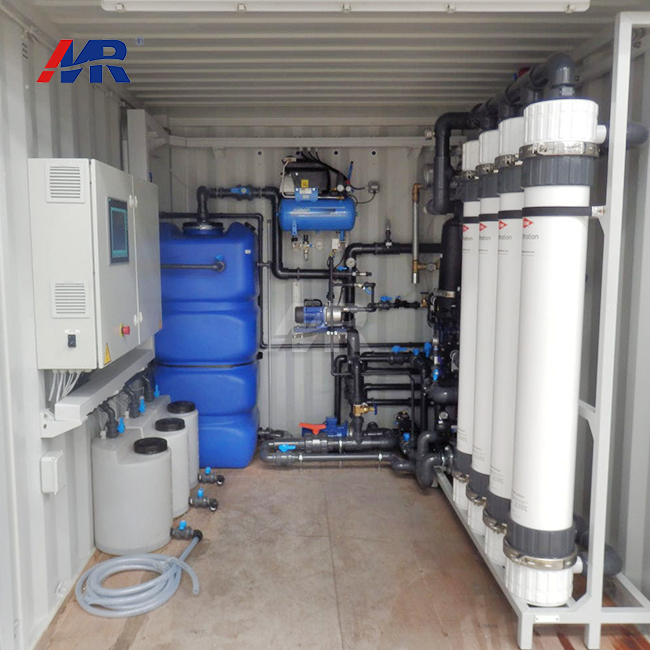 VIEW MOREcontainerized ultrafiltration equipment
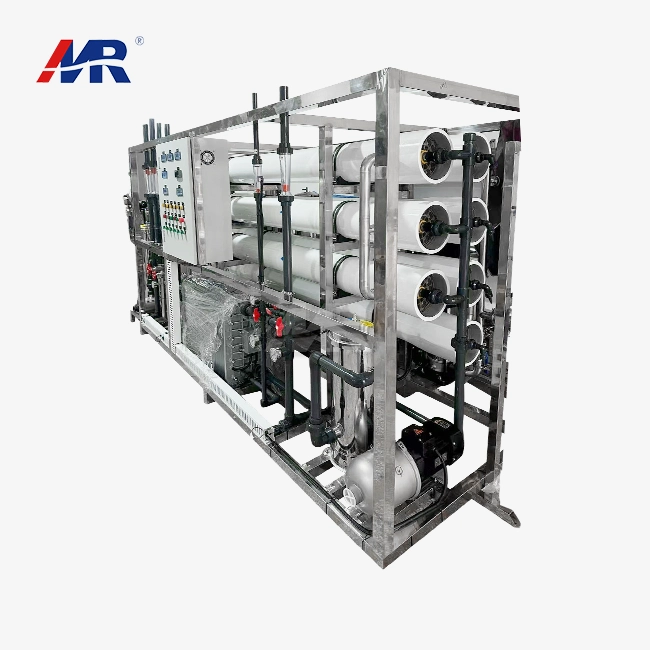 VIEW MOREedi module water treatment
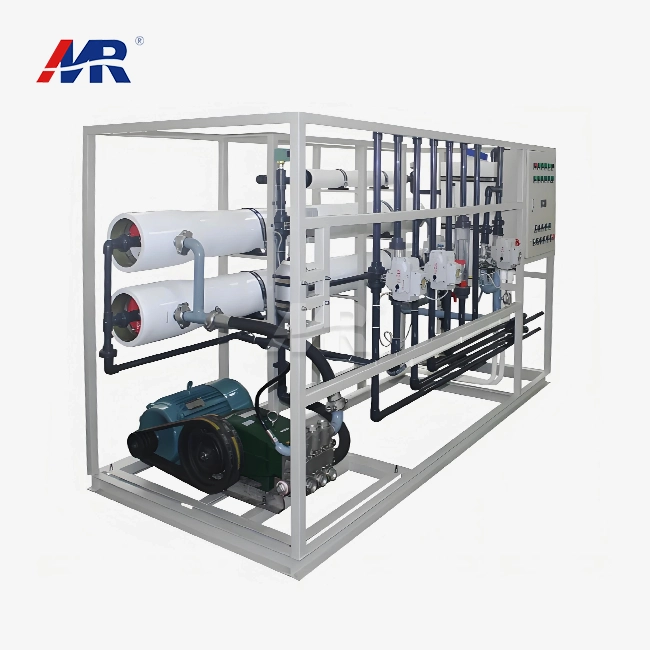 VIEW MOREseawater desalination pre-treatment
 VIEW MORE25m3/hour reverse osmosis equipment
 VIEW MOREportable wastewater treatment plant
 VIEW MORELandfill Leachate Treatment Plant
 VIEW MOREwaste water treatment system
 VIEW MOREedi system in water treatment
