

_1745823981883.webp)

How to Clean Reverse Osmosis System at Home: A Step-by-Step Maintenance Guide
To clean your home reverse osmosis system, you need to be careful with the membranes and follow the right chemical cleaning steps. ro membrane upkeep has a direct effect on the quality of the water, the life of the system, and the costs of running it. Fouling, scaling, and biological pollution can lower filtering performance by up to 30%. Regular cleaning stops these problems before they happen. To get things back to working at their best, professional care includes cleaning with chemicals, testing the pressure, and checking the membrane. This all-around method makes sure that the water is always clean, and it also makes equipment last longer and costs less to repair in industrial and business settings.
Introduction
Reverse osmosis systems are very important parts of industrial and business water treatment plants in the food preparation, pharmaceutical, and manufacturing sectors. These high-tech filter systems provide clean, high-quality water that is needed for production, quality control, and following the rules. Reverse osmosis membranes' performance, working efficiency, and total purchase costs over the equipment's lifecycle depend on how well they are maintained and cleaned on a regular basis.
This maintenance guide is designed to meet the needs of procurement managers, plant engineers, site workers, and expert decision-makers who are in charge of running water treatment plants. By learning the basics of membrane care, pros can improve system performance and cut down on costly downtime and equipment repair before it's time. Depending on the water quality and how often the membrane is cleaned, regular care can make it last anywhere from three to seven years longer.
Maintaining membranes properly has financial effects that go beyond the initial costs of running. Systems that are well taken care of use less energy, don't need as many chemical processes, and make better water with steady flow rates. These things have a direct effect on how efficiently Products are made and how well they meet quality standards in regulated industries like food processing, medicines, and electronics manufacturing.
Understanding Your Reverse Osmosis System and Membrane
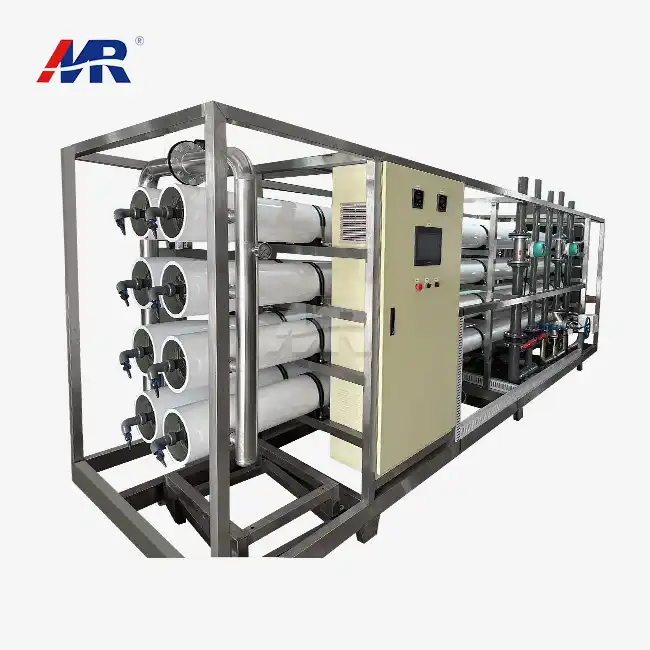
Selective molecular filtering is how RO membrane technology works. It uses semi-permeable barriers to get rid of dissolved solids, organics, and contaminants in feed water. Thin-film composite polyamide construction is what most industrial membranes are made of. They are made to handle working pressures between 150 and 1,200 psi and keep rejecting more than 99.5% of contaminants.
Membrane Performance Characteristics
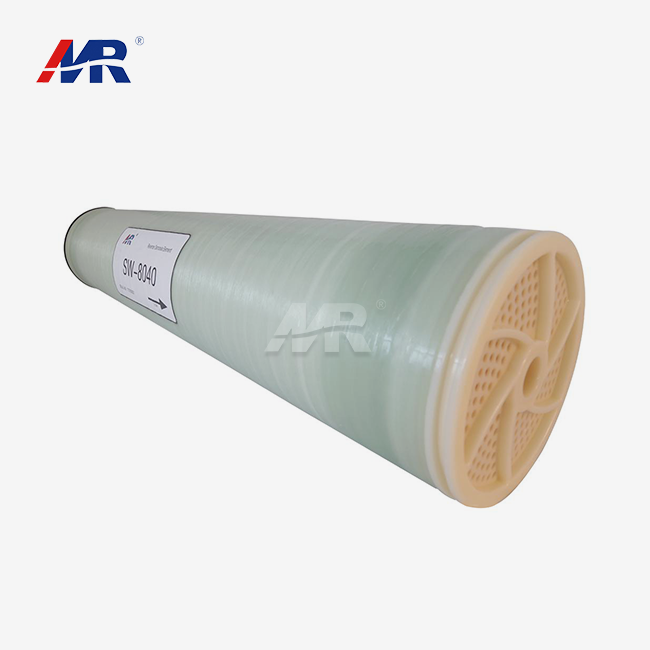
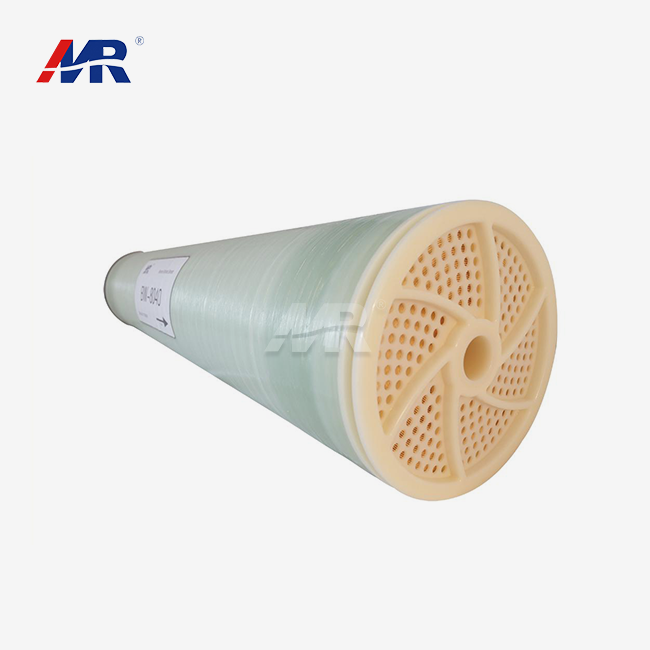
These days, industrial membranes come in regular shapes, mostly 4040 and 8040 spiral-wound elements. The active surface areas of these elements are between 400 and 440 square feet per 8040 element, which is the best amount for getting the most output and getting rid of contaminants. The polyamide active layer is very resistant to chemicals and can handle pH levels from 1 to 13 during cleaning processes. However, the pH level should stay between 3 and 10 during normal use.
Membrane fouling is the main problem that affects how well the system works. When natural oils, organic matter, or biological materials build up on barrier surfaces, this is called organic fouling. Inorganic scaling happens when minerals that are dissolved in water go beyond their solubility limits and form scale layers. Biological pollution is when bacteria grow and make biofilm, which blocks water flow and raises working pressures.
Performance Monitoring Indicators
To check the state of the membrane, system workers should keep an eye on the standardized permeate flow, the salt passage rates, and the differential pressure. Performance degradation usually shows up as a 10–15% drop in flow, a 5–10% rise in salt passage, or a 15–20% rise in pressure above standard readings. These signals show that chemicals need to be used to clean the membrane before it gets permanently damaged.
Preparing for RO System Cleaning: Key Considerations
To clean membranes effectively, you need to plan ahead, take the right safety precautions, and use cleaning chemicals that are suitable. Before starting to clean, operators need to know what kind of membrane they have, how it fouls, and what the maker recommends. Preparing properly keeps membranes from getting damaged and makes sure that cleaning works well while still meeting safety standards at work.
Safety Equipment and Chemical Selection
When working with cleaning chemicals, personal protective tools like chemical-resistant gloves, safety glasses, and the right breathing protection are needed. Ventilation devices should be on all the time when chemicals are being handled or cleaned. During the cleaning process, emergency eyewash stations and safety showers must always be easy to get to.
Which chemical to use depends on the type of fouling and how well it works with the membrane. Alkaline treatments get rid of organic and bacterial fouling, while acidic cleaners get rid of inorganic scale. Cleaners that oxidize should never come in contact with polyamide membranes because chlorine and other oxidants hurt membranes in a way that can't be fixed. Before the membrane is exposed, sodium bisulfite gets rid of any remaining chlorine.
Pre-Cleaning System Assessment
Write down the current performance of the system, including measures of flow rates, pressures, and water cleanliness. This standard data lets you check the performance after cleaning and helps you figure out how well the cleaning worked. Check the parts of the system for leaks, broken seals, or old parts that could affect how the cleaning chemicals are distributed or kept contained.
How well cleaning chemicals work depends on the temperature of the water. For most chemicals, the best temperature range is between 95°F and 104°F. Higher temperatures speed up chemical reactions, but they could hurt cells that are sensitive to temperature. Before heating cleaning products, you should always check the manufacturer's temperature limits.
Step-by-Step Guide to Cleaning Your Reverse Osmosis System at Home
Professional membrane cleaning follows set procedures that are meant to get rid of fouling properly while keeping the RO membrane's structure, using a cleaning RO system. This methodical approach makes sure that the system is thoroughly cleaned without damaging any parts or putting people in danger.
Initial System Shutdown and Preparation
To keep membranes from getting damaged by rapid changes in pressure, start by slowly lowering the system pressure. Before opening any links, close the feed water valves and let the system fully drain. Write down the current working parameters and, if your repair procedures say so, take water samples for quality testing.
Low-point drains and fans should be used to get rid of all the process water in the system. Remove pressure vessels carefully, following manufacturer guidelines for element extraction. Look at the membrane parts to see if they are obviously damaged, have strange discolorations, or have a lot of debris that could mean a certain type of fouling.
Chemical Cleaning Procedures
Make cleaning solutions according to the directions given by the maker, making sure to use the right amounts of chemicals and the right way to mix them. Common cleaning chemicals include citric acid, which gets rid of calcium scale; sodium hydroxide, which gets rid of organic buildup; and biocides, which get rid of biological contamination. Never mix different kinds of chemicals together, because bad things could happen.
Cleansing fluids should be pumped through the system at the right temperatures and flow rates. Keep the circulation going for the given contact time, which is usually between 30 and 60 minutes based on how bad the fouling is and what kind of chemical it is. During the cleaning stage, keep an eye on the pH and conductivity of the solution to make sure the chemicals are working.
Post-Cleaning Inspection and Testing
Before putting the system back together, flush it with clean water to get rid of any cleaning chemicals that might still be in it. To be sure that all chemicals have been removed, check the pH and conductivity of the clean water. Carefully reinstall the membrane parts, making sure they are in the right place and sealed to stop escape flow.
Slowly turn the system back on, letting the forces settle down before it can work normally. Keep a close eye on the quality of the initial penetration, as some temporary quality loss is normal right after cleaning. Write down the performance factors that were used after cleaning to make sure that the cleaning worked and to set new standard measurements.
Maintenance Tips to Prolong Your RO Membrane Lifespan
Proactive repair plans greatly increase the life of RO membranes while also improving the system's performance. Regular tracking, preventative treatments, and following the right operating methods all help to lower the amount of fouling and cleaning chemicals that need to be used. These actions directly lead to lower running costs and higher system stability.
Performance Monitoring and Data Analysis
Key performance measures, such as standardized permeate flow, salt rejection rates, and differential pressure across membrane elements, should be checked every day. These measures are affected by changes in temperature and pH, so normalization formulas take these changes into account. Trending analysis shows small changes in performance that show problems are starting to form before they get bad enough to need emergency help.
Set alarms for important factors that will go off and require repair before the system's performance gets really bad. Automatic tracking systems can keep an eye on many factors all the time and let you know early on if fouling starts to form. By logging data, you can look at performance trends and make cleaning plans that are based on real fouling rates instead of random time intervals.
Preventive Treatment Strategies
By getting rid of suspended solids, changing the pH, and stopping scale formation, pretreatment devices make membrane clogging much less likely. Multimedia filtration gets rid of particles bigger than 10 microns, and cartridge filters polish the water one last time to get rid of any leftover dissolved matter. When pretreatment is done right, Silt Density Index values stay below 3. This keeps membranes safe from physical fouling.
By keeping dissolved minerals in solution even when they are increased beyond their normal solubility limits, anti-scalant treatment stops minerals from precipitating. Scale inhibitors are very important when working with water that is very hard or when healing rates are high. Biocide solutions stop the growth of bacteria in feed systems, which stops biofilm from forming on barrier surfaces.
Selecting RO Membranes and Cleaning Solutions for Your Business Needs
The strategic choice of RO membrane affects the system's long-term performance, running costs, and upkeep needs, including the cleaning RO system. The best makers make RO membranes that work best in certain situations, with different water quality and in different working environments. By knowing these differences, you can make smart choices about procurement that are in line with practical goals and spending limits.
Membrane Technology Comparison
Dow Filmtec membranes are made of an advanced thin-film hybrid material and have surface properties that are designed for low fouling and high salt rejection. It is great that their FILMTECTM parts are compatible with cleaning products and last a long time in commercial settings. Toray membranes use their own special polymer technology, which makes them more resistant to chlorine and more stable in chemicals. Hydranautics has special membrane formulas, such as low-energy designs that lower running costs by needing less pressure.
By keeping flux rates high at lower working pressures, energy-efficient membrane designs lower the cost of pumps. These membranes usually cost 10–20% more at first, but they save a lot of energy over the course of their life. Fouling-resistant surface changes cut down on the number of times that chemicals need to be used and cleaned, which is especially helpful in situations where the feed water quality is poor.
Procurement Strategy and Supplier Selection
Build connections with reliable membrane suppliers that offer Technical support, help with applications, and warranty coverage. Facilities that use multiple systems or need to change membranes on a regular basis can often save a lot of money by using bulk purchasing programs. When comparing seller offers, you should think about the total cost of ownership, which includes the price of the membrane, the cost of cleaning chemicals, the amount of energy used, and the expected service life.
Standardized tests should be used by quality assurance programs to check how well membranes work. Wet testing proves flux and rejection performance under certain conditions, while vacuum decay testing makes sure the element is intact. Ask for certificates of analysis that show the performance features of the membrane and quality control measures.
Conclusion
For reverse osmosis systems to work well, they need to be maintained by regularly caring for the membranes, cleaning them correctly, and keeping an eye on them. Cleaning the RO membrane on a regular basis keeps the water quality and system performance at their best and extends the membrane's life. Through better energy efficiency, less chemical use, and less downtime, professional maintenance procedures lower running costs. By knowing how fouling works and how to clean chemicals, operators can make custom upkeep plans that keep costs low while improving system performance. Investing in good maintenance training and good cleaning agents pays off in a big way by making tools last longer and keeping production levels steady.
FAQ
1. How often should industrial RO membranes be cleaned?
How often you clean depends on the quality of the feed water and the conditions of the operation. Under normal settings, most industrial devices need to be cleaned every three to six months. But businesses with bad water quality or high recovery rates may need cleaning every month. Instead of just using time-based plans, you should also keep an eye on normalized performance factors.
2. What cleaning chemicals are safe for polyamide membranes?
Polyamide membranes tolerate acidic cleaners like citric acid and hydrochloric acid for scale removal. Alkaline cleaners, including sodium hydroxide, effectively remove organic fouling. Don't use reactive chemicals like chlorine, permanganate, or hydrogen peroxide, which cause irreversible membrane damage. Always verify chemical compatibility with membrane manufacturers.
3. When should membranes be replaced versus cleaned?
If salt rejection falls below 95%, standardized flux drops by more than 30%, or cleaning doesn't improve performance, the membranes need to be replaced. Physical damage, too much unequal pressure, or not being able to meet water quality standards are also signs that it needs to be replaced. When doing an economic analysis, you should weigh the cost of repair against the performance loss and the need for more frequent cleaning.
4. Can household cleaning chemicals be used on industrial membranes?
Household cleaners contain additives, surfactants, and fragrances that may damage membranes or leave harmful residues. Use only manufacturer-approved cleaning chemicals formulated specifically for membrane applications. A lot of tests are done on these items to make sure they work well with membranes and clean well.
Partner with Morui for Professional RO Membrane Solutions
Guangdong Morui Environmental Technology delivers comprehensive water treatment solutions, including premium RO membrane systems, specialized cleaning chemicals, and expert maintenance support. Our experienced engineering team provides customized system designs, installation services, and ongoing technical assistance to optimize your water treatment operations. With over 500 employees across 14 branches and dedicated membrane production facilities, Morui serves as your trusted RO membrane supplier for industrial and commercial applications. Contact benson@guangdongmorui.com today to discuss your specific requirements and receive detailed proposals for membrane systems, cleaning solutions, and maintenance programs tailored to your operational needs.
References
1. American Water Works Association. "Reverse Osmosis and Nanofiltration Manual of Practice." AWWA Manual M46, Second Edition, 2007.
2. Bergman, Robert A. "Membrane Softening versus Lime Softening in Florida: A Cost Comparison Update." Journal of Environmental Engineering Science, Vol. 82, No. 4, 2008.
3. Fritzmann, Claudia, et al. "State-of-the-Art Reverse Osmosis Desalination." Desalination Journal, Volume 216, Issues 1-3, 2007.
4. Greenlee, Lauren F., et al. "Reverse Osmosis Desalination: Water Sources, Technology, and Today's Challenges." Water Research, Volume 43, Issue 9, 2009.
5. Pearce, Graeme K. "UF/MF Pre-treatment to RO in Seawater and Wastewater Reuse Applications: A Comparison of Energy Costs." Desalination, Volume 222, Issues 1-3, 2008.
6. Wilf, Mark and Bartels, Craig. "Optimization of Seawater RO Systems Design." Desalination, Volume 173, Issue 1, 2005.
 VIEW MOREcontainer ro equipment
 VIEW MORE20m3/hour ultrafiltration equipment
 VIEW MOREbrackish water reverse osmosis systems
 VIEW MOREultrafiltration membrane system
 VIEW MOREreverse osmosis water purification plant
 VIEW MOREsewage treatment plant
 VIEW MOREbrackish membrane
 VIEW MORE8m3/hour two pass reverse osmosis system
