_1745823981883.webp)

How Does Reverse Osmosis and Distillation Work to Purify Water? A Detailed Explanation
New ways of cleaning water are important for the growth of many businesses. Reverse osmosis and distilling are both very complicated ways to clean dirty water so that it is safe to use in serious situations. Each of these water purifiers is based on a different scientific idea. For example, reverse osmosis uses pressure to move water molecules through semi-permeable membranes, and distillation separates contaminants through the processes of evaporation and condensation. Water that is very pure can be made in these tried-and-true ways. Businesses in high-tech, medicinal, and food processing need clean water sources.
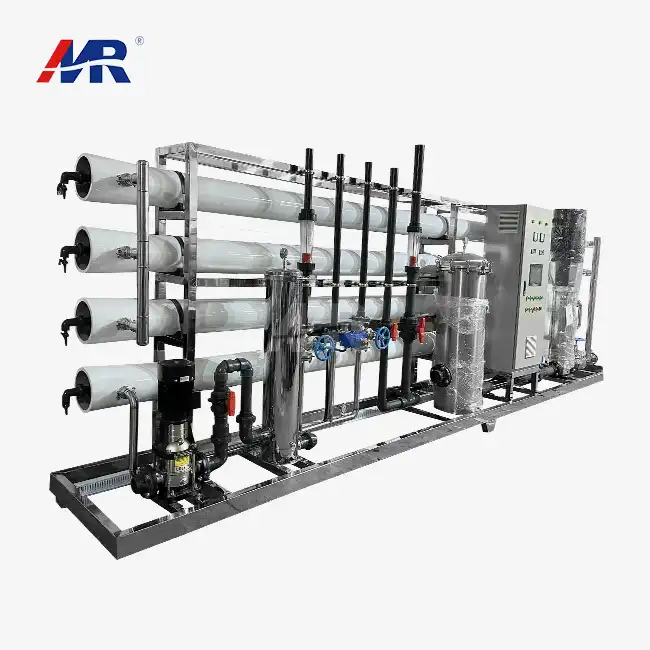
Understanding Water Purification: Reverse Osmosis and Distillation Basics
It is important to know that brewing and reverse osmosis are not the same way to get clean water. Each method gets rid of a different type of pollution and works well enough for business use.
How Reverse Osmosis Technology Functions
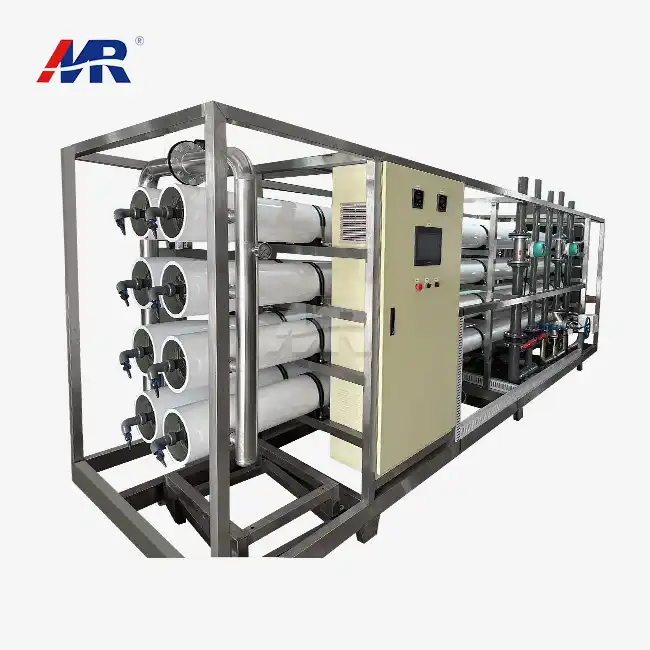
During reverse osmosis, dirty water is pushed through special filters that can only be reached in part by water under high pressure. There are about 0.0001 micron-wide holes in these membranes. Salts, heavy metals, germs, and organic things that have been broken down can't get through these holes, but water molecules can.
The RO method usually cleans in more than one step. During pre-filtration, sediment screens get rid of the bigger bits. This keeps the ro membrane from getting hurt, which is very fragile. To get rid of chlorine and other volatile chemicals that could make membranes work less well, carbon filters are used. After going through the RO membrane, the pressurized water is cleaned of any toxins that are in it. After that, the waste is taken away as a concentrate.
These days, RO systems can get rid of up to 99.7% of all the dissolved solids in source water, which is really impressive. RO technology is very helpful in places where the water quality needs to stay the same because it works so well.
Distillation Process Mechanisms
Distillation heats dirty water until it turns into steam, which separates the impurities from the water. Most of the organic toxins, germs, and solids that have been broken down are left behind as this mist rises. Very clean water is made when the steam cools down and goes back into a liquid.
There are better ways to distill water because they use the heat from the last stage to warm up the water that comes in for the next step. The amount of energy used is greatly reduced by this method, which still cleans very well. Some newer distillation units use gas compression technology to get even more out of the energy they use for big jobs.
As water evaporates, almost all the minerals that are dissolved are lost. What's left is water with a conductivity level below 10 microsiemens per centimeter. The strict needs of labs and companies that make drugs are met by this level of ultra-pure water.
Key Benefits and Advantages of RO and Distillation for Industrial Use
Both reverse osmosis and distilling have big real benefits that affect how well things are made and how well they meet standards. They can make smart decisions that meet the needs of their industry when they know about these benefits.
Reverse Osmosis System Advantages
Here are the core advantages that make RO systems particularly attractive for industrial applications:
- Energy Efficiency: RO systems generally use 75% less energy than distilling units of the same size. These businesses can save money and leave less of a carbon impact if they care about the environment.
- Scalable Production Capacity: Modular RO designs let facilities gradually boost their water treatment capacity without having to replace the whole system. This is possible because they can be changed to fit different production needs.
- Automated Operation: Modern RO systems have advanced control systems that keep an eye on things that affect water quality, change working pressures automatically, and start cleaning processes to make sure the system always works at its best.
- Compact Installation: RO technology doesn't take up as much floor space as distillation systems, so it's great for places that don't have a lot of space or for adding on to buildings that are already there.
In many different industry sectors, these benefits solve output problems caused by inconsistent water quality, high running costs, following rules, and water purifiers.
Distillation Technology Benefits
Distillation methods are great for jobs that need the best level of purity because they do the following:
- Superior Contaminant Removal: Distillation gets rid of almost all dissolved solids, germs, viruses, and chemical compounds, achieving levels of purity higher than 99.99% that are needed for making electronics and medicines.
- Reliable Performance: The result from distillation devices is always of the same high quality, even if the source water changes. This means that they can reliably work even when the quality of the feed water is very dirty or changes over time.
- Minimal Chemical Requirements: Some other methods need chemical agents to work, but distillation doesn't. This means you don't have to worry about chemical pollution or supply chain problems that could make the process less effective.
- Proven Technology: Distillation is a method that has been used for a long time and has been kept up in a way that makes it easy to guess how it will work. The technology risk for mission-critical uses goes down because of this.
Distillation works best in fields where clean water is important for following the rules and making sure Products are safe.
Choosing Between Reverse Osmosis and Distillation: A Procurement Perspective
There are many things that affect the short-term and long-term success of the business that you need to think about in order to choose the best water cleaning technology. The people who work in procurement need to find a balance between cost, professional standards, and the goals of the business.
Technical Evaluation Criteria
A study of the water source led to the choice of technology. Because they get rid of dissolved salts and most organic chemicals so well, RO systems are great for cleaning groundwater or city water sources that aren't too polluted. If the source water has a lot of dissolved solids, biological contamination, or chemical molecules that are too complicated for membrane-based filters to work, distillation is a better way to clean it.
Which technology is used depends a lot on how much needs to be made. They can be used in places that need anywhere from 1,000 to 100,000 gallons of water every day. On the other hand, distillation methods are more cost-effective when only a small amount of water is needed or when ultra-pure water is needed.
Purity standards decide if a tool is good enough. If the pharmaceutical business needs water purifier systems that meet USP guidelines for water for injection, they may need to distill the water. However, RO works well for most other pure water needs.
Economic Considerations
In a capital investment study, you need to think about how much the tools cost, how much it will cost to set them up, and what kind of facilities you will need. When you buy an RO system for the first time, it generally costs less, especially for bigger systems. If you want to know how much something will cost over its whole life, you should think about how much it will cost to replace membranes and make changes to the system.
When running costs are looked at, things like how much energy is used, how much it costs to replace supplies, and how much maintenance is needed are all considered. In general, RO systems use less energy, but their membranes need to be changed often, which costs money. Some parts of distillation equipment need to be changed less often, but they use more power.
For example, if the water quality is better and there are fewer product failures, the output will go up. To figure out the return on an investment, you should include things like these. Many companies find that reverse osmosis distilled water more than makes up for the extra cost of cleaning it because it speeds up production.
Overcoming Common Challenges and Frequently Encountered Issues
If you don't fix operating problems with both RO and distillation systems, they can make them work less well and cost more. If you take care of these issues before they get worse, the system will work better, and the tools will last longer.
Membrane Fouling and Scaling Prevention
Clogging of the RO membrane is the most common problem in operations. This happens when contaminants build up on the surface of the membrane and slow down the flow of water. If you use multimedia screening and chemical dose devices in a good pretreatment process, you can avoid most fouling problems. Regularly cleaning the membrane with chemicals that are allowed makes it work better and last longer.
Scaling is the process by which minerals that are dissolved in water stick to the surface of membranes. This generally happens when the water is hard. Adding an anti-scalant agent and making sure the pH level is right will stop scale from building. They now have chemical dosing systems that work on their own and change the treatment based on real-time monitoring of the water quality.
Biological waste can happen when groups of bacteria or other germs grow on membranes. When UV light or chlorine dioxide is used to treat feed water, they stop live things from growing. Any contamination that does happen is cleaned up on a daily basis.
Distillation System Optimization
Distillation systems have issues with how much power they use and how minerals build up in the parts that heat up. Regular ways of descaling get rid of minerals that build up and make it harder for heat to move. How often you clean and scale the distillation units will depend on how well the water is treated before it goes into them.
Part of being energy efficient is keeping heat recovery systems in good shape and making sure that insulation stays pure. Heat exchangers should be checked regularly to make sure they move energy as efficiently as possible. Insulation should also be checked regularly to stop heat loss and lower energy use.
These issues should be planned for in a good service schedule so small issues do not become big ones that cause machines to break down or cause production delays that cost a lot of money.
Future Trends and Innovations in Water Purification Technologies
There are always changes in the water treatment business because of new tools and the need to work better. Those who work in procurement can make smart financial decisions by following new trends.
Advanced Membrane Technologies
The next generation of RO filters is more selective and doesn't get clogged up as easily. In thin-film nanocomposite membranes, nanoparticles help keep water flow rates high and get rid of contaminants better. That means these membranes last longer and need less maintenance because they can handle bleach and other acids that break things down better.
It is different from standard RO because it uses osmotic pressure differences to push water through membranes instead of hydraulic pressure. You can use a lot less energy with this method and still get the same level of cleaning done.
Smart Monitoring and Control Systems
When the Internet of Things (IoT) is used, it's possible to track things from afar and plan ahead for repairs. High-tech monitors are always checking the grade of the water, how well the system is working, and how well the equipment is in good shape. Data from real life is used by machine learning algorithms to figure out what needs to be fixed and how to make the system work better on its own.
With digital twin technology, water purifier systems can be made into virtual copies. This makes it possible to make models and tune them that are more complicated without stopping the real systems from working, using reverse osmosis distilled water. It's possible to guess how a system will work in different scenarios and improve it with the help of these computer models.
Tools that are based in the cloud let you keep an eye on many water treatment systems in different places from one place. This lets you plan repairs and make networks across the whole company run better.
Conclusion
Reverse osmosis and distilling are both ways that industrial water can be cleaned, but they do so in different ways. More space can be added to RO systems so they can meet the needs of most businesses. Distillation, on the other hand, gets to the higher levels of purity that the pharmaceutical and high-tech industrial businesses need. Getting the right equipment for the job is crucial to success. For example, the amount of water that needs to be made, the quality of the water that comes from the source, and cost considerations must all be thought through. Through new ideas, both technologies keep getting better, which makes them more efficient and able to adapt to changing needs in the business.
FAQ
1. What maintenance intervals do RO and distillation systems require?
Every 12 to 36 months, depending on the type of water used and how it is used, RO filters should be changed. The pre-filter should be changed every three to six months, and chemical cleaning should happen once a week or once a month, based on how often the gunk builds up. Every one to three months, distillation systems need to be descaled, and once a year, the hot element needs to be checked. How often parts need to be replaced depends on how hard the water is and how long the system is used.
2. How do water quality outputs differ between RO and distillation?
Most RO systems can get rid of 95–99.7% of contaminants, leaving behind water that can be used in most industrial settings with 10–50 ppm of total dissolved solids. Water that has less than 5 parts per million of dissolved solids and is 99.9% clean can be made by distillation. Because of this, the water is great for making medicines and electronics. If you want to get rid of biological contaminants and some chemicals that may get through RO membranes, you should use distillation instead.
3. What scalability options exist for bulk water purification?
There are plans for both technologies that are flexible enough to be used for a wide range of production amounts. When membranes are set up in parallel, RO systems can handle anywhere from 100 gallons per day to over 1 million gallons per day without any issues. There are many different kinds of distillation units, from small ones that hold one gallon and are used in labs to huge ones that can make thousands of gallons of alcohol every hour. You can make changes to meet specific practical needs. For example, you can use automated controls, special materials for toxic environments, or ways to connect to the building's current infrastructure.
Partner with Morui for Advanced Water Purification Solutions
Industrial operations demanding reliable, high-performance water treatment systems benefit from partnering with well-known water purifier manufacturers who have a track record of success and a wide range of professional services. Morui Environmental Technology has cutting-edge reverse osmosis and distillation gear for the electronics, pharmaceutical, food preparation, and industrial fields. Our engineering team uses cutting-edge membrane technologies, smart tracking systems, and energy-saving designs to come up with one-of-a-kind solutions that are the best in terms of both performance and cost. We can get your water treatment project up and running quickly and keep it going with the help of our more than 500 trained workers, 20 committed engineers, and several manufacturing sites. Contact our technical experts at benson@guangdongmorui.com to talk about your specific needs and find out how our water purifier supplier can help you run your business better by managing water quality better.
References
1. National Academy of Sciences. "Drinking Water and Health: Volume 2 - Reverse Osmosis and Other Advanced Treatment Technologies." National Academies Press, 2019.
2. World Health Organization. "Guidelines for Drinking-Water Quality: Fourth Edition - Chemical Aspects of Water Treatment Technologies." WHO Press, 2020.
3. American Water Works Association. "Water Treatment Membrane Processes: Principles and Applications in Water Purification." AWWA Publications, 2021.
4. United States Environmental Protection Agency. "Membrane Filtration Technologies for Drinking Water Treatment: Performance and Cost Analysis." EPA Office of Water, 2018.
5. International Desalination Association. "Industrial Water Treatment Technologies: Comparative Analysis of Reverse Osmosis and Distillation Systems." IDA Technical Publications, 2020.
6. Water Quality Association. "Performance Standards for Reverse Osmosis and Distillation Equipment in Commercial Applications." WQA Technical Standards, 2019.