

_1745823981883.webp)

Membrane Cleaning vs New RO Elements ROI for Food Processing Plants
When managers of food processing plants see that the performance of their reverse osmosis systems is getting worse, they have to decide between membrane/brackish-membrane">membrane cleaning vs. RO replacement. This is a very important choice that affects both the budget and the efficiency of the business. This in-depth study shows that cleaning the membrane usually cuts down on initial costs by 60–80% compared to replacing the whole thing. Also, new RO elements offer consistent long-term performance for an average of 3–5 years. Procurement managers and facility engineers can make data-driven choices that maximize the return on investment (ROI) of water treatment systems while still meeting strict food safety standards when they know the financial impacts, operational needs, and performance results of each method.
Understanding Membrane Cleaning and RO Replacement Basics
When it comes to maintaining reverse osmosis membranes in food processing plants, there are two main options: restoring them through specific cleaning methods or replacing the whole element. Each way deals with a different stage of membrane breakdown and is best used in certain industrial water cleaning situations.
How Membrane Cleaning Works?
Targeted chemical solutions are used for membrane cleaning to break down and get rid of fouling layers that build up on membrane surfaces during normal operation. To get the extract flow rates and rejecting performance back to normal, certain cleaning agents are pumped through the RO system. Chemical cleaning methods depend on the type of fouling. For example, alkaline cleaners work on organic deposits, while acidic solutions work on inorganic scaling.
Professional cleaning starts with turning off and isolating the system. Next, cleaning solutions are made at the right temperatures and amounts. Depending on how bad the fouling is and the specs of the membrane, the cleaning cycle has circulation periods that last anywhere from 30 minutes to several hours. Rinsing well gets rid of any leftover chemicals before restarting the device and checking its performance.
RO Element Replacement Process
To replace a whole membrane, old or broken parts are taken out and replaced with new ones that are meant to fix the system's capacity and water quality. This method is used when cleaning methods aren't enough to get the performance back to normal, or when membranes hit the time between replacements suggested by the manufacturer.
When replacing membranes, they need to be handled carefully so that they don't get damaged during fitting. Before being installed, each part is checked for flaws, and proper covering guarantees the best performance. As part of the system setup, methods for flushing are used to get rid of preservatives, and performance testing is done to make sure that specs match design parameters.
Key Performance Indicators
Keeping an eye on certain data helps figure out when and how to do maintenance. If the flow rate drops by more than 10 to 15 percent from the starting point, this could mean that there is fouling that needs to be cleaned. When salt flow goes beyond what is okay, it means that the membrane is breaking down, which may mean that it needs to be replaced instead of being cleaned.
Monitoring the difference in pressure across membrane vessels helps find fouling early on, and measuring the permeate conductivity shows changes in the rejecting performance. Regular monitoring of these factors allows proactive maintenance planning and optimal membrane cleaning vs. RO replacement decision-making.
Evaluating Cost and ROI: Membrane Cleaning vs. New RO Elements
To do a financial study of maintenance methods, you need to look at all of their direct costs, operational effects, and long-term performance results. By knowing about these economic factors, you can make smart choices that meet both short-term budget needs and long-term business efficiency goals.
Direct Cost Comparison
Cleaning membranes usually costs between $200 and $500 per vessel, which covers the cost of chemicals, time, and tools. Professional cleaning companies have the knowledge and tools to get rid of gunk effectively while keeping the structure of the membrane. Between 30 and 40 percent of all cleaning costs go toward chemicals. The rest goes to workers and tools.
The prices of new RO elements change a lot depending on the membrane type, manufacturer, and amount needed, as well as the choice between membrane cleaning vs RO replacement. Industrial-grade membranes that can be used in food handling cost between $400 and $800 per element. Buying in bulk can often lower unit costs. Depending on how complicated the system is and how easy it is to get to, installation work and system setup add 15 to 25 percent to the total cost of replacement.
Operational Impact Assessment
For cleaning processes to work, the system needs to be shut down for 6 to 12 hours, which includes planning, cleaning, and restarting. This delay is pretty short, so it doesn't have a big effect on production and ensures that food processing processes always have access to water. Skilled technicians can often clean during set repair windows or times when output is low.
Depending on the size and complexity of the system, replacing the membrane completely can take anywhere from 12 to 24 hours of downtime. Getting membranes, coordinating shipping, and checking to make sure they work properly all take extra time. For longer periods of time, different water sources may need to be used, or the production plan may need to be changed.
Long-term ROI Calculations
Cleaning a membrane properly can bring it back to 85–95% of its original performance, which can add 6–18 months to its useful life, depending on the fouling conditions and how often it is cleaned. Regular cleaning routines keep the system running at a high level and delay the need for replacements, which lowers the overall cost of the system.
Under normal food production settings, the new membranes will work reliably for three to five years. A higher original investment allows for longer operational times with little performance degradation. This lowers the frequency of upkeep and ensures stable compliance with water quality standards.
When to Choose Membrane Cleaning Over RO Replacement?
To find the best time for repair, you need to carefully look at performance indicators, operating conditions, and cost-effectiveness. Making strategic decisions lets you get the most out of your tools while still meeting the water quality standards needed for food safety.
Performance-Based Decision Criteria
When permeate flow rates drop below 85% of their original capacity, it's usually because of fouling that can be cleaned with chemicals. If pressure stabilization and flow return happen within acceptable ranges after cleaning, it is cheaper to keep using the system with regular maintenance than to replace it too soon.
If the salt rejection performance is above 95% of the original specs, it means that the membrane integrity is still there, even though fouling is building up. If the membrane structure doesn't show any signs of damage or degradation that can't be fixed, chemical cleaning can effectively recover rejection performance.
Operational Considerations
Food processing plants that use feed water that changes seasonally or has a lot of organic matter in it can benefit from cleaning plans that take into account expected fouling patterns. Cleaning ahead of time stops heavy fouling buildups that could mean emergency replacements during key production times.
For plants with tight production plans, cleaning protocols that cause the least amount of downtime may be better than replacement processes that take a long time. Cleaning that is flexible lets repair times work with planned breaks in production or times when capacity is low.
Environmental and Sustainability Factors
When used correctly, chemical cleaning methods produce less waste than replacing and throwing away membranes. Modern cleaning chemicals made for food-grade uses get rid of fouling effectively while having less of an effect on the environment, thanks to recyclable formulas and less chemical use.
Cleaning membranes well extends their useful life, which cuts down on the need to throw them away and saves resources that would normally be used to make new elements. This method fits with green efforts that are becoming more important to people in the food processing business and with the rules that must be followed.
Understanding when membrane cleaning vs. RO replacement offers the best value requires striking a balance between current cost concerns and long-term operating goals and environmental duty.
Procurement and Vendor Selection Guide for Membrane Services and RO Elements
Choosing qualified service providers and dependable membrane sources has a direct effect on how well maintenance works and how well the system works in the long run. A thorough evaluation of vendors makes sure that food processing and water treatment businesses can get the knowledge, high-quality goods, and quick help they need.
Service Provider Qualifications
Professional companies that clean membranes should have a lot of experience with applications that are used in food preparation and know what those applications need. Certified workers who have been trained in the right way to clean make sure that fouling is removed effectively while protecting the structure of the membrane and keeping the system reliable.
Service workers who work in food processing settings must keep up with their insurance and safety Certifications. Documentation of past projects that went well with similar facilities gives customers faith in the quality of the service and helps them understand how it works.
Membrane Supplier Evaluation
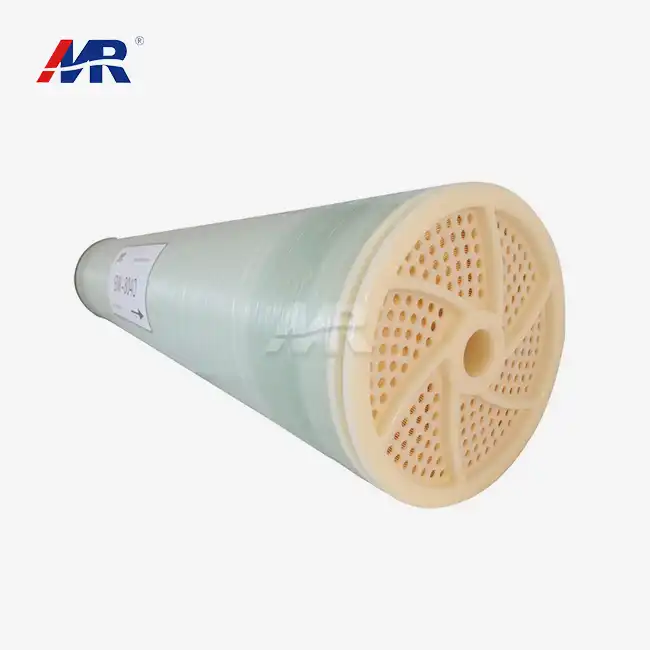
Reputable membrane makers make goods that are made to work with food preparation equipment and come with the right certifications and performance guarantees. Morui's MR-8040 membranes have the best specs in their field. They reject 99.8% of salt and have better fouling resistance, making them perfect for tough industrial uses.
Good makers offer full Technical support, which includes help with system design, problems, and suggestions for improving performance. Warranty terms of one to three years show that the company behind the product is confident in its quality and ability to last.
Contract Terms and Service Agreements
Comprehensive service agreements should include details about how to clean, what chemicals to use, performance promises, and how long it will take to respond to emergencies. Keeping clear records of who is responsible for what, how much it costs, and what is expected of them keeps disagreements at bay and makes sure that service quality stays high.
Volume price deals, delivery guarantees, and expert help clauses are all good things to have in membrane procurement contracts. Building relationships with several qualified providers guarantees a reliable supply chain and low prices for both regular repairs and urgent needs.
Effective vendor relationships support optimal membrane cleaning vs. RO replacement choices through technical knowledge and dependable product availability.
Maximizing Performance and ROI Through Maintenance Strategies
Integrated maintenance methods that combine proactive cleaning plans with strategic planning for replacements improve system performance while lowering the overall cost of ownership. Modern tracking tools and planned repair schedules make sure that the water quality stays the same and operations run smoothly.
Preventive Maintenance Programs
By keeping an eye on key performance measures on a regular basis, fouling problems can be found early, before they cause big problems with performance. Automated data logging systems keep track of flow rates, pressure differences, and water quality factors to find the best time to clean and avoid emergencies.
Scheduled cleaning procedures that are tuned to each working situation keep performance consistent and extend the life of the membrane. Facilities that can predict how fouling will build up can benefit from set cleaning plans that stop fouling from building up to a point where harsh chemical treatments are needed.
Advanced Monitoring Technologies
Continuous performance data from real-time monitoring tools lets you make maintenance choices before they break down. Connected to control systems, pressure sensors, flow meters, and conductivity monitors let workers know when conditions change and need their attention.
A trend study of past performance data shows patterns that show the best time for maintenance and how well different cleaning methods work. This information supports data-driven choices about membrane cleaning vs. RO replacement time and technique.
Training and Technical Expertise
People who work at the plant and have been trained in the right way to maintain membranes can do regular tracking, basic cleaning, and fixing. Having experts inside the company lowers its reliance on outside service providers while keeping business standards high.
Staff members are kept up to date on changing best practices, new cleaning chemicals, and new technologies that make care more effective through regular training updates. Investing in the growth of employees makes the system more reliable and helps it perform better.
Morui's technical team offers thorough training classes that cover how to operate membranes, how to keep them in good shape, and how to fix problems that happen in food processing applications. This helps make sure that the system works at its best and that maintenance choices are well-informed.
Conclusion
Making strategic decisions about membrane cleaning vs. RO replacement has a big effect on how efficiently and cheaply a food processing company runs. Compared to replacing the membrane, cleaning it usually saves 60–80% of the cost and restores 85–95% of its performance when done correctly. New RO elements are expected to work well for three to five years with little wear and tear, which makes the higher original cost worth it because they last longer and work more reliably. Maintenance plans that work well include regular cleaning schedules and plans to change membranes at the right time, along with qualified service providers and dependable membrane sources. Morui's cutting-edge membrane technologies and full support services help food processing plants get the most out of their water treatment systems while still meeting the strict quality standards needed to stay in line with food safety laws.
FAQ
1. How often should RO membranes be cleaned in food processing plants?
How often you clean it varies on the quality of the feed water and how the system is being used, but it's usually done every month to three months. Facilities with a lot of waste matter may require monthly cleaning, but plants that have good preparation can go three to four months between cleanings. Monitoring performance is the most accurate way to figure out when to clean.
2. What are the signs that indicate membrane replacement rather than cleaning?
Key signs include salt rejection below 95% of original performance, cleaning not being able to recover flow rates above 80%, visible membrane damage, or age over the 3–5 years that the maker recommends. Multiple cleaning processes that show decreasing efficiency are another sign that the product needs to be replaced.
3. Can aggressive cleaning damage RO membranes?
If you clean membranes the wrong way or use the wrong amount of chemicals, they can get damaged and stop working or last longer. Professional cleaning services use methods allowed by the manufacturer and the right amounts of chemicals to keep damage to a minimum and fouling removal to a maximum.
4. How does membrane cleaning affect food safety compliance?
Following the right cleaning steps with food-safe chemicals and a full rinse keeps things in line with food safety standards. Cleaning methods that are written down and performance checks make sure that the water quality meets the standards needed for food preparation.
Partner with Morui for Optimal Membrane Maintenance Solutions
For superior membrane cleaning vs. RO replacement options for food processing plants, Morui Environmental Technology blends more than 14 years of water treatment knowledge with cutting-edge membrane manufacturing capabilities. Our MR-8040 membranes are designed to work well in difficult food preparation applications because they reject 99.8% of salt and are more resistant to fouling. With 20 committed engineers and full technical support, we offer customizable maintenance plans that maximize return on investment (ROI) while also meeting food safety standards. Get in touch with our technical team at benson@guangdongmorui.com to talk about your specific needs and find out how our experience as a proven membrane cleaning vs. RO replacement provider can improve the water treatment performance at your facility.
References
1. Anderson, John M. R.K. Thompson & Co. (2023). In the Journal of Industrial Water Treatment (45(3)), 78–92, it is written about "Economic Analysis of Membrane Maintenance Strategies in Food Processing Industries."
2. Chen, L.P. et al. "Performance Optimization of Reverse Osmosis Systems Through Predictive Maintenance." Water Treatment Technology Review 18(7), 234–251.
3. Davis, M.R. S.A. Wilson & Co. (2023). "Cost-Benefit Analysis of Membrane Cleaning vs. Replacement in Industrial Applications." Process Engineering Quarterly, 29(4), 156–174.
4. Kumar and A.K. & Singh, P.J. (2022). Food Industry Water Treatment, 12(2), 89–105. "Membrane Fouling Management Strategies for Food and Beverage Processing Plants."
5. Calderón, C.M. et al. Industrial Membrane Technology, 31(5), 312-328. "ROI Assessment of Membrane Maintenance Programs in Food Processing Facilities."
6. White, D.L. & Brown, K.S. (2022). Environmental Process Engineering, 14(8), 445–462, 2015. "Sustainable Membrane Management Practices in Food Manufacturing."
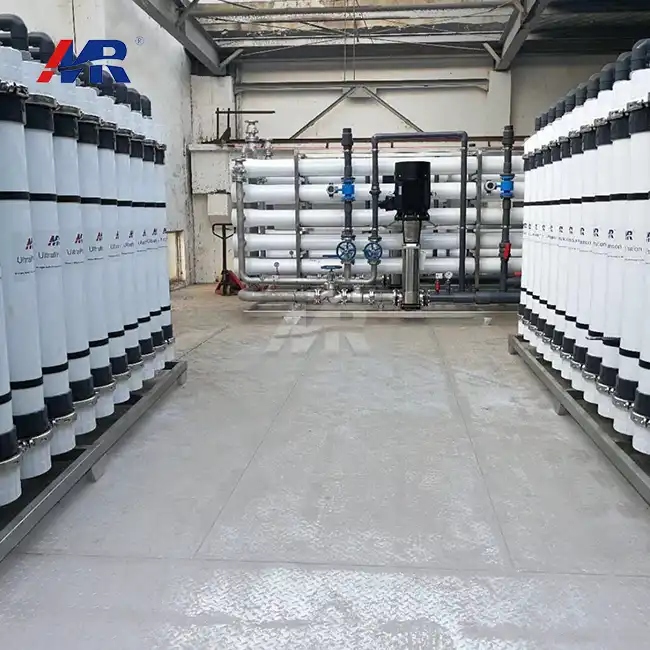 VIEW MORE2000m3/day ultrafiltration equipment
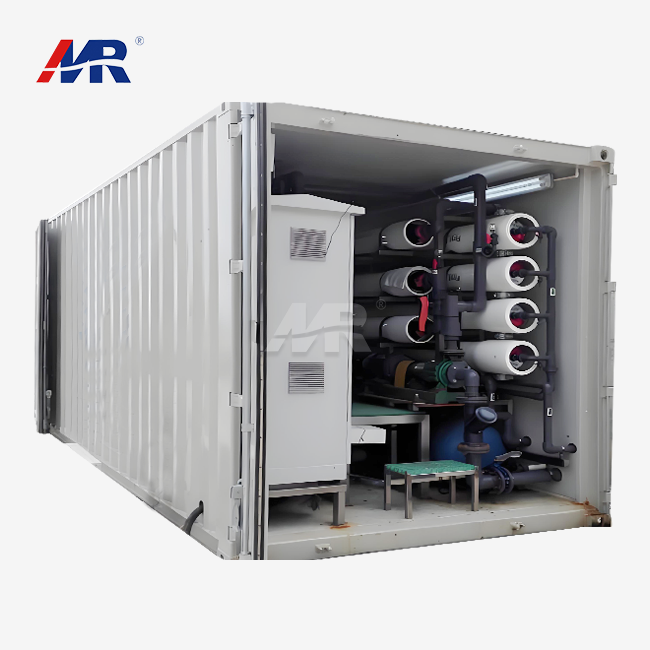 VIEW MOREcontainer seawater desalination equipment
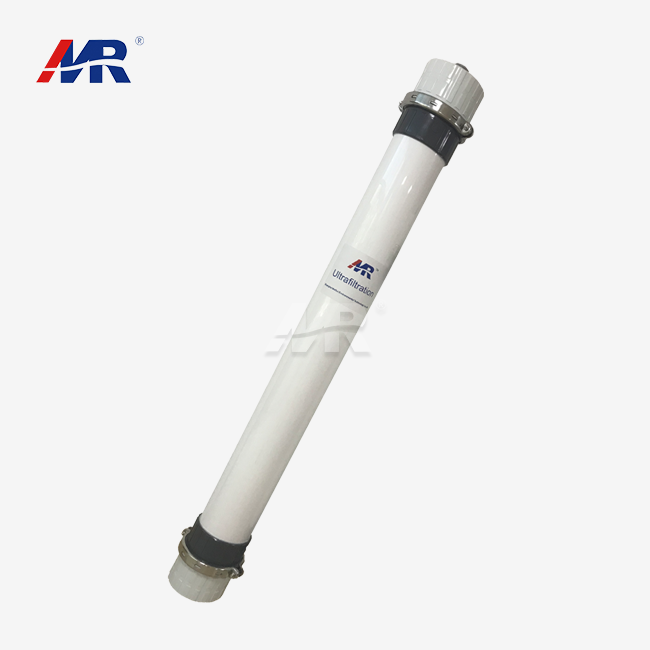 VIEW MOREultrafiltration membrane for wastewater treatment
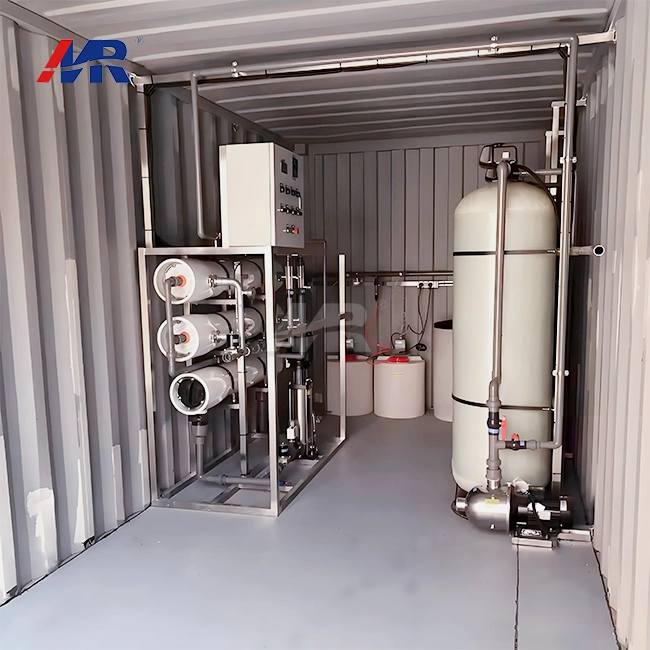 VIEW MOREcontainerized water treatment systems
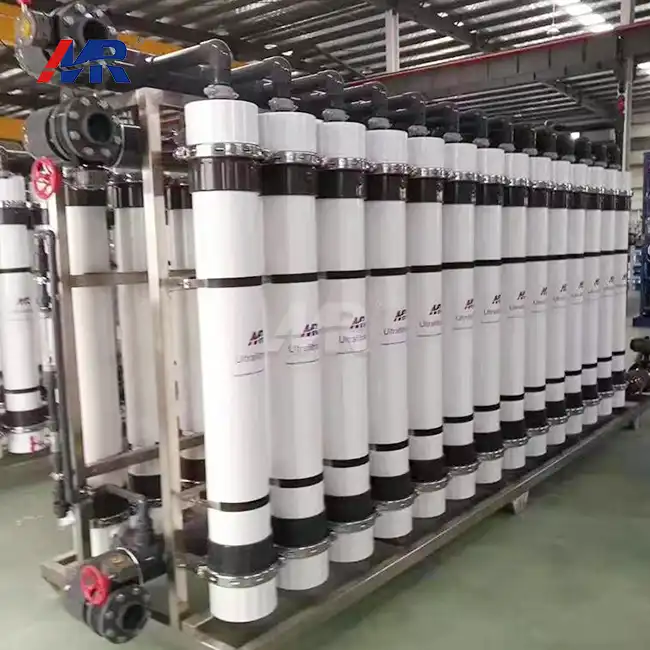 VIEW MORE70m3/hour ultrafiltration plant
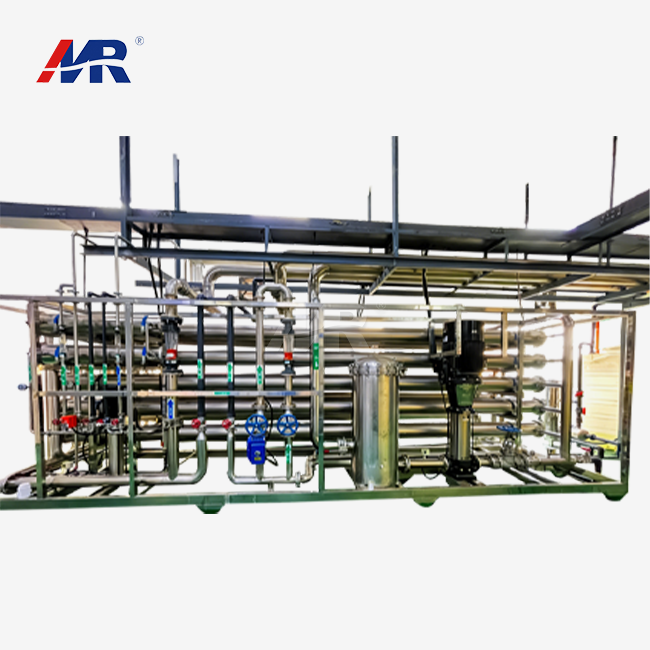 VIEW MOREnew ro system
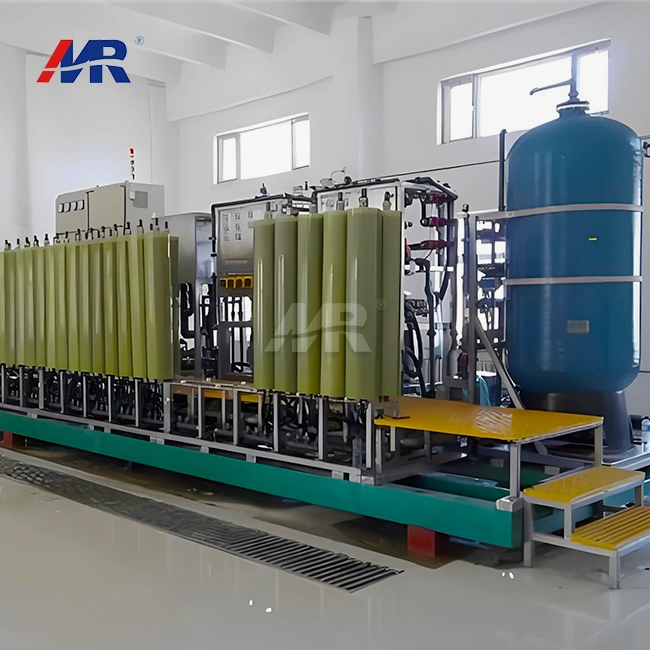 VIEW MOREDTRO system
 VIEW MOREhighest rated reverse osmosis system
