

_1745823981883.webp)

SWRO Desalination Plants: Quenching the World's Thirst
With the help of cutting-edge membrane technology, saltwater reverse osmosis (SWRO) desalination plants can turn large amounts of saltwater into freshwater that plants and animals can use. Because they provide stable, high-quality water where other sources fail, these high-tech facilities help solve serious water shortages in the municipal, farming, and industrial sectors. As climate change makes droughts worse and population growth puts a strain on resources, SWRO technology becomes an important infrastructure investment that supports economic growth in water-stressed areas around the world and allows for sustainable development.
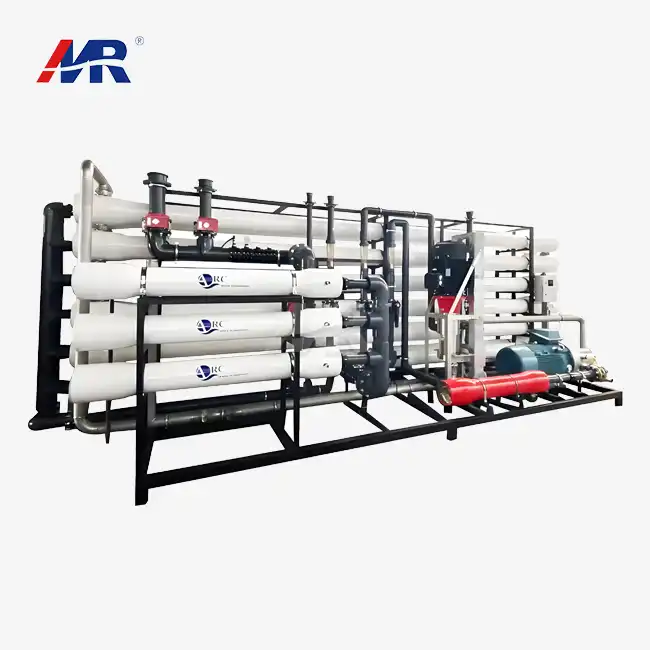
Understanding SWRO Desalination Technology
Core Components and Process Flow
Modern saltwater reverse osmosis systems have a number of important parts that work together to remove salt from water and make it clean. The process starts with saltwater intake systems that collect fresh water through structures that are carefully placed to have the least possible effect on the environment while still maintaining consistent water quality. Then, pre-treatment systems get rid of organic matter, dissolved solids, and other contaminants that might hurt the performance of the membrane.
High-pressure pumps are the heart of any SWRO plant. They create the high pressure needed to push water molecules through semipermeable barriers while displacing dissolved salts. These pumps usually work at pressures between 800 and 1,200 psi, but this depends on how salty the feed water is and how fast you want to recover it. Energy recovery devices take pressure energy from the high-pressure brine stream and use it again. This cuts total energy use by a large amount.
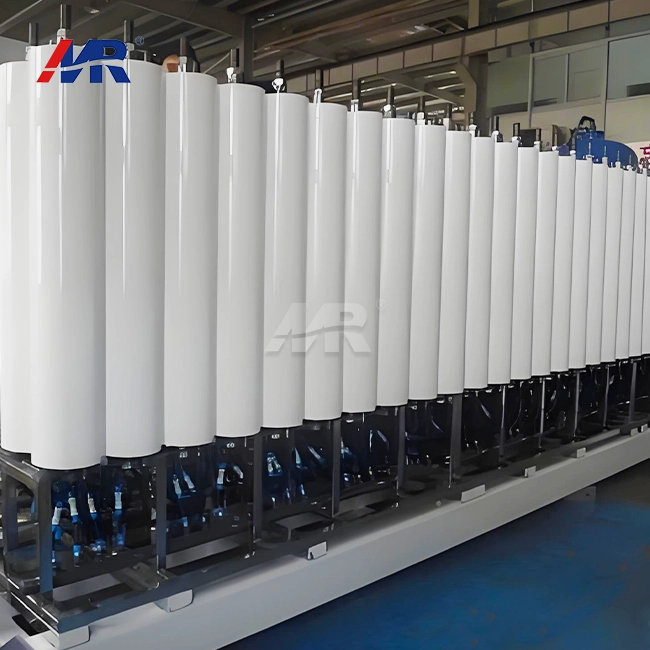
As the most complex part of the system, the reverse osmosis membrane units use thin-film composite membranes that were specially made for use with saltwater. These membranes can reject more than 99.5% of salt while keeping their performance stable in tough working situations. Before giving the finished water to people, post-treatment devices change the pH levels, add important minerals, and do one last round of cleaning.
Advanced Technology Benefits
There are strong reasons why modern SWRO technology is better than older thermal purification methods. The amount of energy used has gone down a lot. These days, modern plants can use as little as 3 kWh/m³ of specific energy thanks to new design changes and systems that recover energy. This efficiency directly leads to lower operating costs and better project economic success on a big scale.
Modular design concepts make it possible to increase capacity as needed to meet rising demand without having to rebuild the whole system. Plant managers can gradually add membrane trains, which helps phased development strategies that match capital investment with real growth in water demand. Modern SWRO buildings make the best use of space by having a small footprint. This is especially helpful in coastal places with lots of people where land is limited.
Why SWRO Desalination Plants Are Essential for Global Water Security?
Industrial Applications and Market Demand
Desalination technology is becoming more and more important for businesses that use a lot of water to keep running and meet quality standards. Water sources must be reliable for factories to use for cooling, cleaning, and processing purposes. Food and drink makers need high-purity water to meet strict quality standards. Pharmaceutical and biotechnology businesses use SWRO devices to make ultrapure water that meets Good Manufacturing Practice standards for study and drug making.
Facilities that make electricity, especially thermal and nuclear plants, need a lot of water to make steam and cool down. Desalination is a safe option for freshwater sources that protects the environment by using less water and keeping the power plant running. Similarly, petrochemical companies gain from having their own water supplies for cleaning equipment, cooling processes, and making steam.
Sustainability and Environmental Impact
The circle economy's idea of SWRO desalination is supported by the fact that it turns a naturally abundant resource into a useful good without using up limited freshwater supplies. Modern plants use advanced salt control techniques that protect the environment while getting the most water back. When energy-efficient designs are combined with green energy sources like solar or wind power, the carbon footprint is smaller.
The technology helps reach the goals for sustainable development by making sure that growing populations have enough water while protecting natural environments. In contrast to groundwater mining, which can cause aquifers to dry up and saltwater to seep in, seawater desalination uses a resource that will never run out and won't affect its future supply. As climate change changes traditional water sources by changing the way it rains and by making droughts last longer, the advantage of sustainability becomes more important.
Choosing the Right SWRO System for Your Business
Capacity and Performance Requirements
In order to choose the right desalination capacity, you need to carefully look at how much water is being used now and in the future. When choosing the right plant size, industrial sites need to think about high usage times, seasonal changes, and plans for future growth. Recovery rate optimization finds the best mix between how much water is produced and how much concentrate needs to be managed. Depending on the quality of the feed water and technical limitations, rates of up to 45% are usually possible.
Long-term working costs depend a lot on how energy-efficient a business is. Advanced energy recovery systems and variable frequency drives help plants react to changing working conditions while using the least amount of power possible. Automation cuts down on the need for workers and improves operating stability by using complex control systems that get the best performance out of different situations.
Technology Selection and Customization
Modern SWRO plants can be changed in a lot of ways to fit the needs of different applications. When choosing a membrane, it's important to look at different makers and product lines to find the best mix of flow rate, salt rejection, and fouling resistance. When designing a pre-treatment system, it's important to take into account things like changes in temperature, yearly algal blooms, and the amount of suspended solids in the ocean.
In marine settings, choosing the right material is very important because corrosion protection affects how long equipment lasts and how often it needs to be maintained. In SWRO, critical parts are kept safe from the harsh effects of seawater with stainless steel, super-duplex metals, and special finishes. Smart control systems use sensors, analyzers, and automatic switches to keep things running at their best and let you check on their performance in real time.
Optimizing SWRO Plant Performance and ROI
Operational Excellence and Maintenance Strategies
To get the best return on investment, you need to pay regular attention to operating efficiency and preventative repair. To keep optimal flow rates and extend membrane service life, cleaning methods must find a balance between how often they are cleaned and how much chemical they use. Monitoring standardized permeate flow, salt passage, and differential pressure on a regular basis lets you find problems early on, before they cause big losses in efficiency.
Energy optimization means checking the performance of the pump, the settings for the pressure, and the effectiveness of the energy recovery device all the time. Variable frequency drives let you precisely change the pump speed to meet production needs while wasting as little energy as possible when demand is low. Temperature compensation methods take into account changes in ocean temperature that happen with the seasons and affect how well membranes work and how much energy they need.
Digital Integration and Predictive Analytics
More and more, modern companies use Internet of Things devices and advanced analytics tools to help them make better operating decisions. Collecting data in real time allows predictive maintenance methods that set up service times for equipment based on tracking its actual state instead of set times. These systems find problems as they start to happen before they affect production. This cuts down on unexpected downtime and the cost of repair.
Process optimization programs look at past performance data to find ways to make things more efficient and the best settings for running the process. Machine learning programs can guess how membranes will get clogged, find the best cleaning processes, and suggest changes that should be made to keep things running at their best. These digital tools give useful information that helps with long-term asset management plans and efforts to keep things better.
Procurement and Partnership Opportunities in SWRO Desalination
Flexible Acquisition Models
Companies that want to buy SWRO systems can do so in a number of different ways, each of which is tailored to their unique business and financial needs. Direct buy choices give you full ownership and control of an object, but they require a big input of money. Letting agreements lower the original capital needs and include full maintenance services, which lets businesses with small capital funds use modern technology.
Build-operate-transfer models let companies use cutting-edge technology without having to hire people with operating skills. Before handing over assets to the end user, experienced system integrators take care of the planning, construction, and first use steps. These methods lower the project's risk while making sure the system works at its best during important start-up times.
Supplier Evaluation and Partnership Development
A lot of what makes an SWRO project work is choosing skilled providers who have experience with seawater desalination applications. Technical skills, project experience, manufacturing quality Certifications, and after-sales assistance infrastructure should all be taken into account when judging. ISO-certified manufacturing methods make sure that all deliveries of tools are of the same high quality and dependability.
For long-term business success, it's important to have a wide range of service skills. Training programs make sure that people in the area can properly use and take care of complex machinery. Technical support services offer professional help with fixing problems, making things run more smoothly, and planning upgrades. Logistics help, and the supply of spare parts reduces the risk of downtime and ensures long-term operation that works reliably.
Conclusion
SWRO desalination technology solves important water security problems by turning saltwater into high-quality freshwater in an efficient and long-lasting way. Modern systems use a very small amount of energy and provide stable water sources for many commercial and municipal uses. The technology's flexible structure, advanced automation, and track record of success make it an important choice for businesses that are having trouble with water quality or availability. For execution to go well, the right system needs to be chosen, operations need to be optimized, and smart partnerships need to be made with experienced suppliers who can offer full support throughout the asset's lifecycle.
FAQ
1. What is the typical lifespan of SWRO membranes?
Good marine reverse osmosis membranes usually work well for 3 to 7 years as long as they are used correctly. Membrane life relies on the quality of the feed water, the working pressure, how often it is cleaned, and how many chemicals it is exposed to. Regular upkeep and tracking keep things running at their best and extend the life of the equipment.
2. How does energy consumption compare to other desalination methods?
Modern SWRO plants use a lot less energy than thermal distillation processes. They only need 3–4 kWh/m³, while multi-stage flash distillation needs 15–25 kWh/m³. Energy return devices and better membrane technology keep lowering the amount of energy needed, which makes SWRO the most energy-efficient way to desalinate big amounts of water.
3. Can SWRO systems be scaled to meet growing demand?
SWRO systems feature modular design principles that enable incremental capacity expansion without major infrastructure changes. It is possible to add more membrane trains to increase output while the current systems are still running. This ability to grow makes SWRO perfect for situations where the amount of water needed is unclear or rising.
4. What pre-treatment requirements are necessary for seawater?
A good pre-treatment usually includes screening, coagulation, flocculation, sedimentation, and multimedia filtering to get rid of organic matter and dissolved solids. Depending on the water quality and membrane needs, some uses need extra processes like chlorination, dechlorination, or the addition of an antiscalant.
Partner with Morui for Advanced SWRO Solutions
Morui's state-of-the-art saltwater reverse osmosis systems work very well and are reliable in a wide range of business settings. Our complete SWRO solutions use as little as 3 kWh/m³ of energy, are built in modules that can handle capacities from 1,000 to 100,000 m³/day, and run themselves completely automatically with the ability to watch them from afar. Contact benson@guangdongmorui.com to talk to our experienced engineering team about your unique needs and find out how our tried-and-true technology can help you meet your sustainability goals while also improving the way you buy water.
References
1. Jones, M.K. "Advances in Seawater Reverse Osmosis Technology: Energy Efficiency and Membrane Innovation." Journal of Membrane Science and Engineering, Vol. 45, 2023.
2. Rodriguez, A.C. "Global Water Scarcity and Industrial Desalination Solutions." International Water Resources Management, 2023.
3. Thompson, L.R. "Economic Analysis of Large-Scale SWRO Desalination Projects." Desalination Economics Quarterly, Vol. 12, Issue 3, 2023.
4. Wang, S.H. "Membrane Technology Optimization in Seawater Desalination Plants." Water Treatment Technology Review, 2023.
5. Anderson, P.J. "Environmental Impact Assessment of Modern SWRO Facilities." Environmental Engineering and Sustainability, Vol. 28, 2023.
6. Mitchell, K.D. "Operational Best Practices for Industrial Water Treatment Systems." Process Engineering and Design, Vol. 67, 2023.
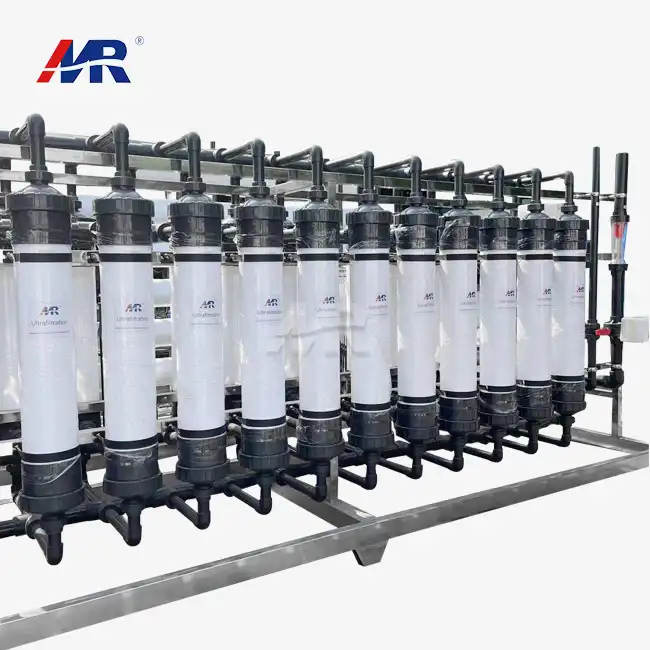 VIEW MORE30m3/hour ultrafiltration equipment
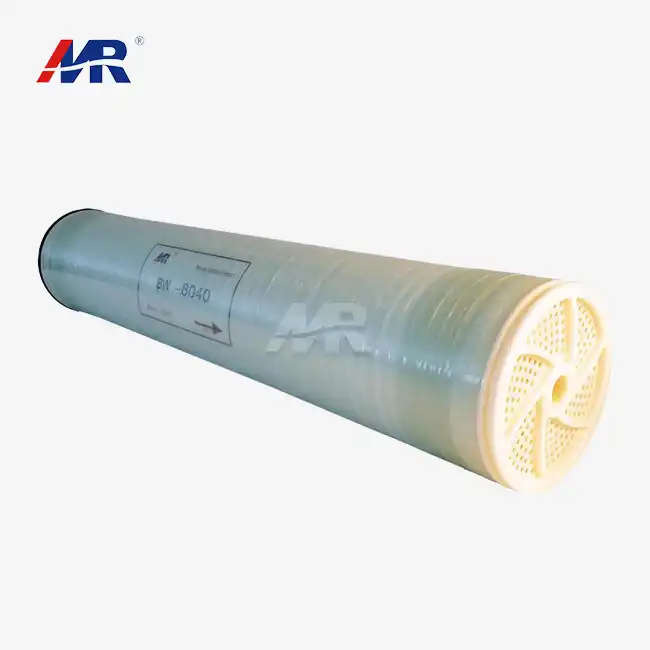 VIEW MORE80 40 ro membrane
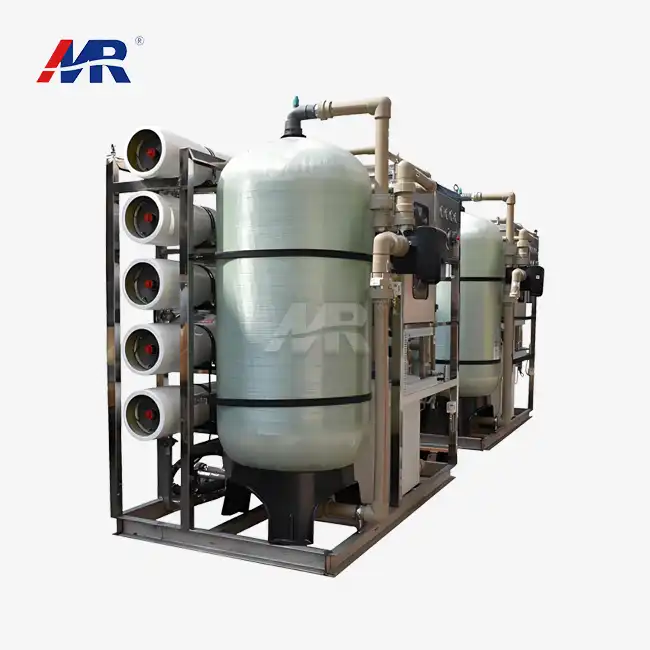 VIEW MORE8m3/hour seawater desalination equipment
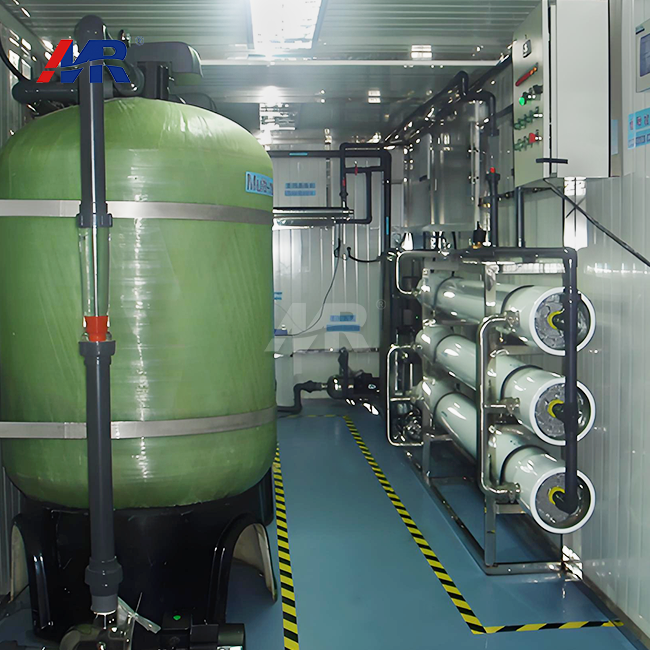 VIEW MOREContainerized Mobile Water Treatment Systems
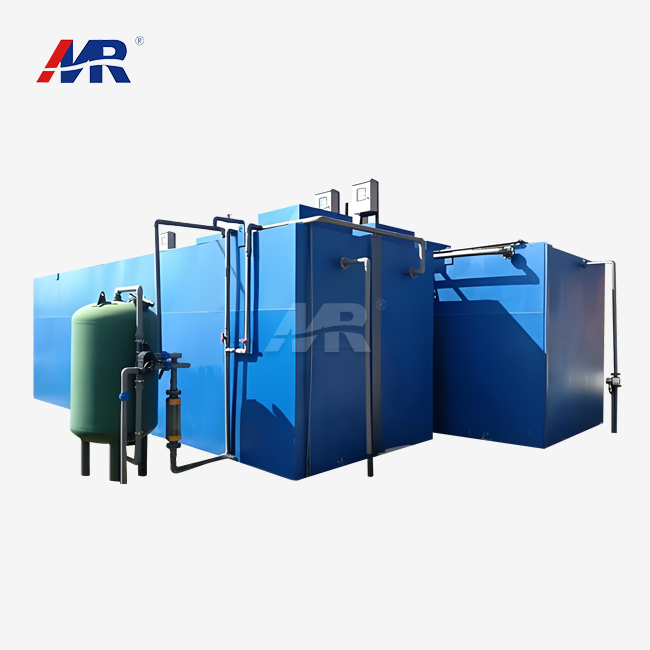 VIEW MOREsewage treatment plant
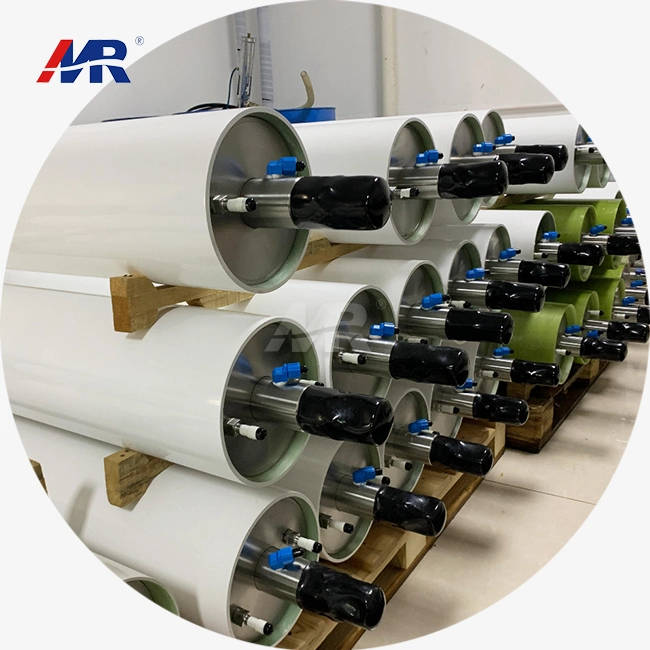 VIEW MORELandfill Leachate Treatment Plant
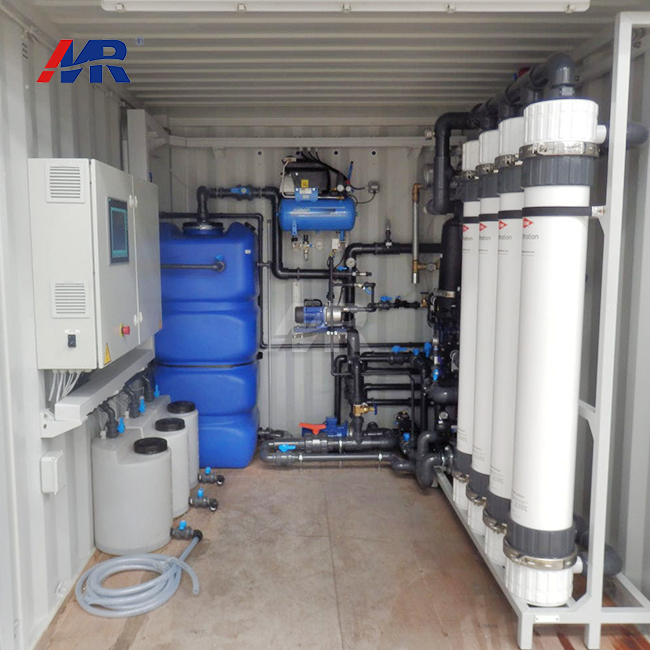 VIEW MOREcontainerized ultrafiltration equipment
 VIEW MORELandfill Leachate Treatment System
