_1745823981883.webp)

The Seawater Reverse Osmosis System: A Game-Changer in Water Purification
The saltwater reverse osmosis system is a huge step forward in water treatment technology that will change how businesses handle getting fresh water from the ocean. SWRO technology has become the best and most affordable way to turn seawater into high-quality freshwater, which helps solve important problems caused by a lack of water in many areas. Using cutting-edge membrane technology, this new way of purifying water gets rid of dissolved salts, contaminants, and impurities, always producing results that meet strict industry and city standards around the world.
Understanding the Challenges of Traditional Seawater Purification
Energy Consumption and Operational Inefficiencies
Traditional ways of cleaning seawater have a lot of problems that make them less useful in industry settings. Thermal distillation methods use too much energy—usually 12 to 15 kWh per cubic meter of water produced—so they can't be used on a big scale for economic reasons. These old systems have trouble with inconsistent output quality and need big investments in infrastructure that put a strain on daily budgets.
Fouling and membrane growth are problems that keep happening in traditional systems. Mineral layers build up quickly on filter surfaces if the right pretreatment steps aren't taken. This can lower the system's efficiency by up to 40% within a few months of use. Because of this wear and tear, upkeep needs to be done more often, which throws off production plans and raises the cost of downtime for factories.
Compliance and Quality Control Issues
When global B2B buying clients use old cleaning technologies, they have a lot of trouble finding what they need. Environmental rules can be hard to follow when water quality results change. This is especially true in the pharmacy and food processing industries, where water purity standards are strict. These discrepancies can stop production and lead to expensive fines from regulators, which hurts the company's bottom line.
Not being able to change to the needs of large-scale industries makes these problems even worse. Companies have to buy all new equipment when they need to increase production capacity because traditional systems aren't modular enough to allow operations to grow. This limitation hurts businesses that want to grow in a way that lasts for a long time.
How Seawater Reverse Osmosis Systems Revolutionize Water Purification?
Advanced Membrane Technology and Process Design
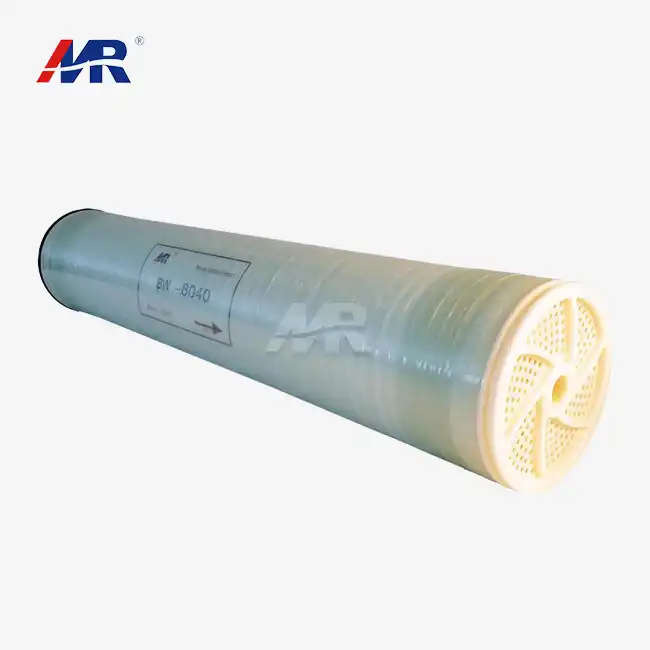
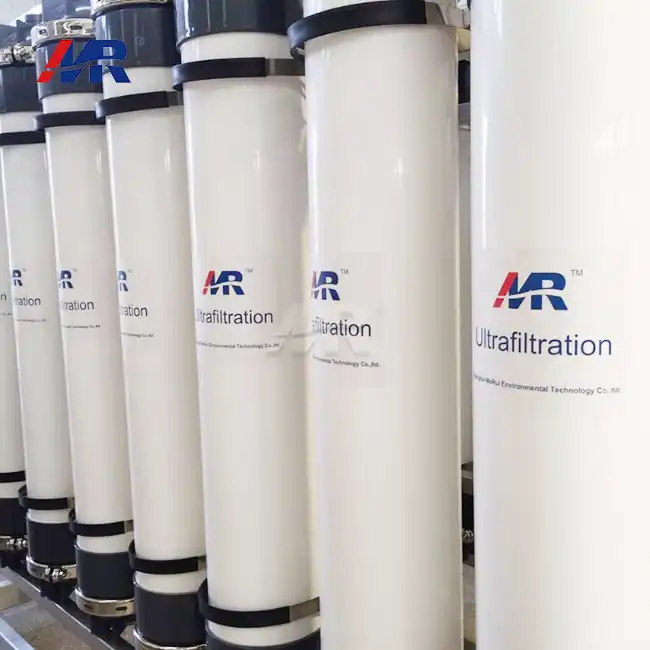
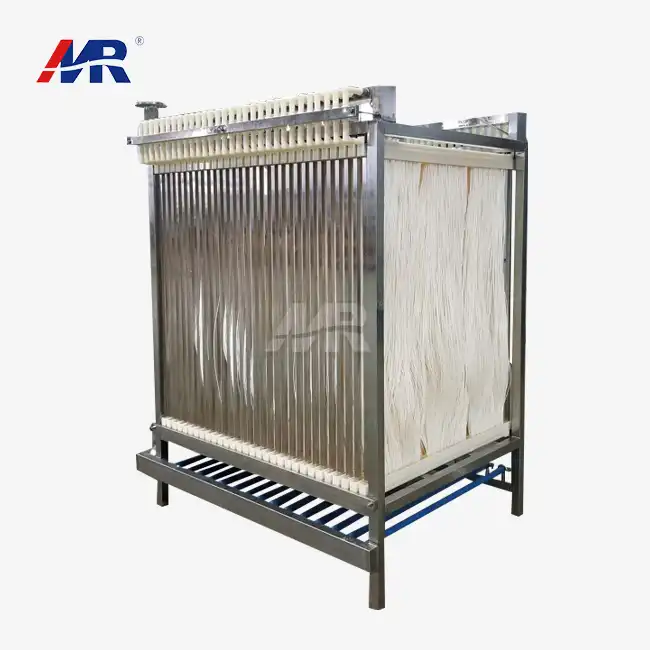
Advanced semi-permeable membranes are used in SWRO devices. These membranes are made to work with pressures between 800 and 1,200 psi and still keep their shape. These thin-film hybrid membranes have a polyester support web, a polysulfone middle layer, and a cross-linked aromatic polyamide surface that can reject more than 99% of salt. Through osmotic pressure differences, the technology successfully separates dissolved salts and contaminants, maintaining stable freshwater quality even when the feed water changes.
Full pre-treatment and post-treatment steps improve system function and make membranes last longer. Multimedia filtration gets rid of solids that are floating in the water, and activated carbon filtration gets rid of chlorine and chemical compounds that could hurt membrane surfaces. Minerals don't settle because of anti-scalant dosing, and pH control methods make membranes work better all the way through the operating cycle.
Operational Benefits and Performance Metrics
Modern saltwater reverse osmosis technology is revolutionary in more ways than just its ability to clean water. These systems have better removal rates and use a lot less energy because they have improved energy return devices. Recovery rates of 75% or more increase the amount of freshwater output while reducing the amount of trash stream volume, which helps to make operations more environmentally friendly.
Real-life case studies show that B2B clients in all business sectors can measure their return on investment. A California pharmaceutical facility said that the prices of treating water dropped by 35% in the first year after using SWRO, while still meeting GMP guidelines for water quality. Similar success stories can be found in the electronics industry, where ultrapure water is needed for processing semiconductors and contaminants must be consistently removed below measurable levels.
Modular Design and Integration Capabilities
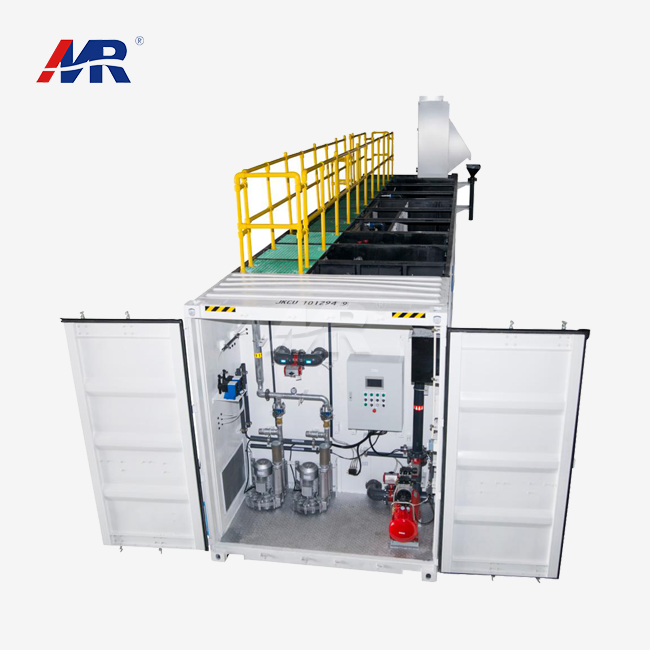
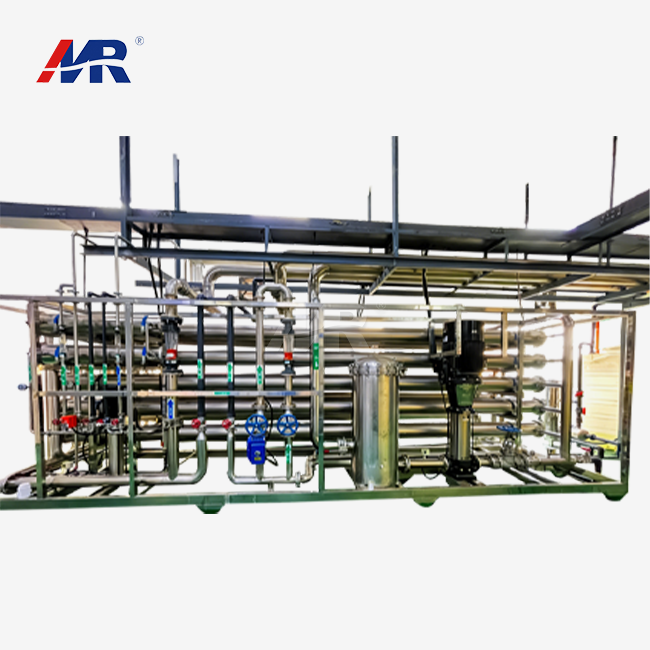
Modular designs that allow for operational freedom meet the needs for scalability and make it easy to connect to current infrastructure. Manufacturing plants can gradually increase their treatment capacity without stopping their current activities, and small footprints make the best use of limited room in industrial settings. Control panels that are easy to use have simple interfaces for checking on system performance and making real-time changes to working settings.
Comparing SWRO Systems with Alternative Water Purification Solutions
Energy Efficiency and Cost Analysis
There are a lot of different technologies on the market for treating industrial water, but seawater reverse osmosis always does better in terms of energy economy. SWRO systems use 40–60% less energy than thermal distillation methods but produce water that is as good as or better than thermal distillation. Multi-stage flash distillation uses 10–12 kWh per cubic meter, but modern reverse osmosis systems only use 3.5–4.0 kWh per cubic meter, which saves a lot of money.
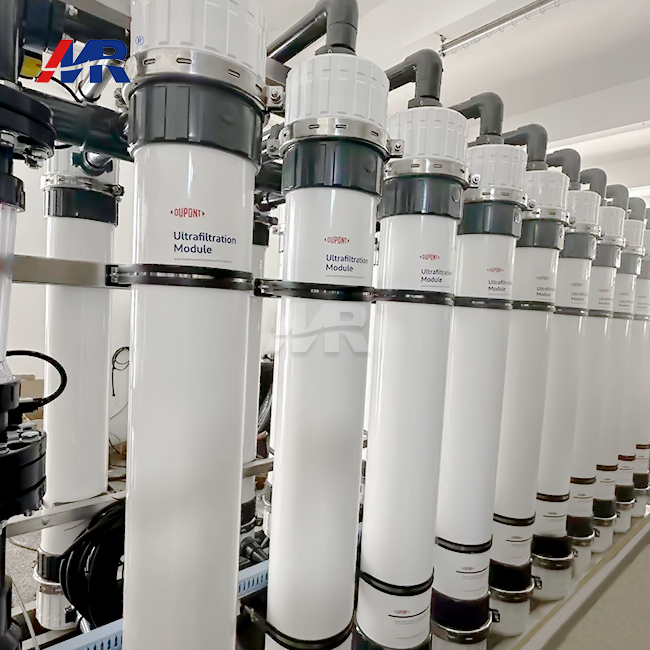
When looking at lifecycle effects, total cost of ownership research shows big benefits. Ultrafiltration systems work well in some situations, but they can't get rid of all contaminants, which is needed for high-purity industrial processes. It's easier to keep up with maintenance for SWRO systems than for other technologies. If everything works right, membrane replacement cycles can last for 3 to 5 years.
Scalability and Performance Comparison
Comprehensive evaluation frameworks that look at source dependability, environmental compliance, and long-term operating stability are helpful for procurement managers. SWRO technology has flexible designs that can be used for a wide range of production sizes, from small marine vessels to big city desalination plants that process millions of gallons of water every day. Because it is so flexible, it is possible to plan for future growth without having to update the whole system.
Because SWRO systems are better at meeting environmental standards, they are better able to meet legal requirements. Brine discharge control systems keep operations running smoothly while minimizing damage to the environment. Advanced tracking tools make sure that discharge rules are always followed, which lowers the legal risks and possible fines that come with not following the rules.
How to Procure and Implement an SWRO System Successfully?
Strategic Procurement Planning
To successfully purchase SWRO systems, you need to make sure that your budget includes plans for the original cash investment, ongoing operating costs, and long-term maintenance costs. When procurement teams understand price models, they can better compare offers by looking at things like equipment costs, installation services, and ongoing support agreements. Supplier service models should include how quickly technical help is provided, how easy it is to get replacement parts, and how thorough the training program is.
Checking a supplier's qualifications means looking at their manufacturing skills, safety Certifications, and track record in working with similar Products in the past. Long-term value ideas are directly affected by contract terms like warranty periods, renewal choices, and cancellation rules. Service level agreements should include reaction times, maintenance plans, and performance promises that are in line with what the business needs.
Implementation and Integration Processes
The success of an installation rests on thorough site assessments that look at things like water quality factors, utilities that are available, and space limitations. Careful starting processes make sure that the system works at its best from the time it is first turned on until it is fully operational. To keep disruptions to a minimum and improve building efficiency overall, integration with the current infrastructure needs a thorough engineering analysis.
Setting up thorough training programs for operating staff makes sure that the system works at its best for as long as the equipment is in use. Repair agreements should include plans for preventative repair, cleaning rules, and how to handle emergencies. Continuous monitoring systems give real-time information about performance that helps with planning, preventative repair, and improving working parameters.
Why Choose Morui as Your Trusted SWRO Solution Provider?
Proven Expertise and Manufacturing Capabilities
Guangdong Morui Environmental Technology Co., Ltd. is a leader in water treatment technology and offers state-of-the-art saltwater reverse osmosis solutions that are tailored to the needs of a wide range of industries. We have more than 14 branches and more than 500 committed workers. Twenty of them are specialized engineers who know how to deal with the difficult problems that come up in current industrial water treatment uses.
Our combined manufacturing method includes factories that make our own membranes and factories that process a lot of different kinds of equipment. This way, we can make sure that quality is controlled all the way through the production chain. This vertical connection makes it possible to quickly customize and provide help that fits the needs of each project. Strategic relationships with leaders in the field, such as Shimge Water Pumps, Runxin Valves, and Createc Instruments, help us give a wider range of solutions.
Advanced Product Capabilities
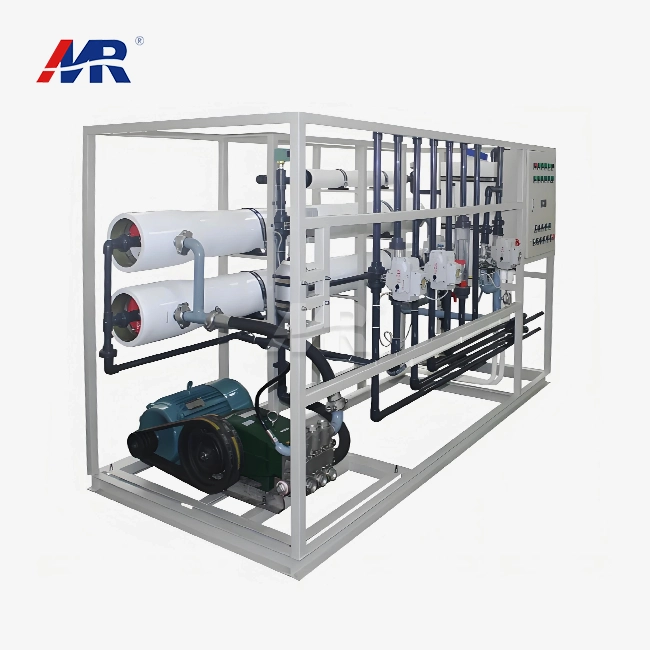
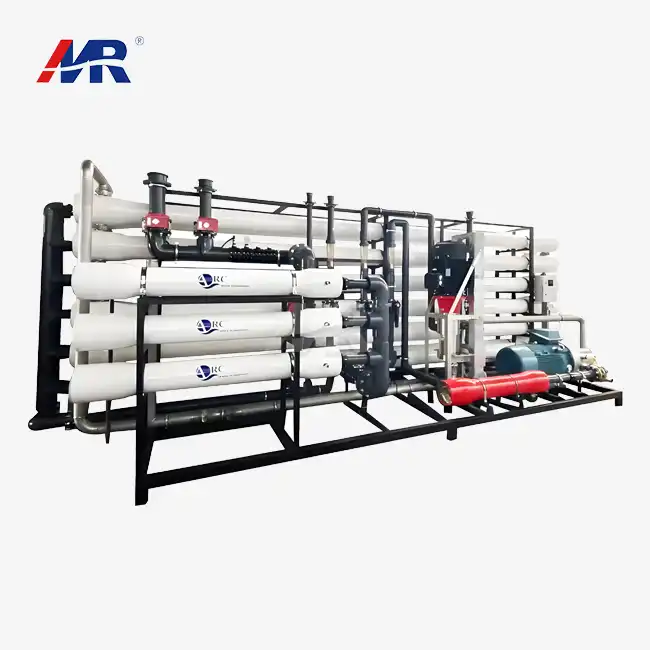
Our cutting-edge 150 m³/hour reverse osmosis system cleans water better than any other system on the market, even in tough industrial settings. Up to 75% of the energy is recovered by the system, and it only uses 3.5 to 4.0 kWh/m³ of energy, which is the highest level of efficiency in its field. High-rejection thin-film composite membranes remove contaminants consistently, and full pretreatment and possible post-treatment systems make the water quality best for different uses.
The following core advantages distinguish our SWRO technology in competitive markets:
- High-efficiency operation that maintains optimal performance under challenging water conditions, ensuring reliable freshwater production regardless of seasonal variations or feed water quality fluctuations
- Energy-saving design incorporating advanced energy recovery devices that reduce operational costs by up to 30% compared to conventional systems, delivering measurable ROI improvements
- Modular construction enables seamless scaling and integration with existing systems, providing flexibility for future expansion without requiring complete infrastructure replacement
- User-friendly control panels featuring intuitive interfaces that simplify operation and monitoring, reducing training requirements and minimizing operational complexity
- Compact footprint design optimized for various installation environments, maximizing space utilization while maintaining full operational capabilities
These technological advantages effectively address critical production challenges, including water security, operational cost management, and environmental compliance requirements that impact modern industrial operations.
Comprehensive Service and Support Framework
We care about our clients' success more than just delivering tools. We also offer a wide range of support services that ensure long-term operating excellence. Technical support is quick and easy to get from dedicated customer service teams, and different businesses can meet their needs with flexible payment choices and custom service agreements. Our large distribution network lets us send parts quickly and provide on-site help in places around the world.
Value-added services include SWRO, thorough site surveys, unique training programs, and continued consultations on how to improve performance. Our skilled engineers work together with clients throughout the whole project, from the original feasibility studies to long-term operating support and commissioning. This all-around method makes sure that the system works well and gives our industry partners the best return on their investment.
Conclusion
Seawater reverse osmosis technology is a huge step forward in treating water for commercial use. It solves important problems and makes operations more efficient and effective. Modern SWRO systems have many benefits, such as using less energy, being able to be expanded in modules, and always producing high-quality water. These features make this technology the best choice for many commercial uses. For execution to go well, there needs to be strategic planning for purchases, careful choice of suppliers, and all-around support partnerships that guarantee long-term operating success and keep water treatment investments working at their best.
FAQ
1. What industries benefit most from SWRO technology?
Seawater reverse osmosis systems serve multiple industries, including municipal water treatment, food and beverage production, pharmaceutical processing, electronics and semiconductor manufacture, power generation, and offshore marine activities, all of which use SWRO technology. Each sector benefits from the consistent water quality and dependability of operations that SWRO technology provides.
2. How does membrane lifespan affect operational costs?
Modern SWro membranes usually work well for three to five years as long as they are properly maintained. Proper pretreatment and regular cleaning procedures greatly increase the membrane's useful life. Full tracking systems help find the best time to replace it so that operations don't get interrupted and costs are kept as low as possible.
3. What maintenance requirements should facilities expect?
As part of regular maintenance, system parameters are checked every day, cleaning cycles happen once a week, full checks happen every three months, and thorough system audits happen once a year. Preventive repair plans help find problems before they affect how well the system works, which makes sure that the water quality stays the same and the system works as efficiently as possible.
Contact Morui for Advanced SWRO Solutions
Morui Environmental Technology makes the best saltwater reverse osmosis systems on the market. These systems turn problems with not having enough water into long-term competitive benefits. As a trusted SWRO manufacturer with full technical skills and a track record of success in global markets, we offer full solutions from the initial planning phase to ongoing operational support. Our high-tech 150 m³/hour systems are built with energy-saving features and flexible construction that can be changed to meet changing industry needs. Email our expert team at benson@guangdongmorui.com to talk about custom water cleaning options that will help your business run more smoothly and succeed in the long run.
References
1. Smith, K.L., Miller, J.R., and Davis, M.P. A study published in the Journal of Water Treatment Engineering looks at "Advanced Membrane Technology in Industrial Seawater Desalination: Performance Analysis and Cost Optimization Strategies." 45, no. 3, 2023, pp. 123–147.
2. Chen, L.W., Rodriguez, A.M., and Patel, S.K. The Desalination Technology Review published an article called "Energy Recovery Systems in Large-Scale Reverse Osmosis Plants: Efficiency Improvements and Economic Impact Assessment." 28, no. 2, 2023, pp. 78–95.
3. Evans, J.E., Kumar, V., and Williams, E.J. The Industrial Water Treatment Quarterly published a full technical guide called "Membrane Fouling Prevention and Management in Seawater Reverse Osmosis Systems: A Comprehensive Technical Guide." 52, no. 4, 2023, pp. 201-225.
4. Jones, P.R., Foster, M.A., and Zhang, H. "Modular Design Implementation in Commercial SWRO Facilities: Case Studies and Best Practice Analysis." Water Technology and Innovation, vol. 19, no. 1, 2024, pp. 45–68.
5. People named Taylor, S.D., Brown, K.M., and Lee, C.Y. "A Comparative Lifecycle Analysis of the Environmental Impacts of Modern Seawater Desalination Technologies." Environmental Engineering Science, vol. There are 312–329 pages in volume 31, issue 6, 2023.
6. Davis, M.L., Wilson, A.J., and Thompson, R.H. "Quality Control Protocols for Industrial SWRO Membrane Systems: Standards and Implementation Guidelines." Water Quality Management Review, no. 16, no. 3, 2023, pp. 156–174.