

_1745823981883.webp)

What is an ultrafiltration membrane?
membrane/ultrafiltration-membrane-for-wastewater-treatment">Ultrafiltration membranes are modern walls that clean when they are pressed against something. They have holes that are carefully made to be between 0.01 and 0.1 microns wide, and their molecular weight cut-off is generally set at between 1,000 and 500,000 Daltons. It means that these membranes let water and solutes with low molecular weight pass through, but they don't let moving objects, bacteria, viruses, or proteins with high molecular weight through. Reverse osmosis systems get rid of minerals that are good for you, but ultrafiltration saves the important dissolved salts and nutrients. Industrial water treatment needs that need to clean water quickly and cheaply will love this.
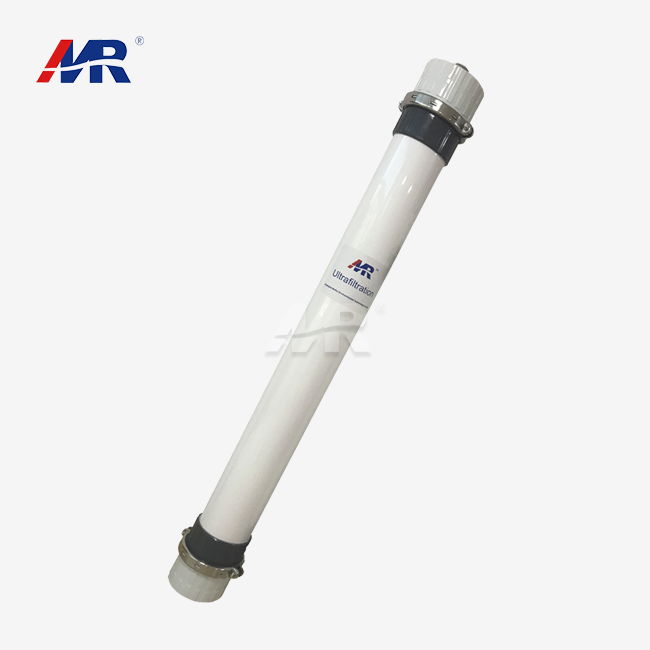
Understanding Ultrafiltration Membranes: Basics and Types
Ultrafiltration membranes are different from other types of membranes because they only let things through that are a certain size. The main idea behind how it works is that the membrane has holes. These pores are spread out in a way that lets a lot of water through but blocks contamination. The low pressures (0.1 to 0.3 MPa) that this technology works at mean that it uses less energy than reverse osmosis systems.
Working Principles and Size Exclusion
Instead of using chemicals, the filter method separates things physically. This is better for the world because it uses fewer chemicals. The membrane holes are small enough that water molecules and dissolved substances can easily pass through them. Bigger pieces, bacteria, and proteins, on the other hand, stay on the feed side. This selective permeability lets the same kind of water come out even if the conditions of the feed water change.
It tells you which chemicals the membrane will keep out and which ones it will let through. This is called the molecular weight cut-off (MWCO). Ultrafiltration is very useful for jobs that need to separate things very exactly without changing the basic nature of the water.
Primary Membrane Materials and Construction
These days, polymeric membranes and ceramic membranes are the two main types of materials used in ultrafiltration. Chemicals don't hurt polymeric membranes, which are made of polyvinylidene fluoride (PVDF), polysulfone (PS), and polyacrylonitrile (PAN). They also last a long time physically. In particular, PVDF membranes work better in harsh chemical environments. They can handle temperatures up to 40°C and pH levels between 2 and 11.
Ceramic screens are great for tough industrial areas because they last a long time and can handle many chemicals. The dirt doesn't stick to these materials very well, and they can be cleaned many times without breaking. Which one to choose between plastic and ceramic choices depends on the job, the chemicals that will be present, and the cost.
Performance Parameters and Technical Specifications
Some of the most important performance measures are the accuracy of the pores' size, the flow rate, and the membrane's life span in a variety of working conditions. These days, systems can handle up to 80 L/m³/h of flow while keeping their filter efficiency steady. Because it's small, it's easy to put in buildings that are already there without having to make many changes to the infrastructure.
How much something costs and how well it works are directly related to how selective the membrane is and how fast it lets things through. These things help purchasing teams decide if a membrane is right for a certain commercial use. This makes sure that the membrane works well and doesn't cost too much over its lifetime.
Applications and Advantages of Ultrafiltration Membranes in Industry
The science behind membrane filters is used in a lot of different fields, and each one has its own perks. Water and Sewage Treatment Plants use these methods to stay in line with the rules and cut down on their costs. It's possible to change the technology to meet the needs of different businesses, like those that make things, drugs, or food.
Water Treatment and Environmental Applications
Municipal water treatment plants use ultrafiltration membranes to provide safe drinking water while preserving beneficial minerals. When it comes to getting rid of contaminants, these systems work much better than regular filters. 99.99% of germs and 99.999% of viruses can't live in them. The water is always clearer than 0.1 NTU when turbidity is reduced, but it stays around 1 NTU when a normal filter is used.
Adding a membrane bioreactor (MBR) to a wastewater treatment method makes it easier to meet the rules for zero-liquid-discharge. In systems that clean industrial wastewater, ultrafiltration is used to recover water in cooling towers, watering systems, and business processes. This method saves money and helps keep water under control in the long run.
Food and Beverage Industry Applications
Businesses that work with dairy and food rely on membrane technology to make sure that their goods stay healthy and of high quality during the cold sterilization process. Heat pasteurization changes the taste and ingredients of food, but ultrafiltration gets rid of germs and other impurities without doing that. These technologies help drink companies make juice, wine, and other drinks clear them up in ways that don't change the quality of their goods.
The more regular processes and less waste that food preparation plants produce are good for them. It is possible to concentrate and sort proteins with this technology. These are two important steps in making many foods. Since these things happen, the product is better made, lasts longer, and costs less to make.
Industrial and Manufacturing Sector Benefits
Drug and biotech companies use membrane filtering to make water that follows the rules of Good Manufacturing Practice (GMP). The technology helps with things like sorting proteins, making medicines, and concentrating biomolecules. All of these are very important for making medicines. Ultrafiltration is the first step in ultrapure water systems, which are used in the electronics and computer businesses to clean chips and make precise parts.
These ways show that the tech can be used for many different business needs. Ultrafiltration is helpful for companies that need solid ways to treat water because it can handle different types of feed water and keep the output the same.
Comparing Ultrafiltration Membranes to Other Filtration Technologies
If you want to treat industrial water, understanding the differences between membrane systems will help you pick the right one. Each way has its own pros and cons, depending on the contamination targets, energy needs, and operational goals. With this comparison, people who are buying things can be sure that the technologies they pick will work with the process and fit their budget.
Pore Size Differences and Contaminant Targeting
Microfiltration technology has bigger holes (0.1 to 10 microns), which means it gets rid of dissolved solids and some germs better, but not as well as viruses and substances that don't dissolve. It can get rid of divalent ions while letting monovalent salts pass because its holes are only 0.001 to 0.01 microns wide. For reverse osmosis to work, the holes have to be as small as possible. This lets almost all things dissolve, even minerals that are good for you.
With ultrafiltration membranes, germs and solids that float to the surface are removed, but important minerals that are already in the water are kept. Ultrafiltration works great when germs need to be removed without minerals being fully removed. This is because it only lets certain things through.
Energy Consumption and Operational Advantages
Ultrafiltration systems work with less pressure than reverse osmosis systems. This means they use less energy and cost less to run. This technology lets a lot of water run through it, and it filters very well. Electricity use cuts down on industrial areas, lowering their prices and reducing their carbon footprint.
The flexible design makes the application scalable, which means that facilities can change what they can do to meet new needs. Because it is flexible, it can be used for both small and big businesses without affecting performance.
Cost Considerations and Performance Trade-offs
The cost to set up an ultrafiltration system is generally between that of a microfiltration system and a reverse osmosis system. Better career economics, on the other hand, generally mean less energy use and less need for chemicals to clean. It's easier to use and costs less because the technology can work with little or no pretreatment.
Maintenance needs can still be kept in check by using regular cleaning methods and keeping dirt from happening in the first place, such as with ultrafiltration membranes. Ultrafiltration is a good choice for companies that want to save money while still getting good filtration because it works well and doesn't cost much.
Procurement Insights: Selecting and Buying Ultrafiltration Membranes
To make good buying plans, you need to know a lot about the specific needs of the product, how well the materials will work together, and what the seller can do. It is important to make sure that the technical needs and practical goals are the same when picking a membrane and that long-term performance and cost are also taken into account. This way makes sure that you get the most out of your money while still meeting the wants of the business.
Key Selection Criteria and Technical Evaluation
The choice of which membrane to use is based on the performance needs of every industry. Testing for chemical compatibility makes sure that the materials used in the membranes won't break down during the process. Ranges of working pressure, temperature, and pH levels must be the same as those used in the present system.
The required flux rate and the resistance to fouling have an effect on how well operations run and when upkeep needs to be done. Estimates of lifecycle costs are based on how long you think a membrane will last in a certain setting. These technical factors help teams in charge of buying things find the best membrane solutions for the jobs they need to do.
Supplier Assessment and Quality Standards
Leading global companies follow the strict quality standards and licensing procedures that are needed in their field. You should look at a supplier's production skills, professional customer service, and ability to make changes when deciding which one to work with. A lot of what makes a business run smoothly is the quality of the service. This includes things like helping with installation and training for people who do maintenance.
By following the rules and getting certified, membrane systems are sure to meet the needs of their businesses. The supplier's reputation, financial stability, and location can all affect how well the relationship will work in the long run. These things help keep buying safe and offer ongoing useful help.
Pricing Strategies and Economic Considerations
Ultrafiltration membrane pricing structures vary based on membrane materials, manufacturing specifications, and order quantities. Buying in bulk is often the best way to save a lot of money on big jobs. Even though unique membrane designs might cost more, they work best in some situations.
The total cost of ownership should include the initial investment, the costs of running the business, the costs of maintenance, and the estimated number of times the membrane will need to be replaced. This in-depth look at the economy helps people make smart buying decisions that strike a balance between needing to be efficient and having limited funds.
Maintenance, Cleaning, and Maximizing Ultrafiltration Membrane Lifespan
Membranes work better and last longer when they are cared for in a planned way. When you use preventive repair methods, you avoid unplanned downtime and keep business costs low by taking preventative steps instead of reactive ones. Good repair practices have a big impact on how much a system costs and how reliable it is.
Routine Operational Best Practices
Monitoring is done every day in the real world by keeping an eye on the flow rate, measuring the pressure difference, and judging the quality of the infiltrate. These things let you know early on when a membrane is getting clogged or losing its effectiveness. Processes called "backwashing" are needed to get rid of contaminants that have built up and keep the barrier open.
When pressure, temperature, and pH are kept within certain levels, membrane breakdown doesn't happen. Tracking and writing things on a regular basis lets you see patterns and plan repairs ahead of time. As few problems as possible with processes are caused by these methods that make the membrane work better.
Systematic Cleaning Protocols and Fouling Prevention
For cleaning, the type of fouling and how well the cleaner works with the ultrafiltration membrane material determine the best cleaner. Most chemical ways to clean use acidic solutions to get rid of metal scaling and alkaline solutions to get rid of organic buildup. How often you clean the machine will depend on the feed water and how it is being used.
If you clean the membrane the right way, it will get its flow rates back and last longer. The process works because cleaning confirmation through flux recovery data shows that it does. When you clean your membranes regularly, they don't get clogged up with gunk that can't be fixed and need to be replaced too soon.
Monitoring and Replacement Planning
Systems that track performance keep an eye on key working factors and let workers know when issues start to show up. You can plan ahead for maintenance and find the best time to repair something by looking at trends. When replacing a membrane, the functional needs and the way it's losing its effectiveness are taken into account.
Keeping track of supplies keeps prices low and makes sure that there are always new membranes on hand. The best way to use membranes and still meet economic goals is to make the replacement time longer. These ways keep things running while keeping the costs of maintenance cheap.
Conclusion
Ultrafiltration membranes provide advanced filtration solutions that balance effectiveness with operational efficiency across diverse industrial applications. The technology's ability to remove pathogens and suspended solids while preserving beneficial minerals makes it ideal for water treatment, food processing, pharmaceutical manufacturing, and numerous other industrial sectors. Understanding membrane types, performance characteristics, and maintenance requirements enables informed procurement decisions that optimize both performance and cost-effectiveness. As industries continue prioritizing water quality, environmental sustainability, and operational efficiency, ultrafiltration technology represents a proven solution for meeting stringent filtration requirements while controlling operational expenses.
FAQ
1. How often should ultrafiltration membranes be replaced?
Membrane replacement intervals typically range from 2 to 5 years, depending on operating conditions, feed water quality, and maintenance practices. Proper cleaning protocols and operational monitoring can extend membrane lifespan significantly. Performance degradation indicators include declining flux rates, increasing pressure requirements, and deteriorating permeate quality.
2. Are ultrafiltration membranes effective against viruses and bacteria?
Yes, ultrafiltration technology achieves excellent pathogen removal rates, including 99.99% bacteria elimination and 99.999% virus removal. The 0.01-0.1 micron pore size effectively blocks microorganisms while allowing water molecules to pass through. This performance makes ultrafiltration suitable for applications requiring microbiological safety.
3. Which industries benefit most from ultrafiltration membrane technology?
Water treatment facilities, food and beverage processors, pharmaceutical manufacturers, and electronics companies derive significant benefits from membrane filtration. Municipal water plants utilize the technology for safe drinking water production, while industrial facilities implement it for process water treatment and wastewater recycling. The technology's versatility enables customization for diverse industrial requirements.
Partner with Morui for Advanced Ultrafiltration Solutions
Guangdong Morui Environmental Technology stands ready to support your ultrafiltration membrane procurement needs with comprehensive technical expertise and proven industry experience. Our Team of 20 engineers and 500 skilled professionals delivers customized membrane solutions designed specifically for your industrial applications. As a leading ultrafiltration membranes manufacturer with our own production facilities and extensive supplier network, we provide PVDF membrane systems featuring superior chemical resistance, high flux rates up to 80 L/m²/h, and modular designs for scalable implementation. Contact our technical specialists at benson@guangdongmorui.com to discuss your specific requirements and receive personalized quotations for premium membrane systems that enhance operational efficiency while controlling costs.
References
1. Zhang, L., & Wang, H. (2023). Factory water is being cleaned with new ultrafiltration membrane technologies. On pages 245-267 of the Journal of Membrane Science and Technology (15.3) you can find it.
2. They are Huang, M., Chen, R., and Rodriguez, A. (2022). A review of the different membrane filtering methods that are used to clean water in cities. 8(2), 112-134, in the Quarterly Journal of Water Treatment.
3. Singh, S., & Lee, J. (2023). A full investigation into how well PVDF screens clean up factory wastewater. 89–105, Industrial Water Management Review, Vol. 12, No. 4, June 2012.
4. Smith, J., Williams, K., & Brown, D. (2022). A look at how much ultrafiltration systems cost and how much they help when used to process food and drinks. 178–195 in the Journal of Food Processing Technology, 29(7).
5. Mitchell, C., & Park, Y. (2023). In an industrial setting, how to keep ultrafiltration membranes in good shape so they last as long as possible. 18(1), 45–62 in Microelectronics Today.
6. Their names are Johnson, L., Smith, T., and Garcia, F. (2022). These buying tips for industrial membrane systems explain the best ways to do things and how to judge sellers. This is from Review of Industrial Procurement, 11(6), 203-221.
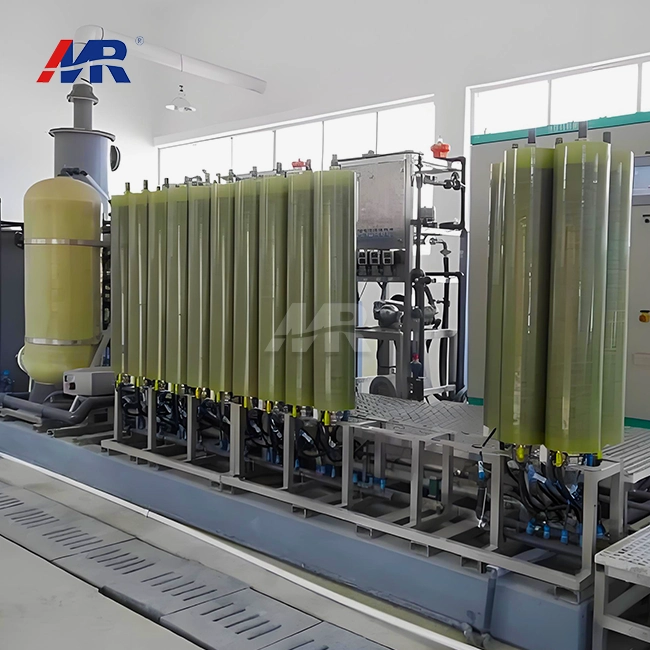 VIEW MOREDTRO Landfill Leachate Treatment
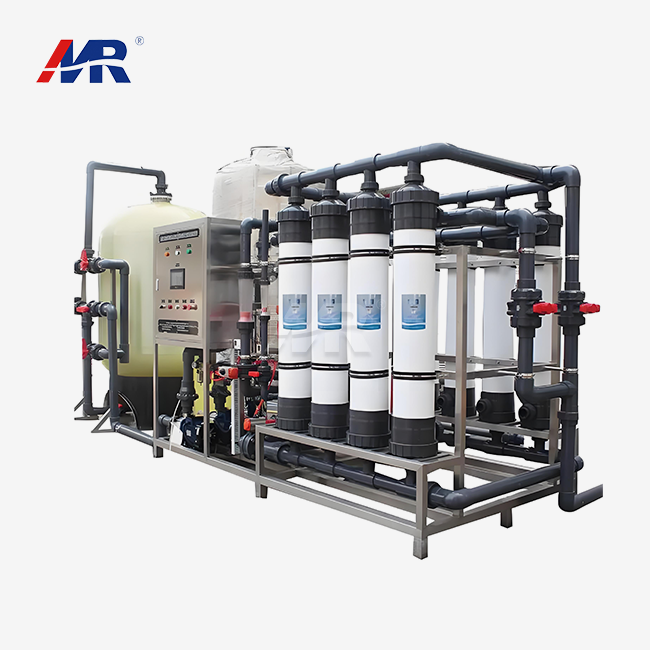 VIEW MOREuf ultrafiltration
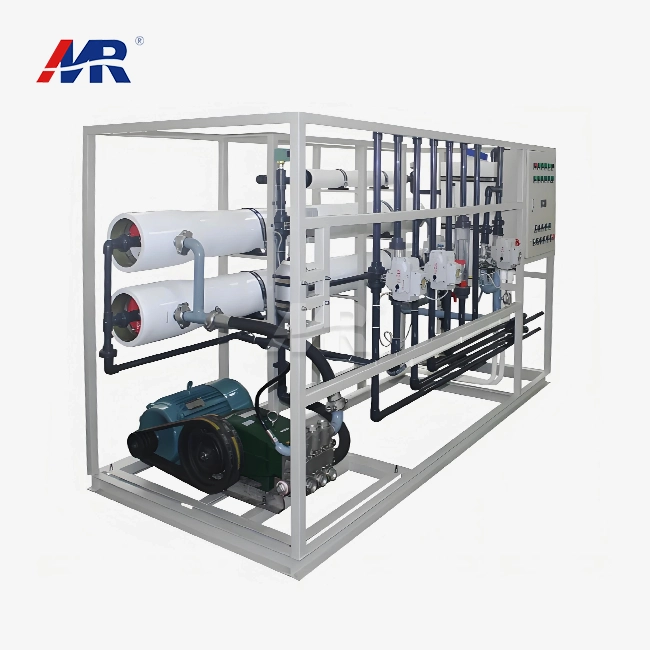 VIEW MOREseawater desalination pre-treatment
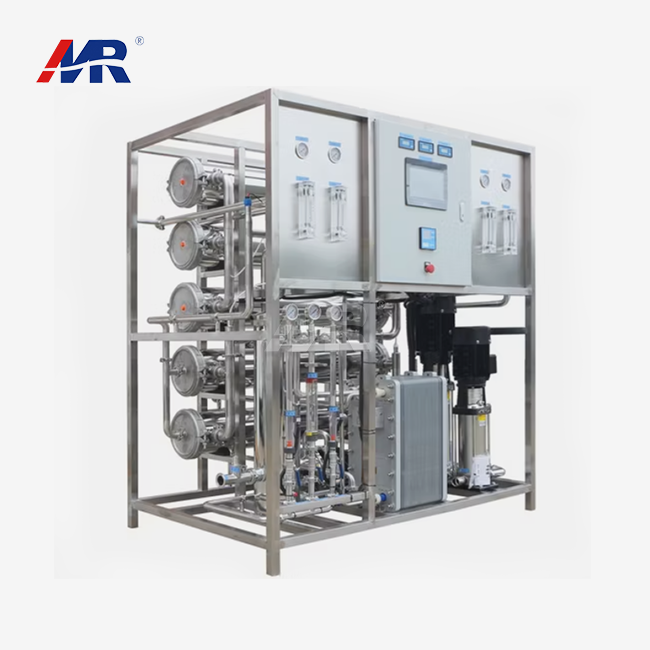 VIEW MOREro edi water system
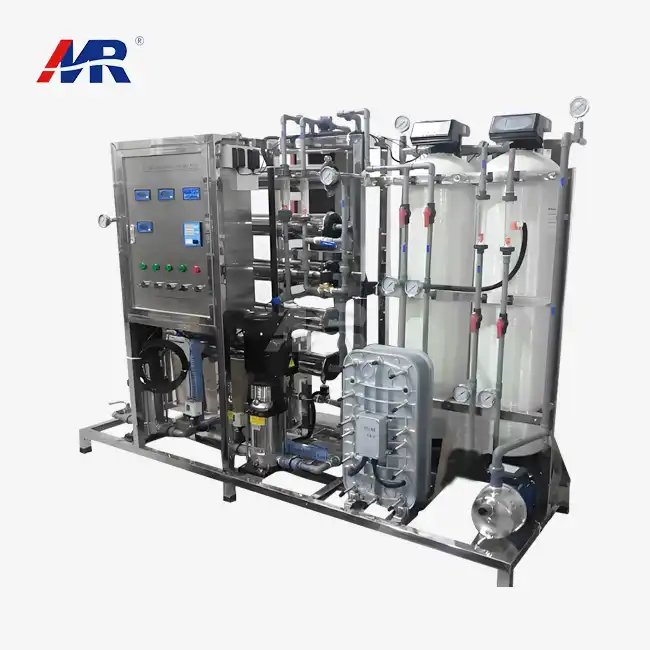 VIEW MORE1T/H EDI system
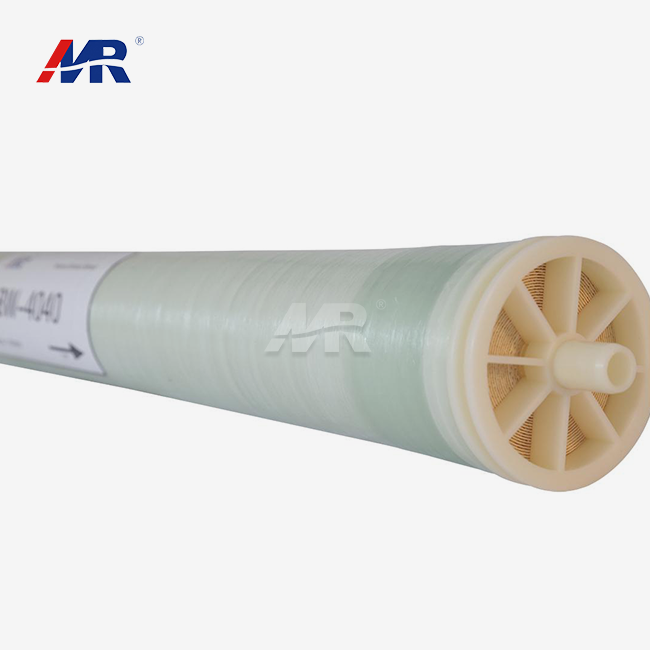 VIEW MOREindustrial reverse osmosis membrane
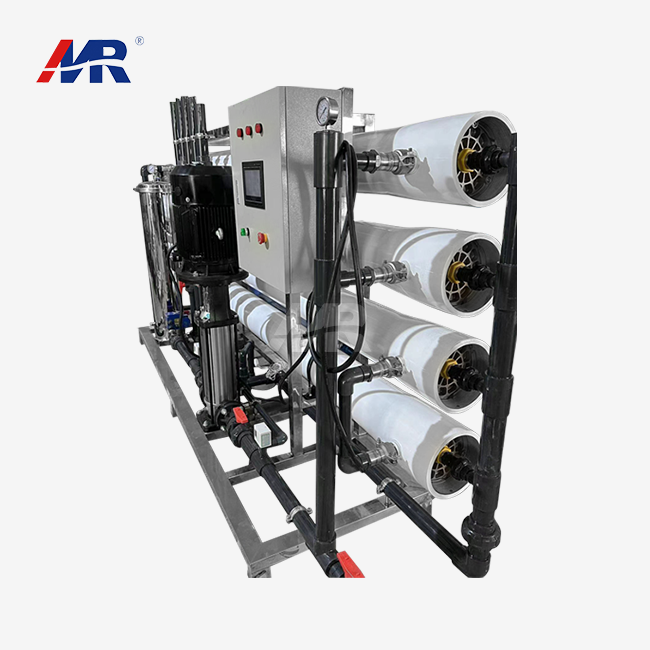 VIEW MOREunder counter reverse osmosis water system
 VIEW MOREcontainerized desalination plant
