

_1745823981883.webp)

How to Desalinate Seawater using RO: A Complete Guide
Utilizing reverse osmosis technology to desalinate seawater is one of the best and most common ways to turn saltwater into fresh water for business and industry use. In the desalination process, high pressure is used to push saltwater through semi-permeable screens. This gets rid of salt and other impurities to make clean, drinkable water. This detailed guide talks about the technical aspects, implementation strategies, and practical things that businesses need to think about when they want to use advanced RO systems to treat their water.
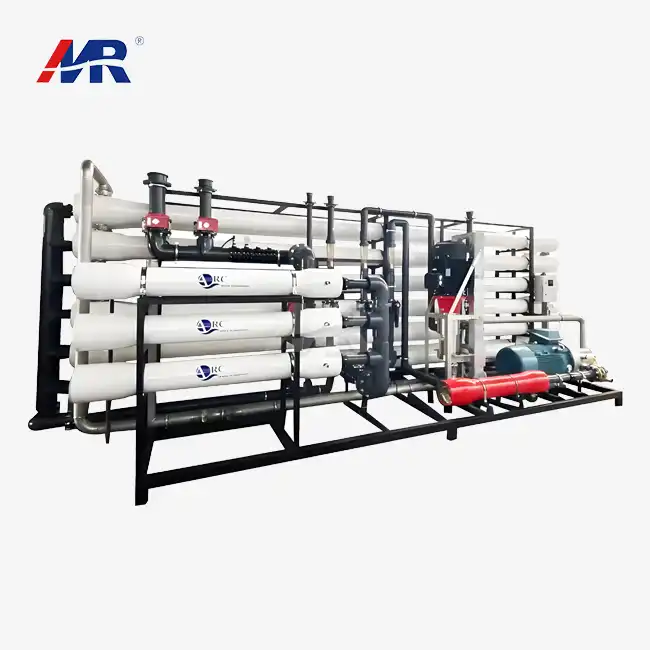
Understanding the Desalination Process with Reverse Osmosis (RO)
Desalination of seawater is now necessary for many industries that need a lot of water, especially along the coast, where freshwater sources are limited. There is no doubt that reverse osmosis is the most cost-effective and energy-efficient way to make a lot of water.
Core Principles of RO Technology
The reverse osmosis desalination process works by providing pressure that is higher than the natural osmotic pressure of seawater. This forces water molecules through special membranes while removing dissolved salts and other impurities. This separation at the molecular level achieves very high levels of purity. This makes RO systems useful for many industrial uses, such as making medicines, processing food, and making electronics.
High-rejection seawater screens are used in modern RO systems to get rid of up to 99.7% of the dissolved salts in saltwater. Careful control of the pressure is needed for the process, which usually runs at 800-1000 psi to get past the osmotic pressure of saltwater, which has about 35,000 mg of total dissolved solids per liter.
Essential Pre-treatment Steps
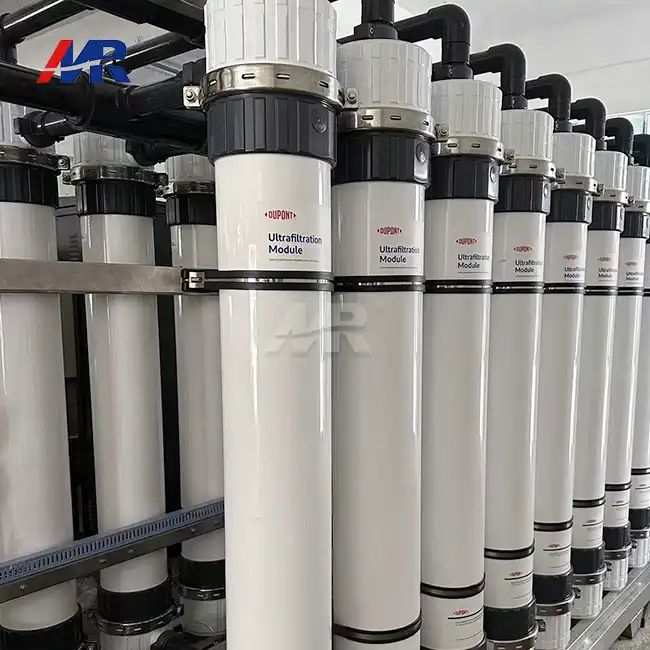
Pre-treatment is an important part of any distillation process that goes well. The multi-stage filtration method includes multimedia filtration to get rid of particles in the fluid, activated carbon filtration to get rid of chlorine, and micron cartridge filtration to polish the particles one last time. These steps keep the expensive RO filters from getting clogged, and with proper care, they can work for an extra 7 to 10 years.
During pre-treatment, chemical preparation includes adjusting the pH and adding scale inhibitors and pesticides to protect the membrane from damage. Investing in thorough pre-treatment pays off because it lowers the cost of replacing membranes and ensures regular water quality output.
Comparing RO with Other Desalination Technologies
Knowing how different desalination technologies compare to each other helps buying managers make smart choices based on their unique needs and limitations.
Energy Consumption Analysis
Compared to thermal desalination methods like Multi-Stage Flash (MSF) and Multi-Effect Distillation (MED), reverse osmosis systems use less energy. Thermal methods use 10 to 15 kWh of energy for every cubic meter of freshwater they make. Modern RO systems only use 4 to 5 kWh/m³, which means they use 60 to 70 percent less energy.
Because RO systems are small, they don't need as much equipment and are cheaper to build. Thermal plants need a lot of heat exchangers and equipment to make steam, but RO facilities can be set up in flexible ways that make them easy to expand as demand grows.
Operational Flexibility Advantages
RO technology is very flexible and can be used with a wide range of feed water types and output needs in the desalination process. Because membrane systems are modular, they can be changed to increase or decrease capacity without having to make major changes to the infrastructure. This flexibility proves particularly valuable for industries with seasonal water demand fluctuations or expansion plans.
Recovery rates in saltwater RO systems are usually between 35 and 45%. This means that almost half of the feed water turns into product water, and the other half turns into concentrated brine. This level of efficiency is higher than most other technologies, and it lowers both the amount of feed water needed and the amount of salt that needs to be discharged.
How to Source and Implement RO Desalination Systems?
To get the best performance and return on investment from RO desalination equipment, you need to carefully consider the providers, technologies, and deployment strategies.
Supplier Evaluation Criteria
When choosing equipment providers for desalination process implementations, technical knowledge and the ability to make things should be given more weight than price alone. Reliable makers with a history of success in membrane technology, pump systems, and automation controls are needed for industrial processes that run all the time.
Some important things to look at when judging a membrane technology are its patents, how well it recovers energy, how complex its control system is, and how well it can help users after installation. Suppliers should show that they have worked with similar industrial uses before and back up their performance promises with full insurance coverage.
Cost Structure Considerations
The total cost of ownership for RO desalination systems includes the cost of the equipment itself, the cost of installation, the cost of ongoing upkeep, and the amount of energy used by the system over its lifetime. Even though the initial investment may seem high, current RO systems have low running costs that make them a good investment. In industrial settings, the payback time is usually between 3 and 5 years.
Modular system designs offer procurement flexibility by allowing phased implementation approaches that align capital expenditure with operational cash flow. This strategy works especially well for businesses that expect their water needs to grow and require more.
Enhancing Efficiency and Sustainability in RO Desalination
To make the system work as efficiently as possible while having the least amount of effect on the environment, it is important to choose membranes, energy recovery technologies, and automation technologies that make the desalination process work better.
Advanced Membrane Technologies
High-rejection saltwater ro membranes are the most important part of any desalination system that works well. Modern membrane materials can reject a lot of salt while still letting a lot of fluid pass through them. This lowers the pressure needed and the energy used. The best performance and longest life are guaranteed when the feed water analysis is used to choose the right membrane.
Some ways to stop fouling are improved pretreatment, regular cleaning schedules, and real-time tracking systems that find performance drops before they cause big losses in efficiency. Automated cleaning methods keep membranes working well while lowering the amount of work that needs to be done by hand.
Energy Recovery and Automation
Energy recovery devices take the pressure energy from the high-pressure brine stream and add it to the feed water that is going in. This cuts the total amount of energy used by 30 to 40 percent. These systems are very energy efficient when they are used with variable frequency drives on high-pressure pumps, which directly saves money on operating costs.
Touchscreen-based PLC-based automation systems give workers real-time performance data, automated control responses, and repair alerts that can be planned ahead of time. These smart systems improve the efficiency of production while lowering the level of technical knowledge needed for daily tasks.
Case Studies and Practical Applications of RO Desalination
Real-life applications in a range of industries show how flexible and useful RO desalination technology is for solving specific water quality problems.
Industrial Manufacturing Applications
For precise cleaning and processing, electronics and chip factories need ultrapure water with a resistance level above 18 megohm-cm. Combined RO and electrodeionization systems meet these strict requirements and provide the uniform quality needed to improve efficiency in high-value production processes.
Pharmaceutical and laboratory businesses use RO systems to make water that meets USP and WFI standards for study and making drugs. RO technology is especially appealing for these highly controlled businesses because it can be used to make system designs that meet specific regulatory needs.
Municipal and Commercial Implementations
Coastal cottages and hotels use small RO systems to make sure they always have fresh water for guests and their own needs. Systems that make 2 tons per hour serve hotels with 100 to 200 rooms and provide extra capacity for times when demand is high. These systems are great for use in dining settings because they take up little space and are easy to use.
Modern RO systems are reliable and don't need much upkeep, which is good for offshore bases and remote island towns. Because these desalination process systems can be run with little technical help while still producing steady water quality, they are good for places where technical help is hard to come by.
Conclusion
The desalination process using reverse osmosis technology provides businesses with a proven, efficient method for converting seawater into high-quality freshwater for diverse industrial applications. Procurement managers can make choices that are good for the long term when they understand the technical concepts, execution issues, and operational optimization strategies. RO desalination is an important technology for companies that want to find long-term ways to handle water in a world where people are becoming more aware of how much water they use. It is reliable, uses little energy, and can be used in a variety of ways.
FAQ
1. What is the typical lifespan of RO membranes in seawater desalination?
As long as they are properly maintained, good salt RO filters should work well for 7 to 10 years. How long it actually lasts relies on the quality of the feed water, how well the pretreatment works, how often it is cleaned, and how it is used. Monitoring performance on a regular basis helps figure out the best time to change parts so that they keep working well.
2. How much energy does a seawater RO system consume?
Modern seawater RO systems use about 4 to 5 kWh per cubic meter of freshwater they produce. This energy consumption includes high-pressure pumps, pretreatment equipment, and control systems. When compared to systems that don't have these saving features, energy return devices can cut use by 30 to 40 percent.
3. What maintenance requirements should be expected for RO desalination systems?
Regular upkeep includes checking the system's performance every day, cleaning it once a week, inspecting the membranes every month, and doing a full system review once a year. Automated systems require less manual work and send out repair warnings ahead of time to help with booking services and reducing downtime.
Partner with Morui for Your Desalination Process Solutions
Guangdong Morui Environmental Technology Co., Ltd. is a top provider of desalination process solutions. It has more than 500 workers and 20 experienced engineers who work hard to come up with new ways to treat water. Our small 2-ton-per-hour saltwater RO systems are reliable and use little energy. They have PLC-based control and high-rejection membranes that keep the water quality stable for industrial uses. We offer full Technical support and our own facilities for making membranes, so we can take care of all aspects of desalination, from the initial meeting to installation and start-up. Email our technical team at benson@guangdongmorui.com to talk about your unique needs and find out how our tried-and-true technology can help you handle water better.
References
1. Al-Karaghouli, A., & Kazmerski, L. L. (2013). Energy consumption and water production cost of conventional and renewable-energy-powered desalination processes. Renewable and Sustainable Energy Reviews, 24, 343-356.
2. Fritzmann, C., Löwenberg, J., Wintgens, T., & Melin, T. (2007). State-of-the-art of reverse osmosis desalination. Desalination, 216(1-3), 1-76.
3. Greenlee, L. F., Lawler, D. F., Freeman, B. D., Marrot, B., & Moulin, P. (2009). Reverse osmosis desalination: water sources, technology, and today's challenges. Water Research, 43(9), 2317-2348.
4. Khawaji, A. D., Kutubkhanah, I. K., & Wie, J. M. (2008). Advances in seawater desalination technologies. Desalination, 221(1-3), 47-69.
5. Miller, J. E. (2003). Review of water resources and desalination technologies. Sandia National Labs Report, SAND-2003-0800.
6. Semiat, R. (2008). Energy issues in desalination processes. Environmental Science & Technology, 42(22), 8193-8201.
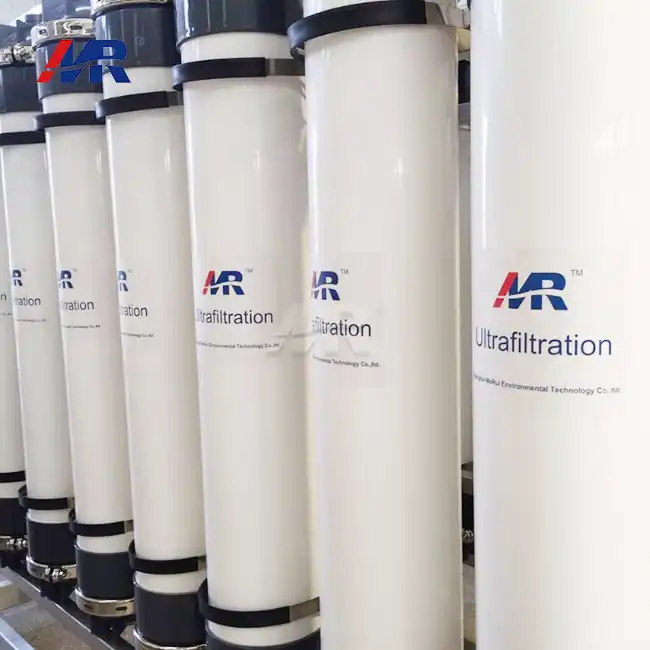 VIEW MORE90T/H ultrafiltration equipment
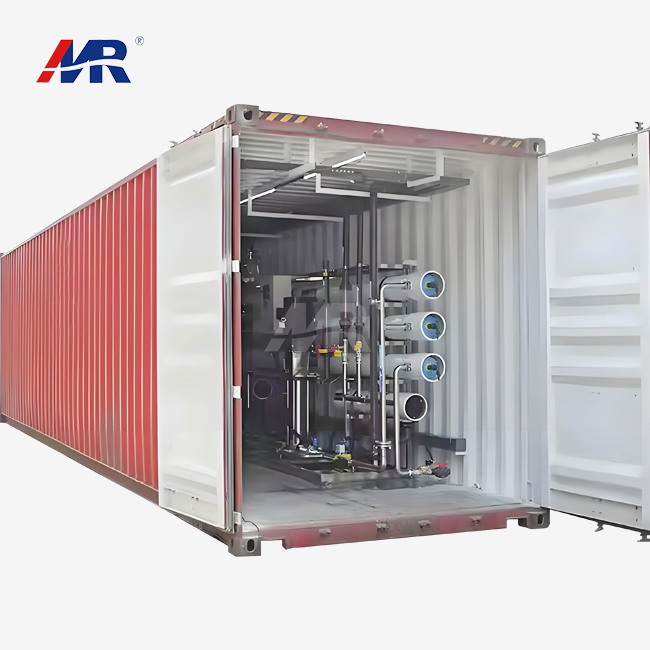 VIEW MOREContainerized Reverse Osmosis Systems
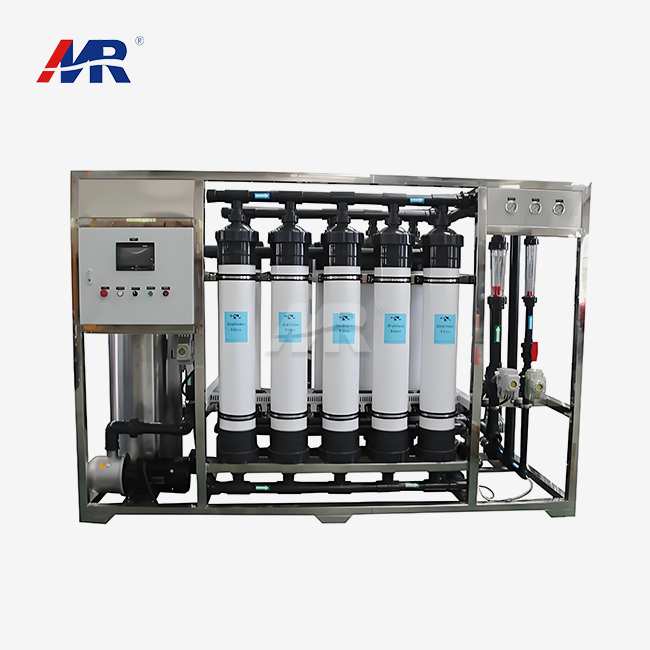 VIEW MOREultrafiltration skid
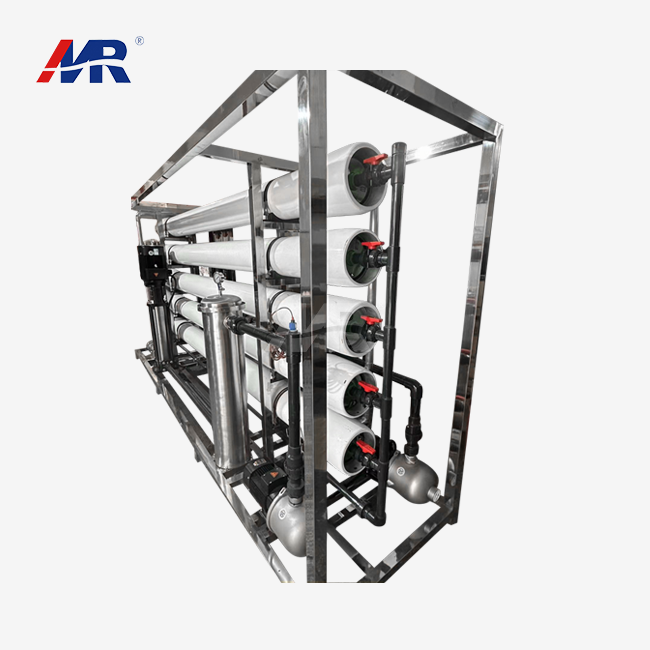 VIEW MOREreverse osmosis water treatment equipment
 VIEW MOREwastewater treatment plant units
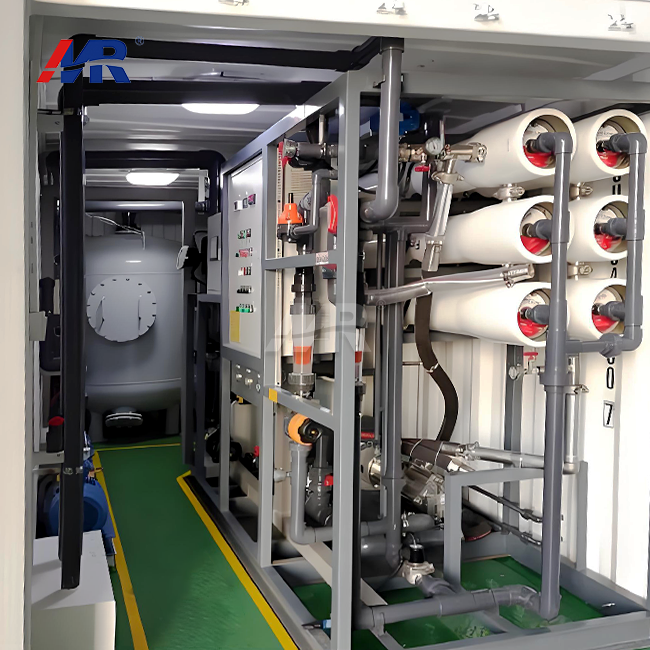 VIEW MOREcontainerized RO equipment
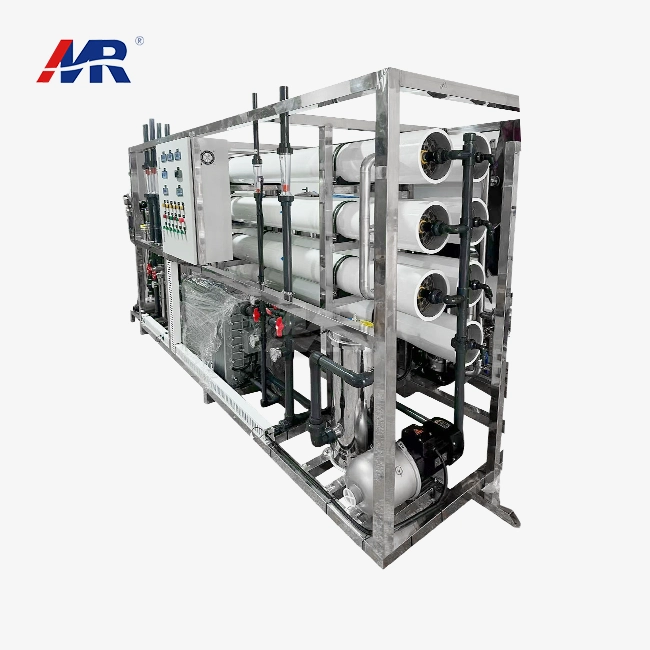 VIEW MOREedi water treatment
 VIEW MORE100T/H ultrafiltration equipment
