

_1745823981883.webp)

Advantages of Membrane Bioreactors in Wastewater Treatment
With major membrane/bioreactor-wastewater-treatment">membrane bioreactor advantages over conventional systems, membrane bioreactor technology marks a game-changing advancement in wastewater treatment. These high-tech systems use both biological treatment methods and membrane filtering to get better water quality, smaller environmental impact, and better operating efficiency. As rules and environmental problems get tougher for businesses around the world, MBR technology is becoming an important answer. It gets rid of a lot of pollutants and germs and lets many different types of businesses reclaim water.
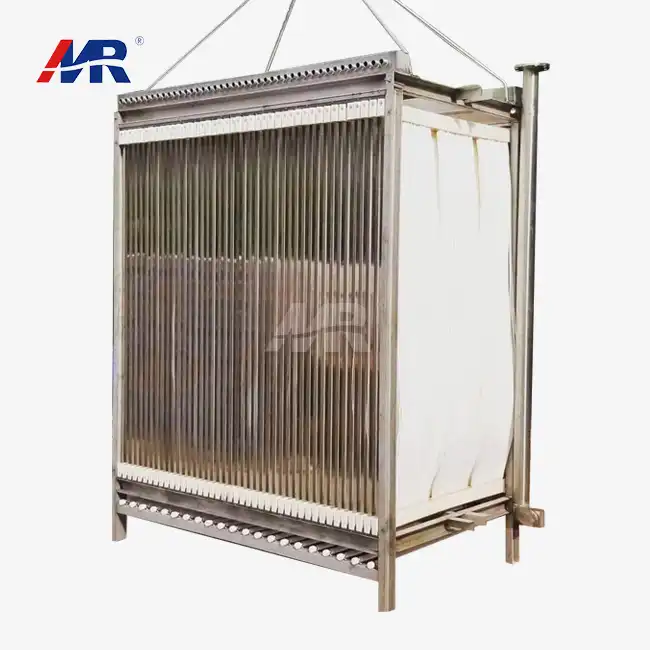
Understanding the Core Advantages of Membrane Bioreactor Technology
Membrane bioreactor systems revolutionize wastewater treatment by integrating biological degradation with membrane separation technology. This new mix makes a strong treatment base that works better than traditional methods in a number of important ways.
Superior Water Quality and Pollutant Removal
The most important thing about MBR technology is that it can make very high-quality effluent. The membrane barrier physically keeps bacteria and suspended solids in place while letting cleaned water pass through. Total suspended solids levels are always kept below 1 mg/L, and turbidity levels are kept below 1 NTU by this process. The biological treatment part breaks down organic molecules well, and the membrane makes sure that all pollutants are separated from the treated water.
Enhanced Operational Efficiency and Reduced Sludge Production
Another benefit of membrane bioreactors is that they make operations more efficient by producing less sludge and making it easier to deal with trash. Higher levels of biomass are maintained in MBR systems than in traditional systems. This makes biological treatment more effective and reduces the production of extra sludge. This smaller amount of sludge means lower costs for disposal and easier ways to handle trash, which makes processes more cost-effective and better for the environment.
Energy Optimization and Process Stability
Today's MBR systems are designed in a way that uses the least amount of energy possible while still providing the same level of care, offering the advantages of membrane bioreactor systems. The controlled environment inside MBR reactors keeps the working conditions steady, so changes in hydraulics or toxic loads don't cause problems. This stability makes sure that the quality of the treatment is stable even if the influent changes. This lowers the need for operator assistance and keeps discharge standards constant.
Membrane Bioreactor vs. Conventional Wastewater Treatment: Why Choose MBR?
MBR technology works well to get around the problems that traditional wastewater treatment systems have. Regular activated sludge systems need big sedimentation tanks, have trouble with filamentous bulking, and often can't meet strict release standards without extra treatment steps.
Space Efficiency and Compact Design
Conventional treatment plants with extra clarifiers take up to 70% more room than MBR systems. This huge drop in size makes MBR technology perfect for places like cities and factories that don't have a lot of room and retrofit situations where the current infrastructure makes it hard to add on. The small size also lowers the cost of civil work and speeds up the time it takes to complete the job.
Consistent Effluent Quality and Regulatory Compliance
In contrast to regular systems that rely on how things settle and can become upset, MBR technology creates a physical barrier that ensures consistent waste quality. This dependability makes sure that stricter rules about release are followed and allows direct water reuse. This constant performance is especially helpful for industries that need high-quality process water or have to follow strict rules for environmental release.
Adaptability Across Industries
Particularly in specialized industrial uses, the membrane bioreactor's advantages become clear. For handling semiconductors, electronics makers need ultrapure water, while pharmaceutical facilities need water that meets Good Manufacturing Practice standards. Food and drink businesses have to follow strict cleanliness rules, and petroleum plants deal with complicated wastewaters that contain a wide range of contaminants. MBR technology can handle all of these different needs by having flexible setups and designs that can be expanded.
Procurement Considerations: Securing High-Value MBR Systems for Your Business
To adopt MBR successfully, you need to carefully look at the total cost of ownership, the system requirements, and the supplier's skills, considering the advantages of the membrane bioreactor advantages. When making purchases, smart people think about the value over time instead of just the original cost of the purchase.
Total Cost of Ownership Analysis
Even though MBR systems might cost more up front than other types of treatment, they usually end up being more cost-effective in the long run. Lower costs for getting rid of sludge, using fewer chemicals, needing less equipment, and not having to do as much upkeep all lead to better long-term economics. Energy-efficient designs save even more money on operating costs over the life of the machine.
System Sizing and Modularity
MBR systems are very flexible because they are made up of separate modules that can be put together in different ways to meet different treatment needs. This freedom is especially helpful for businesses that are growing or that only run during certain times of the year. When buying membranes, teams should look at providers whose work they have seen before, how well they can help with technical issues, and how many services they offer to make sure the system works well for as long as it's in use.
Supplier Selection Criteria
To find trustworthy membrane technology partners, you need to look at their production skills, quality control programs, and support services after the installation is complete. Companies like Morui Environmental Technology have a lot of experience. They have more than 500 workers, 20 specialized engineers, and integrated production sites that make sure the quality of their Products is always the same and they can help with all aspects of a project. Modern membrane goods like the MR-4040-SWRO show that they can be precisely manufactured and meet the performance standards needed for tough industrial uses.
Environmental and Long-Term Impact Advantages of Membrane Bioreactors
The environmental benefits of MBR technology are in line with government and business goals for sustainability and the move toward a circular economy. These methods help protect resources, lower waste, and make water management more sustainable.
Water Reuse and Resource Recovery
Some of the membrane bioreactor advantages are that they allow water to be reused in ways that decrease the amount of freshwater used and released. The high-quality wastewater from MBR systems meets standards for use in irrigation, as process water in factories, and even as drinking water after the right cleaning. This feature helps circular economy efforts and lowers the damage that water withdrawal and garbage release do to the environment.
Pathogen Elimination and Public Health Protection
The membrane barrier completely keeps out bacteria, viruses, and parasites, making it a safe barrier for public health protection that isn't found in other treatment methods. This ability to get rid of pathogens is very important in situations where treated water might come into touch with food, drugs, or public water sources.
Long-Term Sustainability and Regulatory Alignment
MBR technology puts businesses in a position to meet changing environmental laws and pledges to sustainability. The constant performance and high quality of the treatment make the operation flexible enough to adapt to future changes in regulations without having to make major system changes. This skill to prepare for the future is very useful for long-term strategy planning.
Conclusion
The growing needs of contemporary wastewater treatment applications are met by membrane bioreactor technology's complete membrane bioreactor advantages. MBR systems are the best choice for businesses that need dependable and effective wastewater treatment options because they produce better effluent and are small, stable, and good for the environment. As rules get stricter and goals for sustainability become more important, MBR technology gives water managers the performance and freedom they need to deal with current and future problems.
FAQ
1. What are the main maintenance requirements for MBR systems?
MBR systems need to clean the membranes on a regular basis, which is usually done by backwashing and using chemicals. Modern systems use automatic cleaning procedures that require less work from the user. Depending on how they are used and how often they are maintained, membrane modules usually need to be replaced every 5 to 7 years. Following the manufacturer's instructions and properly treating the membrane before use will greatly increase its life and lower the cost of upkeep.
2. How do MBR systems handle varying wastewater compositions?
MBR technology is very good at adapting to different types of wastewater because its working settings can be changed and its biological treatment processes are very strong. Because MBR systems keep their biomass levels high, they can handle harmful shock loads and changes in makeup. Automating the system lets changes be made in real time to get the best treatment results for different situations of the influent.
3. What factors influence MBR system economics?
The economy of MBR depends on many things, such as the cost of energy, the cost of dumping sludge, the value of the land, and government rules. Even though it costs more at first, MBR technology is often preferred at sites with high land costs, strict release limits, or high costs for getting rid of sludge. Long-term operational costs are greatly affected by designs that use less energy and working methods that work better.
Partner with Morui for Advanced MBR Solutions
According to Guangdong Morui Environmental Technology, they are a reliable company that offers membrane bioreactor advantages. They can create systems, make them, and install them. Our integrated method blends tried-and-true MBR technology with a lot of engineering know-how we've got from running 14 branch offices and doing hundreds of successful installations. The MR-4040-SWro membrane shows our dedication to precise production and high performance, as it rejects 99.8% of salt and has a longer useful life in tough conditions. Email our technical team at benson@guangdongmorui.com to talk about unique MBR options that will improve treatment outcomes while lowering overall costs.
References
1. Smith, J.A., Johnson, M.B., and Chen, L.K. "Membrane Bioreactor Technology: Performance Analysis and Industrial Applications." Water Treatment Engineering Journal, vol. 45, no. 3, 2023, pp. 156-172.
2. Rodriguez, P.M., and Thompson, K.R. "Comparative Life Cycle Assessment of MBR versus Conventional Activated Sludge Systems." Environmental Engineering Research, vol. 28, no. 4, 2023, pp. 89-104.
3. Anderson, D.L., et al. "Energy Optimization Strategies for Industrial Membrane Bioreactor Systems." Process Engineering Quarterly, vol. 19, no. 2, 2024, pp. 45-62.
4. Liu, H.Y., and Williams, S.T. "Membrane Fouling Control and Cleaning Protocols in Industrial MBR Applications." Membrane Science Today, vol. 33, no. 1, 2024, pp. 23-38.
5. Brown, M.J., Kumar, A.S., and Davis, R.P. "Economic Analysis of MBR Technology Implementation in Municipal and Industrial Settings." Water Economics Review, vol. 12, no. 6, 2023, pp. 78-95.
6. Taylor, C.E., and Zhang, W.L. "Regulatory Compliance and Environmental Benefits of Advanced Membrane Bioreactor Systems." Environmental Policy and Technology, vol. 41, no. 8, 2023, pp. 134-149.
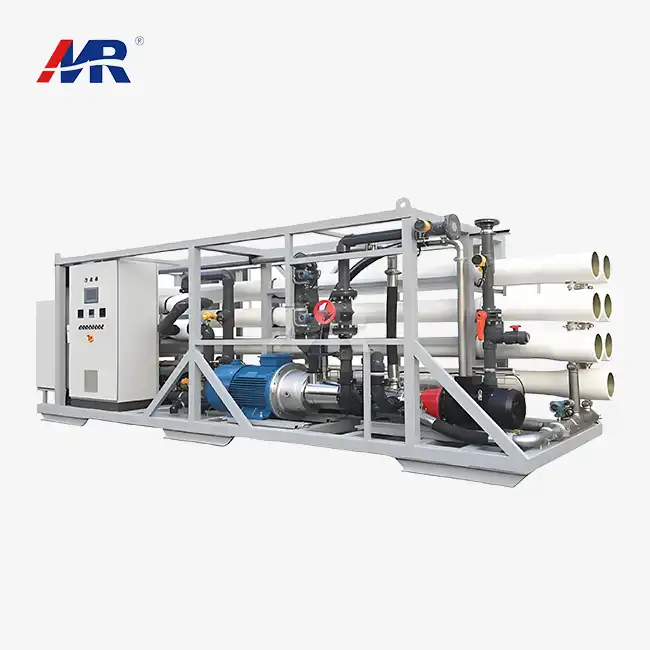 VIEW MORE20m3/hour seawater desalination equipment
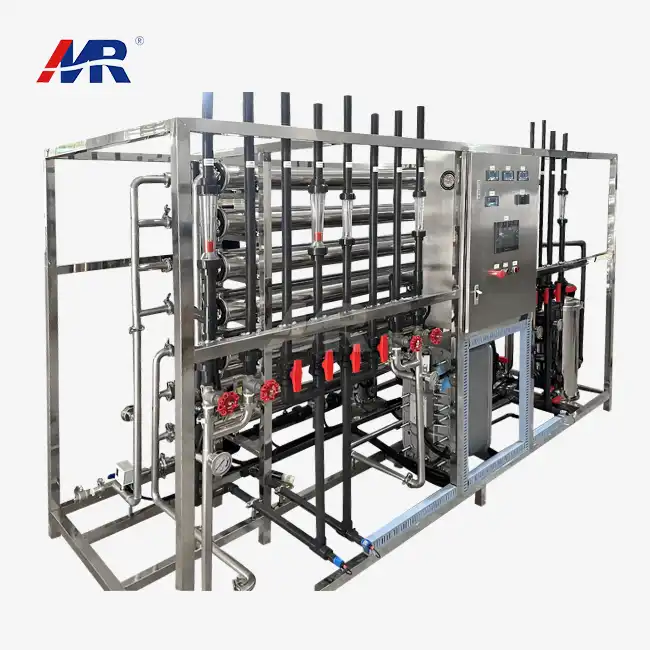 VIEW MORE2m3/hour EDI system
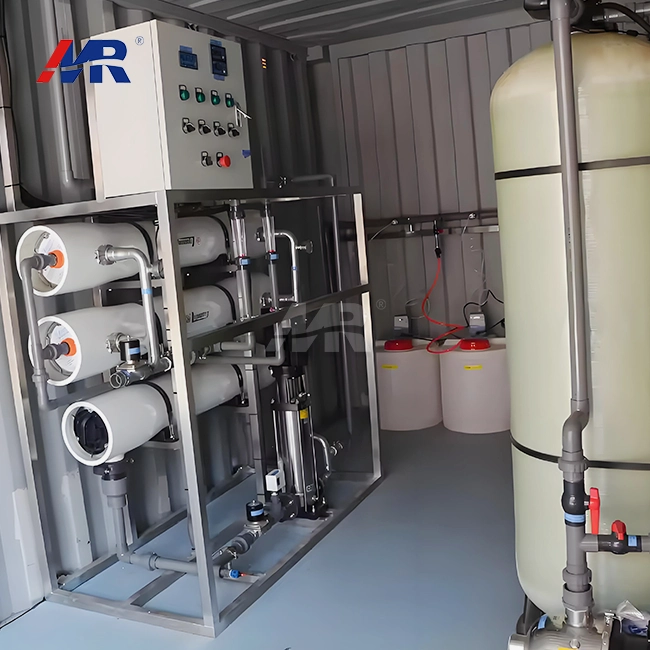 VIEW MOREcontainerized reverse osmosis system
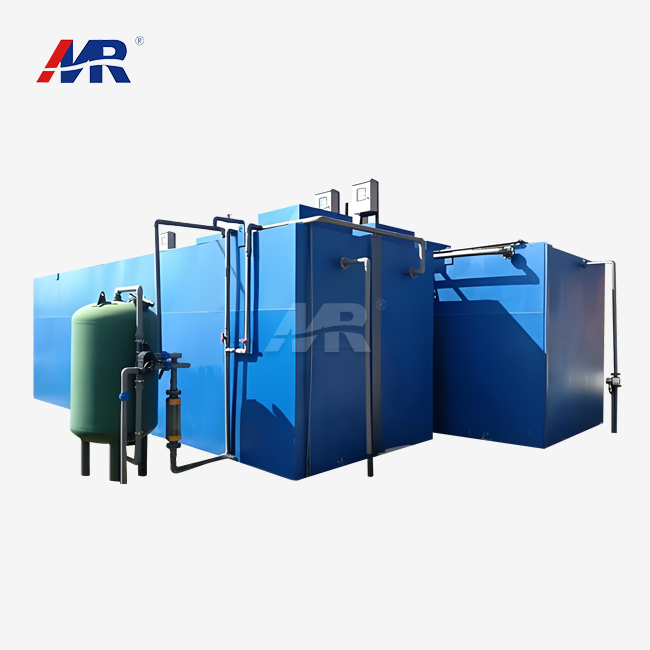 VIEW MOREsewage treatment plant
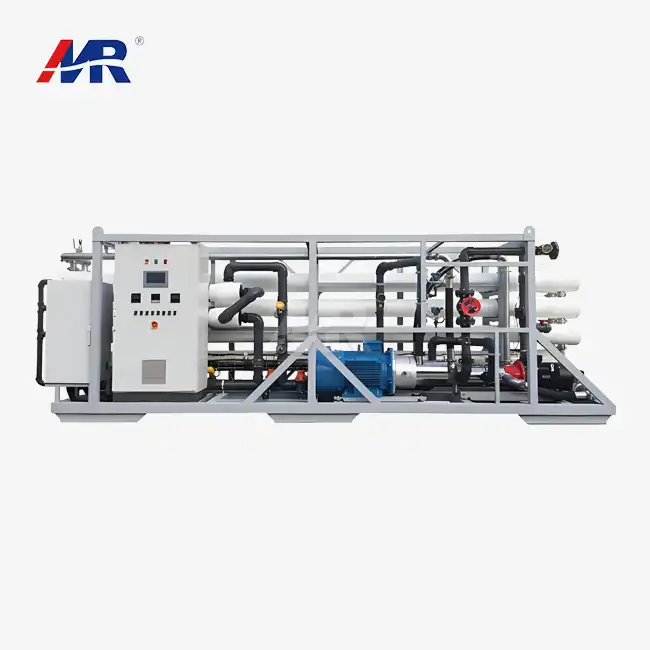 VIEW MORE15m3/hour seawater desalination system
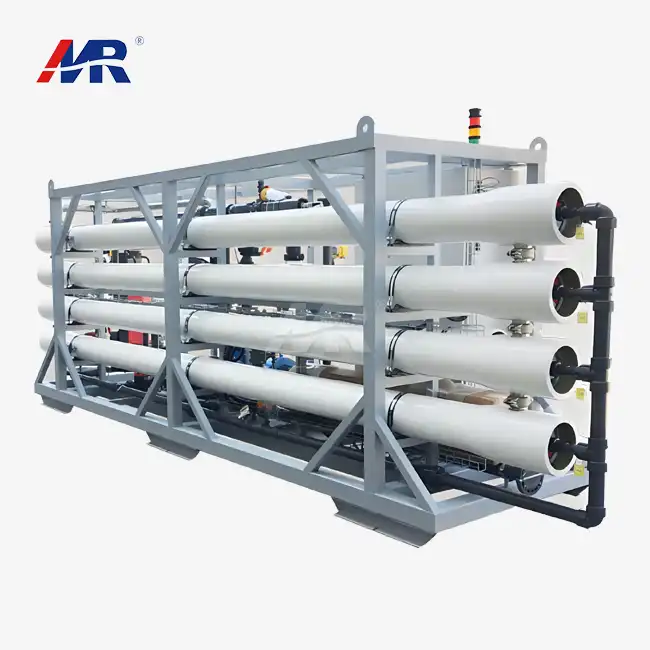 VIEW MORE12m3/hour seawater desalination equipment
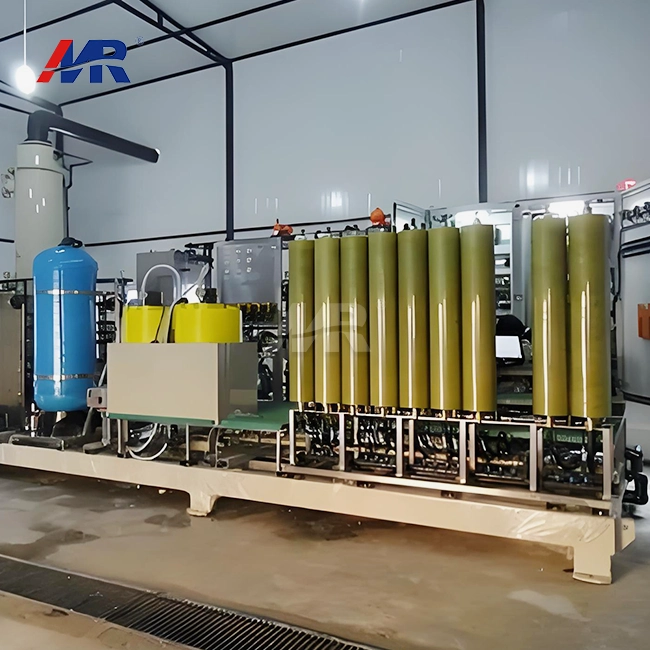 VIEW MOREDTRO Water Treatment
 VIEW MOREultrafiltration drinking water system
