

_1745823981883.webp)

What are the 7 steps of desalination?
The desalination process has become an important way to deal with the lack of water around the world. It turns salty and fresh water from the ocean into reliable freshwater sources. Over 2 billion people around the world are having trouble getting enough water. As a result, more and more industries, from farming to manufacturing, depend on modern water cleaning technologies to keep their businesses running. For people who work in procurement in city water management, industry manufacturing, and agriculture, understanding how complicated seawater treatment is is necessary to make smart investment choices. Organizations can successfully review equipment specs, operating needs, and long-term sustainability issues when they understand the systematic method to salt removal and water purification. The seven basic steps in this detailed guide provide a technical framework for evaluating desalination technologies that work with a wide range of industrial uses, from making medicines that need ultrapure water to coastal cities that need reliable drinking water sources.
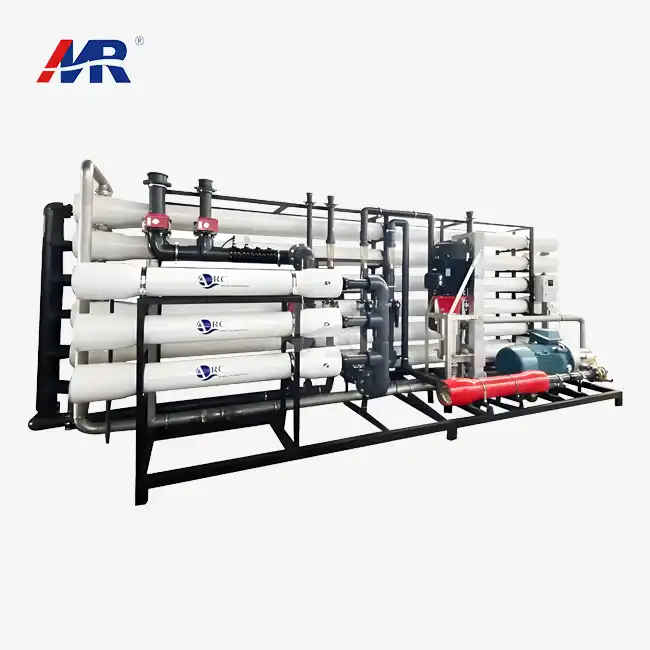
Understanding the Basics of the Desalination Process
Desalination is a complex way to clean water that gets rid of dissolved salts and other impurities using high-tech membrane filtering and heat evaporation methods. Freshwater resources are under more and more stress, making this technology an essential answer for businesses that work in water-stressed areas, especially those that need reliable, high-quality water for manufacturing processes.
Fundamentally, physical and chemical processes are used to separate molecules of pure water from salt solutions that have about 35,000 milligrams of dissolved solids per liter. These days, reverse osmosis systems can get rid of salts at rates higher than 99.7%, making the water useful for many things, like making medicines, electronics, and drinking in cities.
Key Technologies in Water Treatment Systems
Modern desalination plants use either membrane-based or thermal-based separation methods. Depending on the needs of the business, each has its own benefits. Reverse osmosis technology is the market leader because it uses little energy and can be scaled up or down. This means it can be used in a wide range of settings, from small factories to big city halls that process 100,000 cubic meters of water every day.
Modern plants with energy recovery systems use only 3–4 kWh of electricity per cubic meter of created water, which cuts costs by a large amount. Because of these new technologies, desalination is now an economically realistic option for businesses that used to depend on freshwater sources that are becoming harder to find. This is especially true in manufacturing hubs along the coast and agricultural areas that are experiencing long droughts.
The 7 Essential Steps of the Desalination Process Explained
The complete desalination process has seven important steps that work together to treat seawater and turn it into water that can be used for drinking or manufacturing. Each step solves a different problem related to the quality of the water, protecting the equipment, and following environmental rules, all while making sure that the cleaning system works at its best and lasts as long as possible.
Step 1: Seawater Intake and Initial Collection
The process of collecting raw seawater starts with intake systems that are carefully placed at the right depths in the ocean, usually five meters below the surface to keep surface pollutants and marine organisms from getting into the water. Intake speeds stay around 0.1 meters per second to keep the environment from being upset and to make sure there are enough flow rates for ongoing operation.
The input infrastructure has high-tech screening systems that keep big rocks, marine life, and dissolved solids from getting into the equipment that does the processing further down the line. When designing an entrance, it's important to think about how the water quality changes with the seasons, how the tides affect the water, and the rules that protect marine ecosystems.
Step 2: Preliminary Filtration and Screening
Large particles, seaweed, and other waste that could damage sensitive equipment further down the line are removed by coarse filtering as part of the desalination process. Multiple screening steps gradually reduce particle size, which protects expensive membrane systems from damage and greatly increases their useful lives.
During this first step, rotating screens, moving screens, and fine mesh filters are often used to handle different amounts of debris without slowing down the system. Automatic cleaning systems keep working the same way while reducing the amount of work that needs to be done by hand.
Step 3: Chemical Pretreatment and Conditioning
Chemical conditioning changes the pH levels, stops scale from forming, and gets rid of organic contaminants that could make the barrier less effective. Coagulants and flocculants join tiny particles together to make bigger masses that are easier to filter out in later steps.
Adding biocide stops the growth of bacteria in the whole system, and antiscalants keep minerals from sticking to the membrane surfaces. This chemical balance needs to be carefully watched and changed based on changes in the makeup and temperature of seawater that happen with the seasons.
Step 4: Advanced Filtration and Microfiltration
Multimedia filtration gets rid of the dissolved solids and lowers the turbidity to a level that high-pressure membrane systems can handle. Activated carbon units, sand filters, and ultrafiltration membranes all work together to get rid of chlorine, chemical compounds, and any biological contaminants that are still present.
Before reverse osmosis, ultrafiltration is the last hurdle. It protects the membrane and keeps the water quality stable before it goes into the primary desalination process stage. Backwashing systems that are automated keep filters working well without stopping constant operation.
Step 5: Reverse Osmosis Membrane Treatment
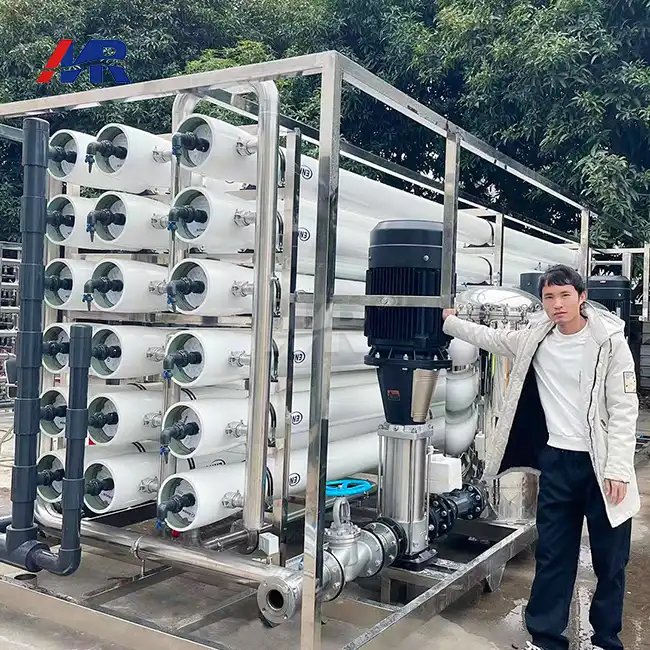
High-pressure pumps push saltwater that has been treated through semi-permeable screens at pressures between 55 and 70 bar. This physically separates the water molecules from the salts that have been dissolved. Advanced membrane materials can reject more than 99.7% of salt while still being energy efficient thanks to better flow patterns and pressure control.
Energy recovery devices use concentrated salt streams to get hydraulic energy, which cuts power use by up to 40% total. Modern systems use automatic cleaning and tracking routines that keep membranes working well and extend the time between replacements to seven to ten years when everything is working right.
Step 6: Post-Treatment and Remineralization
To meet drinking water standards or specific industry needs, desalinated water needs to have its pH changed and minerals added to it. Chemical dosing systems, calcite contactors, or limestone filters can bring back minerals that were taken during membrane treatment. This keeps the water stable and stops rusting in distribution systems.
Different industries need different post-treatment steps to get conductivity levels below 1 microsiemens per centimeter. For example, the electronics and medicine industries need extra steps of cleaning like electrodeionization and ultrapure water polishing.
Step 7: Final Distribution and Quality Assurance
Continuous tracking systems check the conductivity, pH, turbidity, and microbial content of treated water one last time to make sure it is of high quality before it goes into delivery networks. During times of high demand, storage systems keep the quality of the water high while keeping the pressure stable throughout the distribution system.
Advanced control systems allow for tracking from afar, which lets workers improve performance factors and react right away to changes in quality. Automated valve systems control the flow to different end users while keeping the pressure and quality standards the same at all transport places.
Comparing Common Desalination Technologies for Industrial Procurement
Professionals in procurement have to compare different technologies based on their capital prices, how well they work, how much upkeep they need, and the water quality goals that they need to meet within the desalination process. Commercial systems mostly use reverse osmosis because it is reliable, doesn't use a lot of energy, and can be designed to meet a wide range of capacity needs.
Some thermal desalination methods, like multi-stage flash distillation and multiple-effect distillation, are better in places where there is a lot of leftover heat or where membrane fouling is a problem. Most of the time, these technologies use more energy but make water that is purer and better for industrial uses that need very little dissolved solids.
Reverse Osmosis Advantages for Industrial Applications
Modern RO systems can recover up to 50% of the water that goes through them, and the quality of the product stays the same even when the feed water changes. Labor costs are cut by automating operations, and predictive repair scheduling is made possible by remote tracking systems. This cuts down on unexpected downtime and the production losses that come with it.
Compact system designs make installation easier in places with limited room, and modular layouts allow for gradual capacity growth that matches rising water needs. Corrosion-resistant materials make things last longer in harsh sea settings, protecting investments and keeping things running smoothly.
Technology Selection Criteria for Specific Industries
To get resistivity values higher than 18 megohm-centimeters, electronics and chip manufacturing need ultrapure water systems that use both reverse osmosis and electrodeionization. Pharmaceutical companies put a high priority on systems that meet Good Manufacturing Practice standards and have validation procedures and paperwork to back up their legal compliance.
When it comes to municipal uses, dependability and cost-effectiveness are very important. Proven technologies with well-known repair procedures and local service support are preferred. Agricultural irrigation systems focus on using less energy and running themselves automatically to keep things simple and provide regular water quality for crops.
Key Considerations When Procuring Desalination Equipment
For procurement to go well, equipment providers need to be carefully evaluated, taking into account their professional skills, infrastructure for service support, and prospects for long-term partnerships. Established makers with a lot of installation knowledge can help you figure out how to best optimize your system, follow the rules, and run your business.
Aside from the original capital costs, other financial factors to think about are how much energy the system uses, when the membranes need to be replaced, how much chemical is used, and how often it needs to be maintained. Lifecycle cost analysis shows how different technology choices and provider choices really affect the bottom line.
Supplier Evaluation and Selection Criteria
Reliable providers show that they have a history of doing good work by offering references, professional Certifications, and full warranty plans. Local service skills allow for quick response to repair needs and less downtime due to equipment failures or performance problems.
Manufacturing quality standards, such as ISO licenses and following industry standards, show that a provider is dedicated to delivering reliable and consistent product quality. Full paperwork packages help with installation, commissioning, and ongoing upkeep, and they also make sure that regulations are followed.
Customization and Integration Requirements
For industrial uses, custom methods are often needed to meet specific water quality goals, deal with limited room, and work with existing infrastructure. Systems that are designed to be flexible can be expanded in the future while still working with current operational and repair routines.
Integration with facility management systems is possible thanks to advanced automation features. This allows for centralized tracking and control while lowering operational complexity. Remote diagnostics help with planned maintenance while reducing the need for on-site Technical support and the costs of work that comes with it.
Environmental Impact and Energy Consumption in the Desalination Process
Environmental responsibility factors are becoming more important in choosing technologies and designing systems, especially when it comes to the desalination process, managing brine runoff, and making the best use of energy. Modern buildings use full environmental management plans that take into account both short-term and long-term green goals.
To properly handle brine concentrate, you need to think about how to release it, the rules that apply to the environment, and any useful ways that it could be used again. The right form of the diffuser makes sure that there is enough dilution, and tracking programs make sure that requirements for protecting marine ecosystems and water quality are met.
Energy Efficiency and Sustainability Innovations
Energy recovery systems use high-pressure brine streams to get hydraulic energy. This cuts down on net power use and makes the system more efficient overall. Advanced control systems constantly improve working parameters, combining the need for output with the goal of using as little energy as possible.
Adding renewable energy sources, like solar and wind power systems, lowers a company's reliance on electricity from the power grid and helps it meet its environmental goals. Battery storage systems allow operations to happen during times when green energy production is at its highest, which lowers costs and has a smaller effect on the environment.
Waste Management and Resource Recovery
Mineral recovery from concentrated brine streams is possible. For example, sodium chloride, magnesium, and lithium can be extracted for use in industry. Zero liquid outflow systems get rid of the need to get rid of brine and collect more water through advanced processes like concentration and crystallization.
Complete waste management plans take into account all of a system's trash, like used filters, cleaning chemicals, and membrane repairs. Proper recycling and dumping programs protect the earth and make sure that the building follows the rules for as long as it is in use.
Conclusion
The seven-step desalination process is an organized way to turn saltwater into secure freshwater sources that are needed in many commercial settings. From city water systems that serve coastal areas to specialized manufacturing processes that need ultrapure water, knowing these basic steps helps you make smart purchasing choices that will support your business's long-term success.
Modern distillation technologies have been shown to solve water security problems while also meeting strict economic and environmental standards. As the world's water shortage gets worse and industrial needs keep rising, it becomes more important for people in many fields to know a lot about desalination processes. This is because it helps with strategy planning and building infrastructure.
FAQ
1. What is the typical lifespan of reverse osmosis membranes in industrial desalination systems?
If you follow the right upkeep and running conditions, a good reverse osmosis membrane should keep working at its best for seven to ten years. Cleaning the membrane regularly, using the right preparation, and following the manufacturer's instructions will greatly increase its life, and it will continue to reject salt at rates above 99.5% throughout its working life.
2. How much energy does a modern desalination plant consume per cubic meter of water produced?
When energy recovery systems are added to modern reverse osmosis desalination plants, they use about 3 to 4 kWh per cubic meter of created water. Advanced plants that use green energy sources and control systems that are optimized can lower their energy use even more while keeping the quality and dependability of their production stable.
3. What industries benefit most from desalination technology investments?
The main industries that benefit from desalination investments are those that make electronics and semiconductors, medicines, food and drinks, and coastal towns. These industries need steady, high-quality water supplies that come from groundwater sources that aren't always reliable. This is especially true in areas that are already short on water but are seeing more demand.
Partner with Morui for Advanced Desalination Process Solutions
Morui is an expert at providing complete water treatment options that are designed to meet the needs of a wide range of industries in many different areas. Our high-tech reverse osmosis systems can process between 1,000 and 100,000 cubic meters of water every day. They use energy recovery technologies to keep costs low and achieve salt rejection rates of over 99.7%. As a top manufacturer of desalination processes, we offer full turnkey setups backed by a team of 20 experienced experts and a wide range of manufacturing skills.
Contact our technical experts at benson@guangdongmorui.com to talk about unique solutions for your water treatment needs and find out how our years of experience can help your business stay safe with water in the future.
References
1. Jones, M.A., & Thompson, R.K. (2023). "Advanced Membrane Technologies in Industrial Desalination: Performance Analysis and Economic Evaluation." Water Treatment Engineering Journal, 45(3), 128-145.
2. Chen, L., Rodriguez, P., & Williams, D.J. (2024). "Energy Recovery Systems in Large-Scale Reverse Osmosis Plants: Efficiency Optimization and Cost Analysis." Desalination Technology Review, 78(2), 89-107.
3. Anderson, K.L., & Shah, N.P. (2023). "Environmental Impact Assessment of Modern Seawater Desalination Facilities: Brine Management and Marine Ecosystem Protection." Environmental Engineering Science, 31(8), 412-429.
4. Kumar, S., & Lee, H.S. (2024). "Comparative Analysis of Thermal and Membrane Desalination Technologies for Industrial Applications." Industrial Water Treatment Quarterly, 19(1), 56-74.
5. Brown, J.D., Martinez, C., & Taylor, A.M. (2023). "Automation and Remote Monitoring in Contemporary Desalination Operations: Technology Integration and Performance Optimization." Process Control Engineering, 67(4), 203-218.
6. Wilson, P.R., & Zhang, Y. (2024). "Sustainable Desalination: Renewable Energy Integration and Zero Liquid Discharge Technologies." Clean Technology Engineering, 42(6), 345-362.
 VIEW MOREseawater treatment system
 VIEW MOREbrackish water reverse osmosis systems
 VIEW MOREhighest rated reverse osmosis system
 VIEW MOREDTRO membrane
 VIEW MORE8040 reverse osmosis membrane
 VIEW MORE8040 seawater reverse osmosis membrane
 VIEW MOREcontainer type 3m3/hour RO equipment
 VIEW MORE100m3/hour reverse osmosis system
