

_1745823981883.webp)

Role of RO Membranes in Water Purification
Modern methods for purifying water are built around the membrane/brackish-membrane">ro membrane, which acts as a selective barrier that only lets molecules of clean water through while blocking molecules of contaminants. These high-tech filter parts use semi-permeable technology to get rid of dissolving salts, organic molecules, bacteria, and viruses in different types of water. Many industries, from making medicines to treating water for cities, can't work without industrial reverse osmosis membranes. These membranes keep the water quality stable and meet the strict cleanliness standards needed for important uses.
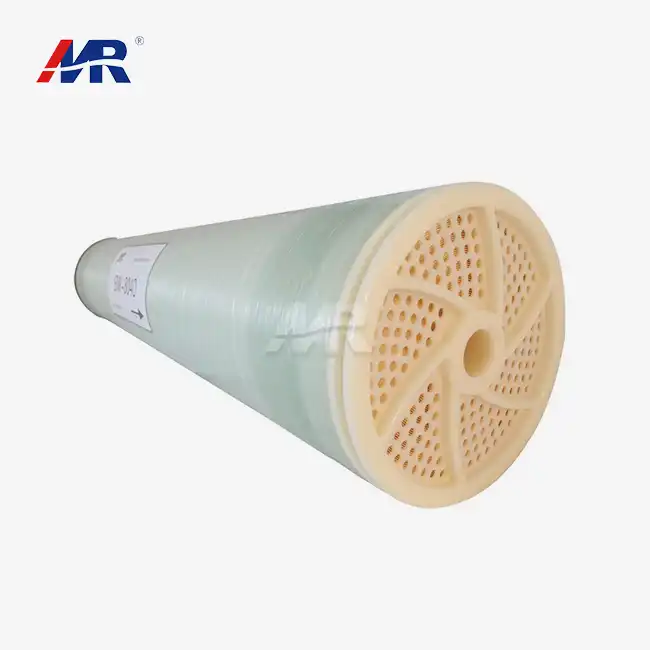
Understanding RO Membranes and Their Role in Water Purification
Fundamental Membrane Technology and Materials
Reverse osmosis membranes represent sophisticated engineering achievements that use molecular-level filter principles to achieve outstanding water cleaning outcomes. There are three main parts to a thin-film composite: a polyester support cloth, a microporous polysulfone interlayer, and an ultra-thin polyamide barrier layer that is less than 0.2 microns thick. The membrane can handle high working pressures because it is made up of multiple layers. It also stays very selective for water molecules.
There are holes in the polyamide active layer that are about 0.0001 microns wide, which is 4,000 times smaller than the width of a human hair. With this level of accuracy, water droplets can pass through while pollutants like heavy metals, dissolved salts, organic chemicals, and microorganisms are blocked. Size exclusion, charge repulsion, and solution diffusion are the three ways that the membrane's rejection system works. All three work together to make sure that everything is completely clean.
Industrial Applications Across Multiple Sectors
Modern water treatment plants in many different types of businesses depend on cutting-edge membrane technology to meet specific quality standards for their operations. Pharmaceutical and science companies use these systems to make water that meets Good Manufacturing Practice standards. This makes sure that the Products are safe and that the companies are following the rules. For important chip cleaning processes, the semiconductor industry relies on ultrapure water systems that use a mix of reverse osmosis and electrodeionization to get resistance values above 18 megohm cm.
More and more, municipal water treatment plants are using membrane technology to improve their cleaning abilities. This is especially true in places where water is scarce or where contamination is a problem. Large-scale seawater desalination projects around the world make millions of gallons of fresh water every day from saltwater sources, showing that this technology can be used on a large scale. Companies that make food and drinks depend on these systems to keep the quality of their products stable by getting rid of chlorine, dissolved minerals, and organic substances that could change the way a product tastes, looks, or lasts for a long time.
Key Performance Factors and Maintenance of RO Membranes
Operating Parameters and Performance Optimization
Maintaining ideal working conditions that strike a balance between output and membrane longevity is crucial to the success of RO membrane systems. For brackish water uses, the feed water pressure is usually between 150 and 600 psi. For saltwater desalination, it can go up to 800 psi, and higher pressures cause higher permeate flow rates. Controlling the temperature is very important because the porosity of the membrane goes up by about 3% for every degree Celsius that it goes up. On the other hand, too much heat can damage the polyamide structure.
To keep membranes from breaking down and fouling, water chemical factors need to be carefully watched. To keep particulate fouling to a minimum, the Silt Density Index should stay below 3.0, and the pH level should be between 6.5 and 7.5 for the best rejection performance. To keep reactive damage to the polyamide layer from happening, the chlorine content must stay below 0.1 ppm. This means that pretreatment systems must be able to remove chlorine effectively.
The Morui MR-8040 type is an example of advanced membrane design. Its thin-film composite construction rejects 99.5% of salt and has a 400-foot² working area. This industrial-grade membrane works effectively at temperatures of up to 113°F and pressures of up to 600 psi. This makes it ideal for demanding business uses that need to produce high-quality water on a regular basis.
Maintenance Protocols and Lifespan Management
Effective repair plans for membranes make them last a lot longer while keeping performance levels the same throughout the service time. When normalized permeate flow drops by 10%, normalized salt passage rises by 10%, or differential pressure rises by 15% above baseline values, chemical cleaning should begin. These signs show that fouling or scaling has started and needs instant attention to stop damage that can't be fixed.
Different types of fouling need different cleaning methods. Acidic solutions are best for getting rid of mineral scaling, while alkaline cleaners are better for getting rid of organic and biological fouling. Calcium carbonate and metal oxide layers can be removed by low-pH cleaners that contain citric acid or hydrochloric acid. On the other hand, organic matter and biofilms can be removed by high-pH solutions that contain sodium hydroxide and detergents. When cleaned properly, which should be done about every three to six months based on the quality of the feed water, fouling doesn't build up and forever lower the membrane's capacity.
Comparing RO Membranes with Alternative Water Purification Technologies
Technology Comparison and Selection Criteria
Water treatment professionals have to look at a number of different purification methods to find the best one for each purpose and set of water quality standards. It is very good at getting rid of germs, viruses, and floating solids, but not dissolved salts and small organic molecules. This is something that RO membrane technology does very well. Nanofiltration is a good option because it rejects some salt while keeping the flow rates high. This makes it good for easing tasks where full demineralization is not needed.
An activated carbon filter gets rid of chlorine, taste, and odor compounds well, but it can't get rid of dissolving minerals or biological contaminants. UV purification systems kill microbes very well without using chemicals, but they can't get rid of contaminants that are dissolved or floating in the water. Ion exchange systems can selectively remove certain ionic species, but they need to be regenerated with chemicals on a regular basis and can't handle biological pollution or particles.
Because reverse osmosis technology can get rid of a wide range of contaminants, it is very useful in situations where this is needed. Even though this technology may use more energy than others, the better water quality it produces often makes up for the higher costs, especially in critical situations where water cleanliness directly affects product quality or following the rules.
Cost-Benefit Analysis for Industrial Applications
When investing in water purification technology, you need to think about both the original capital costs and the long-term operating costs to find the most cost-effective option. Due to the high-pressure pumping tools and membrane repair costs, reverse osmosis systems usually require a bigger initial investment. However, they use fewer chemicals than other treatment methods. Not having to regenerate chemicals lowers the continued complexity of operations and the risks of handling chemicals.
The amount of energy used is a big part of the running costs. New low-energy RO membranes can cut power needs by up to 30% compared to standard designs. Advanced RO membranes like the MR-8040 type are designed to use less energy, which helps keep costs low while keeping output high. Most of the time, water recovery rates for brackish water uses are between 75% and 85%. This is the sweet spot between maximum yield and minimal trash discharge volumes.
Purchasing and Procurement Guide for RO Membranes
Supplier Selection and Quality Assurance
To successfully acquire an RO membrane, careful consideration must be given to the supplier's skills, the quality of the membrane itself, and the ongoing support services that will guarantee the membrane's best performance for the duration of its lifespan. Reputable makers give detailed technical information, like performance charts, chemical compatibility data, and cleaning instructions, so that systems can be designed and used correctly. Quality Certifications like NSF/ANSI 61 for drinking water uses and ISO 9001 manufacturing standards show that the company follows the best practices in its field.
During the system setup, troubleshooting, and optimization phases, the expert help skills of the supplier become very important. Having access to skilled application engineers who know the needs of a certain business can have a big effect on how well a system works and how efficiently it runs. Having local technical help cuts down on reaction times for urgent problems and makes sure that communication and service delivery are culturally appropriate.
Here are the critical factors to evaluate when selecting membrane suppliers:
- Manufacturing quality control processes that make sure all production batches of a product work the same way and are reliable
- Technical documentation completeness, which includes thorough specs, working instructions, and tools for troubleshooting
- After-sales support infrastructure with access to extra parts and professional help in the area
- Industry certifications and approvals that show they follow the rules and standards
- Performance guarantee provisions that give peace of mind about flux rates, rejection performance, and operating lifespan
These evaluation factors help procurement teams find suppliers who can provide reliable goods and full support services that keep systems running at peak performance levels.
Total Cost of Ownership Considerations
When buying a membrane, you should think about all of its costs, such as the original purchase price, how often it needs to be replaced, how long the system will be down, and how its performance will decrease over time. Even though luxury membranes may cost more at first, their longer life and better resistance to fouling often make their total ownership costs cheaper. Modern designs, like the MR-8040 type, are very good at resisting fouling. This means that they don't need to be cleaned as often and can go longer between service times, which keeps operations running smoothly.
Buying in bulk from qualified RO membrane providers can save you a lot of money and make sure that you always have enough product on hand for your scheduled repair visits. Volume discounts, longer payment terms, and fixed-price deals all help keep running budgets stable while lowering the costs of managing buying. Value-added services like inventory management, expert training, and performance improvement advice are often part of strategic relationships with providers.
Future Trends and Innovations in RO Membrane Technology
Advanced Materials and Design Innovations
The development of membrane technology keeps moving forward thanks to new materials science and production methods that improve efficiency while lowering costs. Biomimetic membrane designs that are based on how cells work naturally show potential for increasing permeability while keeping specificity. Graphene oxide composite membranes have the ability to greatly increase flux rates while still having good rejection properties for a wide range of contaminants.
Changing the surface to be antifouling with zwitterionic coats and hydrophilic polymers stops biofilm formation and organic fouling, which means that cleaning intervals are longer and operations run more smoothly. These treatments on the surface make molecular shields that stop bacteria and proteins from sticking to the surface without affecting the ability for water to pass through. Biofouling is less likely to happen in tough water conditions when spacers are made with antimicrobial materials.
Thin-film nanocomposite membranes that contain nanoparticles like zeolites, carbon nanotubes, and metal-organic frameworks are better at filtering out certain contaminants while still letting a lot of water pass through. These hybrid materials make it possible to match the membrane properties to the features of the feed water and the treatment goals, which improves performance for certain industrial uses.
Digital Integration and Smart Monitoring
IoT-enabled tracking systems give real-time information about how well membranes are working, which lets repair and optimization plans be planned ahead of time. Pressure, flow, conductivity, and temperature factors are constantly tracked by sensor networks. At the same time, advanced analytics look for performance trends and possible problems before they affect the system's operation. Machine learning systems look at past performance data to figure out the best times to clean and repair things.
Digital twin technology makes virtual copies of membrane systems that let you model and improve different scenarios without stopping the real operations. These digital models help operators figure out how different working factors affect things and come up with ways to get the most out of their machines while keeping costs as low as possible. Expert techs can help and guide users from anywhere in the world thanks to remote tracking. This improves service quality and speeds up response times.
Conclusion
As a crucial part of modern water purification systems in many different industry areas, RO membrane technology is still improving. Professionals in procurement can make choices that are both cost-effective and improve performance by understanding the basic principles, upkeep needs, and selection criteria. As standards for water quality get stricter and problems with water shortage get worse around the world, modern membrane technology offers reliable ways to meet essential purification needs while also supporting long-term water management practices.
FAQ
1. How often should industrial RO membranes be replaced?
Replacement times for industrial membranes are usually between 3 and 7 years, but this depends on the quality of the feed water, how the system is used, and how often it is maintained. Systems that handle high-quality brackish water and have good pretreatment can last for 5 to 7 years, but systems that are used in tough situations and don't have good pretreatment may need to be replaced every 2 to 3 years. Monitoring performance on a regular basis helps find the best time to change something based on how much it's breaking down, not on arbitrary plans.
2. What contaminants can RO membranes effectively remove?
Ro membrane technology removes over 99% of dissolved salts, heavy metals, germs, viruses, and most organic substances with a molecular weight of 100 daltons. For example, 99.5% of sodium chloride is rejected, 98% of calcium sulfate is rejected, 99% of bacteria and viruses are rejected, and 95–99% of most organic substances are rejected. Hydrogen sulfide and carbon dioxide, on the other hand, can pass through membranes and may need extra treatment to be completely removed.
3. How can membrane fouling be prevented?
Fouling can be stopped by using a full pretreatment system that includes silt filtering, activated carbon adsorption, and anti-scalant injection. Fouling is much less likely to happen if you keep the right working settings, like a recovery rate below 75%, a flux rate that meets the manufacturer's requirements, and regular chemical cleaning schedules. Monitoring the Silt Density Index, molecular oxygen demand, and biological activity on a regular basis can help find fouling problems before they affect the performance of the membrane.
Partner with Morui for Premium RO Membrane Solutions
Morui Environmental Technology makes membrane solutions that are the best in the business. These solutions are made for tough industrial uses in the pharmaceutical, municipal, and manufacturing sectors. With our MR-8040 thin-film hybrid membranes, 99.5% of salt is rejected, and they are also very resistant to fouling and use very little energy. We offer full help from the first consultation through installation and ongoing maintenance. We have over 14 branches, 500 workers, and specialized membrane manufacturing sites. Get in touch with our expert team at benson@guangdongmorui.com to talk about your needs and find out why top companies trust Morui as their reliable RO membrane provider for important water treatment tasks.
References
1. Membrane Technology and Applications, Third Edition, by Richard W. Baker, John Wiley & Sons, 2012.
2. Reverse Osmosis: Design, Processes, and Applications for Engineers, by Jane Kucera, Scrivener Publishing, 2015.
3. Industrial Water Treatment: Practice and Principles, by Drew Chemical Corporation, American Water Works Association, 2018.
4. Membrane Filtration Guidance Manual, United States Environmental Protection Agency, Office of Water, 2021.
5. Advanced Membrane Technology for Water and Wastewater Treatment, edited by Hoek and Tarabara, IWA Publishing, 2019.
6. Desalination and Water Treatment: Science and Engineering, by Jane C. Liu and Mohammad Aslam, CRC Press, 2020.
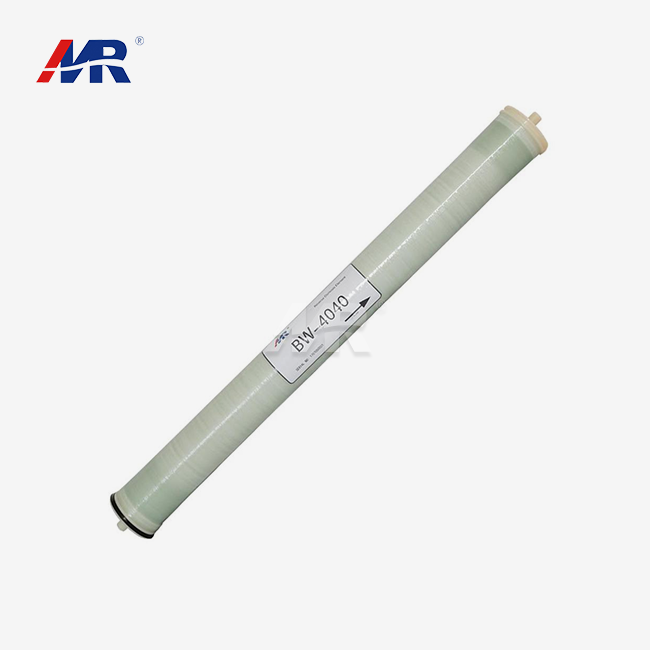 VIEW MOREindustrial ro membrane
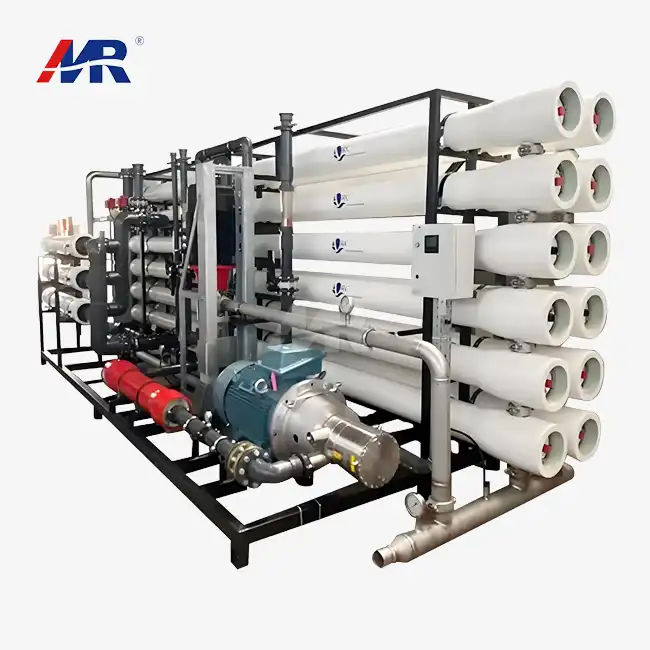 VIEW MORE45m3/hour seawater desalination system
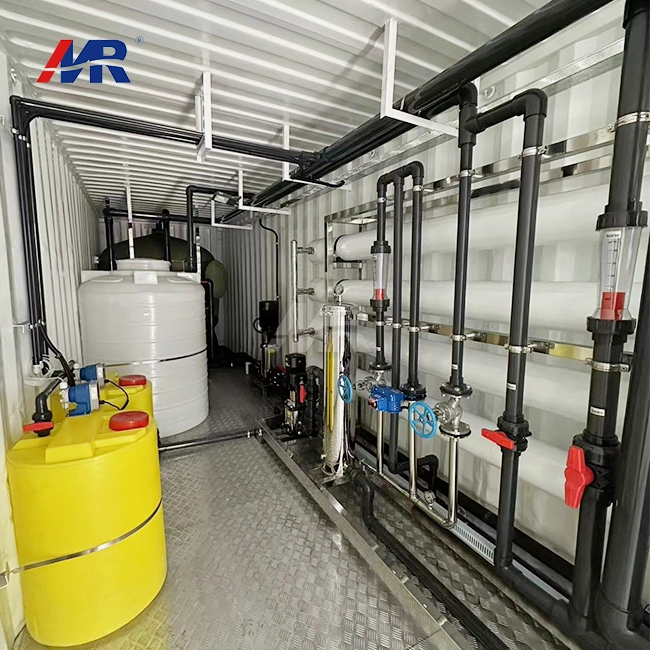 VIEW MOREcontainerized desalination plant
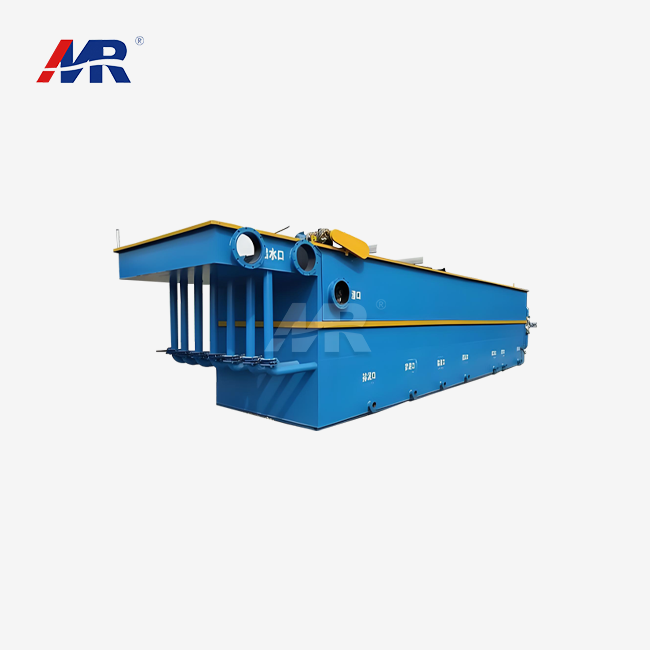 VIEW MOREadvanced wastewater treatment system
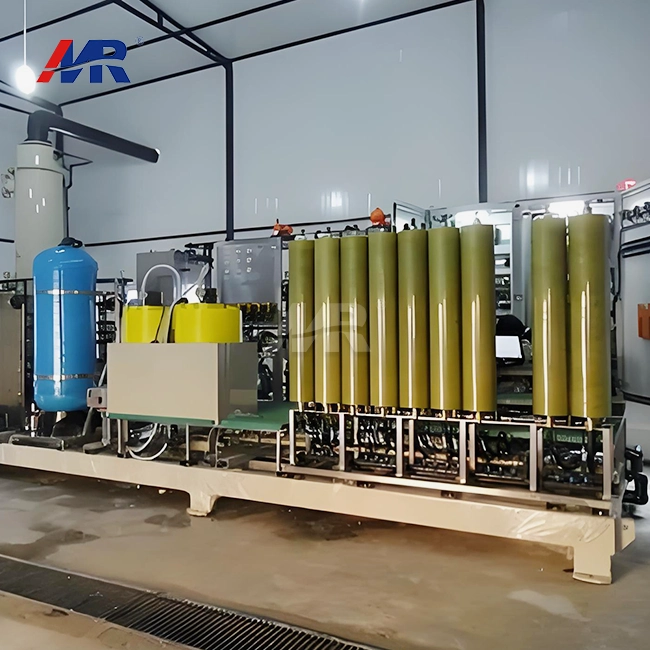 VIEW MOREDTRO Water Treatment
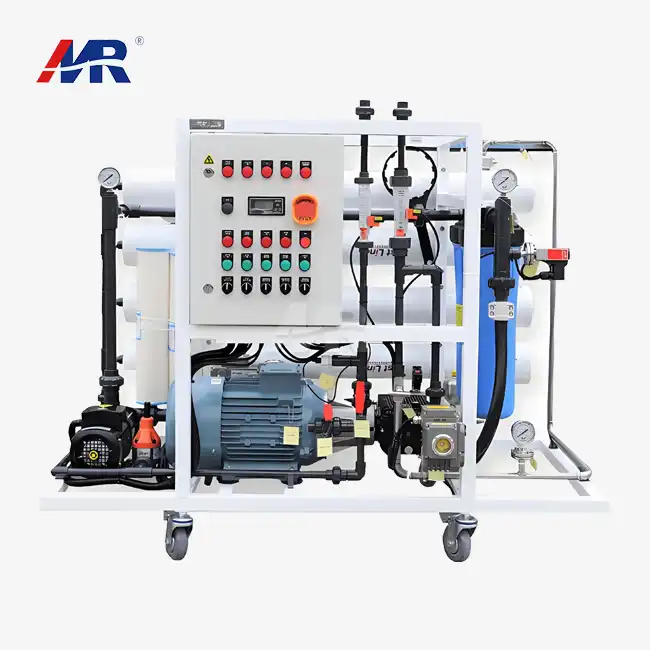 VIEW MORE2m3/hour seawater desalination equipment
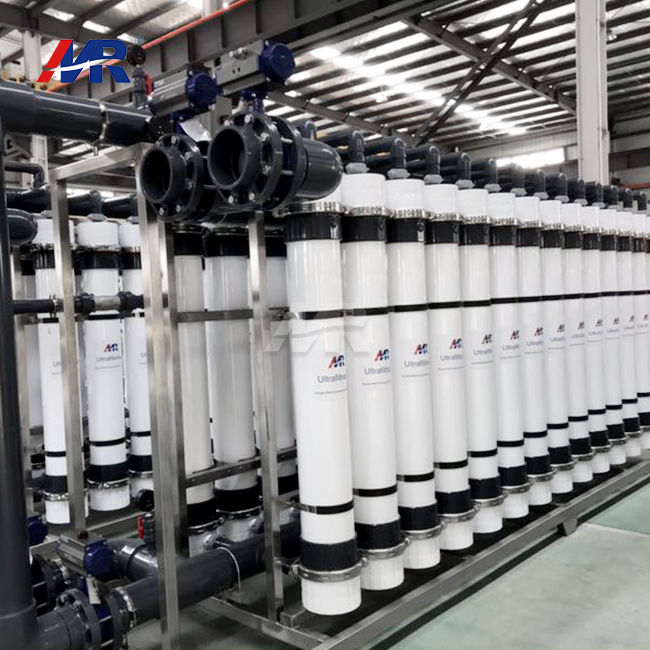 VIEW MOREultrafiltration machine
 VIEW MOREedi water treatment system
