

_1745823981883.webp)

Industrial vs Household RO Cleaning: Tailored Solutions for Every System
For best performance, it is important to know the clear differences between cleaning requirements for industrial and household RO systems when it comes to keeping water purification systems. Industrial reverse osmosis systems deal with huge amounts of water and complicated contaminants. They need strong chemical cleaning methods and specific maintenance plans. Even though household units are smaller, they still need to be cleaned in a way that is soft but effective, and the user should be able to do this without affecting the integrity of the membrane. This complete guide talks about cleaning solutions that are made for both uses, which will help you pick the best upkeep plan for your water treatment needs.
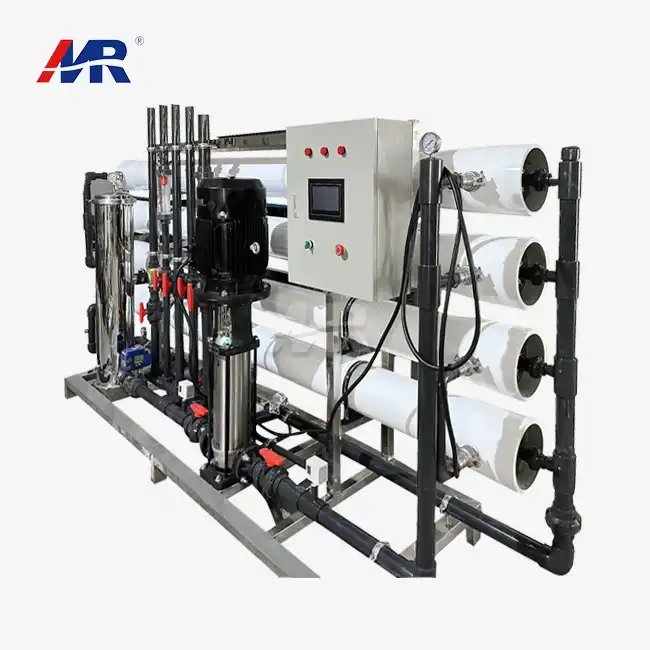
Understanding RO Systems and Their Cleaning Needs
The basic ideas behind reverse osmosis technology are the same in all settings, but the cleaning needs are very different between commercial and private areas. Different types of contaminants, the size of the operation, and the needs of the operation all cause unique upkeep problems that need different solutions.
Scale and Operational Differences
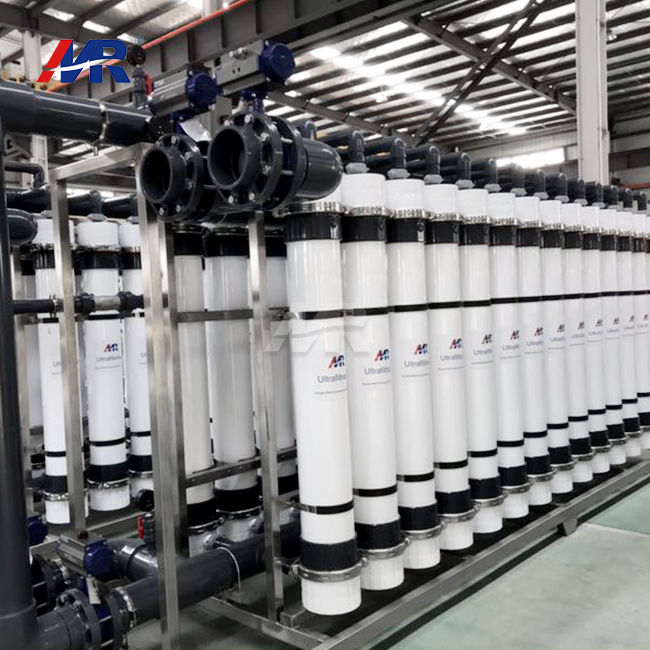
Industrial water cleaning systems usually handle tens of thousands of gallons of water every day, working under constant pressure with very little break. Heavy fouling from dissolved solids, organic molecules, and mineral scaling can really hurt the performance of these membranes. Water quality must be stable for manufacturing plants, medicine plants, and food processing operations to stay on schedule. This means that effective cleaning procedures are necessary to keep production going.
Reverse osmosis units for homes generally only process much smaller amounts of water, enough for one family's drinking needs. Some of the problems that these systems have to deal with are chlorine exposure, soil buildup, and the growth of germs in storage tanks. Even though the fouling is usually not as bad, regular cleaning is still needed to make sure the water is safe and clean.
Contaminant Complexity
In industrial settings, feed water is often complicated because it has a lot of dissolved solids, heavy metals, and chemical solvents. Power plants need very pure water with certain amounts of conductivity, and drug companies have to follow strict GMP rules. Because of these strict requirements, we need advanced cleaning chemicals and clear tracking methods.
Common problems with city water, like chlorine, grit, and hardness minerals, are mostly dealt with by residential systems. Instead of getting to industrial-grade cleanliness levels, the cleaning method works on keeping the membranes in good shape and making the taste better.
Tailored Cleaning Solutions: Industrial RO Systems
Industrial reverse osmosis cleaning needs a methodical, data-driven approach that keeps downtime to a minimum and extends the life of the membrane. Specific fouling processes must be taken into account in the cleaning procedures, and strict safety and environmental standards must be met.
Chemical Cleaning Protocols
Industrial RO system cleaning typically employs a multi-step chemical approach tailored to the specific fouling characteristics. Acid cleaning solutions, usually containing hydrochloric or citric acid, effectively remove mineral scale and inorganic deposits. These cleaning cycles operate at controlled pH levels between 1.5 and 3.0, and the circulation times vary from 30 to 60 minutes, based on how bad the fouling is.
After the scale is removed, alkaline cleaning is used to get rid of organic matter and biological growth. Cleaners that use sodium hydroxide along with detergents and dispersants break down biofilms, protein deposits, and oils. The temperature during cleaning usually goes up to 40–45°C to make the chemicals work better and keep the membranes from getting damaged.
Biocide treatment gets rid of microbes by using chlorine dioxide, hydrogen peroxide, or other specific antimicrobials. To make sure that these methods are completely clean without damaging the membrane, pH levels must be carefully managed, and contact times must be carefully managed.
Advanced Cleaning Technologies
Modern factories are using automatic cleaning systems that keep an eye on membrane performance all the time more and more. Instead of set times, these systems start cleaning processes when there is a difference in pressure, a drop in flux, or an increase in salt flow. The automatic method reduces the amount of chemicals needed and the cost of running the business.
Ultrasonic cleaning technology is better than chemical cleaning because it uses mechanical motion to get rid of tough deposits. This technology works especially well in situations where there is a lot of particle fouling or complex biological pollution.
Tailored Cleaning Solutions: Household RO Systems
When it comes to residential reverse osmosis care, the goal is to keep the water quality uniform while keeping things simple, safe, and inexpensive. Homeowners need cleaning Products that work and don't require special skills or dangerous chemicals.
Routine Maintenance Protocols
Cleaning a home RO system starts with replacing the filters on a regular basis, as directed by the manufacturer. Carbon filters last between 6 and 12 months, based on chlorine levels and how often they are used. Sediment pre-filters need to be replaced every 3 to 6 months. These repairs stop membranes from fouling too much and make them last longer.
In-home systems, membrane washing is a simple way to clean that works well. For this step, the system is run without the holding tank for 10 to 15 minutes so that fresh water can flush any contaminants that have built up on the membrane surfaces. Flushing once a month helps keep things running at their best between big maintenance rounds.
DIY Cleaning Methods
Food-grade cleaning products and easy tools are all that's needed for general cleaning around the house. A diluted vinegar solution (1:10) gets rid of light mineral scaling well without hurting the membrane materials. To clean the system, you have to unplug it, fill it with the cleaning solution, and let it sit for two to four hours before rinsing it well.
Sanitizing storage tanks stops the growth of germs and bad tastes in home systems. If you run a weak bleach solution (1 tablespoon per gallon) through the tank and lines, it will clean them well. Rinsing all the way through gets rid of any chlorine waste that might hurt the membrane while it's working normally.
Professional Service Options
Professional help is usually needed for cleaning that is hard to do, cleaning RO system, or replacing a membrane. Certified techs have the right tools and knowledge to restore systems completely while still protecting your guarantee. As part of professional services, membrane integrity checks, full testing, and efficiency tuning that go beyond simple cleaning are common.
Comparing Industrial and Household RO Cleaning: Key Considerations
To choose the right cleaning methods, you need to carefully look at the system-specific factors that affect the prices, upkeep needs, and effects on operations. Understanding these factors helps make cleaning procedures as effective and efficient as possible.
Cost-Benefit Analysis
When investing in industrial cleaning, you have to weigh the costs of chemicals, labor, and downtime against the benefits of higher output and lower membrane repair costs. Pharmaceutical and technology companies often say that they need to use expensive cleaning tools because they have to meet strict quality standards and use high-value production methods. When you think about product bans or production delays, the cost of not cleaning well is much higher than the cost of upkeep.
Most choices about residential cleaning are based on ease and long-term savings, not on how productive they will be right away. Homeowners weigh their cleaning choices based on how much time they take, how safe they are, and how long the membrane will last. For most homes, the best value comes from simple maintenance habits that stop big fouling.
Environmental and Safety Factors
Rules for industrial cleaning must follow environmental rules about how to get rid of trash and chemicals. A lot of places use closed-loop cleaning systems that catch and neutralize cleaning chemicals before throwing them away. This method has less of an effect on the environment and might even recover useful cleaning agents that can be used again.
When cleaning your home, you should focus on safety and ease, and avoid using dangerous chemicals that need special handling or removal methods. Naturally derived cleaning products and those made from food are safe for use in homes and are effective enough to clean up normal dirty conditions.
Downtime and Scheduling Considerations
To keep costs as low as possible, factories carefully plan their cleaning schedules around the needs of their production lines. Predictive maintenance systems help find the best time to clean based on the real state of the membrane instead of making up random schedules. This method cuts down on unneeded downtime and stops performance loss that could mess up operations.
Residential systems give users more scheduling options, so they can do repairs when it's most convenient for them. The smaller size of the system and easier steps make cleaning processes quick and don't have a big effect on daily life.
Optimizing System Performance Through Proper Cleaning
Effective cleaning methods do more than just get rid of contaminants; they also optimize the whole system to get the most out of its performance, efficiency, and lifespan. Cleaning RO systems, monitoring technology, predictive maintenance, and unique routines made for each working situation are all part of modern approaches.
Performance Monitoring and Optimization
Key performance factors like flux rate, salt rejection, and pressure difference across membranes are tracked by advanced tracking systems. These factors help find the best cleaning schedules for maximum efficiency and give early warning of fouling situations. Data analytics find patterns of fouling and allow for predictive upkeep that stops performance from dropping very badly.
Regular speed testing confirms that cleaning is working and finds ways to make the process better. Membrane studies give a thorough picture of the fouling that helps choose the right cleaning chemicals and improve the process. This scientific method makes sure that cleaning plans change as working conditions and fouling patterns do.
Technology Integration
Smart RO system controllers combine cleaning procedures with tracking operations to make maintenance management easy. These systems change the cleaning settings automatically based on real-time performance data. This makes the best use of chemicals and improves the efficiency of the cleaning. With remote monitoring, expert help, and planned repair can be provided no matter where the system is located.
Mobile apps let users set up maintenance alerts, keep track of their systems' performance, and get help with fixing problems. These tools make managing home systems easier and make sure they work at their best by making sure repair is done at the right time and in the right way.
Conclusion
To clean an RO system effectively, you need to use methods that are specifically designed to deal with the problems that come up in commercial and home settings. To keep up with output and safety standards, industrial systems need complex chemical protocols and tracking systems. On the other hand, residential units can be kept in good shape with simple, safe care steps that anyone can do. Knowing these different needs helps you choose the best cleaning method, which improves system performance, extends the life of equipment, and keeps water quality stable. Whether you're in charge of a big manufacturing plant or your own home's drinking water, following the right cleaning procedures is an important investment in the long-term value and dependability of the system. For something to work, the cleaning methods have to be matched to the type of dirt, the needs of the business, and the resources that are available, all while keeping safety and the environment in mind at all times.
FAQ
1. How often should I clean my industrial RO system?
Industrial reverse osmosis systems need to be cleaned more often if they are to work well, not on a set plan. Usually, signs include a 10-15% drop in flux, a 15-psi rise in the pressure difference, or a 5-10% rise in salt passing. Under normal conditions, most industrial systems need to be cleaned every three to six months. However, heavily contaminated systems may need to be cleaned every month.
2. What cleaning chemicals work best for household RO membranes?
Gentle cleaners like diluted white vinegar (5–10% solution), citric acid solutions, or special cleaners made just for home membranes work well on them. When you put strong chemicals like bleach on membranes, they can damage them permanently. Always follow what the maker says, and make sure to rinse well after cleaning.
3. Can I use industrial cleaning methods on residential systems?
Because they could be dangerous and damage the membrane, industrial cleaning agents and methods should not be used on home systems. Different types of membranes and shapes are used in household systems, so they need to be cleaned in a softer way. When cleaning your home, stick to cleaning goods and methods that are made for that purpose.
4. How do I know when my RO system needs cleaning?
Some signs of poor performance are less water output, more wastewater, bad taste or smell, and clear membrane fouling. Automated tracking works best for industrial systems, while daily production amounts and taste quality should be tracked by home users. Testing on a regular basis helps find areas that need cleaning before they get really bad.
Partner with Morui for Professional RO System Solutions
Guangdong Morui Environmental Technology Co., Ltd. can help you fix your water needs by offering complete RO system options that can be used in both businesses and homes. Our Team of 20 engineers and 500 hardworking professionals knows how important it is to follow the right cleaning and repair procedures for systems. As a top maker of RO systems, we offer full turnkey solutions that include designing the equipment, installing it, commissioning it, and providing ongoing upkeep support at all 14 of our branch sites. Our combined approach blends cutting-edge membrane technology from our own factory with tried-and-true cleaning methods that make systems last longer and work better. Our knowledge guarantees the best results, no matter if you run a pharmaceutical production plant that needs GMP-compliant water systems or a home that needs reliable treatment solutions. Get in touch with our technical experts at benson@guangdongmorui.com to talk about your cleaning problems and find out how our tried-and-true solutions can help your water treatment operations.
References
1. Membrane Technology Research Institute. "Industrial Reverse Osmosis Cleaning Protocols: Best Practices for Pharmaceutical Applications." Water Treatment Technology Journal, 2023.
2. American Water Works Association. "Residential RO System Maintenance Guidelines: Safety and Effectiveness Standards." Drinking Water Quality Standards, 2022.
3. International Desalination Association. "Fouling Mechanisms and Cleaning Strategies in Industrial Water Treatment Systems." Desalination and Water Reuse Technology, 2023.
4. Environmental Protection Agency. "Chemical Cleaning Agents for Water Treatment: Safety and Environmental Considerations." Water Treatment Regulations Handbook, 2022.
5. Water Quality Association. "Household Reverse Osmosis Maintenance: Consumer Safety and Performance Guidelines." Residential Water Treatment Standards, 2023.
6. Society of Chemical Engineers. "Predictive Maintenance in Industrial Water Treatment: Advanced Monitoring and Cleaning Optimization." Process Technology Review, 2022.
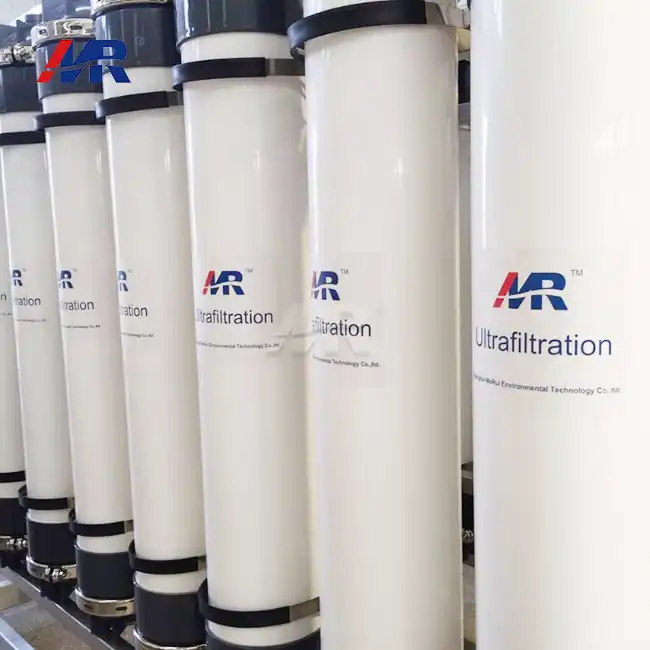 VIEW MORE90T/H ultrafiltration equipment
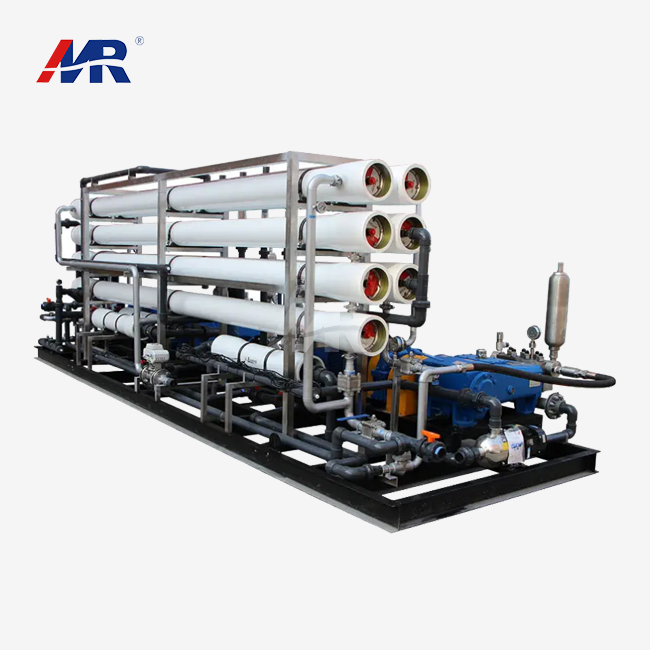 VIEW MOREseawater desalination machine
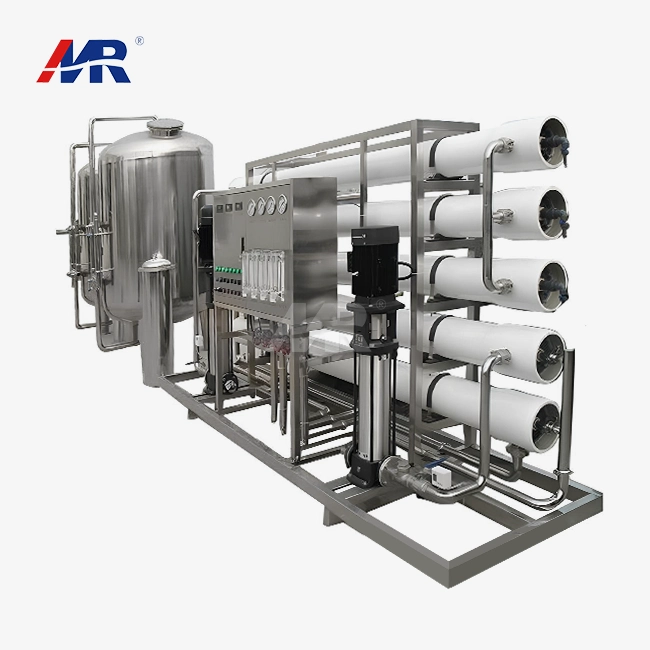 VIEW MOREbrackish water reverse osmosis
 VIEW MOREbioreactor wastewater treatment
 VIEW MORE3T/H reverse osmosis equipment
 VIEW MOREbrackish water reverse osmosis systems
 VIEW MOREwaste water treatment plant
 VIEW MOREultrafiltration machine
