

_1745823981883.webp)

What does the sewage treatment plant do with wastewater?
Through complex sewage waste treatment processes, Sewage Treatment Plants turn dirty wastewater into clean water. These plants clean up pollution from cities and factories by getting rid of toxic chemicals, pathogens, and organic matter. This keeps people healthy and the earth healthy. To make sure the water is safe to use or release, it goes through several steps: basic screening, bacterial degradation, membrane filtration, and disinfection.

Understanding the Sewage Waste Treatment Process
The goal of sewage waste treatment is to get rid of toxins in wastewater through a variety of physical, biological, and chemical processes. Elimination of contaminants, defense of the environment, and compliance with regulations across a wide range of industrial industries are the main goals.
The treatment method is made up of carefully planned steps, each of which targets a different set of pollutants and chemicals. Modern facilities use cutting-edge technologies that can remove waste very quickly and efficiently while still using little energy.
Primary Goals of Wastewater Treatment
The main goal of treating waste is more than just cleaning the water. Protecting the environment is still very important, since untreated wastewater has germs and chemicals in it that kill off air that marine life needs. Sewage pollution can destroy whole environments if it is not treated properly.
A lot of money is spent on cleaning facilities to make sure it meets regulations. Industries have to follow strict rules for release, and if they don't, they face big fines and have to shut down. Businesses can meet these standards and keep their operations sustainable with the help of treatment plants.
Resource recovery is a new chance in garbage management that is becoming available. Modern facilities collect useful resources, like nutrients for making soil and biogas for making green energy. This creates more income streams and lowers the cost of waste.
Treatment Technology Categories
Screening, sedimentation, and filtering are some of the physical cleaning methods used to get rid of obvious contaminants. These mechanical methods work well for separating oil, big debris, and solids that are floating in the fluid.
Biological treatment uses the natural action of microorganisms to break down organic waste. In places with lots of air, aerobic bacteria break down pollutants. In places without oxygen, anaerobic processes work and often make useful biogas as a result.
Chemical cleaning uses special chemicals to clean, change the pH, and get rid of advanced contaminants. These steps make sure that the end sewage meets strict quality standards so that it can be safely dumped or used again.
How Sewage Treatment Plants Handle Wastewater: The Step-by-Step Process?
Getting rid of contaminants in wastewater is done in a planned way, with each stage removing a different type of contamination. Procurement experts can better assess equipment needs and operational requirements when they understand this process.
Preliminary Treatment Phase
The first step in the cleaning process is basic screening, which gets rid of big pieces of debris and solid waste. Things that could hurt other equipment or get in the way of biological processes are caught by automated screening equipment.
After screening, grit removal is done by using flow reduction to sort heavy particles like sand and gravel. This step improves the general efficiency of the system and saves pumps, valves, and treatment equipment from damage caused by abrasives.
Flotation methods separate oil and grease by letting lighter materials rise to the surface and be taken away. This step keeps biological treatment stages from getting messed up and lowers the amount of upkeep that needs to be done on the whole facility.
Primary Treatment Operations
The main goal of treatment is to separate solids from liquids using gravity sedimentation. Wastewater goes into big tanks called clarification tanks. Heavy particles settle to the bottom of the tanks, while lighter materials move to the top.
Sludge disposal devices keep taking out the solids that have settled to be used in other processes. The main sludge needs to be stabilized and treated before it can be thrown away or used again in a useful way as fertilizer in farming.
During initial treatment, flow equalization evens out changes in the amount and makeup of the wastewater that comes in. This process improvement makes sure that the treatment works the same way every time and lowers the shock loads on biological treatment systems.
Secondary Biological Treatment
The organic treatment step is where the sewage waste treatment process really gets going. Activated sludge systems keep the conditions just right for good bacteria to eat organic pollution and nutrients.
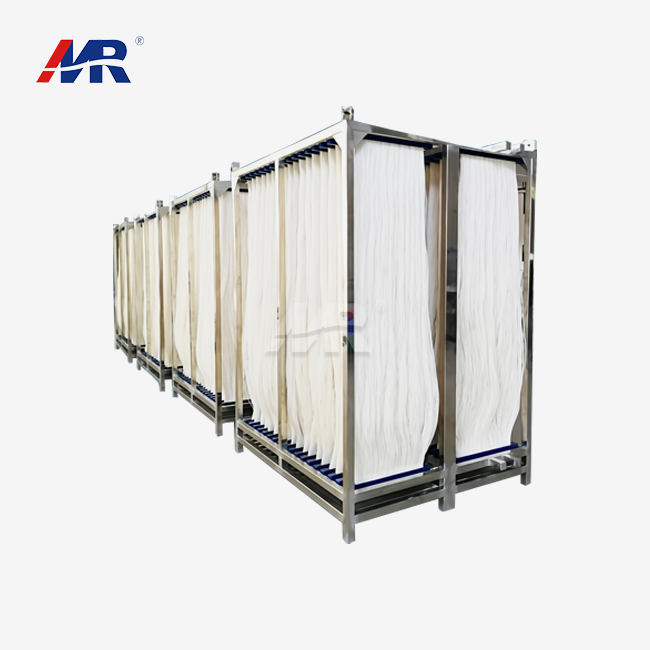
Advanced membrane filtering and biological treatment are both part of membrane bioreactor (MBR) technology. These systems produce better effluent while taking up very little room, which makes them perfect for setups with limited space.
Nutrient removal methods go after nitrogen and phosphorus molecules that can harm the environment in the water they enter. Modern biological nitrogen removal systems move wastewater between aerobic and anoxic conditions to get rid of all pollutants.
Tertiary Treatment and Polishing
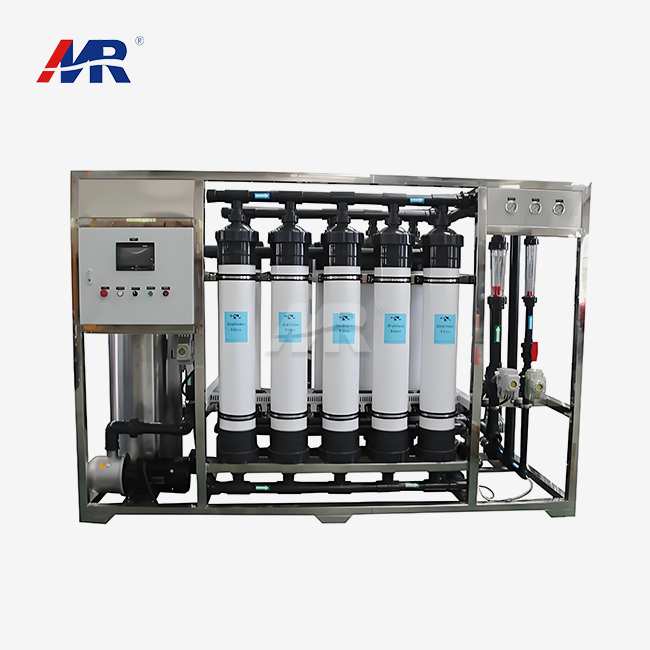
To meet strict standards for discharge, advanced filtering devices do the final polishing. Microfiltration and ultrafiltration filters get rid of any germs and particles that are still in the water. This makes the water very clean.
The last step in cleaning is disinfection, which uses chlorine, ultraviolet light, or ozone to kill any germs that are still there. These steps make sure that the cleaned sewage meets public health standards so that it can be safely dumped or used again.
Advanced oxidation processes can get rid of organic substances and drug leftovers that don't go away. With these cutting-edge technologies, sites can meet new rules about contaminants and get ready for future rules as well.
Benefits and Environmental Impact of Sewage Waste Treatment
Effective cleaning of garbage has big positive effects on the environment and the economy that go far beyond following the rules. Because of these benefits, there are strong business reasons to invest in new medical methods.
Environmental Protection Benefits
The most obvious natural benefit of good treatment is better water quality. When garbage comes in, facilities take out up to 95% of the suspended solids, 90% of the chemical oxygen demand, and 95% of the biological oxygen demand.
When treated wastewater keeps the delicate balance that marine life needs, the ecosystem is preserved. When treatment is done right, oxygen levels don't drop, which would kill fish and other sea life in the receiving waters.
Protecting groundwater is becoming more and more important as towns struggle with not having enough water. Advanced cleaning makes it safe for aquifers to be filled up and keeps underground water sources from getting dirty.
Economic and Operational Advantages
Resource recycling options bring in more money and lower the costs of doing business. Biogas made from anaerobic sludge processing can make up for a lot of the energy used by a facility; in fact, some plants can reach energy balance.
Reusing water lowers the need for freshwater sources and provides treated water for cooling systems, irrigation, and industry processes. This revolving way of managing water saves money and is better for the environment.
Protecting against regulatory compliance stops expensive fines and business interruptions. Modern treatment systems use tracking and control technologies to keep performance uniform and keep records for legal reporting.
Public Health Protection
Getting rid of pathogens saves communities from illnesses that can be spread through contaminated water sources. Disinfecting with advanced methods gets rid of germs, viruses, and parasites that are very bad for your health.
Chemical contaminant removal gets rid of heavy metals, industrial pollutants, and new contaminants that can get into the food chain. Comprehensive care saves both people's health and the health of wildlife communities.
Proper odor control systems keep hydrogen sulfide and other smelly chemicals from affecting the towns nearby, which improves the air quality. Modern buildings are good neighbors because they handle smells well.
Selecting the Right Sewage Waste Treatment Solution for Your Business
To pick the right treatment technology, you need to carefully think about your practical needs, the limitations of the place, and your performance goals. Capital costs, routine costs, and long-term dependability must all be taken into account during the decision process.
Capacity and Performance Requirements
The size of the treatment capacity is based on the highest flow rates, not the normal daily amounts. To keep hydraulic systems from getting too full and breaking down, facilities need to be able to adapt to changes in flow, the seasons, and growth estimates for the future.
The quality guidelines for wastewater change a lot depending on where it is dumped and how it will be used again. For industrial reuse or groundwater injection uses, sewage waste treatment levels may be different from those needed for municipal release permits.
The type of load, such as BOD, COD, and nutrition levels, affects the choice of technology. To get the runoff quality that is wanted, high-strength industrial wastewater might need special preparation or better biological processes.
Technology Evaluation Criteria
Here are the core advantages modern treatment systems offer for industrial applications:
- Energy efficiency: Advanced systems use only 0.3 to 0.5 kWh per cubic meter of cleaned water, which is much less energy than older methods and means much lower operating costs.
- Compact footprint: Modular designs take up 30% less room than standard treatment plants, making the best use of land on sites with limited space.
- Automated operation: Smart control systems reduce the need for workers while keeping performance stable through real-time monitoring and change.
- Scalable design: Modular construction lets you apply changes in stages and add more space in the future without having to make big system changes.
These benefits help with common organizational problems and offer long-term answers for groups that are growing. Energy-efficient operation cuts down on environmental damage and energy costs, and small designs make the most of precious space.
Maintenance needs have a big effect on lifecycle costs and how reliably something works. Low-maintenance systems require less work and have fewer unexpected breaks, which can make it harder for businesses to run.
Site-Specific Considerations
Technology choices are often limited by space, especially in cities or factories where space is at a premium. Space constraints can be solved with vertical treatment systems and underground setups that still meet performance standards.
Conditions of the soil and the amount of groundwater affect how deep a base needs to be and how much it costs to build. Geotechnical review during the planning stages keeps problems from coming up during installation and testing that were not expected.
The climate affects the choice of tools and the needs of the building. In cold climates, installations need to be protected from freezing, and buildings need to be warm. In hot climates, sensitive equipment may need extra cooling or shade.
Procurement Considerations and Industry Best Practices
To buy a sewage waste treatment system successfully, you need to look at all of the costs, including the startup costs, the operating costs, and the supplier's skills. When you buy things strategically, you reduce risks while increasing long-term worth and success.
Cost Structure Analysis
Capital spending includes the cost of tools, the cost of installation, and the need for infrastructure. To make a good budget, you need to carefully look at the spot and know everything about the job, like the electrical, instrumentation, and building needs.
The prices of running a business include things like electricity, chemicals, maintenance supplies, and staff. Energy-efficient solutions may cost more at first, but they save you money in the long run because they lower your energy bills.
Lifecycle cost modeling looks at when to replace equipment, when to do big upkeep, and when to upgrade technology. This all-around method shows the real cost of ownership and helps people make smart financial choices.
Supplier Evaluation Framework
The technical capability evaluation looks at the knowledge, engineering tools, and technology success records of the supplier. Using well-known sources with a history of success lowers the risks of implementation and gives you peace of mind about long-term support.
Manufacturing quality standards make sure that equipment works well and lasts a long time. Quality control methods, ISO Certifications, and part specifications all show that a provider is dedicated to excellence and customer happiness.
During commissioning and continued activities, service and support skills are very important. Dependability in operations and maintenance costs are directly affected by local service networks, the supply of spare parts, and how quickly expert help can respond.
Risk Mitigation Strategies
Performance promises keep buyers safe from the risks of technology and make sure that treatment goals are met. Full promises cover measures for operating uptime, energy use, and the quality of the effluent.
Training and sharing of technology, including sewage waste treatment, make sure that the working staff can keep the system running smoothly on their own. Full training programs make companies less reliant on outside help while also improving their own skills.
Standardization methods make it easier to find spare parts, lower the need for training, and speed up the repair process. When technology systems are the same across various facilities, operations run more smoothly, and costs go down.
Conclusion
Drainage treatment plants use complex, multi-stage processes to turn dirty drainage into clean water that is safe for people and the environment. Modern sewage waste treatment plants are very good at getting rid of pollutants and also offer ways to restore resources and run in a way that is good for the environment. The step-by-step treatment method, which includes basic screening, advanced biological processes, and membrane filtering, gets rid of all contaminants and meets all regulations. To get the best lifecycle value and operational performance, you need to carefully consider your supplier's skills, the technology choices you have, and the amount of power you need.
FAQ
1. What maintenance requirements do sewage treatment plants have?
As part of regular upkeep, membranes are cleaned, equipment is oiled, electrical systems are checked, and biological conditions are tracked. When compared to older technologies, modern automatic systems require a lot less upkeep. Daily operating checks, weekly machine inspections, and monthly system optimization processes are common parts of preventive maintenance plans. Advanced tracking systems let you know about problems before they get too bad so you can do preventative maintenance that keeps expensive breakdowns from happening.
2. How long does the sewage treatment process take?
Depending on the technology used and the quality standards for the effluent, full cleaning processes usually take between 8 and 24 hours. For biological treatment steps to work well, microorganisms need enough time to break down pollution. Through better biological activity and physical separation, membrane bioreactor devices can speed up the processes. Emergency bypass features make sure that operations can keep going even during repair times or when unexpected problems arise with the equipment.
3. Can treatment plants handle varying wastewater volumes?
Modern systems can handle big changes in flow with the help of adjustment tanks and flexible building methods. Automatic settings change the cleaning steps based on the amount of pollution and the flow rate. Peak flow control keeps treatment performance standards high and stops hydraulic overloading. Designs that are expandable let you add more space as your needs change over time.
4. What happens to the sludge generated during treatment?
Sludge is kept stable in treatment plants by using either anaerobic processing or aerobic treatment methods. Once stabilized, sludge can be used as manure for crops or thrown away in a dump that meets certain standards. Biogas production from sludge digestion offers chances for green energy that can be used to balance out the energy used by the plant. Modern filtration methods greatly decrease the amount of sludge and the cost of transporting it.
Partner with Morui for Advanced Sewage Waste Treatment Solutions
Guangdong Morui Environmental Technology is the most reputable name in the sewage waste treatment industry, specializing in sewage waste treatment. They offer complete wastewater solutions that meet the strictest needs of businesses and cities. Our state-of-the-art cleaning systems use cutting-edge membrane technology and advanced biological processes to remove up to 95% of BOD while using as little as 0.3 to 0.5 kWh of energy per cubic meter. Morui has 14 outlets across the country, more than 500 workers, and 20 expert engineers. They offer full turnkey services, from the initial assessment to installation and completion. Email our expert team at benson@guangdongmorui.com to talk about your unique wastewater problems and find out how our tried-and-true solutions can help you run your business more efficiently while still following the rules.
References
1. Smith, J.A., and Johnson, M.B. "Advanced Membrane Technologies in Municipal Wastewater Treatment: Performance and Economic Analysis." Journal of Environmental Engineering, Vol. 147, No. 8, 2021.
2. Environmental Protection Agency. "Wastewater Treatment Plant Operation and Maintenance Manual: Best Practices for Industrial Applications." EPA Office of Water, Washington, D.C., 2022.
3. Chen, L.K., Rodriguez, P., and Thompson, R.D. "Energy Recovery and Resource Optimization in Modern Sewage Treatment Facilities." Water Research International, Vol. 156, 2020.
4. International Water Association. "Biological Nutrient Removal in Wastewater Treatment: Design Guidelines and Operational Standards." IWA Publishing, London, 2021.
5. Martinez, C.F., and Wilson, K.P. "Membrane Bioreactor Technology for Industrial Wastewater Treatment: Case Studies and Performance Analysis." Chemical Engineering Progress, Vol. 118, No. 3, 2022.
6. World Health Organization. "Guidelines for Safe Wastewater Reuse in Industrial and Agricultural Applications." WHO Press, Geneva, Switzerland, 2021.
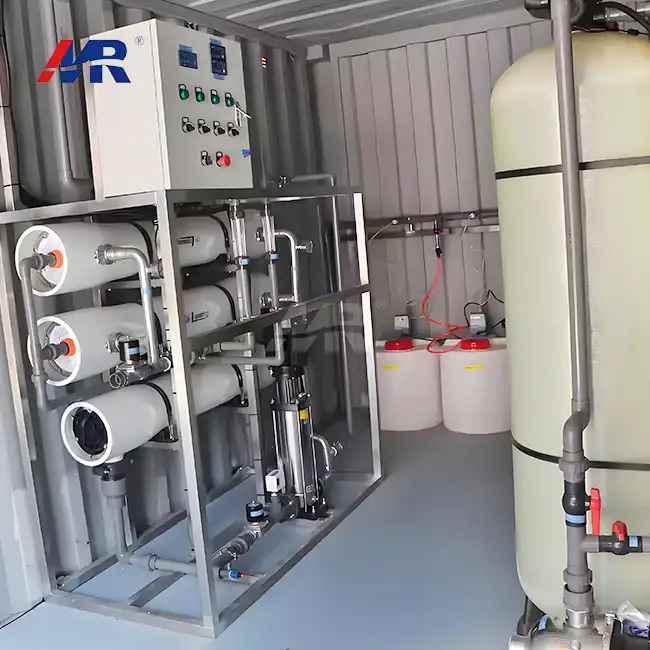 VIEW MOREcontainer 3m3/hour RO equipment
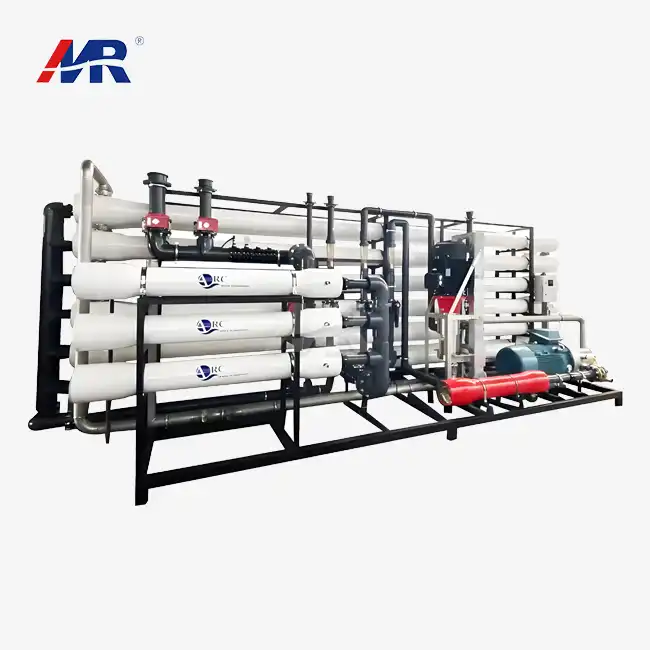 VIEW MORE25m3/hour seawater desalination plant
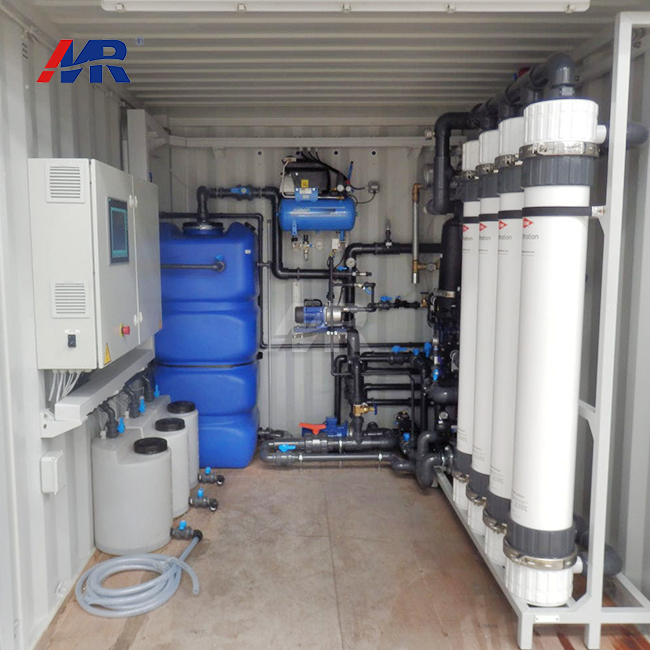 VIEW MOREcontainerized ultrafiltration equipment
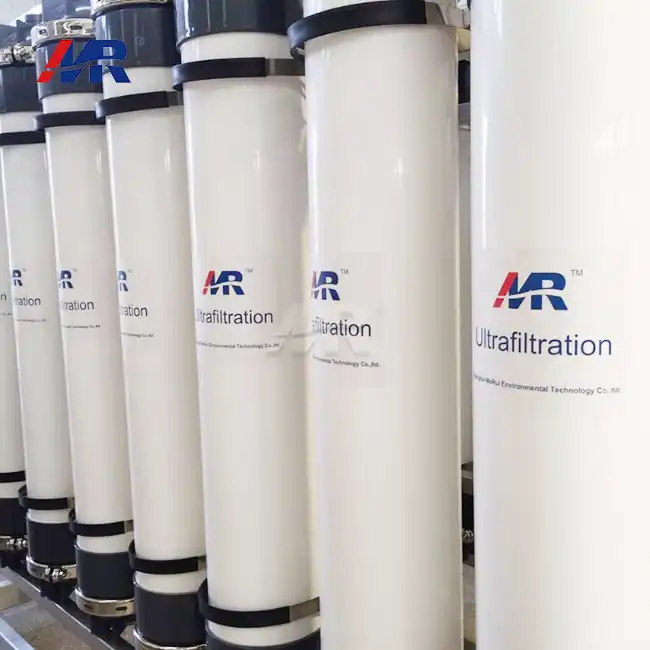 VIEW MORE90T/H ultrafiltration equipment
 VIEW MOREbioreactor wastewater treatment
 VIEW MOREultrafiltration skid
 VIEW MOREreverse osmosis water treatment equipment
 VIEW MOREwaste water treatment plant
