

_1745823981883.webp)

How does RO EDI water treatment work?
EDI water treatment uses both reverse osmosis and electrodeionization to make water that is very pure for use in industries that need it. The RO membranes in this system get rid of dissolved solids and contaminants, and the electrodeionization stage uses ion exchange resins and electrical current to get rid of any leftover ions. The end result is typically high-quality water with conductivity levels below 0.1 μS/cm. This makes it perfect for making medicines, semiconductors, and lab processes that need to regenerate without using chemicals.

Understanding RO-EDI Water Treatment Technology
Putting reverse osmosis and electrodeionization together is a big step forward in the technology used to clean water. This two-step process gets around the problems with single cleaning methods and makes sure that the water is as clean as possible for important commercial uses.
How Reverse Osmosis Functions in the System
The first step in cleaning is reverse osmosis, which uses semipermeable filters to get rid of 95–99% of all the dissolved solids, organics, and particles. High pressure pushes water molecules through these special barriers, but bigger contaminants are turned away. Before the water goes into the electrodeionization module, the RO step usually lowers the water conductivity to 5–20 μS/cm. This makes the ionic load a lot lighter.
The Role of Electrodeionization Technology
Ion exchange resins, selective membranes, and direct current energy are all used together in EDI water treatment technology to make it even cleaner. This process gets rid of any leftover ions that come through the RO stage. This includes carbon dioxide, silica, boron, and other materials that are only slightly charged. Unlike other ion exchange systems, EDI's resins are constantly renewed by an electrical current, so there is no need for chemical renewal processes.
System Integration and Workflow
Our advanced 1-ton-per-hour system shows how these technologies can work together best. The EDI module takes in water that has already been cleaned and has a conductivity of less than 20 μS/cm. Ion exchange membranes and resin beds then work together to get rid of any leftover ions. The plastic is constantly renewed by electric current, which lets ultrapure water leave the system and be used right away. This smooth process keeps operations running smoothly and makes sure that the water quality stays the same.
RO-EDI vs Other Water Treatment Technologies: Making the Right Choice
To choose the right water treatment technology, you need to carefully look at how well it works, how much it costs, and how it needs to be operated. Procurement workers can make better choices that meet their needs when they know how RO-edi systems stack up against other technologies.
Performance Comparison with Traditional Methods
Conventional deionization systems that use mixed-bed resins need to be regenerated with chemicals on a regular basis, which causes downtime and worries about how to handle the chemicals. These problems are solved by RO-EDI devices, which can work continuously without needing chemical renewal. Even though single-stage RO systems can clean water well, they can't get it as pure as is needed for microelectronics or pharmaceuticals, which is why EDI water treatment is needed.
Cost-Effectiveness Analysis
RO-EDI systems usually cost more up front than other technologies, but the money saved over time makes up for the cost. Cost savings are big because less chemical is used, regeneration downtime is removed, and upkeep needs are cut down. Our 1T/H system uses less than 0.1 kWh/m³ and has a recovery rate of more than 90%, which makes it much more energy-efficient than other methods.
Application-Specific Advantages
RO-EDI technology helps different types of businesses in different ways. Pharmaceutical companies like that the method doesn't use any chemicals, which makes approval processes easier and lowers the risk of bioburden. Only mixed RO-EDI systems can get the trace-level purity that semiconductor makers need. This technology is used to keep high-pressure boiler systems from scaling and rusting in power plants.
Key Components and Maintenance of RO-EDI Systems
Understanding the parts of a system and how to maintain it will ensure that it works well and lasts a long time. Following the right upkeep steps will protect your investment and keep the water quality flow steady.
Critical System Components
Several parts of the RO-EDI system are related to each other and work together to produce ultrapure water. High-pressure pumps bring feed water to ro membranes that work at 0.3 to 0.7 MPa. The EDI module has special ion exchange resins and membranes. Control systems keep an eye on factors like conductivity, flow rates, and pressure to make sure that everything works at its best at temperatures ranging from 5°C to 45°C.
Preventive Maintenance Protocols
Regular repair keeps performance levels high and extends the life of a machine. Inspection of the RO membrane stops fouling that could hurt the EDI water treatment process further down the line. EDI units need to be checked electrically on a regular basis to make sure the current flow is correct and the plastic bed is in good shape. Monitoring the quality of the feed water keeps both steps safe from contaminants that could cause scaling or parts to fail before they should.
Troubleshooting Common Issues
When water quality goes down, it usually means that certain parts are having problems that trained techs can quickly figure out. Higher conductivity could mean that there are problems with the EDI water treatment module, while lower flow rates usually mean that the membrane is getting clogged. Our full support network has 20 techs and several service sites so that we can respond quickly to maintenance problems.
Procurement Considerations for RO-EDI Water Treatment Systems
Strategic choices about buying have to balance the need for performance with the limitations of the budget and the skills of the suppliers. Buyers can choose systems that will provide long-term value and dependability by understanding key evaluation factors.
Evaluating Supplier Capabilities
Reputable makers offer a wide range of support services in addition to just selling tools. These include installation, commissioning, and ongoing expert help. With 14 branches, 500 workers, and its own membrane production plant, Guangdong Morui Environmental Technology Co., Ltd. is a good example of this method. Our relationships with top component providers, such as Shimge Water Pumps and Runxin Valves, make sure that the integration of your system is stable and of high quality.
Customization and Scalability Options
Modern EDI water treatment systems can be changed in many ways to meet the needs of different industries. When it comes to space, our 1T/H system's size can be changed to fit your needs while still delivering the best performance. When production needs increase, modular designs let you add more space, protecting your initial investments while giving you working freedom.
Quality Assurance and Certification
For industrial water treatment systems to work reliably in serious situations, they need to meet strict quality standards. Look for providers that offer thorough testing methods, such as Factory Acceptance Tests and Site Acceptance Tests that check performance against set limits. Industry approvals show that a company follows the rules for medicine, semiconductors, and other tough uses.
Environmental and Operational Benefits of RO-EDI Systems
Sustainable methods for treating water are in line with companies' environmental goals and help them run more efficiently. RO-EDI systems provide compelling environmental and economic benefits that justify investment decisions across multiple criteria.
Reduced Chemical Consumption
In traditional ion exchange systems, a lot of acids and caustics are needed to regenerate the resin, which can be bad for the environment and poses safety risks. EDI water treatment gets rid of all chemical renewal, so only electrical energy is needed to keep the plastic working. This method cuts down on the amount of chemicals that need to be stored, gets rid of dangerous waste streams, and makes following the rules easier.
Energy Efficiency and Resource Conservation
Our smart system design makes the best use of resources while having the least amount of effect on the environment. Compared to other systems, the high recovery rate of over 90% cuts down on water waste, and the low power usage of less than 0.1 kWh/m³ cuts down on energy costs and the carbon footprint. These improvements in speed help reach environmental goals while cutting down on costs.
Long-term Economic Advantages
In addition to being better for the earth, RO-EDI systems also save money because they need less upkeep and are more reliable. Continuous operation gets rid of the breaks in production that come with regeneration cycles, and consistent water quality lowers the number of times that sensitive manufacturing processes have to reject Products. These changes to operations directly lead to higher profits and more competition.
Conclusion
RO-EDI water treatment technology is the best way for businesses that need ultrapure water with little impact on the earth to get it. By combining reverse osmosis and electrodeionization, you can get better results than with other methods and avoid the need for chemical renewal. Knowing the parts of a system, how to maintain it, and what to think about when buying it helps buyers make smart choices that meet practical and financial goals. Modern EDI water treatment systems are good for the environment and the economy. They pay for themselves by lowering running costs and making the system more reliable.
FAQ
1. What makes EDI water treatment more effective than traditional ion exchange?
EDI water treatment blends the good things about ion exchange resins with electrical regeneration, so chemical renewal processes are no longer needed. This continual regeneration keeps the resin's efficiency stable and makes water that is purer than water from traditional mixed bed systems. The electrical current breaks up water molecules into H⁺ and OH⁻ ions, which keep the resin beds fresh without stopping work.
2. How does the RO stage protect the EDI module?
The reverse osmosis step gets rid of most of the dissolved solids, organics, and particulate matter before water goes into the EDI module. This preparation keeps EDI membranes from getting clogged and increases the life of the resin by lowering the ionic load. EDI works best when the conductivity of the feed water is less than 20 µS/cm. This also keeps the concentrate tanks from growing.
3. What water quality standards can RO-EDI systems achieve?
Modern RO-EDI systems always make water that meets the standards for ASTM D1193 Type I, ISO 3696, and USP filtered water. Our method gives you water that has a conductivity of less than 0.1 μS/cm, a resistivity of more than 15 MΩ·cm, and a silica amount of less than 5 ppb. The standards for making medicines, semiconductors, and things used in the lab are met by this grade level.
Partner with Morui for Advanced EDI Water Treatment Solutions
Guangdong Morui Environmental Technology Co., Ltd is ready to provide you with EDI water treatment options that are tailored to your business needs. Our all-around method includes designing and installing equipment and providing ongoing support through our 14-branch network and skilled tech team. As a top edi water treatment company, we use our own membrane technology and years of experience putting systems together to make solutions that work well and don't cost too much. Get in touch with our technical experts at benson@guangdongmorui.com to talk about your needs for ultrapure water and find out how our modern 1T/H EDI systems can help you run your business more efficiently.
References
1. American Society for Testing and Materials. "Standard Specification for Reagent Water (ASTM D1193-06)." ASTM International, 2018.
2. International Organization for Standardization. "Water for analytical laboratory use - Specification and test methods (ISO 3696:1987)." Geneva: ISO, 1987.
3. United States Pharmacopeial Convention. "Water for Pharmaceutical Purposes." USP 43-NF 38, 2020.
4. Wood, Jeffrey. "Electrodeionization Technology for Industrial Water Treatment Applications." Industrial Water Treatment Journal, 2019.
5. Chen, Michael and Roberts, Sarah. "Comparative Analysis of Water Purification Technologies in Semiconductor Manufacturing." Microelectronics Processing Review, 2020.
6. Thompson, David et al. "Environmental Impact Assessment of Chemical-Free Water Treatment Systems." Environmental Technology and Management, 2021.
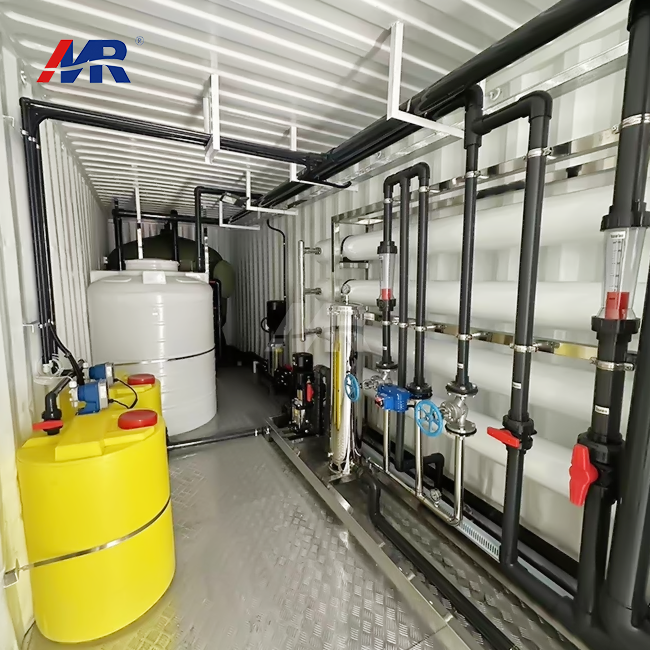 VIEW MOREcontainer reverse osmosis equipment
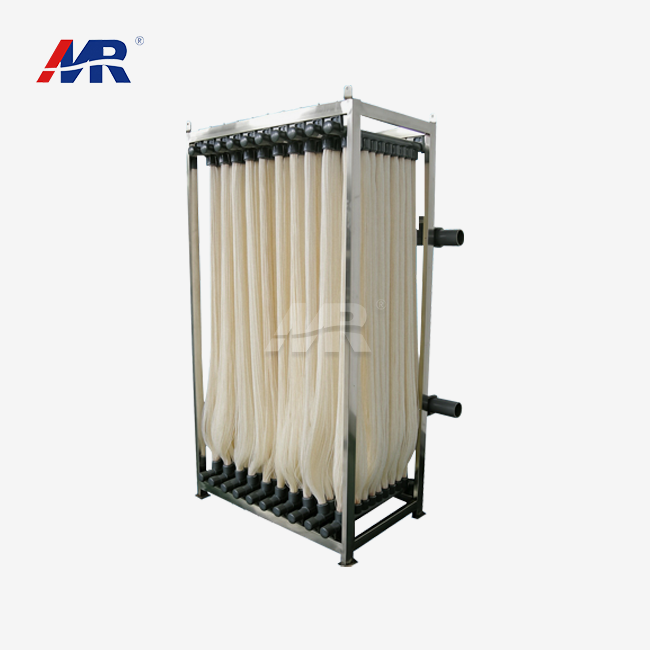 VIEW MOREbiological reactor wastewater treatment
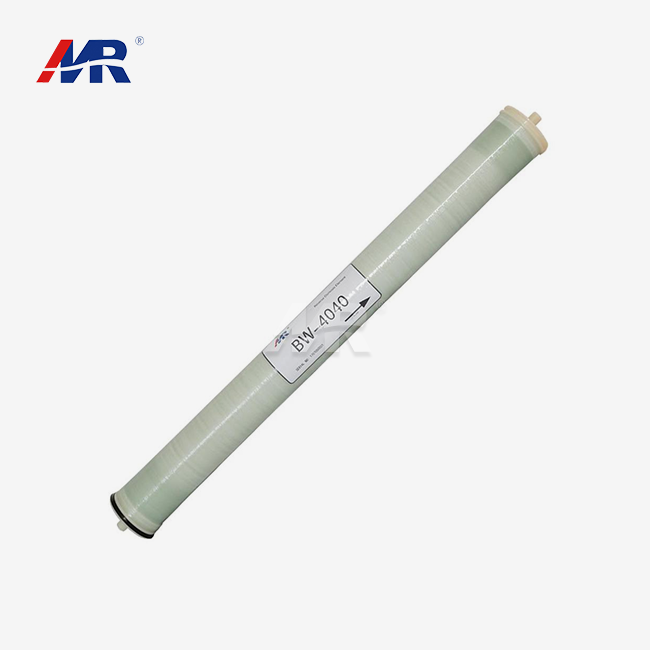 VIEW MOREindustrial ro membrane
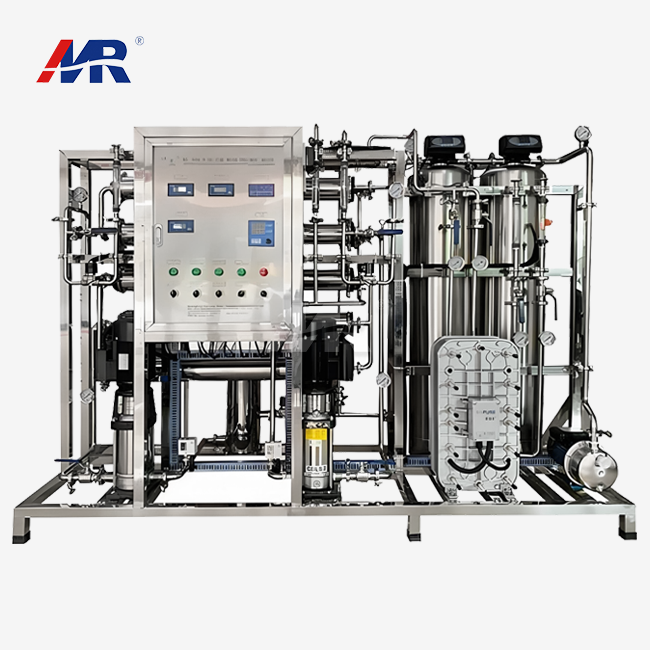 VIEW MOREElectrodeionization system
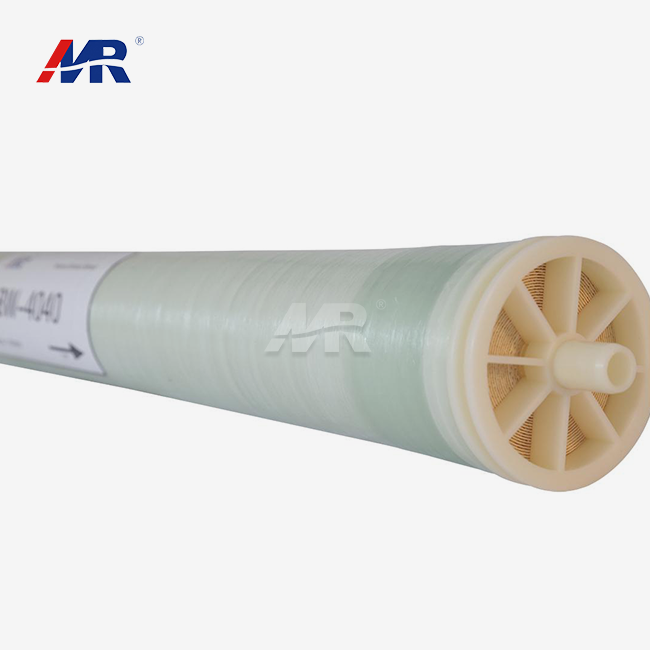 VIEW MOREindustrial reverse osmosis membrane
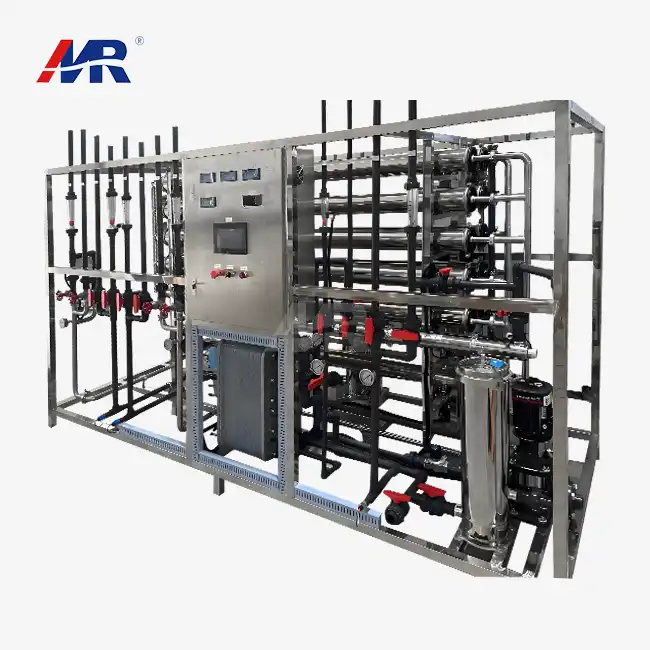 VIEW MORE2000 liters/hour EDI system
 VIEW MOREsewage treatment plant
 VIEW MOREwaste water treatment system
