_1745823981883.webp)

How does UF membrane oily wastewater treatment?
Ultrafiltration technology uses modern membrane filtration systems to change the way dirty wastewater is treated. uf membranes use semi-permeable barriers with hole sizes between 0.01 and 0.1 microns to successfully remove emulsified oils, suspended solids, and small particles from industrial wastewater streams. This process of selective separation works with low pressure but still has a high filtration efficiency. This makes it perfect for businesses that have to follow strict rules for water recycling and release.
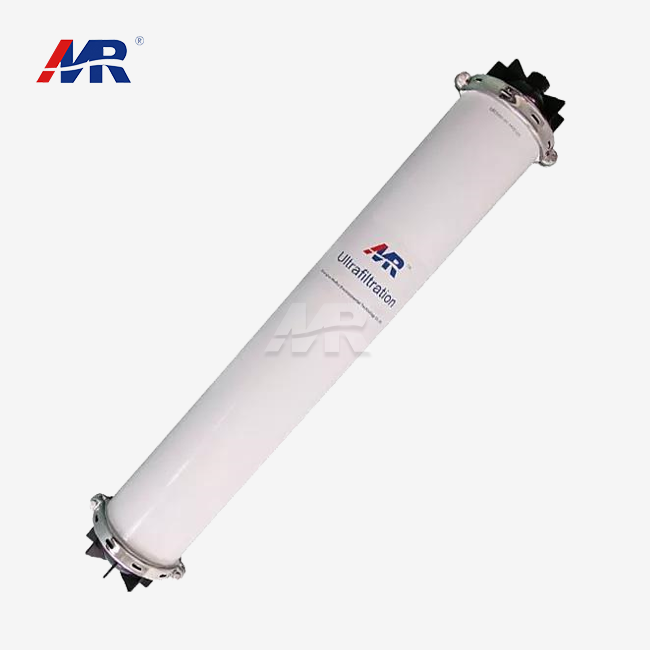
Understanding UF Membrane Technology in Oily Wastewater Treatment
Ultrafiltration membrane technology is a big step forward in treating industrial water, especially for places that have to deal with wastewater that is stained with oil. UF membranes work like molecular sieves, letting water and dissolved salts pass through but blocking bigger molecules and particles. This is how the basic concept works.
Physical Separation Mechanism
Through a cross-flow arrangement, the sorting process takes place at the molecular level. Under controlled pressure (usually 0.1 to 0.3 MPa), oily wastewater flows into the membrane module. The surface of the membrane collects oil drops, grease particles, and solids that are floating in the water. The holes of the barrier let clean permeate water through, but contaminants that are more concentrated stay on the feed side.
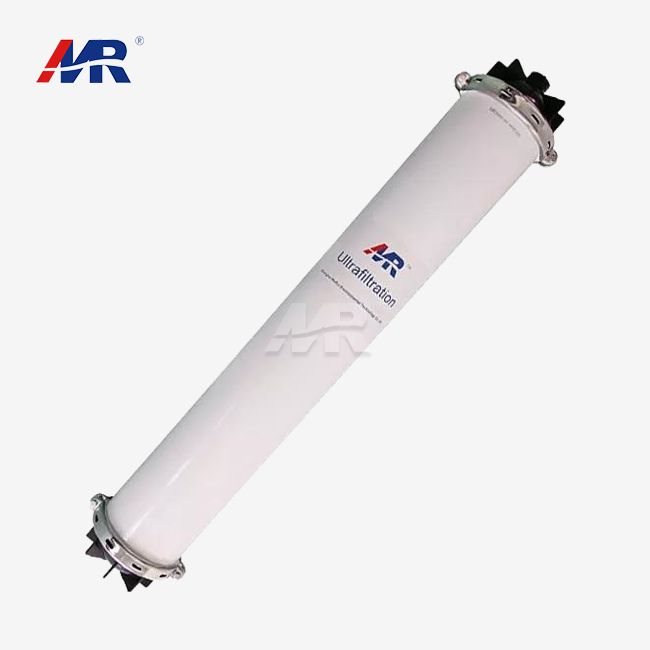
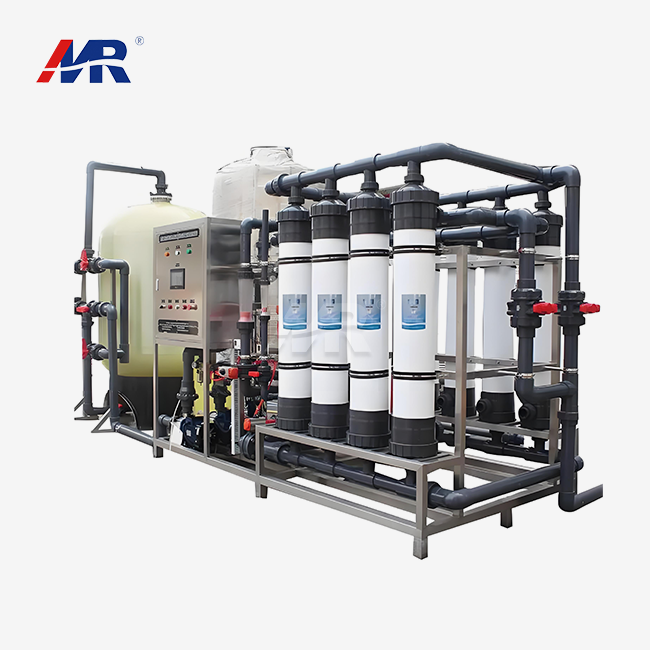
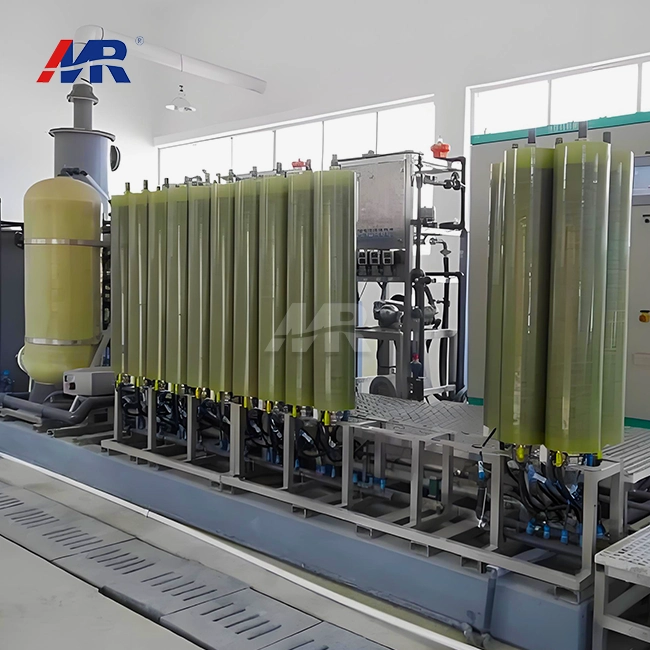
This physical barrier method gets rid of the need for chemical agents in many situations, which lowers costs and has a smaller effect on the environment. The hollow fiber design makes the most of the surface area contact, which makes it possible to treat large volumes efficiently while keeping the system's footprint small enough to fit in industrial buildings with limited room.
Advanced PVDF Membrane Materials
Modern ultrafiltration systems use polyvinylidene fluoride (PVDF) membranes, which are very resistant to chemicals and stable at high temperatures. The pH ranges from 2 to 11, and the temperature ranges from 2 to 40°C. These membranes work well with a variety of industrial wastewater types.
Compared to other types of filter media, PVDF membranes are less likely to get dirty because their surface is hydrophilic. This feature makes the membrane last longer while keeping flux rates steady between 40 and 100 L/m²/h, making sure of stable performance throughout operating cycles.
Challenges and Solutions in Applying UF Membranes for Oily Wastewater
There are many practical problems with industrial wastewater treatment that need systematic answers. Knowing about these problems helps facility managers come up with good treatment plans that keep operations running smoothly and improve system performance.
Membrane Fouling Management
The biggest problem with treating dirty wastewater is that oil and grease tend to build up on the membranes. Fouling lowers flow rates and raises transmembrane pressure, which eventually impacts the effectiveness of treatment and the membrane's lifespan.
Using full cleaning-in-place (CIP) methods, which include chemical cleaning and automated backwashing processes, can help with fouling issues. Backwashing regularly changes the direction of flow, which removes particles that have built up on barrier surfaces. When backwashing doesn't work, alkaline and acidic cleaning methods get rid of tough oil buildup and get the membrane working again.
For keeping UF membranes in good shape in dirty wastewater situations, the following cleaning methods work best:
- Routine backwashing: done every 30 to 60 minutes during operation to stop dirt that can't be cleaned up.
- Chemical-enhanced backwash: cleaning once a week with low-concentration cleaning agents
- Intensive chemical cleaning: a deep clean once a month using special formulas
- Air scouring: A physical way to clean that makes cleaning more effective.
These preventative steps greatly increase the service life of the membranes while keeping the treatment performance stable in a wide range of wastewater conditions.
Wastewater Composition Variability
Changes in production schedules, changes in raw materials, and the seasons can all cause changes in the makeup of wastewater at industrial sites. These differences affect how well the treatment system works and require flexible operating methods.
Adjusting the pH, coagulation, and flotation steps in pre-treatment optimizes the quality of the feed water so that the makeup doesn't change. Dissolved air flotation systems get rid of free oils and big solids that are suspended in the fluid before ultrafiltration. This lowers the load on the membrane and makes the operating cycles longer.
Comparing UF Membranes with Other Membrane Technologies in Wastewater Treatment
Knowing the pros and cons of each type of filter method is important for choosing the right membrane technology. Each method has its own benefits that depend on the goals of treatment and the features of the wastewater.
UF versus Reverse Osmosis Systems
When compared to ultrafiltration systems, reverse osmosis systems get rid of more contaminants, but they need much higher working pressures (2–7 MPa). RO is good at getting rid of dissolved pollutants like salts and small organic molecules, but it uses a lot of energy, which makes the process much more expensive.
UF membranes are great for cleaning water where suspended solids and mixed oils are the main contaminants. They use less energy and have flow rates 5–10 times higher than RO systems. The lower pressure needs mean that the pump uses less energy and the system is easier to build.
Microfiltration Technology Comparison
Microfiltration (MF) membranes have bigger pores (0.1 to 10 microns) that get rid of bigger particles but let smaller oil drops and colloids pass through. To meet release standards, this limitation means that extra cleaning steps or chemical pretreatment are needed.
Ultrafiltration is between microfiltration and nanofiltration. It gets rid of most particles while still using a fair amount of energy. The pores that are 0.01-0.1 microns in size are good at catching mixed oils that microfiltration systems miss.
Economic Considerations
The study of the total cost of ownership shows that ultrafiltration systems have big benefits in situations where dirty wastewater needs to be treated. Better economic results are caused by using less energy and chemicals and making preparation requirements easier.
Ultrafiltration systems usually have capital equipment costs that are 20–30% cheaper than similar RO setups. This is because they don't need as much pressure and have simpler pump configurations. Operating costs stay lower throughout the lifespan of the system. This is especially true in high-volume apps where energy use is a big cost factor.
Procurement Considerations for UF Membranes in Oily Wastewater Treatment
To buy a membrane system successfully, you need to carefully look at the technical specs, the supplier's skills, and the long-term support services they offer. Understanding the factors for choosing keys is important for making sure that the system works well and reliably.
Technical Specification Requirements
Accuracy in membrane hole size has a direct effect on how well things separate and how well they are treated. UF membranes that have a stable pore size distribution work in the same way every time. Protocols for verification tests should make sure that the membrane's specs meet the needs of the application.
Chemical compatibility is very important in industrial settings where wastewater may contain strong chemicals or very high or low pH levels. PVDF membrane materials are more resistant to chemicals than cellulose acetate or polysulfone options. This means they will last longer in harsh settings.
When buying something, the following basic factors need to be carefully considered:
- Membrane flux capacity: Making sure there is enough cleaning capacity for high-flow conditions
- Pressure tolerance: Making sure that the operating pressure ranges work with the way the system is designed
- Temperature stability: checking how well it works when temperatures change, as predicted
- Chemical resistance: making sure it works with process fluids and cleaning chemicals
These standards have a direct effect on how well the system works and how reliable it is during its entire lifecycle.
Supplier Assessment Criteria
Partnerships with reliable suppliers are necessary for the installation and ongoing use of a membrane system to go smoothly. Having full professional support, such as help with system design, commissioning services, and troubleshooting skills, makes buying choices much more valuable.
Manufacturing quality standards and licensing compliance show that a provider is dedicated to providing consistent quality Products. ISO 9001 certification and industry-specific quality management systems make sure that production processes are reliable and that products are always the same.
Customization and Integration Options
In industrial settings, membrane designs often need to be changed to fit specific room limitations, flow needs, and the need to work with existing treatment infrastructure. Suppliers who offer a range of design choices and tech help make it easier to carry out projects without any problems.
As the number of people who need care increases, modular system designs let the capacity grow in stages. This protects the initial investment while allowing for future needs. Standard module connections make upkeep easier and cut down on the need to keep extra parts on hand.
Future Trends and Innovations in UF Membrane Oily Wastewater Treatment
Advances in materials science, process improvement, and the combination of membrane technology with other treatment technologies are all changing the face of membrane technology all the time. Knowing about these trends helps rehab centers make plans for long-term success.
Advanced Membrane Materials
Nanocomposite membrane creation uses special nanoparticles that make the membrane less likely to get clogged and better at separating things. Changes to titanium dioxide and graphene oxide make surfaces that clean themselves, which means they need less upkeep and can last longer.
Anti-fouling coats are added to membranes during production to make them more resistant to oil sticking to them and bacterial growth. These surface changes keep flux rates higher during operating cycles while lowering the number of times the surface needs to be cleaned and the amount of chemicals that need to be used.
Process Integration Opportunities
Ultrafiltration and biological treatment methods work together to make synergistic treatment systems that get rid of contaminants better and cost less to run. In membrane bioreactor (MBR) designs, extra clarifiers are not needed because the waste is of high quality and can be used again.
Using advanced oxidation processes (AOP) together with other methods lets you fix organic molecules that are hard for living things to break down. UF membranes are like polishing steps that get rid of oxidation leftovers and keep the quality of the effluent stable.
Automation and Smart Monitoring
Digital tracking systems give real-time information about how things are working, which lets repair plans be more accurate and cleaning rounds be more effective. Machine learning algorithms look at operational trends to guess when fouling will happen and suggest ways to stop it.
Expert Technical support teams can figure out what's wrong with a system and give advice without having to visit the site. This cuts down on downtime and makes the system more reliable overall. These technological developments make operations more efficient and lower the costs of long-term maintenance.
Conclusion
Ultrafiltration membrane technology has been used successfully in many industrial settings to treat dirty wastewater. The combination of effective contaminant removal, energy efficiency, and operational reliability makes UF membranes an attractive choice for facilities seeking sustainable treatment options. When you know about the technical skills, operational difficulties, and procurement issues, you can make smart decisions that improve treatment performance while lowering lifecycle costs. As technology continues advancing through materials innovation and process integration, ultrafiltration systems will play increasingly important roles in industrial water management strategies.
FAQ
1. What contaminants can UF membranes effectively remove from oily wastewater?
Ultrafiltration screens are very good at getting rid of bacteria, mixed oils, and particles bigger than 0.01 microns. They are good at catching oil drops, grease particles, and finely suspended matter, but they let salts that have been dissolved and smaller molecules pass through. But hydrocarbons that are dissolved and very small organic molecules might need more cleaning steps.
2. How often do UF membranes require cleaning in oily wastewater applications?
How often you clean relies on the type of trash and how the business is running. Backwashing is usually done every 30 to 60 minutes while the machine is running, and chemical cleaning may be needed once a week to once a month. Systems that treat highly dirty wastewater might need to be cleaned more often to keep working at their best.
3. What is the expected lifespan of UF membranes in industrial wastewater treatment?
If you keep your UF membranes in good shape, they should last between 3 and 5 years in dirty wastewater situations. Lifespan varies based on things like the type of garbage, working conditions, how well the cleaning procedure is followed, and the quality of the membrane. Regular care and the right way to clean membranes greatly increase their useful life.
4. Can UF membrane systems handle varying oil concentrations in wastewater?
Modern ultrafiltration systems can handle different amounts of oil because their working settings can be changed, and their cleaning processes are automatic. However, very high oil concentrations might need preparation like dissolved air flotation to keep the process stable and stop the membrane from fouling up quickly.
Partner with Morui for Advanced UF Membrane Solutions
Guangdong Morui Environmental Technology delivers comprehensive ultrafiltration solutions specifically designed for challenging oily wastewater treatment applications. Our advanced hollow fiber UF membranes featuring PVDF construction provide superior chemical resistance and extended operational life compared to conventional alternatives.
With over 500 employees, 20 specialized engineers, and our own membrane manufacturing facilities, Morui can provide full turnkey solutions from initial system design through commissioning and ongoing support. Our UF membranes supplier capabilities include custom configuration options, competitive bulk pricing, and comprehensive technical support services.
Experience the Morui difference by looking at our track record across 14 area offices that serve a wide range of industrial sectors. Get in touch with our expert team at benson@guangdongmorui.com to talk about your specific wastewater treatment needs and find out how our creative solutions can improve the performance of your facility's treatment while lowering its costs.
References
1. Cheryan, M. (2018). Handbook of Ultrafiltration and Microfiltration: Membrane Science and Technology Series. CRC Press.
2. Li, K. (2019). Principles and Uses of Advanced Membrane Technology for Treating Wastewater. It's in the Water Science and Technology Journal (45(3), 123–145).
3. Zhang, H., & Wang, J. (2020). An analysis of the performance of PVDF membranes in treating oily wastewater. Review of Industrial Water Treatment, 32(7), 89–104.
4. Chen, S., Liu, M., & Brown, R. (2021). An analysis of the costs and benefits of using ultrafiltration systems to clean up industrial wastewater. Science of Environmental Engineering, 28(12), 201-218.
5. Ahmed, K., and Thompson, L. (2022). Controlling fouling in systems that use membranes to treat oily wastewater. 15(4), 67–82 in Membrane Technology International.
6. Sanchez, M., Kim, Y., & Wilson, D. (2023). New developments in ultrafiltration membrane materials that help separate oil and water better. Cell Membrane Science and Applications, 41(9), 156–171.