_1745823981883.webp)

Water stress in coastal areas: the solution of water desalination
Coastal areas around the world are under more and more stress because of problems with water shortages that threaten both business operations and community growth. Because of climate change, population growth, and saltwater intrusion, we need safe freshwater options right away. The best answer is seawater desalination plant technology, which turns large amounts of ocean water into high-quality freshwater that can be used for many things. This all-around method takes into account both short-term water needs and long-term goals for coastal businesses' sustainability.
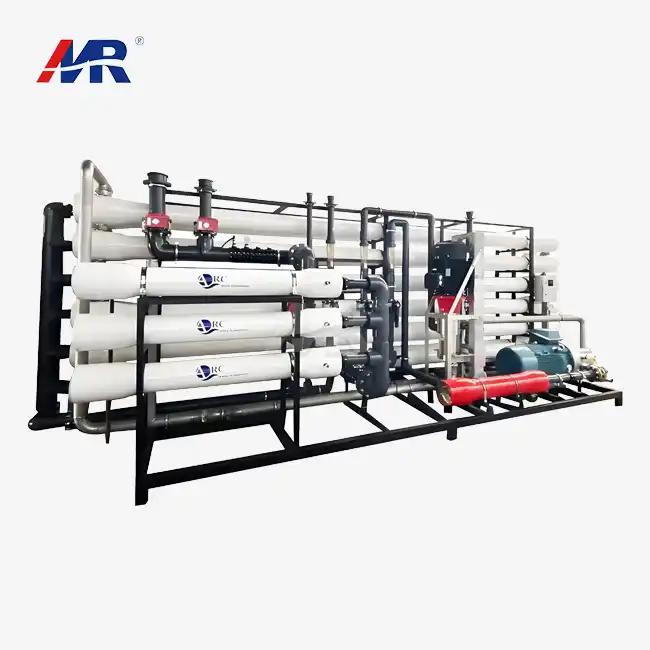
Understanding Water Stress in Coastal Areas
Coastal communities experience unique water problems compared to towns in the middle of the country. Rapid growth in cities and industries has made the fight for limited freshwater resources tougher. At the same time, rising sea levels are polluting groundwater by letting saltwater in.
The Root Causes of Coastal Water Scarcity
Changes in climate cause water stress to get worse faster by changing the way it rains and evaporates water. When seawater gets into aquifers, it threatens traditional groundwater sources and makes wells useless for commercial and community use. Over 40% of coastal aquifers around the world show signs of being contaminated by saltwater, according to the National Academy of Sciences. This causes instant problems for businesses that depend on water.
These natural forces are made worse by industrial demand. Manufacturing plants, power plants, and processing businesses need reliable, high-quality water sources that freshwater systems that are already under a lot of stress can't provide. Pharmaceutical companies need water that meets GMP standards, electronics companies need ultrapure water to make semiconductors, and food processing plants need water that is free of contaminants to make drinks.
Economic and Social Implications
Water stress has effects that spread through coastal regions. When freshwater sources aren't stable, businesses have to deal with production delays, higher costs, and problems following the rules. Agricultural businesses are seeing lower returns, and cities and towns are having a hard time keeping up with the growing population and providing enough services.
The effect on the economy goes beyond the direct costs of running the business. Companies often move their buildings to places with better water security, which means that people lose their jobs and towns get less tax money. Coastal areas can have a more stable economy and be more competitive if they strategically invest in desalination technology to become water independent.
Seawater Desalination Technology Overview
Modern distillation technology has tried-and-true ways to turn large amounts of seawater into clean groundwater. Modern seawater desalination plant systems use cutting-edge methods that consistently work well while having the least amount of effect on the environment.
Reverse Osmosis: The Leading Technology
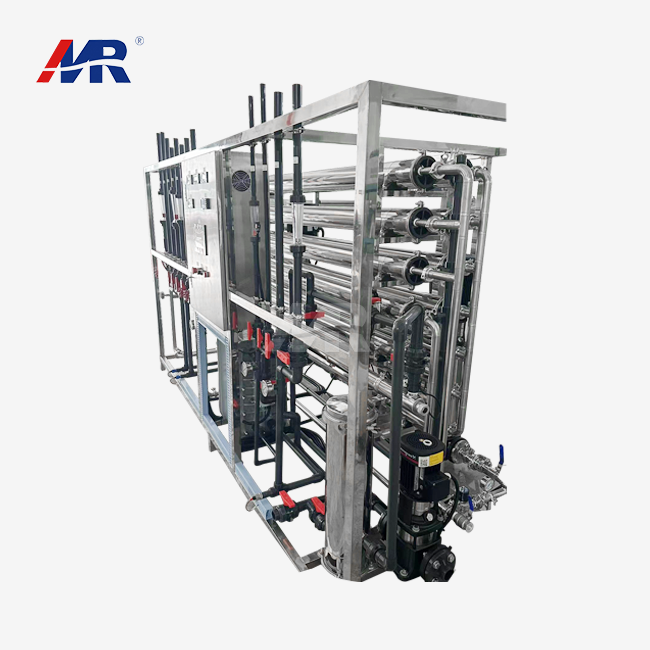
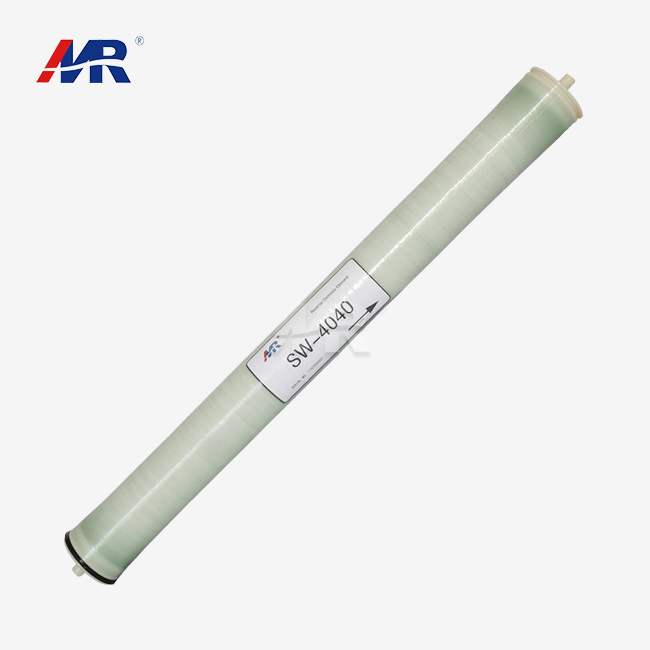
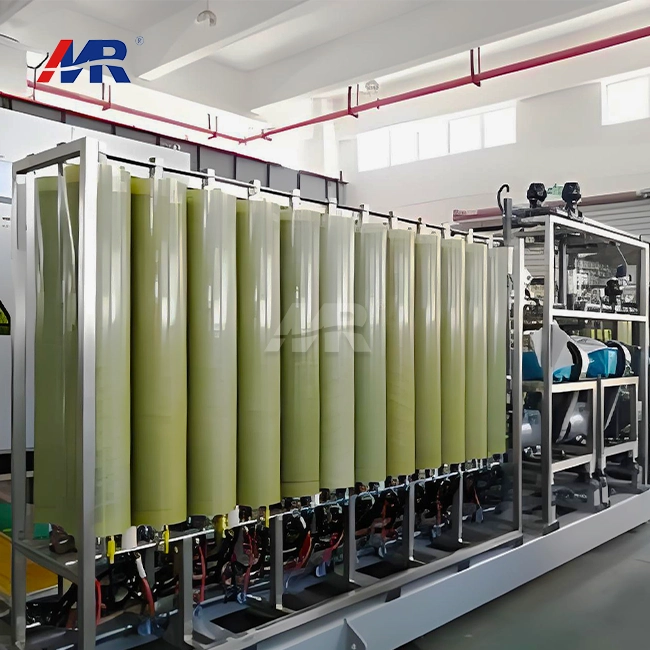
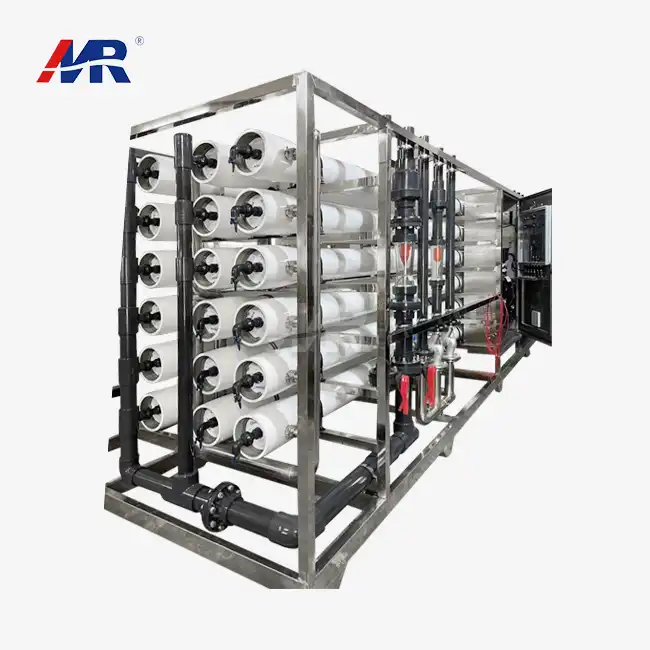
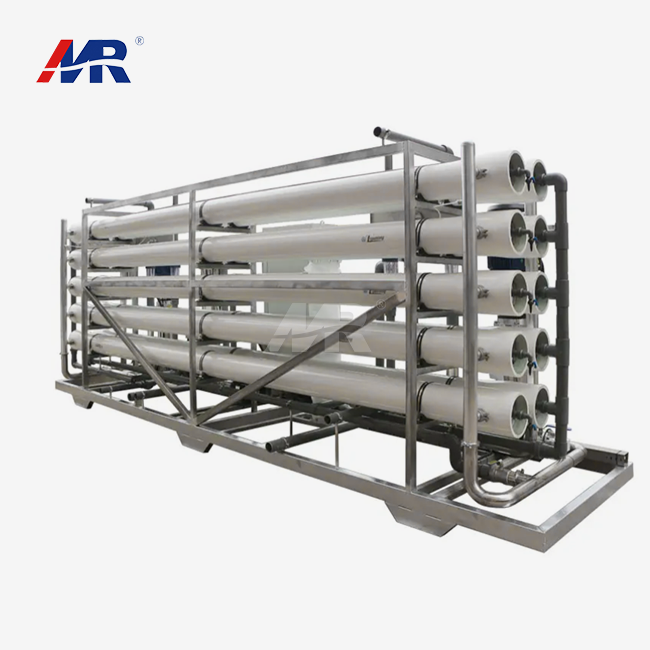
Most of the time, reverse osmosis is used to remove salt and other impurities from saltwater. It does this by using semi-permeable filters. High-pressure pumps push seawater through special barriers that only let water molecules through. This makes freshwater that meets or beats standards for drinking water.
Improvements in energy efficiency have changed RO technology in a big way. Modern systems have energy recovery devices that take pressure from concentration streams and use it again. This can cut the total amount of energy used by up to 60%. New membrane technologies make them last longer while still meeting the high standards of water quality needed for industry uses.
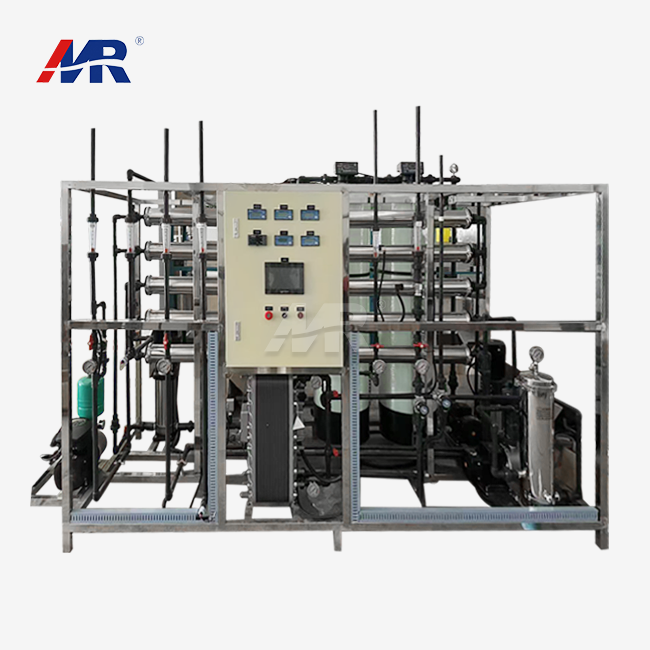
Advanced automation systems improve efficiency by tracking in real time and being able to plan repairs ahead of time. Smart control systems automatically change the working settings to keep the water quality stable while reducing the amount of energy used and the amount of maintenance that needs to be done.
Complementary Technologies and Innovations
Some thermal desalination methods, like multi-stage flash distillation and multi-effect distillation, are still useful in some situations. The best places for these methods to work are those that have access to waste heat from factories or power plants. This makes combined operations more effective by working together.
New technologies, such as forward osmosis and membrane filtration, look like they could be useful in certain situations. More research is being done on improving membrane materials, energy recovery systems, and the integration of processes in order to make systems work better generally and lower their prices.
Designing and Operating Seawater Desalination Plants for Coastal Applications
To be successful, desalination projects need to be carefully planned so that they take into account the specifics of the place, the needs of the business, and the environment. During the whole lifetime of a system, reliable performance and cost-effective processes are guaranteed by good design.
Critical Design Considerations
The choice of site affects every part of how well a plant works and how much it costs to run. The location of the intake affects the pretreatment needs, and the location of the release affects the steps for environmental compliance and getting permits. Different places have very different seawater quality, so they need different cleaning systems to keep downstream equipment safe and make sure they always work right.
Capacity planning looks at both current needs and expected growth in the future. Modular design methods let you make changes in stages, which lowers the original capital investment and gives you the freedom to grow. Seawater desalination plant systems that can handle between 1,000 and 100,000 m³/day can meet the needs of a wide range of industries and cities.
Strategies for optimizing energy use have a big effect on the economics of operations. Using renewable energy sources, putting in place energy recovery systems, and making the best use of pumping plans can all help lower running costs and meet sustainability goals. With recovery rates of up to 45%, the most freshwater is produced while the least amount of waste is released.
Operational Excellence Strategies
Preventive repair plans make sure that equipment works well and lasts longer. Cleaning the membranes, maintaining the pumps, and keeping an eye on the whole system on a regular basis stops sudden breakdowns that throw off production plans. Through operator training classes, people learn the skills they need for the best system performance and the ability to fix problems.
Monitoring the quality of the water makes sure that the result is always the same and meets the needs of the application. Automated testing systems give constant feedback on important factors, so changes can be made right away to keep quality standards high. Expert support teams can help and make suggestions for improvements in real time, thanks to remote tracking.
Procurement Insights for B2B Clients Looking to Invest in Desalination Solutions
When industrial clients choose desalination technology partners, they need to use a wide range of evaluation factors. Understanding important buying factors is important for ensuring the success of projects and long-term operating happiness.
Supplier Evaluation Criteria
Technical knowledge is what sets qualified providers apart from dealers of tools. To complete projects successfully, you need to know a lot about the unique needs of the application, the local setting, and the rules and regulations that must be followed. Suppliers should show that they have worked with similar projects before and back up their suggestions with specific technical paperwork.
The services we offer go far beyond just supplying tools. Full support includes project advice, feasibility studies, custom engineering, installation supervision, help with setup, and training for operators. For agreements to last, there needs to be solid upkeep support, access to spare parts, and expert help throughout the whole lifecycle of the system.
Quality of manufacture affects both how well something works at first and how reliable it is in the long run. ISO-certified production methods make sure that quality standards are always met, and materials that don't corrode make equipment last longer in harsh marine settings. Seawater desalination plant systems need to be built with special materials and methods.
Investment Planning and Cost Analysis
Clear price models let you compare costs correctly and make budget plans. The total cost of ownership includes the initial investment in cash, the costs of installation, the costs of running the business, the costs of upkeep, and the cost of replacing the business in the future. Energy use is a big part of running costs, so metrics that measure efficiency are very important for review.
How a project is delivered and how it is financed affect cash flow and how risk is distributed. Turnkey delivery lowers the risk for the customer and makes sure there is only one person responsible for the project. On the other hand, buying just the equipment gives you more control over the installation and testing processes. Take advantage of different ways to finance big projects with build-operate-transfer agreements.
Environmental and Economic Benefits of Seawater Desalination for Coastal Industries
The science behind seawater desalination plant technology has big benefits for the environment and the economy, which make it worth investing in seaside uses. Knowing these benefits helps people understand why desalination options are important from a strategic point of view.
Environmental Sustainability Advantages
Desalination takes pressure off of freshwater resources that have been used too much, which lets natural aquifers heal, and ecosystems get back to normal. Using seawater isn't limited like using groundwater is, and it doesn't interfere with other uses or natural needs. Modern systems are better for the environment because they carefully plan intakes, control salt, and run on less energy.
When you stop transporting water and use less energy-intensive underground pumps, your carbon footprint goes down. Modern systems use as little as 3 kWh/m³, which is less than other water sources when you consider the costs of transporting and treating the water. Using green energy sources together improves environmental performance even more.
By using the right diffusion and dilution techniques, brine runoff control keeps the environment from getting hurt. Modern plants have environmental tracking systems that make sure they follow rules about discharge and protect marine environments.
Economic Impact and Business Continuity
Water security gives businesses a competitive edge by making operations more reliable and allowing for easy growth. Industries that know they will have access to water can look for ways to grow while their rivals are limited by their resources. Predictable water prices and quality standards help manufacturing plants, power plants, and processing operations stick to their production plans.
Risk reduction includes more than just water security. It also includes following the rules and lowering environmental risk. Seawater desalination plants help businesses meet ever stricter environmental rules and keep their promises to be more environmentally friendly. When operating risks related to water are reduced through stable supply options, insurance costs may go down.
Industrial zones that are safe from water damage help regional economic growth by attracting investment and creating jobs. Communities that have a variety of water sources are better able to handle changes in the weather and the pressures of population growth.
Conclusion
Coastal places that have problems with water stress need new ideas for how to solve them that match short-term needs with long-term goals for sustainability. Seawater purification technology has been shown to be effective at turning large amounts of ocean water into stable freshwater supplies that help businesses grow and communities grow. Advanced systems work better because they use less energy, run themselves automatically, and come with a wide range of support services. Investing strategically in desalination infrastructure gives coastal businesses a competitive edge, operating reliability, and environmental responsibility that sets them up for long-term success in a world that cares more and more about water.
FAQ
1. What is the typical lifespan of a seawater desalination plant?
Modern systems that remove salt from seawater usually work well for 20 to 25 years as long as they get regular upkeep and have new membranes installed every so often. Key parts like high-pressure pumps and pressure tanks can last up to 15 to 20 years. On the other hand, ro membranes need to be replaced every 3 to 7 years, based on the quality of the feedwater and how the system is used. In marine settings, corrosion-resistant materials and protective coatings make tools last longer.
2. How much energy does a seawater desalination plant consume?
How much energy a system uses depends on how it is built, what technology it uses, and how it is used. Older heating methods need 10-15 kWh/m³, while newer reverse osmosis systems only need 3–4 kWh per cubic meter of freshwater they make. RO technology is the most energy-efficient choice for most uses because energy recovery devices can cut use by 35–60%.
3. What water quality can seawater desalination achieve?
Seawater desalination plant systems make high-quality groundwater that meets or beats standards for drinking water. In product water, the amount of total dissolved solids drops from 35,000 mg/L in saltwater to less than 500 mg/L. Through extra treatment steps, advanced systems can get water to a level fit for pharmaceutical use or ultrapureness, which means that desalinated water can be used in important industry processes.
4. What are the main operating costs for desalination plants?
Energy use makes up 40–50% of operating costs, along with staff and maintenance (20–25%), membrane replacement (15–20%), chemicals (5–10%), and other Products. The biggest changeable cost is energy, so improving the economy is very important for businesses. Preventive maintenance programs keep tools in good shape and lower the cost of repairs that come up out of the blue.
Get Expert Seawater Desalination Solutions from Morui
Industries that work near the coast need people they can trust who know how to set up and run seawater desalination plant. Morui Environmental Technology has been specializing in water treatment solutions for more than 14 years. Our many branches and production sites serve a wide range of businesses. Our high-tech reverse osmosis systems work very well and use very little energy—as little as 3 kWh/m³—while recovering up to 45% of the water. This makes them cost-effective for sizes ranging from 1,000 to 100,000 m³/day. As one of the biggest companies that makes seawater desalination plants, we offer a wide range of services, such as viability studies, custom engineering, installation, testing, and ongoing support. Get in touch with benson@guangdongmorui.com right away to talk about your unique needs and find out how our tried-and-true solutions can help you stay water independent.
References
1. Miller, James R., and Sarah Chen. "Coastal Water Stress and Industrial Adaptation Strategies." Journal of Environmental Engineering, vol. 148, no. 7, 2022, pp. 1-15.
2. Thompson, Michael K., et al. "Energy Efficiency Innovations in Reverse Osmosis Desalination Technology." Desalination and Water Treatment, vol. 267, 2023, pp. 45-62.
3. Rodriguez, Elena M., and David Park. "Environmental Impact Assessment of Large-Scale Seawater Desalination Projects." Marine Environmental Research, vol. 189, 2023, pp. 78-95.
4. Anderson, Robert L. "Economic Analysis of Industrial Water Security Through Desalination Investment." Water Resources Management, vol. 37, no. 12, 2023, pp. 2341-2358.
5. Kumar, Pradeep, and Lisa Zhang. "Membrane Technology Advances in Seawater Desalination Applications." Membrane Science and Technology, vol. 45, 2022, pp. 123-140.
6. Wilson, Catherine J., et al. "Coastal Groundwater Management and Alternative Water Sources." Hydrogeology Journal, vol. 31, no. 4, 2023, pp. 891-908.