

_1745823981883.webp)

Best Leased Water Treatment Systems for Manufacturing Operations
When looking for the best water treatment systems for manufacturing operations, leasing stands out as a smart move that can help with both budget concerns and operating freedom. Leasing water treatment solutions lets makers use cutting-edge technology while keeping their cash for main business tasks. These systems effectively get rid of contaminants from different types of wastewater, such as industrial effluents and leftovers of manufacturing. This makes sure that the water quality stays high enough to meet strict production standards across all manufacturing sectors.
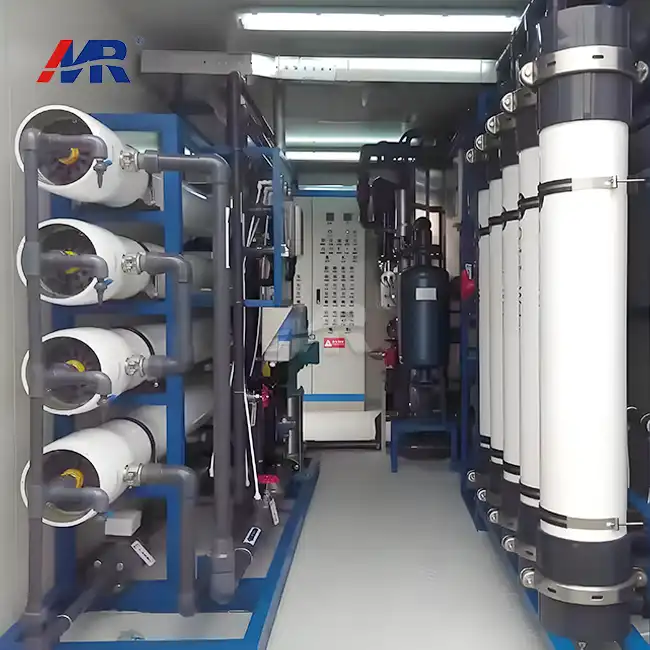
Introduction
Water cleaning is an important part of modern industry because it affects the quality of Products, the life of equipment, and compliance with regulations across all industries. Leasing water treatment systems is a smart business move for manufacturing companies because it saves them a lot of money because they don't have to pay for big capital purchases up front and gives them instant access to advanced, flexible technologies that change with the needs of the industry.
Leasing turns big capital costs into reasonable operating costs, which makes it easier to handle cash flow and give you more financial options. This method helps with sustainability efforts by making sure that people can use the newest water cleaning technologies without having to worry about their tools becoming obsolete. Comprehensive maintenance packages that are usually included in lease deals help manufacturing sites have less downtime. This makes running costs more predictable, which makes budgeting easier.
The benefits go beyond saving money; they also include operating flexibility that lets makers change the size of their water treatment plants as production needs change. Strategic leasing relationships give B2B procurement workers access to expert Technical support, regular system updates, and compliance help, all of which improve the speed of manufacturing while keeping up with changing environmental rules.
Understanding the Needs of Manufacturing Operations for Water Treatment
Manufacturing processes in many different industries face difficult water quality issues that have a direct effect on how well they work and how well the products they make are made. Common contaminants that can affect how well equipment works and how well products meet standards are heavy metals, suspended solids, organic compounds, and chemical leftovers. Companies that make food and drinks need water that meets high hygiene standards. Companies that make medicines need ultrapure water that meets good manufacturing practice rules.
Not properly treating water has effects that go beyond instant operating issues. It can also cause problems with regulatory compliance, which can lead to expensive fines and production shutdowns. Ultrapure water is needed for precise cleaning processes in electronics and chip production. Chemical manufacturing, on the other hand, needs special treatment to deal with complex effluent streams carrying a wide range of contaminants.
Leasing water treatment systems solves these problems by giving companies access to specialized technologies that are made to fit their needs. Capital expenses can be turned into operating costs, which helps makers better use their resources while still having access to cutting-edge treatment possibilities. A lot of the time, lease deals include performance guarantees and upkeep services that keep the water quality stable without the need to develop your own skills.
Leasing arrangements are flexible, which lets makers react quickly to changes in production needs or government rules. Leasing systems gives you the freedom to keep your water treatment working at its best without having to make big investments or take on a lot of technical risk, whether you're expanding your business or switching to new product lines.
Criteria for Selecting the Best Leased Water Treatment Systems for Manufacturing
To choose the best leased water treatment options, you must first do a full analysis of your industrial water needs. This includes precisely figuring out the daily treatment amounts, flow rates, and specific contaminant removal goals. Usually, factories need systems that can handle between 50 and 10,000 cubic meters of waste every day and get rid of up to 99% of biological oxygen demand, chemical oxygen demand, and total dissolved solids.
Performance measures are very important when choosing a system. For example, energy consumption rates of 0.3 to 0.5 kilowatt-hours per cubic meter are considered to be the best in the business. Small designs make the best use of space, and fully automated systems that can be monitored from afar reduce the need for operating control and guarantee consistent performance.
Here are the essential technical specifications to evaluate when selecting leased treatment systems:
- Treatment capacity matching - Systems must match current and planned production levels while also being able to grow in the future.
- Removal efficiency standards—Meeting 99% removal rates for key contaminants is necessary to follow environmental laws and meet product quality standards.
- Energy performance optimization—Utilizing little energy cuts down on costs and helps meet environmental goals.
- Automation integration - Fully automatic systems that can be monitored from afar cut down on the need for workers and improve the efficiency of operations.
- Modular design flexibility - Scalable versions let you change the system's capacity without having to update the whole thing.
These technical factors need to match up with the supplier's trustworthiness factors, such as certification standards, guarantee terms, and full after-sales support. Certified providers make it easy to get replacement parts and professional help, and approved sellers make sure that regulations and industry standards are followed.
Comparison of Leading Leased Water Treatment Systems for Manufacturing
Different types of water treatment system technologies are helpful for manufacturing operations because each one solves a different kind of pollution problem and meets different operating needs. Through semi-permeable membrane filtration, reverse osmosis systems are great at getting rid of dissolved solids and heavy metals. This makes them perfect for electronics and pharmaceuticals that need very clean water. These systems can handle complicated patterns of contamination well and keep the quality of the output constant.
Carbon filter systems are very good at getting rid of organic compounds and chlorine. This makes them especially useful in the food and drink industry, where controlling taste and smell is still very important. Membrane bioreactor technology blends improved filtration with biological treatment to provide better treatment for industrial wastewater with high organic loads.
In advanced treatment systems, the work is done in a planned way, starting with basic screening and grit removal and moving on to primary sedimentation and secondary biological processes. Membrane bioreactor technology offers improved filtering and disinfection, and combined sludge management makes sure that all of the waste is processed. This all-around method makes sure that the treatment works the same way no matter how much pollution there is.
When comparing system powers across different manufacturing uses, the benefits of leasing become especially clear. For food and drink facilities, systems made for hygiene-critical uses are best, while for pharmaceutical facilities, validation-ready systems that meet regulatory standards are needed. Textile makers need special ways to treat wastewater that contains dyes, and chemical producers need strong systems that can handle a wide range of contaminant streams.
With custom lease agreements, you can get solutions that are made to fit your specific water needs and production levels, and the terms are open enough to fit your budget and business needs. These deals usually include services that improve performance and ways to get new technologies. This way, the manufacturing process stays efficient even as needs change.
Best Practices for Maintaining Leased Water Treatment Systems in Manufacturing
Active maintenance plans are the key to running a rental water treatment system well. They make sure that the system always works well and extend the life of the equipment so that you get the most out of your investment. Regular checks, replacing parts, and checking the water quality in real time make up a full maintenance plan that stops problems before they happen and makes sure that regulations are followed.
Daily performance checks, weekly quality checks, and monthly full system checks should all be part of regular tracking procedures. These methods find possible problems before they affect production and make sure that environmental rules are always followed. Advanced systems with Internet of Things sensors can do predictive repair that improves business efficiency and cuts down on unplanned downtime.
A lot of the time, leasing agreements include full service plans that include expert technology help, quick troubleshooting, and preventive maintenance. These agreements make it possible to get specific knowledge without having to pay for the costs of keeping professional teams in-house. Service providers offer help 24 hours a day, seven days a week, which keeps output running smoothly and makes sure that systems work at their best.
When production companies and leasing companies work together, they form partnerships that go beyond just renting tools and include ongoing operating optimization. Regular reviews of employees' work find ways to make things run more smoothly, and changes to technology make sure that employees continue to meet changing government standards. This way of working together gets the most out of leasing assets and helps businesses succeed in the long run.
Future Outlook and Innovations in Leased Water Treatment Solutions for Manufacturing
The development of leased water treatment systems is a reflection of larger trends in technological progress that place an emphasis on automation, economy, and the environment. Integration of the Internet of Things (IoT) allows for predictive repair, which improves working efficiency while lowering prices and energy use. Smart sensors keep an eye on how the system is working in real time and give data-driven information that helps people make smart decisions.
A lot of attention is being paid to technologies that use less energy. More advanced systems include heat recovery and better biological processes that cut costs by a large amount. These new ideas help companies reach their environmental goals while also improving their bottom line by using less energy and producing less waste.
Some new filter technologies, like improved membrane materials and hybrid treatment methods, can remove more contaminants while taking up less space in the system. These improvements make treatment more effective in industrial settings with limited room, while also making treatment more efficient overall.
The changes in leasing models are a response to the needs of the manufacturing industry for more customization and flexibility. Innovative finance options work with a range of budgets, and flexible system designs let you quickly change the system's capacity without having to replace the whole thing. Because of these trends, manufacturing companies can use cutting-edge treatment technologies without affecting their ability to be financially flexible or quickly adapt to new situations.
Conclusion
Leasing water treatment systems is a smart move that balances being frugal with doing a great job at work in factory settings. Leasing is a good choice for manufacturers who want to improve their water treatment skills while keeping their finances fluid. They can get access to new technologies, lower their capital needs, and make their working plans more flexible. A successful implementation relies on carefully analyzing the treatment needs, thoroughly analyzing the system's abilities, and building strong relationships with dependable leasing providers who show they have the skills and are dedicated to long-term operating success.
FAQ
1. What factors determine the cost of leasing water treatment systems for manufacturing?
The cost of leasing depends on how much treatment space is needed, how complicated the system is, how long the deal is, and what services are included. Systems that can remove 50 to 10,000 cubic meters of debris every day with 99% efficiency usually charge more because they need more modern technology. Fully automated systems with remote monitoring capabilities may make lease costs higher, but they may lower operating costs by lowering the need for workers.
2. How do leased systems improve manufacturing operational flexibility?
Leasing gives companies quick access to cutting-edge treatment technologies without having to spend a lot of money on them. This lets companies quickly increase production in response to market needs. Adjusting the capacity is easy with modular designs, and the length of the lease can be flexible to fit yearly changes in production or the need for a bigger market.
3. What regulatory compliance assurances do leasing providers offer?
Reputable leasing companies make sure that systems meet all current environmental rules and industry standards. They also offer ongoing support and tracking services to make sure that systems stay in line. A lot of service companies offer regulatory update services and system changes that are needed to stay in line with changing environmental rules.
Partner with Morui for Advanced Water Treatment Systems Solutions.
Morui is a reliable company that sells water treatment systems and has a wide range of lease options that are perfect for manufacturing businesses in many different fields. Our high-tech treatment systems are built in modules and can handle anywhere from 50 to 10,000 cubic meters of wastewater every day. They can get rid of up to 99% of harmful contaminants while using as little as 0.3 to 0.5 kilowatt-hours of energy per cubic meter.
With over 14 branches, 500 dedicated employees, and 20 specialized engineers, Morui provides complete turnkey solutions that include equipment supply, installation, and commissioning. Its integrated method blends its own unique ways of making membranes with relationships with top brands to provide the best treatment options. Get in touch with our knowledgeable staff at benson@guangdongmorui.com to talk about your specific needs and find out how our flexible leasing choices can help you improve your factory water treatment operations while also meeting your sustainability goals.
References
1. Industrial Water Treatment Technology Assessment for Manufacturing Operations, American Water Works Association, 2023.
2. Economic Analysis of Leased versus Purchased Water Treatment Equipment in Manufacturing, Journal of Industrial Engineering, 2023.
3. Regulatory Compliance Standards for Industrial Water Treatment Systems, Environmental Protection Agency Guidelines, 2024.
4. Advanced Membrane Technologies in Manufacturing Water Treatment Applications, Water Environment Research Foundation, 2023.
5. Cost-Benefit Analysis of Flexible Water Treatment Leasing Arrangements, Industrial Water Management Quarterly, 2024.
6. Sustainable Manufacturing Practices Through Strategic Water Treatment Partnerships, Manufacturing Engineering Society Publications, 2023.
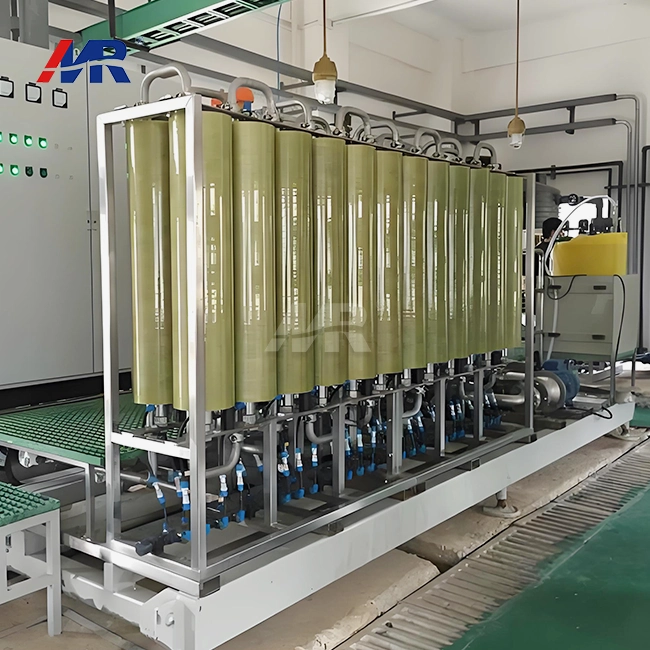 VIEW MOREDisc Tube Reverse Osmosis
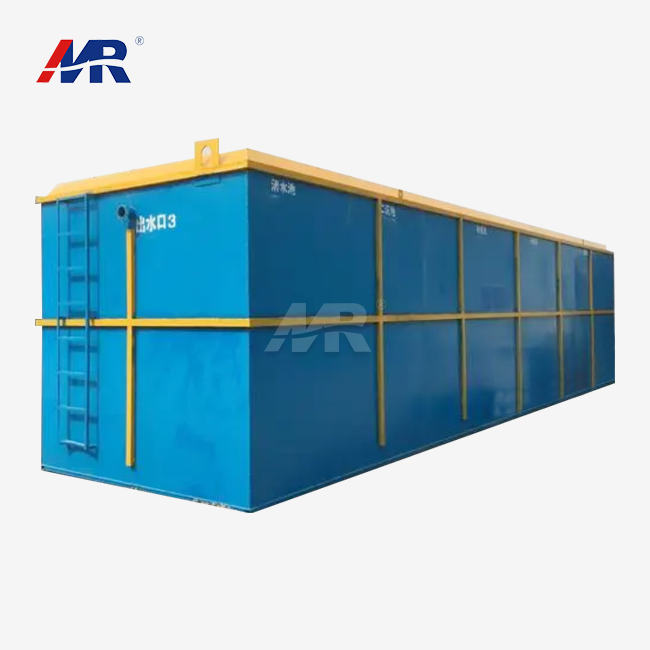 VIEW MOREwaste water treatment plant
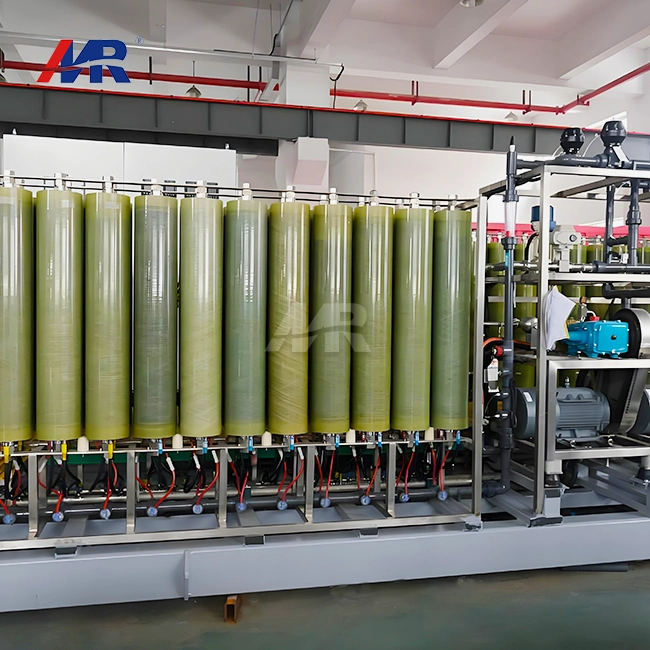 VIEW MOREDTRO Technology
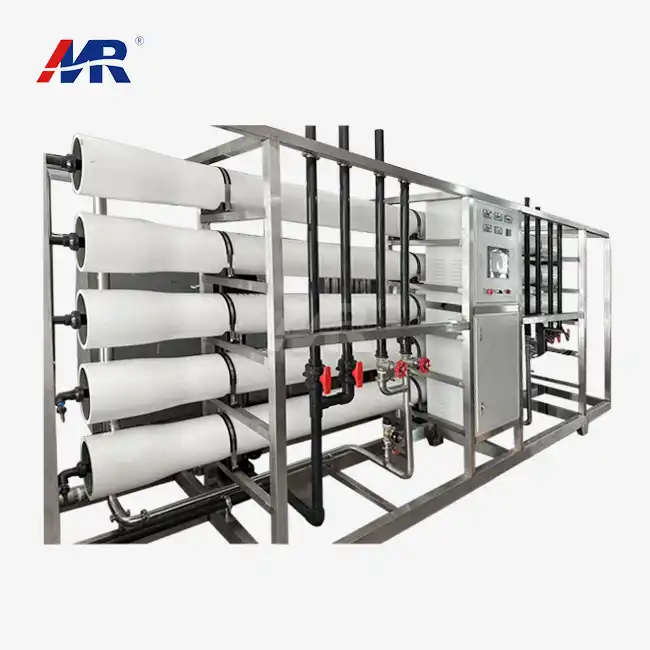 VIEW MORE25m3/hour reverse osmosis equipment
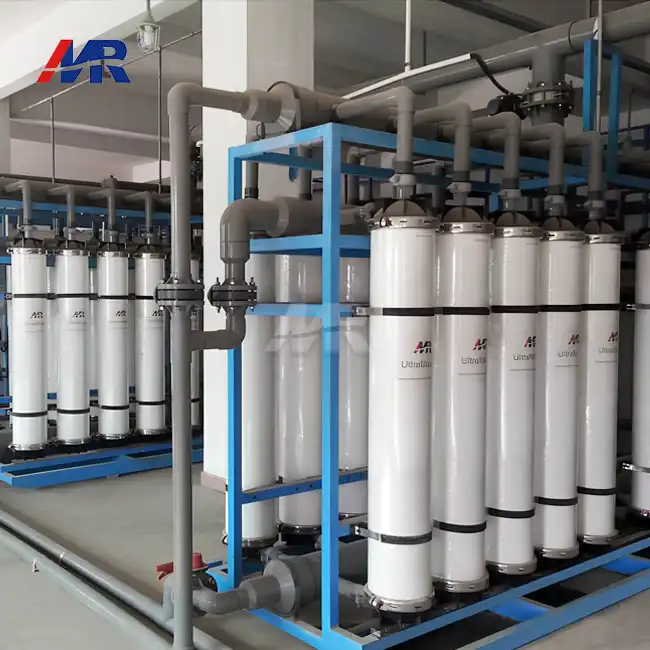 VIEW MORE200m3/hour ultrafiltration equipment
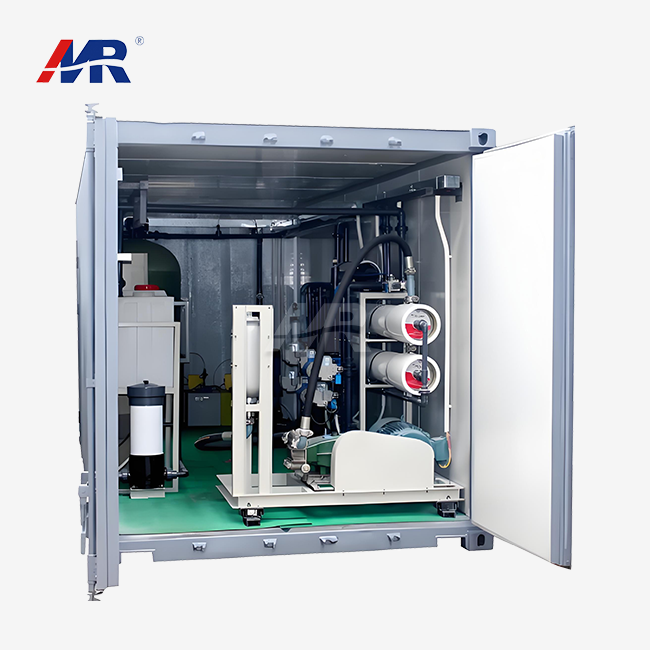 VIEW MOREcontainerized UF+RO system
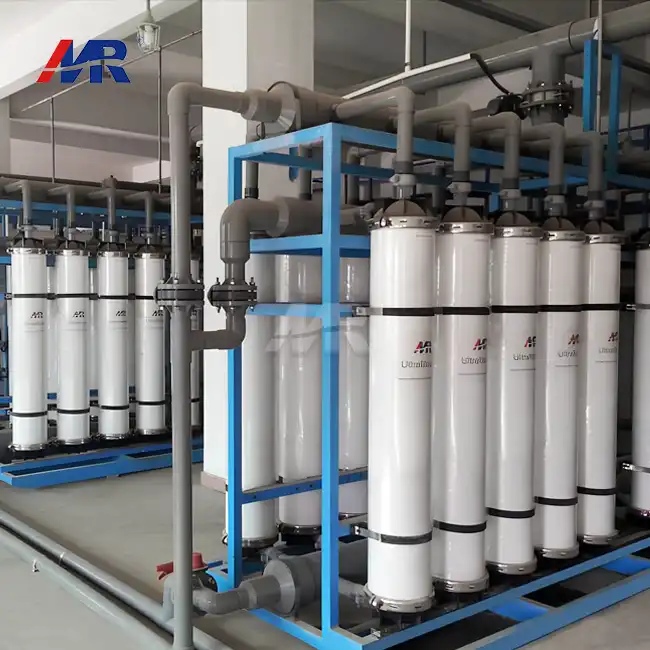 VIEW MORE20m3/hour ultrafiltration equipment
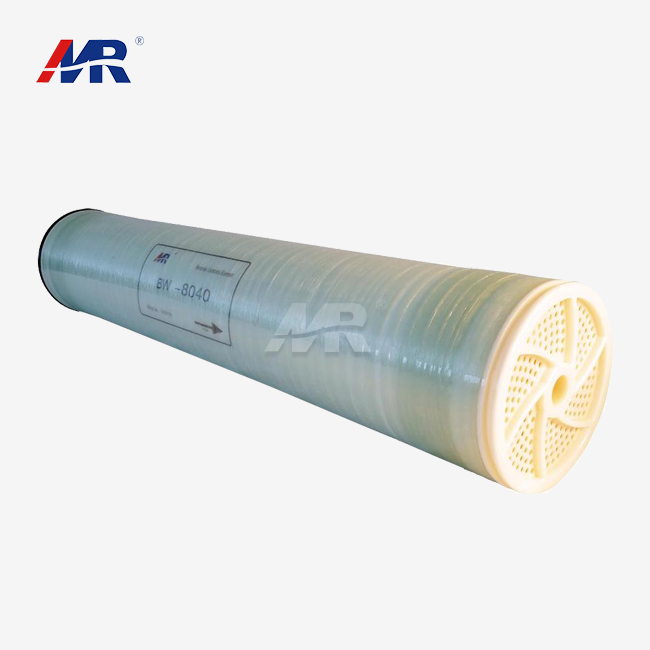 VIEW MORE8040 reverse osmosis membrane
