_1745823981883.webp)

The Impact of SWRO on Coastal Ecosystems
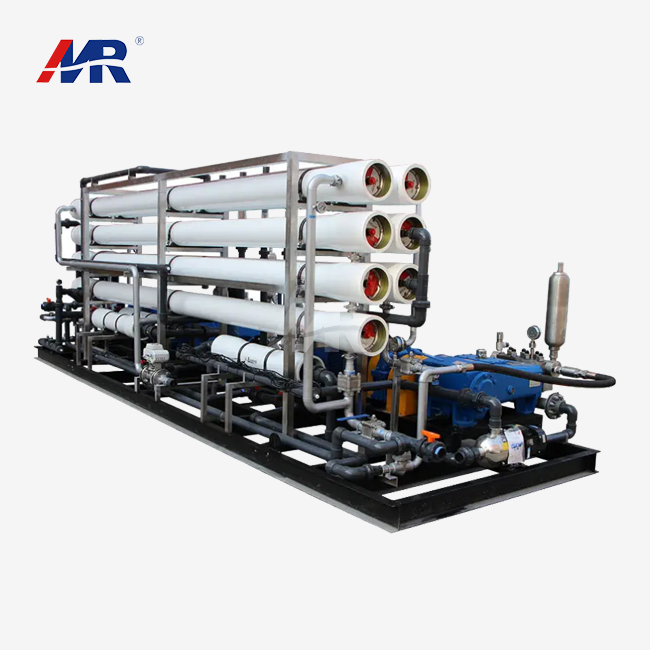
Seawater Reverse Osmosis (SWRO) technology is an important way to deal with the lack of water around the world, but it has big effects on marine areas near the coast. As the need for stable freshwater sources in industry grows, it is important for long-term growth to understand how filtration systems affect fragile marine environments. Modern desalination plants handle millions of gallons of water every day. However, the intake, outflow, and temperature effects of the salt water could affect sea life, water chemistry, and the natural balance.
Understanding Coastal Ecosystems and Their Vulnerabilities
Along the coast, where land and sea meet, many things happen. They are good places for many species to live because of this. A lot of places are changing, like rivers, mangrove forests, coral reefs, salt ponds, and tide lakes. Each of these live things does something very important that no one else can do. They store carbon, get nutrients back, and keep coastal towns safe from natural disasters, among other things.
The Critical Role of Marine Biodiversity
About 40% of people around the world care about the ocean areas next to beaches because they help keep the coast safe, fish, and visit. Marine bogs alone do about $23.2 trillion worth of good for the earth every year. Small plants called phytoplankton live here and keep the food chains going. They are the base of ocean food chains that keep animals and birds living, from young fish to birds that are moving.
Natural and Anthropogenic Stressors
It's getting worse for seaside places because of climate change. Because of climate change, the oceans are getting warmer, saltier, and the water is rising. Pollution, changes in the way water flows, and less access to environments because of more industry, more cities, and more farm waste all make these issues worse. There has been a loss of about half of the world's water in the last hundred years because of these things.
Vulnerability Assessment for Industrial Planning
Knowing how fragile SWRO places are is important if you want to put trees there. Due to their weakness and long healing time, seaweed and coral reefs near people need extra care. Additionally, they really care about the world we live in. Earth scientists use baseline studies to find out where species breed, how they move, and how the number of species changes over time. That way, they can build and run places that are better for the earth.
Environmental Challenges Posed by SWRO Systems
Even though seawater desalination plants provide important freshwater resources, they also cause a number of environmental problems that need to be carefully managed to keep damage to a minimum. The main environmental effects come from three main operating aspects: how the brine is discharged, how heat pollution is affected, and how the input system is designed.
Brine Discharge and Salinity Impacts
Most SWRO systems have recovery rates between 35 and 50%. This means that for every 100 gallons of saltwater that is handled, 50 to 65 gallons are turned into concentrated brine waste. This hypersaline discharge, which often has twice as much salt as natural ocean, can make dead zones in certain areas if it is not handled properly. Studies from desalination plants in the Mediterranean show that not diluting brine well enough can cut the variety of benthic organisms by as much as 40% within 500 meters of release points.
Thermal Pollution and Temperature Effects
Desalination methods that use a lot of energy produce heat waste that can raise the water temperature in the area by 2 to 5°C above normal. Many marine creatures, especially those that live in warm and subtropical areas, live close to the highest temperature they can handle. Even small changes in temperature can cause coral bleaching, change the way fish behave, and mess up the breeding processes of species that are important for trade.
Marine Life Entrainment and Impingement
There are two main ways that intake systems used for large-scale desalination can affect marine life: by bringing small organisms and eggs into the system and by bigger fish and marine animals hitting intake screens. According to research from California desalination plants, intake systems can bring in billions of marine creatures every year. These include fish eggs, zooplankton, and young invertebrates that are important for keeping fish populations healthy.
Advanced SWRO Technologies and Practices to Mitigate Environmental Impact
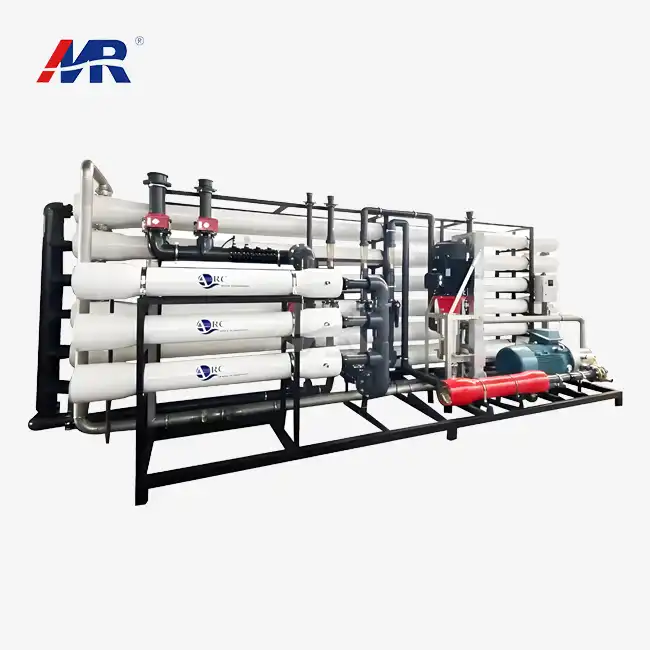
Modern distillation technology has changed a lot to protect the environment and keep operations running smoothly. Improvements in membrane technology, energy recovery systems, and building design have made SWRO activities more environmentally friendly while still producing stable freshwater.
High-Efficiency Membrane Technology
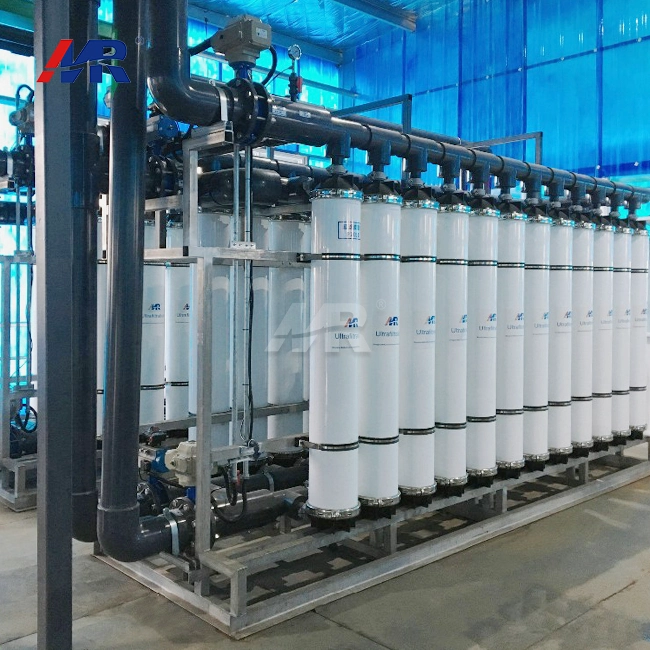
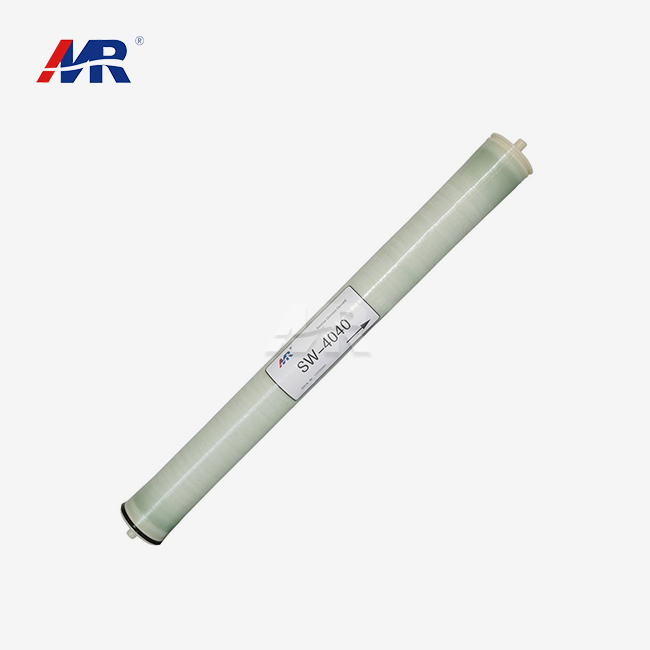
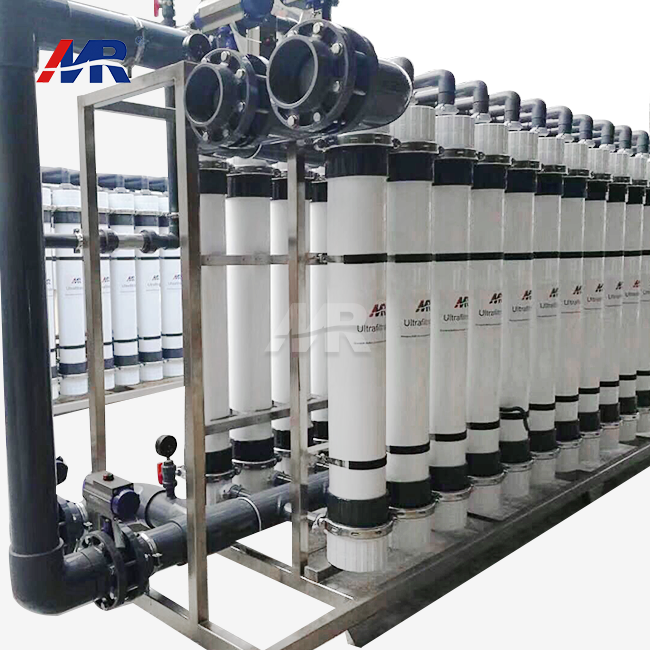
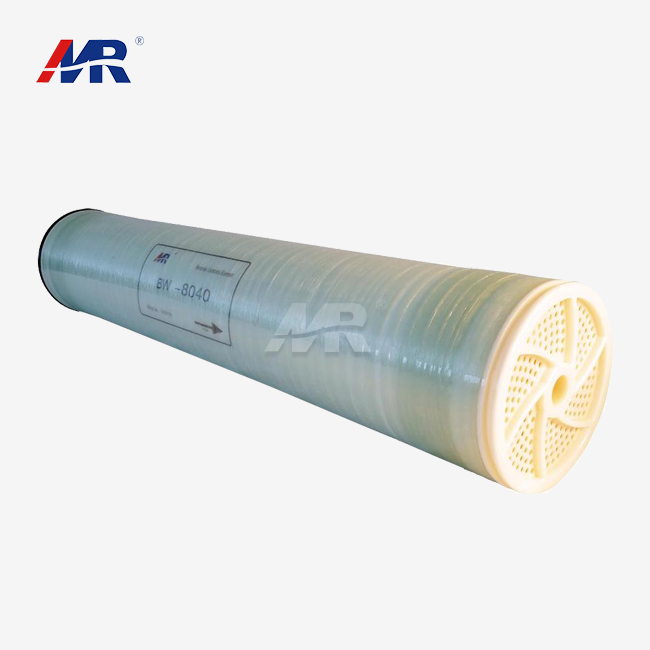
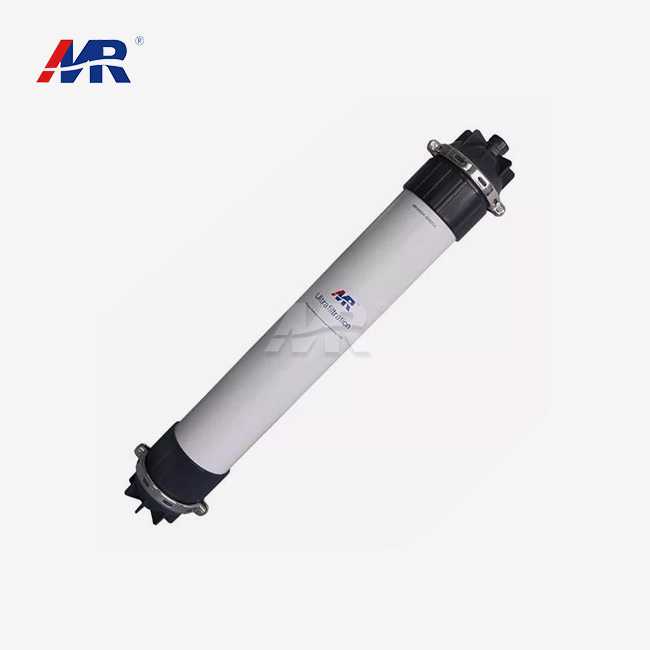
New barrier materials can now reject more than 99.7% of salt while working at lower pressures, which saves energy and is better for the environment. Some of these new ideas are thin-film hybrid membranes that are less likely to get clogged and better at getting rid of boron. These advanced reverse osmosis technologies are used by our state-of-the-art systems to clear salt and other impurities from saltwater quickly and efficiently while using only 3–4 kWh/m³ of energy.
The following technological advances demonstrate how modern systems achieve environmental sustainability:
- Energy Recovery Systems: Pressure exchanges and pumps can collect up to 95% of the energy released by brine, which lowers the total amount of power needed and the carbon emissions that come with it.
- Advanced Intake Designs: Subsurface intake systems protect marine life by filtering water naturally through seabed rocks, which keeps bigger critters out.
- Optimized Discharge Systems: Multi-port diffusers and placement near power plant cooling systems help dilute the brine and lessen the effects of high saltiness in certain areas.
- Real-time Monitoring: Automated systems keep an eye on discharge factors and marine conditions all the time to make sure activities have the least possible effect on the environment.
With these improvements in technology, factories can run with much smaller effects on the world while still being able to reliably make things. Case studies from sites in Australia and Israel show that using these technologies can reduce marine life impacts by over 90% compared to using traditional designs.
Renewable Energy Integration
Combining solar and wind power with purification processes is a big step forward in making water production more sustainable (SWRO). Using more renewable energy can cut carbon emissions by 60–80% while keeping costs fixed so that they don't change with the price of fossil fuels. This method works especially well for sites far from the coast where grid access is weak or unpredictable.
Regulatory Framework and Compliance for SWRO Operation in Coastal Areas
Environmental rules that guide desalination plants are getting more complicated. This is because we know more about how marine ecosystems work and why we need to protect them. International guidelines, national standards, and local environmental protection laws are now all part of compliance systems. Together, they make sure that facilities are built and run in a responsible way.
International and Regional Standards
The International Maritime Organization and regional groups like the Mediterranean Action Plan have made detailed rules for managing the runoff from desalination plants. These rules say that the saltiness of brine can't be more than 10% higher than the saltiness of seawater at certain mixing zones, which are usually between 100 and 300 meters from where the brine is released. Most of the time, temperature rises are limited to 3°C above the normal range at the edges of specially marked mixing zones.
Environmental Impact Assessment Requirements
For the building of SWRO facilities, detailed environmental impact assessments are now needed. These include baseline marine surveys, effect modeling, and long-term tracking procedures. These studies usually last between 12 and 24 months to show how marine life and the surroundings change with the seasons. During the review process, possible effects on threatened species, important habitats, fishing grounds, and recreation places are looked at.
Compliance Support and Vendor Responsibilities
Leading equipment providers now offer a full range of regulatory support services, such as environmental advice, help with applying for permits, and ongoing tracking of compliance. These services help speed up the clearance process and make sure that buildings meet or go beyond environmental standards. Our business provides complete turnkey solutions that include regulatory advice, system design for environmental compliance, and full tracking systems to keep operating permits.
Strategic Considerations for B2B Stakeholders Choosing SWRO Solutions
When buying saltwater desalination systems, you have to think about a lot of things, like how efficient the system will be, how good it will be for the environment, how well it will meet regulations, and how much it will cost in the long run. Strategic evaluation models help people make decisions about what to do by finding answers that meet current water supply needs and provide long-term value.
Performance and Sustainability Metrics
The performance of modern SWRO systems is truly impressive. They can handle volumes of 1,000 to 100,000 m³/day and keep recovery rates of up to 50%. Water quality meets the strictest industry and city norms thanks to salt rejection rates of over 99.7%. Three to four kWh/m³ of energy use is a big improvement over older methods, cutting down on both prices and damage to the environment.
Sustainability considerations extend beyond immediate operational parameters to include lifecycle studies, carbon footprint analyses, and circular economy concepts. Advanced systems use materials that don't rust and are made to last 20 to 25 years, so they don't need to be replaced as often and create as much waste. Remote tracking and automated operation cut down on the need for repair while improving performance in response to changing environmental conditions.
Supplier Partnership and Long-term Value
By choosing providers with a history of environmentally friendly desalination and a lot of experience, you can get access to cutting-edge technologies, full support services, and ongoing benefits from innovation. Established providers offer flexible designs that can be expanded in the future, standardized parts that are easy to maintain, and global service networks that provide consistent support no matter where the site is located.
The value offer includes more than just buying tools. It also includes training programs, optimization services, and technology updates that keep systems relevant over their entire lifecycles. Working together with suppliers makes it easier to implement programs for ongoing growth and get early access to new technologies that improve performance and are better for the environment.
Conclusion
The balance between SWRO technology and the health of coastal ecosystems is complicated and needs careful thought about how it affects the environment, what technology can do, and what rules must be followed. Modern desalination systems use advanced membrane technologies, new design methods, and thorough environmental management practices to show that responsible water production and protecting marine ecosystems can live together in peace. To be successful, you need to choose the right tools, set up strong tracking systems, and stay committed to environmental stewardship throughout the lifecycle of the building.
FAQ
1. How does SWRO brine discharge affect local marine salinity levels?
Brine discharge from desalination facilities typically contains salt concentrations 1.5 to 2 times higher than natural seawater. When properly managed through diffuser systems and adequate dilution, salinity impacts remain localized within designated mixing zones. Environmental tracking ensures that salinity rises outside of these zones stay within 5–10% of natural amounts. This keeps the environment from being seriously affected.
2. What environmental indicators should facilities monitor during SWRO operations?
Some important tracking factors are the temperature and salinity of the outflow, the number of marine organisms near the intake and release areas, water quality markers like dissolved oxygen and turbidity, and changes in the seasonal trends of marine life in the area. Advanced tracking systems keep an eye on these factors all the time, so they can be quickly adjusted if there are any changes in the environment that could mean operations need to be changed.
3. Can renewable energy sources effectively power large-scale SWRO facilities?
Using renewable energy along with desalination has worked very well, especially in places with lots of solar or wind power. 70–90% of a building's power needs can be met by hybrid systems that use various green energy sources and energy storage. Because green energy isn't always available, it works well with desalination because water production can be changed to meet the power that's available, and storage systems keep the supply steady.
Partner with Morui for Sustainable SWRO Solutions
Guangdong Morui Environmental Technology stands ready to help you implement environmentally responsible desalination solutions that meet your water production needs while protecting coastal ecosystems. Our experienced engineering team specializes in designing custom SWRO systems that incorporate the latest environmental protection technologies and comply with stringent regulatory requirements. With over 500 employees, 20 specialized engineers, and our own membrane production facilities, we deliver comprehensive solutions from initial consultation through long-term operational support. Contact our expert team at benson@guangdongmorui.com to explore how our advanced SWRO systems can provide sustainable water treatment for your specific applications.
References
1. Lattemann, S., and T. Höpner. "Environmental impact and impact assessment of seawater desalination." Desalination 220, no. 1-3 (2008): 1-15.
2. Einav, R., K. Harussi, and D. Perry. "The footprint of the desalination processes on the environment." Desalination 152, no. 1-3 (2003): 141-154.
3. Mickley, M. "Survey of High-Recovery and Zero Liquid Discharge Technologies for Water Utilities." Water Research Foundation and American Water Works Association (2008).
4. Petersen, K. L., S. Frank, F. Paytan, and A. Rahav. "Marine environmental impacts from seawater desalination plants." Marine Pollution Bulletin 105, no. 1 (2016): 30-42.
5. Roberts, D. A., E. L. Johnston, and N. A. Knott. "Impacts of desalination plant discharges on the marine environment: A critical review of published studies." Water Research 44, no. 18 (2010): 5117-5128.
6. Voutchkov, N. "Energy use for membrane seawater desalination: Current status and trends." Desalination 431 (2018): 2-14.