_1745823981883.webp)

Affordable RO and Distilled Water Filters: Which One Should You Choose?
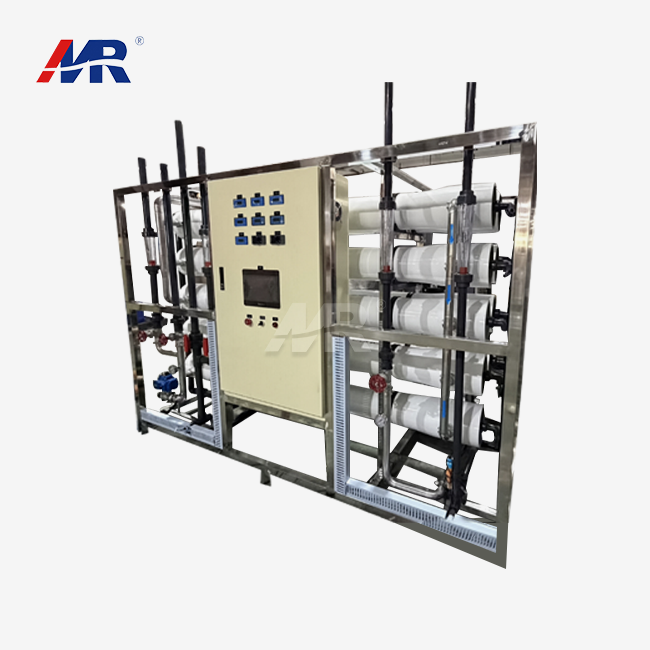
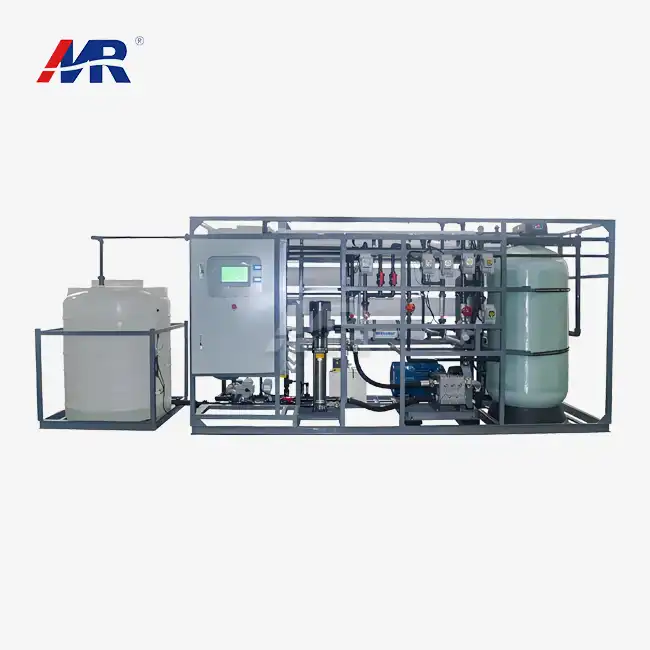
If you need to choose between cheap water filter systems, like reverse osmosis (RO) and purified water filters, it depends on your business needs and your budget. Through membrane filtration, RO systems are great at getting rid of dissolved solids, heavy metals, and microorganisms. This makes them perfect for use in industry and food preparation. Distilled water filters use evaporation and condensation to make water that is very clean and ideal for use in labs and pharmaceutical factories. RO systems usually have lower running costs and higher flow rates, but distilled water filter options are better for important tasks that need very little total dissolved solids.
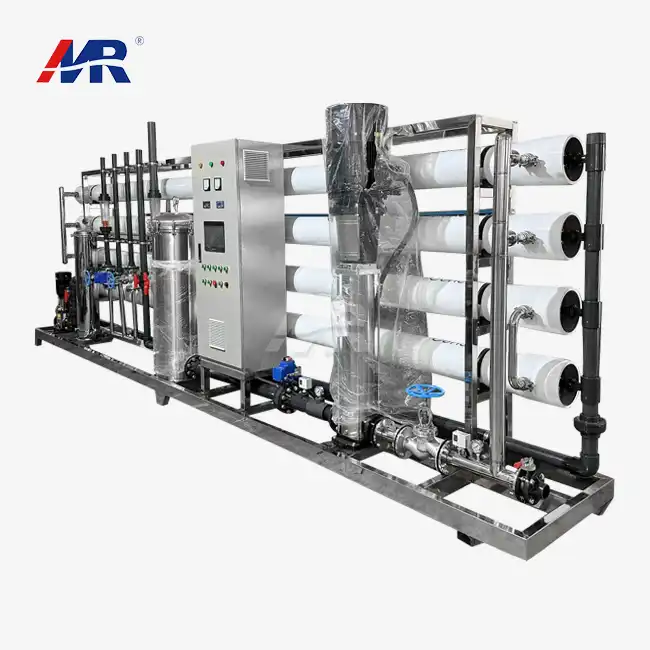
Understanding RO and Distilled Water Filters: Core Technologies and Functions
The main differences between reverse osmosis and distillation water filter systems are how they clean water and how well they can get rid of contaminants. When procurement workers understand these technologies, they can make better choices based on operational needs and water quality standards.
How Reverse Osmosis Systems Operate
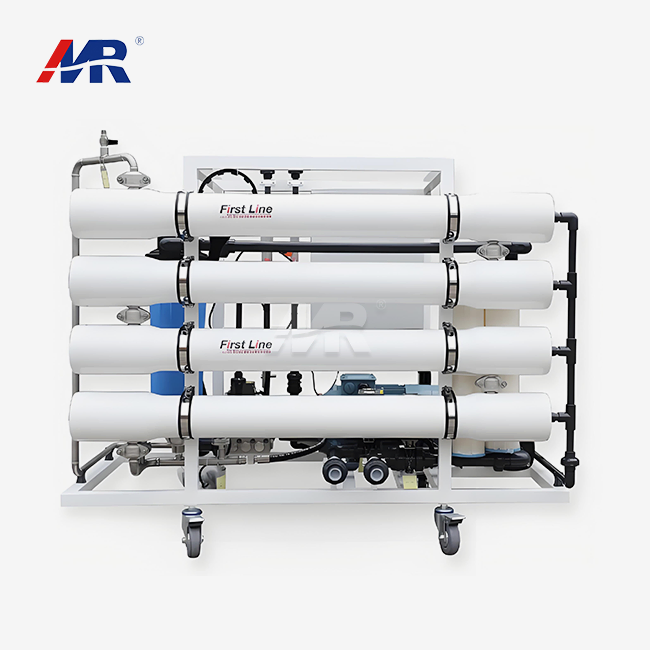
A semi-permeable material with pores about 0.0001 microns wide is used in reverse osmosis to remove contaminants from water molecules. The method uses pressure from 40 to 100 psi from the outside to beat the natural osmotic pressure. This forces water through the membrane while sending dissolved solids into a waste stream. This process gets rid of 95–99% of the dissolved minerals, salts, bacteria, and viruses, leaving behind high-quality permeate water that can be used in many commercial settings.
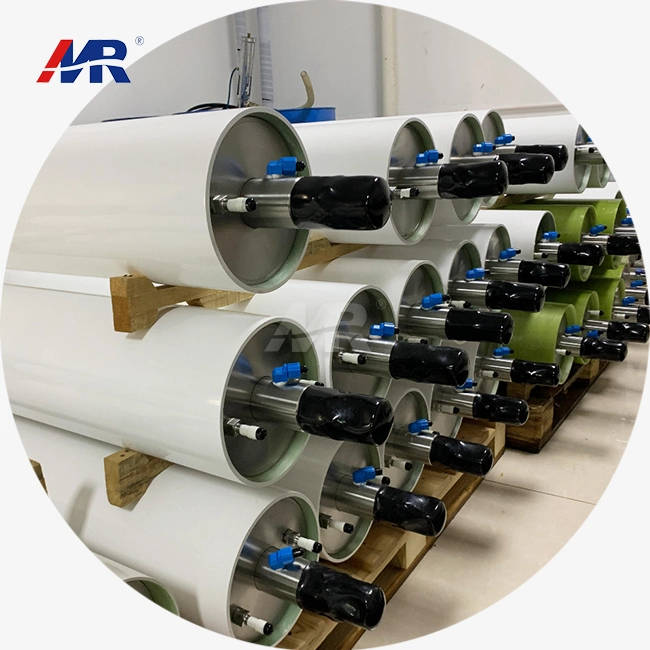
Thin-film composite (TFC) polyamide sheets wound in spiral shapes make up the heart of an RO system. Modern, low-cost units can hold anywhere from 50 gallons per day (GPD) for small businesses to over 1,000 GPD for light trade. With 1:1 pure-to-waste ratios instead of the more common 1:3 ratios, quality systems get better hydraulic efficiency, which cuts down on running costs by a large amount.
Distilled Water Filter Technology
Thermal separation through rounds of evaporation and condensation is used to filter distilled water. When you boil water, steam rises and then falls back to a liquid, leaving behind minerals, heavy metals, and biological contaminants that have been dissolved. Total dissolved solids (TDS) amounts in the water made by this method are usually less than 1 part per million.
The distillation method is very good at getting rid of almost all inorganic substances, such as fluoride, arsenic, nitrates, and pharmaceutical leftovers that other membrane systems might have trouble with. However, distillation is more expensive to run than membrane-based systems because it needs to be heated all the time, which is especially true for high-volume uses.
Comparative Analysis for Procurement: Affordability, Efficiency, and Use Cases
To make smart purchasing choices that don't break the bank, you need to carefully consider the initial costs, ongoing costs, and long-term upkeep needs. Both RO and distilled water filter systems have their own benefits, which depend on the purpose and amount needed.
Cost Structure Analysis
When compared to separation units, RO systems usually have lower starting investment costs and use less energy. RO systems work with pressures between 40 and 100 psi, and their booster pumps only need a small amount of electricity. For business units, replacing the membrane costs about $150 to $400 a year on average, and the units don't use much energy because they work by pressure instead of heat.
Because they have heating parts, condensation tanks, and strong building materials, distilled water systems cost more up front. Distillation systems can use 5–10 times more energy than RO systems because they need to be heated all the time, which uses a lot of power. On the other hand, distillation units usually don't need to change parts as often. For example, heating elements usually last between 3 and 5 years when used normally.
Performance Comparison for Industrial Applications
Different businesses have different standards for water quality that affect the choice of technology. When RO systems are used in places with hard water or high TDS levels, they get rid of the minerals that cause scale while keeping the flow rates normal. Food and drink businesses use RO technology to keep their equipment running smoothly and make sure that the flavors of their Products are always the same.
Because it is so pure and meets high government standards, distilled water is often required for use in pharmaceutical and lab settings. Making electronics and semiconductors requires very pure water, which can be routinely provided by distillation, even though it costs more to run. Chemical processing plants may like distillation because it can handle difficult source water with little need for pre-treatment.
Maintenance, Longevity, and Operational Best Practices
Effective upkeep plans have a big effect on how well and how cheaply water filter systems work in the long run. Knowing how to take care of tools properly helps them last longer and keep the water quality output constant.
RO System Maintenance Requirements
Regular upkeep is needed for ro membrane systems to keep them from getting clogged and to keep the rejection rates at their best. Pre-filter cartridges need to be replaced every three to six months, based on the quality of the water coming in. RO membranes, on the other hand, should last two to three years with proper care. Keeping an eye on the differences in system pressure helps find problems with fouling before they hurt performance.
Bacteria can't grow in the system because it is cleaned once a week with allowed chemicals. Keeping the pH level between 6.5 and 7.5 improves membrane performance and makes it last longer. Monitoring the quality of the permeate on a regular basis helps make sure that the output stays the same and finds repair needs before the water quality gets worse.
Distillation System Care Protocols
Descaling is the process of removing material buildup from heating elements and internal surfaces of distillation units. How often you scale depends on how hard the source water is; for high-TDS users, cleaning should be done once a month. Every three months, the heating elements should be checked to make sure they are working properly and using the least amount of energy.
Cleaning the condensation box with reverse osmosis distilled water stops bacteria from forming, which could lower the quality of the product water. Changing out old gaskets and seals keeps the system working well and stops pollution. Ventilation around distillation units makes sure that heat can escape and increases the life of the parts.
Procurement Guide: How to Choose and Buy the Right Water Filter System?
To choose the right tools, you must first carefully look at the current water quality factors and the amount of water that needs to be produced. This methodical technique makes sure that the best technology is chosen and that the return on investment is maximized.
Defining System Requirements
Water testing gives you important basic information that you need to choose the right technology and size your system. Some important factors are TDS levels, pH, hardness, bacteria numbers, and certain contaminants that need to be dealt with. The amount of production determines the system's capacity needs, and the amount of room available limits the equipment design choices.
Depending on the business, different rules must be followed. For example, pharmaceutical operations need USP-grade water, while food processing needs drinkable water standards. Knowing these specs helps you choose a technology and makes sure you follow the rules from the very beginning of the installation.
Supplier Selection Criteria
Reliable sellers offer full expert support, warranties, and replacement parts that are easy to find. When you look at a supplier's skills, you should look at their maintenance services, staff training programs, and emergency help options. Local service networks lower the risk of downtime and make sure that repairs are done quickly.
When you look at competitive prices, you should also look at the total cost of ownership, which includes things like installation, maintenance, repairs, and service plans. Volume buying deals can save a lot of money for businesses that have more than one location or are planning to grow.
Case Studies and Industry Feedback: Real-World Applications and Benefits
Examples of how different water filter methods are used in the real world show the pros and cons of each category in different industry areas. These case studies are very helpful for making decisions about buying.
Manufacturing Plant Success Story
A North Carolina textile factory got rid of old sand filters and put in a 2,000 GPD RO system to deal with well water that had high TDS levels. The construction cut down on equipment scaling by 90% and made sure that the standard of the products was always the same. Compared to older filtration methods, annual upkeep costs went down by 35%, and tracking of the water quality showed that TDS levels stayed below 50 ppm.
Because the feed water had fewer minerals, the facility said the burner worked better, which saved 15% of the energy used. Downtime for descaling processes on equipment went from once a month to three times a year, which made the production schedule more flexible. The investment paid for itself in 18 months because upkeep costs went down and operations ran more smoothly.
Laboratory Application Results
A California pharmaceutical testing lab put in a distillation system to meet strict water quality standards for analysis methods. The machine regularly makes water with less than 1 ppm TDS and gets rid of organic contaminants that could mess up testing procedures.
The lab staff said that test results were more reliable and samples didn't need to be retested as often because of problems with the water quality of reverse osmosis-distilled water. Because the distillation method could get rid of pharmaceutical leftovers and endocrine disruptors, the accuracy of tests for drug development and environmental issues could be trusted. Even though energy costs went up, the more reliable tests made the operating cost worth it.
Conclusion
When deciding between cheap RO and distilled water filter systems, you need to think carefully about your needs, your budget, and your working goals. For most commercial uses that need moderate to high purity water, RO technology is a cost-effective option. Distillation, on the other hand, provides higher purity for critical uses that need ultra-pure water. Knowing the total cost of ownership, which includes things like energy use and upkeep, helps choose the best technology for long-term business success.
FAQ
1. What are the main differences between RO and distilled water systems?
RO systems use membrane filtration under pressure to remove contaminants, while distillation employs heat to vaporize and condense water, leaving impurities behind. RO systems typically have lower running costs and higher flow rates. Distillation, on the other hand, makes water that is purer but uses more energy.
2. Which system is more cost-effective for industrial use?
RO systems generally offer better cost-effectiveness for most industrial applications due to lower energy consumption and maintenance requirements. Distillation becomes cost-effective when ultra-pure water is essential, and higher running costs are justified by application requirements.
3. How often do these systems require maintenance?
RO systems need filter replacements every three to six months, and membrane replacement every two to three years. Depending on how hard the water is, distillation systems need to be descaled every month to three months. Under normal use, the heating parts last three to five years.
Partner with Morui for Your Water Filtration Needs
Guangdong Morui Environmental Technology has been providing industrial water cleaning options for more than twenty years, helping a wide range of industries, from making medicines to processing food. As one of the biggest companies that makes water filters, we offer complete RO and distillation systems that are built to last and save you money. Our Team of 20 experienced engineers can help you find the best filtration technology for your water quality needs through individual advice. We can quickly set up and support your business because we have 14 branches in different areas and our own membrane production plant. Feel free to email our technical experts at benson@guangdongmorui.com to talk about custom water filter options that will help your business run more smoothly and meet high-quality standards.
References
1. Smith, J.A., et al. "Comparative Analysis of Industrial Water Purification Technologies." Journal of Industrial Water Treatment, vol. 45, no. 3, 2024, pp. 234-251.
2. Rodriguez, M.E. "Economic Evaluation of Reverse Osmosis Systems in Manufacturing Applications." Water Technology Economics Review, vol. 18, no. 2, 2024, pp. 78-92.
3. Chen, L.W. "Maintenance Optimization Strategies for Commercial Distillation Systems." Industrial Maintenance Quarterly, vol. 31, no. 4, 2024, pp. 145-162.
4. Johnson, R.K., et al. "Regulatory Compliance in Industrial Water Treatment: A Comprehensive Guide." Environmental Standards Publishing, 2024.
5. Thompson, S.R. "Energy Efficiency in Water Purification: Comparing RO and Distillation Technologies." Energy Management in Industry, vol. 29, no. 1, 2024, pp. 56-71.
6. Williams, D.P. "Total Cost of Ownership Analysis for Industrial Water Treatment Systems." Procurement Management Review, vol. 22, no. 3, 2024, pp. 112-128.