_1745823981883.webp)

How Desalination Technology Supports Communities Without Freshwater
One of the biggest problems people all over the world are facing right now is a lack of rainwater. This is especially true in dry and coastal places where normal water sources aren't enough. This new desalination technology changes everything because it can turn both salty and fresh water into safe drinking water for cities and businesses. Reverse osmosis systems and membrane-based processes can now make water safe in places where other methods have failed. More than 99.7% of salt can be removed by modern desalination plants, which only need 3–4 kWh/m³ of energy. Because of this, they can be used for many things, from giving towns water to running factories.
Understanding the Freshwater Challenge in Water-Scarce Communities
There isn't enough water for about 2 billion people around the world, and the problem is getting worse because of climate change, population growth, and new industries. Problems are especially bad near the coast, where saltwater seeps into underground pools and makes them dirty. Deserts that are dry, on the other hand, have problems with low water tables and changing rain trends.
Natural and Human-Driven Factors Contributing to Water Scarcity
When natural and human-made factors work together, they make it harder to get enough water. The regular patterns of rainfall are thrown off by changes in the climate, and the demand is raised too high for towns to properly meet. Industries use a lot of rainwater, which makes towns fight for resources that are running out.
Many places no longer have water tables because they used too much groundwater. This makes traditional wells useless. When there is a long drought, rivers, lakes, and other sources of surface water move more slowly. Cities and towns need to find other water sources or set very strict limits on how much water they can use every day.
Economic and Social Impacts of Limited Water Access
People in the whole town can't work or build when there isn't enough water. When the water for irrigation stops running, crop rates go down. This makes food security and the ways that people in rural areas make a living more dangerous. There may not be as many jobs in the area because businesses may move to areas with better water sources.
More infectious diseases happen when people use dirty water sources, which puts a strain on health care services. Schools often have to close when there isn't enough water, which slows down child growth and neighborhood progress. Moving water and finding ways to get water in an emergency costs a lot of money and time that could be used for other important services.
Overview of Desalination Technology: Types and How They Work
There are several types of desalination technology that can be used to clean salty or brackish water by getting rid of salt and other impurities. People who buy things can make the best choices for the community and the business when they know about these tools.
Membrane-Based Desalination Processes
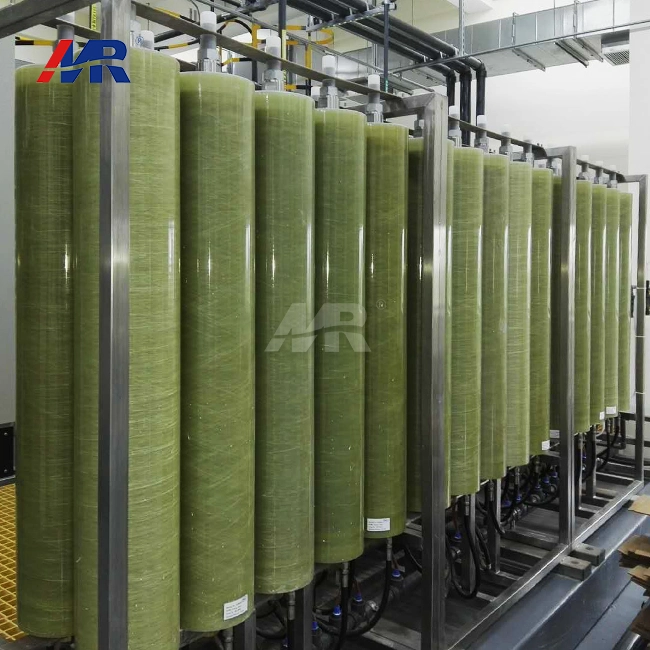
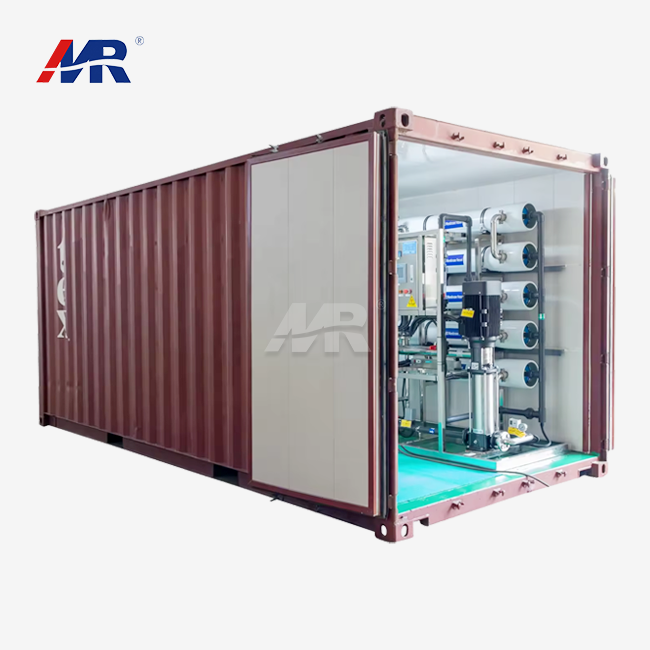
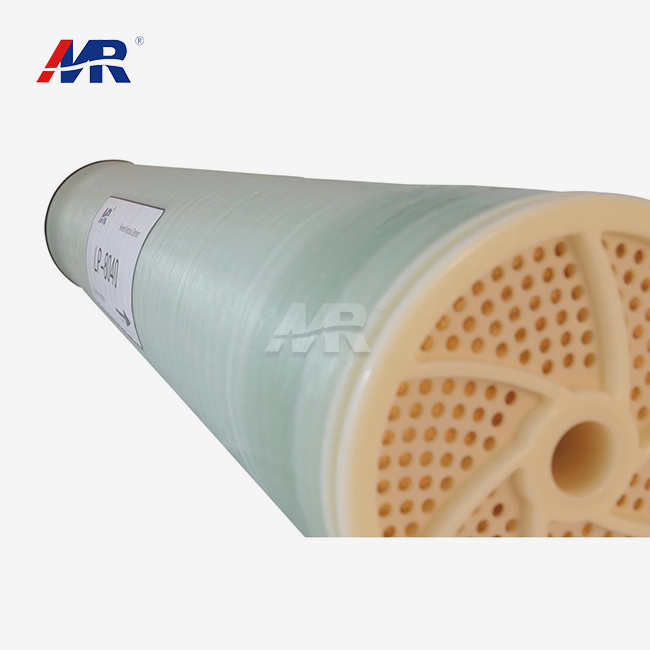
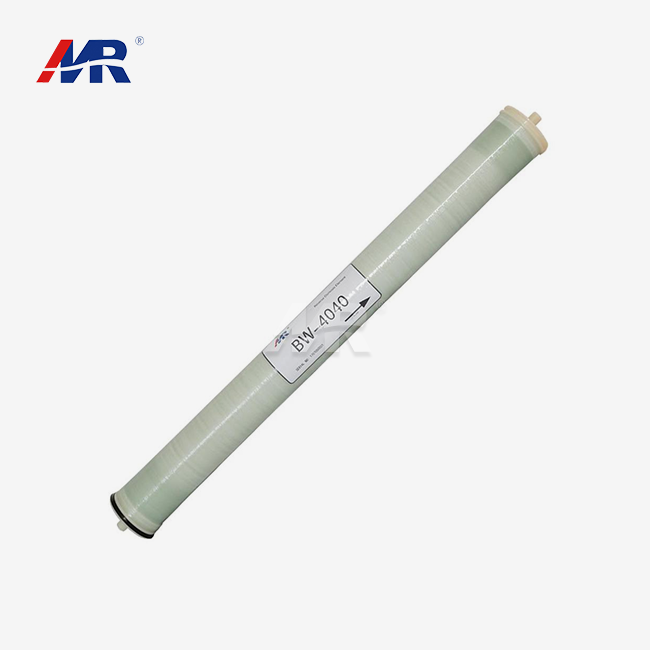
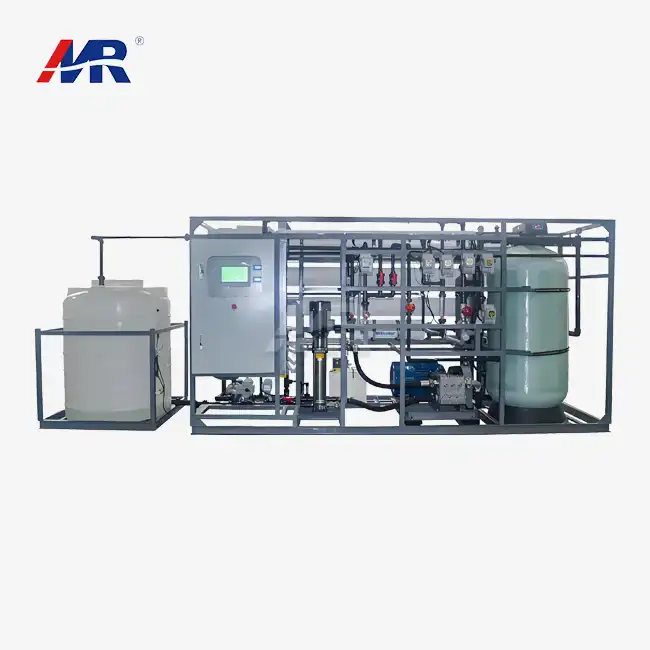
In reverse osmosis, which is the most popular membrane method, water is pushed through semi-permeable membranes by high-pressure machines. These systems make it easy to manage large setups because they can run automatically and be tracked from afar. Up to half of the water is restored, which makes the most liquid and reduces the amount that is lost.
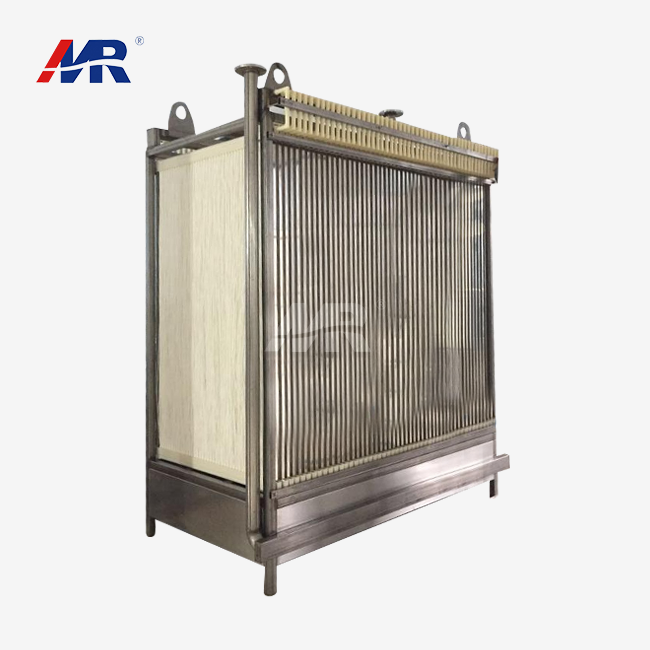
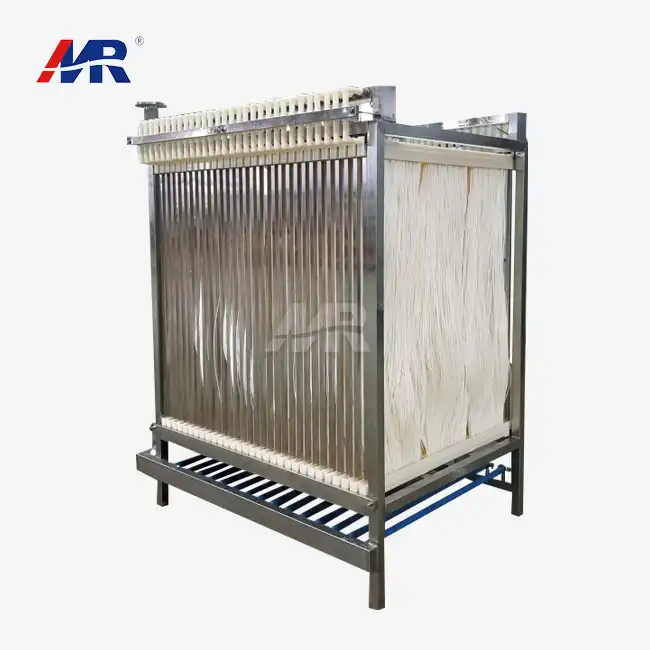
Water that has been ultrafiltered gets rid of organic and dissolved solids, so it is better than water that has been through RO filters. This method works really well for cleaning up salty water sources that have a lot of cloudiness. Membrane distillation is a new choice for smaller-scale uses that combines heat and membrane processes to make them work better.
The beginning of the process is systems that carefully plan to pull seawater through specific filters. Biological poisons and large bits are taken out in the pre-treatment steps. This keeps valuable parts of the membrane from breaking. Salts and other impurities that are dissolved in clean water are filtered out by high-pressure screens that let some things through but not others.
Thermal Desalination Methods
Well-known ways to heat things up and make a lot of water are multi-stage flash distillation and multi-effect distillation. These methods work best in places with lots of cheap energy sources or plenty of chances to use waste heat again. Desalination devices that are powered by the sun use green energy, which makes them cheaper and better for the earth.
In all kinds of situations, mixed devices that use both heat and membrane processes make the best use of energy. These systems can change with the cost of energy and the patterns of yearly usage, so they can meet a wide range of community needs.
Benefits of Desalination Technology for Communities Without Freshwater
Desalination technology has both short-term and long-term advantages for places that are having trouble finding water. These perks are more than just giving you water. Some of them are better for public health, economic growth, and long-term national security.
Reliable Water Supply and Community Development
These days, desalination plants always make water, even when the seasons or the weather change. It is possible to guess how much water local water supply systems will produce, which helps with making correct plans for population growth and infrastructure expansion. Industries that need very clean water can get it from reliable sources that meet high standards for quality.
It is now possible to grow food in coastal places that weren't good for it before, thanks to irrigation. This makes it possible to grow more food, which is good for the economy of the country. In places that are hard on the water, resorts and other entertainment companies can open up, creating jobs and making money from tourists.
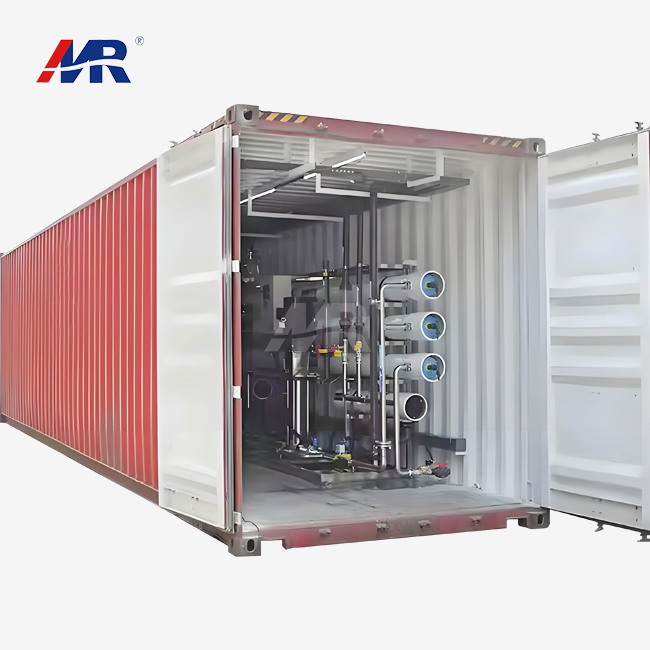
It can handle all kinds of communities, from small coastal towns to big cities, with a range of up to 100,000 m³/day. Installing a modular system can be done in steps that can be planned to fit the needs of the growing population and the available funds.
Economic and Environmental Advantages
These days, running desalination plants is much cheaper than it used to be because they can return energy. Materials that don't rust make sure that sailing gear lasts longer, which lowers the cost of repairs and the time spent down for upkeep.
Because compact designs don't need much land, expensive land by the water can be used for other community activities. With automation, there is less need for staff, and the water quality and output amounts stay the same for desalination technology.
Freshwater ponds and public water sources should not be under as much stress. The right way to handle brine means it doesn't hurt marine life as much, and current pre-treatment methods stop risky chemicals from leaking out.
Selecting the Right Desalination Solution for Your Community or Business
You should think about a lot of things when choosing the right desalination technology, such as the scientific details, the cost, and how it will be used in the long run. Procurement managers have to think about how much the initial investment is worth compared to how much it will cost and how well it will work over time.
Technical and Financial Evaluation Criteria
A business needs to study how much energy it uses if it wants to be successful in the long run. Running systems that use 3–4 kWh/m³ don't cost much and can get rid of salt at rates higher than 99.7%. Recovery rate optimization makes more rainwater available while lowering the amount of salt that needs to be thrown away.
Scalability factors make sure that the systems picked can handle growth in the future without having to make big changes to the infrastructure. Because there are different choices for capacity, communities can make installations the right size for their needs right now while still leaving upgrade paths open in case the population grows in the future.
How effective a system is and how long it can run depend on your maintenance plans and how easy it is to get expert help. It's better to buy from well-known brands with full-service networks than from cheap brands that don't have the right support systems.
Supplier Evaluation and Partnership Considerations
You can get the newest technologies and spare parts because OEM deals with well-known membrane makers, making sure of that. With a single point of contact, turnkey solution companies make it easier to start projects and keep an eye on how well systems are working.
It takes less time to fix problems and do maintenance when you can get help nearby. Operating staff training programs make sure that systems are run properly, and that equipment lasts longer by fixing it in the right way.
Follow foreign standards and get quality certificates to show that you can trust the provider and the goods. People who have used similar systems before can tell you a lot about how well something works in real life and how happy people are with it.
Future Trends and Advancements in Desalination Technology
Many changes happen in the distillation business all the time because of new tools, environmental concerns, and desalination technology. Procurement workers need to know about new trends in order to make smart business decisions that save money and protect the environment.
Innovation in Energy Efficiency and Sustainability
Adding green energy to desalination changes the economics of the process by making it less reliant on fossil fuels for power. Solar-powered systems work best in dry places that get a lot of sun but don't have many fresh water sources. Using wind energy together with other forms of energy is a more eco-friendly way for coastal areas to get power.
Newer barrier materials are better at keeping salt out, and they are also more open and selective. To do the same job with less energy, this is true. The use of nanotechnology makes membranes last longer and get dirtier less often. This means that they can be used for longer periods of time without having to be cleaned.
As little as 40% less power is used; energy recovery devices get their power from brine streams and use it. These tips work especially well for big sites where energy costs make up a big part of the cost of running them.
Environmental and Regulatory Developments
By reusing the brine in useful ways, better brine management methods lessen the damage to the environment. Recovery of minerals and salt from waste streams turns them into useful leftovers. This raises the costs of the project and lowers the amount of trash that needs to be thrown away.
More and more, environmental safety and sustainable measures are being used in rule-making. To keep up with changing standards, you need to pick tools that can do what you need them to do now and also change with the times.
Based on the ideas of the circular economy, systems are being built that control water by desalinating salt water, treating garbage, and recovering resources. For the least amount of damage to the land, these ways are the best ways to use water.
Conclusion
Towns that don't have enough groundwater need desalination technology because it gives them safe water choices that help the economy grow and make people's lives better. These days, reverse osmosis systems are very good because they have energy-recovery systems, high-efficiency membranes, and the ability to run themselves. The technology is adaptable, so it can be used for many things, from giving towns water to running certain industrial processes. People all over the world will have access to clean water for a long time if they carefully choose the right methods based on their technical needs, income, and long-term operating needs.
FAQ
1. What are the typical installation costs for community-scale desalination systems?
Installation costs vary a lot based on the job's size, location, and amount of trouble. Prices range from $1,000 to $2,000 per m³/day for small neighborhood systems that serve 1,000 to 5,000 m³/day. Costs drop to $800 to $1,200 per m³/day for systems that can handle more than 20,000 m³/day. This is because of economies of scale.
2. How do energy consumption levels compare between different desalination technologies?
Modern reverse osmosis systems only need 3–4 kWh/m³ of energy to process seawater. This is a big improvement over older heating methods, which needed 8–12 kWh/m³. It takes a lot less energy (1-2 kWh/m³) to desalinate water because brackish water has less salt, and less pressure is needed.
3. What maintenance practices maximize system lifespan and performance?
Cleaning and changing the membranes as often as the manufacturer tells you to stops fouling that can't be fixed and keeps the production rate steady. When you take care of the pretreatment system, the feed water stays clean, and the expensive membrane parts don't break. Intelligent tracking systems let you plan ahead for repairs that cut down on downtime and help you choose the best times to change parts.
Contact Morui for Advanced Desalination Technology Solutions
Morui is an expert at providing full water treatment solutions, including some of the most advanced methods for desalinating seawater for a wide range of public and business uses. Our high-tech reverse osmosis systems do a great job. They get rid of more than 99.7% of salt while using only 3–4 kWh/m³ of power. We offer full turnkey solutions that include providing equipment, putting it up, and turning it on. This is because we are experts in making desalination technology. No matter how much you need, from 1,000 to 100,000 m³/day, our tech team can build a system that works for you. Email benson@guangdongmorui.com to talk to our experts about how to treat your water and get full technical help for your desalination project.
References
1. National Academy of Sciences. "Desalination: A National Perspective." National Academies Press, 2019.
2. International Desalination Association. "Global Water Intelligence Desalination Markets Report." Water Intelligence Research, 2020.
3. World Health Organization. "Guidelines for Drinking-water Quality: Desalinated Water." WHO Press, 2021.
4. American Water Works Association. "Membrane Desalination Costs and Performance." AWWA Research Foundation, 2018.
5. United Nations Environment Programme. "Sustainable Desalination: Energy, Environment and Water Nexus." UNEP Publications, 2019.
6. International Energy Agency. "The Future of Desalination in Energy Systems." IEA Publications, 2020.