

_1745823981883.webp)

Leading Modular Desalination Units for Emergency Response
When disasters happen or towns are in danger of running out of water, modular desalination units are the most important technology that can help meet immediate needs and ensure a long-term water supply. These small, quick-deployment systems turn saltwater into drinkable water in hours, not months. Traditional desalination plants need a lot of equipment and a long time to build. Modular systems, on the other hand, come in standard containers already set up and can start working right away in the most difficult settings.
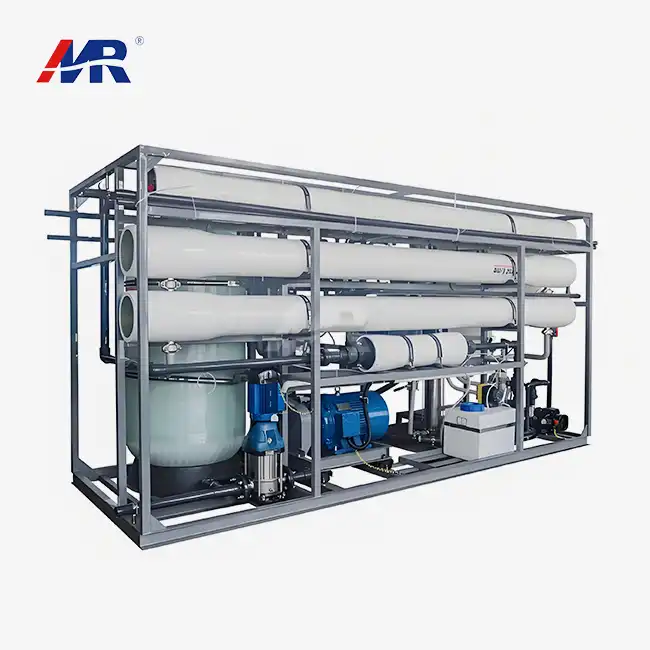
Understanding Modular Desalination Units for Emergency Situations
Modular desalination machines are a completely new way to provide emergency water, which will completely change how we handle water disasters. The units in these systems are already built and can be moved quickly to disaster zones, remote areas, or places where water suddenly runs out.
Core Operational Principles
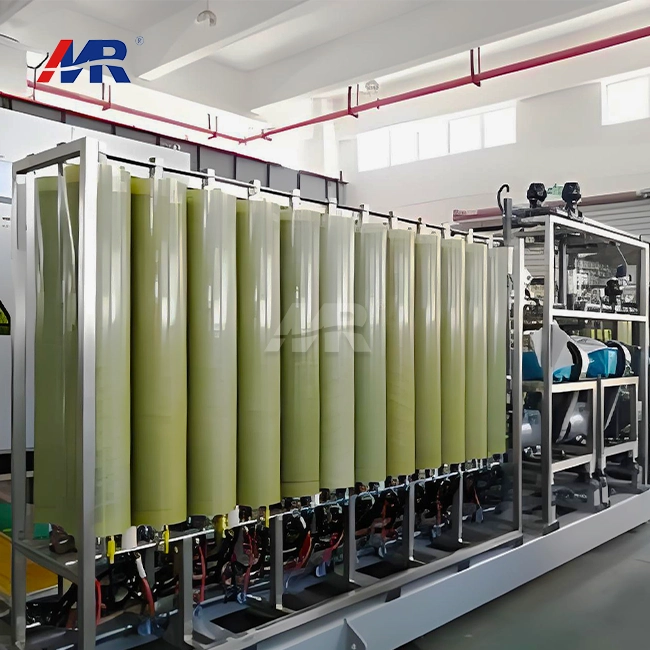
Advanced reverse osmosis membrane filtering, which is made to be mobile and efficient, is at the heart of emergency desalination systems. Each module has pre-treatment systems, high-pressure pumps, ro membranes, and post-treatment parts all built into a single block that can be moved. The Morui 25 m³/hour system is a good example of this combination because it uses marine-grade, corrosion-resistant parts that can handle the harsh coastal conditions and still keep the output quality high.
The working process is organized in a way that keeps the water clean and the system running smoothly. Multiple stages of pretreatment are used in seawater intake systems to get rid of sediments and organic pollutants. The water is then pushed through special RO membranes by high-pressure pumping systems. This can restore up to 45% of the water's original form while using only 3.5 to 4 kWh per cubic meter of created water.
Advantages in Emergency Response
In emergency launch situations, you need equipment that is both reliable and easy to set up. These high-tech systems have a lot of important benefits that make them essential for handling crises. With automated control systems, tracking and operation can be done from afar, so there is less need for expert staff on-site. In off-grid situations, energy-efficient designs reduce the amount of fuel used, and flexible building lets capacity be increased or decreased as needs change.
Because they don't take up much room, modern emergency desalination units can be used in disaster zones where normal facilities can't be set up. WHO-approved guidelines for water quality make sure that safe drinking water is produced without putting people's health at risk during sensitive times.
Comparing Modular Desalination Units to Traditional Solutions
Traditional distillation equipment has a lot of problems. Large plants need a lot of work to get the site ready, as well as concrete supports and complicated pipe networks that can take months or even years to set up. Stable power lines and large repair teams are also needed for these systems to work.
Deployment Speed and Flexibility
The plug-and-play design theory of emergency modular desalination units gets around these problems. Traditional plants might take 12 to 24 months to build and start up, but portable systems can be up and running in 24 to 48 hours after they arrive. The containerized form makes it possible to ship, fly, or drive the goods to almost any place in the world.
Another big benefit is that it can be used with green energy sources. Solar panel arrays, wind generators, or hybrid power systems can be quickly added to portable units. This makes it possible to run long-term operations in remote areas that aren't tied to the power grid. This feature is very important for emergency aid work in places where electricity may not be working or may be damaged.
Cost-Effectiveness Analysis
Modular systems are good for the economy in more ways than just the original cost of cash. Compared to standard options, this one saves a lot of money because it requires less installation, no site preparation, and faster deployment times. Leasing choices make the initial investment even smaller, which makes advanced purification technology available to smaller cities and aid groups.
Maintenance costs stay low because parts are uniform, and it's easier for service workers to get to them. The modular design lets parts be replaced without shutting down the whole system, so water output stays constant during important times.
How to Choose the Right Modular Desalination Unit for Your Emergency Needs?
To choose the right emergency desalination tools, you need to carefully consider a number of factors that are unique to disaster situations. When purchasing managers and disaster planners know about these factors, they can make smart choices that protect water security.
Capacity Requirements and Scalability
To figure out how much water is needed, you have to look at the population size, how much is used, and how long the operation lasts. Standard emergency supplies include 15–20 liters per person per day for basic living needs and 50–100 liters per person per day for longer activities that include food and sanitation needs.
In an emergency, the Morui 25 m³/hour system can handle towns of 1,200 to 1,600 people, or 500 to 800 people with all their water needs met. Multiple units can work at the same time thanks to modular scaling, which can handle bigger populations or higher usage needs.
Environmental and Operational Considerations
Source water quality has a big effect on how well a system works and how often it needs to be maintained. If the feedwater is highly salty, cloudy, or contaminated with living things, it may need better pretreatment capabilities. Extreme temperatures, humidity levels, and being exposed to sand or salt spray can also affect what safety gear to use and how to protect yourself.
In emergency situations, having power is a very important limitation. To work without the power grid, you need to connect portable engines, battery storage systems, or alternative energy sources. Modern systems are designed to use as little power as possible, which means they can keep running for longer when fuel sources are low.
Supplier Reliability and Support Services
Emergency tool providers must show that they have a history of helping people in times of disaster. Full warranty coverage, quick access to spare parts, and expert help 24 hours a day, seven days a week, are all necessary when equipment failure could put people's health and safety at risk. Training programs for local workers make sure that operations can continue even during long trips.
Leading Modular Desalination Units on the Market in 2026
There are a number of well-known companies in the emergency desalination market that offer tried-and-true options for disaster response situations. Learning about the strengths and weaknesses of the systems that are offered helps people make smart decisions about what to buy.
Market-Leading Technologies
Morui Environmental Technology has become a major player in the emergency desalination market by using its more than 14 years of experience treating water in a variety of industries. The company's 25 m³/hour modular desalination units use advanced RO technology and come with automatic controls and the ability to be monitored from afar. These units are meant to be quickly set up and used.
The marine-grade design and corrosion-resistant materials of the system make it work reliably in the tough coastal environments that are common in crisis zones. The small size makes it easier to move and set up, and the energy-efficient operation means that less logistical help is needed. WHO-compliant output water quality keeps health and safety standards high without lowering them.
Comparative Analysis and Case Studies
The usefulness of current emergency osmosis technology is shown by its use in real life. Coastal areas that were hit by hurricanes have used containerized systems to get water safety back up and running within hours of the equipment arriving. Earthquake response scenarios in water-scarce regions have benefited from solar-powered modular units providing sustained water production independent of damaged infrastructure.
Adding automated tracking systems lets you keep an eye on multiple deployment spots from afar, which cuts down on the need for staff while still providing operational awareness. This feature is especially useful during large-scale emergencies that affect many towns at the same time.
Procurement Considerations
A plan for buying equipment needs to consider both how quickly it can be used and how much it will cost to run in the long run. Purchase agreements give you full control and endless rollout options. Leasing agreements, on the other hand, require less money up front and include maintenance support. The total cost of ownership should be looked at by procurement managers. This includes the costs of transporting, setting up, running, and eventually demobilizing the equipment.
Standardizing all of a fleet's equipment makes it easier to handle training, upkeep, and spare parts. Compatible systems let deployment sites share resources and make it easy to change the setup quickly as emergency conditions change.
Maintenance and Long-Term Performance Optimization of Modular Units
For emergency desalination equipment to work reliably, it needs repair plans that are proactive and can be used in difficult deployment settings. Knowing what upkeep needs to be done and following the right procedures will keep water output going during emergencies.
Preventive Maintenance Protocols
As part of daily operating checks, production rates, pressure differences, and water quality factors are checked. Automated systems keep an eye on things all the time and let workers know about possible problems before they hurt the system's performance. Regular cleaning processes for the membrane keep the filter working well and increase the life of the parts.
Modern modular desalination units can be monitored from afar, so they can get expert technical help no matter where they are deployed. Cloud-based diagnostic systems send information about how things are working to maker support offices. This lets them help with predictive maintenance and quick repair.
Performance Optimization Strategies
Monitoring energy economy helps keep costs down and protects the environment. Tracking power use finds ways to make things work better, and using green energy cuts down on the need for fossil fuels. Contemporary systems use only 3.5 to 4.0 kWh/m³, which is a big gain over older methods.
Water recovery optimization strikes a balance between how well the membrane works and how long it lasts. Modern systems can recover up to 45% of the trash they take in, which cuts down on garbage disposal while keeping operations sustainable. The right way to dose chemicals and clean the membrane will make it last longer and keep the quality of the product constant.
Regular evaluations of performance reveal patterns of decline and the need for upkeep planning. Planning how to change a component makes sure that spare parts are available and that important processes don't have to be interrupted too often. Technical support from the supplier can help with complicated problems and give advice on how to make things work better.
Conclusion
Emergency water security relies on technologies that are reliable, can be set up quickly, and can keep working for a long time. Modern modular desalination units meet these important needs with their improved design, computerized operation, and track record of success in harsh conditions. These systems are essential for crisis reaction and emergency planning because they can turn seawater into drinking water that meets WHO standards within hours of being set up. Those in charge of buying things, local governments, and aid groups can make better choices that protect public health during emergencies if they know what emergency desalination equipment can do and how to choose it.
FAQ
1. What is the typical deployment time for modular desalination units?
Modern modular desalination units can be put to use 24 to 48 hours after they arrive at the placement spot. This quick setup feature includes placing the system, connecting the utilities, starting it up for the first time, and checking the water quality. With preconfigured systems, you don't have to go through the long setup steps that are common with traditional desalination plants.
2. What capacity ranges are available for emergency applications?
Emergency desalination systems range from small portable units that can produce 1 to 5 m³/day for remote outposts to large modular setups that can produce 500 m³ or more/day in response to big disasters. The Morui 25 m³/hour system is the best combination of capacity and portability. It can serve villages of 500 to 1,600 people, based on their energy needs.
3. How do these units integrate with renewable energy sources?
Modern modular systems can get power from a variety of sources, such as solar screens, wind generators, and battery storage devices. Designs that are energy-efficient use less power, which lets them work for a long time in places that aren't connected to the grid. Combining green energy sources with backup engines in hybrid power systems makes sure that the power stays on no matter what the weather is like.
4. What maintenance support is available during emergency deployments?
Full maintenance support includes monitoring from afar, expert help 24 hours a day, seven days a week, and a quick supply of spare parts. Predictive maintenance and fixing help are made possible by automated monitoring systems. On-site training programs teach local workers how to do regular maintenance tasks, which means they don't need as much help from outside experts.
Transform Your Emergency Preparedness with Morui Modular Desalination Solutions
Morui Environmental Technology has tested modular desalination units that can be quickly set up and work reliably to meet your emergency water security needs. Our 25m³/hour systems use modern reverse osmosis technology, automatic controls, and marine-grade building materials to make sure that they can keep making water in even the toughest conditions. With more than 14 years of experience treating water, 500 committed workers, and 20 specialized engineers, we offer full support from the first consultation to long-term operation. Contact our professional team at benson@guangdongmorui.com to talk about your unique needs and find out why top companies around the world trust Morui to provide their modular desalination units for emergency situations.
References
1. International Desalination Association. "Emergency Desalination Guidelines for Disaster Response." Water Technology Standards, 2024.
2. World Health Organization. "Water Quality Standards for Emergency Situations: Technical Report." Public Health Emergency Preparedness, 2023.
3. American Water Works Association. "Modular Water Treatment Systems: Design and Deployment Best Practices." Infrastructure Resilience Journal, 2024.
4. United Nations Office for Disaster Risk Reduction. "Water Security in Emergency Response: Technology Solutions and Implementation Strategies." Global Disaster Preparedness Report, 2023.
5. IEEE Standards Association. "Portable Desalination Systems: Performance Metrics and Reliability Standards." Environmental Engineering Quarterly, 2024.
6. Federal Emergency Management Agency. "Emergency Water Supply Planning: Technology Assessment and Procurement Guidelines." Emergency Management Technical Series, 2023.
 VIEW MOREcommercial sewage treatment plant
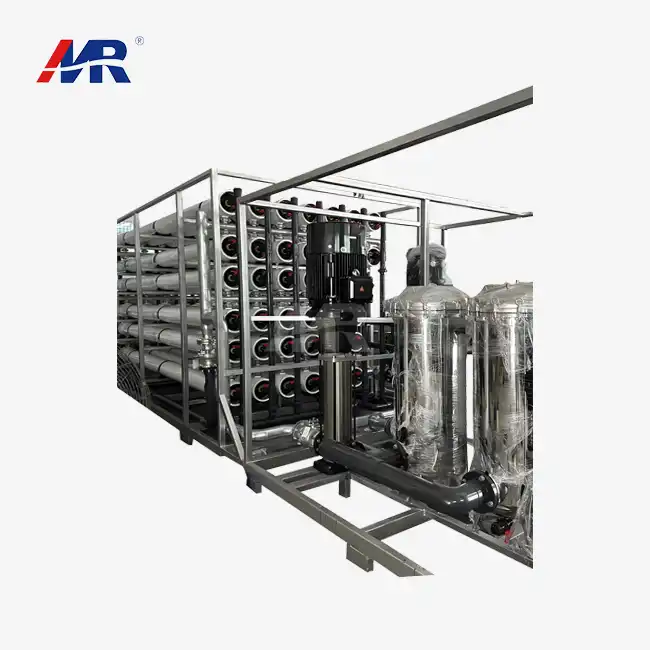 VIEW MORE150m3/hour reverse osmosis plant
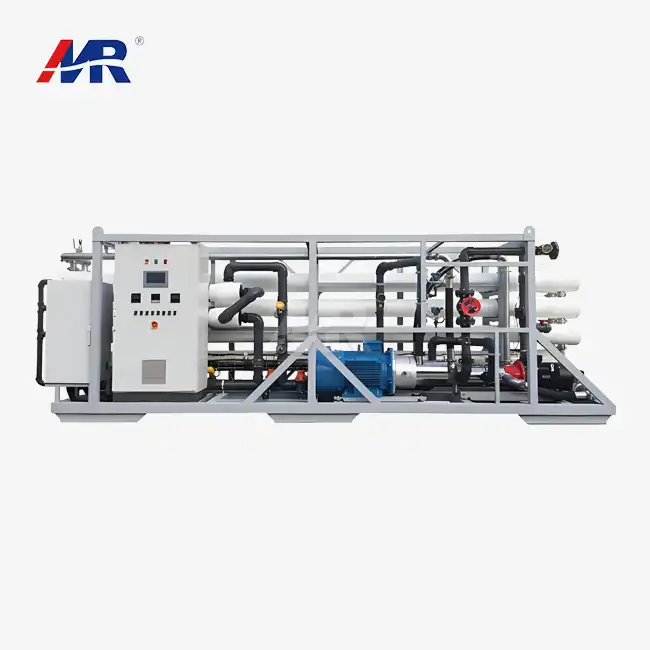 VIEW MORE15m3/hour seawater desalination system
 VIEW MORE200m3/hour ultrafiltration equipment
 VIEW MOREultrafiltration drinking water system
 VIEW MOREwastewater treatment plant units
 VIEW MOREedi system in water treatment
 VIEW MOREDTRO plant
