_1745823981883.webp)

Best Leased Water Treatment Systems for Manufacturing Cost Control
Manufacturing companies need reliable water treatment systems to ensure the quality of their Products and that they follow the rules, as well as to keep their costs down. Leasing is a smart business move that lowers up-front capital costs and increases operating freedom. These solutions are great for manufacturers who want to be more efficient and protect the environment. They make it easy for companies to quickly change to new production needs and environmental standards. This complete guide looks at how leasing makes the most of investments in industrial water treatment, giving useful information to B2B procurement workers looking for solutions that are based on value.
Understanding the Role of Leased Water Treatment Systems in Manufacturing Cost Control
Leasing water treatment solutions has become very popular among makers because it has huge benefits for their finances and operations. Companies keep their valuable cash flow and improve the accuracy of their budgets across multiple fiscal periods by turning large capital expenses into reasonable operating costs.
When production rates change, the scalability factor comes in handy because you don't have to worry about assets becoming obsolete or expensive technology updates. Today's production settings need to be flexible, and leased systems give companies the freedom to change that they need to stay competitive.
Financial Benefits of Leasing vs. Purchasing
When you lease, you don't have to make big initial investments that can put a strain on your operating cash. When compared to outright purchases, upfront costs are usually 20–30% lower for manufacturing companies. This frees up money that can be used for core production changes and growth projects.
Leasing makes it easier to plan your finances because the monthly payments are regular. It also helps you keep your cash flow steady. Medium-sized manufacturers who need modern treatment technology but don't want to make big capital investments that could hurt their operational liquidity will gain the most from this method.
Operational Flexibility and Scalability
Leased water treatment systems give you a lot of operating freedom that you can't get with bought tools. Companies can easily increase or decrease their production based on seasonal changes, new product lines, or changing market needs, all without being stuck with equipment that is too big or too small.
Modern leased systems are flexible, which means that makers can add treatment steps or improve parts as the needs for water quality change. This flexibility is very important for fields where water cleanliness standards are getting stricter, like medicine, electronics manufacturing, and food processing.
Types of Water Treatment Systems Suitable for Manufacturing and Leasing Options
Different types of water cleaning methods are needed in factories so that they can meet the needs of different industries and quality standards. Knowing the choices that are out there helps people who work in buying make smart choices that meet business needs and stay within budget.
Reverse Osmosis and Advanced Filtration Systems
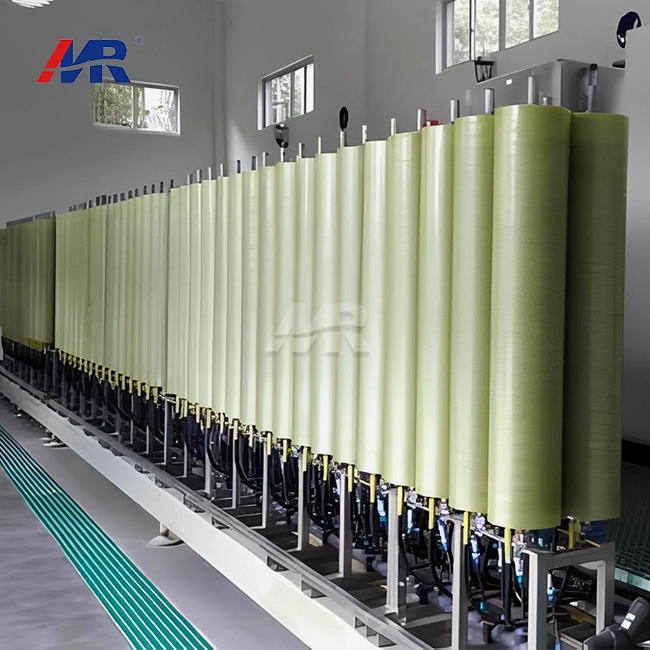
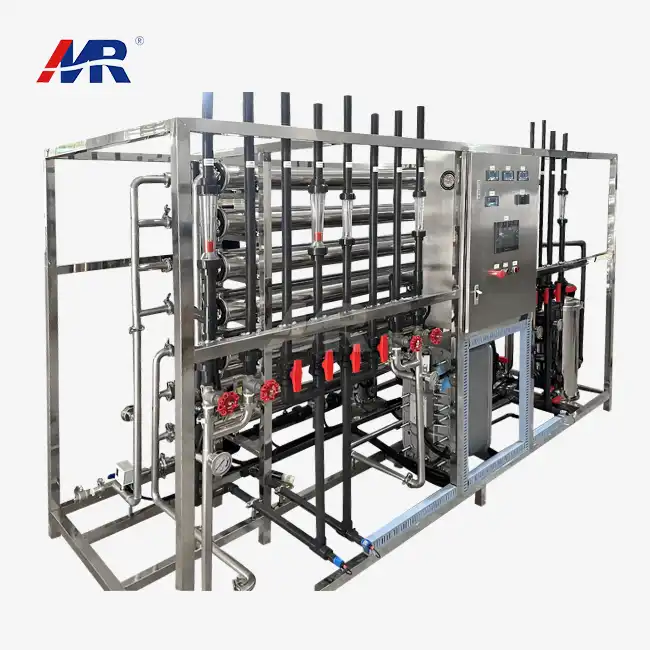
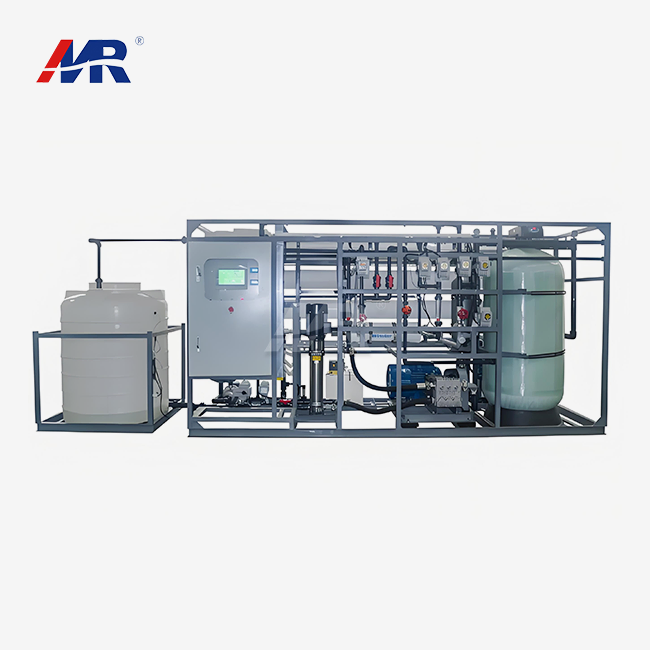
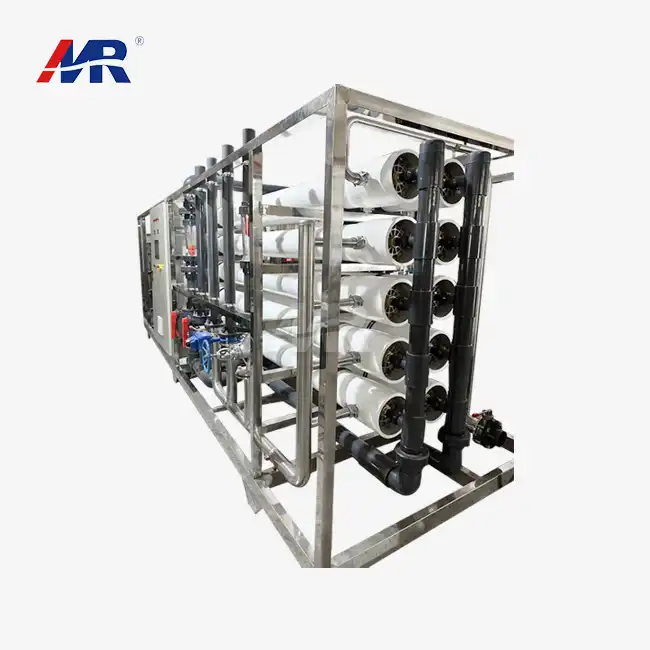
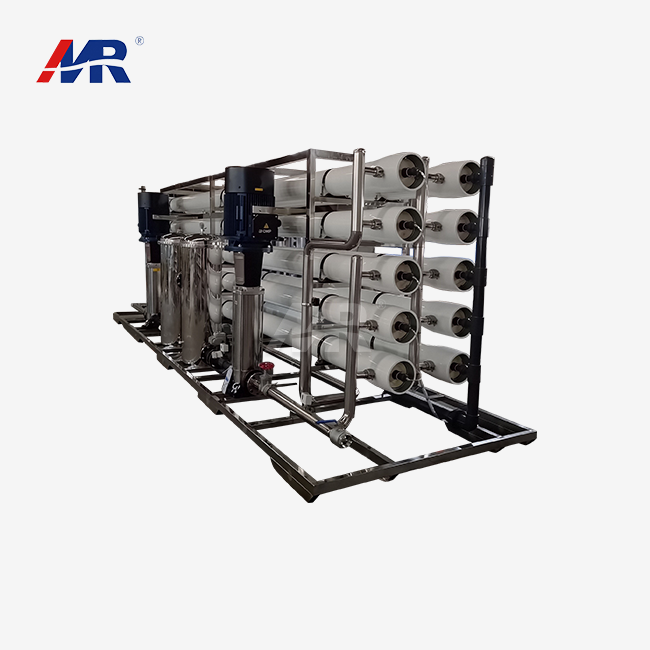
The best way to get rid of dissolved contaminants in commercial water systems is to use reverse osmosis technology. These systems get rid of germs, viruses, heavy metals, and chemical pollutants that could hurt the quality of products or hurt sensitive manufacturing equipment very well.
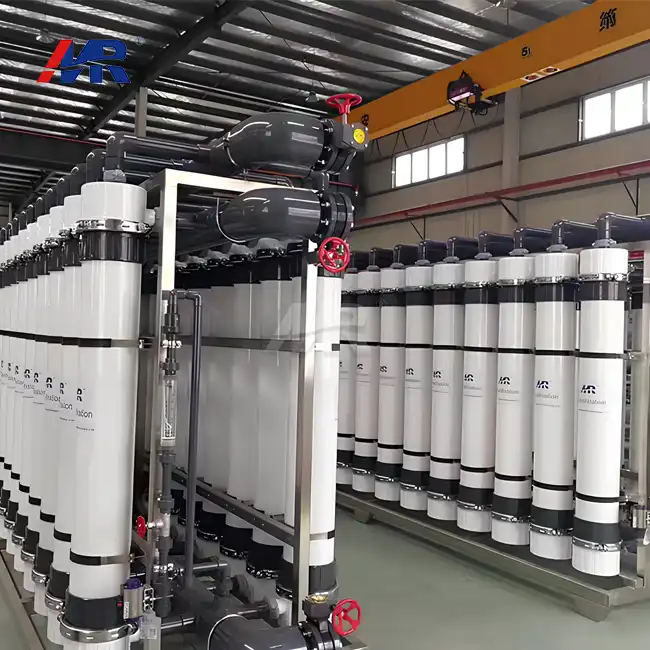
Advanced multistage filtration systems use several cleaning methods together, such as carbon adsorption, sediment filtration, and membrane separation. This all-around method keeps the water quality uniform across all industrial processes while keeping energy use low and operations running smoothly.
Membrane Bioreactor and Biological Treatment Solutions
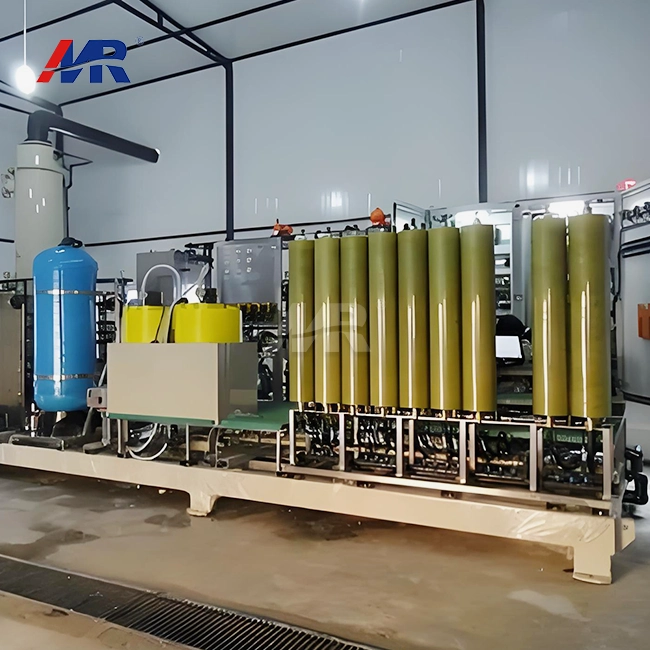
Our cutting-edge goods use advanced biological and physical methods to get rid of contaminants, leaving behind clean water that can be used again or safely released into the environment. These systems have amazing performance specs and are made in a modular, scalable way that makes them adaptable to a wide range of business needs.
With BOD removal of up to 95%, COD removal of up to 90%, and TSS removal of up to 95%, the scientific data show that the water treatment systems are very effective. At 0.3 to 0.5 kWh/m³, the energy use is still very low, and the small design takes up 30% less room than standard treatment facilities.
Containerized Treatment Solutions
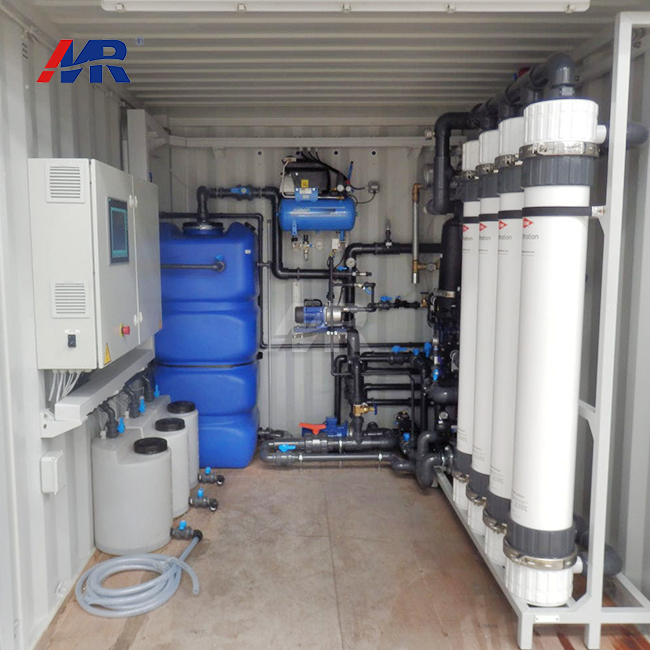
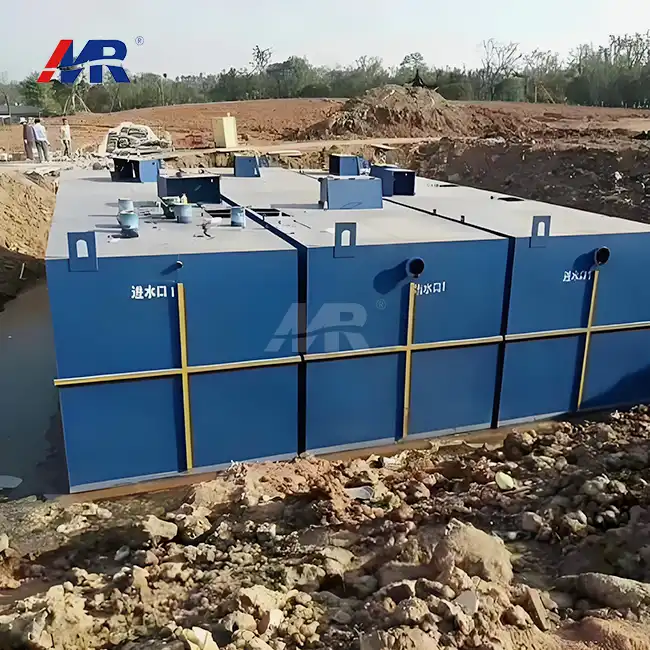
Containerized water treatment systems have special benefits for companies that need solutions that can be moved quickly and are portable. These self-contained units come pre-designed and tested, which cuts down on the time and work needed to build them on-site by a large amount.
The flexible container design protects sensitive equipment from the weather and makes it easy to move or add on as business needs change. Multiple bins can be put together to increase the amount of waste that can be treated. This makes them perfect for projects that need to grow slowly or for temporary production sites.
Factors to Consider When Selecting a Leased Water Treatment System for Manufacturing
The technical specs, financial terms, and service options must all be carefully considered when choosing rental water treatment systems. Smart procurement choices combine short-term operational needs with long-term strategic goals, making sure that all rules are followed.
Technical Performance and Compliance Requirements
Different types of industry have very different industrial water standards, which means that the right system has to be chosen to meet certain quality standards. For example, companies that make food and drinks need systems that can get rid of germs and biological contaminants. Companies that make electronics need water that is very pure and has few dissolved ions.
During the lease time, running costs are directly affected by how energy-efficient the building is. Modern systems with advanced technology and online tracking cut down on the amount of work that needs to be done while also improving treatment performance and reducing waste.
Service Support and Maintenance Considerations
Comprehensive service agreements are necessary to keep system performance stable and reduce the number of times it goes down without warning. The best lease companies offer Technical support 24 hours a day, seven days a week, as well as scheduled maintenance and quick response times that keep production lines going smoothly.
The success of rental treatment systems is often based on how well they get ongoing expert help. Service teams with a lot of experience know how factories work and can quickly figure out what's wrong, fix it, and make system improvements that make everything run more smoothly.
Financial Terms and Lease Flexibility
The terms of a lease deal have a big effect on the total cost of ownership and the flexibility of operations during the time of the lease. Clear pricing structures help makers correctly plan their running costs and avoid fees or charges that they didn't expect.
When business conditions change, flexible lease terms for leased water treatment let you make changes to your capacity, improve your equipment, or end the lease early if the situation calls for it. These rules are especially helpful for businesses that are growing or that work in markets that are always changing.
Cost Control Strategies Enabled by Leased Water Treatment Systems
Leasing plans let you use complex ways to keep costs down, which boosts your business's profits while keeping operations running smoothly. These ways help companies get long-term competitive benefits by making the best use of their resources.
Capital Preservation and Cash Flow Management
Leasing keeps valuable financial resources from being wasted on treatment tools and instead puts them to work on activities that bring in money. This strategy works especially well for growing companies that need money to make new products, grow their markets, or improve their production capability.
When you hire something, you don't have to worry about the unpredictable costs that come with buying property, maintaining it, and fixing it when you least expect it. Making payments on time every time makes budgeting easier and helps keep profit margins stable, even when production numbers change.
Operational Cost Optimization
Modern rented systems use technologies that save energy, which lowers the cost of utilities during the contract time. Advanced process controls change the treatment settings automatically based on the water quality. This uses the least amount of energy and chemicals while still keeping the best performance.
With included repair services, you don't need to hire skilled technical staff, which saves money on labor costs and training. Professional service teams have a lot of experience with many setups and can often find ways to improve things that internal staff might miss.
Technology Access and Upgrade Benefits
Leasing gives producers access to cutting-edge cleaning technologies that they might not be able to afford otherwise. This technological edge helps businesses stay competitive while also following stricter rules about the environment.
Comprehensive lease deals include regular technology changes that keep systems up to date with changing industry standards and government rules. With this automatic update, there is no longer any chance of using old equipment that might not be up to code or not work as efficiently.
Case Studies and Success Stories of Leased Water Treatment Systems in Manufacturing
Real-life examples show how smart leasing choices can help in the real world and lead to measurable results. These Cases show how leased water treatment systems have been used successfully in different industry sectors to meet practical and financial goals.
Food and Beverage Industry Success Story
A local company that makes drinks was having more and more problems with the quality of the water, which made it harder to keep their products consistent and follow the rules. The business teamed up with a top treatment company to set up a reverse osmosis system that can handle between 50 and 10,000 m³ per day.
The system came with advanced automation features, the ability to watch from afar, and full upkeep support. The results were better than expected; 95% of the contaminants were removed, and operating costs were cut by 25% compared to the old way of treating city water.
Because the lease terms were flexible, the maker could increase the amount of treatment during busy production times while keeping costs low during slower times. This ability to shift was very important for keeping stable profit margins and dealing with changes in seasonal demand.
Chemical Manufacturing Facility Implementation
A company that makes specialty chemicals needed ultra-pure water for important manufacturing processes and had to follow strict rules about how to dump wastewater. Buying traditional equipment would have needed a big input of money, and there was no guarantee that the technology would not become outdated.
The rental cleaning system was made up of modular parts that made it easy to add on as production levels rose. Biogas recycling choices added to the benefits of producing energy, and odor control systems made sure that environmental rules were followed.
The operational data showed that 90% of the COD was removed and only 0.4 kWh/m³ of energy was used, which is much less than the average for the business. The full-service deal kept the system up 99.2% of the time, which made sure that production didn't stop and that the quality of the products was always the same.
Pharmaceutical Plant Water Purification Project
A drug company needed GMP-compliant water treatment equipment that could make ultra-pure water for important steps in the drug-making process. To meet regulatory standards, strict processes for recording and validation were needed.
The rented system had advanced membrane filtration, electrodeionization technology, and full tracking systems that kept track of water quality factors automatically. This automatic compliance reporting made administrative work a lot easier while still making sure that regulations were followed.
The results of the implementation showed that skilled installation and ongoing support services work. In the time allotted, the building got validation approval while still keeping its working flexibility for future projects that will grow it.
Conclusion
Leased water treatment systems are a smart way to cut costs in manufacturing that has real financial and operational advantages. When manufacturers have lower capital needs, operating freedom, and full-service support, they can make the best use of their resources while still meeting high standards for water quality. Modern lease agreements give you access to cutting-edge treatment technologies, professional repair services, and choices for changing the size of your facility to meet the needs of your business. These solutions are especially helpful for businesses that want to keep their cash flow stable, avoid the risks of technology failure, and stay in line with changing environmental laws, all while gaining long-term economic advantages.
FAQ
1. What are the main advantages of leasing versus purchasing water treatment equipment?
Leasing offers several compelling advantages, including preserved capital for core business operations, predictable monthly payments that simplify budgeting, and access to advanced technologies without large upfront investments. Additionally, comprehensive maintenance and service support typically included in lease agreements reduces operational risks and ensures consistent system performance.
2. How quickly can leased water treatment systems be installed and operational?
Professional installation teams can typically complete system deployment within 2-4 weeks, depending on complexity and site preparation requirements. Containerized systems offer even faster deployment timelines, often achieving operational status within days of arrival because their design has already been thought out and tried.
3. Can leased systems be customized to meet specific industrial water quality requirements?
Modern treatment systems can be changed in a lot of ways to meet the special needs of different industry areas that have problems with water quality. Different treatment technologies, like reverse osmosis, biological treatment, membrane filtration, and cleaning processes, can be put together in modular forms so that they work best for each operation.
4. What happens if production volumes change during the lease term?
Flexible lease agreements typically accommodate production volume changes through scalable system designs and adjustable capacity options. There are a lot of companies that offer modular expansion or different equipment setups that can be used without causing major problems for current activities.
Partner with Morui for Advanced Water Treatment Solutions
Guangdong Morui Environmental Technology Co., Ltd. is ready to change the way you handle water in your manufacturing processes by offering new lease programs made just for businesses that want to save money. Our all-inclusive Water Treatment Systems mix cutting-edge technology with flexible payment options, which lets makers in a wide range of industries improve their operations while keeping their valuable capital. As a top provider of water treatment systems with over 500 workers, 20 specialized engineers, and 14 key locations, we offer tried-and-true solutions backed by a wealth of scientific knowledge and industry experience. Get in touch with benson@guangdongmorui.com right away to learn more about our advanced cleaning technologies and how they can help you become more environmentally friendly and efficient in your operations.
References
1. Industrial Water Treatment Cost Analysis and Leasing Benefits for Manufacturing Operations, Journal of Industrial Engineering, 2023.
2. Membrane Technology Applications in Manufacturing Water Treatment Systems, Water Technology International, 2024.
3. Financial Strategies for Industrial Water Treatment Equipment Acquisition, Manufacturing Finance Quarterly, 2023.
4. Regulatory Compliance and Water Quality Standards in Industrial Manufacturing, Environmental Engineering Review, 2024.
5. Containerized Water Treatment Systems: Design, Implementation, and Performance Analysis, Industrial Water Management, 2023.
6. Sustainable Manufacturing Water Management Through Advanced Treatment Technologies, Green Manufacturing Today, 2024.