

_1745823981883.webp)

Best Custom Reverse Osmosis Designs for Pharmaceutical Manufacturing
The best custom reverse osmosis designs for pharmaceutical manufacturing, such as those from RO Design Pharmaceutical, are the best water treatment technology made just for the pharmaceutical business. Ultra-pure water systems that meet FDA and USP standards are required for the pharmaceutical industry's RO design. Custom pharmaceutical reverse osmosis systems use advanced membrane technology, accurate monitoring tools, and tried-and-true operational protocols to make sure that the water quality always meets Good Manufacturing Practice (GMP) standards. This increases production efficiency and makes sure that all regulations are followed.
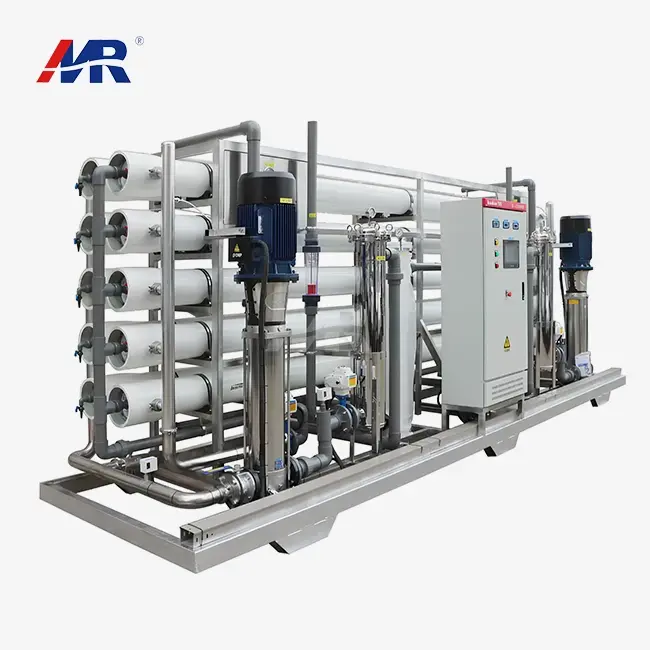
Understanding Pharmaceutical Reverse Osmosis Systems
Pharmaceutical reverse osmosis systems work in very different ways when compared to normal industrial water treatment systems. Water that meets USP (United States Pharmacopeia) standards is needed by the pharmaceutical business. USP <645> standards are for cleaned water, and USP <643> standards are for water for injection preparations.
Critical Design Parameters for Pharmaceutical Applications
Pharmaceutical water systems must maintain conductivity levels below 1.3 µS/cm at 25°C, and total organic carbon (TOC) levels must be less than 500 ppb in pharmaceutical water systems. Due to these requirements, to design pharmaceutical strategies, one must include multiple stages of cleansing, such as pre-treatment, reverse osmosis, and cleaning steps after treatment.
In pharmaceutical applications, the membrane selection process is very important. Thin-film composite (TFC) membranes with high flux and low fouling work better at getting rid of dissolved solids, chemical molecules, and possible contaminants. Over 99% of contaminants pass through these membranes, and their performance stays the same over long operating cycles.
Regulatory Compliance and Validation Requirements
According to FDA rules, pharmaceutical water systems must follow thorough approval methods. The Installation Qualification (IQ), Operational Qualification (OQ), and Performance Qualification (PQ) procedures make sure that the system works well and follows the rules. Documentation needs to include certificates for materials, records of welding, and thorough testing methods that show how well the system works in a range of operating situations.
The validation process extends beyond initial installation, requiring ongoing monitoring and periodic requalification. Modern control systems have built-in real-time tracking tools that keep an eye on important factors like conductivity, TOC levels, and bacterial activity. When these systems are used, they produce detailed records that are used for quality control and governmental inspections.
Core Components and Customization Options of Pharmaceutical RO Systems
There are special parts in pharmaceutical reverse osmosis systems that are made to work in settings where drugs are made. When putting these parts together, you have to think carefully about how the materials work together, how to make sure it is clean, and what the practical needs are.
Advanced Pretreatment Systems
Pre-treatment systems keep the quality of the feed water stable and protect the RO filters that come after them. Different pretreatment setups can be used to deal with different toxins that may be in source water supplies. Multimedia filtration gets rid of solids that are floating in the water, and activated carbon filtration gets rid of chlorine and chemical compounds that could hurt membrane surfaces.
Water softening systems keep membrane surfaces from getting scaled, which extends their useful life and keeps their performance uniform. The ion exchange material to use depends on the chemistry of the source water and the medicine application. Pharmaceutical-grade chemicals are used in regeneration processes to keep the system's health and stop contamination.
Membrane Configuration and Selection
The design of the membrane is very important for meeting the quality standards for medicinal water. Spiral-wound membrane elements make the best use of surface area while keeping system sizes small. It is possible for high-flux membrane systems to remove contaminants more effectively while using less energy.
Chemical interaction with pharmaceutical cleaning and sanitization processes is taken into account when choosing membrane materials. When used in pharmaceutical settings, PTFE and PVDF membrane materials show great chemical protection and longer working life. Even when they are cleaned with hot water that gets as hot as 80°C, these materials keep their shape.
Control and Monitoring Systems
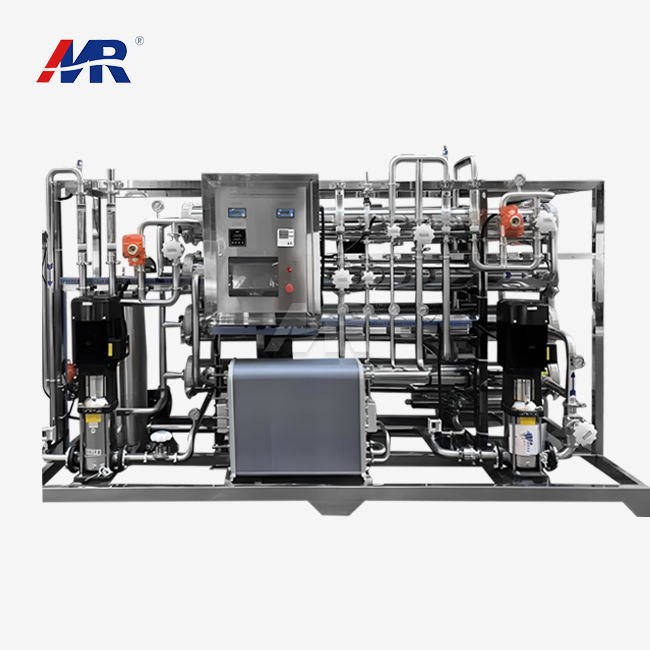
Modern programmable logic controllers (PLCs) with touchscreen displays make it easy to run systems and keep an eye on everything. These systems, by RO Design Pharmaceutical, have many sensors that constantly check important factors like temperature, pressure, flow rate, and conductivity across the whole system.
Having the ability to log data helps maintain detailed working records that meet regulatory standards. Trending analysis finds possible performance problems before they affect the quality of the water. This lets you plan preventative maintenance and make the most of your system. Technical support teams can help users and fix problems in real time when they can watch systems remotely.
Comparing Pharmaceutical RO Design Solutions for Optimized Procurement Decisions
When buying pharmacy water systems, you need to carefully consider the design options, the help you'll need to follow the rules, and the long-term costs of running the system. There are big differences between RO-designed pharmaceutical solutions in terms of their technical skills, customizable options, and validation support services.
Technical Capability Assessment
For pharmaceutical uses, system capacity is the most important thing to think about. The production capabilities of modern pharmaceutical RO systems range from 1 cubic meter per hour for lab use to over 100 cubic meters per hour for large-scale manufacturing. The Morui pharmaceutical RO system can give 100 cubic meters per hour and has a recovery rate of up to 75%, so it can be used for making a lot of pharmaceuticals.
Using less energy has a direct effect on both operating costs and the health of the Earth. Advanced system designs use between 1.6 and 1.8 kWh of power per cubic meter of clean water they make. These levels of efficiency come from better pump designs, systems that recover energy, and new membrane technologies that reduce the amount of pressure needed while still doing a great job of cleaning.
Vendor Evaluation Criteria
When choosing a vendor, you need to look at their technical knowledge, help for regulatory compliance, and long-term service skills. Well-known companies offer full validation help, which includes creating protocols, supervising tests, and writing up documents. This help is very useful during regulatory checks and actions to qualify the system.
Manufacturing skills and quality Certifications show how reliable a provider is and how good their Products are. Having ISO 9001 certification shows that you are dedicated to quality management systems, and working in the pharmaceutical business for a while ensures that you know how to meet special legal requirements. References from vendors who have worked on similar pharmaceutical projects can show how well the system actually works and how happy customers are with it.
Trends and Innovations in Pharmaceutical RO Design for Future-Ready Manufacturing
Pharmaceutical water treatment technology is always changing to keep up with new rules and improve operating efficiency. Ro designs pharmaceutical innovations that focus on better automation, using less energy, and more advanced tracking tools that support the ideas of Industry 4.0 production.
Advanced Membrane Technologies
Nanotechnology breakthroughs have made next-generation membrane materials more selective and less likely to get clogged. Even when the feed water conditions change, these membranes keep working the same way. They also require less cleaning and chemicals. Better resistance to fouling makes membranes last longer and costs less to repair.
Changes to the membrane surface make biofilm resistance better, which solves the problem of microbes polluting medicinal water systems. These changes keep the membrane working well for longer amounts of time while lowering the need for cleaning and the costs that come with it.
Digital Integration and Smart Monitoring
Integration of the Internet of Things (IoT) allows for remote tracking and repair that can be planned ahead of time. Smart monitors collect operational data all the time, which is then analyzed by machine learning algorithms to figure out what repair needs to be done and how to make the system work better. These features cut down on unexpected downtime and keep the water quality stable.
In real time, artificial intelligence programs change system settings based on the feed water conditions and output needs to find the best operating parameters. These systems learn from past operations to become more effective, use less energy, and keep the quality of the water used in pharmaceuticals.
Sustainability and Environmental Considerations
Optimizing water recycling cuts down on trash and damage to the environment. Modern system designs can collect more than 75% of the water while still meeting quality standards. Concentrate minimization methods cut down on trash even more, and they also lower the cost of dumping.
Energy recovery systems take pressure energy from concentrated streams, which lowers the amount of power that is used generally. In large-scale pharmaceutical manufacturing processes, such as RO design pharmaceutical, where energy costs are a big part of running costs, these methods are especially useful.
Best Practices and Guidelines for Implementing Custom RO Designs in Pharmaceutical Manufacturing
When pharmaceutical reverse osmosis systems are put into use, they must follow best practices and legal standards that have already been set. Careful planning, the right way to put things, and thorough validation processes that make sure of legal compliance and operational dependability are all important for a successful execution.
System Design and Engineering
The design of pharmaceutical projects starts with thorough feasibility studies that look at things like the quality of the source water, the needs for production, and the rules that must be followed. These studies set standard factors that are used to specify systems and choose their parts. Engineering calculations check the system's performance and ability in a number of different operating situations.
Sanitary design concepts make sure that the system can work in places where drugs are. All wet surfaces are made of 316L stainless steel and have electropolished finishes that keep surfaces clean and avoid contamination. Orbital welding methods are used in piping systems to get rid of cracks and places where contamination can enter.
Installation and Commissioning Procedures
Professional installation teams make sure that the system is put together correctly and works with the current infrastructure for making medicines. Documented methods make sure that the placement of parts, the links between pipes, and the wiring are all done correctly during the installation process. Before the system starts up for the first time, hydrostatic testing makes sure it is working properly.
As part of commissioning, the system is tested thoroughly in real-world working circumstances. Performance testing makes sure that the water quality, system capacity, and energy use meet the standards. Documentation made during commissioning serves as a starting point for continued actions of performance tracking and evaluation.
Quality Assurance and Validation Protocols
Quality assurance procedures make sure that the system always works correctly and follows the rules for as long as it is in use. Water quality factors, such as conductivity, TOC levels, and bacteria content, are checked on a regular basis. Trending analysis finds changes in performance that could mean that the system needs repair or could be improved.
Protocols for validation show that the system can regularly make pharmaceutical-grade water that meets requirements from the RO design pharmaceutical. These standards include actions for Installation Qualification (IQ), Operational Qualification (OQ), and Performance Qualification (PQ) that create proof of regulatory compliance. Change control methods keep track of the validation state while managing changes to the system.
Conclusion
The best custom reverse osmosis designs for making pharmaceuticals use cutting-edge technology, follow strict rules, and run efficiently to produce ultra-pure water that meets stringent pharmaceutical standards. The pharmaceutical industry's stringent requirements call for specialized RO design and pharmaceutical approaches that address specific contamination issues while keeping performance consistent. Modern systems like Morui's 100 m³/hour pharmaceutical RO system show how advanced membrane technology, automated controls, and full tracking are all used together. To implement something correctly, you need to carefully choose the provider, make sure the system is designed correctly, and follow strict validation processes that guarantee long-term legal compliance and operating success.
FAQ
1. What distinguishes pharmaceutical RO systems from standard industrial reverse osmosis equipment?
Pharmaceutical reverse osmosis systems require specialized materials, sanitary design principles, and validation protocols that standard industrial systems do not possess. These systems utilize 316L stainless steel construction, electropolished surfaces, and orbital-welded joints to prevent contamination. Additionally, pharmaceutical systems must meet USP water quality specifications and undergo comprehensive validation procedures, including IQ, OQ, and PQ protocols.
2. How do custom designs improve regulatory compliance in pharmaceutical manufacturing?
Custom RO design pharmaceutical solutions address specific regulatory requirements through tailored component selection, monitoring capabilities, and documentation systems. Custom designs accommodate unique facility layouts, integrate with existing manufacturing systems, and incorporate specific monitoring parameters required by regulatory agencies. This customization ensures systems meet FDA, EMA, and other international pharmaceutical regulatory standards.
3. What factors should procurement teams consider when selecting pharmaceutical RO vendors?
Procurement evaluation should assess vendor's pharmaceutical industry experience, regulatory compliance support capabilities, and long-term service availability. Key considerations include validation protocol support, documentation quality, material certifications, and reference customer performance. Additionally, vendors should demonstrate manufacturing quality certifications and provide comprehensive training and technical support services.
4. How do energy-efficient designs impact pharmaceutical manufacturing operations?
Energy-efficient pharmaceutical RO designs reduce operational costs while maintaining water quality specifications. Systems achieving 1.6-1.8 kWh per cubic meter consumption, like Morui's pharmaceutical system, significantly reduce utility expenses compared to conventional designs. These savings become substantial in high-volume pharmaceutical manufacturing operations while supporting corporate sustainability initiatives.
Partner with Morui for Advanced Pharmaceutical Water Treatment Solutions
Morui's pharmaceutical reverse osmosis systems deliver exceptional performance for demanding pharmaceutical manufacturing applications. Our 100 m³/hour capacity system combines energy-efficient operation with comprehensive regulatory compliance support, making it an ideal RO design pharmaceutical solution for modern manufacturing facilities. With over 14 branches, 500 dedicated employees, and 20 specialized engineers, Morui provides complete turnkey services, including system design, installation, commissioning, and ongoing technical support.
Our pharmaceutical RO systems feature advanced PLC controls, high-flux TFC membranes, and customizable pre-treatment configurations that address specific pharmaceutical manufacturing requirements. The compact footprint and scalable design accommodate facility constraints while providing flexibility for future capacity expansion. Contact our technical team at benson@guangdongmorui.com to discuss your pharmaceutical water treatment requirements and discover how our expertise can enhance your manufacturing operations.
References
1. "Pharmaceutical Water Systems: Design and Validation Guidelines for GMP Compliance" - International Society for Pharmaceutical Engineering (ISPE), 2019
2. "United States Pharmacopeia Chapter 643: Total Organic Carbon Determination in Water" - USP Convention, 2023
3. "FDA Guidance for Industry: Quality Systems Approach to Pharmaceutical Current Good Manufacturing Practice Regulations" - U.S. Food and Drug Administration, 2022
4. "Water Treatment Technologies for Pharmaceutical Manufacturing: Membrane Filtration and Purification Systems" - Pharmaceutical Technology Magazine, 2023
5. "Energy Efficiency in Pharmaceutical Water Treatment: Best Practices and Technology Innovations" - Water Technology & Treatment Journal, 2024
6. "Regulatory Compliance Strategies for Pharmaceutical Water Systems in Global Markets" - Pharmaceutical Manufacturing Review, 2023
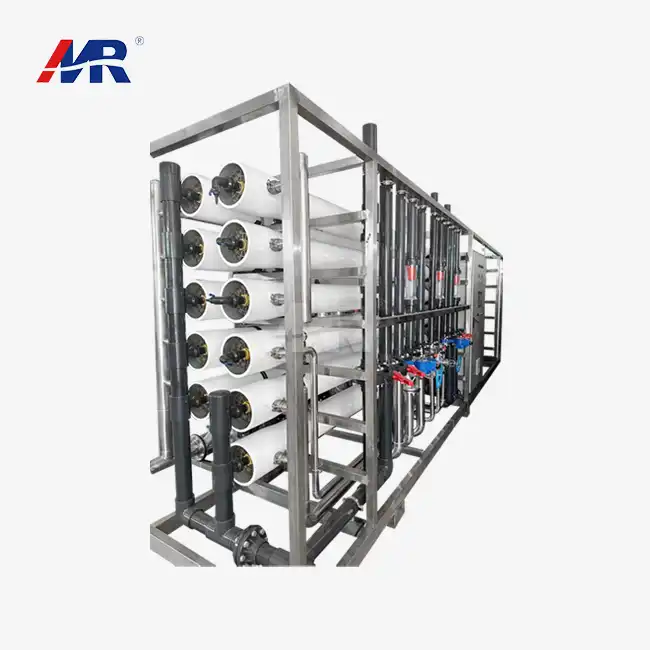 VIEW MORE60m3/hour reverse osmosis plant
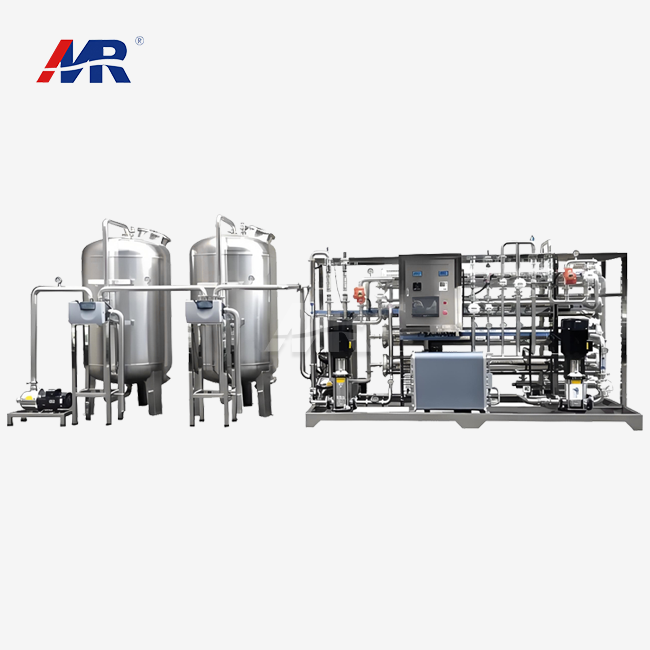 VIEW MORE2000LPH EDI system
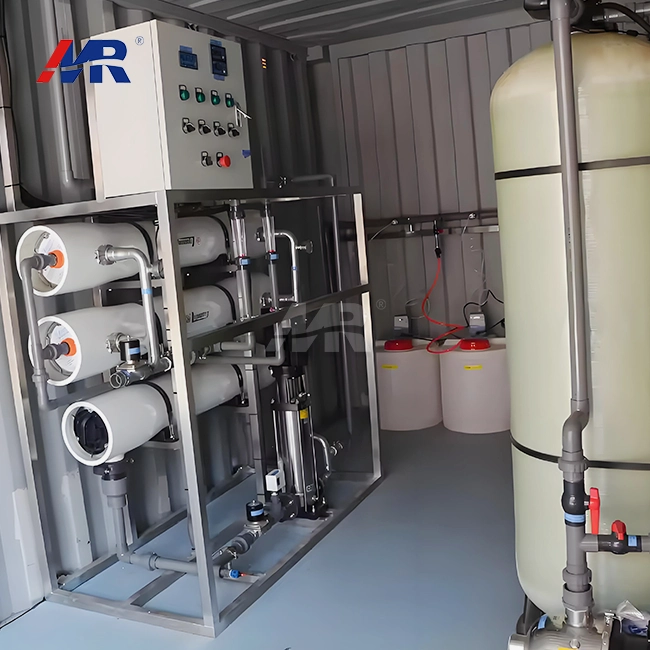 VIEW MOREcontainerized reverse osmosis system
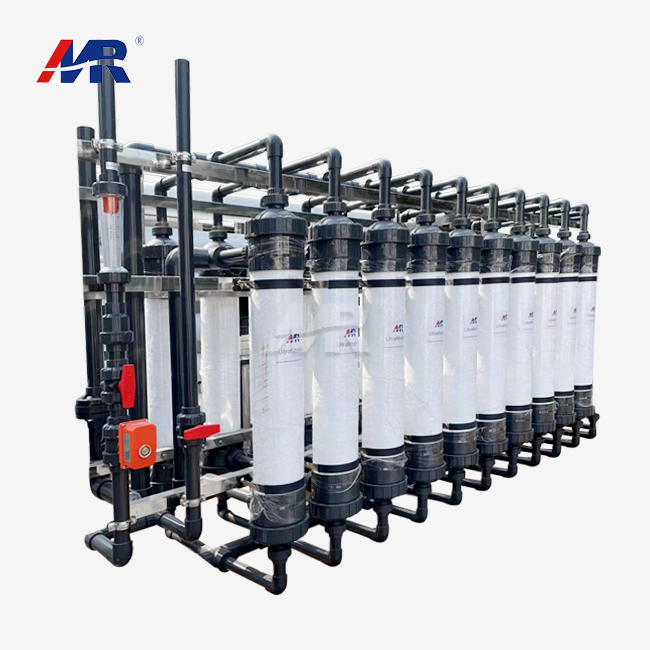 VIEW MOREultrafiltration drinking water system
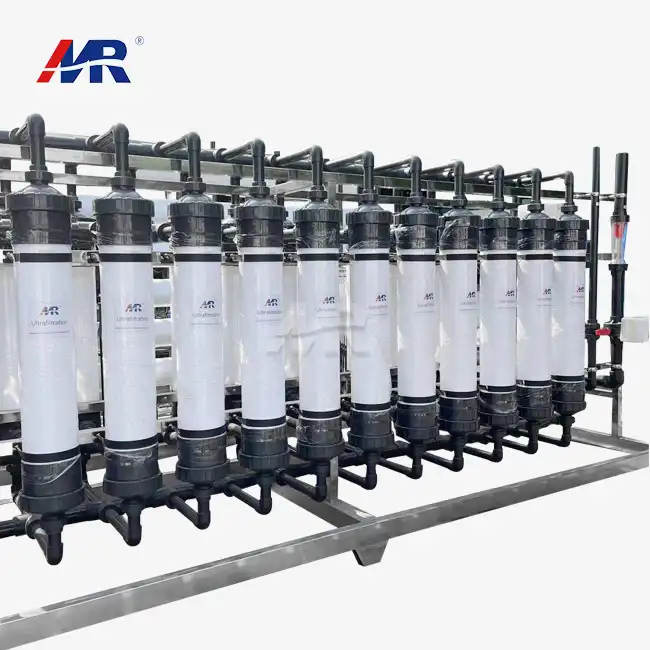 VIEW MORE30m3/hour ultrafiltration equipment
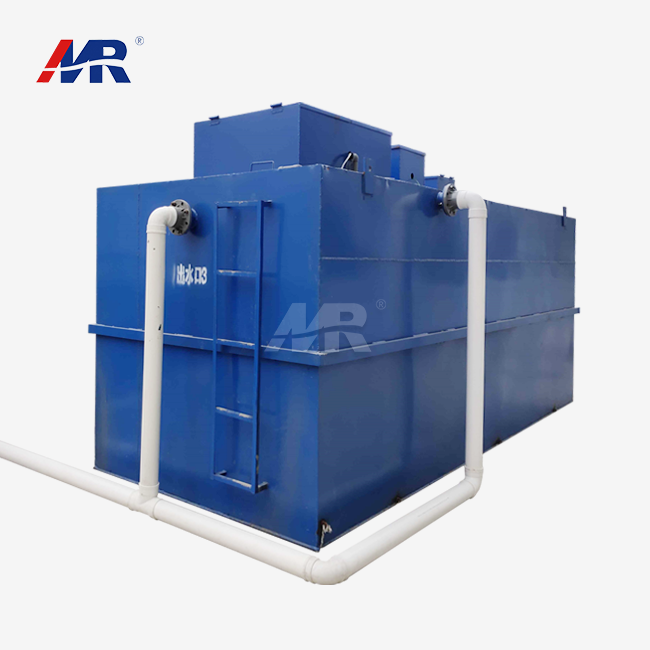 VIEW MOREMBR wastewater treatment plant
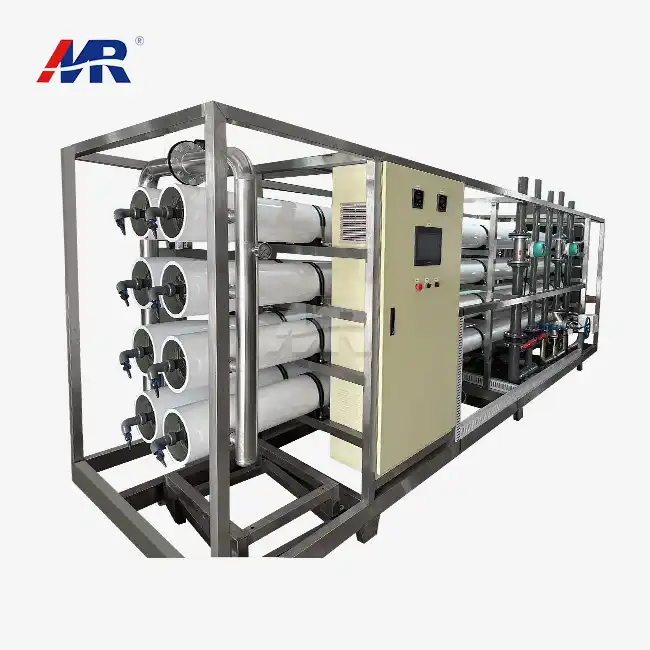 VIEW MORE8m3/hour two pass reverse osmosis system
 VIEW MOREelectro deionizer system
