_1745823981883.webp)

Transforming desalination: How smart drives cut energy use by 30%
Smart drives are changing the way water is treated by drastically lowering the amount of energy used in desalination process systems. With these variable frequency drives (VFDs), motor speed and power are controlled in the best way possible to meet real-time operating needs. This means that fixed-speed systems don't waste energy. Smart drives save up to 30% of energy by exactly changing pump speeds based on changing load needs. They also keep the quality of the water produced constant and extend the life of the equipment.
Understanding Energy Consumption in Desalination Processes
Desalination systems have their own energy problems that affect both the bottom line and the long-term health of the world. Understanding these patterns of energy use helps building managers find ways to save money and make things run more efficiently.
Energy Demands in Reverse Osmosis Systems
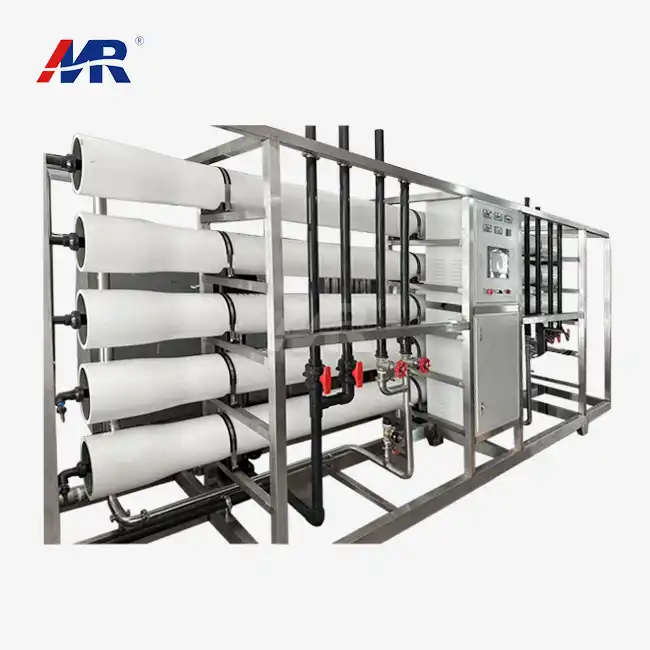
A lot of energy has to be put into reverse osmosis technology in order to make the high pressure that is needed to push seawater through special membranes. For treating saltwater, high-pressure pumps usually use between 60 and 70% of the system's total energy, working at pressures between 600 and 900 PSI. These pumps have to deal with osmotic pressure while keeping flow rates constant in a wide range of operating situations.
Traditional motors with set speeds always run at full capacity, even when demand is low. This wastes a lot of energy when production needs are low. This wasteful behavior costs a lot in places where water needs change, like factories that only make certain things during certain times of the year or beach vacations where the number of guests changes all the time.
Thermal Process Energy Requirements
To evaporate and compress seawater, multi-stage flash and multi-effect distillation devices need a huge amount of heat. In order for these thermal processes to work, steam must be made at temperatures between 70°C and 120°C. To make heat, a lot of fossil fuels or electricity must be used. Even though energy recovery systems collect leftover heat, thermodynamic limits still limit their total efficiency.
In thermal systems, the need for pumping, heating, and cooling all at the same time makes energy management difficult. Operators have to keep the right temperature differences between steps while balancing the production of steam, the cooling of the condenser, and the circulation pumps.
How Smart Drives Optimize Energy Use in Desalination Plants?
Smart drives improve the efficiency of the desalination process by adding smart motor control that changes based on current operating needs. These high-tech methods save measured amounts of energy and make the whole system more reliable and effective.
Variable Speed Control Technology
Variable frequency drives change the speed of motors by changing the power and frequency of the electricity that goes to them. This exact control lets workers match pump output directly to system demand, so they don't have to use energy-wasting devices like throttling valves or bypass systems. When less work needs to be done, smart drives instantly slow down the motors, which saves the same amount of energy.
Modern VFD systems use complex formulas to make sure that the pump curves work as efficiently as possible in all kinds of working situations. These systems keep an eye on pressure, flow, and temperature all the time to make sure they keep working at their best while using as little energy as possible. Real-time feedback loops keep the water quality stable even when practical needs change.
Integration with Control Systems
Smart drives work well with PLC-based automation systems that are already in place. This lets you use complex control methods that make the whole desalination process run more smoothly. Multiple pumps, valves, and treatment steps are coordinated by advanced control programs that keep the system running at its most efficient level while adapting to changing production needs.
Besides basic speed control, the integration features also include predicted maintenance features that keep an eye on vibration, temperature, and electrical factors. These tracking systems find problems with equipment before they break down. This cuts down on unplanned downtime and repair costs while also making equipment last longer.
Selecting and Implementing Smart Drives in Your Desalination Project
To pick the right smart drive technology, you need to carefully think about the system's needs, how well it will work with other devices, and your long-term business goals. For adoption to go well, there needs to be a lot of planning and professional knowledge in both drive technology and purification operations.
Technical Compatibility Assessment
To check if new equipment will work with old ones, you have to look at the electrical systems, control connections, and mechanical arrangements. Modern smart drives can work with a range of motor types and voltages, but they must meet certain connectivity standards before they can be fully integrated. To handle advanced drive functions and transmission methods, the electrical infrastructure might need to be updated.
Compatibility with motors includes more than just basic electrical requirements. It also includes mounting setups, cooling needs, and grades for environmental protection. Coastal desalination plants have to deal with salt air rust in a special way, which means they need drives with the right enclosure grades and protective coats.
Implementation Strategies
A thorough system analysis is the first step to a successful smart drive rollout. This helps find ways to improve the system and any problems that might come up. Professional installation teams make sure that the electrical connections, settings, and testing are all done correctly so that the system works at its best from the start. For proper execution, operators must be trained on how to use the new control interfaces and do upkeep tasks.
Phased implementation methods let facilities test whether gains in speed are real while causing as little impact to operations as possible. Starting with the most important pumps shows how energy can be saved and builds trust in smart drive technology among operators.
Return on Investment Analysis
Depending on the size of the system and how it is used, energy savings from smart drives usually cover the cost of the initial investment within 12 to 24 months. To figure out ROI, you have to look at how much energy you use now, how much you expect to save, and any other perks, like lower maintenance costs and longer machine life.
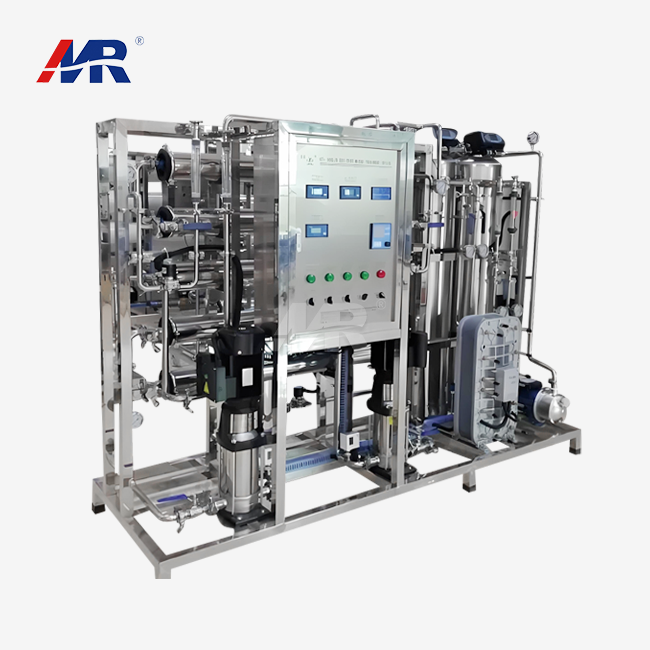
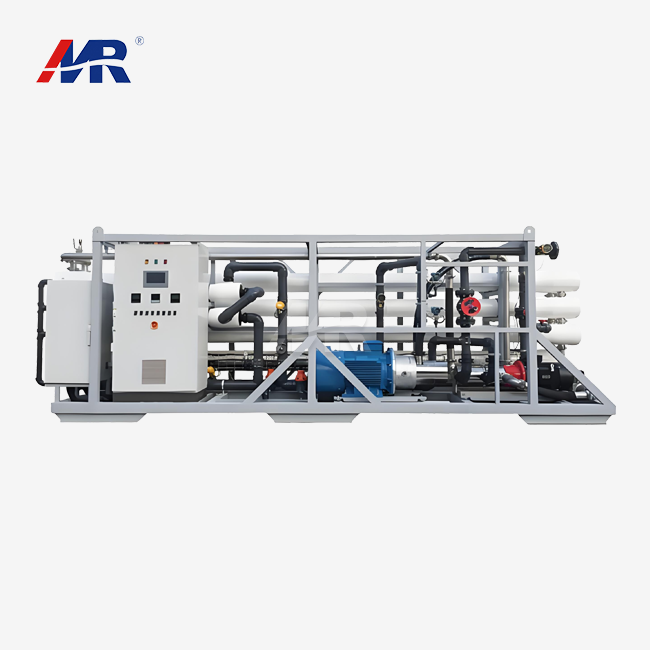
Morui's small saltwater desalination systems show these benefits with their PLC-based automation and touchscreen interface, which reduces energy use to just 4-5 kWh/m³ while making up to 2 tons of fresh water per hour. Smart control technology is built into these systems to make small-scale uses as efficient as possible.
Advancements in Desalination Technology Powered by Smart Drives
Smart drives make it possible to automate and improve the desalination process in new ways that weren't possible with older motor control systems. These improvements make operations run more smoothly and protect the Earth.
IoT and Predictive Maintenance Integration
When smart drives are connected to the Internet of Things, they become smart indicators that constantly check how well the system is working and guess when maintenance needs to be done. Advanced analytics find patterns in performance and equipment wear and tear, which lets you plan proactive maintenance that stops unexpected breakdowns and makes the best use of your extra parts inventory.
Machine learning algorithms look at practical data to find ways to improve things and then change the control settings automatically to get the best results. These systems learn from practical trends to predict changes in demand and get ready to respond to them.
Renewable Energy Integration
By changing production plans based on energy supply, smart drives make it easier to use renewable energy sources without any problems. Using both solar and wind power together is possible when desalination systems can change their output instantly to match the patterns of green energy production.
Smart drives and battery energy storage systems work together to keep things running smoothly, even when the amount of green energy changes. This mix makes less use of power from the grid while keeping stable schedules for water output.
Addressing Environmental and Economic Impacts Through Smarter Desalination
The environmental and economic benefits of smart drive technology extend far beyond just saving energy. It creates long-term value for owners and the communities that desalination process sites serve.
Carbon Footprint Reduction
When energy economy goes up, greenhouse gas pollution from desalination processes goes straight down. A 30% drop in energy use equals a 30% drop in the carbon footprint of producing water, which helps companies meet their green goals and environmental compliance standards.
This effect on the environment is especially important for big desalination projects that serve seaside towns that are having trouble getting enough water. Less energy use also means less reliance on electricity production driven by fossil fuels, which supports efforts to use renewable energy more widely.
Economic Sustainability
Smart drives improve long-term economic success by lowering operating costs and increasing the useful life of equipment. Aside from the direct energy benefits, lower upkeep needs and less wear and tear on mechanical parts save money in other ways as well.
This technology is especially helpful for places that need to make a lot of different things, like resorts, offshore platforms, and disaster aid sites, where changing demand would waste a lot of energy otherwise. These uses are great for Morui's small desalination systems, which are made for small factories, beach resorts, and towns that are far away, supporting the desalination process.
Conclusion
Smart drives represent a transformative technology that addresses the biggest problem in modern desalination: saving energy. The documented 30% energy reduction achievable through intelligent motor control creates great economic benefits while helping to reach environmental sustainability goals.
When variable frequency drives are combined with advanced control systems, desalination processes, including high-pressure pumps and other equipment, can be optimized in ways that have never been seen before. These changes make equipment last longer, require less maintenance, and give operations more freedom to meet changing output needs.
The future of purification technology depends on how well smart control systems keep getting better at being efficient while also being good for the environment. Smart drives are the building blocks for combining green energy sources and using predictive repair plans to make sure that communities around the world can get water reliably and for a long time.
FAQ
1. What are smart drives in desalination systems?
Smart drives, which are also called variable frequency drives (VFDs), change the power and frequency of electricity to control the speed and force of a motor. They improve pump performance in desalination systems by matching motor output to real-time demand. This gets rid of the wasted energy that comes from running at a set speed.
2. How do smart drives achieve 30% energy savings in desalination?
Smart drives use less energy because they run pumps at the best speeds instead of full capacity. When there is less demand for output, the drives naturally slow down the motors, which saves the same amount of energy. With this variable speed function, throttling valves and bypass devices no longer lose energy.
3. Can smart drives be retrofitted to existing desalination systems?
Most existing desalination systems can have smart drives added to them if they are properly evaluated and set up. As part of the repair process, electrical compatibility, motor specs, and the need for integrating the control system are all looked at. Professional placement guarantees the best performance and dependability of the system.
Ready to Transform Your Desalination Process with Smart Drive Technology?
Morui Environmental Technology has been working on water treatment solutions for more than 14 years. They use a combination of cutting-edge smart drive technology and tried-and-true desalination process systems. Our small reverse osmosis systems have built-in PLC-based automation that makes the best use of energy while providing stable water production for businesses, resorts, and rural towns.
As one of the biggest companies that makes desalination processes, we offer full solutions, from designing the system to installing it and starting it up. Our engineering team creates custom systems that meet specific water quality requirements while using the least amount of energy possible. Get in touch with our tech experts at benson@guangdongmorui.com to talk about how integrating smart drives can cut your costs by up to 30% while making your system more reliable.
References
1. International Desalination Association. "Energy Efficiency in Seawater Reverse Osmosis: Smart Drive Implementation Guidelines." Water Technology Journal, 2023.
2. Martinez, Carlos R., and Jennifer K. Thompson. "Variable Frequency Drive Applications in Municipal Water Treatment: Performance Analysis and Energy Savings." Journal of Water Process Engineering, Vol. 45, 2022.
3. Singh, Rajesh P., et al. "Intelligent Motor Control Systems for Industrial Desalination: A Comprehensive Study of Energy Optimization Strategies." Desalination and Water Treatment International, 2023.
4. European Water Technology Association. "Smart Automation in Reverse Osmosis Systems: Best Practices for Energy Efficiency." Technical Report Series, Issue 12, 2022.
5. Chen, Wei-Lin, and David M. Foster. "Integration of IoT and Smart Drives in Modern Desalination Plants: Predictive Maintenance and Energy Management." Water Research Technology, Vol. 78, 2023.
6. Global Water Intelligence Research. "Economic Impact Assessment of Variable Speed Drive Technology in Seawater Desalination Operations." Industrial Water Treatment Quarterly, 2023.