

_1745823981883.webp)

Do desalination plants use reverse osmosis?
Reverse osmosis (RO) is the main process that most desalination plants use these days for the desalination process. RO-based desalination is now the standard in the industry because it constantly makes fresh water while using less energy and taking up less room than older cooking methods. RO systems force saltwater through semi-permeable barriers when they are under a lot of pressure. In order to make drinking water, this removes the dissolved salts and other impurities. Reverse osmosis is used in about 60% of the world's desalination capacity today. This shows that it is a good way to get water for cities, workplaces, and beach towns all over the world.
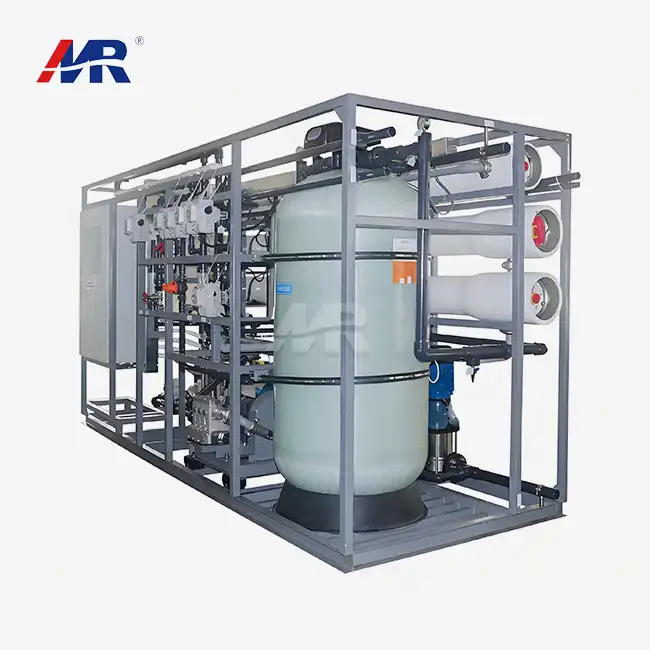
Understanding Desalination Processes: Overview and Principles
Changing a lot of saltwater into freshwater that can be used for drinking, growing, and business is one of the hardest things to do. Getting rid of salt water helps solve this situation. As the need for water gets worse in dry areas and growing towns, desalination technologies have gone from being just thoughts to being built as a matter of course.
The Growing Importance of Desalination Technology
There is less clean fresh water around the world, but more and more people need it. It is safe to use desalination to get water in places that are close to the ocean. With this new technology, the US can desalinate more water, which can help groundwater and river sources during droughts. For example, this is very important in California, Florida, and Texas.
Core Principles Behind Salt Removal
When salts are mixed with water, they are taken out of the molecules of water by molecular and physical means. There are 35,000 parts per million of salt in ocean water. That's a lot of salt. It needs to be less than 500 parts per million. Most of the time, heat absorption and membrane-based screening are used in this area. The ideas behind these two ways are different.
Main Desalination Technologies Available Today
There is a different way for each type of water source and use. Backwards osmosis is used by most membrane-based systems. On the other hand, Multi-Stage Flash (MSF) and Multi-Effect Distillation (MED) use heat to remove water while leaving salts behind. Forward osmosis and membrane distillation are two new techniques that are still being tested on the market. If buying teams know about these choices, they can pick technology that works with the project's goals, the water type, and the funds for running the business.
Reverse Osmosis in Desalination Plants: How It Works and Its Role
Since the 1970s, when membrane technology became stable enough for large-scale industrial use, the reverse osmosis desalination process has changed the way seawater is treated. The process goes against natural osmosis by providing pressure that is higher than the osmotic pressure. This forces water molecules through selected membranes while salts and other impurities are pushed out.
Technical Operation of RO Membrane Systems
The modern RO desalination process starts with taking in seawater from about five metres below the surface of the ocean. This is where the water is cleaner, and there are fewer particles and living things in it. High-pressure pumps, which are at the heart of any RO system, raise the pressure of the seawater that comes in to 800-1,200 psi, which is high enough to push water molecules through membrane holes that are 0.0001 microns wide. These semi-permeable membranes let water pass through but stop about 99.5% of salts, germs, and organic molecules that are dissolved in water.
Thin-film composite materials, usually polyamide layers backed by polysulfone backing, make up the membranes themselves. Because of how fragile they are, they need to be carefully protected from fouling, scaling, and chemical damage. This is why pre-treatment is an important step upstream. Energy recovery devices take back pressure from concentrated salt reject streams. They then put up to 40% of the energy they receive back into the system, which makes it much more efficient overall.
Why RO Dominates Modern Desalination Projects?
RO's market dominance is due to its low cost. As membrane performance got better and energy recovery systems became common, operational costs have slowly gone down. RO systems use only 4 to 6 kWh of electricity to make 1 cubic metre of fresh water, which is a lot less than the 15 to 25 kWh that thermal methods need. This efficiency directly leads to lower carbon pollution and lower energy bills.
One more benefit is that it is scalable. RO plants come in a wide range of sizes, from small containerised units that can produce 2 tonnes of water per hour—perfect for remote islands or emergency situations—to huge plants that can produce 500,000 cubic metres of water per day for cities. When the need for water rises, modular construction lets the building grow in stages.
Real-World Applications Demonstrating RO Reliability
The Carlsbad Desalination Plant in California has been running since 2015 and uses RO technology to make 50 million gallons of water every day. This meets about 10% of San Diego County's water needs. The facility shows that RO can serve a lot of people while still keeping high-quality standards. Similarly, RO desalination is used in industrial parks across Texas for manufacturing processes that need ultra-pure water. This shows how flexible the technology is for both public and private use.
How to Choose the Right Desalination Process for Your Business Needs?
When choosing desalination process equipment, procurement managers have to think about a lot of things. Technology that is right for the job will give you the best results and return on your investment.
Critical Decision Factors for Technology Selection
One of the most important factors is the cleanliness of the water. EPA rules say that municipal drinking water systems must have the right amount of total dissolved solids, pH, and germs. Industrial users, like power plants or drug companies, may need higher cleanliness levels, which could mean that the water needs more cleaning steps on top of the basic RO treatment. Higher salt levels can be tolerated by agricultural irrigation, which sometimes lets brackish water be treated in a single pass instead of desalinating seawater.
The technology choice is based on the plant's size and growth needs. A seaside resort that needs 50 cubic metres of water every day has different needs than a city service that serves 100,000 people. Modular RO systems are great because they can be expanded as needed to meet rising demand. The location of the site is very important. Facilities in remote places with little technical help need simpler, more durable designs that are easier to maintain.
Budget Constraints and Financial Planning
Capital budgets need to include all of the system's costs, such as the prices of the intake structures, pre-treatment equipment, high-pressure pumps, membrane assemblies, post-treatment, and distribution infrastructure, as well as the desalination process. Our 2-tonne-per-hour RO unit is a great example of a cost-effective design for a smaller job. When making a budget, you should also set aside money for replacing membranes, energy use, chemical Products for pre-treatment, and training for operators. To get a real picture of purchase costs, financial models usually look at costs over 20 to 25 years of use.
Industry-Specific Customisation Options
Desalination is often combined with current water treatment systems in factories, which need careful interface engineering. Systems with NSF-certified components and a clean design are preferred by food and drink businesses. Platforms and ships that work offshore need small, flexible tools that can work in rough sea conditions. Our system meets these needs by using PLC-based automation and touchscreen interfaces, which make it easy for people who haven't had much training in water treatment to use.
Supplier Evaluation and After-Sales Support
When choosing providers, you need to look at their professional skills, the quality of their products, and their promise to provide long-term service. Suppliers that have been around for a while offer full paperwork, operator training, spare parts, and quick expert support. Companies like Guangdong Morui Environmental Technology that have combined membrane production facilities can handle the supply chain and make sure that all of the parts work together and the quality is always the same. Turnkey installation services make projects easier to understand and complete faster.
Procurement Insights: Investing in Reverse Osmosis Desalination Systems
Understanding equipment components and cost drivers empowers informed procurement decisions and realistic budget forecasting.
Essential System Components and Their Functions
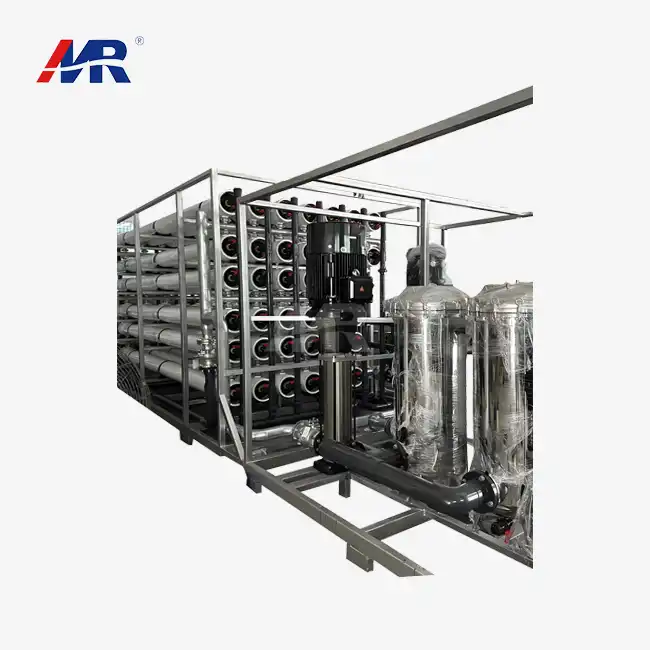
These are the main parts that every RO desalination machine needs:
- Pre-treatment System: Multimedia filters go through layers of sand and anthracite to get rid of particles that are stuck in the water. Activated carbon filters get rid of organic compounds and chlorine that damage RO membranes. Micron cartridge filters clean membrane surfaces one last time to protect them. Chemical dosing systems add antiscalants to prevent mineral precipitation and to change the pH so that the membrane works at its best. These steps before the treatment are very important, because not doing enough filtration cuts the membrane's life greatly and raises its costs.
- High-Pressure Pumps: Centrifugal or positive-displacement pumps make the pressure of 800 to 1,200 psi that is needed to push water through membranes and overcome osmotic pressure. The choice of pump affects both the initial cost and the amount of energy used. Variable frequency drives are more efficient when the feed-water conditions change.
- Membrane Elements and Pressure Vessels: The heart of the system is made up of high-rejection seawater RO membranes. Our units use tried-and-true membrane technology that can get rid of 99.5% of salt. Multiple membrane elements are mounted inside pressure vessels made of fibreglass-reinforced materials and are set up in steps to get the best recovery rates while keeping the water quality.
- Post-Treatment Equipment: After treatment, remineralisation systems change the pH and add good minerals to make water that tastes good and doesn't corrode. Microbiological safety is provided by chlorine or UV disinfection. The system is finished off with storage tanks and distribution pumps.
When properly put together, these parts work well together. Our compact design makes the best use of the room while still making regular maintenance easy to get to. This addresses real issues that procurement teams have when they are looking at installation sites.
Installation Timelines and Implementation Planning
Pre-engineered systems usually take 4 to 8 weeks to build, from getting the place ready to turning them on. The first few weeks are spent building the foundation and connecting the utilities. After the equipment is set up, the pipes are put in, and the electrical work is done. When the system starts up, the membrane is flushed, leaks are tested, and the system's performance is checked. Operator training happens at the same time as commissioning to make sure that everyone in the plant knows how to do simple maintenance, how to set monitoring settings, and how to fix problems. Turnkey companies make these tasks easier by sending experienced installation teams and managing the whole job.
Maintenance Requirements and System Longevity
Regular repair keeps systems running smoothly and increases the life of tools. Every day, you have to keep an eye on things like pressure differences, flow rates, and the quality of the permeate in the desalination process. Checking the chemical supplies and reviewing pre-filters are things that need to be done every week. Cleaning the membrane every three to six months, based on the quality of the feed water, gets rid of the foulants that have built up and returns the flux rates. The most expensive part of regular upkeep is replacing the membrane every 5 to 7 years. Long-term dependability is ensured by high-quality components, which lowers the number of unexpected breakdowns that stop activities and raise the total cost of ownership.
Recent Technological Innovations
Membrane technology keeps getting better. The new materials are better at resisting fouling and have higher flow rates, which means that less membrane area and system size are needed. Up to 40% of the energy that is put into them can now be recovered, which greatly reduces the costs of running them. New developments in automation allow for remote tracking and predictive maintenance, which warns workers of problems before they become system failures. With these improvements, RO desalination becomes a more effective and cheaper way to get water for many uses.
Conclusion
The reverse osmosis desalination process is the most common way to remove salt from water around the world. It produces clean water quickly, easily, and cheaply for use in cities, factories, and businesses. Because RO uses less energy than thermal options, it will continue to be the best way to deal with water shortages, especially since membrane performance and system design are always being improved. When procurement workers look at investments in desalination, they should focus on tried-and-true RO technology from well-known sources who offer full support and high-quality components. As water security becomes more important across the United States, investing strategically in reliable desalination infrastructure is both good business sense and responsible use of resources.
FAQ
1. How long do RO membranes typically last in desalination applications?
In ideal running conditions, with the right pre-treatment and frequent cleaning, high-quality seawater ro membranes will keep working well for 5 to 7 years. How long a membrane lasts depends on the quality of the feed water, the working pressure, the recovery rate, and how well it is maintained. If you don't do enough pre-treatment, fouling and scale will happen faster, which could cut the lifespan to 3–4 years. On the other hand, good water quality and careful cleaning can make the service last longer than 7 years. When making purchases, membrane replacement should be included as a major recurring cost, usually equal to 15 to 20 per cent of the total lifetime costs.
2. What energy consumption should I expect from an RO desalination plant?
Our small 2-tonne-per-hour unit shows that modern RO systems use 4 to 5 kWh per cubic metre of freshwater they create. Energy recovery devices have a big effect on this number; systems that don't use energy recovery may need 6–8 kWh/m³. Thermal ways of desalination use a lot more energy—about 15 to 25 kWh/m³, which includes both heat and electricity. The amount of salt in the feed water also affects how much power is needed. Systems that use brackish water can get by with 1-2 kWh/m³ because their working pressures are lower.
Partner with Morui for Your Desalination Equipment Needs
Guangdong Morui Environmental Technology specializes in engineering and manufacturing robust reverse osmosis systems tailored to diverse industrial, municipal, and commercial applications. Our 2-ton-per-hour compact desalination unit represents the result of decades of water treatment expertise, featuring high-rejection seawater RO membranes, comprehensive multimedia and activated carbon pre-treatment, and intuitive PLC-based automation. As a leading desalination process manufacturer with 14 branches, 500 employees, and dedicated membrane production facilities, we deliver turnkey solutions encompassing equipment supply, on-site installation, commissioning, and ongoing Technical support. Whether your operation requires reliable freshwater for coastal resorts, remote industrial facilities, or emergency relief scenarios, our engineering team stands ready to design customized solutions meeting your specific water quality standards and budget parameters. Contact benson@guangdongmorui.com today to discuss how our proven desalination technology can solve your water challenges and secure long-term freshwater independence for your enterprise.
References
1. National Research Council. (2008). Desalination: A National Perspective. Washington, DC: The National Academies Press.
2. Elimelech, M., & Phillip, W. A. (2011). The Future of Seawater Desalination: Energy, Technology, and the Environment. Science, 333(6043), 712-717.
3. Greenlee, L. F., Lawler, D. F., Freeman, B. D., Marrot, B., & Moulin, P. (2009). Reverse Osmosis Desalination: Water Sources, Technology, and Today's Challenges. Water Research, 43(9), 2317-2348.
4. Lattemann, S., & Höpner, T. (2008). Environmental Impact and Impact Assessment of Seawater Desalination. Desalination, 220(1-3), 1-15.
5. Mezher, T., Fath, H., Abbas, Z., & Khaled, A. (2011). Techno-Economic Assessment and Environmental Impacts of Desalination Technologies. Desalination, 266(1-3), 263-273.
6. Voutchkov, N. (2018). Energy Use for Membrane Seawater Desalination: Current Status and Trends. Desalination, 431, 2-14.
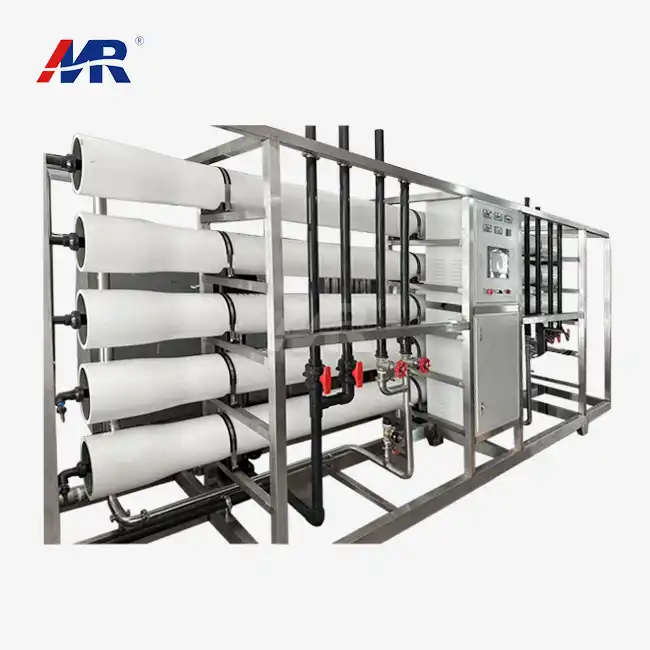 VIEW MORE25m3/hour reverse osmosis equipment
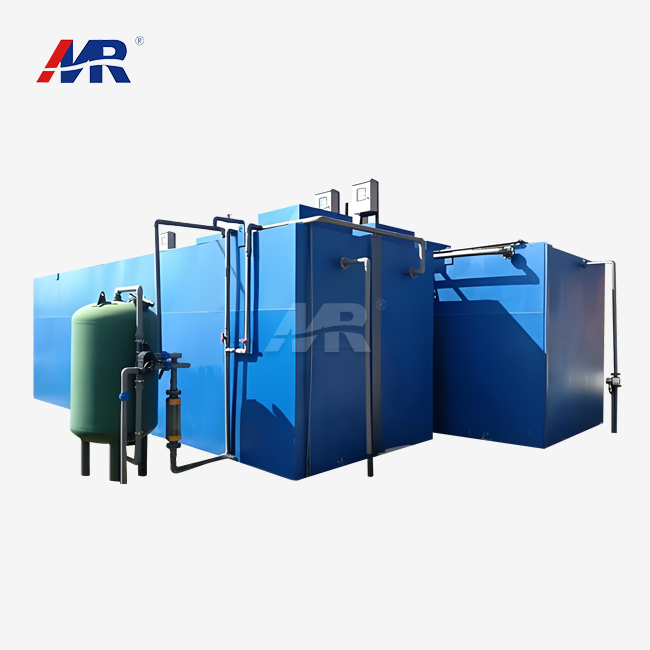 VIEW MOREsewage treatment plant
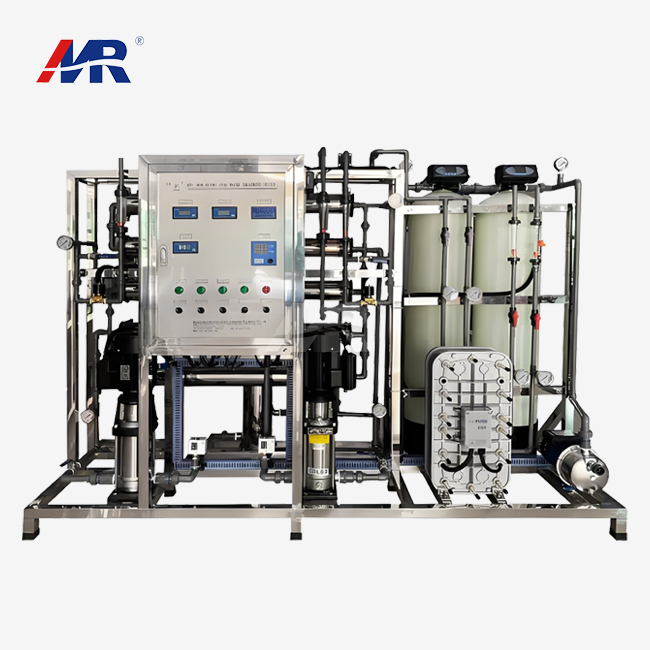 VIEW MORE500LPH EDI equipment
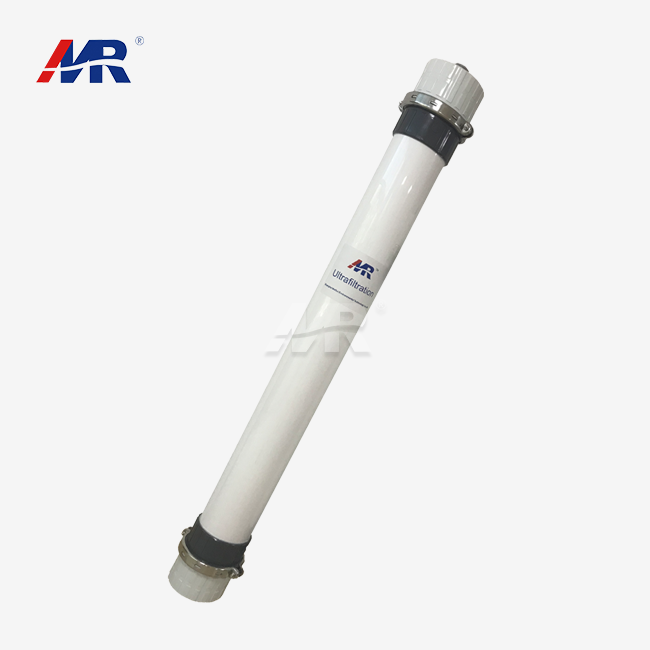 VIEW MOREultrafiltration membrane for wastewater treatment
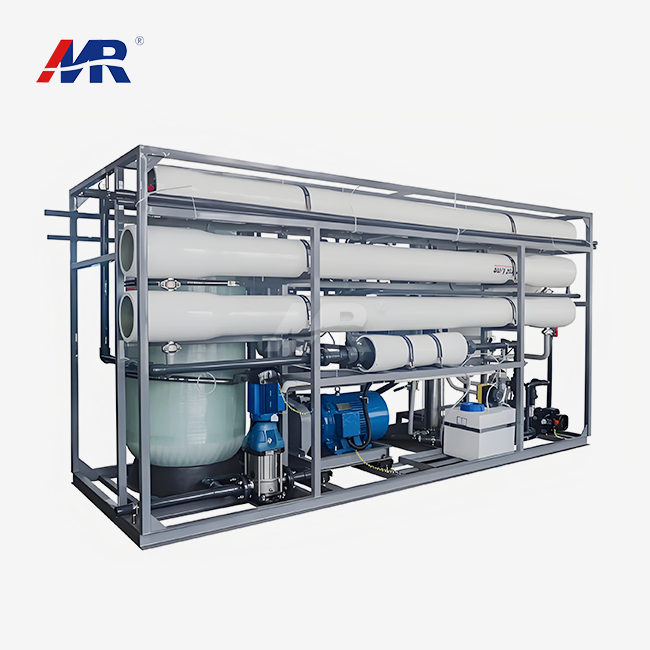 VIEW MOREseawater treatment plant
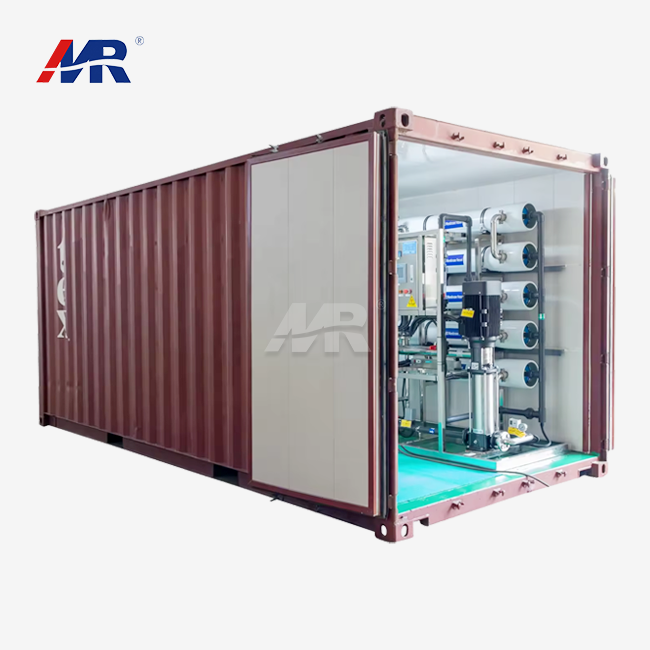 VIEW MOREmobile container reverse osmosis equipment
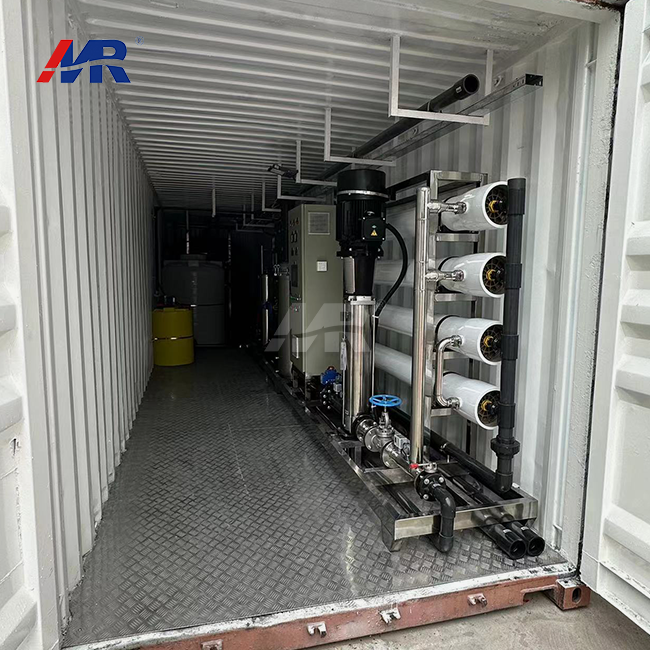 VIEW MOREcontainerized ro system
 VIEW MORE150m3/hour reverse osmosis plant
