

_1745823981883.webp)

Affordable Leachate Treatment System Suppliers: How to Choose the Right One
Before you can find the right leachate treatment system provider, you need to know that price and dependability are not opposites; they're necessary partners. When you're in charge of trash operations at a city landfill or an industry site, you need to treat contaminated leachate in a certain way to keep groundwater from getting contaminated and to avoid costly regulatory violations. The hard part is finding sources who can give you tested technology without making your capital costs go up. The selection factors that procurement managers, plant engineers, and environmental compliance officers across the United States care about the most are laid out in this book. We will talk about how to find a balance between up-front costs and operating efficiency, check the records of suppliers, and form partnerships that support long-term environmental responsibility while keeping your bottom line safe.
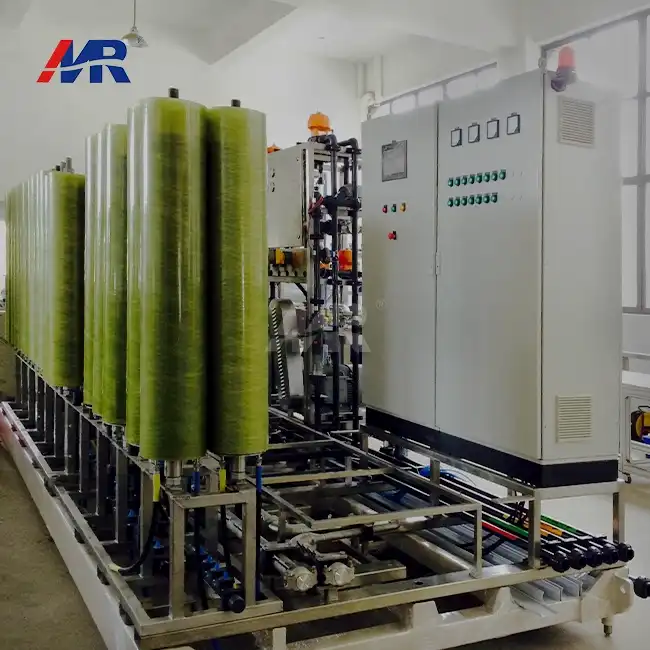
Understanding Leachate Treatment Systems and Market Needs
What Makes Leachate Treatment Critical for Waste Management
When rainwater seeps through trash that is breaking down, it creates leachate, a dirty liquid that is full of heavy metals, organic chemicals, and ammonia. This dangerous mix gets into the ground and threatens groundwater sources that people depend on for drinking water if it is not treated properly. Chemical Oxygen Demand (COD) levels must be below 100 mg/L, and ammonia concentrations must be below 10 mg/L before release, according to the Environmental Protection Agency. Facilities that don't meet these standards can be fined more than $50,000 per day they are in violation. This means that a leachate treatment system is both a financial and an environmental necessity.
Common Operational Challenges Facing Industrial Clients
The types of trash in landfills are very different depending on how old they are and where they are located. When landfills are young, they make leachate with COD levels up to 25,000 mg/L. When landfills are older, they produce lower-strength waste with chemicals that don't break down biologically. This variety makes choosing a system harder because the equipment has to be able to handle changes in yearly flow, changes in temperature that affect biological processes, and sometimes toxic spikes from accepting industrial waste. Many users have problems with membrane fouling, using too much energy, and not getting enough help from their suppliers when their systems don't work right. It is because of these problems that suppliers need to offer flexible technologies instead of rigid ones.
Benefits Beyond Compliance
Modern treatment methods offer benefits that go far beyond following the rules. When a facility recovers 50 to 70% of its water, it can use the cleaned wastewater to keep dust down or for process purposes, which cuts down on the need to buy fresh water. When compared to older activated sludge systems, energy-efficient designs that use only 2.8 to 3.5 kWh per cubic meter have much lower monthly power bills. The most important thing is that recorded environmental performance improves relationships with the community and supports environmental, social, and governance reporting that investors look at more closely when they evaluate waste management businesses.
Core Criteria to Consider When Choosing Leachate Treatment System Suppliers
Assessing Site-Specific Requirements Before Supplier Contact
Before you start talking to possible suppliers, you should clearly describe your working factors. Find the average daily amount of leachate and the highest flow times during the spring thaw or times of heavy rain. Write down where you're sending the wastewater, like to a city sewer, surface water, or an injection well underwater, because each needs a different level of treatment. When making a budget, you should split the costs of cash from the costs of running the business over the next five years. These costs should include things like replacing membranes, using chemicals, and hiring people. By doing this, you won't have to waste time with suppliers whose technology doesn't meet your goals for scale or speed for your leachate treatment system.
Technology Portfolio and Treatment Efficacy
Leading sellers don't push a single chosen way but instead keep a wide range of technologies available. Ultrafiltration and reverse osmosis systems that use membranes are very good at getting rid of dissolved contaminants, but they need a lot of preparation to keep them from sticking. Sequencing batch reactors are a cheaper way to treat biological problems, but they need more space and skilled workers. Evaporation systems can handle wastewater that is hard to treat with few chemicals, but they use a lot of energy. Instead of overselling their best product, suppliers who show real knowledge help you match technology to the unique properties of your leachate.
Regulatory Compliance Credentials Matter More Than Marketing
Before you believe sales pitches, ask for proof that systems meet the necessary standards. ISO 9001 certification shows that a company has quality management processes, and ISO 14001 certification shows that a company cares about the environment. For U.S. placement, equipment should have the right electrical and safety approvals. CE marking shows compliance in Europe, but it may need to be evaluated by UL as well. Ask suppliers for permit applications from similar sites that show real discharge data along with claims of theoretical performance. This check keeps you from buying systems that look great on paper but don't live up to their promises when they're put to use.
Warranty Coverage and After-sales Support Structure
Treatment systems are long-term investments that need ongoing maintenance after they are first put into use. Full guarantees should cover the stability of the membrane for at least two to three years and the mechanical parts for at least twelve to eighteen months. Make it clear what normal wear and what flaws are, since membrane fouling from poor pretreatment is rarely covered by the guarantee. Check out the supplier's service network. When something breaks down, local techs can fix it faster than engineers who have to fly in from overseas. Find out where the spare parts are kept, how long it usually takes to get supplies, and if operator training includes both theory and hands-on troubleshooting.
Overview of Affordable Leachate Treatment Technologies and Their Market Suppliers
Physical and Chemical Treatment Methods
Modern leachate treatment system designs are based on membrane filtering, which separates toxins through barriers that let some things through but not others. Ultrafiltration gets rid of macromolecules and dissolved solids, which is an important step in the process that keeps the reverse osmosis elements further down the line from getting clogged. ro membranes get rid of dissolved salts, metals, and small organic molecules, making permeate that meets strict standards for release. Advanced oxidation methods that use ozone or Fenton reactions can break down molecules that are stubborn and won't respond to biological treatment. However, the cost of chemicals can go up when high-strength leachate is used.
By changing the pH and adding a coagulant, chemical precipitation occurs after specific toxins. Even though it's not as advanced as membrane systems, precipitation removes heavy metals and lowers the amount of dissolved solids more effectively for less money. In exchange, more sludge is made, which needs to be disposed of, and chemicals are bought on a regular basis, which add up over the life of the system.
Biological Treatment Approaches
When aerobic biological systems get oxygen through air flow or artificial aeration, they grow bacteria that eat organic pollutants. These systems are good at lowering the metabolic oxygen demand, but they have trouble getting rid of ammonia unless they have nitrification-denitrification steps. Anaerobic digesters can handle strong wastewater and make biogas for energy recovery, but they need to be carefully controlled for temperature and need to hold on to the gas for a long time. Membrane bioreactors treat wastewater biologically and ultrafilter it, and they do it all in a small place, making them perfect for facilities that are limited on space.
Guangdong Morui's Market Position
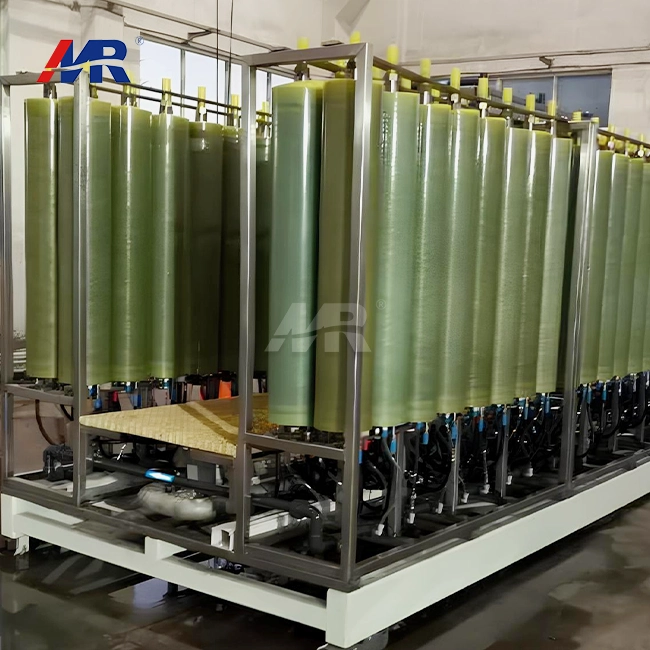
Leachate treatment is something that Guangdong Morui Environmental Technology has been doing for 19 years. What makes them stand out is that they can make membranes, tools, and complete construction services all in one package. The MR-DTRO-100TD Landfill Leachate Treatment Plant from the company is a great example of how they do engineering. It was made to handle COD levels of up to 25,000 mg/L while using only 75 kW of power per hour. This model gets recovery rates of 50–70%, turning polluted leachate into useful water that facilities can use for their own purposes or release into the environment within the limits set by regulators.
Morui is different because they integrate their supply chain. By running membrane factories next to equipment factories, you can get rid of the third-party markups that make competitor prices more expensive. Their 14 branch sites and network of 20 engineers give them quick technical help that is hard to find in other countries. The company works with well-known component makers, like Shimge Water Pumps and Runxin Valves, to make sure that systems are reliable by using tried-and-true parts instead of cheaper alternatives that don't work as well.
Cost-Benefit Considerations for Procurement Teams
The real value goes beyond the buying price when you compare the total cost of ownership. A system that costs 20% more but uses 30% less energy pays for itself in three years just by saving money on utilities. When the amount of trash in a dump increases, modular designs let the capacity grow. This protects the original investment instead of needing to be replaced completely. When suppliers offer performance promises with penalty terms, it shows that they have faith in their technology. This shifts operational risk from the buyer to the seller in a way that a transactional relationship doesn't.
How to Evaluate and Verify Supplier Claims and System Performance
Key Performance Indicators Requiring Documentation
Instead of accepting theoretical forecasts, you should ask for real working facts for your leachate treatment system. To find out how well your treatment is working, you should look at both the input and output streams of water and analyze them for things like COD, BOD, ammonia, total dissolved solids, and heavy metals that are specific to your waste stream. Energy use records should show how many kilowatt-hours were used per cubic meter of treated water during different seasons, since biological processes slow down in the winter and membrane fouling speeds up in the summer. The amount of sludge that is made affects the cost of disposal, which has a big effect on daily budgets but is rarely mentioned in sales material that only talks about treatment performance.
Certification Verification and Customer References
Instead of believing what the seller says about compliance, ask to see pictures of the real certificates. If you're not sure if a certification is real, you can contact the organization that issued it directly. Reputable organizations keep public records that prove valid Certifications. References from customers can reveal important information that marketing materials don't show. Ask other owners about unexpected repair needs, how quickly suppliers were during breakdowns, and whether actual performance matched what was promised. Site visits to sites that are already in use are a more reliable way to find out about the state of equipment and how happy operators are with their jobs than polished case studies made by marketing departments.
After-Sales Support Evaluation
Maintenance agreements should spell out how long it will take to respond to emergency calls, how often preventative maintenance will be done, and how long parts will be available. The level of operator training varies a lot from one provider to the next. Full programs include troubleshooting models and hands-on membrane cleaning in addition to just showing you how to use the equipment. Check to see if the providers offer ongoing optimization help as the properties of your leachate change. This is because the initial commissioning settings may need to be changed as the landfill conditions change over time.
Conclusion
To find cheap providers of leachate treatment system solutions, you have to weigh the costs of performance reliability and the ability to provide long-term assistance. The best way to buy things is to look at the total cost of ownership instead of just the initial capital spending. It's also important to remember that supplier knowledge adds value beyond hardware, and it's best to focus on relationships with manufacturers whose technology has been tested and whose service is quick and helpful. Guangdong Morui Environmental Technology is a good example of this type of supplier because it has integrated manufacturing capabilities, specialized leachate treatment experience, and a full support infrastructure that lowers operational risk while meeting environmental standards within reasonable budget limits.
Frequently Asked Questions
1. What is a leachate treatment system, and how does it work?
A leachate treatment system removes contaminants from landfill wastewater using biological, chemical, and membrane technologies. The process usually includes pre-treatment, membrane filtration (MBR, DTRO, or RO), and polishing steps to remove organic matter, heavy metals, ammonia, and dissolved solids, ensuring the treated water meets environmental discharge or reuse standards.
2. What technologies are commonly used in a leachate treatment system?
Common technologies include biological treatment, membrane systems (MBR, DTRO, RO), chemical coagulation, and advanced oxidation processes. Biological treatment reduces organic load, membranes remove dissolved contaminants, and chemical or AOP processes eliminate refractory pollutants. Most systems combine these technologies to achieve stable performance and meet strict environmental regulations.
3. How much does a leachate treatment system cost?
The cost of a leachate treatment system depends on capacity, influent quality, technology configuration, and automation level. Small systems may cost tens of thousands of dollars, while large landfill systems can cost hundreds of thousands or more. Operating costs include energy, chemicals, membrane replacement, and maintenance, which affect long-term investment and efficiency.
Partner with a Proven Leachate Treatment System Manufacturer
If you need to treat waste in a difficult way, Guangdong Morui Environmental Technology can help. They offer reliable, cost-effective solutions based on almost 20 years of experience in specialized engineering. Our MR-DTRO-100TD leachate treatment system can handle high-strength influents of up to 25,000 mg/L COD and collect 50–70% of the water they contain, which is good for the environment and saves money on operations. We offer turnkey project delivery that our foreign rivals and local resellers simply can't match. We have 14 branch sites, make our own membranes, and work with the best component sources in the business. Send an email to benson@guangdongmorui.com to get a personalized review of your facility's needs and find out why top waste management companies choose Morui as their supplier.
References
1. Renou, S., Givaudan, J.G., Poulain, S., Dirassouyan, F., & Moulin, P. (2008). Landfill leachate treatment: Review and opportunity. Journal of Hazardous Materials, 150(3), 468-493.
2. Kulikowska, D., & Klimiuk, E. (2008). The effect of landfill age on municipal leachate composition. Bioresource Technology, 99(13), 5981-5985.
3. Kjeldsen, P., Barlaz, M.A., Rooker, A.P., Baun, A., Ledin, A., & Christensen, T.H. (2002). Present and long-term composition of MSW landfill leachate: A review. Critical Reviews in Environmental Science and Technology, 32(4), 297-336.
4. Luo, H., Zeng, Y., Cheng, Y., He, D., & Pan, X. (2020). Recent advances in municipal landfill leachate: A review focusing on its characteristics, treatment, and toxicity assessment. Science of The Total Environment, 703, 135468.
5. Wiszniowski, J., Robert, D., Surmacz-Gorska, J., Miksch, K., & Weber, J.V. (2006). Landfill leachate treatment methods: A review. Environmental Chemistry Letters, 4(1), 51-61.
6. Amokrane, A., Comel, C., & Veron, J. (1997). Landfill leachate pretreatment by coagulation-flocculation. Water Research, 31(11), 2775-2782.
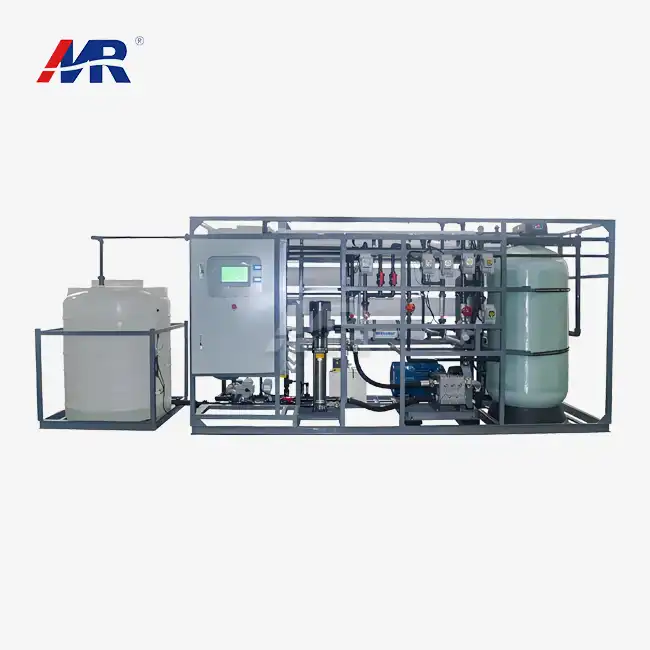 VIEW MORE5m3/hour seawater desalination equipment
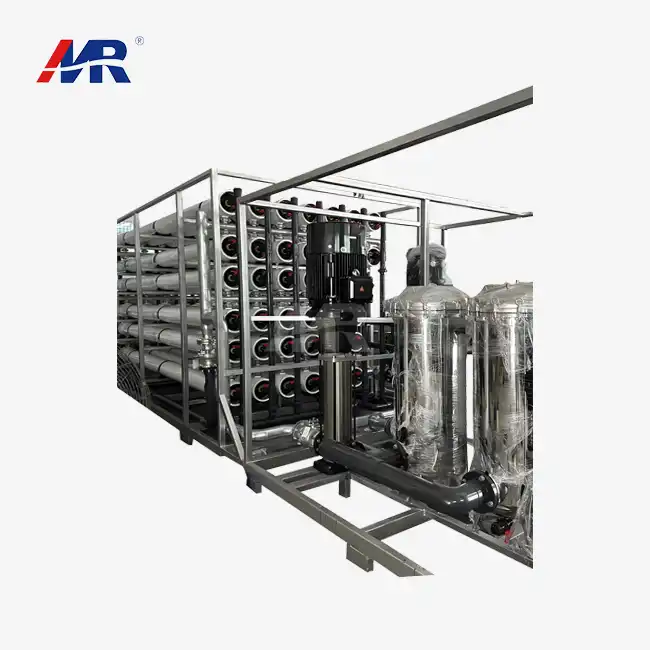 VIEW MORE150m3/hour reverse osmosis plant
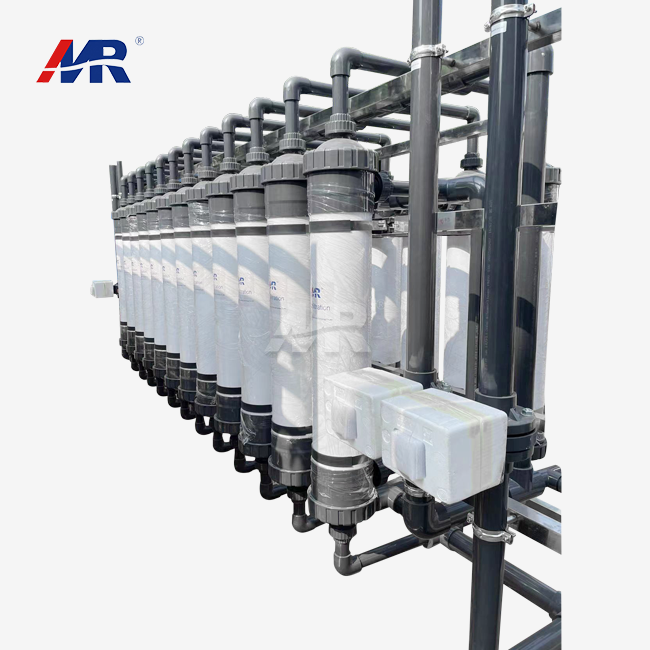 VIEW MOREindustrial ultrafiltration systems
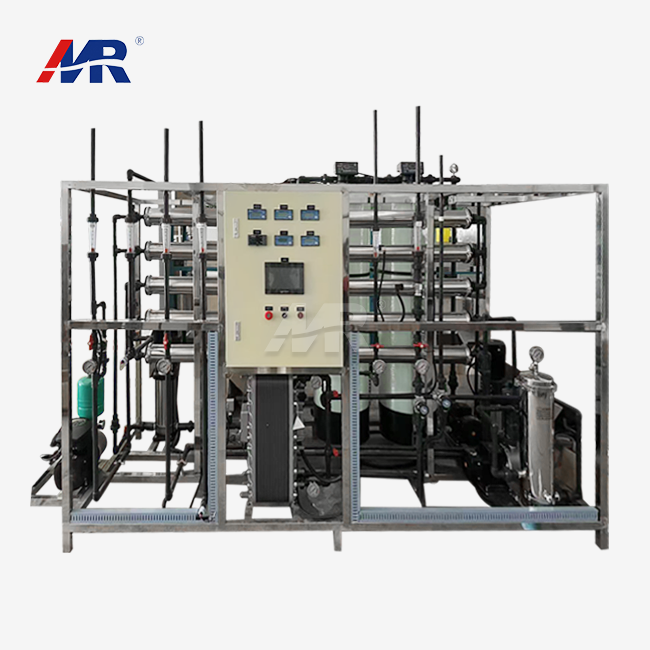 VIEW MOREedi purified water system
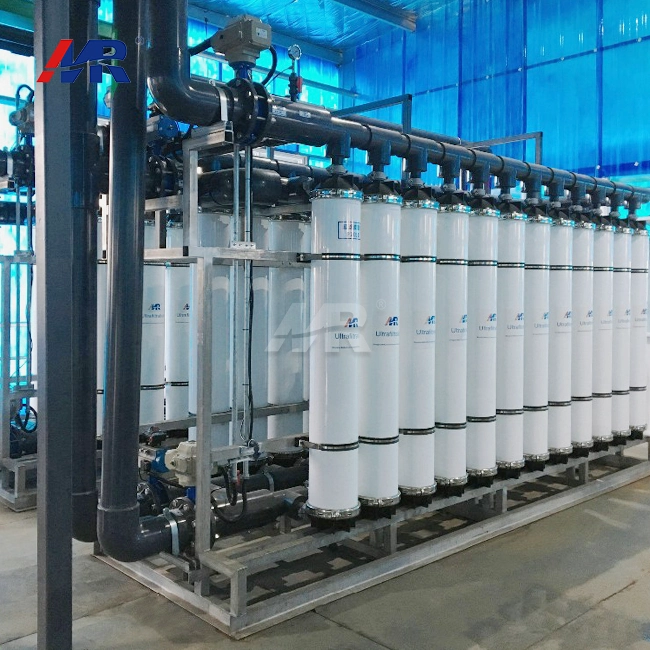 VIEW MOREultrafiltration equipment
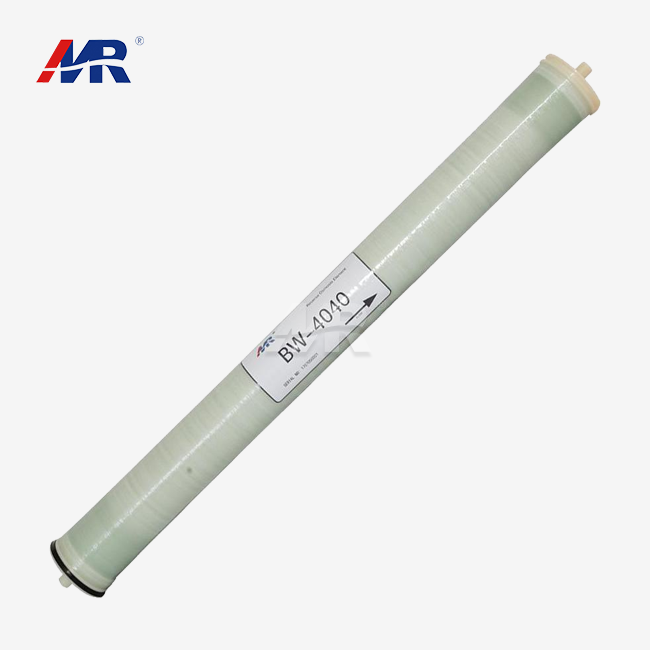 VIEW MORE4040 reverse osmosis membrane
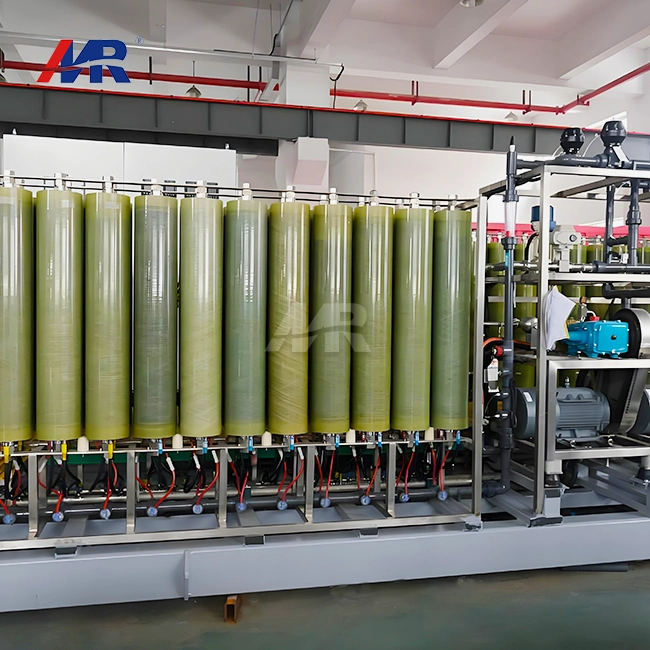 VIEW MOREDTRO Technology
 VIEW MOREDTRO for Wastewater Treatment
