_1745823981883.webp)

Sewage Treatment Process Stages: From Inflow to Effluent Quality Control
It is important for procurement workers looking for reliable wastewater treatment facility options to understand how sewage goes from being dirty water that comes in to clean water that can be used again. Modern sewage treatment is a planned, multi-stage process that gets rid of physical, chemical, and biological pollutants by screening first, then primary sedimentation, biological degradation, improved tertiary filtering, and strict quality monitoring. Each stage has a specific job to do to make sure that environmental rules are followed and that operations run as smoothly as possible. This in-depth breakdown shows the technical concepts and tool requirements that make wastewater management work well in municipal, industrial, pharmaceutical, and food processing settings.
Understanding the Sewage Treatment Process: A Step-by-Step Breakdown
Stage One: Preliminary Treatment and Screening
When raw sewage comes into a treatment plant, the first step is preliminary treatment, which gets rid of big particles and waste. Plastics, trash, and solid waste are caught by mechanical bar screens. This keeps sensitive membrane systems and pumps further down the line from getting clogged or damaged. Then, sand, gravel, and other thick materials are taken out by gravity in grit rooms. This step keeps expensive biological reactors from wearing down too quickly and greatly increases the life of the equipment. Industry data shows that properly built preliminary systems cut down on upkeep costs by about 35% over the life of a building. At this point, 20–30% of the total suspended solids are usually removed before the water goes to the main treatment zones.
Stage Two: Primary Clarification and Sedimentation
Gravity separation is a simple but effective way for primary clarifiers to get rid of organic matter that settles and materials that rise. In this step, wastewater moves slowly through big round or square tanks. Heavier particles sink to the bottom and form primary sludge, while oils and greases float to the top to be skimmed. Depending on the features of the influent, the retention time can be anywhere from 1.5 to 2.5 hours. This step usually gets rid of 25–40% of the organic oxygen demand and 50–60% of the total solids content. Before going to the anaerobic digesting units, the split sludge gets thicker. A well-planned basic treatment lowers the amount of organic matter that needs to be broken down by later biological processes. This directly leads to lower aeration energy costs.
Stage Three: Secondary Biological Treatment Systems
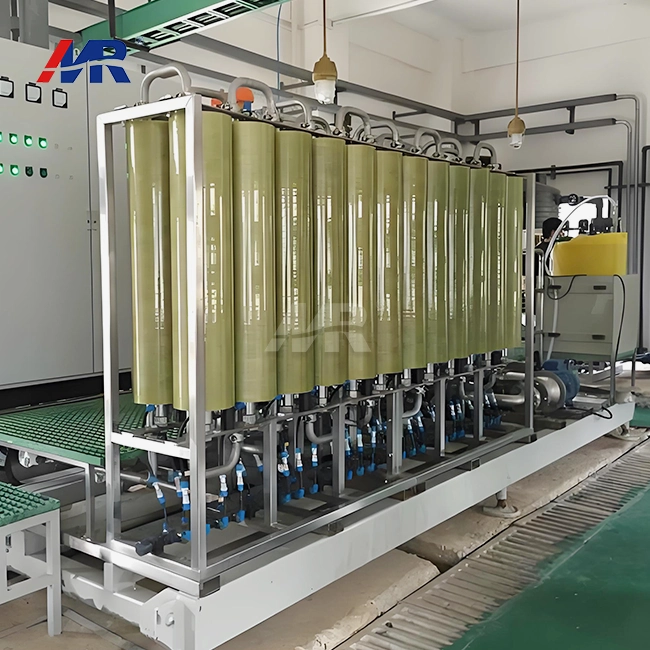
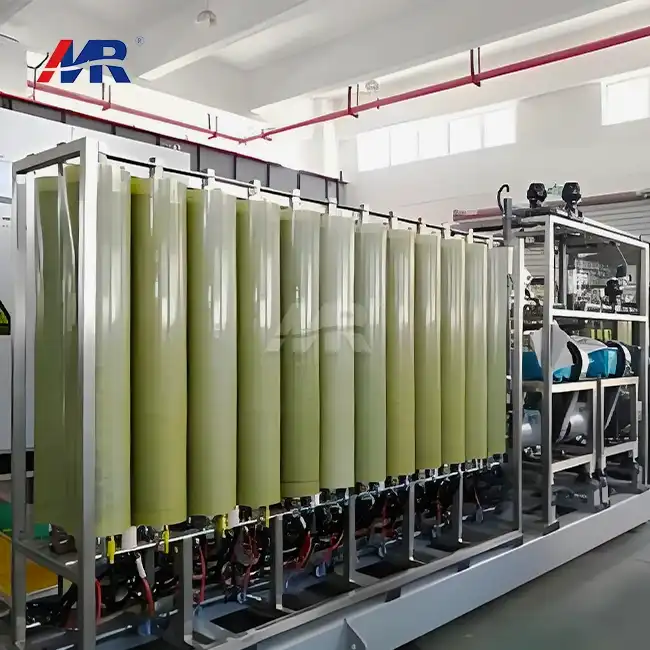
The core of any modern wastewater treatment facility is biological treatment, where carefully cultivated microorganisms break down dissolved organic pollutants. Activated sludge systems aerate tanks filled with billions of bacteria, protozoa, and other microorganisms that metabolize organic matter. Mixed Liquor Suspended Solids (MLSS) are typically maintained between 2,000 and 4,000 mg/L to optimize carbon degradation and ammonia conversion to nitrates. Moving Bed Biofilm Reactors (MBBR) provide an alternative by supporting microbial biofilms on plastic carriers, maintaining high treatment efficiency with a smaller footprint. Membrane Bioreactor (MBR) systems combine biological treatment with ultrafiltration membranes, producing water that is clearer and suitable for irrigation or industrial reuse while removing over 95% of BOD.
Stage Four: Tertiary Treatment and Advanced Filtration
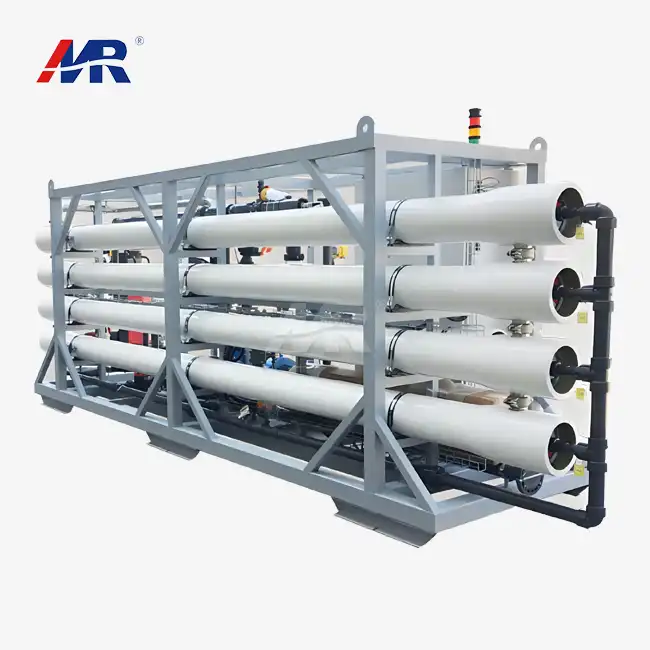
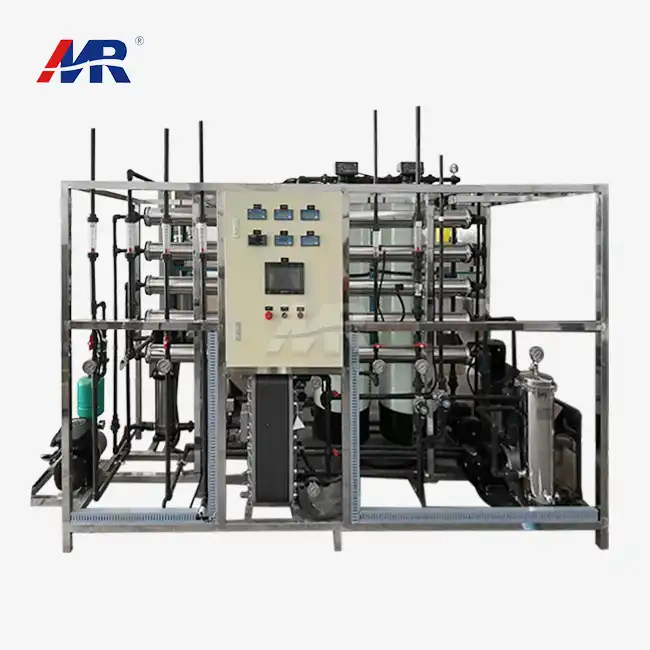
Advanced tertiary processes clean up secondary wastewater so that it meets strict standards for disposal or reuse. Nutrient removal modules target nitrogen and phosphorus through specialized anoxic and anaerobic zones. To get turbidity below 1 NTU, chemical coagulation is followed by sand filtering or mbr membrane separation. Pathogenic bacteria, viruses, and other germs are killed by ultraviolet cleaning or chlorination. To meet the requirements for ultrapure water, treatment plants that work with electronics or pharmaceuticals often add extra technologies like granular activated carbon adsorption or reverse osmosis. Because tertiary systems are flexible, facilities can change the quality of their output to meet specific legal standards or the needs of a manufacturing process without having to redesign the whole system.
Stage Five: Continuous Quality Monitoring and Compliance
Real-time tracking tools keep an eye on important factors all the way through the treatment train, making sure that the quality of the effluent stays the same. At different locations, online monitors check for pH, dissolved oxygen, turbidity, conductivity, and certain pollutants. Supervisory Control and Data Acquisition systems collect all of this information so that managers can make changes to the process right away. Lab tests make sure that the allowed levels for BOD, COD, TSS, total nitrogen, total phosphorus, and heavy metals are being met. Regulatory agencies need proof of success that is written down and sent in every month or three months. More and more, modern facilities use prediction analytics and machine learning algorithms to predict process upsets before they affect the quality of waste. This lowers the risk of not following the rules and keeps expensive fines from happening.
Key Design and Operational Factors for Wastewater Treatment Facilities
Tailoring Design to Industry-Specific Requirements
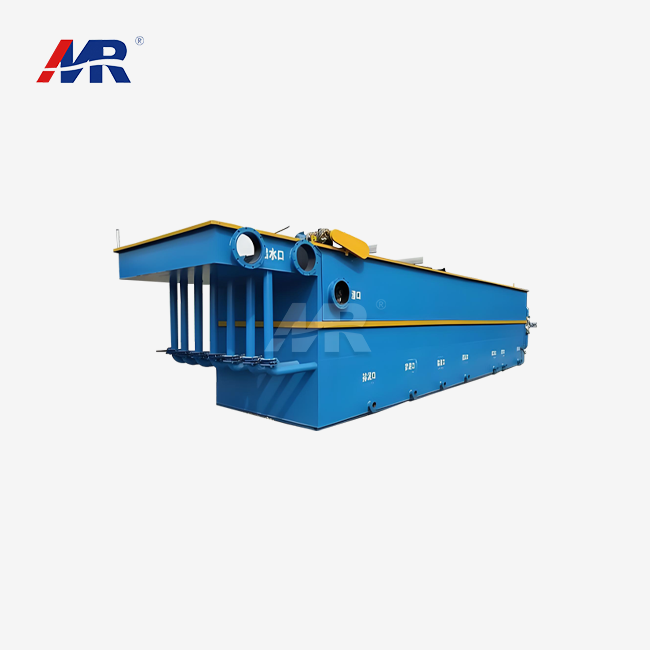
Different businesses produce wastewater that is very different from one another, so it needs to be treated in very specific ways. Food and beverage makers release strong organic loads with lots of fats, oils, and grease, so biological systems need to be pretreated with dissolved air flotation. To get rid of complex synthetic chemicals and antibiotic residues, drug companies use advanced oxidation methods or bioaugmentation techniques. Heavy metal-filled wastewater from electroplating processes needs chemical precipitation and ion exchange. Municipal plants have to deal with a wide range of influents from household, business, and industrial sources. This means that they need a strong balancing capacity through equalization tanks. When planning for capacity, it's important to think about peak flow situations, yearly changes, and how much space will be needed in the future. Scalability is provided by modular system architectures, which let more capability be added gradually as production numbers rise without stopping current operations.
Automation Technologies and Predictive Maintenance Protocols
Modern sewer treatment depends a lot on technology to keep things running smoothly with little help from people. Based on real-time sensor input, programmable logic controllers plan the order of the pumps, the speed of the aeration blower, the amount of chemicals that are added, and the processes for wasting sludge. Variable Frequency Drives on large pieces of equipment use less energy because they adjust the motor's output to match the needs of the process instead of running at full power all the time. Remote tracking tools let engineering teams figure out what's wrong and change setpoints from somewhere else, which cuts reaction times by a huge amount. Vibration analysis, thermal imaging, and performance trend data are used in predictive maintenance methods to find problems like bearing wear, membrane fouling, or rotor damage before they become catastrophic. When compared to reactive maintenance models, this proactive method usually cuts unplanned downtime by 40–50%. This protects production and income lines.
Capital Planning and Total Cost of Ownership Analysis
When making decisions about purchases, people in charge of wastewater treatment facility management must look at investments in terms of their total cost over 15 to 20 years after the initial installation. Capital expenditures include the cost of buying tools, building facilities, installing electricity, and putting the system into use. Costs of doing business include things like using energy, adding chemicals, replacing membranes, getting rid of waste, and paying workers. Systems that use less energy, like those with high-efficiency fans and small bubble aeration diffusers, can cut power costs by 30 to 40 percent a year. Compact designs cut down on the cost of buying land and the size of buildings, which is especially helpful in industrial parks that don't have a lot of room. Leasing or equipment-as-a-service options are other ways to get money that let businesses keep their cash for core operations while still getting access to cutting-edge technology.
Comparing Wastewater Treatment Facility Types and Technologies
Municipal Versus Industrial Treatment Plant Characteristics
Most municipal wastewater treatment plant facilities handle between 5,000 and 500,000 m³/day of mostly household sewage with fairly consistent patterns of organic loads. Cost-per-volume optimization and regulatory compliance for standard measures like BOD, TSS, and fecal coliform are important to these sites. Industrial filtration systems deal with smaller amounts of wastewater but have to deal with higher quantities of pollutants and contaminants that are specific to industrial processes. A petrochemical refinery might have trouble getting rid of phenol and hydrocarbons, while a textile dyeing operation might have trouble with color, heavy metals, and changing pH. Industrial plants often work as "zero liquid discharge" systems, which means they reuse and recycle treated water to reduce the amount of freshwater they need to use and the costs of dumping it somewhere else. The main difference is the way the systems are designed. Industrial systems put process integration and water recovery ahead of simple release compliance.
Biological Versus Physical-Chemical Treatment Approaches
Chemicals are used less, and energy is saved because biological treatment uses natural microbial processes to break down organic pollution. Activated sludge, trickle filters, and anaerobic digesters are all stable technologies that have been used for a long time and are known to work well. For living systems, on the other hand, the climate needs to be carefully managed in terms of temperature, nutrient balance, and defense against toxic shock. Physical-chemical methods like coagulation-flocculation, adsorption, and advanced oxidation can quickly respond to changing loads and deal with chemicals that are hard to break down. Getting chemicals and getting rid of sludge usually add to the costs of running these technologies. For many uses, the best performance-to-cost ratio can be found by mixing biological treatment for bulk organic removal with cleaning steps using physical-chemical processes. The choice is based on the characteristics of the influent, the quality goals for the effluent, the available room, and long-term operating issues.
Leading Equipment Manufacturers and Technology Selection
Global companies like Evoqua Water Technologies are experts in membrane bioreactor systems and high-tech oxidation equipment. They offer full engineering support and performance warranties. Veolia Water Technologies has a lot of experience working with both cities and businesses. They are especially good at treating sludge and recovering biogas. Xylem specializes in smart monitoring tools and pumping systems that use less energy. When procurement teams look at possible providers, they should check the professional skills of example setups, look over warranty terms, and the availability of spare parts, and make sure the local service network covers the area. Certifications like ISO 9001 for quality management and ISO 14001 for environmental management show that a business is doing a good job overall. The relationship between the equipment provider and the end-user lasts throughout the lifecycle of the facility. Because of this, seller security and responsiveness are important selection factors that go beyond the initial price of the equipment.
Addressing Common Challenges and Safety Measures in Sewage Treatment
Managing Process Upsets and Performance Variability
There are many things that can go wrong at wastewater treatment facility plants, such as toxic shock loads, hydraulic waves from storms, temperature changes that stop biological activity, and broken equipment. To keep things stable, effective sites use multiple layers of defense. Equalization tanks smooth out changes in flow and concentration, making sure that processes further down the line always have the right conditions to work. Configurations of redundant equipment make sure that important unit processes can continue during repairs or maintenance. Bioaugmentation goods quickly bring back microbial communities that were damaged by toxic events. Comprehensive operator training programs teach people how to fix problems and act quickly. Maintenance deals with specialized service providers who provide expert help when problems get complicated, adding to the skills of internal staff. Documentation systems that keep track of how well a process is working over time make it possible to see patterns and take action quickly, before small problems become big safety violations.
Worker Safety and Environmental Risk Mitigation
There are a lot of safety risks in Sewage Treatment Plants, such as the risk of entering a small area, being exposed to pathogenic organisms, dangerous gas buildup, chemical handling risks, and electricity risks. People are kept safe by following OSHA rules and best practices in the industry. This is done through administrative controls, engineering protections, and personal safety equipment. Hydrogen sulfide and methane don't build up because treatment tanks are enclosed and have air systems built in. With automated chemical doses, you don't have to handle acidic or caustic solutions by hand. Safety interlocks stop tools from starting up without following the right steps. Safety checks that are done on a regular basis find new risks before they happen. Environmental security includes more than just keeping workers safe. It also includes secondary containment for chemical storage, spill reaction plans, backup power systems that keep important operations running during power outages, and liability insurance for environmental cleanup.
Conclusion
For sewer treatment to work, it needs to go in a planned order through basic screening, primary clarification, biological degradation, advanced tertiary polishing, and ongoing quality assurance. Each stage gets rid of a different type of pollution while getting the trash ready for the next step. These days, cleaning plants are automated, use less energy, and can be expanded in modules so they can meet the needs of different businesses and cities. Capital investment and long-term working costs must be weighed in procurement choices while regulatory compliance and practical efficiency are also ensured. New technologies like AI-driven optimization, resource recovery, and improved membrane systems keep making wastewater treatment facility infrastructure more useful and long-lasting. When organizations use strong operational practices and strategic building design, they can meet both current discharge standards and future environmental goals, all while protecting people's health and natural ecosystems.
FAQ
1. What determines the ideal capacity range for an industrial wastewater treatment system?
Choosing the right capacity relies on how much is being produced now, how much is expected to grow in the future, the limits set by regulators, and whether the facility works continuously or in batches. Systems that are 20–30% bigger than the current peak demand give businesses more freedom and can grow without having to spend more money right away. Plants that prepare food or make chemicals can handle changes in regular production better with extra capacity.
2. How frequently do membrane modules require replacement in MBR systems?
Most membranes last between 7 and 10 years if they are used properly, with the right pre-screening, controlled transmembrane pressure, regular chemical cleaning processes, and chlorine contact being avoided. Over time, the permeability decreases slowly, and replacement becomes the most cost-effective option when cleaning needs to be done more often than once a week or when flux rates drop below the design specs.
3. Which industries face the strictest effluent discharge regulations?
Medicinal and science companies have to follow the strictest rules because antibiotic residues and active medicinal chemicals can hurt aquatic environments. Ultrapure water must meet certain standards for making electronics. Processors of food and drinks have to get rid of pathogens. Different areas have different limits on how much water can be discharged. Coastal areas usually have stricter limits to protect the sea surroundings.
Partner with Morui for Advanced Wastewater Treatment Facility Solutions
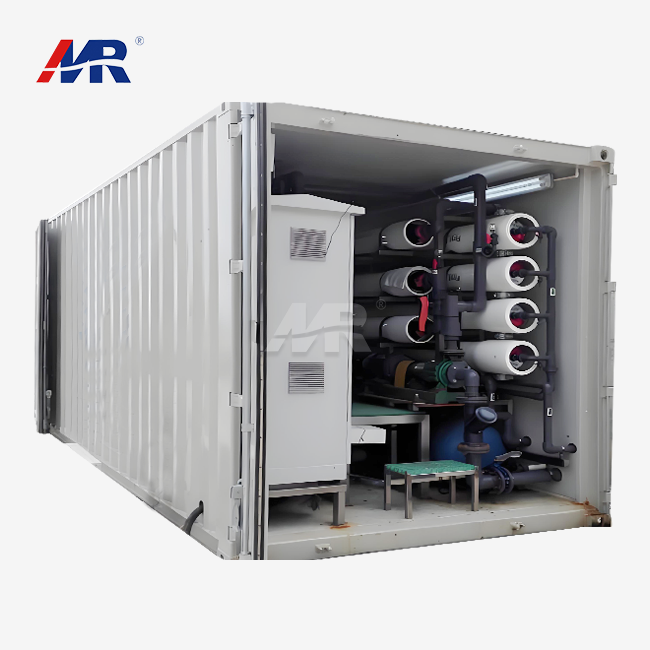
When it comes to choosing wastewater treatment facility equipment, Guangdong Morui Environmental Technology is aware of the difficult decisions facility owners and buying managers face. Our portable systems can handle 50 to 10,000 m³ per day and have the best BOD removal rate (95%), COD reduction (up to 90%), and incredibly low energy use (0.3 to 0.5 kWh/m³). Because they are smaller, these designs need 30% less room to be installed than traditional options. This helps with land issues that are common in industrial zones.
Our all-in-one method includes pre-screening, basic clarification, biological treatment, MBR membrane filtration, and full disinfection. These steps are combined into turnkey solutions that come with full installation and testing services. We have more than 500 employees spread out over 14 branches. These include 20 specialized engineers and our own manufacturing techniques for membranes. We provide reliable performance for wastewater management in cities, processing food and drinks, making drugs, making textiles, chemical plants, and hospitality applications. As a well-known wastewater treatment facility manufacturer in the US market, we encourage technical decision-makers and facility owners to get in touch with Our Team directly at benson@guangdongmorui.com for more information on our Products and services.
References
1. Metcalf & Eddy, Inc., "Wastewater Engineering: Treatment and Resource Recovery," 5th Edition, McGraw-Hill Education, 2014.
2. Water Environment Federation, "Design of Municipal Wastewater Treatment Plants: Manual of Practice No. 8," WEF Press, 2018.
3. Tchobanoglous, G., Burton, F.L., and Stensel, H.D., "Wastewater Engineering: Treatment and Reuse," McGraw-Hill Science, 2003.
4. United States Environmental Protection Agency, "Primer for Municipal Wastewater Treatment Systems," EPA 832-R-04-001, Office of Water, 2004.
5. Judd, S. and Judd, C., "The MBR Book: Principles and Applications of Membrane Bioreactors for Water and Wastewater Treatment," 2nd Edition, Elsevier, 2011.
6. Qasim, S.R., Motley, E.M., and Zhu, G., "Water Works Engineering: Planning, Design, and Operation," Prentice Hall, 2000.