_1745823981883.webp)

Top Rated Sewage Treatment Units for Small Towns: Features and Benefits
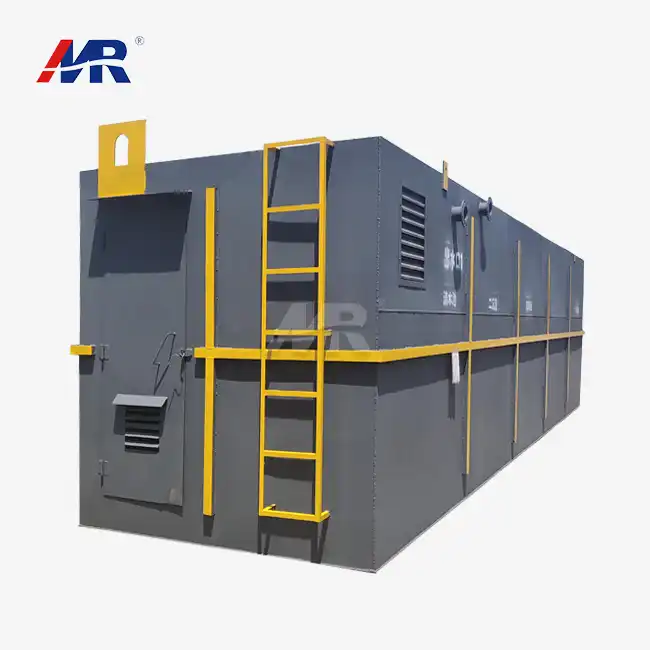
Small towns all over the United States have the same problem: running a wastewater Sewage Treatment Plant efficiently on a shoestring budget. Smaller towns and villages need answers that balance following the rules, protecting the environment, and being responsible with money, unlike big cities with complex government systems. This problem can be turned into a chance by choosing the right treatment unit. This will protect public health and local ecosystems. The Guangdong Morui Environmental Technology Co., Ltd. has been working with wastewater systems for more than 10 years and has 14 offices and a team of 20 experienced engineers to help people. Our solutions use cutting-edge membrane technology along with useful, scalable designs that are made to meet the needs of small towns. These systems don't just meet standards; they go above and beyond them, managing garbage in a way that is good for the environment and grows with your community.
Understanding Small Town Wastewater Sewage Treatment Plant Requirements
Taking care of garbage in small places is different from taking care of it in big cities. Even though the population density is smaller, getting rid of contaminants effectively is still very important. Small towns usually produce between 50 and 2,000 cubic meters of sewage every day. They need cleaning systems that can handle this modest amount of waste without being too complicated or expensive.
Scale and Composition Differences
The wastewater that flows through small town systems is mostly domestic sewage, which is made up of organic matter from homes, schools, and businesses in the area. Biological cleaning methods work especially well because industrial pollutants are still not as bad as they are in cities. Another thing to think about is flow rates that change. Weekend use may go up when seasonal people come back, but daily use stays steady because that's how life is around here. These changes must be able to be handled by your treatment system without affecting its performance.
Biological Treatment Technologies
Small-scale wastewater treatment has been changed a lot by modern bacterial processes. Microorganisms that break down organic pollution are helped by aerobic systems, which add oxygen. This ensures that BOD and COD levels are consistently lowered. Anaerobic digestion works without air and makes biogas a useful byproduct while it breaks down garbage. Membrane bioreactor technology is the most advanced method because it uses semi-permeable membranes to combine biological treatment with physical filtering. This hybrid method produces better effluent, which is exactly what small towns need when rules about release get stricter or when they want to recover water.
Modular versus Fixed System Considerations
When funds for facilities are limited, flexibility is important. Phased growth is possible with modular systems, which let cities and towns spend little by little as their populations grow. Fixed systems work best in places where the population stays the same and capacity needs are known ahead of time. Biological treatment can be used successfully in both methods, but modular designs allow for more flexible layouts that can be changed to meet new regulations and community growth patterns.
Key Features of Top-Rated Sewage Treatment Units
The best wastewater sewage treatment plant equipment combines different technologies to create systems that work well together. At Morui, our cutting-edge units deal with tough wastewater problems by carefully designing processes that get rid of as many pollutants as possible while using as few resources as possible.
Advanced Multi-Stage Treatment Process
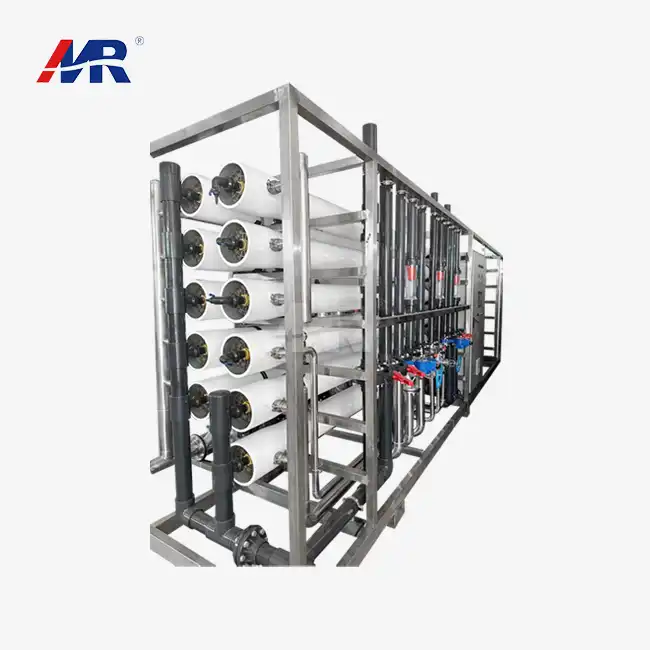
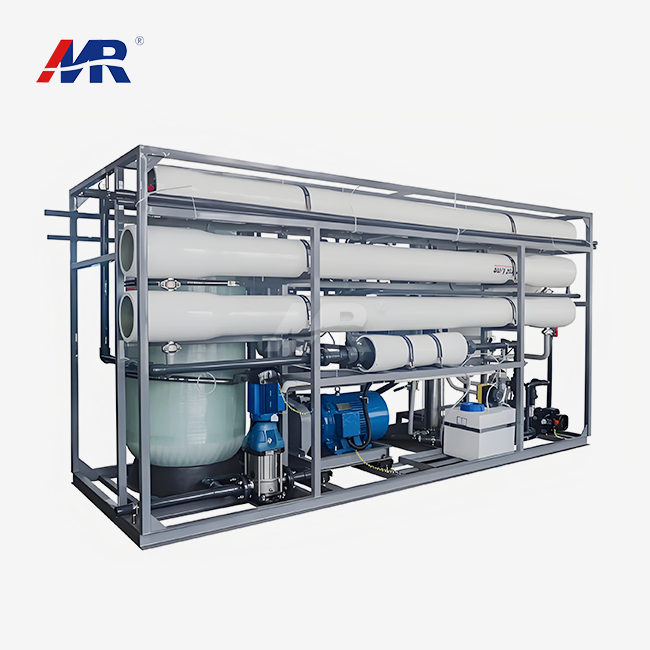
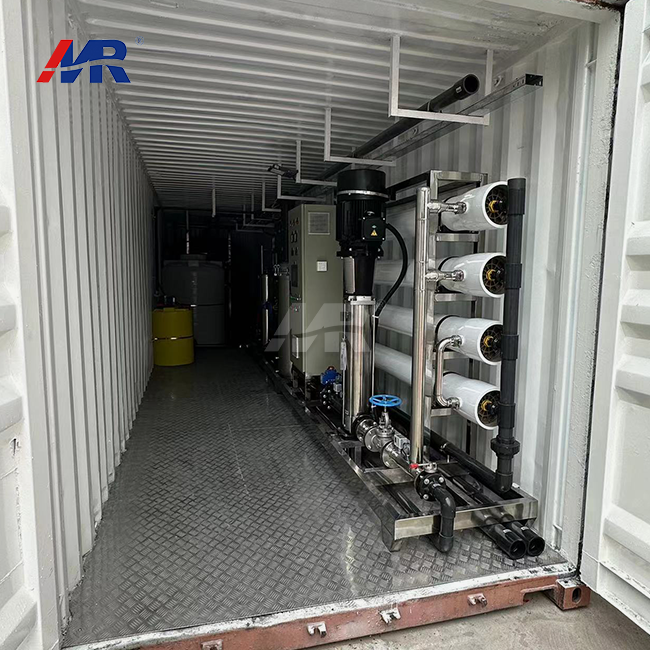
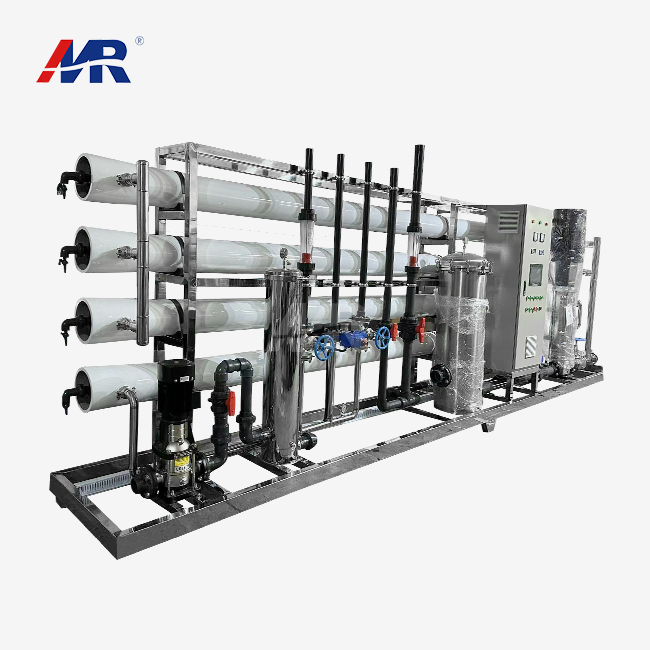
For waste treatment to work, it needs to go through different steps, each of which targets a different type of pollution. Screening and grit removal are the first steps in preliminary treatment. This is where debris, sand, and big pieces are sorted out before they damage equipment further downstream. After primary sedimentation, solids and liquids are separated by gravity in settling tanks. Our AAO (Anaerobic-Anoxic-Oxic) process is used in the biological treatment stage. In this process, microbes break down organic waste and nutrients in a controlled way. Then, our mbr membrane filter gets rid of the suspended solids 99% of the time, leaving behind waste that is completely clear. Disinfecting the water makes it safe to release or use again at the end of the process.
Automated Controls and Remote Monitoring
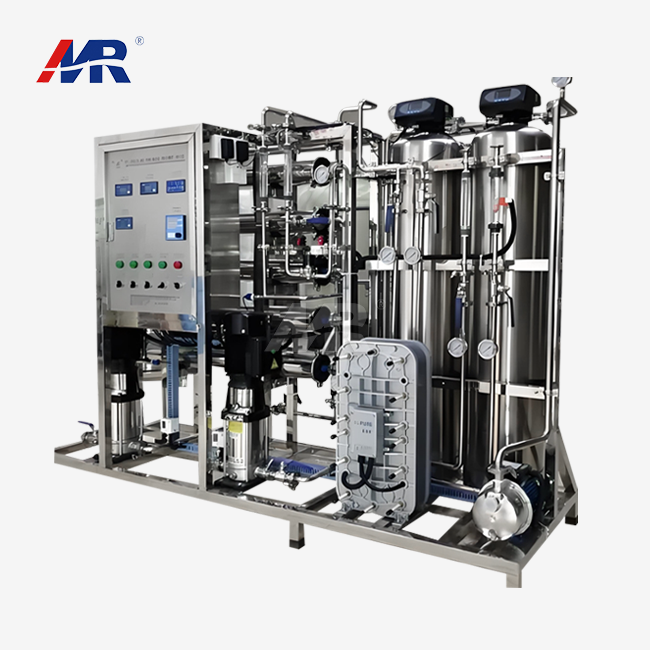
Running a treatment center shouldn't require you to be there all the time. Our systems have fully automated controls that change working settings in real time, in response to changes in flow and load, without any help from a person. With remote tracking, operators can keep an eye on performance from anywhere and get alerts when repair is needed. This design makes it easier for people to use, which greatly lowers the need for work, which is especially helpful in small towns that have trouble filling specialized jobs. Touch-screen interfaces make regular changes easier, and data logging automatically keeps track of compliance.
Compact Footprint and Modular Scalability
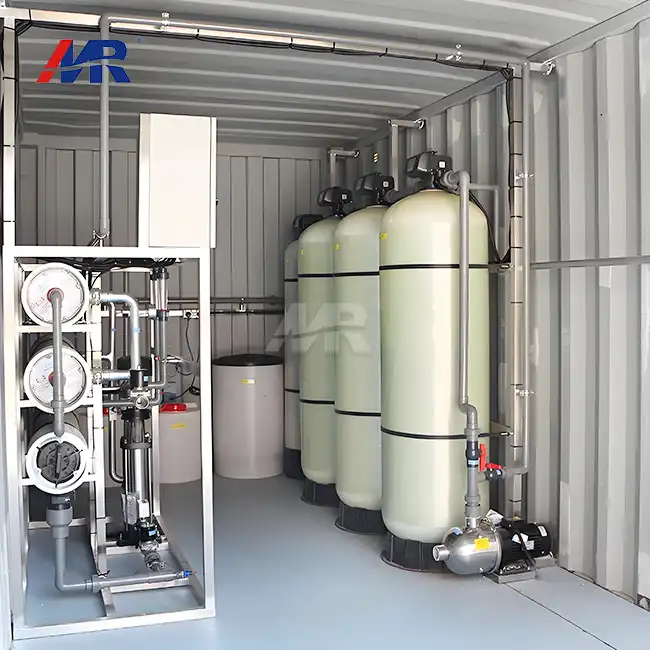
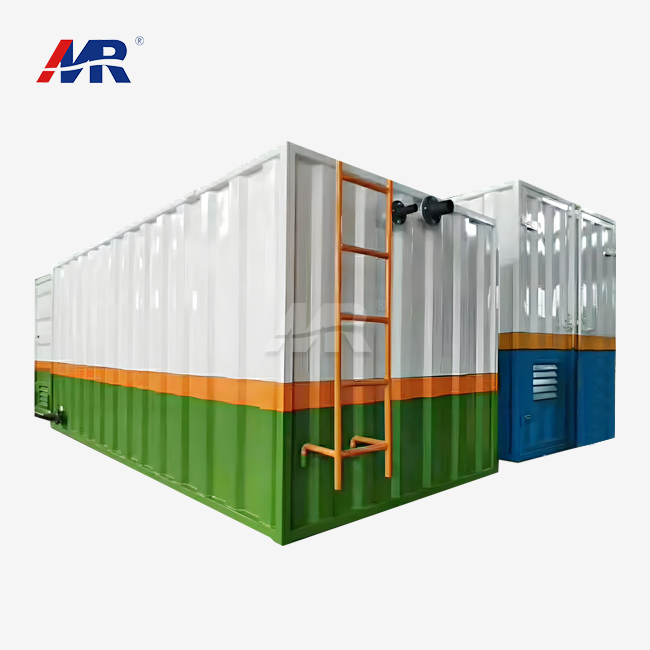
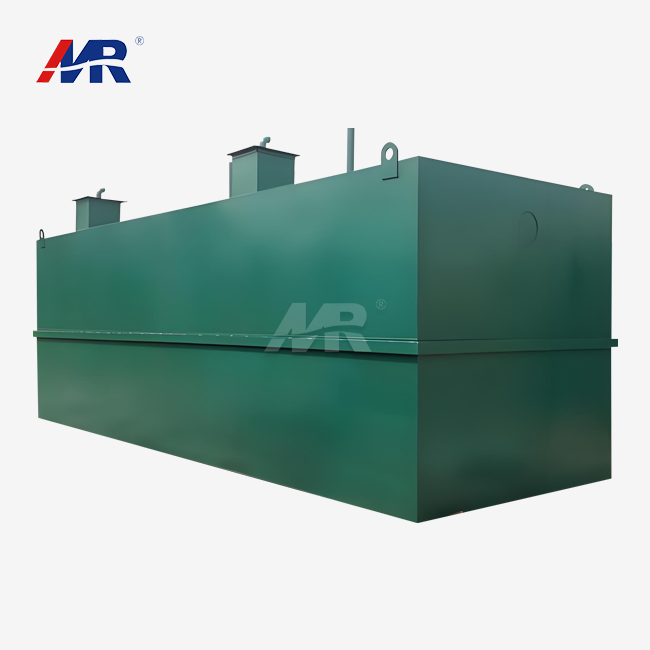
In established towns, building projects are often limited by the amount of land that is available. Our treatment units take up 30% less room than standard systems, so they can be used in tight spaces without reducing their effectiveness. The small size comes from the effectiveness of MBR technology, which blends biological treatment and solid-liquid separation in one unit. When the need for more space arises, modular design makes it easy to add on. Adding more membrane modules doesn't require expensive repairs or whole system upgrades because they work with the current infrastructure.
Energy Efficiency and Sustainability Features
Over the life of a machine, operational costs add up quickly. Our units only use 0.5 to 0.8 kWh per cleaned cubic meter, which is a lot less than older methods. This performance is helped by high-efficiency fans, better aeration controls, and flows that are pushed by gravity whenever possible. If the operation doesn't make any noise or smell bad, nearby residents won't be able to complain, which is something that is often missed until problems happen. These sustainability features combine caring for the earth with being smart with money, giving value that lasts long after the product is bought.
Benefits of Deploying Quality Sewage Treatment Units in Small Towns
There are many ways that investing in current wastewater systems pays off. Communities that put quality of care first set themselves up for long-term growth and protect the natural resources that make them unique.
Environmental Protection and Regulatory Compliance
Sewage that isn't treated or isn't handled properly destroys aquatic environments. As organic toxins break down, they use up dissolved oxygen, which kills fish and other useful creatures. Nutrients like nitrogen and phosphorus cause algae blooms, which make the water quality even worse. Our methods get rid of more than 95% of BOD and more than 85% of COD, which completely stops these effects. At 99%, removing suspended solids makes sure that the water is clear, which is good for marine environments. When your equipment regularly meets these performance levels, it's easy to meet EPA discharge guidelines. Regulatory trust grows, and towns don't have to pay the fines and repairs that come with systems that use bad equipment.
Economic Advantages and Resource Recovery
Cities and towns that are careful with their budgets like equipment that has a low total cost of ownership. Our energy-efficient designs keep power costs low, and automatic operation cuts down on the need for labor. Maintenance costs are stable because reliable parts and easy-to-reach service spots make regular care easier. In addition to these cost savings, recovering resources also adds value. Using treated wastewater for gardening lowers the need for drinkable water. Biosolids from the cleaning process can be stabilized so that they can be used in farming. This closes the loop on nutrients that help local fields. In some setups, biogas is produced, which is a green energy source that balances out the use of electricity. With these features, a wastewater plant goes from being a cost to being an asset that helps the city stay strong.
Financing Accessibility and Long-Term Value
Many small towns don't update their old infrastructure because it costs a lot of money up front. We help cities and towns set up financing that works with the budget cycles of the public sector. By giving leasing choices and extended payment terms, we make advanced technology available to everyone without putting too much debt on their shoulders. If you keep our tools in good shape, they will work reliably for 15 to 20 years, giving you a good return on your investment over many years. This long life, along with low running costs, creates good lifecycle economics that make investing in high-quality tools worth it.
How to Choose the Right Wastewater Sewage Treatment Plant for Your Small Town
Choosing the wastewater sewage treatment plant for care is a big choice that will have effects for decades. You can make sure that the tools you buy will serve your community well now and in the future by carefully evaluating them across a number of different areas.
Capacity Assessment and Growth Planning
First, figure out how much garbage is flowing now and how much will be needed in the future based on plans for growth and population trends. Our methods are scalable to fit communities of all sizes, with daily capacities ranging from 50 to 10,000 cubic meters. Don't build too much; it costs money and makes things harder to run. On the other hand, undersizing means expensive repairs within a few years. Modular designs are a good middle ground because they let you start with a deployment that's just right for your needs now, and they make it easy to add on as your business grows.
Technology Comparison and Effluent Quality Requirements
Different types of medical methods have different levels of effectiveness. Conventional activated sludge systems have been shown to work reliably, but they take up more space and make a lot of extra waste. Trickling screens are easy to use, but they have trouble with large amounts of biological matter. When strict quality standards need to be met for wastewater, like when it goes into sensitive waterways or when treated water is used again for farming or industrial reasons, our MBR technology really shines. Pathogens and dissolved solids that biological processes alone can't get rid of are removed by the membrane barrier. This makes the water quality meet the highest standards.
Supplier Reliability and Support Infrastructure
Quality equipment is important, but so is the network of people who can help you use it. Morui has a large infrastructure that includes several companies that process equipment and our own facility that makes membranes. This makes sure that parts are always available and that quality standards are met. We work with well-known names like Shimge Water Pumps, Runxin Valves, and Createc Instruments to make sure that our systems are made with solid parts. Our 500 workers work in 14 branches and offer quick technical help, training for operators, and repair services. Long-term system dependability is affected by things like training programs, warranty terms, and the supply of spare parts. Choosing a provider that stands behind its goods and keeps its service networks open will keep small problems from turning into operational crises.
Maintenance and Troubleshooting Tips for Sewage Treatment Units
Even the most effective tools need to be checked on a regular basis to keep working at their best. Setting up regular repair schedules for a system makes it last longer and stops it from breaking down without warning, which can affect operations and put compliance at risk.
Scheduled Inspection and Cleaning Protocols
Inspections done on a regular basis find problems early on, before they get worse. Every month, operators should check membrane modules for harm or buildup of dirt, and they should look at different pressure readings to see when cleaning is needed. In biological treatment zones, you need to keep an eye on the amounts of liquid oxygen, the quantity of mixed liquor suspended solids, and how the sludge settles. To keep the hydraulic capacity up, screens and grit tanks need to be cleaned once a week. Every three months, check and grease the pump seals, valve actuators, and fan bearings. Following the manufacturer's instructions sets up a routine for preventive repair that makes tools last as long as possible.
Parameter Monitoring and Early Problem Detection
Keeping an eye on key working factors lets you know right away when performance is going down. Readings of dissolved oxygen show if ventilation devices provide enough air for biological treatment. If the sludge volume index goes up, it means that there are settling issues that could make clearing harder. Measuring the quality of the effluent (BOD, COD, suspended solids, and nutrient amounts) proves that the process works. Our automated tracking systems keep track of these factors all the time and let workers know when readings change out of acceptable levels. This real-time insight lets problems be fixed before they become safety violations.
Common Issues and Professional Service
Complaints about smells usually mean that collection systems don't have enough air flow or sanitation. Having too much sludge may mean that the trash is being processed too slowly or that there are biological problems. Mechanical problems like pump problems, membrane ruptures, and control system glitches need to be fixed right away by a professional. In-house staff can handle regular upkeep, but factory-trained technicians know how the system works best for difficult troubleshooting and major fixes. To keep things running smoothly and in line with regulations, we offer full-service support, which includes remote diagnosis, on-site fixes, and emergency response.
Conclusion
Small towns should have sewer systems that keep people healthy and the environment clean without breaking the budgets of the cities that run them. This balance is achieved by modern sewer treatment technology's effective biological processes, small designs, and automatic operation that lowers cost and complexity. Our MBR-based systems at Morui are a great example of these benefits because they produce better waste while using less space and energy. Communities can look forward to decades of reliable service if they carefully choose based on their capacity needs, waste needs, and provider reliability. Regular repair keeps things running smoothly, and professional help quickly solves problems. Investing in a good wastewater sewage treatment plant now sets the stage for long-term growth, trust from regulators, and care for the environment, all of which are qualities that make communities strong.
FAQ
1. What is the typical lifespan of a wastewater sewage treatment plant in small towns?
If you follow the maintenance instructions carefully, a good cleaning system should work successfully for 15 to 20 years. Depending on the type of influent and how often they are cleaned, membrane modules may need to be replaced every 5 to 8 years. On the other hand, structural parts and tanks can last for many decades. Regular checks, fixes done on time, and following the manufacturer's instructions all have a direct effect on how long something lasts.
2. How can small towns ensure their sewage treatment units remain compliant with evolving regulations?
To start complying, choose equipment that goes beyond the current legal standards. This will give you room to maneuver as requirements get stricter. Modern technologies, such as MBR, produce wastewater that meets the needs of the future. Putting in place strong tracking and reporting tools keeps track of success all the time. When you work with experienced providers, you can be sure that you can get upgrades and changes that meet new regulations without having to rebuild the whole system.
3. Are financing options available for municipalities with limited budgets?
A lot of sellers, like Morui, offer open payment plans that are made to work with the limitations of the public sector. Leasing programs spread costs across operating budgets instead of needing big upfront investments in capital. When you finance equipment with terms that let you pay over time, your spending stays in line with your budget. Federal and state environmental agencies offer grant programs and low-interest loans as other ways to get money. This makes improved sewer treatment possible even when cities don't have a lot of money or resources.
Partner with Morui for Your Wastewater Treatment Solution
Guangdong Morui Environmental Technology Co., Ltd. is ready to turn the garbage problems in your town into chances to build long-lasting infrastructure. As a reputable wastewater sewage treatment plant maker, we offer complete turnkey solutions that are tailored to your specific needs. These include manufacturing equipment, integrating systems, and providing ongoing support. Our MBR systems offer excellent treatment performance while being easy to use. They are backed by a group of 20 engineers and service professionals spread across 14 stores. We have equipment that is perfectly suited for small towns, whether you need a small unit for urgent needs or a flexible system that can be expanded in the future. Our all-in-one installation and commissioning services make sure that rollout goes smoothly, and our thorough operator training gets your staff ready to confidently handle the system. You can talk to Our Team about your project needs and get a personalized estimate by emailing benson@guangdongmorui.com. Partner with a reputable wastewater sewage treatment plant provider who cares about the long-term success of your town to get the high-quality wastewater treatment you need.
References
1. United States Environmental Protection Agency. "Primer for Municipal Wastewater Treatment Systems." Washington: Office of Water, 2004.
2. Metcalf & Eddy, Inc. "Wastewater Engineering: Treatment and Resource Recovery." 5th Edition. New York: McGraw-Hill Education, 2014.
3. Water Environment Federation. "Design of Municipal Wastewater Treatment Plants." Manual of Practice No. 8, Alexandria: WEF Press, 2009.
4. Judd, Simon. "The MBR Book: Principles and Applications of Membrane Bioreactors for Water and Wastewater Treatment." Oxford: Elsevier, 2011.
5. National Research Council. "Managing Wastewater in Coastal Urban Areas." Washington: The National Academies Press, 1993.
6. American Society of Civil Engineers. "Operation of Municipal Wastewater Treatment Plants." Manual of Practice No. 11, Reston: ASCE Press, 2008.