_1745823981883.webp)

Sewage Sludge Treatment: Effective Methods and Technologies Explained
Sewage sludge treatment includes the methods used to handle the partially solid waste that is left over after treating wastewater from cities and factories. In any wastewater treatment plant, raw sewage goes through several steps to get rid of toxins before it is released or used again. The solid waste that is left over is called sludge, and it has organic matter, bacteria, nutrients, heavy metals, and other chemicals that need to be handled carefully. To protect public health, follow environmental rules, lower working costs, and support resource recovery and sustainability goals in industry operations, this material needs to be managed well.
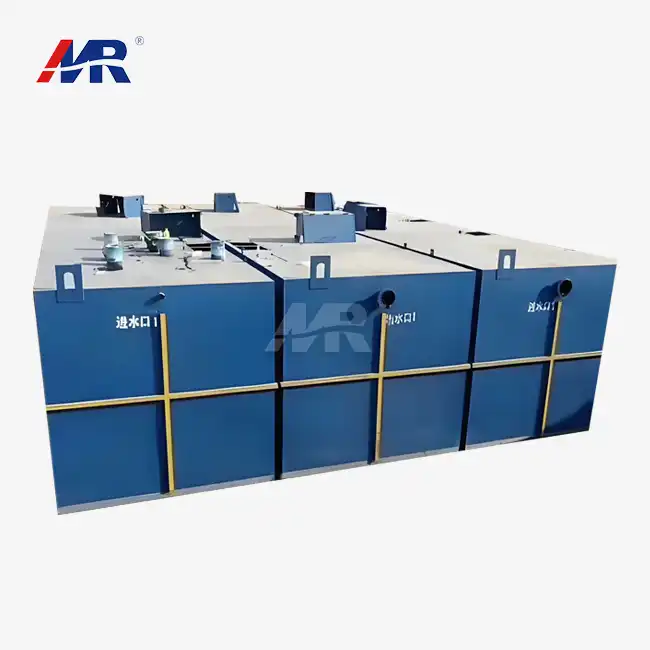
Understanding Sewage Sludge and Its Treatment Challenges
What Defines Sewage Sludge?
Solids are separated from wastewater during cleaning, which is where sewage sludge comes from. During the first part of settling, primary sludge is made up of raw organic matter, fats, and grit. Microorganisms break down dissolved organic pollutants in biological cleaning methods, which creates secondary sludge. Tertiary sludge is less common and is made when more advanced cleaning steps are used to target specific nutrients or chemical toxins. The makeup, moisture content, and biological activity of each type are very different, which directly affects how treatment centers must handle and process them.
Core Challenges Facing Sludge Management
Controlling the volume is always a problem. Usually, 95–99% of raw sludge is water, which makes moving and getting rid of it expensive and difficult. Careful choice of technology is needed to reduce this moisture level effectively while keeping costs low. Another big problem is dealing with smells, especially for sites that are close to residential areas. When organic matter breaks down without oxygen, it creates volatile sulfur compounds and other smelly gases that can make people worry and make regulators look more closely.
Pathogen reduction is critical. Untreated sludge contains harmful bacteria, viruses, and parasites, requiring wastewater treatment plants to meet EPA pathogen reduction standards through heat, chemical, or biological stabilization methods. Variability in sludge composition complicates treatment planning. Industrial discharges, weather events, and stormwater inflows can change sludge characteristics, and treatment systems must adapt without losing performance. Increasingly stringent regulations, including discharge limits, biosolids use restrictions, and greenhouse gas reduction targets, demand treatment methods that reliably achieve measurable compliance.
Overview of Effective Sewage Sludge Treatment Methods
Conventional Approaches and Their Limitations
The old way of dealing with sludge uses a series of tried-and-true unit methods. By using gravity or mechanical ways to collect sludge, thickening lowers its volume before it is treated again. Microorganisms work in oxygen-free settings to break down organic matter, creating biogas that is high in methane and can help a facility meet its energy needs. Aerobic digesting uses air to keep sludge stable, but it uses more energy than anaerobic methods. Using belt presses, centrifuges, or filter presses to remove water further lowers the moisture content to 15–35%. This makes the material ideal for disposal in a dump or use on land. Thermal drying can get even lower amounts of wetness, but it needs a lot of energy.
These traditional ways have built-in limits. Costs go up because of the energy used, especially in aerobic systems and heat drying units. When dealing with high-strength or variable-composition sludge streams, treatment performance may not be as good as it could be. The high prices of big digester tanks and mechanical dewatering tools put a strain on budgets, especially for smaller cities and factories.
Advanced Technologies Reshaping Sludge Treatment
New technologies get around the problems with old systems by combining biological, chemical, and mechanical processes in new and creative ways. High-temperature steam is used in thermal hydrolysis processing to break down complex biological structures. This makes digestion and biogas production much better later on. This method also gets rid of advanced pathogens, which means that cleaned biosolids meet Class A standards and can be used on any land without any restrictions.
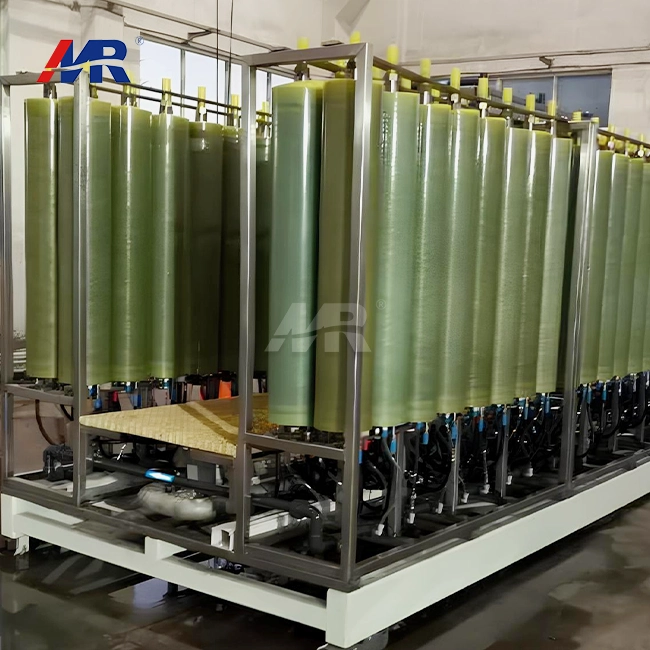
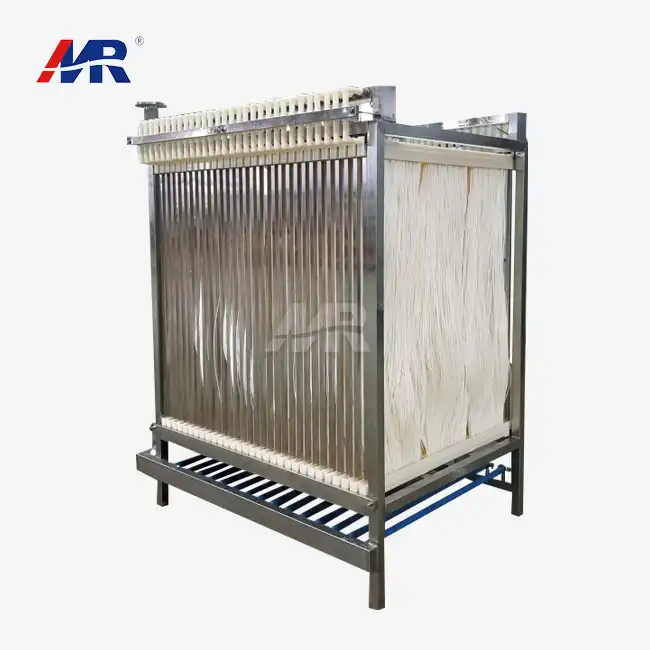
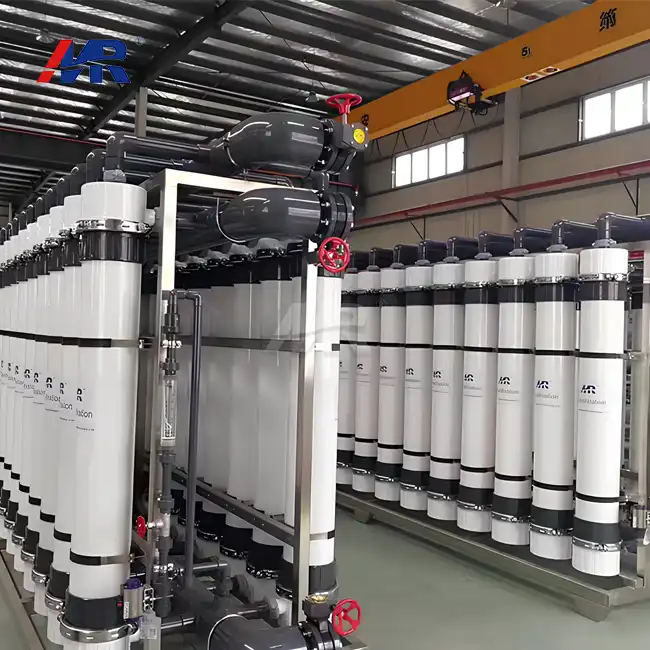
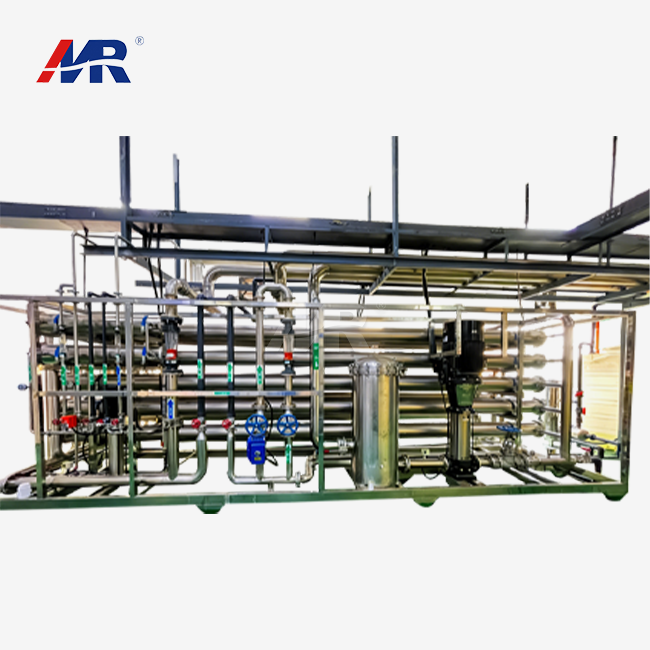
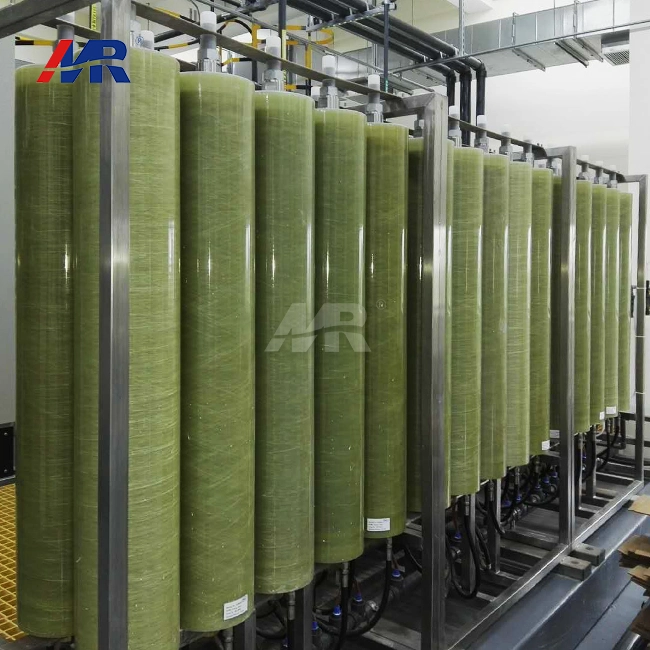
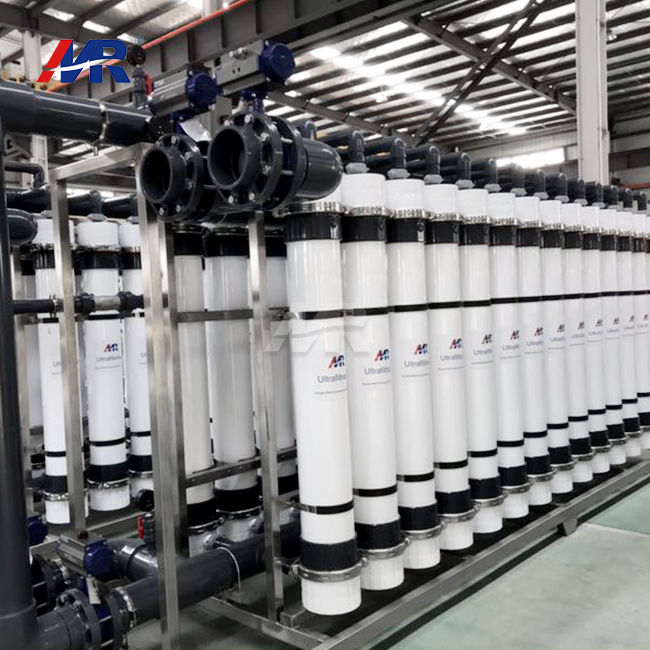
membrane bioreactor systems handle wastewater biologically and with ultrafiltration, which makes the wastewater better and produces less extra sludge than regular activated sludge processes. Chemical oxidants, UV light, or ozone are used in more advanced oxidation methods to break down organic substances that are hard to break down and lower pathogen levels even more. These tools are great at getting resources back. Better anaerobic digestion systems get more energy from organic matter, which turns a problem with garbage management into a chance to use green energy. Nutrient recovery methods take phosphorus and nitrogen out of sludge streams. This makes fertilizer Products that are useful and reduces the amount of waste that goes into the environment.
Designing a Wastewater Treatment Plant with Optimized Sludge Treatment
Design Principles for Efficiency and Flexibility
For facility design to work well, it's important to make accurate predictions of how much sludge will be made based on the features of the influent and the cleaning processes. The ability of systems to handle sludge must be balanced with their use of energy, effect on the environment, and safety during operations. Modern facilities are increasingly choosing flexible designs that let them grow in stages as the need for care increases. This way, they can avoid the high costs of building infrastructure that is too big at first.
Scalability is especially helpful for industry clients whose production rates change with the seasons or the market. During production campaigns, a pharmaceutical company might need more treatment space, while harvest times are the busiest times for a food preparation plant. These changes can be handled by modular membrane bioreactor systems, which let workers turn treatment trains on and off based on real-time demand.
Case Study Application
Think about a medium-sized food processing business that handles 5,000 m³ of high-strength wastewater every day. The plant had to deal with rising costs for getting rid of sludge and problems meeting stricter limits on the amount of chemicals that could be released. The plant got rid of 95% of the BOD and 90% of the COD by combining an MBR system with anaerobic digestion and thermal hydrolysis pretreatment. They also cut the amount of sludge they made by 40%. The biogas produced met 60% of the building's heating needs, so the initial investment was returned within four years. The quality of the effluent got better enough that water could be used again in cooling towers and CIP operations. This cut down on the amount of freshwater that was taken in and sent out even more.
This integrated approach demonstrates how careful technology selection in a wastewater treatment plant can simultaneously meet regulatory requirements, reduce costs, recover resources, and enhance environmental performance. Procurement decision-makers gain a strong business case for investing in advanced sludge treatment infrastructure.
Procurement Considerations for B2B Clients: Selecting the Right Sludge Treatment Solution
Evaluating Cost-Benefit Profiles
Instead of just looking at capital costs, procurement pros need to look at the total cost of ownership. The initial cost of tools is only a small part of the total prices over its lifetime. Over the life of a system, operating costs like energy use, chemical additions, work, and repairs often outweigh the initial investment. Designs that use less energy and have automatic settings lower ongoing costs and make the process more stable. Lifecycle sustainability factors include how long the equipment lasts, how easy it is to get new parts, and how well it can adapt to changes in regulations in the future.
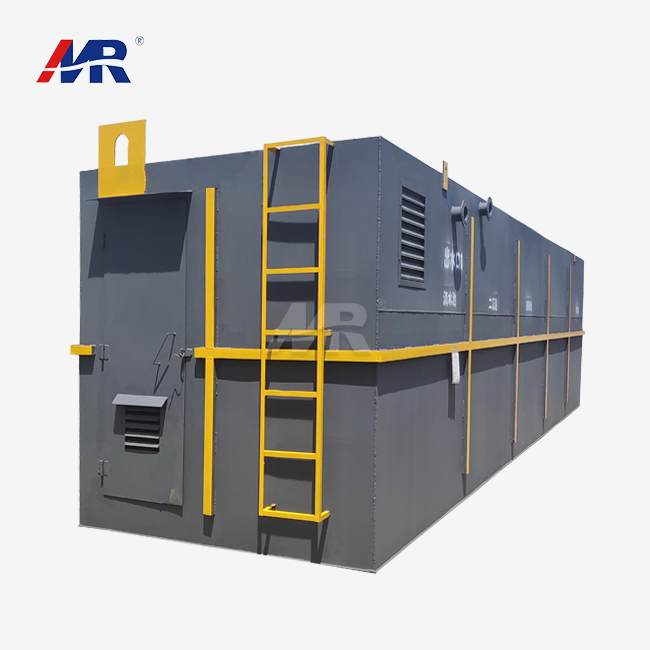
Modular systems are very helpful for buildings that are planning to grow or that don't know what their future needs will be. These pre-assembled and factory-tested units come in packages, which greatly cuts down on installation time and complexity during startup. When you use a turnkey solution, the provider takes on all of the project's risks, including planning, procurement, building, and commissioning. This method works well for clients who don't have their own engineers, but it usually costs more.
Supplier Evaluation Criteria
Vendor dependability includes more than just the quality of the tools; it also includes expert assistance, the availability of spare parts, and how quickly service is provided. When fixing problems with complicated automatic systems or finding the best process settings for changing input conditions, OEM help is very important. Maintenance contracts that cover regular upkeep, emergency response, and performance promises keep operations running smoothly and keep the budget stable.
Financing choices, such as leasing tools, power purchase agreements for biogas systems, and Design-Build-Operate-Transfer models, let clients use cutting-edge treatment technologies without spending all of their capital. Professional installation services make sure that systems work well with existing infrastructure, and thorough operator training programs teach people what they need to know to keep systems running smoothly for a long time.
Maintaining and Troubleshooting Sewage Sludge Treatment Systems
Routine Maintenance Protocols
Disciplined preventive maintenance protects the dependability of systems and increases the life of equipment. Inspections of the sludge every day check its solids content, settling qualities, smell, and color, which lets workers know right away if something goes wrong with the process. As part of weekly jobs, mechanical equipment must be checked for strange noises or vibrations, and the calibrations of automatic control systems must be confirmed. Samples must also be taken to confirm the effectiveness of the treatment. Every month, tasks include thorough checks of all equipment, planning when to lubricate it, and comparing performance trends to average values.
Safety rules keep workers safe from infectious threats, risks in small spaces, and chemical exposures. Personal safety clothing, good ventilation, and gas tracking systems are all necessary for sludge handling to be safe.
Common Operational Challenges and Solutions
Changes in the feed or the hydraulic loading that happen quickly can throw off the process. So that living things have time to adjust, equalization tanks soak up these shocks. When things get stuck, especially when they're draining, it can mess up the whole building and make units further up the line work harder than they should. When you have extra space and backup gear on hand, you can keep things running while repairs are being made.
Any issues with the health of microbes in biological treatment systems show up as issues with settling, cooking, or getting rid of organic waste. Most of the time, these problems are brought on by not having enough nutrients, pH changes, or damaging shock loads. Either change the amount of nutrients added or follow the rules for adding chemicals. You can also temporarily lower the loading rates while the bacteria get better.
Keeping up with changes in technology and rules makes it possible to keep getting better. A lot has changed in how membranes are cleaned, which makes them last longer and use fewer chemicals. Real-time tracking tools now give a lot of information about how a process is working. This means that problems can be fixed before they happen, rather than just being fixed when they happen. These changes help managers in both small businesses and large companies make their systems more stable while keeping costs low.
Conclusion
To treat sewer sludge effectively, you need to combine tried-and-true technologies with new ones in a smart way. This is needed to reduce the amount, kill pathogens, and get resources back. Industrial and municipal leaders must look at options based on their total lifetime costs, their ability to be flexible in how they work, and their ability to meet legal requirements. Advanced systems that use membrane filtering, improved organic processes, and energy recovery improve the quality of the waste water, reduce the amount of sludge, and make operations more efficient. By choosing dependable providers that offer full support services, you can be sure of long-term performance and the ability to react to changing environmental standards. This turns sludge management from a compliance burden into an important part of wastewater treatment plant infrastructure that creates value.
FAQ
1. How does membrane technology reduce sludge production?
More microbes stay in membrane bioreactor systems than in regular activated sludge processes, which lets more organic matter break down completely. Ultrafiltration membranes with 0.2-micron pores physically keep the biomass inside the tank. This allows for longer solid holding times, which help the organism's own respiration. Microorganisms can break down their own cell material during times when there isn't any food, which means that 30–50% less waste sludge is made than in standard methods. When less sludge is made, the costs of moving, dumping, and treating it go straight down.
2. What determines whether a facility needs thermal hydrolysis pretreatment?
Thermal hydrolysis is the best way to deal with streams of high-solids sludge that have complex biological structures that make them hard to process normally. Most of the time, facilities that clean up commercial wastewater from making chemicals, pharmaceuticals, or food are very helpful. The technology is also good for cities that want to get Class A biosolids approval so they can use the waste on any land they want. This is because the high-temperature process kills pathogens more effectively than regular processing does. Economics rests on how much energy costs, how much it costs to get rid of waste, and how much money biogas can make. Facilities that charge more than $150 per ton for tipping and have the option to use biogas on-site usually have good payback times.
3. Can existing conventional treatment plants upgrade to advanced sludge management?
Retrofitting is a good option for buildings that want to improve their performance without having to completely rebuild. By turning clarifier amounts into membrane tanks, many plants are able to successfully add membrane systems to biological treatment trains that are already in place. To increase gas output and flow, thermal hydrolysis units can be added upstream of anaerobic digesters that are already in place. Phased implementation is easier with modular equipment designs, which let managers test performance gains before committing to full-scale rollout. Comprehensive site surveys find problems with the infrastructure and help people come up with ways to fix them that work with their budget and the needs of the business.
Partner with Morui: Your Wastewater Treatment Plant Equipment Manufacturer
We at Guangdong Morui Environmental Technology Co., Ltd. are experts at designing complete sludge treatment systems that meet the needs of both businesses and cities. Our MBR systems use modern hollow-fiber membranes and automatic process controls to give you the best performance at capacities ranging from 100 to 100,000 m³/day. We offer full installation and commissioning services backed by decades of field-proven knowledge. We have over 500 dedicated professionals, 20 specialized engineers, and our own membrane production plant.
Our modular designs are flexible and reliable, whether you run a pharmaceutical plant that needs GMP-compliant water systems, a food processing plant that has to deal with high-strength wastewater, or a local service that needs to replace old infrastructure. As approved dealers for top names like Shimge Water Pumps, Runxin Valves, and Createc Instruments, we make sure that systems work well together and that parts are always available.
Find out how our low-energy, high-efficiency wastewater treatment plant options can help you cut costs while still meeting environmental standards. Get in touch with our expert team at benson@guangdongmorui.com to talk about your needs and get a personalized estimate. As a reliable provider of wastewater treatment plants with 14 locations serving clients from a wide range of industries, we are ready to turn your problems with sludge management into long-term operating benefits.
References
1. Metcalf & Eddy, Inc. "Wastewater Engineering: Treatment and Resource Recovery, Fifth Edition." McGraw-Hill Education, 2014.
2. United States Environmental Protection Agency. "Biosolids Technology Fact Sheet: Multi-Stage Anaerobic Digestion." EPA Publication 832-F-06-031, Office of Water, 2006.
3. Tchobanoglous, George, et al. "Water Reuse: Issues, Technologies, and Applications." McGraw-Hill Professional, 2007.
4. Judd, Simon. "The MBR Book: Principles and Applications of Membrane Bioreactors for Water and Wastewater Treatment, Second Edition." Butterworth-Heinemann, 2011.
5. Water Environment Federation. "Operation of Municipal Wastewater Treatment Plants, Manual of Practice No. 11, Seventh Edition." WEF Press, 2017.
6. Appels, Lise, et al. "Principles and Potential of the Anaerobic Digestion of Waste-Activated Sludge." Progress in Energy and Combustion Science, Volume 34, Issue 6, 2008.