_1745823981883.webp)

High Recovery Rate DTRO Membranes: Enhancing Brine Concentration Applications
DTRO (Disc Tube Reverse Osmosis) membranes are a game-changing way for industrial sites to reduce the amount of wastewater they produce and get back important water resources. These high-tech membrane systems have recovery rates of 50 to 90%, which makes them especially useful for brine concentration tasks where regular reverse osmosis fails. Disc-type membrane technology is now used in many fields, from making chemicals to treating leachate from landfills, to meet strict release standards and cut costs by a huge amount. The unique form of these membranes causes turbulence within the flow channels. This keeps the membranes from getting clogged and extends their useful life, even when the salt level is high.
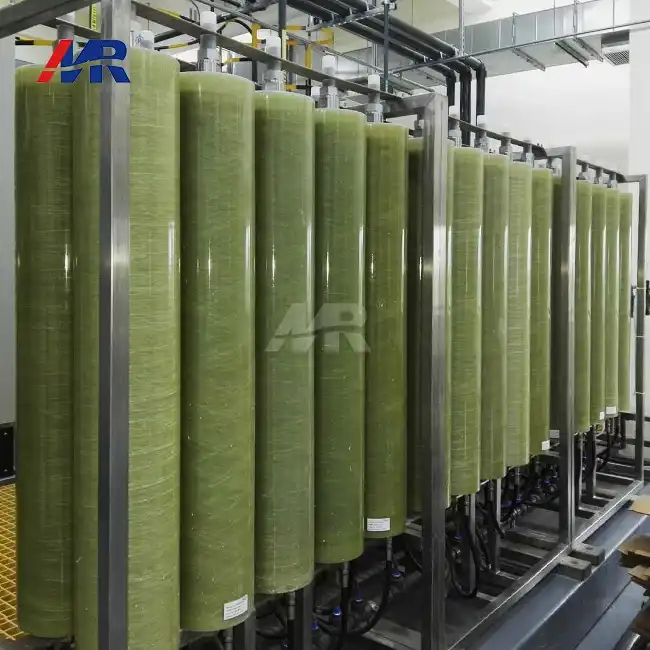
Understanding High Recovery Rate DTRO Membranes and Their Core Benefits
What Makes Disc-Type Membrane Technology Different?
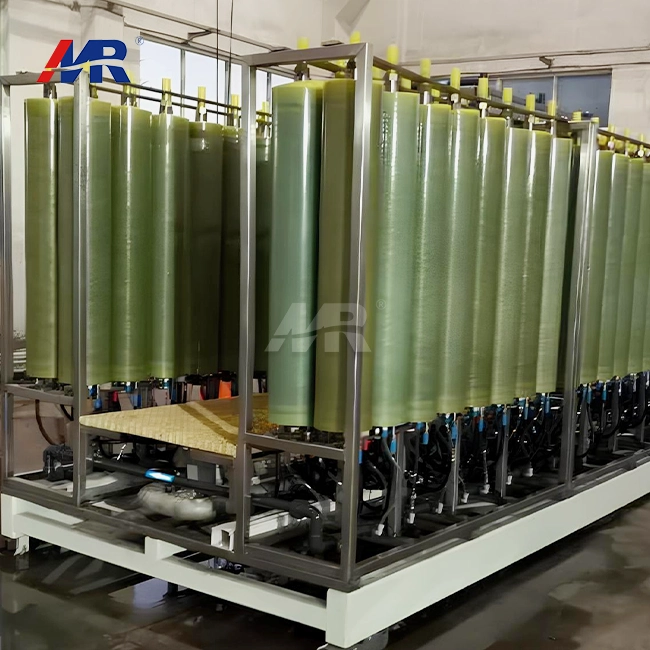
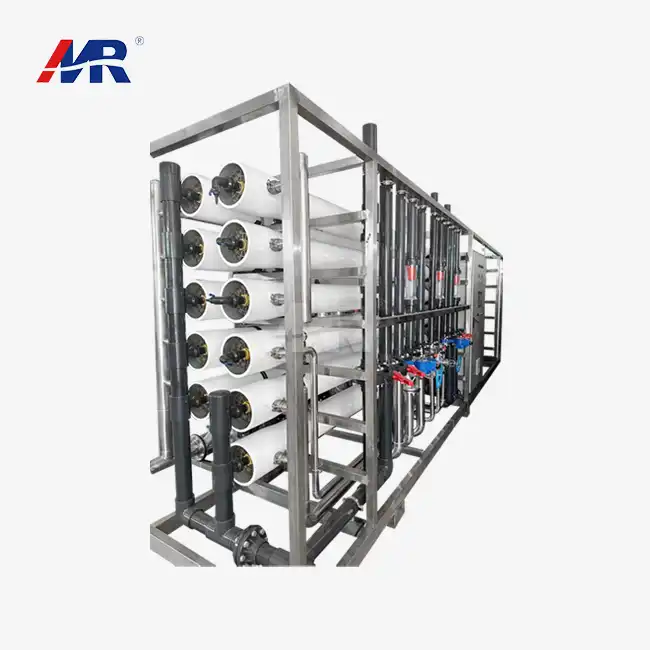
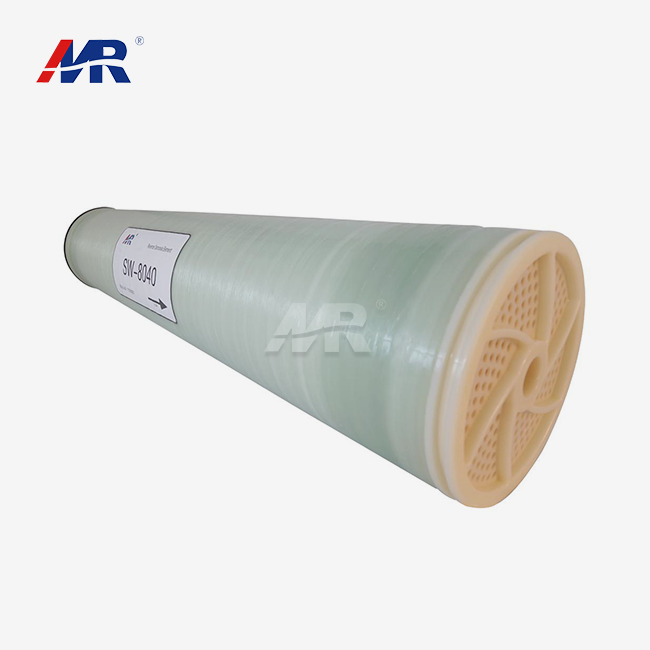
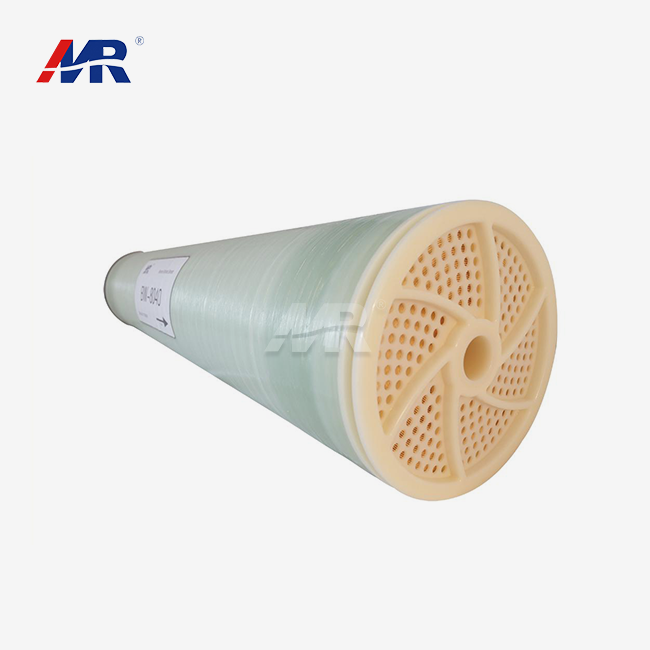
The development of disc-tube reverse osmosis is a clear step forward in membrane filtration. Disc-type modules stack alternate membrane sheets and hydraulic deflectors along a central pressure rod, instead of the spiral-wound configurations that are popular in traditional systems. This part is enclosed in a shell that doesn't rust and is usually made of alloy steel, which is resistant to chemicals and strong in the hands. The membrane has three layers that each do a different job: a support layer that keeps the structure together, a thick separation layer that controls how much water can pass through, and a contact layer that is designed to keep things from sticking to it.
Core Operational Advantages for Industrial Applications
Using high recovery membranes has many important advantages in many areas of business. When these systems regularly get recovery rates above 70%, even with difficult feedwater that has total dissolved solids above 40,000 mg/L, it becomes economically possible to reuse water. Operating costs go down a lot because less salt has to be disposed of. This is a very important factor because environmental rules are getting stricter, and the cost of transporting trash is going up. Thanks to better pressure distribution and anti-fouling properties, single-stage conventional systems use about 20% more energy per cubic metre of permeate water than multi-stage conventional systems. The flexible design lets facilities gradually increase treatment capacity without having to rethink the whole system. This protects capital investments as production needs change.
Proven Performance in Demanding Environments
Installations in the real world show that they work consistently across a wide range of industries. Disc-type systems are often used in waste leachate sites to process feedwater that needs more than 20,000 mg/L of chemical oxygen. This makes permeate that can be released or treated further. These membranes are used by petrochemical companies to treat water that comes back from oil fields because standard membrane elements would break down quickly in areas with a lot of salt. Mining activities compress process wastewater to levels of recovery that could only be reached by steam evaporation before. This saves a lot of money and helps the environment.
Comparing DTRO with Other Filtration Technologies for Brine Concentration
Performance Metrics That Matter
To choose the right membrane technology, you need to know how different systems work when they are stressed. Recovery rate is the main thing that sets them apart. With high-TDS feedwater, regular reverse osmosis only gets to a 50–60% recovery rate, but disc tube systems get above 85% because they have better pressure distribution and fouling resistance. The ability to concentrate brine makes sense. Standard spiral-wound membranes lose their effectiveness when TDS goes over 60,000 mg/L, but disc-type units keep their flux rates fixed up to 100,000 mg/L. Calculations of energy use show that high-salinity uses are better, but traditional methods may be more efficient when treating feeds with lower concentrations. The total cost of ownership is greatly affected by how often and how long maintenance is done. For example, the open flow channel design cuts the amount of cleaning that needs to be done on membranes to about 40% of what is needed for tightly wound options.
Why Traditional Reverse Osmosis Falls Short?
When concentrating brines, conventional membrane systems have built-in flaws. The spiral shape makes narrow flow pathways that catch particles and precipitates, which speeds up membrane fouling and requires it to be cleaned with chemicals more often. As the concentration goes up, the pressure drop across the length of the membrane becomes too big, which limits the recovery rates that can be used. Replacing membrane parts requires skilled work and long periods of downtime, which makes the problem even worse. Adding DTRO does not change these inherent issues. All of these things make standard methods less than ideal for situations that need to recover as much water as possible with as little upkeep as possible.
Ultrafiltration and Microfiltration as Complementary Technologies
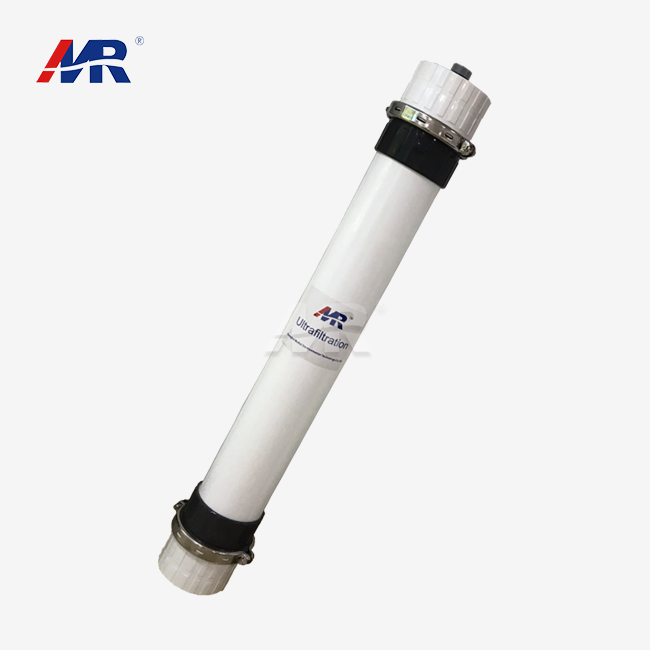
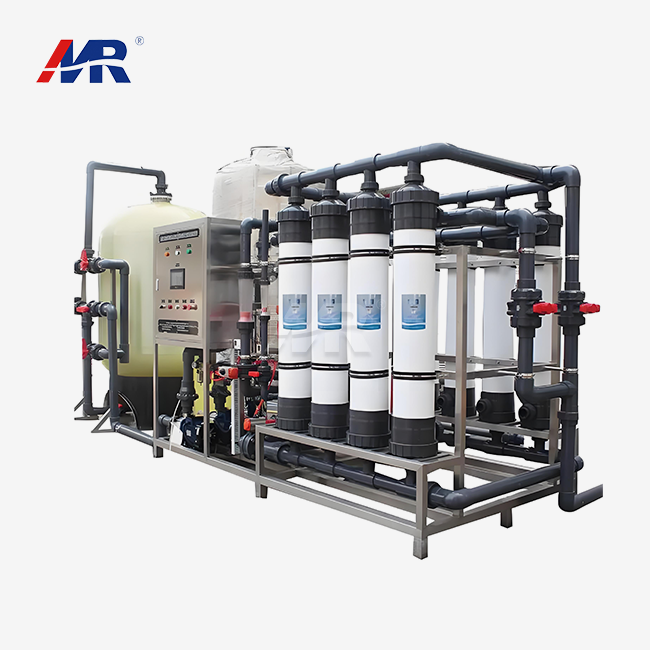
Disc-type reverse osmosis is great at getting rid of dissolved solids, but ultrafiltration and microfiltration do different things in full treatment systems. Ultrafiltration is a good way to get rid of suspended solids, colloids, and proteins. It is often used as a pretreatment step before membrane reduction stages. Microfiltration gets rid of bigger particles and bacteria, which keeps equipment further down the line from getting damaged. Integrated treatment trains that use these technologies along with high-recovery reverse osmosis work better than single-technology methods, especially when the features of the feedwater change a lot over time.
Optimising Performance and Maintenance of High Recovery Rate DTRO Systems
Establishing Effective Cleaning Protocols
To keep a membrane working at its best, it needs to be cleaned in a way that is specific to the fouling process. Most chemical cleaning routines switch between acidic treatments that get rid of mineral scale and alkaline solutions that break down biofilms and organic compounds. Cleaning how often relies on the makeup of the feedwater and the performance signs that are seen. We suggest starting cleaning when the normalised permeate flow drops by 10% or the normalised salt passage rises by 15% from baseline values. It's important to clean in the right order: flushing out any leftover process water, moving the cleaning solution at a certain temperature and pH, soaking for a certain amount of time, and then fully rinsing before going back to work.
Preventive Measures That Extend Membrane Lifespan
Many common operating problems can be avoided with proactive system management. Fouling potential is greatly decreased by implementing the right preparation, which includes media filters, antiscalant dosing, and pH adjustment. Keeping the working pressure and crossflow velocity within the ranges specified by the maker stops membrane damage and too much concentration polarisation. Controlling the temperature is important to protect the structure of the membrane because high temperatures speed up the chemical breakdown of polymer materials. Key performance markers should be checked on a regular basis so that problems can be found early, before they get worse and cause expensive failures or emergency shutdowns.
Troubleshooting Common Operational Challenges
Technical managers sometimes have to deal with performance problems that need to be systematically diagnosed. A sudden drop in permeate flow is usually a sign of fouling, membrane damage, or a change in the instrument's calibration. It's possible that the membrane is breaking down, the seal isn't working right, or the preparation wasn't done right. Weird differences in pressure could mean that there are problems with how the flow is distributed or that garbage is building up in the pressure pipes. To fix these problems, careful testing is needed, such as checking the performance of the cleaning system, making sure the instruments are working correctly, testing the membrane's stability, and looking at the system's hydraulics. Documenting working settings and maintenance tasks is very helpful for troubleshooting because it shows trends that you wouldn't see by looking at something casually.
Procurement Guide for High Recovery Rate DTRO Membranes and Systems
Evaluating Membrane Performance Data and Certifications
A thorough technical review is the first step in making smart choices about procurement, including for DTRO. Ask for specific performance information, such as the percentage of salt rejection at different TDS levels, the rate of permeate flow at different working pressures, and the features of fouling resistance. Third-party testing Certifications back up what the maker says and make it easy to compare different goods in an unbiased way. Following industry norms, like getting NSF/ANSI approval for certain uses, makes sure that the product is suitable and that regulators will accept it. Look at case studies from sites that dealt with similar types of feedwater to make sure that performance in the real world matches what was expected in the lab.
Understanding Total Cost of Ownership
The spending on capital is only one part of the system economics. When we look at lifetime costs, we look at a lot of different areas. These include the initial equipment purchase, which includes membranes, pressure vessels, high-pressure pumps, and control systems; installation costs that include preparing the site, piping, electrical connections, and commissioning; consumable costs for things like replacement membranes, cleaning chemicals, and pretreatment materials; energy use over the expected operational lifespan; routine and corrective maintenance labour; and waste disposal fees for reject streams and used cleaning solutions. By looking at everything at once, this thorough method shows the real economic value offered. It often shows that more expensive systems with longer service lives and lower operating costs give better returns.
Selecting Reliable Equipment Suppliers
Working with well-known sources has a big impact on the success of a project and on the long-term happiness of the customer. Check out possible partners based on a number of factors, such as their ability to manufacture and their quality control processes, their expert support and how quickly they respond to requests, their supply of spare parts and shipping times, and their warranty terms that cover both materials and workmanship. Our fully integrated business, which includes our own membrane production facilities, 14+ branch service networks across the country, and an engineering team of 20+ experts, makes Guangdong Morui Environmental Technology a great example of a full-service provider. This infrastructure makes it easy to meet customer needs quickly and makes sure that the standard of the Products stays the same throughout the lifecycle of the equipment.
Morui's Advanced DTRO Water Treatment Solutions
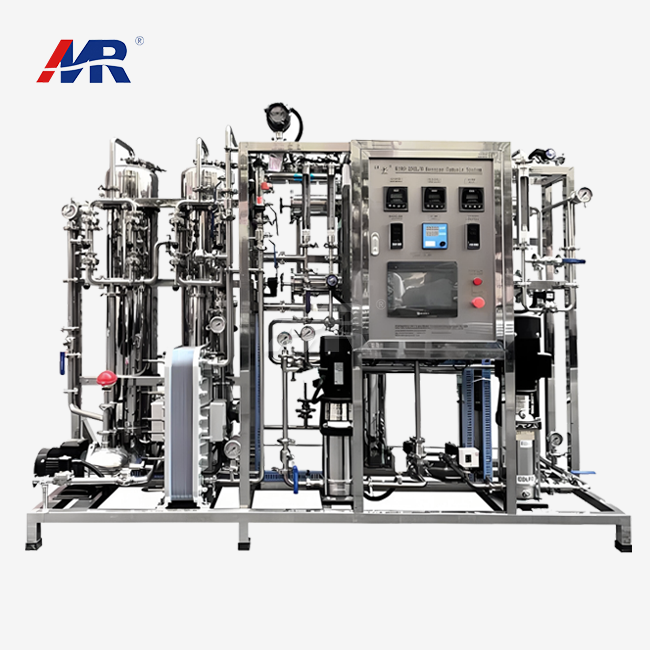
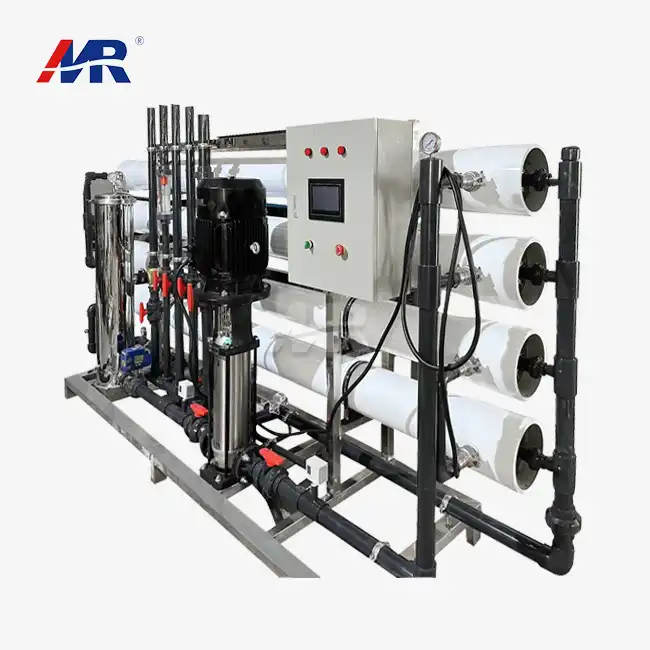
We made the MR-DTRO-150TD system to meet the complex needs of modern industrial operations. It is designed for tough jobs like treating leachate from landfills. This designed solution works with feedwater that has chemical oxygen demand levels close to 25,000 mg/L, and it can recover 50–70% of the waste, based on the specifics of the waste stream. The maximum amount of power used in an hour is 96 kW, which is in line with our equipment's energy-efficient design mindset.
In many workplace settings, traditional methods of treatment don't work well enough, but our disc-type membrane systems do. Electronics companies depend on these systems to get rid of copper, nickel, and chemical solvents from the processes used to rinse printed circuit boards. They make sure that the wastewater doesn't go over strict limits for disposal and recover useful water for reuse. Our equipment is used by battery factories, especially lithium-ion gigafactories, to recover lithium, cobalt, and acidic process wastewater. This helps them meet environmental compliance and resource-saving goals at the same time. Manufacturers of automotive parts fix oil-and-water mixtures that are made when parts are cleaned. This cuts down on waste costs and the amount of freshwater that is used.
Our membrane treatment options are the first choice for technical decision-makers and buying workers because they have a number of unique benefits. Recovery rates above 90% cut down on the cost of water waste and removal, which has a direct effect on business budgets and costs related to environmental compliance. When compared to traditional systems, energy-efficient designs that use anti-fouling membrane materials cut long-term running costs by about 20%, resulting in big saves over the lifecycles of equipment. Modular scalability lets facilities gradually increase treatment capacity as production numbers rise. This protects initial capital investments and keeps equipment from becoming outdated too soon. Real-time tracking with automated alerts and the inclusion of programmable logic controllers stops costly unplanned downtime, ensuring that production stays steady and equipment is always available.
Our method is different at all stages of the customer interaction lifecycle because we offer full-service support, including DTRO. Free water analysis services give customised process designs within 72 hours of receiving a sample, shortening the time it takes to develop a project. On-site installation by qualified engineers includes setting up the equipment and teaching the operator, which makes sure that commissioning goes smoothly and that the system works at its best right away. Around-the-clock remote tracking sends maintenance alerts through cloud-based platforms, finding possible problems before they get bad enough to stop operations. Our 14+ branches in China all have localised spare parts inventories that make sure deliveries happen within seven days. This cuts down on downtime during regular maintenance or when unexpected parts break.
Conclusion
High recovery rate disc-type membrane systems are tried-and-true technologies for industrial sites that need to reuse as much water as possible and get rid of as little brine as possible. The disc-and-spacer design is better at blocking fouling than regular spiral-wound membranes, especially when working with high-salinity feedwater or waste streams that have a lot of organic matter in them. Recovery rates that are close to 90% directly lead to lower running costs through lower waste costs and better water saving. A full look at the total owning costs, which include the initial investment, energy use, upkeep, and consumable costs, shows that this method is much more cost-effective than other options. To make sure the project goes well and everyone is happy in the long run, choose suppliers with a lot of experience who offer integrated manufacturing capabilities, quick expert help, and a national service infrastructure.
FAQ
1. What operational lifespan can I expect from high recovery disc-type membranes?
How long a membrane lasts relies mostly on the features of the feedwater, how well the pretreatment works, and how well the membrane is maintained. When systems are well taken care of and feedwater is properly cleaned, they can usually work for three to five years before they need a new membrane. Installations that have a lot of fouling or don't get enough preparation may need to be replaced more often, while sites that do great care sometimes last longer than seven years.
2. How do energy costs compare with traditional reverse osmosis systems?
The amount of energy used depends on how salty the feedwater is and how fast you want to recover it. When maximum recovery is needed for high-TDS uses, disc-type configurations usually use 15–25% less energy per cubic metre of permeate than standard multi-stage systems. When treating lower-salinity feedwater at modest recovery rates, conventional membranes may give the same or better energy economy, making this benefit less important.
3. What indicators suggest membranes need cleaning or replacement?
If the normalised permeate flow drops more than 10% from the average values, it usually means that fouling is present and needs to be cleaned with chemicals. If the salt passage goes above 15% of the original readings, it means that the membrane is probably breaking down and needs to be replaced. Monitoring these normalised factors takes into account regular changes in working pressure, temperature, and feedwater concentration. This gives accurate performance indicators for making choices about planning maintenance.
Partner with Morui for Superior DTRO Water Treatment Solutions
To turn problems with brine concentration into practical benefits, you need to work with a membrane system provider that has a lot of knowledge and a wide range of capabilities. Guangdong Morui Environmental Technology offers complete solutions backed by its own membrane production, a wealth of technical knowledge, and a national service network with more than 14 offices and more than 500 devoted professionals. Our MR-DTRO-150TD systems have been tested and shown to work well with a wide range of challenging fluids, from landfill leachate to industrial process wastewater. They regularly achieve recovery rates that are higher than industry standards while lowering running costs. Technical leaders and purchasing managers looking for dependable DTRO membrane manufacturers will find that our integrated approach, which includes free water analysis, customised system design, certified installation services, and 24/7 remote monitoring, provides the best value throughout the lifecycle of all equipment. Email our engineering team at benson@guangdongmorui.com to talk about your special treatment needs and find out how advanced disc-type membrane technology can help your facility handle water better.
References
1. Chen, J., & Wang, H. (2021). Advanced Membrane Technologies for Industrial Wastewater Treatment: A Comprehensive Review of DTRO Systems. Journal of Environmental Engineering, 147(8), 03121002.
2. Martinez, L., Thompson, R., & Kumar, S. (2020). Economic Analysis of High Recovery Rate Reverse Osmosis Systems in Brine Concentration Applications. Desalination and Water Treatment, 198, 225-237.
3. Anderson, K., Liu, Y., & Patel, N. (2022). Performance Comparison of Disc-Type and Spiral-Wound Reverse Osmosis Membranes Under High Salinity Conditions. Membrane Science & Technology Quarterly, 34(2), 145-162.
4. European Water Treatment Association. (2021). Best Practices for DTRO System Operation and Maintenance in Industrial Applications. Brussels: EWTA Publications.
5. Williams, D., & Zhang, Q. (2020). Fouling Mechanisms and Mitigation Strategies in Disk Tube Reverse Osmosis Membrane Systems. Water Research, 182, 115968.
6. Industrial Water Management Institute. (2022). Emerging Technologies in Brine Concentration: Applications of Advanced DTro membranes Across Manufacturing Sectors. Technical Report Series, Volume 28.