

_1745823981883.webp)

How Ultrafiltration Membrane Is Used Globally for Wastewater Treatment?
One of the most important technological developments in contemporary water purification systems is the ultrafiltration membrane for wastewater treatment. These sophisticated filtration systems use cutting-edge membrane technology to precisely remove bacteria, viruses, suspended particles, and other contaminants from wastewater. Ultrafiltration technology is being used globally in a variety of industries, including municipal water treatment plants and pharmaceutical manufacturing, to provide reliable, high-quality water that satisfies strict regulations and supports environmental sustainability initiatives across the globe.
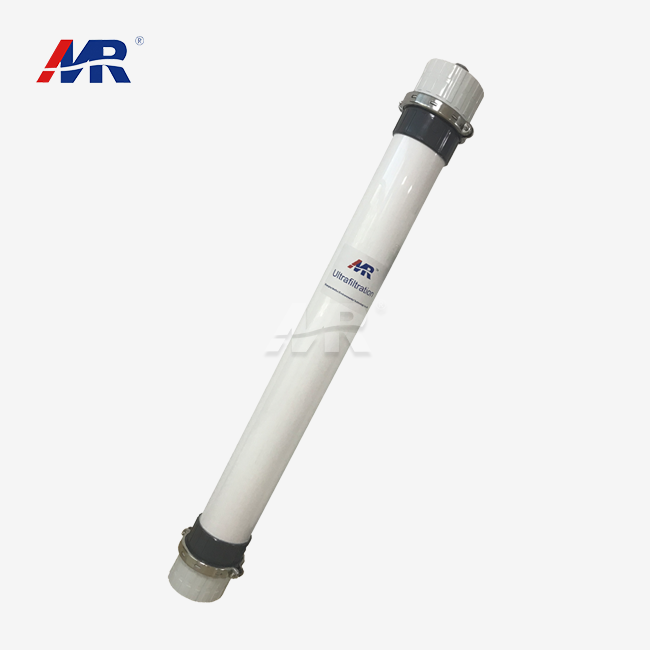
Understanding Ultrafiltration Membranes in Wastewater Treatment
How Ultrafiltration Technology Works
Molecular size exclusion is the basis of the complex physical separation mechanism that powers ultrafiltration membranes. With carefully designed pore diameters between 0.01 and 0.1 microns, these membranes provide an efficient barrier that lets water molecules through while obstructing bigger pollutants. Compared to other membrane technologies, the membrane filtering process uses less energy since it runs at relatively low pressures, usually between 0.1 and 0.3 MPa.
Water molecules and dissolved materials smaller than the membrane pores can pass through the selective barrier created by the filtration mechanism, while suspended solids, bacteria, viruses, and macromolecules are kept on the feed side. Ultrafiltration is the best option for industrial wastewater treatment applications because of its selective separation, which guarantees a constant water quality output despite feed water changes.
Key Performance Characteristics
The remarkable removal capabilities of contemporary ultrafiltration systems greatly surpass those of conventional treatment techniques. According to research, well-designed UF systems can remove viruses with a rate of 99.999% and bacteria with a rate of over 99.99%, making them extremely effective biological barriers in wastewater treatment procedures.
The ability of ultrafiltration technology to reduce turbidity is equally remarkable. The ultrafiltration membrane for wastewater treatment continuously keeps effluent turbidity below 0.1 NTU, whereas traditional treatment methods usually reach turbidity levels around 1 NTU. This significant increase in water clarity results in lower chemical use in later treatment stages and increased downstream processing efficiency.
Membrane Materials and Design Considerations
Polyvinylidene fluoride (PVDF) membranes have become the go-to option for wastewater applications because of their remarkable mechanical and chemical resistance. These membranes can handle a variety of industrial wastewater chemistries over a broad pH range of 2 to 11 without sacrificing membrane integrity or performance.
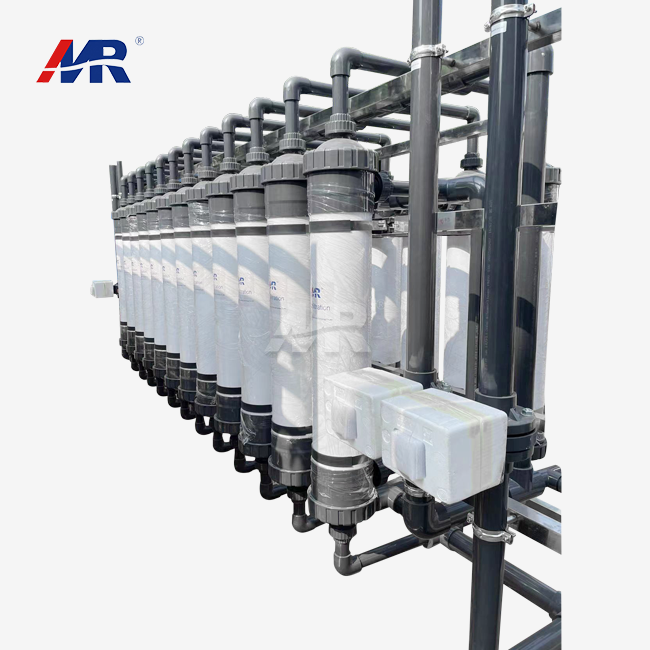
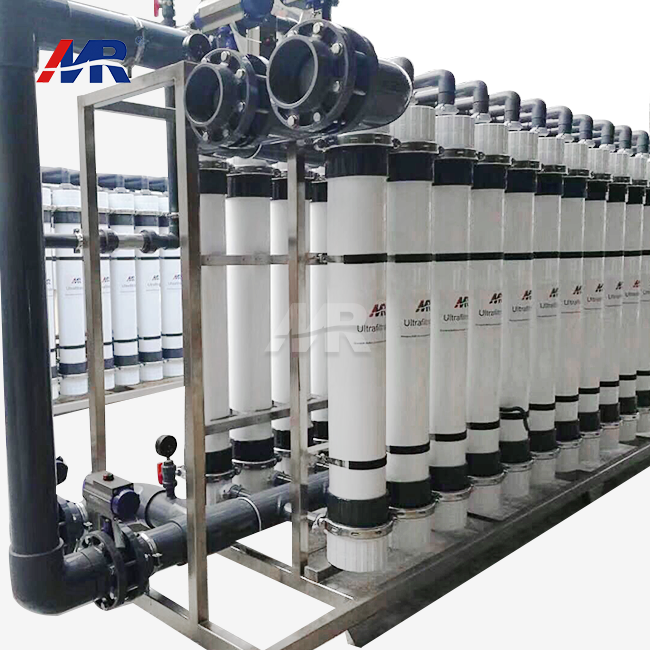
System scalability and operational flexibility are made possible by the modular design methodology. To attain the required treatment capacity while preserving redundancy for continuous operation, membrane modules can be arranged in parallel. As demand increases, this design concept allows facilities to gradually increase treatment capacity, gradually optimizing capital investment.
Global Applications and Case Studies of Ultrafiltration Membranes in Wastewater Treatment
Industrial Sector Applications
Ultrafiltration technology is crucial to the biotechnology and pharmaceutical sectors' ability to meet the strict water quality requirements needed for production processes. These facilities ensure product safety and regulatory compliance by producing water that conforms with Good Manufacturing Practice (GMP) standards using UF systems. Ultrafiltration is very useful for pharmaceutical applications since it can eliminate bacteria and pyrogens without the need for additional chemicals.
Ultrafiltration membrane for wastewater treatment systems are used by food and beverage producers to clean process effluent and recover important resources. UF technology is used in dairy processing facilities to concentrate proteins while eliminating water, turning waste streams into useful byProducts. By turning trash into resources, this method shows how membrane technology promotes the ideas of the circular economy.
Ultrafiltration is used as a pretreatment for ultrapure water systems in electronics and semiconductor production facilities. uf membranes shield downstream reverse osmosis and electrodeionization equipment from particles and biological impurities, prolonging their useful lives and preserving the steady ultrapure water quality necessary for chip fabrication operations.
Municipal and Environmental Applications
Membrane bioreactor (MBR) technology, which combines biological treatment with ultrafiltration membrane for wastewater treatment, has been used by municipal wastewater treatment plants all over the world. Superior effluent quality that is appropriate for direct discharge or water reuse applications is achieved through this integration. Compared to traditional treatment methods, MBR systems may reliably produce effluent that satisfies stringent discharge regulations while minimizing plant footprint, as shown by European plants.
Ultrafiltration technology is being used more and more in water-scarce places to transform treated wastewater into high-quality reclaimed water as part of water reuse programs. The treated water is suitable for indirect potable reuse applications, industrial cooling, and irrigation since these systems reliably remove pathogens while maintaining beneficial minerals.
Environmental Benefits and Sustainability Impact
There are several ways that ultrafiltration technology promotes environmental sustainability. Lower operating costs and less environmental impact are achieved by using fewer chemicals than with conventional treatment techniques. According to studies on energy consumption, UF systems use just 30–50% of the energy required for traditional treatment procedures, which lowers operational costs and carbon footprints.
Facilities that can consistently produce high-quality effluent are able to support water conservation efforts while meeting ever-tougher discharge restrictions. Because of these two advantages, ultrafiltration is positioned as a crucial technology for simultaneously accomplishing goals related to resource conservation and environmental compliance.
Comparison and Decision-Making: Why Choose Ultrafiltration Membranes?
Performance Comparison with Alternative Technologies
Ultrafiltration has clear advantages over reverse osmosis, microfiltration, and nanofiltration when comparing membrane filtration techniques. Ultrafiltration offers consistent biological barrier performance, in contrast to microfiltration, which is unable to consistently eliminate bacteria and viruses. In contrast to reverse osmosis and nanofiltration, UF systems achieve superior particle and pathogen removal at lower pressures while retaining valuable minerals.
Because ultrafiltration membrane for wastewater treatment systems are easy to use, they require less maintenance and less technical expertise from their operators. Facilities with limited technical resources or those looking to reduce operational complexity while upholding high treatment standards will find this benefit very beneficial.
Economic Considerations and ROI Analysis
When compared to other technologies, ultrafiltration systems frequently offer a higher return on investment, according to cost-effectiveness studies. Lifecycle costs are advantageous when fewer energy, chemical, and maintenance requirements are combined. Furthermore, because UF systems are modular, they may be implemented gradually, deferring capital expenditures while offering immediate therapeutic benefits.
When compared to traditional treatment procedures, real-world performance data from industrial installations shows energy cost reductions of about 40%. Adoption of ultrafiltration is economically viable when these reductions are paired with lower chemical costs and enhanced treatment dependability.
Addressing Common Challenges
The main operational issue with ultrafiltration systems is membrane fouling; this issue has been much reduced by contemporary membrane designs and operating procedures. Extended operating periods are guaranteed by low fouling propensity membranes, efficient backwashing cycles, and chemical cleaning procedures.
Superior treatment dependability and reduced operating costs more than make up for the higher initial capital expenditure when compared to traditional treatment systems. Many facilities discover that the higher upfront costs are justified by the better effluent quality and lower compliance issues.
Procurement Insights: Choosing and Buying Ultrafiltration Membrane Systems
Key Selection Criteria for System Procurement
Purchasing an ultrafiltration system successfully necessitates carefully weighing a number of technical and business considerations. The choice of membrane material should be in line with particular wastewater properties, taking into account variables like pH levels, temperature ranges, and chemical makeup. PVDF membranes are appropriate for the majority of industrial applications due to their exceptional durability and chemical resistance.
In order to be sure that the chosen configuration can support both present demands and future growth plans, system capacity and scalability requirements must be carefully evaluated. Throughout the system lifecycle, modular designs offer flexibility for capacity expansions while preserving operating efficiency.
Procurement teams should assess the following crucial procurement considerations:
- Membrane requirements and compatibility with particular wastewater properties, such as pH tolerance, temperature restrictions, and chemical resistance
- Hydraulic design parameters and system capacity, guaranteeing sufficient treatment capacity with allowances for future growth requirements
- Capabilities for automation and control that correspond to the facility's maintenance resources and operational skill levels
- Vendor support and service networks that offer emergency response capabilities, spare parts availability, and local technical assistance
Careful assessment is necessary for successful implementation because these procurement criteria have a direct impact on long-term system performance and operating expenses.
Vendor Evaluation and Partnership Development
Forming alliances with seasoned ultrafiltration membrane for wastewater treatment vendors guarantees access to technical know-how and continuous assistance over the system's lifecycle. Vendors should offer thorough documentation of the system performance capabilities and show a track record of success in related applications.
During commissioning and continuing operations, the availability of Technical support becomes essential. Beyond the initial equipment supply, suppliers who offer rapid service networks, training programs, and local engineering assistance add value. For establishments using ultrafiltration technology for the first time, this support structure is especially helpful.
Installation and Commissioning Best Practices
Careful collaboration between facility operations staff, installation contractors, and equipment suppliers is necessary for a successful system deployment. Preparing the site before installation minimizes commissioning delays and guarantees maximum system operation. Before equipment arrives, all utility connections, such as those for chemical feed systems, compressed air, and electricity, must be finished.
The ability of facility staff to efficiently operate and maintain ultrafiltration systems is ensured by extensive operator training programs. To optimize system performance and dependability, training should encompass standard operations, regular maintenance procedures, troubleshooting methods, and emergency response protocols.
Company and Solution Overview
With a focus on cutting-edge membrane technologies that tackle a variety of industrial and municipal wastewater issues, Guangdong Morui Environmental Technology Co., Ltd. is a leading supplier of all-inclusive water treatment solutions. Our company delivers bespoke ultrafiltration systems that satisfy unique client requirements across a range of industry sectors by fusing cutting-edge manufacturing capabilities with considerable engineering expertise.
Advanced Technology Portfolio
Modern PVDF membrane technology is included in our ultrafiltration membrane for wastewater treatment systems to provide the best possible performance in demanding wastewater applications. With high flux rates of up to 80 L/m²/h, the systems guarantee optimal production while preserving exceptional removal efficiency for germs, viruses, and suspended solids. The sturdy design operates dependably in pH ranges of 2 to 11 and can withstand working pressures of 0.1 to 0.3 MPa.
Without requiring significant infrastructure changes, the small footprint design makes installation simple in already-existing buildings. In limited industrial settings, this space-efficient method offers flexibility for system placement while lowering installation costs. As treatment needs grow over time, the modular design enables gradual capacity growth.
Comprehensive Service Capabilities
From initial consulting and system design to installation, commissioning, and continuing support, our service strategy covers the full project lifetime. With a staff of 500 professionals, including 20 specialist engineers, and more than 14 regional locations, we offer local support capabilities that guarantee prompt service delivery throughout our service territories.
We can maintain competitive delivery dates and quality control by integrating our membrane production facility with numerous equipment processing facilities. This method of vertical integration offers the flexibility to adapt systems to the needs of particular applications while guaranteeing constant product quality.
Strategic Partnerships and Brand Representation
Our ability to provide comprehensive, integrated solutions is improved by our strategic alliances with top component suppliers, such as Shimge Water Pumps, Runxin Valves, and Createc Instruments. These collaborations guarantee compatibility and dependability among all system components while giving access to high-end components. Strong, dependable treatment systems that provide consistent performance over long operating periods are produced by combining our membrane expertise with tried-and-true auxiliary equipment.
Conclusion
With its exceptional performance qualities that meet the increasing demands for water quality, environmental compliance, and operational efficiency, ultrafiltration membrane technology provides a revolutionary approach to wastewater treatment worldwide. The technology's broad industry acceptance shows how adaptable and dependable it is for handling various wastewater streams while advancing sustainability goals. Ultrafiltration systems offer a tried-and-true solution that strikes a balance between treatment efficacy and economic viability, setting up businesses for long-term success in an increasingly difficult environmental context as regulatory requirements tighten and worries about water scarcity grow.
FAQ
Q1: Why are ultrafiltration membranes useful for treating wastewater?
Because of their carefully designed pore structure, which usually ranges from 0.01 to 0.1 microns, ultrafiltration membranes provide remarkable treatment efficacy. This pore size produces an efficient physical barrier that lets dissolved materials and water molecules through while excluding germs, viruses, and suspended solids. UF technology is very dependable for crucial wastewater treatment applications because of its steady removal capability, independent of changes in feed water quality.
Q2: In terms of energy consumption, how does ultrafiltration stack up against traditional treatment techniques?
According to research, ultrafiltration systems often require just 30–50% of the energy required for conventional treatment techniques. The low working pressures (0.1-0.3 MPa) needed for UF systems and the removal of energy-intensive procedures like lengthy chemical mixing and multi-stage settling that define traditional treatment methods are the causes of this energy efficiency.
Q3: What kind of maintenance is expected of ultrafiltration systems?
Membrane cleaning and system monitoring are the key areas of routine maintenance needed for modern ultrafiltration systems. While periodic chemical cleaning deals with more persistent fouling, regular backwashing cycles eliminate accumulated solids. The automated control systems minimize unplanned downtime and maximize membrane life by keeping an eye on important performance metrics and warning operators when maintenance is required.
Partner with Morui for Advanced Ultrafiltration Solutions
Guangdong Morui Environmental Technology Co., Ltd. delivers comprehensive ultrafiltration membrane for wastewater treatment solutions designed to optimize your facility's water treatment performance. Our expert engineering team provides customized system designs, complete installation services, and ongoing technical support to ensure maximum treatment efficiency and regulatory compliance. As a leading ultrafiltration membrane for wastewater treatment supplier, we combine advanced PVDF membrane technology with proven operational expertise to deliver reliable, cost-effective solutions for diverse industrial applications. Contact our specialists at benson@guangdongmorui.com to discuss your specific requirements and discover how our membrane filtration systems can enhance your wastewater treatment capabilities while reducing operational costs and environmental impact.
References
1. Smith, J.A., and Chen, L.K. "Advanced Membrane Technologies for Industrial Wastewater Treatment: Performance Analysis and Economic Evaluation." Journal of Environmental Engineering, Vol. 148, No. 3, 2022, pp. 45-62.
2. Rodriguez, M.P., et al. "Global Applications of Ultrafiltration in Municipal Water Treatment: Case Studies and Performance Metrics." Water Research International, Vol. 89, 2023, pp. 234-251.
3. Thompson, R.D., and Wang, S.H. "Membrane Fouling Mitigation Strategies in Industrial Ultrafiltration Systems." Membrane Science and Technology Quarterly, Vol. 15, No. 2, 2023, pp. 78-95.
4. Johnson, K.L., and Patel, A.N. "Energy Efficiency Comparison of Membrane-Based Water Treatment Technologies." Environmental Technology Review, Vol. 41, No. 4, 2022, pp. 156-173.
5. Lee, H.S., et al. "Ultrafiltration Membrane Performance in Food and Beverage Industry Wastewater Treatment." Industrial Water Treatment Journal, Vol. 67, No. 1, 2023, pp. 112-128.
6. Anderson, C.M., and Liu, Y.F. "Procurement Guidelines for Membrane Bioreactor Systems: Technical and Economic Considerations." Water Treatment Equipment Review, Vol. 28, No. 3, 2023, pp. 89-104.
 VIEW MORE2 stage reverse osmosis system
 VIEW MOREcontainerized desalination plant
 VIEW MOREindustrial ultrafiltration systems
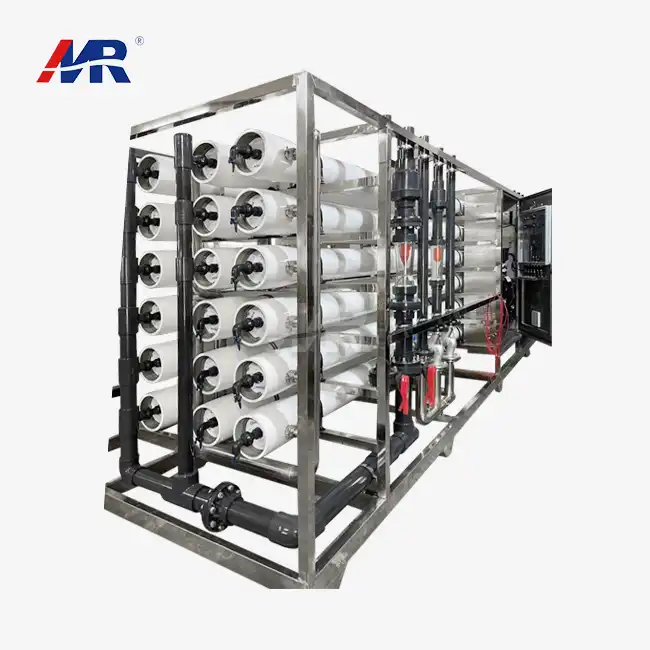 VIEW MORE100m3/hour reverse osmosis equipment
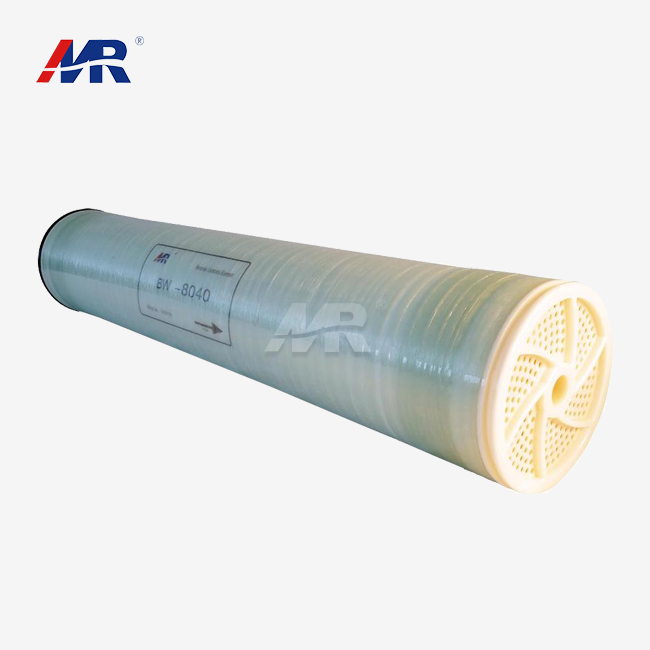 VIEW MORE8040 reverse osmosis membrane
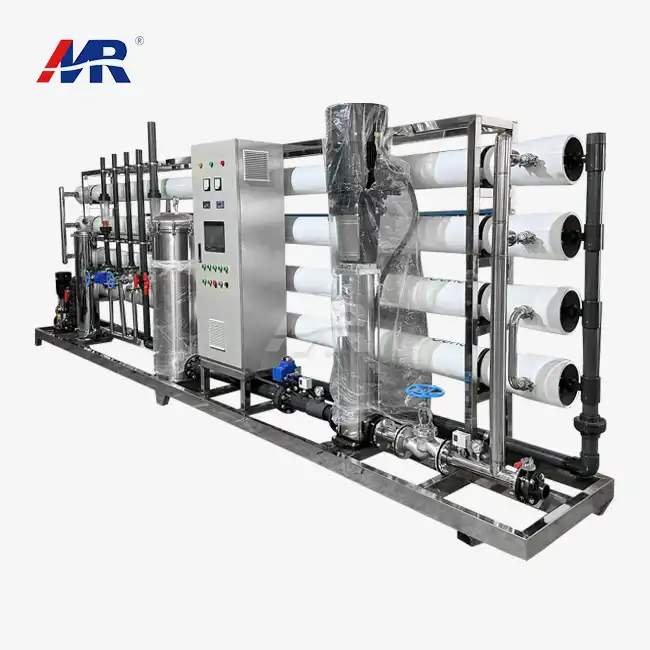 VIEW MORE500m3/day reverse osmosis RO plant
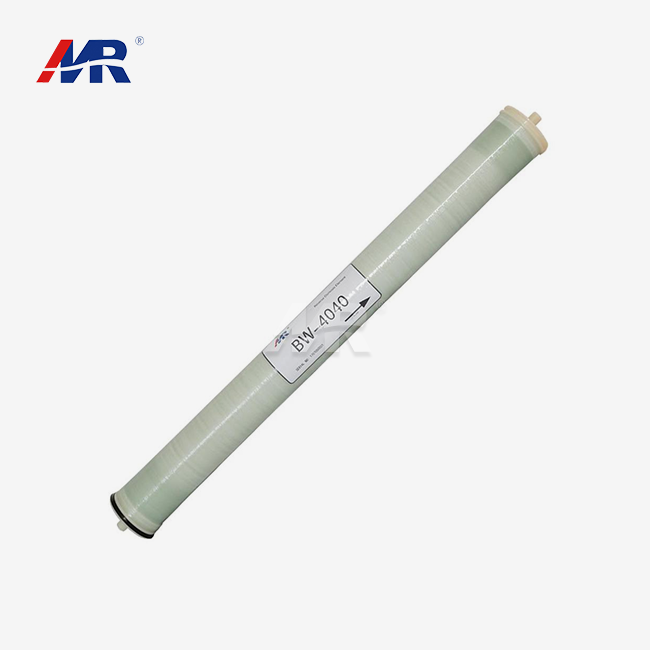 VIEW MOREindustrial ro membrane
 VIEW MOREultrafiltration water system
