_1745823981883.webp)

Top Leachate Treatment System Suppliers: Reliable Solutions for Industrial Waste Management
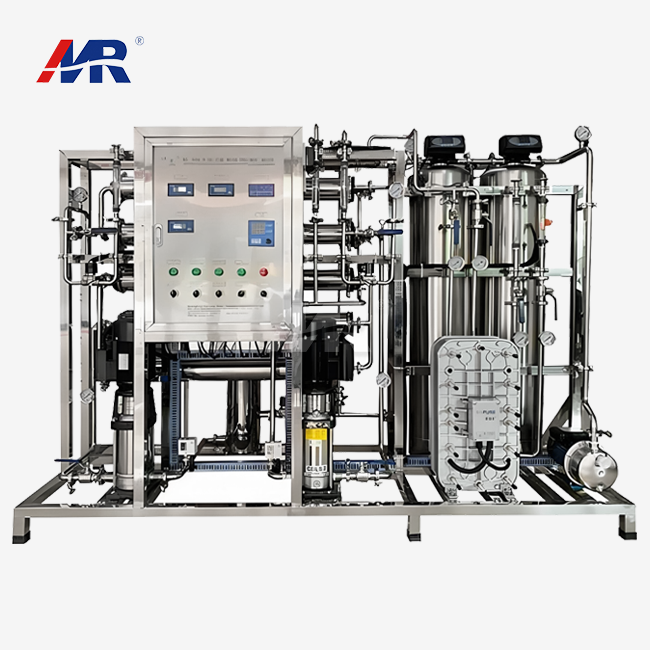
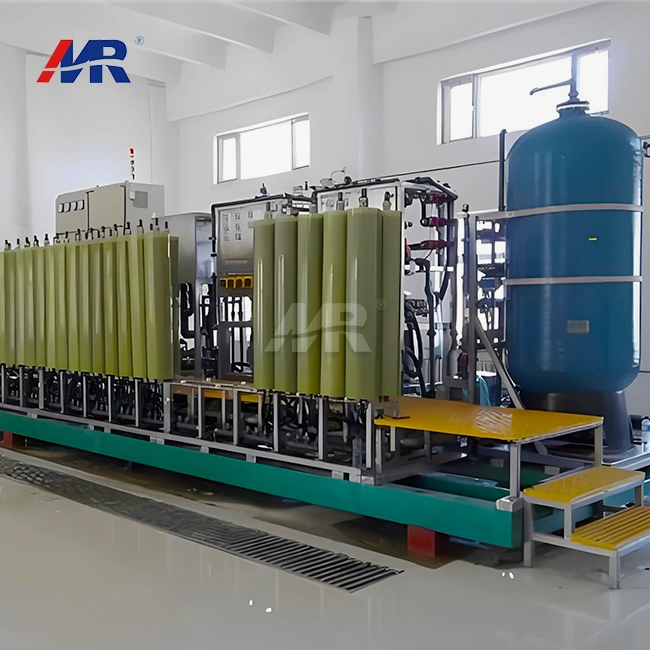
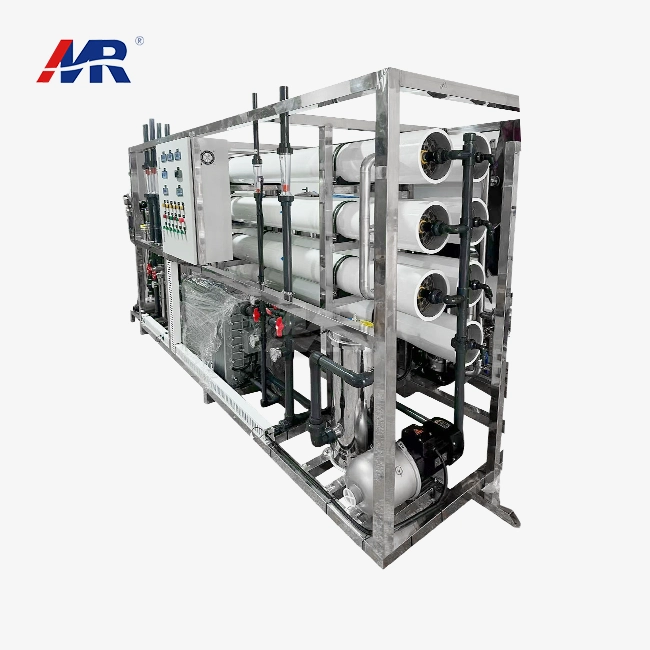
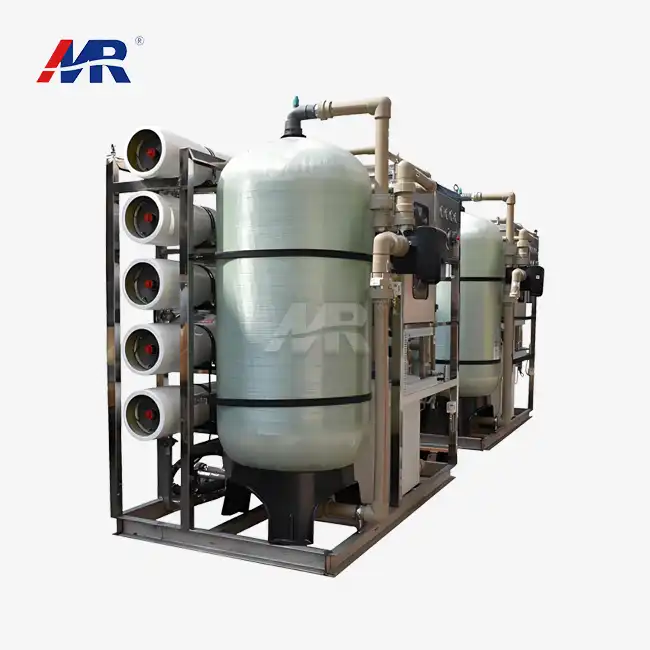
Picking the right membrane">leachate treatment partner is the first step to properly managing industrial trash. Leachate is the dirty liquid that seeps through solid waste dumps, mines, and factories. It contains heavy metals, ammonia, organic toxins, and pathogens that are very harmful to groundwater and ecosystems nearby. So, choosing a qualified supplier with tested technologies, engineering know-how, and help after the sale is not an easy task. The best suppliers build systems that regularly meet discharge standards that use membrane filtration, biological treatment, and advanced oxidation. This piece talks about what makes a supplier trustworthy and how Guangdong Morui Environmental Technology Co., Ltd provides trustworthy industrial leachate treatment solutions for a range of industries.
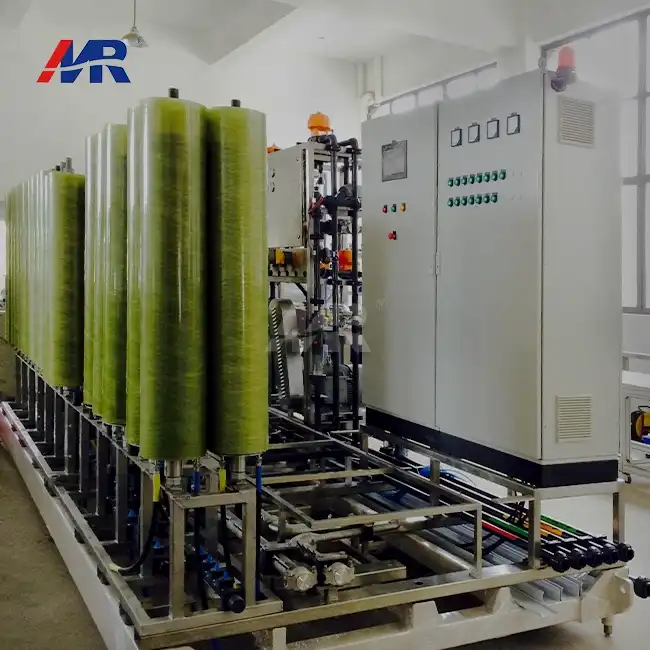
What Makes a Top Leachate Treatment System Supplier?
Technical Depth and Process Versatility
One of the best ways to tell if a source is skilled is by seeing how well they can handle different types of leachate. When it comes to COD levels, ammonia content, and dissolved solids, leachate from a landfill is very different from leachate from a mine or an industrial site. The best companies that treat leachate offer systems that can be customised to each site's individual pollutant profile. These systems can include reverse osmosis (RO), ultrafiltration (UF), nanofiltration (NF), and biological treatment stages. One benefit of suppliers who make their own membranes is that they can fine-tune the pore sizes and material makeup to get the best rejection rates. Because the process is flexible, the supplier can also respond when the quality of the influent changes with the seasons or when the waste changes, which means that expensive system overhauls aren't needed as often. Engineers with work experience in many different industries make sure that system designs take into account how things work in the real world, not just how they work in the lab.
Engineering Support and One-Stop Service
To effectively treat leachate, you need more than just selling equipment. You need technical help from the feasibility study all the way through to commissioning and training leachate treatment operators. Suppliers who offer "turnkey" project delivery make it easier for clients to coordinate and are responsible for how well the whole system works. This means that everything is handled under one roof: site surveys, process design, buying equipment, manufacturing, coordinating the civil interface, installation, commissioning, and support after the plant has been turned on. One-stop service providers also make managing warranties easier. When components, integration, and commissioning all come from the same source, it's clear who is responsible when problems arise. Having a supplier that can quickly send installation teams and spare parts is very important for clients in remote areas or countries that don't have a lot of engineering resources.
Certifications, Track Record, and Industry Reputation
Reliable leachate treatment providers show what they can do by showing a portfolio of finished projects, performance data that can be checked, and the right Certifications. Third-party validation, such as ISO quality management standards, environmental management certifications, or national engineering licenses, shows that a provider has strict internal processes in place. It's also important to have a list of clients who are ready to talk about the project's results, such as on-time delivery, high effluent quality, and quick responses to operational problems. Suppliers who have worked with big pump, valve, and instrument brands for a long time are also likely to provide high-quality parts. Building a good reputation in an industry takes years of consistent delivery, so procurement teams are right to give more weight to suppliers with a track record of results over those who are only giving good prices.
Key Technologies Used in Modern Leachate Treatment Systems
Membrane Bioreactor and Reverse Osmosis Integration
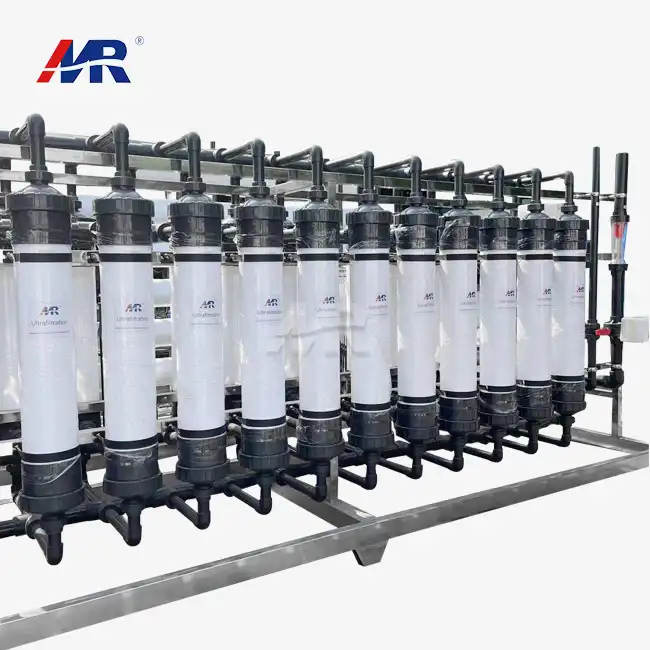
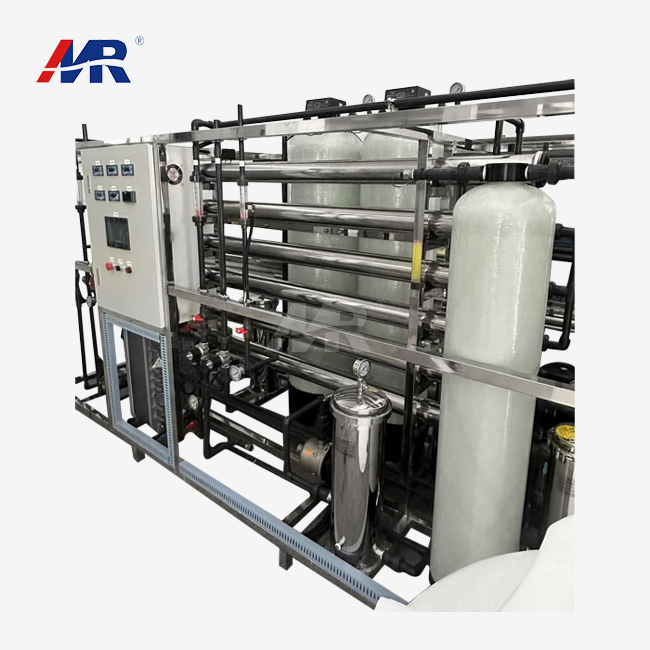
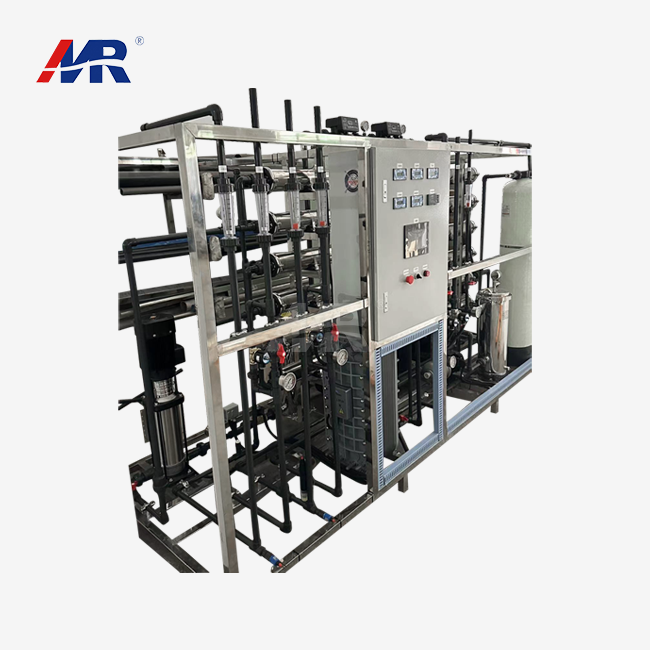
When it comes to high-performance wastewater treatment, the membrane bioreactor (MBR) and reverse osmosis have become the standard. In the MBR stage, biological action and membrane filtration work together to get rid of suspended solids and most biodegradable organics. This makes a permeate that is clean enough to go straight into the RO system. The RO stage then gets rid of any dissolved salts, heavy metals, or micro-contaminants that are still in the effluent. This makes it safe to dump or reuse. This combined design works especially well for leachate from old landfills, which contains a lot of ammonia and organic substances that are hard to break down. Suppliers that can make their own membranes can provide replacement parts of uniform quality and a fair price, as well as leachate treatment, which is important for the long-term economics of the system. Operational data from MBR-RO systems usually shows that they remove more than 98% of COD and more than 99% of ammonia.
Advanced Oxidation and Chemical Pre-treatment
Advanced oxidation processes (AOPs), such as Fenton reagent, ozonation, and UV/H₂O₂, are added upstream or downstream of biological steps to break down complex molecules in leachate streams that have a lot of refractory organics that are hard for living things to break down. Chemical pre-treatment that includes coagulation, flocculation, and pH control helps keep membranes further downstream from getting clogged and scaling. In a good leachate treatment plan, online analysers and automated valves exactly control the amount of chemicals that are added. This keeps reagent costs low and stops overdosing, which could cause secondary contamination. Suppliers who work with trusted instrument brands, like those that measure pH, turbidity, COD, and flow, can build reliable sensing right into their control design. This lets them better monitor the process and record data for regulatory compliance reporting.
Concentrate Management and Zero-Liquid Discharge Options
The concentrate reject stream is one of the hardest parts of membrane-based leachate treatment to handle. Because RO systems concentrate contaminants into a smaller amount, the brine that is made needs to be treated further or disposed of safely. This is taken care of by top providers using evaporation and crystallisation units, mechanical vapour recompression (MVR), or safe recirculation to the landfill body. Zero-liquid discharge (ZLD) designs, which require a lot of money, get rid of all liquid waste and are becoming more and more required in places with strict environmental laws. Suppliers that offer ZLD potential show that they have both a lot of technical knowledge and the know-how to deal with complicated regulatory environments. Concentrate management is not an extra that can be added on; it's an important part of the whole treatment plan. Suppliers who talk about it up front, including how much it will cost in terms of energy and operations, are much more reliable than those who don't.
How to Evaluate and Select the Right Supplier for Your Project
Assessing Project-Specific Requirements
Before contacting leachate removal providers, it is important to have a full picture of the waste stream. Some important factors are the volume flow rate, COD, BOD, TKN (total Kjeldahl nitrogen), ammonia, heavy metal amounts, pH range, and changes that happen with the seasons. The treatment train configuration and amount of polishing will depend on the target effluent standard. This includes whether the wastewater is for surface discharge, sewer discharge, or reclaimed reuse. The size of the project's footprint, the reliability of the power source, the level of skill of the operator, and the weather in the area all play a role in choosing the right equipment. Giving suppliers full and correct influent data lets them suggest systems that are the right size and offer real performance guarantees instead of just guesses. So that supplier proposals can be directly compared, procurement teams should also leachate treatment make sure that contracts are clear about what is expected in terms of effluent guarantees, performance testing methods, and liquidated damages.
Comparing Supplier Proposals and Total Cost of Ownership
A common mistake that leads to bad long-term results is judging leachate treatment plans only by how much they cost to build. A total cost of ownership (TCO) study should look at how much energy is used, how often and how much it costs to replace the membrane, how many chemicals are used, how much labour is needed, and how often maintenance is expected to be done. A system with a lower initial cost may end up being much more expensive to run over 10 years if it uses a lot of energy or has membranes that get clogged up often. It is possible to directly compare operational costs by asking for specific performance data from reference sites that have similar feed conditions. Suppliers should also be judged on how readily available their spare parts are, how close their service techs are, and how quickly they promise to respond. Shorter wait times for spare parts and faster on-site troubleshooting are made possible by local manufacturing and established branch networks. These factors directly affect uptime and regulatory compliance.
Partnership, After-Sales, and Long-Term Reliability
The connection with a leachate treatment supplier doesn't end when the work is done. Periodically, systems need to have their performance checked, membranes cleaned or replaced, tools calibrated, and every so often, the process needs to be optimised because the quality of the input changes. Over the life of the plant, suppliers who offer structured service contracts, remote tracking, and planned preventative maintenance add a lot of value. Additionally, a supplier's willingness to offer operator training that includes both daily operational procedures and emergency reaction protocols is another sign of their long-term commitment. Companies with big engineering teams, many branch offices, and dedicated equipment processing facilities are better able to provide consistent support after the sale than smaller distributors who don't have as much technical knowledge. When looking at potential partnerships, you should think about the supplier's growth plans, how much they spend on research and development, and how well they fit with changing environmental laws.
Conclusion
Picking a good leachate treatment system provider is a big choice that affects environmental rules, running costs, and the site's long-term liability. The best suppliers offer process engineering knowledge, their own membrane technology, high-quality parts, and strong support after the sale. Guangdong Morui Environmental Technology Co., Ltd has over 500 employees, 20 dedicated engineers, 14+ branches, and its own membrane production facilities. It also has multiple equipment processing factories and offers integrated water treatment solutions for everything from industrial wastewater and domestic sewage to desalination of seawater and drinking water. Its trusted brand partnerships and track record of completed projects back this up.
FAQ
1. What is leachate treatment, and why is it important for industrial waste management?
Leachate treatment is the process of removing contaminants — including heavy metals, ammonia, and organic pollutants — from liquid that has percolated through waste deposits. It is critical for preventing groundwater contamination, meeting discharge regulations, and protecting public health near industrial or landfill sites.
2. What technologies are most effective for leachate treatment?
The MBR combined with reverse osmosis is widely regarded as the most reliable configuration for high-strength leachate. Advanced oxidation processes address refractory organics, while evaporation or ZLD systems handle concentrate. The right combination depends on influent quality and local discharge standards.
3. How do I compare leachate treatment suppliers objectively?
Look beyond capital cost. Evaluate the total cost of ownership, reference project performance, supplier engineering depth, spare parts availability, and after-sales service structure. Requesting performance guarantees backed by effluent testing protocols helps ensure comparable proposals.
4. Does Morui provide turnkey leachate treatment installations?
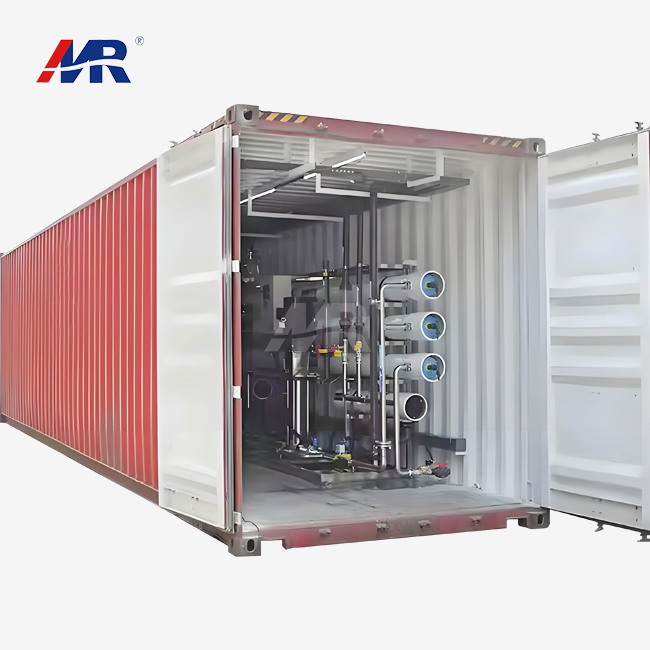
Yes. Guangdong Morui Environmental Technology Co., Ltd provides one-stop services including equipment supply, installation, and commissioning. With its own membrane production factory, multiple equipment processing facilities, and an experienced engineering team, Morui supports projects from design through to operational handover.
Morui — Trusted Leachate Treatment Manufacturers and Suppliers
Guangdong Morui Environmental Technology Co., Ltd is a leading leachate treatment name among leachate treatment manufacturers and suppliers in China. We bring together proprietary membrane technology, experienced engineering teams, and trusted component brands — including Shimge Water Pumps, Runxin Valves, and Createc Instruments — to deliver systems that perform reliably in the most demanding environments. Whether you need a complete industrial wastewater facility, a domestic sewage upgrade, or a customised leachate treatment solution for a new landfill project, Our Team of 20-plus engineers and 14 branches across China are ready to support you. We don't just sell equipment — we build long-term partnerships grounded in technical excellence and honest service. Tell us about your project and let us demonstrate why clients across industries trust Morui. Contact us at benson@guangdongmorui.com today and get a tailored proposal for your leachate treatment needs.
References
1. Renou, S., Givaudan, J. G., Poulain, S., Dirassouyan, F., & Moulin, P. (2008). Landfill leachate treatment: Review and opportunity. Journal of Hazardous Materials, 150(3), 468–493.
2. Kulikowska, D., & Klimiuk, E. (2008). The effect of landfill age on municipal leachate composition. Bioresource Technology, 99(13), 5981–5985.
3. Wiszniowski, J., Robert, D., Surmacz-Gorska, J., Miksch, K., & Weber, J. V. (2006). Landfill leachate treatment methods: A review. Environmental Chemistry Letters, 4(1), 51–61.
4. Ahmed, F. N., & Lan, C. Q. (2012). Treatment of landfill leachate using membrane bioreactors: A review. Desalination, 287, 41–54.
5. Foo, K. Y., & Hameed, B. H. (2009). An overview of landfill leachate treatment via activated carbon adsorption process. Journal of Hazardous Materials, 171(1–3), 54–60.
6. Li, W., Hua, T., Zhou, Q., Zhang, S., & Li, F. (2010). Treatment of stabilised landfill leachate by the combined process of coagulation/flocculation and membrane bioreactor. Desalination, 264(1–2), 171–176.