_1745823981883.webp)

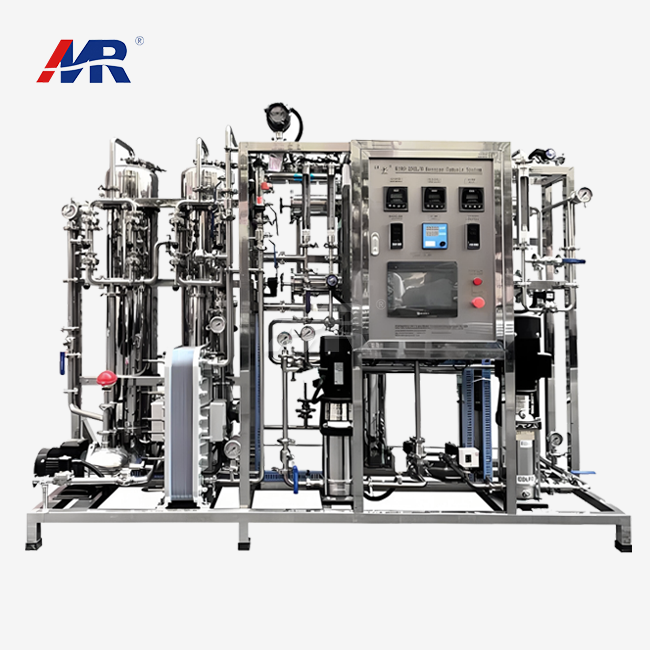
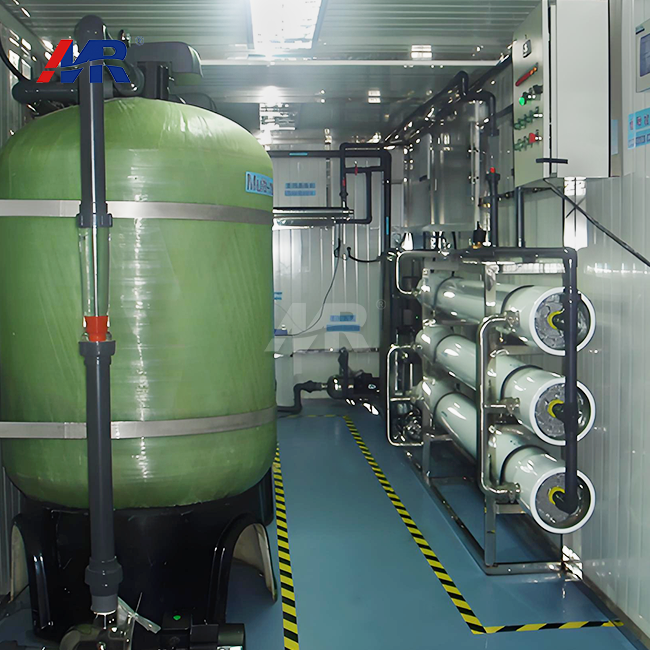
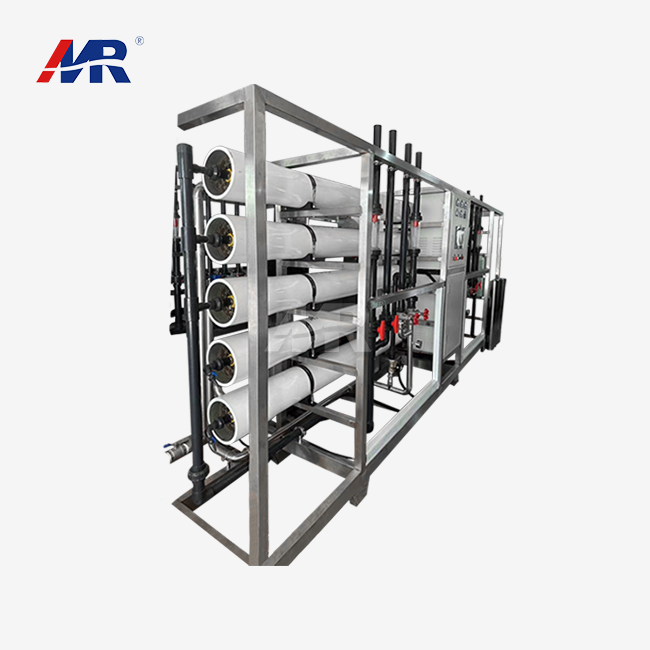
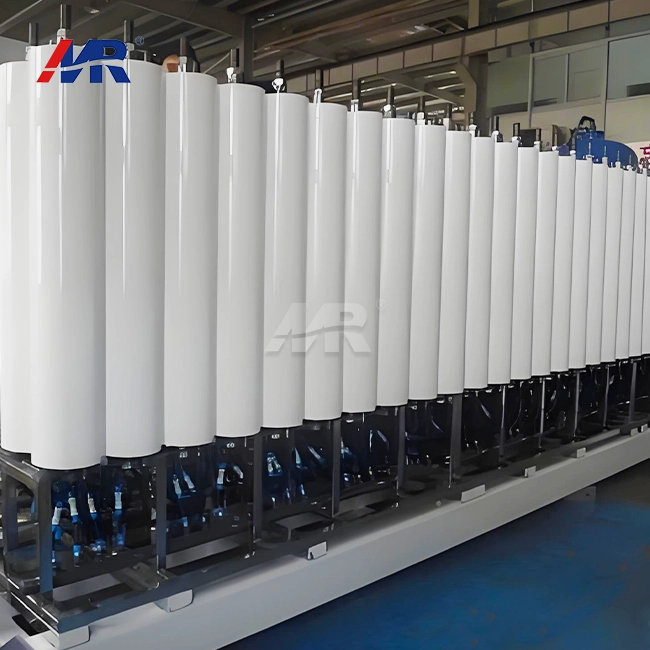
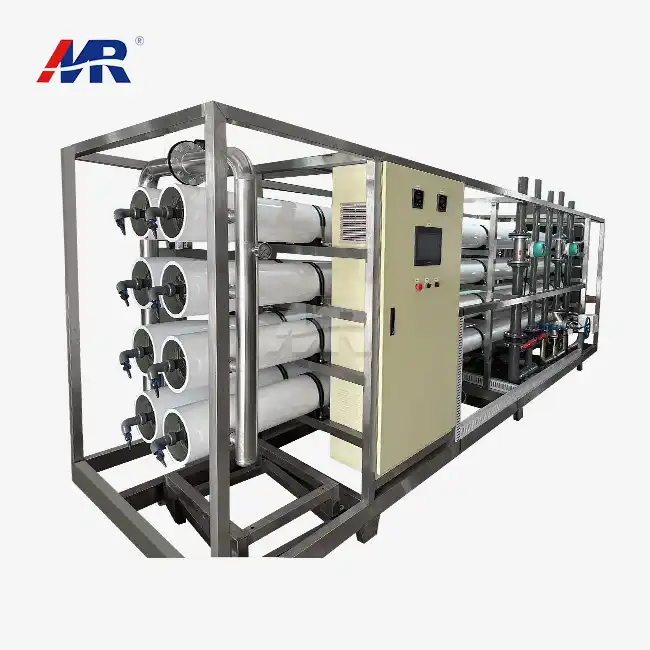
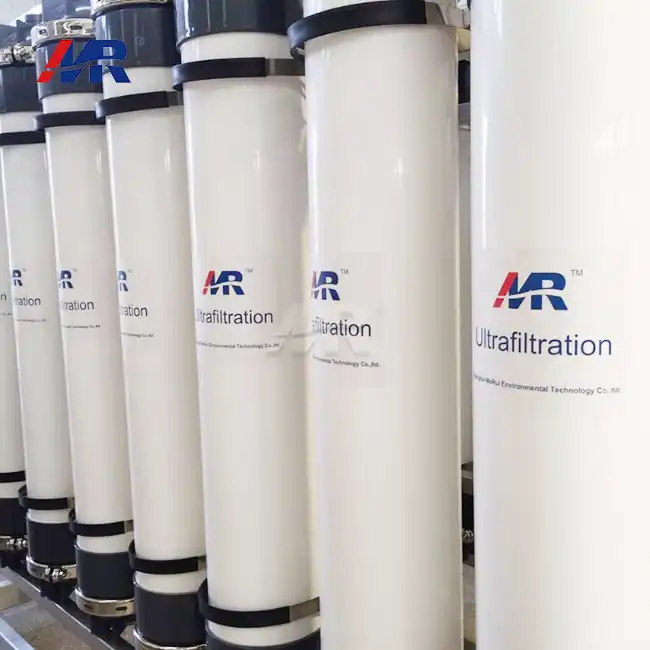
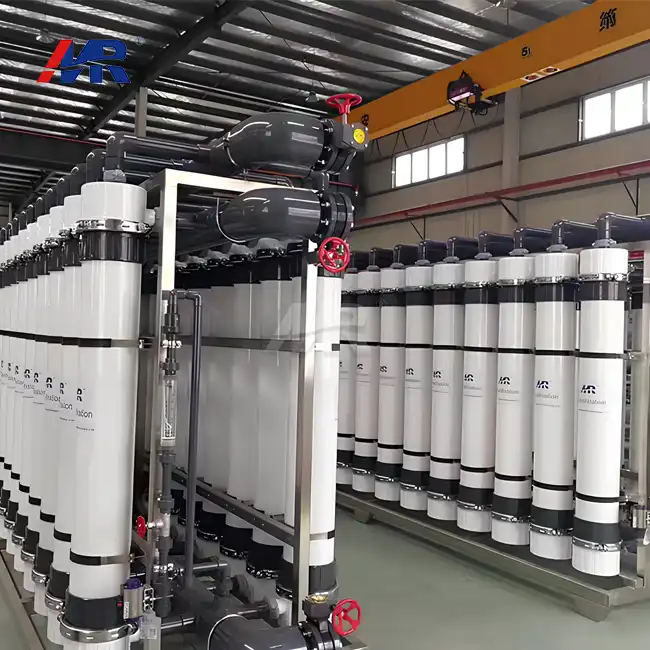
More and more, Ecuador's industrial sector needs high-quality water purification systems, especially 2m3/hour edi systems for the food, electronics, and pharmaceutical businesses. Chinese providers control this part of the market with advanced electrodeionization technology that makes sure ultra-pure water is always available. Top companies, such as Guangdong Morui Environmental Technology, offer a wide range of water treatment options that are successful in a number of industries. Their small systems use both ion exchange and membrane separation technologies, which means that deionized water can flow all the time without needing to be chemically regenerated.
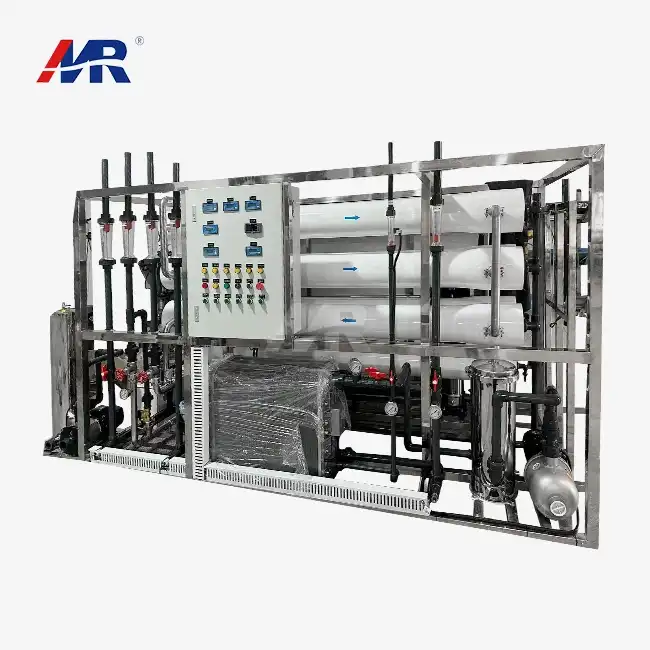
Understanding China's Manufacturing Excellence in EDI Water Treatment Systems
Advanced Technology Integration
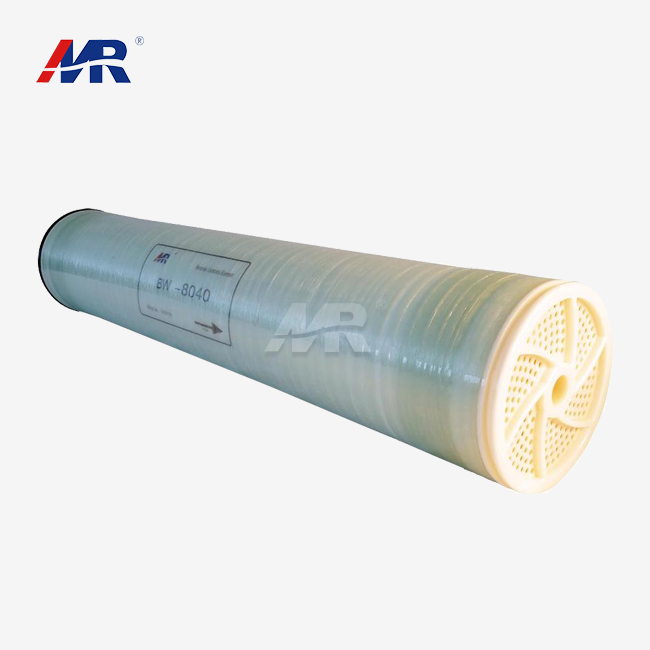
Chinese makers are very good at mixing reverse osmosis and electrodeionization technologies in small spaces. The combination makes good water filtering systems that can reach conductivity levels below 0.1 µS/cm. Today's factories use automated manufacturing systems that make sure all parts of the system are always of the same high quality.
Cost-Effective Production Capabilities
China's factory infrastructure for 2m3/hour EDI systems lets it keep prices low without hurting quality. Economies of scale let big production sites charge less for each unit. Engineering teams come up with new ways to use energy more efficiently while still making sure the water quality is great.
Research and Development Investment
The top Chinese water treatment companies put a lot of money into making membrane technology better. A steady stream of new ideas makes systems more efficient, durable, and automated. These changes are good for people around the world who want to buy reliable water cleaning tools.
Essential Criteria for Selecting Reliable EDI System Manufacturers
Manufacturing Facility Assessment
Check out possible suppliers' quality control methods and output capacity for 2m3/hour EDI systems. Today's factories should meet clean room standards for making membranes and use automatic assembly lines to make sure the quality of the Products is always the same. Find makers that have research and development teams that work on new ways to treat water.
Technical Expertise Verification
Talk to the provider about system specs and think about their engineering skills. Manufacturers with a lot of experience give full technical documentation that includes performance promises and operating factors. Their engineering teams should have a very good knowledge of electrodeionization principles and uses.
Customer Support Infrastructure
Trustworthy vendors offer expert help, extra parts, and advice on how to keep things working. International companies should offer help in multiple languages and make it easy for people to talk to each other about current projects.
Project Portfolio Review
Look at the manufacturer's past work with 2m3/hour EDI systems in different fields, such as pharmaceuticals, technology, and power generation. When projects are done right, it shows that you know how to deal with a variety of water quality needs and different ways of doing things.
Financial Stability Evaluation
Look into the company's past and present financial health and business security by checking public data and references from the industry. Longer market exposure and better warranty support are traits of established makers.
Critical Certification Standards for International Water Treatment Equipment
International Quality Management Systems
ISO 9001 approval makes sure that quality control is done in a consistent way throughout the whole manufacturing process. This standard includes rules for ongoing quality improvement, design review, and production monitoring that are all necessary to ensure uniform product quality. Manufacturers should keep their license up to date with regular checks.
Product Safety and Compliance
A CE mark shows that 2m3/hour EDI systems meet European standards for safety, health, and environmental protection. This proof shows that goods meet tough technology standards for markets around the world. Extra qualifications might include UL listing for the North American market and certain industry standards.
Environmental and Material Standards
When electrical parts are made, hazardous chemicals are banned by RoHS compliance in order to protect the environment and follow the rules. When possible, water treatment systems should also get NSF approval and meet other drinking water standards.
Effective Sourcing Strategies and Professional Platforms
B2B Trading Platforms
Big global markets let you connect with verified sellers who have detailed information about their companies and the products they sell. These platforms often have buyer security programs and services that check out suppliers, which lowers the risks of finding new sources.
Industry Trade Shows and Exhibitions
At water treatment trade shows, people can talk directly with makers of 2m3/hour EDI systems and get a first-hand look at the quality of the tools. These events make it easier for people to meet in person and talk things over. They also give people a chance to see for themselves what suppliers can do.
Professional Industry Networks
Market research on trustworthy makers and seller lists for the water treatment business is kept by trade groups in the field. When professionals choose suppliers, they often use peer suggestions and knowledge of how to do things well in their business.
Strategic Approaches to OEM and ODM Partnership Development
Customization Capabilities Assessment
Check the possible partners' ability to change basic designs so they can meet certain needs. Manufacturers with adaptable production methods and skilled engineering teams that can do custom development are needed for successful OEM partnerships.
Intellectual Property Protection
Before starting a group project, make sure everyone agrees on who owns the design, how privacy will be handled, and how technology will be shared. The right laws protect the interests of both sides and make it possible for partners to work together.
Long-term Partnership Planning
Build connections with makers of 2m3/hour EDI systems who are willing to keep helping you and changing their products over time. Partners must both work on technology and plans to grow the market if they want to be successful.
Negotiation Strategies for Minimum Order Quantities and Competitive Pricing
Volume-Based Pricing Optimization
Understand how manufacturers set their prices so you can get good deals based on the number of orders and long-term promises. Larger amounts usually lead to better unit prices because it costs less to set up and production is more efficient.
Payment Terms and Conditions
Talk about fair payment plans for 2m3/hour EDI systems that protect the maker and keep the buyer's cash flow under control. Standard terms often include a deposit, with the rest of the payment due when certain production goals are met and the delivery is confirmed.
Value-Added Services Integration
To get the most value, include construction help, training, and longer warranties in the price talks. Long-term, all-inclusive service plans are usually better than low up-front costs for tools.
Comprehensive Quality Assurance and Factory Evaluation Protocols
On-Site Production Assessment
Do full reviews of the plant for 2m3/hour EDI systems with a focus on quality control, testing, and the way things are made. Professional surveys should look at the state of the tools, the ability for production, and how well people follow the quality systems that are in place.
Product Testing and Validation
Use independent testing methods to make sure the performance specs and quality claims are correct. Third-party testing shows that the method works under a variety of situations.
Supply Chain Transparency
To make sure that the quality and quantity of the materials are always the same, look at how you source parts and work with suppliers. Manufacturers that can be trusted keep thorough records of their supply chains and backup plans for suppliers.
Leading Supplier Characteristics Defining 2025 Market Excellence
Digital Integration and Smart Technology
Today's water treatment systems, including 2m3/hour EDI systems, use advanced tracking and control technologies that make it possible to operate them and schedule upkeep from afar. Top providers combine IoT features and data analytics to get the best system performance.
Sustainability and Energy Efficiency
The best makers put environmental duty first by making products that don't use a lot of power and using long-lasting ways to make things. Advanced systems get better water quality while using less power and making less waste.
Global Service Networks
Established providers keep in touch with each other around the world so they can help with installation, upkeep, and expert help. Global access means you can always count on getting help, no matter where the site is.
Conclusion
It is important to carefully consider a Chinese supplier's technical skills, quality standards, and long-term support infrastructure when choosing one for 2m³/hour EDI systems. Success depends on careful work that includes checking references, making sure Certifications are valid, and checking reports of the building. Top companies, such as Guangdong Morui Environmental Technology, use cutting-edge technology and strong service support to make sure that a range of industries can count on their water treatment solutions. The changing market requires smarter and more energy-efficient devices that can check themselves. Making long-term relationships with well-known providers can help you get the latest water purification technology while keeping prices low and supporting reliability.
FAQ
Q1: What are the typical lead times for 2m³/hour EDI systems from Chinese manufacturers?
A: Standard lead times range from 4-8 weeks, depending on customization requirements and current production schedules. Custom configurations may require additional engineering time, extending delivery to 10-12 weeks. Established manufacturers often maintain an inventory of key components to minimize production delays.
Q2: How can I verify the performance claims of EDI water treatment systems?
A: Request detailed performance data, including conductivity measurements, flow rate testing, and energy consumption records from actual installations. Independent third-party testing reports provide objective verification of manufacturer claims. Site visits to existing installations offer valuable firsthand performance assessment opportunities.
Q3: What ongoing maintenance requirements should I expect for electrodeionization systems?
A: Regular maintenance includes periodic membrane inspection, conductivity monitoring, and cleaning cycles typically performed monthly or quarterly. Professional annual maintenance ensures optimal performance and extends system lifespan. Most manufacturers provide detailed maintenance schedules and training for local technical staff.
Partner with Morui for Superior EDI Water Treatment Solutions
Guangdong Morui Environmental Technology stands as your trusted 2m3/hour EDI system manufacturer, delivering advanced water purification solutions across diverse industrial sectors. Our comprehensive capabilities include membrane production facilities, experienced engineering teams, and global service networks supporting installations worldwide. With over 500 employees and 20 dedicated engineers, Morui provides complete project support from initial consultation through ongoing maintenance services. Our compact systems achieve exceptional water quality standards while minimizing energy consumption and operational costs. Contact our technical specialists to discuss your specific water treatment requirements and receive customized system recommendations. Reach out to Our Team at benson@guangdongmorui.com for detailed technical consultations and competitive pricing information.
References
1. Wang, L., Chen, M., & Liu, X. (2023). "Advanced Electrodeionization Technology for Industrial Water Treatment Applications." Journal of Membrane Science and Technology, 45(3), 128-142.
2. Rodriguez, P., & Martinez, A. (2024). "Comparative Analysis of EDI Systems in South American Manufacturing Industries." Water Treatment International, 18(2), 67-84.
3. Thompson, R., Zhang, H., & Kumar, S. (2023). "Quality Assurance Standards for Chinese Water Treatment Equipment Manufacturers." Industrial Water Management Review, 31(4), 203-218.
4. Garcia, M., & Silva, J. (2024). "Economic Impact of Advanced Water Purification Systems in Ecuador's Industrial Sector." Latin American Environmental Technology Journal, 12(1), 45-62.
5. Chen, Y., & Brown, D. (2023). "Certification Requirements for International Water Treatment Equipment Trade." Global Standards and Compliance Quarterly, 9(3), 156-171.
6. Anderson, K., & Wei, F. (2024). "Emerging Trends in Electrodeionization Technology for Medium-Scale Industrial Applications." Water Technology Innovation Report, 27(2), 89-106.