

_1745823981883.webp)

Best Practices for Leachate Recirculation in Waste Sites: Enhancing Efficiency and Safety
Effective membrane">leachate management is still a key part of running a successful garbage site because it protects the environment and saves time and money. Recirculating leachate has been shown to speed up the breakdown of waste, lower the amount of watery waste, and help landfills stay stable. Facilities can meet legal requirements and cut costs at the same time by using smart recirculation systems and advanced cleaning technologies. This detailed guide covers all the technical details, safety rules, and buying strategies that purchasing managers, environmental engineers, and facility workers need to make the most of their landfill's liquid handling systems and meet ever stricter release standards.
Understanding Leachate Recirculation and Its Role in Waste Site Management
What Is Leachate and Why Does Recirculation Matter?
Leachate is created when precipitation seeps through trash, turning organic molecules, heavy metals, and other contaminants into a complicated stream of liquid. Usually, to get rid of this liquid, you have to collect it and move it to outside cleaning facilities, which can be hard to do and costs a lot of money over time. Recirculation is a very different method because it involves putting collected leachate back into the landfill body. There, microbial communities break down organic pollution and improve the spread of wetness throughout the garbage mass.
Comparing Recirculation to Conventional Treatment Methods
Recirculation systems are better for operations in a number of ways than traditional removal-only methods. The method speeds up the breakdown of trash by keeping the right amount of moisture for microorganisms to work. This could cut the time it takes for a dump to stabilize from decades to just years. A better spread of wetness also boosts the production of methane, which opens up chances for energy recovery. Also, recirculation cuts down on the amount of liquid that needs to be treated off-site, which saves money on shipping costs and lowers the amount of carbon dioxide that is released when liquid trash is thrown away.
Environmental and Economic Benefits
Recirculation techniques are being used more and more in modern waste facilities because they help both the earth and their bottom line. Chemical Oxygen Demand (COD) levels are lowered through biological breakdown, which also lowers the treatment load before final release. Facilities say that recirculation cuts costs by 30–40% compared to standard treatment-only methods. This makes it a good choice for businesses that want to save money. The method also helps the circular economy because it turns trash into a resource that speeds up the time it takes for landfills to close.
Design and Implementation of Effective Leachate Recirculation Systems
Core Infrastructure Components
A high-performance recirculation system requires careful integration of collection networks, pumping units, distribution systems, and storage tanks. Collection networks typically use perforated pipes in drainage layers to transport runoff to central sumps, where submersible pumps made of corrosion-resistant materials handle varying flow rates and solids. Distribution may involve spray heads, subsurface injection wells, or surface application, all designed to work seamlessly with the leachate management.
Integration with Existing Landfill Infrastructure
For adoption to go smoothly, gas collection systems, cover materials, and tracking networks must all work together. Recirculation distribution points must make sure they don't block gas extraction wells and provide enough covering for busy disposal areas. Many sites use wells that can collect gas and pump leachate, which makes the best use of the money spent on equipment. During times when recirculation can't happen because of weather or repair, storage tanks provide extra capacity. This keeps the system from getting too full and makes sure that collection processes keep going.
Regulatory Compliance and Site Assessment
Every system must comply with local regulations governing liquid management, monitoring, and discharge. U.S. EPA Subtitle D regulations provide guidance, while state-specific rules may also apply. Comprehensive site surveys—including soil permeability, waste type, geology, and proximity to groundwater—inform the design of recirculation and treatment protocols, ensuring environmental protection throughout the lifecycle of the leachate treatment plant.
Optimizing Performance: Techniques to Enhance Leachate Recirculation Efficiency
Advanced Monitoring and Automation Systems
Real-time tracking and automatic control systems that improve performance while lowering the need for labor are huge benefits of modern recirculation operations. Throughout the system, sensors keep an eye on important factors like flow rate, pH levels, Total Dissolved Solids (TDS), and pressure differences. These tracking systems change pump speeds, valve positions, and application plans automatically based on current conditions when they are connected to programmable logic controllers (PLCs). This technology stops system breakdowns, keeps membranes from getting clogged up in treatment units further down the line, and makes sure that the waste mass has the right amount of moisture.
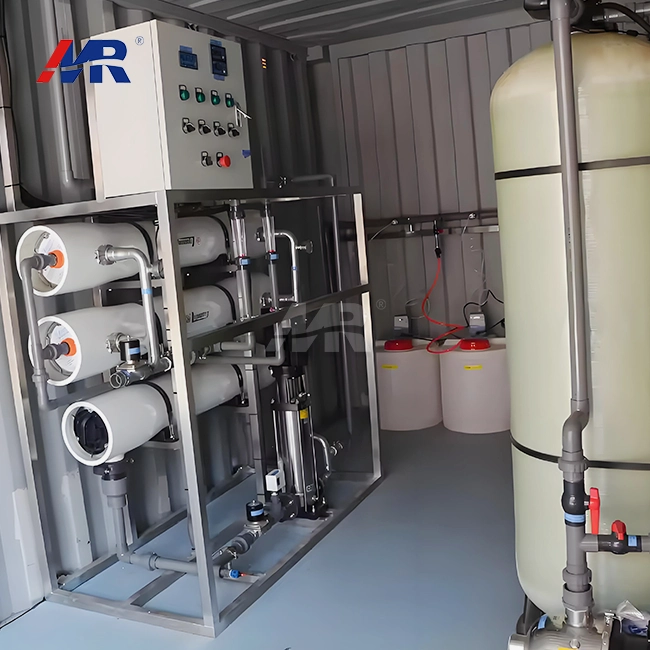
Our Landfill Leachate Treatment System at Morui uses cutting-edge membrane technology and our more than 19 years of experience in the field to provide dependable, scalable solutions. Our Model MR-DTRO-110TD can handle COD levels of up to 25,000 mg/L at the intake and lowers them to below 100 mg/L using a carefully planned treatment process. When compared to other cleaning methods, this system is very energy-efficient because it only uses 89 kW per hour and has recovery rates of 50 to 70%. Our systems are made to meet strict EPA, EU, and local waste standards. They also cut running costs by up to 40%, whether you're updating old infrastructure or starting a new landfill project.
Biological Treatment Enhancement
Incorporating biological processes enhances recirculation efficiency. Aerobic systems add oxygen to accelerate organic decomposition, lowering COD and BOD levels. Anaerobic systems function without oxygen, producing methane and carbon dioxide while handling high-strength waste streams. Sequential treatment trains combine both methods, maximizing pollutant removal and supporting the leachate management overall efficiency.
Preventing System Bottlenecks
To keep performance steady, you need to be prompt about finding and fixing problems with flow limits, clogs, and broken equipment. As part of routine inspections, pump seals, pipe links, and distribution systems are checked for signs of wear or blockage. Solids that could block injection wells or spray heads are taken out by screening and pre-treatment steps. Monitoring pressure finds growing limits before they break the system. When businesses use practical data instead of random time intervals to set up predictive maintenance plans, they cut down on unplanned downtime and make equipment last a lot longer.
Risk Management and Safety Considerations in Leachate Recirculation
Environmental Protection Measures
Recirculation systems need to have many ways to keep the environment clean, especially when it comes to protecting groundwater and making sure public water is clean. Systems that are properly built have liners that don't let contaminants through, systems that find leaks, and networks of tracking wells that are set up to find any unwanted movement of contaminants. Application rate limits stop over-saturation, which could weaken the stability of a dump or cause seepage along the edges of hills. Many places require facilities to keep backup plans that show what to do if the system fails, tracking results aren't what they should be, or there is extreme weather that could make recycling impossible.
Operational Safety Protocols
People who work with recirculation systems are exposed to dangerous materials, small areas, and motorized equipment that requires strict safety rules. Personal protective equipment (PPE) that includes chemical-resistant clothing, breathing masks when going into confined areas, and knowledge of the gas dangers that come with working in a landfill are all things that workers need. Lockout/tagout methods keep repair workers from accidentally turning on equipment. Regular safety training makes sure that teams know what to do in an emergency, how to spot signs that a system isn't working right, and how to handle chemicals properly when they are used to change the pH or treat biological materials.
Gas Management Integration
Recirculation activities have a direct effect on how much waste gas is produced and how it moves around. This means that liquid application and gas extraction systems need to work together very carefully. More water from recycling encourages microbial activity, which raises the rate at which methane is produced, a gas that storage systems must be able to handle. To find changes that mean the conditions of the trash are changing, operators keep an eye on the makeup of the gases and the amount of extraction. Some facilities change their recirculation routines with the seasons to make sure that the spread of moisture and the production of gas are balanced. This helps them get the most energy back while keeping the system stable and following environmental rules.
Advanced Treatment Technologies for Recirculation Systems
DTRO Membrane Technology Integration
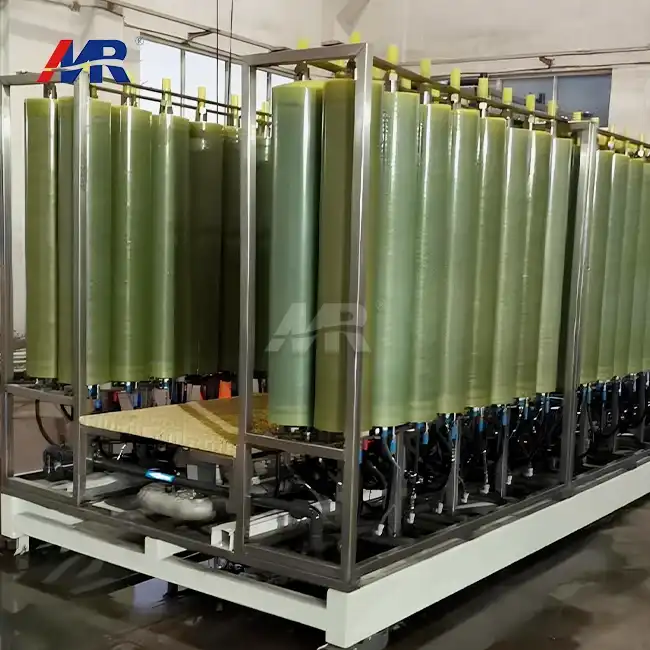
Disk Tube Reverse Osmosis (DTRO) membrane systems are a big step forward in treating liquids from landfills. They work better than other methods when dealing with strong, salty streams that are hard to treat with regular methods. The Morui Model MR-DTRO-110TD has special membrane modules that are made to keep them from getting clogged even when handling leachate amounts that change and high chloride concentrations that are high. Screening, pH adjustment, sedimentation, sand filtration, and carbon treatment are all pre-treatment steps that keep downstream membranes from getting damaged and improve the efficiency of separation.
The method does a great job of treating through carefully planned steps in the process. DTro membrane units separate clean permeate from concentrated reject streams after pre-treatment, which gets rid of suspended solids and changes the chemistry. After being treated with UV and ozone, the item can be safely thrown away or used again. Siemens PLC-controlled automation constantly checks TDS, flow rate, and pressure, making changes in real time that keep membranes from getting clogged by improving flow dynamics. This smart control keeps things running smoothly even when the leachate changes with the seasons or when the waste changes during different stages of landfill operation.
Components from Trusted Global Suppliers
For cleaning systems to work well, their parts need to come from companies that have a history of making high-quality parts for tough industrial uses. The Morui system has Toray membranes that are known for their long life and high rejection rates, DOW filters that protect the pre-treatment process reliably, and Siemens automation that gives accurate process control. These relationships make sure that every part of the system meets strict quality standards and can work with support networks that span several countries. Fortune 500 companies like Foxconn and BYD have tested the system's performance in high-chloride leachate situations, showing that it is reliable in a wide range of operating situations.
Scalability and Customization Options
Modern treatment systems need to be able to work with a wide range of sites, from small regional dumps to large urban garbage centers. Systems can be scaled up or down depending on their needs. Small units can handle just a few cubic meters per day, while big setups can handle hundreds of cubic meters. Customization goes beyond capacity to deal with problems unique to a place, like high temperatures, limited space, or waste that doesn't normally break down in a certain way. Flexible system designs make sure of the best performance while keeping costs and practical complexity low, whether they are merging with existing infrastructure or creating brand-new installations.
Procuring and Partnering for Leachate Recirculation Solutions
Evaluating Supplier Capabilities
Select suppliers based on technical expertise, production quality, and proven performance. Certifications, R&D investment, and service capabilities—including spare parts, expert support, and system upgrades—impact long-term ownership more than initial cost. A reliable partner ensures the leachate management operates efficiently throughout its life.
Total Cost of Ownership Analysis
When procurement managers look at total lifetime costs instead of just capital spending, they get the most value. Energy use has a direct effect on running costs, which makes designs that use less energy appealing, even if they may cost more to buy at first. Long-term economics are affected by how often and how much it costs to change membranes. Systems that reduce fouling and extend media life are rewarded. Maintenance work needs are very different between systems, and automation cuts down on worker needs while improving uniformity. Repair costs that are hard to predict can be turned into reasonable operating costs with well-structured service agreements that cover preventative maintenance, emergency response, and performance guarantees.
Global Support Infrastructure
With more than 14 offices around the world and more than 15 workshops, Guangdong Morui Environmental Technology can provide quick delivery and support no matter where the project is located. This spread-out infrastructure gets rid of the delays that come with shipping goods across international borders and provides local expert resources for overseeing installation, teaching operators, and ongoing optimization. In-house engineering teams with 20 or more experts work directly with customers from the first meeting through completion and beyond. Morui has full control over quality, lead times, and customization because it has its own membrane production plant and multiple equipment processing facilities. Suppliers that depend on third-party makers can't compete with this.
Conclusion
Using advanced treatment technologies and strategic leachate recycling can turn liquid waste from a problem to an asset that speeds up the stabilization of landfills while lowering costs. For implementation to go well, the collection networks, distribution methods, and treatment units must all be carefully planned to work with the site's conditions and the rules that apply. Modern robotics and membrane technologies offer efficiency and environmental performance that have never been seen before. This means that even with difficult garbage mixtures, regulations can be met. Partnerships with experienced suppliers that offer full support make sure that systems work reliably throughout their entire operating lives. This protects the environment and maximizes returns on investment.
FAQ
1. How long do leachate recirculation systems typically last?
Pipes, pumps, and holding tanks that are well-designed for recirculation usually last between 15 and 25 years with regular upkeep. Depending on how they are used and how often they are maintained, mechanical parts like pumps may need to be replaced every 5 to 10 years. Usually, membrane treatment systems need to have their media replaced every three to five years, but the real lifespan depends on the quality of the feed water and how the system is used.
2. Does recirculation increase landfill gas production?
By keeping the right amount of wetness for anaerobic digestion, recirculation greatly increases gas output. Studies show that properly managed recycling can increase methane production rates by 40–70% compared to regular dumps. This can create useful energy recovery opportunities while speeding up the stabilization of waste and lowering the need for long-term environmental monitoring.
3. Can recirculation systems be customized for different site scales?
Modern recirculation and treatment systems can be easily customized to fit the needs of any size facility, from small country ones to huge city buildings. Modular designs let you increase or decrease the capacity, and specialized parts deal with problems that are unique to each spot, like high temperatures, limited room, strange trash types, and different rules and regulations in different areas.
Partner with Morui for Complete Leachate Management Solutions
Morui offers complete landfill liquid handling systems that use tried-and-true DTRO membrane technology and come with full support services, from the original meeting to decades of operating help. Our systems meet strict discharge standards and cut treatment costs by up to 40%. We have more than 19 years of experience working with clients in the pharmaceutical, electronics, chemical, and city sectors. We make sure your building meets environmental standards and runs efficiently by designing the system, manufacturing the equipment, supervising the installation, and providing lifetime expert support. Get in touch with our engineering team at benson@guangdongmorui.com to talk about your needs and find out why top leachate management companies choose Morui for their toughest projects.
References
1. Environmental Protection Agency (2018). Municipal Solid Waste Landfills Volume 1: Summary of Requirements. Office of Resource Conservation and Recovery, Washington, D.C.
2. Reinhart, D.R. and Townsend, T.G. (2017). Landfill Bioreactor Design and Operation: Third Edition. CRC Press, Boca Raton, Florida.
3. Kjeldsen, P., Barlaz, M.A., Rooker, A.P., Baun, A., Ledin, A., and Christensen, T.H. (2002). Present and Long-Term Composition of MSW Landfill Leachate: A Review. Critical Reviews in Environmental Science and Technology, 32(4): 297-336.
4. Waste Management Research and Education Institute (2019). Best Management Practices for Leachate Recirculation in Municipal Solid Waste Landfills. University of Tennessee, Knoxville.
5. International Solid Waste Association (2020). Landfill Operational Guidelines: Third Edition. ISWA Technical Committee, Vienna, Austria.
6. Zhao, Y., Lou, Z., Chen, R., Ma, X., and Guo, R. (2021). Treatment Technologies for Landfill Leachate: A Review Focusing on Emerging Applications. Journal of Environmental Management, 285: 112-140.
 VIEW MOREro membrane
 VIEW MOREreverse osmosis membrane
 VIEW MOREwater ultrafiltration system
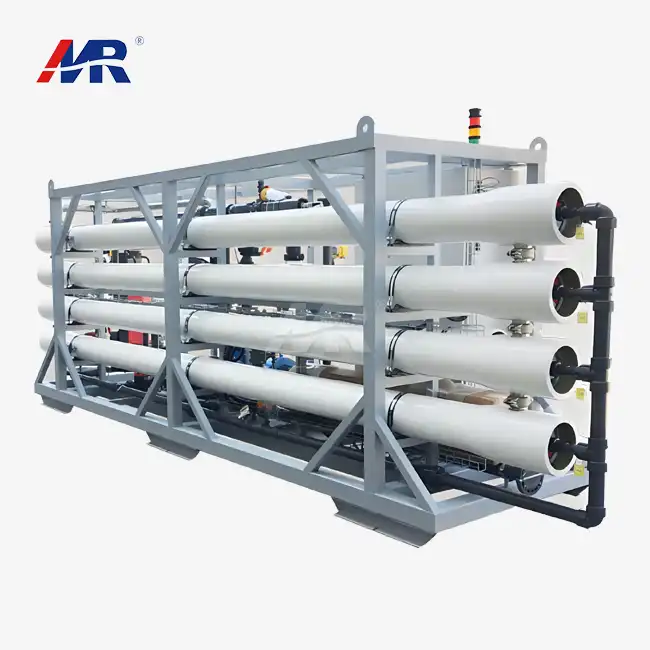 VIEW MORE12m3/hour seawater desalination equipment
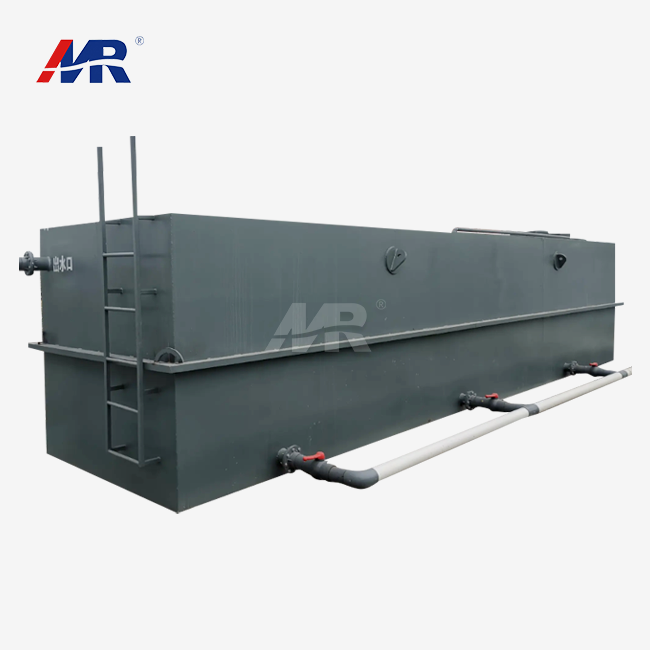 VIEW MOREdomestic wastewater treatment plant
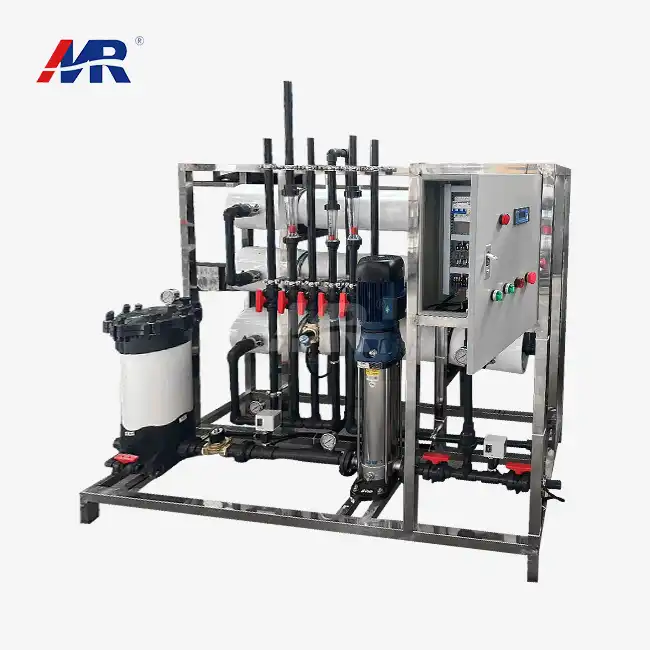 VIEW MORE3T/H reverse osmosis equipment
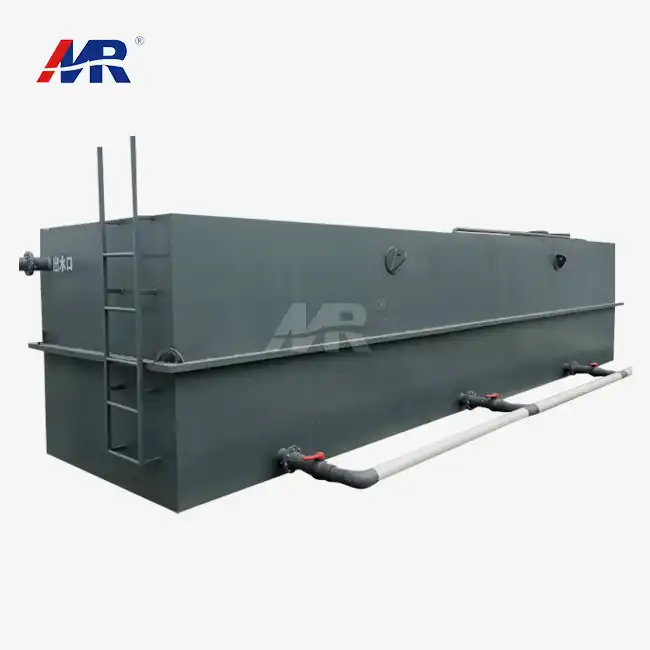 VIEW MOREportable wastewater treatment plant
 VIEW MOREcontainerized reverse osmosis system
