_1745823981883.webp)

Sewage Treatment Plants for Residential Communities: What You Need to Know
Across the United States, it's getting harder and harder for residential areas to handle their garbage properly. Not only is proper sewage processing the law, but it's also important for protecting public health, keeping water supplies safe, and making places to live that can last. If you know how modern Sewage Treatment Plants work, you'll be able to make smart choices about things like handling a new housing development, improving current infrastructure, or looking into decentralized treatment options. This detailed guide looks at the technologies, things to think about, and best methods for managing wastewater in homes in the best way possible. It is meant to help people who are buying things and making decisions with this important infrastructure investment.
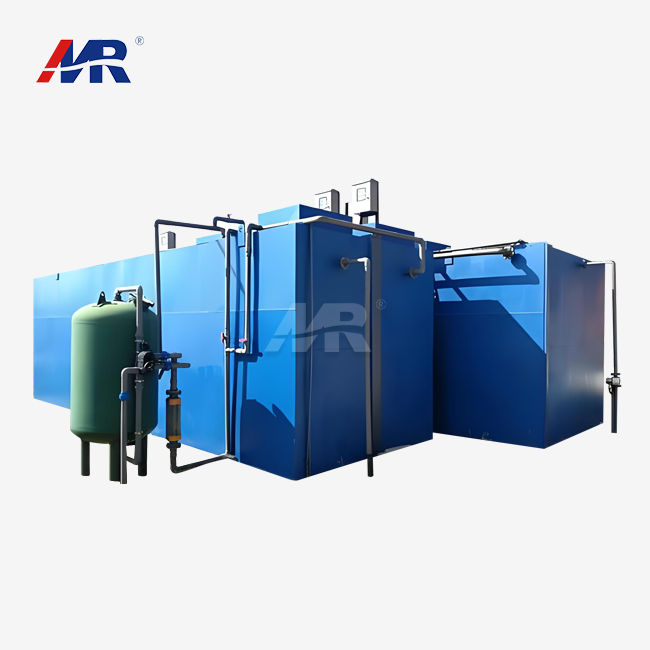
Understanding Sewage Processing in Residential Communities
Organic matter, nutrition, pathogens, and different home chemicals are all in residential wastewater that needs to be treated in a planned way before it can be safely released or used again. While recovering valuable resources, efficient sewage processing keeps nearby water bodies clean.
Core Principles of Sewage Treatment
During the cleaning process, pollutants are removed using a mix of chemical, biological, and physical methods. Physical ways separate solids that are suspended from bigger pieces of trash. Biological treatment uses good bacteria to break down organic pollutants, while chemical methods go after specific pollutants like nitrogen and phosphorus. These methods are used together in modern systems to get consistently good sewage quality that can be used for projects that release wastewater into the environment or clean up waterways.
Treatment Stages Explained
The process starts with preliminary treatment, which filters out big pieces of trash, plastic, and grit that could damage equipment further down the line. After the first stage of treatment, gravity-based sedimentation separates the solids that are floating in the liquid wastewater. This lowers the organic load by 30 to 40 percent. Biological processes are used in secondary treatment. Aerobic bacteria break down liquid organic waste, which removes up to 95% of BOD. Advanced filtering and disinfection are used in tertiary treatment to make the wastewater look better. This makes the water safe for sensitive discharge sites or reuse.
Environmental and Health Benefits
When household sewer treatment plants work properly, they get rid of pathogens and lower the amount of nutrients that cause algal blooms, which stops water-borne diseases. Protecting drinking water sources, marine habitats, and following EPA rules are all good for communities. Advanced cleaning systems can even turn wastewater into reused water that can be used for gardening or cooling in factories. This helps solve the problem of not having enough freshwater while also relieving pressure on freshwater sources.
Comparing Sewage Treatment Technologies for Residential Communities
To choose the right treatment technology, you need to know how different systems work in different situations, how much they cost, and what their long-term upkeep needs are.
Conventional Versus Advanced Systems
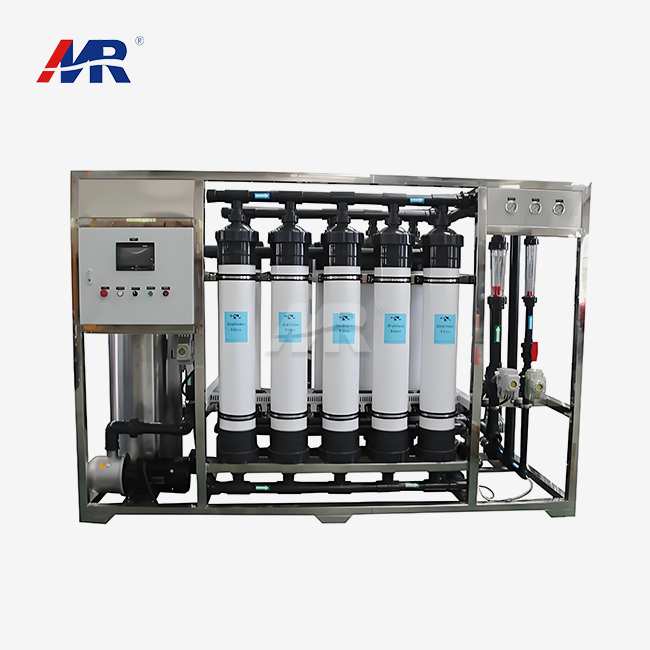
Activated sludge systems have been used in communities for decades and work well. They use aeration tanks where microorganisms break down organic waste. However, membrane bioreactor (MBR) technology is a big step forward because it combines biological treatment with ultrafiltration membranes. MBR systems get rid of the need for extra clarifiers, cut down on area requirements by 40–50%, and always produce better effluent quality. With pores that are only 0.2 microns wide, the membrane can successfully remove dissolved solids, bacteria, and many viruses, resulting in turbidity levels below 0.5 NTU compared to 5–15 NTU for regular systems.
When disposal permits call for strict water quality guidelines or when treated water will be used again, these differences in performance count. With MBR technology, more than 90% of COD is removed, and 80% of nitrogen and 90% of phosphorus are removed. This meets even the strictest legal standards without the need for extra polishing steps.
Centralized Versus Decentralized Approaches
Centralized sewage processing plants serve multiple towns efficiently but require extensive collection networks. Decentralized systems treat wastewater near its source, reducing infrastructure costs in areas with difficult terrain or scattered populations. Modular MBR systems accommodate flows from 100 m³/day to 100,000 m³/day, making them ideal for both small towns and large communities with limited space.
Cost and ROI Considerations
Most of the time, MBR systems cost 20 to 30 percent more to install than regular activated sludge plants of the same size. However, operational savings build up as less chemical is used, less sludge is made, and automated control systems lessen the need for human work. The cost of getting rid of sludge can drop by 40 to 60 percent just because biomass is used more efficiently and garbage streams are focused. It is important to carefully look at how much energy is used. For example, membrane aeration needs power, but there are ways to recover this energy and improve organic processes to make up for these needs. A full 20-year lifetime study often shows that MBR technology has good returns, especially when compliance is taken into account and possible reuse income is taken into account.
How to Choose the Right Sewage Treatment Plant for Your Residential Community
The choice to buy includes more than just the original price. It also includes performance reliability, legal compliance, scalability, and building a long-term relationship with equipment providers.
Defining Your Treatment Requirements
Start by making a list of your community's wastewater's daily flow rates, peak loading trends, and influent quality factors. The amount of BOD and dissolved solids in residential sewage is usually between 200 and 400 mg/L, but this can change depending on how people use water and whether rainwater gets into the collection system. Local release licenses say how much treatment is needed. Some places require tertiary treatment to get rid of nutrients, while others are fine with secondary treatment standards.
Scalability is important for groups that are growing. Modular systems let you expand in stages that fit with your growth schedules. This way, you can avoid the costs of building infrastructure that is too big for your needs. When looking at treatment capacity, it's helpful to plan for population growth that will happen in the next 15 to 20 years, but keep the ability to add units as demand rises.
Evaluating Technology and Equipment Quality
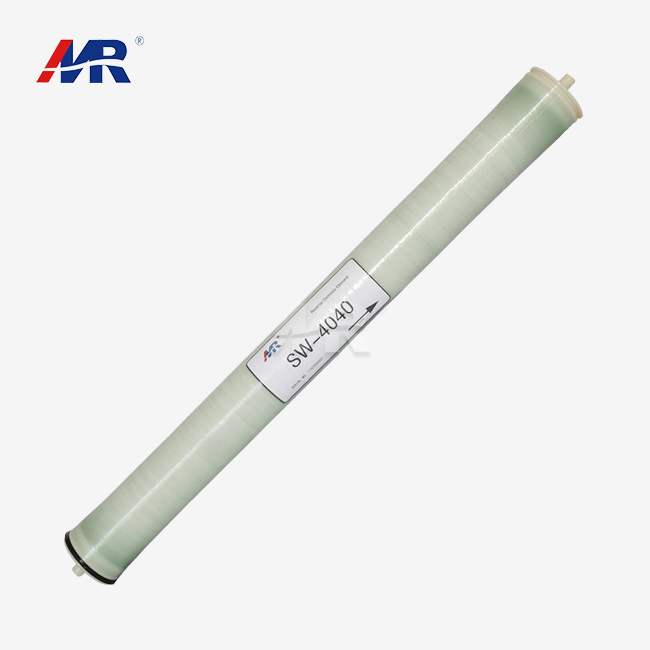
The quality of the membrane has a direct effect on how well it works and how long it lasts. Advanced hollow-fiber membranes from well-known brands are stronger, more resistant to chemicals, and less likely to get clogged than cheaper options. Automated process control systems handle membrane cleaning cycles, make sure that aeration is working at its best, and let workers know about performance problems before they get worse. These features make the job easier while keeping the treatment working the same, even when the effluent conditions change.
Request performance promises that include guidelines for the quality of the effluent, backed up by test studies or reference sites that handle wastewater with similar properties. Suppliers with a good reputation give a lot of information, like test results from a third party, case studies from communities that are similar, and clear guarantee terms for membranes, tools, and control systems.
Supplier Credentials and Support Services
Choose partners that provide installation assistance, commissioning, operator training, and prompt after-sales support. Evaluate experience with residential sewage processing, technical expertise, spare parts availability, and service networks. Local service teams reduce downtime during unexpected events. Morui’s 14 regional branches and 20 specialized engineers provide extensive support, with in-house membrane production ensuring consistent quality and long-term supply.
Installation and Long-Term Maintenance Planning
For projects to be successful, civil building, equipment placement, and system commissioning must all work together. Make it clear who is responsible for getting the spot ready, making the electrical connections, calibrating the instruments, and checking their performance. Full operator training makes sure that your repair staff knows how to do simple things like cleaning membranes, adjusting chemical doses, and fixing common problems.
Set up preventative maintenance plans that include daily checks, weekly tests, and regular checks of the membrane's stability. Spend money on things that you will need over and over again, like new membranes (which usually last between 5 and 8 years), cleaning chemicals, and regular part replacements. When used according to the manufacturer's instructions, well-maintained MBR systems often achieve 98% uptime, which is very high.
Optimizing Sewage Treatment Plant Performance and Sustainability
To get the most out of your infrastructure investment, you need to pay attention to operating quality, energy efficiency, and environmental responsibility throughout the life of the building.
Monitoring and Automation Best Practices
Monitoring important factors like dissolved oxygen, mixed liquid suspended solids, transmembrane pressure, and effluent quality in real time makes management more vigilant. By using automated control systems to change the intensity of aeration based on real oxygen demand instead of set plans, 15–25% less energy is used. Membrane fouling rates let you know quickly when there are problems with the biological process or changes in the quality of the influent, so you can fix the problem before the treatment stops working as well.
Modern supervisory control and data acquisition (SCADA) systems collect operating data for trend analysis. This helps workers find ways to improve efficiency and prove they are following the rules. With remote monitoring, tech support teams can figure out what's wrong and suggest changes without having to go to the site. This cuts down on response time to working problems.
Energy and Chemical Efficiency Strategies
Biological process improvement lowers the need for both chemicals and energy. Keeping the right sludge age matches the rate of sludge production with the effectiveness of cleaning. Anoxic zones allow denitrification, which lowers the need for oxygen while still meeting nitrogen removal goals. Precise chemical dosing to get rid of phosphorus or change the pH gets rid of waste while meeting treatment goals.
Biogas collection from sludge digestion is one way to recover energy. When paired with cogeneration systems, it can offset 20–40% of a facility's power needs. Variable frequency drives in high-efficiency fans and motors adjust the amount of power used based on real demand instead of running all the time at full capacity.
Long-Term Environmental and Economic Benefits
Efficient sewage processing reduces sludge volumes, cuts landfill disposal needs, and lowers carbon footprint. High-quality effluent enables water reuse for landscaping, irrigation, or industrial purposes, conserving freshwater and potentially generating revenue. Communities with modern treatment systems often experience increased property values and improved reputation, supporting future development funding.
Conclusion
Putting money into the right waste treatment facilities is an important step toward protecting the health of the community, protecting the environment, and achieving long-term growth. Modern MBR technology gives private communities unbeatable treatment results, operating efficiency, and the ability to change with changing government rules. Procurement pros make sure that the infrastructure their communities depend on for decades is carefully analyzed for treatment needs, technology options are compared, dependable suppliers are chosen, and operating best practices are followed. For generations to come, the choices you make today will affect water safety, public health, and the environment. This is why choosing the right technology and source partnerships is so important for long-term success.
FAQ
1. What distinguishes sewage processing from general wastewater treatment?
Sewage processing is the process of getting rid of wastewater from homes that includes human waste, household chemicals, and organic matter. General wastewater treatment includes a wider range of industrial effluents that have different chemical makeups and need different treatment methods. Standardized treatment methods can be used for residential sewage because its makeup and flow follow fairly regular patterns. However, industrial wastewater often needs custom solutions to deal with specific contaminants like heavy metals, solvents, or extreme pH conditions.
2. What cost range should communities expect for residential sewage treatment plants?
Capital costs depend a lot on capability, the technology chosen, and the conditions of the place. A conventional activated sludge system for a 1 MGD (million gallons per day) plant costs about $2–4 million, while an MBR system of the same size costs about $2.5–5 million. Operating costs, which include chemicals, labor, energy, and repairs, are between $0.50 and $1.50 for every thousand gallons cleaned. Lifecycle study over 20 years often shows that MBR systems have a competitive total cost of ownership because they require less sludge handling, use fewer chemicals, and produce better sewage quality, which means they don't need to be polished as often.
3. What maintenance demands should operators anticipate?
Visual checks are done every day, water quality tests are done once a week, and membrane cleaning cycles happen every one to four weeks, based on how fast the fouling builds up. Usually, the membrane needs to be replaced every 5 to 8 years. Schedules for preventive maintenance include things like fans and pumps that need to have their bearings oiled and their seals replaced on a regular basis. Compared to traditional plants, automated systems require a lot less work, and for facilities with a capacity of less than 0.5 MGD, they often only need part-time human care.
Partner with Morui for Advanced Sewage Processing Solutions
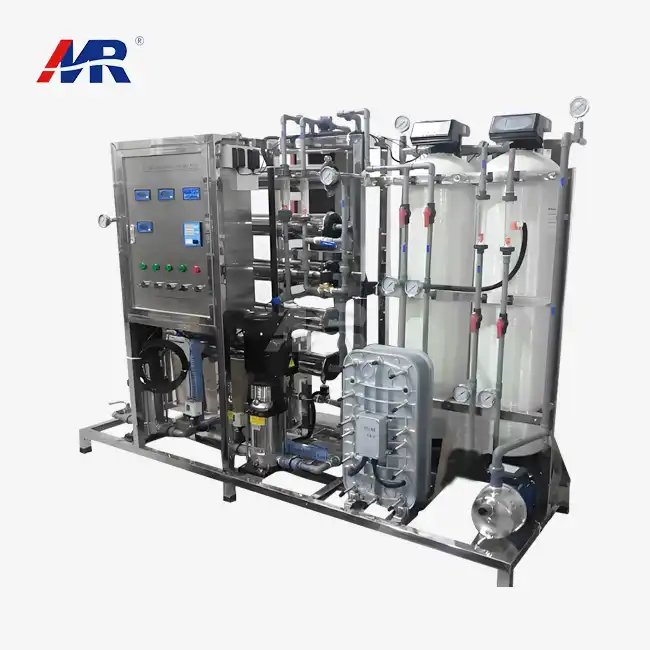
To improve the wastewater system in your residential neighborhood, you need a partner with professional know-how, tried-and-true technology, and unwavering support. Morui is an expert in making and supplying complete sewage processing systems. They offer complete solutions from the initial planning phase to installation and ongoing optimization. Our cutting-edge MBR systems use advanced hollow-fiber membranes made in our own production facilities, which guarantees uniform quality and dependable performance. With daily loads ranging from 100 to 100,000 m³ and flexible designs that allow for future growth, we can set up systems that perfectly fit the needs and growth path of your community.
Our 500-person team, which includes 20 specialized engineers, offers quick technical help through 14 regional branches in key areas. We offer full turnkey construction services, full operator training, and preventative maintenance plans to keep your infrastructure investment safe. You can talk to Our Team about your project needs by emailing benson@guangdongmorui.com. You will then get a full technical proposal with low prices for sewage processing equipment for sale.
References
1. Water Environment Federation. (2020). Design of Municipal Wastewater Treatment Plants: MOP 8, 6th Edition. McGraw-Hill Professional.
2. Metcalf & Eddy. (2021). Wastewater Engineering: Treatment and Resource Recovery, 6th Edition. McGraw-Hill Education.
3. U.S. Environmental Protection Agency. (2021). Membrane Bioreactors for Wastewater Treatment. EPA Technical Report Series.
4. American Water Works Association. (2019). Water Reuse: Issues, Technologies, and Applications, 2nd Edition. AWWA Publications.
5. Judd, S. (2022). The MBR Book: Principles and Applications of Membrane Bioreactors for Water and Wastewater Treatment, 3rd Edition. Elsevier.
6. National Research Council. (2020). Clean Water for Developing Countries: Appropriate Technologies and Policy Frameworks. National Academies Press.