_1745823981883.webp)

How to Improve Sewage Treatment Efficiency: Strategies and Techniques
It takes a methodical approach that considers both the operational and technical elements of sewage wastewater treatment plants to increase productivity. There is more and more pressure on modern buildings to meet strict legal standards while also keeping costs low. To solve the problem, we need to know what the current performance limits are, make changes to the way things are done, and use new technologies that make care more effective without using more energy or leaving a bigger footprint. Facility managers can turn their operations into long-lasting, low-cost systems that meet both business and environmental goals by focusing on measurable changes in how much waste is removed and how resources are recovered.
Assessing Current Sewage Treatment Performance
Figuring out where your building is now is the first step toward making real changes. Most treatment plants don't work as efficiently as they could because of clear problems that aren't being fixed.
Identifying Common Performance Bottlenecks
Problems with running a sewage wastewater treatment plant usually come from three main places. When sludge builds up in clarifiers and digesters, it lowers the effective treatment volume and slows down the biological processes that break down organic matter. When ventilation systems don't work well, or pumps don't have variable frequency drives, energy use often goes over industry standards. Process control problems happen when humans don't react fast enough to changing features of the effluent. This can cause inconsistent effluent quality and could lead to compliance violations.
Key Performance Metrics for Treatment Efficacy
Keeping an eye on the right markers helps decision-makers find ways to make things better. In most systems, the rate at which Chemical Oxygen Demand (COD) is removed is between 75 and 90%. To meet most discharge guidelines, Biochemical Oxygen Demand (BOD) should be reduced by 85 to 95%. Total Suspended Solids (TSS) removal is especially important when using water for a second time, as removal rates of more than 95% are often needed. These metrics give clear standards that can be used to measure and improve the success of a building.
Energy Usage and Recovery Opportunities
One of the highest costs of running a sewage wastewater treatment plant is the energy it uses. By looking closely at trends of power use, we can find ways to make many processes work better. Aeration uses 50–60% of all the energy in regular activated sludge plants, so it is the main thing that needs to be improved to make them more efficient. Looking into ways to get energy back from biogas production and heat back from sewage streams can help cut down on running costs a lot, especially in bigger plants that process more than 1,000 cubic meters of waste every day.
Regulatory Benchmarks and Compliance Framework
Environmental laws set the minimum standards that are used to make choices about operations. Knowing the local and government standards for nutrients, pathogens, and new contaminants that can be released into the water helps facilities decide which cleaning processes need to be improved first. Compliance tracking systems that keep track of trends in wastewater quality allow for proactive changes to be made before violations happen. This protects the environment and keeps companies from having to pay fines that can reach hundreds of thousands of dollars.
Key Strategies to Overcome Efficiency Bottlenecks
Strategic process improvement gets benefits that can be measured without having to completely change the way things work. Targeted changes at each stage of treatment add up to better results across the whole procedure.
Streamlining Primary and Secondary Treatment Stages
Separating the objects first and then treating them biologically are the most important parts of any sewage wastewater treatment plant that works. Better screening equipment gets rid of more trash before it affects processes further down the line, and better operation of the settling tank increases the rate at which solids are captured. Maintaining the right levels of biomass and making sure there is enough mixing in secondary treatment stops dead zones where raw wastewater skips over active microbe populations. Keeping the hydraulic retention time and organic loading rates in balance makes sure that biological processes have enough touch time without using up too much tank space.
Advanced Biological Treatment Techniques
There are more modern ways to treat organic waste than just using activated sludge. Bioaugmentation adds specific microbe cultures that attack specific toxins. This is especially helpful in industrial wastewater situations where regular bacteria have trouble breaking down complex organic compounds. The membrane bioreactor (MBR) technology blends biological treatment with physical filtering to produce better effluent in a much smaller space than traditional systems.
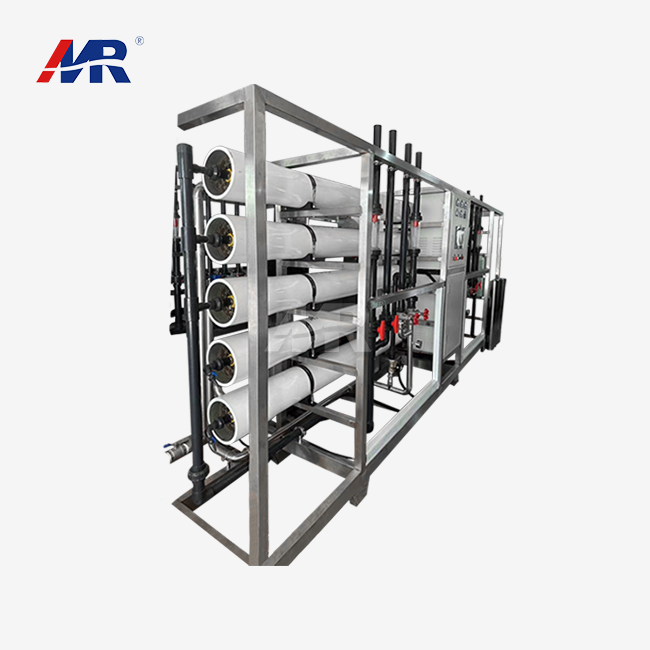
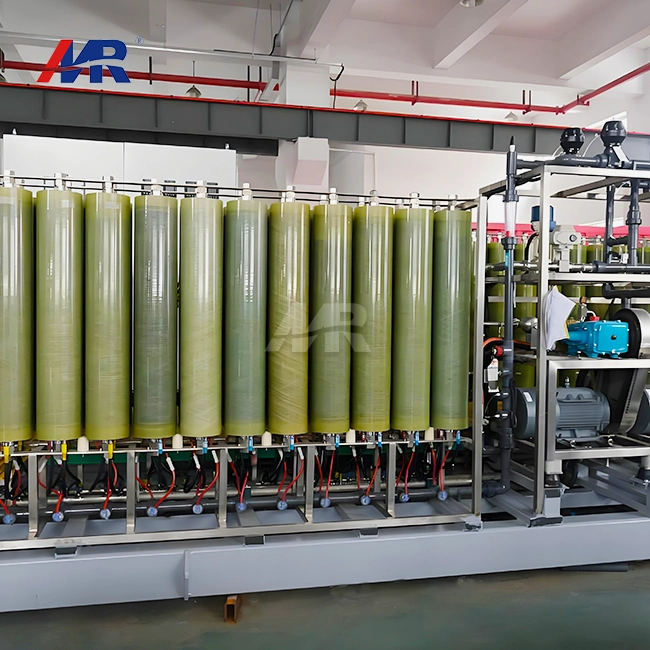
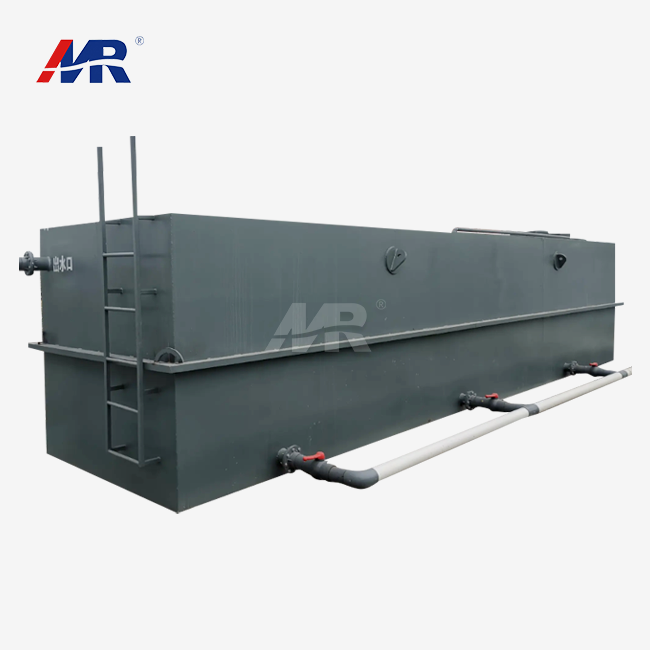
Great effects have been seen with MBR systems that combine advanced membrane filtering with AAO biological treatment. These designs get rid of more than 95% of the BOD and more than 85% of the COD. They also get rid of 99% of the dissolved solids. The small size takes up 30% less room than regular treatment trains, which makes it perfect for sites that need to grow or don't have a lot of room. Power use stays surprisingly low at 0.5 to 0.8 kWh per cubic meter treated, showing that good performance doesn't have to mean less energy economy.
Energy-Efficient Aeration Technologies
Oxygen movement rate affects both how well a treatment works and how much it costs to run. Fine bubble diffusers raise the level of dissolved oxygen more effectively than coarse bubble systems, which means that 20–30% less energy is needed by the fan. Variable frequency drives on blower motors let the airflow be precisely adjusted to match the real oxygen demand instead of running at a set maximum capacity. Monitoring dissolved oxygen in real time lets automated control systems adjust the amount of aeration based on the current loading conditions. This cuts down on wasted energy during times when the influent strength is lower.
Effective Sludge Management and Energy Recovery
The solids that are collected during cleaning can be thrown away or used to make energy. Sludge thickening lowers the amount of water in the sludge before digestion, which lowers the volume that needs more processing. Anaerobic digestion breaks down organic matter and makes biogas. Biogas can be used to power combined heat and power systems, which could provide 50 to 80% of a building's electricity demands. Stabilized biosolids that can be used in agriculture turn an expensive waste product into a useful one, finishing the loop on resource recovery.
Innovative Technologies Driving Efficiency in Sewage Treatment
Adopting new technology speeds up gains in efficiency that are greater than what can be achieved with simple changes to operations. When you combine digital tracking, improved filtration, and renewable energy, you get sewage wastewater treatment plant systems that are better and last longer.
Real-Time Monitoring with IoT and SCADA Systems
Connected monitors that are used throughout the treatment process make it possible to see how well the system is working at all times. IoT devices keep an eye on dozens of factors that show how well something is working, such as flow rates, chemical concentrations, machine vibration, and more. SCADA systems put this information into centralized control platforms so that workers can use a single interface to find problems, fix them, and make processes run more smoothly. Predictive analytics find new problems before they become problems. This changes maintenance from reactive to preventive modes, which reduces downtime and increases equipment life.
Data Analytics for Process Optimization
Advanced analytics turns the huge amounts of data that modern tracking systems produce into useful information that can be used. Machine learning algorithms find trends in the features of the influent and suggest the best chemical dosing rates that keep the treatment effective while minimizing the cost of the chemicals. Adjusting the amount of oxygen delivered by aeration control algorithms is so precise that it can't be done by hand. They are always looking for the best balance between treatment needs and energy use. By looking at past results, you can find regular patterns that help you plan for capacity and make decisions about staffing.
Membrane Technology Versus Conventional Filtration
When you compare membrane systems to standard sand filtration, you can see that membrane approaches have big benefits in some situations. Membranes completely block suspended solids and most germs, making sewage that can be used again without needing a third treatment. The flexible design of membrane systems lets capacity grow gradually as needs grow, without having to make the big investments needed for building more clarifiers. Even though membrane systems need to be cleaned and replaced every so often, their small size and high-quality wastewater often make up for the higher costs over their lifetime.
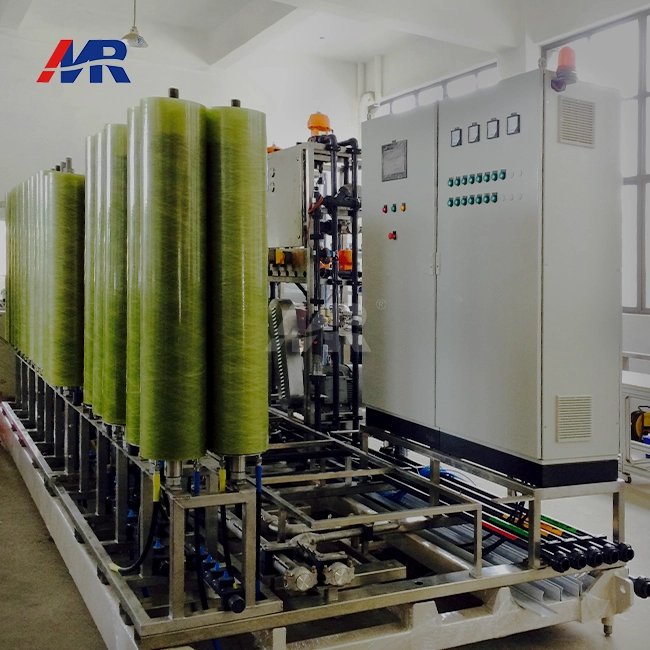
Our MBR-based cleaning systems show how membrane technology changes the way wastewater is managed. Routine tasks can't be changed by hand because the operation is fully automatic. This lets the expert staff focus on optimization instead of making small changes every day. With modular building, the system's capacity can grow from 50 to 10,000 cubic meters per day without having to be redesigned from scratch. Because they don't make any smells or noise, these systems can be put in places near businesses, hotels, hospitals, and schools where being an environmental problem is not accepted.
Renewable Energy Integration
To become less reliant on the power grid, sustainable treatment centers are using more and more green energy sources. Solar panels on building roofs and empty land make power during the day, when people usually need care the most. Anaerobic digestion makes biogas, which is used to power generators that provide base-load energy and heat to houses and digesters. Some facilities can reach net-zero energy operation by making their energy use more efficient and using green energy sources. This cuts down on energy costs and boosts their environmental credentials.
Procurement and Partnership Considerations for Efficiency Enhancement
Getting the right tools and service partners is what makes speed projects work the way they're supposed to. Strategic buying looks at more than just the price of an item; it also looks at its total value over its whole life for a sewage wastewater treatment plant.
Evaluating Suppliers and Technology Portfolios
Offering a wide range of technologies shows that a provider can provide a whole range of options instead of just parts. Manufacturers with a track record in more than one industry know how to deal with different types of pollution and the rules that govern them. International standards like ISO 9001 for quality management and ISO 14001 for environmental management show that companies take a structured approach to making sure their Products are of high quality and are responsible as a business. Client references from similar applications show how well the product works in the real world and how good the ongoing help is.
Transparent Cost Analysis and ROI Calculation
For project economics to be correct, costs must be broken down in great depth to include tools, installation, commissioning, training, and ongoing supplies. Realistic estimates of running costs come from energy consumption forecasts that are based on actual operating data rather than theoretical calculations. When you look at the total cost of ownership over 15 to 20 years, you can see which choices are more valuable, even if they may cost more at first. The return on investment (ROI) should take into account things like not having to pay fines, using fewer chemicals, paying less to get rid of sludge, and possibly making money from biogas or recycled water.
Financing and Turnkey Solutions
Organizational budgets can get tight when they have to make big investments in treatment facilities. Leasing spreads costs out over time so that money can be used for more important business tasks. Equipment, installation, commissioning, and performance warranties are all included in "turnkey" options. This shifts the project risk to experienced workers who have completed similar projects successfully before. Some suppliers offer performance-based contracts where payment is based on meeting certain treatment results. This makes sure that goals are aligned and that people are held accountable.
Training and Technical Support for Long-Term Success
Without properly trained workers, even the most modern technology doesn't work very well. Staff can keep performing at their best thanks to thorough training programs that cover both normal operations and fixing problems. Facilities can deal with problems that come up by getting ongoing technology support through remote tracking, site visits on a regular basis, and quick answers to practical questions. In-house staff can do regular maintenance with the help of documentation packages that include full O&M guides, wiring diagrams, and parts lists. They also know when to get help from an expert.
Conclusion
To make sewage wastewater treatment plant operation more effective, you need a balanced approach that includes evaluating performance, optimizing strategies, adopting new technologies, and building strong relationships. Modern MBR systems show how innovation can provide better care in small, energy-efficient designs that can be used in a variety of situations. Choosing equipment that works well with the type of wastewater you have, setting up strong upkeep plans, and working with experienced sources who offer full support are all important for success. As rules get stricter and costs go up, smart investments in making things more efficient protect compliance while improving financial performance. The way forward is to combine tried-and-true technologies with new digital tools, making care systems that can deal with today's problems and change to meet future needs.
FAQ
1. What are the most important metrics to track for sewage treatment efficiency?
Pay attention to the rates of BOD and COD removal as the main signs of how well biological treatment is working. The rate at which TSS is removed shows how well clearing and filtering are working. The amount of energy used per cubic meter of cleaned air shows how efficiently the sewage wastewater treatment plant is running compared to industry standards. Keeping an eye on all of these measures together gives you a full picture of how well the system is doing generally and shows you exactly what needs to be fixed.
2. How do membrane bioreactors compare to conventional activated sludge systems?
MBR systems produce better wastewater because they remove more than 99% of the dissolved solids, which means the water can be used again. They take up 30% less room than regular systems, which is helpful for places that don't have a lot of room. When sludge production is cut down and the need for secondary treatment is removed, operating costs are comparable. When compared to traditional systems that are changed by hand, the fully automated process requires less work.
3. What payback period should I expect from efficiency upgrades?
Depending on how much energy costs and how inefficient the system is now, most efficiency projects pay for themselves in three to seven years. Facilities that use a lot of energy or have old equipment see faster results. When projects allow water to be reused or avoid the costs of growth, they immediately make money on top of saving money on operations.
Partner with Morui for Superior Sewage Treatment Solutions
Guangdong Morui Environmental Technology is an expert at providing high-tech wastewater treatment systems that blend cutting-edge MBR technology with systems that have been used successfully in the past. Our sewage wastewater treatment plant options are used by factories, shopping centers, hospitals, and industrial parks, among other places that need high-quality runoff. We offer full help from the initial planning phase through installation, commissioning, and continued optimization. We have 14 branches, 500 committed workers, and 20 experienced engineers. Our own membrane production center and equipment processing plants make sure that quality control is maintained at every step of the supply chain. We are a reliable provider of sewage wastewater treatment plants, and our full solutions include installation, operator training, and quick Technical support. Email Our Team at benson@guangdongmorui.com to talk about how our space-saving, high-efficiency systems can change the way you handle wastewater, lower your costs, and make sure you follow all the rules.
References
1. Chen, W. & Liu, J. (2022). Advanced Membrane Bioreactor Technology for Municipal and Industrial Wastewater Treatment. Environmental Engineering Press.
2. Morrison, R. T. (2021). "Energy Efficiency Optimization in Biological Wastewater Treatment Systems." Journal of Environmental Engineering, 147(8), 112-128.
3. Patel, S. K. & Thompson, L. M. (2023). Sustainable Wastewater Treatment: Design, Operation and Emerging Technologies. Water Resources Publications.
4. Roberts, D. A. (2022). "Performance Assessment and Optimization Strategies for Sewage Treatment Plants." Water Environment Research, 94(4), 455-472.
5. Zhang, Y., Kumar, P. & Anderson, M. (2023). Industrial Wastewater Treatment: Process Selection and System Integration. Cambridge University Press.
6. Williams, K. J. (2021). "Real-Time Monitoring and Control Systems for Enhanced Treatment Plant Performance." Water Science and Technology, 83(11), 2634-2648.