_1745823981883.webp)

Cost-Effective Sewage Treatment Systems: Saving Money Without Compromise
Businesses no longer have to choose between quality and cost when using a modern sewage processing plant. The modern technology for treating wastewater does a great job while also cutting costs by using smart design and processes that use less energy. Companies in the manufacturing, pharmaceutical, food production, and municipal utilities sectors are learning that investing in the right treatment infrastructure saves them a lot of money in the long run, makes them more environmentally friendly, and improves compliance.
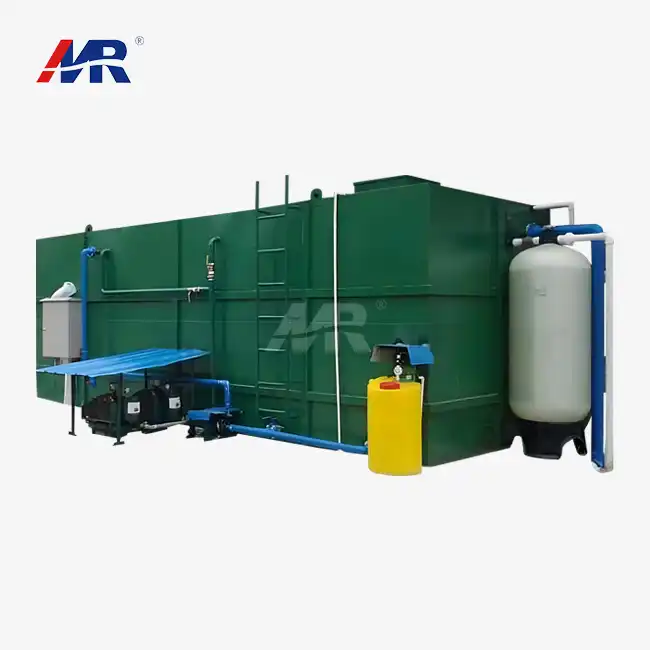
Understanding Cost-Effective Sewage Treatment Systems
Physical, chemical, and biological methods are all used together in sewage processing plants to effectively clean up polluted water and turn it into a safe release or resources that can be used again. When choosing systems that meet your operational needs and legal standards, it's important to understand these basic ideas.
Core Principles Behind Treatment Efficiency
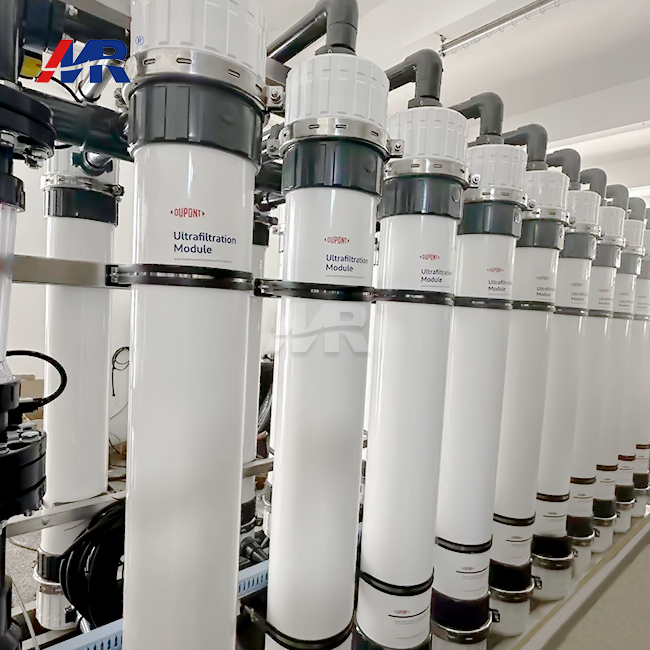
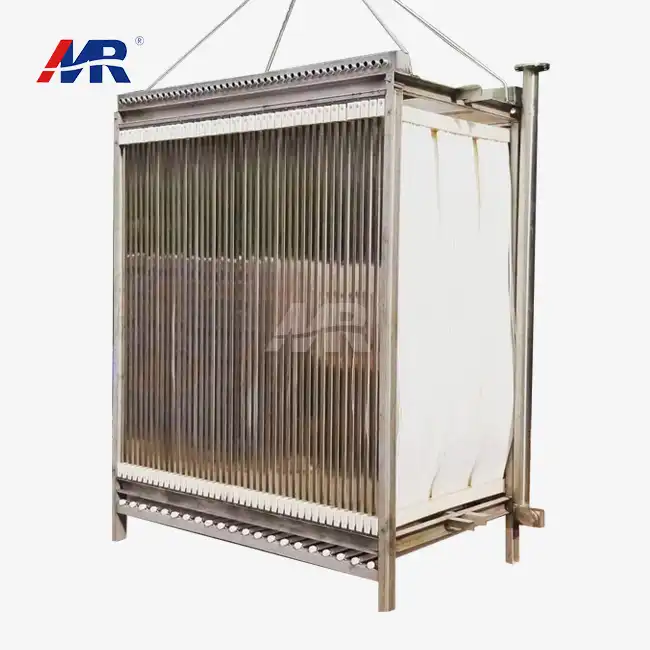
Three basic steps must work together for wastewater cleaning to be effective. Through screening and settling, physical cleaning gets rid of solids, which keeps equipment further downstream from getting damaged. Biological treatment uses bacteria to break down organic contaminants, while chemical treatment changes the pH level and gets rid of dangerous substances. Instead of treating these steps as different, the most cost-effective systems improve them all at the same time. Modern membrane bioreactor (MBR) technology, which combines biological treatment with membrane filtering, is a good example of this unified method because it can treat up to 99.9% of the water efficiently while taking up much less room than traditional systems.
Common Operational Challenges and Hidden Costs
Downtime for equipment is one of the most expensive problems that wastewater treatment plants have to deal with. Unplanned maintenance can cost businesses thousands of dollars every day in lost work time and fixes that need to be done right away. When places use old equipment that often needs parts to be replaced, maintenance costs go up. Another big cost driver is compliance risks. Fines for release violations can reach hundreds of thousands of dollars, based on how bad they are and where they happen. In standard cleaning plants, 30 to 50 per cent of the operating costs go to energy use. These problems need to be thought about during the buying process, not after the installation.
Smart Investment for Long-Term Savings
When B2B buying workers find cost drivers early on, they can make better investment choices that help the business reach its operational efficiency goals. If you choose systems with flexible designs, you can slowly add more modules as demand grows, without having to pay a lot of money all at once. Even though energy-efficient technology costs more at first, it usually pays for itself in less than two to three years through lower utility bills. Remote tracking cuts down on the amount of work that needs to be done and finds possible problems before they become costly failures. After switching from older methods to more modern membrane-based solutions, our clients' total treatment costs dropped by 35–40% over five years.
Types of Cost-Effective Sewage Treatment Systems for Different Needs
Customised wastewater treatment solutions are needed for industrial and local clients based on their needs, the type of wastewater, and their operating goals. Choosing the right sewage processing plant method has a huge effect on both the initial cost and the long-term costs of running it.
Aerobic vs. Anaerobic Technologies
Knowing how much aerobic and anaerobic treatment will cost helps you make good decisions about what to buy. Aerobic systems are great for places that need a modest to high biological oxygen demand because they use oxygen to power bacteria that break down organic garbage. Even though they use more energy for air, these systems work faster and smell better. Pharmaceutical companies and food processing plants often choose aerobic treatment because it can consistently handle different amounts of organic matter. For strong industrial wastewater, anaerobic treatment uses less energy because it doesn't need air to work. Anaerobic systems that make biogas from waste are useful for breweries and chemical processing plants because they lower energy costs. Compared to other systems, anaerobic systems have a higher starting cost, but they save a lot of money over time when used correctly.
Modular vs. Traditional Fixed Systems
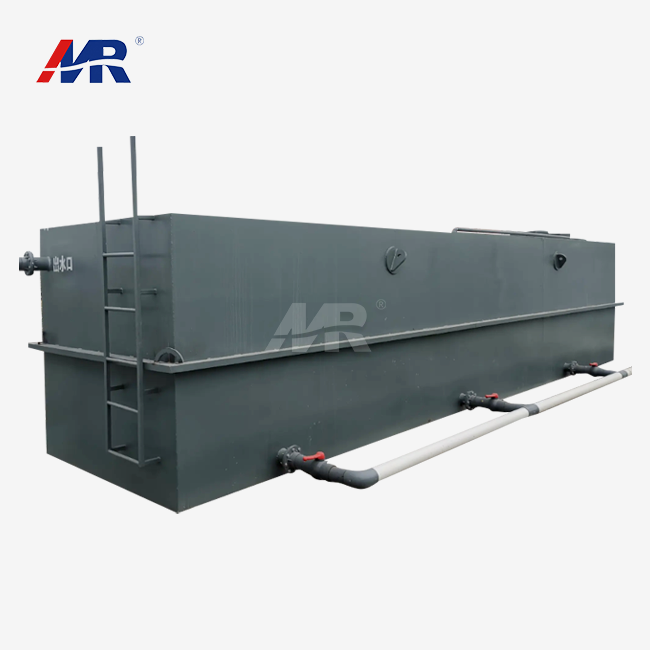
When compared to standard concrete structures, modular wastewater treatment systems are much more flexible. These pre-engineered parts come ready to connect, which cuts the time it takes to put them together from months to weeks. Modularity is great for startups and facilities that don't know how their growth will go because it lets them add units to their capacity instead of rebuilding infrastructure. Our modular MBR systems take up 30–50% less room than regular treatment plants, which makes them great for places that don't have a lot of land. Traditional fixed systems are still useful for big local uses where long-term capacity needs are known, and land is available. When it comes to very big scales, the cost per cubic metre often favours fixed systems. However, as modular manufacturing gets better, this benefit becomes less clear.
Automation and Labour Cost Reduction
Automation changes the costs of treatment plants by cutting down on the need for workers while also making things more consistent. Modern control systems constantly check the flow rates, dissolved oxygen, pH, turbidity, and turbidity, and they change the treatment settings automatically. This real-time optimisation keeps things running at their best without the need for constant human help. When compared to plants that are run by hand, facilities that use complete technology report 40–60% lower labour costs. With remote tracking, one operator can keep an eye on multiple treatment sites at the same time. This is especially helpful for businesses that run a number of smaller centres. Automated systems also produce thorough operating data that helps find waste and supports strategies for planned maintenance.
Putting these tools together makes case studies that are very interesting. Our automated modular system with MBR technology was recently improved by a medium-sized food processing client. This cut their treatment impact by 45% and their energy use from 2.1 kWh/m³ to 0.9 kWh/m³. Their yearly operating costs went down by $127,000, even though they had to clean 15% more wastewater because their production increased.
Designing and Operating Sewage Treatment Plants for Maximum Cost Efficiency
Designing a sewage processing plant well is essential for lowering both capital and operating costs over the system's lifetime. Planning carefully during the design part keeps changes from being made afterwards that cost a lot of money.
Optimising Plant Layout and Flow Design
Intelligent arrangement uses gravity to reduce the need for pushing as much as possible. Each needless machine raises the cost of capital, uses energy, and needs to be maintained. We make systems that have reasonable flow progression, which makes the pipes simpler and lowers the number of places where they could get clogged. Having enough access to the room around the equipment speeds up repair and lowers the cost of downtime. Lack of structure planning can lead to 20–30% higher long-term upkeep costs for buildings because equipment is harder to get to. The steps of treatment should naturally run from the first screening to the last disinfection. Going backwards loses time and energy and makes things harder to do.
Advanced Monitoring and Predictive Maintenance
Today's tracking technology changes upkeep from being reactive to being proactive. Sensors that keep an eye on motor sound, temperature, and current use can find worn bearings before they break. Monitoring the performance of the membrane shows patterns of fouling, which allows cleaning to happen before flow rates drop greatly. Compared to "run-to-failure" tactics, these predictive methods cut the cost of emergency repair by 50–70%. Integration of the Internet of Things (IoT) lets our systems send performance data to cloud platforms all the time, where analytics tools look for problems. Maintenance teams are notified of problems days or weeks before they become critical. This lets them plan solutions during planned downtime instead of having to deal with an emergency, which can be frustrating.
Sustainable Technologies Minimising Resource Use
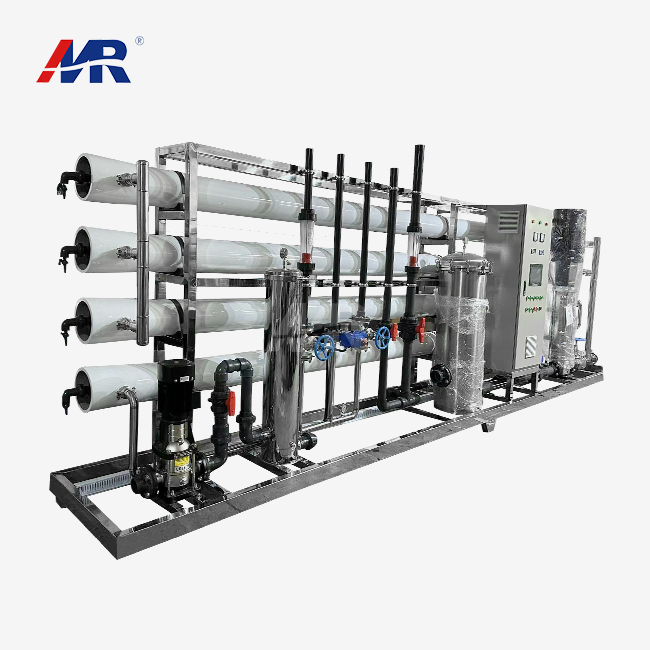
Energy recovery devices take useful things from trash streams, which lowers the costs of running the business directly. Biogas is made by anaerobic digesters and can be used to power engines on-site or to connect back to natural gas lines. Heat exchangers take heat from cleaned wastewater and use it to heat up new wastewater, which lowers the cost of heating. When compared to chlorination, advanced oxidation methods that use UV or ozone use fewer chemicals. With membrane filtering, you don't need clarifier tanks or the space they take up or the upkeep that goes along with them. In a sewage processing plant, our systems that work at 0.5 to 1.5 kWh/m³ use 40 to 60 per cent less energy than regular activated sludge plants and make better wastewater at the same time.
Trained operating teams make the most of these gains in productivity. We do a full setup and training to make sure your staff know how to optimise the system. When operators understand the basics of treatment, they can make better decisions in real time and change settings before problems happen instead of after they happen. This knowledge keeps people from making the usual mistake of over-aerating biological reactors, which loses a lot of energy and doesn't make the treatment work better.
Environmental and Regulatory Benefits of Cost-Effective Sewage Treatment
Smart system selection and management are needed to meet strict pollution standards across regulatory countries without spending too much. Following environmental rules helps you reach your green goals and saves your business with a reliable sewage processing plant.
Achieving Compliance While Controlling Costs
As people become more aware of the environment, rules about how to dump garbage become stricter. In the US, the Clean Water Act sets limits on effluent that change depending on the business and the features of the water that the effluent is going into. Due to the possibility of pharmaceutical leftovers, pharmaceutical centres have to follow very strict rules. The amount of organic oxygen demand and fats, oils, and grease that come out of food machines must be controlled. As guidelines for nitrogen and phosphorus get stricter to stop eutrophication, municipal facilities have to balance the need to remove nutrients with the cost of treatment. Not following the rules can cost you a lot of money; EPA fines can reach $50,000 per day for each violation. Our systems are 99.9% effective at treating wastewater, which gives them a large compliance cushion that protects them against changes in the features of the wastewater or the conditions of operation. This dependability is especially helpful for businesses whose production plans change, causing garbage loads to change too.
Energy Savings and Emission Reductions
Treatments that use less energy directly lower your facility's carbon footprint and lower your electricity bills. When our systems use 0.5 to 1.5 kWh/m³, they release 60 to 70% less carbon dioxide than regular plants that use 2.5 to 3.5 kWh/m³. For a plant that treats 1,000 m³ of water every day, this means 200 to 300 fewer tonnes of CO₂ every year. Companies that promise to be sustainable find that this environmental success helps them reach their warming goals. Less use of chemicals also has a positive effect on the environment because it lowers the emissions that are released during production, shipping, and removal of treatment chemicals.
Circular Economy and Resource Recovery
More modern facilities see garbage as a resource rather than a problem that needs to be thrown away. When treated wastewater is used again for cooling, watering, or process water, less freshwater is needed, which saves money. Industrial sites in areas with limited water use can cut their city water purchases by 30 to 50 per cent by reusing water inside their own buildings. After being properly stabilised, biosolids from cleaning processes can be used as fertiliser for plants. This recovers nutrients that would otherwise have to be thrown away. By turning waste into biogas, energy recovery is possible, and some big sites can even provide their own energy. These circular economy methods raise the social duty of businesses while also making them more money.
When global B2B clients adopt environmentally friendly wastewater practices at their sewage processing plant, they improve their standing in the market. Customers are becoming more and more picky about providers who care about the environment, which makes treatment success a competitive difference. With measurable data on things like reusing water, saving energy, and lowering emissions from improved cleaning systems at the sewage processing plant, it's easier to report on sustainability.
Conclusion
Cost-effective sewage processing plant systems meet environmental standards and perform well without costing too much. Businesses no longer have to choose between treatment quality and cost, as shown by the tools talked about in this piece. Intelligent technology, flexible design, membrane bioreactor systems, and energy-efficient processes all work together to lower capital and operating costs while raising performance. The best long-term value comes from making purchases based on the total lifecycle cost instead of just the purchase price. As rules get stricter and sustainability becomes more important to businesses, investment in improved wastewater treatment will help them continue to do well.
FAQ
1. How do I determine the right capacity for my facility?
Find the average amount of wastewater that flows through a day and increase that number by 1.5 to 2.0 to account for busy times and future growth. Industrial sites should look at their production plans to find the conditions that allow the most work to get done. Talking to sewage processing plant providers with a lot of experience can help you make sure your capacity numbers are correct and keep you from either under- or over-sizing, which can cause problems with compliance or waste of money.
2. What cost differences exist between aerobic and anaerobic systems?
Most of the time, anaerobic systems cost 20–30% more up front but use 40–60% less energy while they're running. Aerobic methods are cheaper up front and can help people faster. The best choice relies on how strong the wastewater is, how much room is available, and how much the energy costs. Anaerobic cleaning is usually the most cost-effective way to handle high-strength industrial wastewater.
3. Does automation really impact operational costs significantly?
Automation cuts the need for workers by 40–60% while also making treatments more consistent and effective. With remote tracking, one operator can be in charge of more than one place. Predictive maintenance, which is another benefit of automated systems, keeps expensive emergency fixes from having to be made. The system usually pays for itself in three to four years by saving money on energy and labour.
Partner with Morui for Advanced Wastewater Solutions
Guangdong Morui Environmental Technology specialises in developing and providing affordable sewage processing plant solutions. Our membrane-based systems clean 50 to 10,000 m³ of land every day, using only 0.5 to 1.5 kWh/m³ and being up to 99.9% efficient. We offer full solutions, from the sale of the equipment to the construction and completion of the facility, as well as systems integration. Our 20 engineers and 500-person team spread across 14 branches provide quick help for the whole span of your system. We work with top component names like Shimge pumps, Runxin valves, and Createc instruments to make sure that the work we do is solid. Our modular designs are flexible enough to fit your needs, whether you need to clean wastewater from cities, handle wastewater from factories, or find specific solutions for medicine, food processing, or chemical uses. Get in touch with Our Team at benson@guangdongmorui.com to talk about how our technology can lower your treatment costs while still meeting legal requirements. We can help you with all of your requirements.
References
1. Chen, W., & Liu, J. (2022). Economic Analysis of Membrane Bioreactor Technology in Industrial Wastewater Treatment. Journal of Environmental Engineering and Management, 32(4), 289-301.
2. Environmental Protection Agency. (2021). Emerging Technologies for Wastewater Treatment and In-Plant Wet Weather Management. EPA Technical Report Series, Office of Water.
3. Hernandez, R., & Mulder, A. (2023). Energy Optimization in Municipal Sewage Treatment: A Comparative Study. Water Science and Technology, 87(6), 1456-1472.
4. International Water Association. (2022). Best Practices in Wastewater Treatment Procurement for Industrial Facilities. IWA Publishing, London.
5. Thompson, G., Swain, J., Kay, M., & Forster, C. (2021). The Treatment of Pulp and Paper Mill Effluent: A Review of Cost-Effective Technologies. Bioresource Technology, 294, 122-135.
6. Zhang, Y., & Wang, H. (2023). Modular Wastewater Treatment Systems: Design Considerations and Lifecycle Cost Analysis. Environmental Technology & Innovation, 29, 103-118.