

_1745823981883.webp)

The Cost of 25m3/hour Reverse Osmosis Systems: Budgeting for Your Water Treatment Needs
When it comes to industrial water treatment, understanding the cost of a 25m3/hour reverse osmosis equipment is crucial for effective budgeting. A substantial investment in water purification technology, these state-of-the-art devices can filter 25 cubic meters of water each hour. System complexity, materials utilized, and additional features are a few of the variables that determine the price of a reverse osmosis plant of this scale, which usually falls within the $50,000 to $150,000 range. This first investment covers the essential components of the RO system, such as the control systems, housings for the membranes, and high-pressure pumps. The purchase price is only one component of the whole cost of ownership, though. The total cost over time is affected by factors such as the initial investment, ongoing energy costs, membrane replacement, and maintenance. Businesses can make smart investments in water treatment by taking these factors into account; this will help them achieve their goals of operational efficiency and financial prudence without sacrificing water quality.
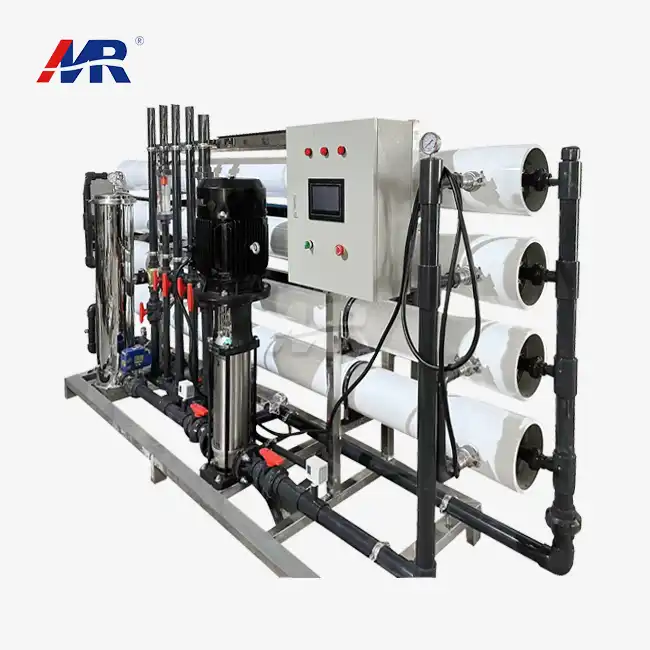
Initial Investment vs. Long-Term Operational Savings
Both the initial outlay and the savings on operating costs must be factored into an analysis of a 25m3/hour RO system's total cost. There will be efficiency savings and lower water treatment costs in the long run, which can more than cover the high initial cost.
Upfront Costs
The initial investment for a 25m3/hour reverse osmosis system includes:
- Equipment purchase
- Installation and commissioning
- Pretreatment systems
- Piping and electrical work
While these costs can be significant, they are a one-time expense that sets the foundation for years of efficient water treatment.
Operational Savings
Over time, a well-designed RO system can lead to substantial savings through:
- Reduced water consumption
- Lower chemical usage
- Decreased energy costs due to efficient pumps and energy recovery devices
- Minimized downtime and maintenance requirements
For instance, the high rejection rate of 98-99.5% ensures that fewer contaminants pass through, reducing the need for additional treatment steps. The energy-efficient design, consuming only 0.8-1.2 kWh/m³, translates to lower operational costs compared to older, less efficient systems.
Cost-Benefit Analysis
To truly understand the value proposition of a 25m3/hour RO system, businesses should conduct a thorough cost-benefit analysis. This should include:
- Projected water savings over the system's lifespan
- Reduced costs from improved water quality in production processes
- Potential increase in product quality and market competitiveness
- Compliance with environmental regulations and potential avoidance of fines
By weighing these factors against the initial investment, companies can make an informed decision about the long-term value of implementing a reverse osmosis plant.
Financing Options for Large-Scale Water Treatment
Investing in a 25m3/hour reverse osmosis system represents a significant capital expenditure for many businesses. However, various financing options can make this investment more manageable and aligned with long-term financial planning.
Traditional Financing Methods
Several conventional financing options are available for businesses looking to acquire a reverse osmosis system:
- Bank Loans: Traditional term loans can provide the necessary capital with fixed interest rates and repayment terms.
- Equipment Leasing: This option allows businesses to use the RO system without a large upfront cost, often with the option to purchase at the end of the lease term.
- Vendor Financing: Some equipment suppliers offer financing options, which can simplify the procurement process.
Alternative Financing Solutions
In addition to traditional methods, businesses can explore alternative financing solutions:
- Performance Contracting: This model ties payments to the achieved savings or performance improvements, aligning costs with benefits.
- Water-as-a-Service (WaaS): Some providers offer RO systems on a pay-per-use basis, reducing upfront costs and shifting the expense to operational budgets.
- Green Bonds: For environmentally focused projects, green bonds can be an attractive option to finance water treatment upgrades.
Government Incentives and Grants
Depending on the location and industry, businesses may be eligible for government incentives or grants for implementing water-saving technologies:
- Tax Credits: Some regions offer tax incentives for water conservation efforts.
- Environmental Grants: Governmental bodies may provide grants for projects that significantly reduce water consumption or improve water quality.
- Low-Interest Loans: Government-backed programs might offer favorable loan terms for water treatment projects.
By exploring these diverse financing options, businesses can find a solution that aligns with their financial strategies while enabling them to implement advanced water treatment technologies like 25m3/hour reverse osmosis equipment.
ROI Analysis: Justifying the Upgrade
Conducting a comprehensive Return on Investment (ROI) analysis is crucial when considering the upgrade to a 25m3/hour reverse osmosis system. This analysis helps justify the significant investment and provides a clear picture of the long-term benefits.
Quantifying Benefits
To accurately calculate ROI, businesses must quantify both direct and indirect benefits:
- Water Savings: Calculate the reduction in water consumption and associated costs.
- Energy Efficiency: Estimate the energy savings from the new system's improved efficiency.
- Maintenance Reduction: Factor in the decreased maintenance costs compared to older systems.
- Production Improvements: Assess any increases in production quality or quantity due to better water quality.
- Compliance Benefits: Consider the value of meeting or exceeding regulatory requirements.
Cost Considerations
A thorough ROI analysis should include all associated costs:
- Initial Equipment Cost: The purchase price of the 25m3/hour reverse osmosis equipment.
- Installation Expenses: Including any necessary facility modifications.
- Operational Costs: Ongoing expenses such as energy, chemicals, and labor.
- Maintenance and Replacement: Regular maintenance and eventual membrane replacement costs.
Calculating ROI
To calculate ROI, use the following formula:
ROI = (Net Benefits / Total Costs) x 100
Consider both short-term and long-term ROI:
- Short-term ROI: Focus on immediate benefits like reduced water and energy costs.
- Long-term ROI: Include factors like increased production capacity and market competitiveness.
A positive ROI indicates that the benefits of the RO system outweigh its costs, justifying the investment. Many businesses find that high-quality reverse osmosis plants offer a favorable ROI, often paying for themselves within a few years through operational savings and improved efficiency.
Case Studies and Industry Benchmarks
To strengthen the ROI analysis, consider:
- Industry Case Studies: Look for examples of similar businesses that have implemented comparable systems.
- Benchmarking: Compare your projected ROI against industry standards to ensure competitiveness.
- Sensitivity Analysis: Assess how changes in factors like water costs or production volumes might affect ROI.
By conducting a thorough ROI analysis, businesses can confidently justify the upgrade to a 25m3/hour reverse osmosis system, understanding both the short-term costs and the long-term value it brings to their operations.
FAQ
Q1: What is the typical lifespan of a 25m3/hour reverse osmosis system?
A: The lifespan of a 25m3/hour reverse osmosis system typically ranges from 10 to 15 years with proper maintenance. Key components like membranes may need replacement every 3-5 years, depending on water quality and system usage. Regular maintenance and timely replacements can extend the system's overall lifespan and maintain its efficiency.
Q2: How does the recovery rate of 75% impact operational costs?
A: A recovery rate of 75% means that for every 100 liters of feed water, 75 liters of purified water is produced. This high recovery rate significantly reduces water waste and associated costs. It leads to lower intake water requirements and reduced wastewater disposal expenses, contributing to overall operational cost savings and improved environmental sustainability.
Q3: Can the 25m3/hour reverse osmosis system be customized for specific industry needs?
A: Yes, 25m3/hour reverse osmosis systems can be customized to meet specific industry requirements. Customization options may include adjusting pretreatment processes, modifying membrane configurations, or integrating additional post-treatment steps. This flexibility allows the system to be tailored for various applications, from pharmaceutical manufacturing to food and beverage production, ensuring optimal performance and compliance with industry-specific standards.
High-Efficiency 25m3/hour Reverse Osmosis Equipment for Industrial Applications | Morui
Are you prepared to add a 25m3/hour reverse osmosis system to your water treatment revolution? When it comes to cutting-edge water purification solutions, you can rely on 25m3/hour reverse osmosis equipment factory Guangdong Morui Environmental Technology Co., Ltd. The food and beverage, pharmaceutical, and heavy manufacturing industries are just a few of the many that our cutting-edge RO systems can service.
Custom solutions that guarantee optimal performance and cost-efficiency are offered by us, thanks to our dedication to innovation and competence in membrane technology. For companies seeking to improve their water treatment capabilities, our systems are the way to go because to their user-friendly interfaces, energy-efficient designs, and high recovery rates.
Make sure that problems with water quality don't impede your operations. Save money in the long run, run your business more efficiently, and enjoy purer water by installing a Morui reverse osmosis system. In order to help you discover the ideal solution, Our Team of specialists is standing by.
Contact us today at benson@guangdongmorui.com to discuss how our 25m3/hour reverse osmosis equipment can transform your water treatment process. Let Morui be your partner in achieving superior water quality and sustainable operations.
References
1. Johnson, A. (2023). "Industrial Water Treatment: Cost Analysis of Large-Scale RO Systems." Water Technology Magazine, 45(3), 78-85.
2. Zhang, L., et al. (2022). "Energy Efficiency in Modern Reverse Osmosis Plants: A Comparative Study." Journal of Membrane Science, 612, 118471.
3. Brown, R. K. (2021). "Financing Options for Industrial Water Treatment Projects." Environmental Finance Review, 17(2), 205-220.
4. Patel, S., & Smith, J. (2023). "ROI Analysis of Advanced Water Purification Technologies in Manufacturing." Industrial Water Management, 29(4), 312-328.
5. World Water Council. (2022). "Global Water Treatment Market Trends: 2022-2027." Annual Industry Report.
6. U.S. Environmental Protection Agency. (2023). "Best Practices for Industrial Water Conservation and Treatment." EPA Technical Guidance Document.
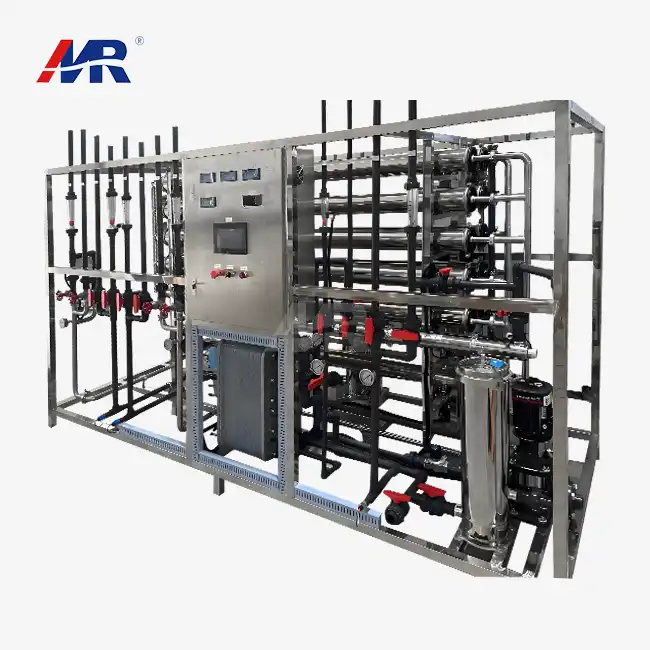 VIEW MORE2000 liters/hour EDI system
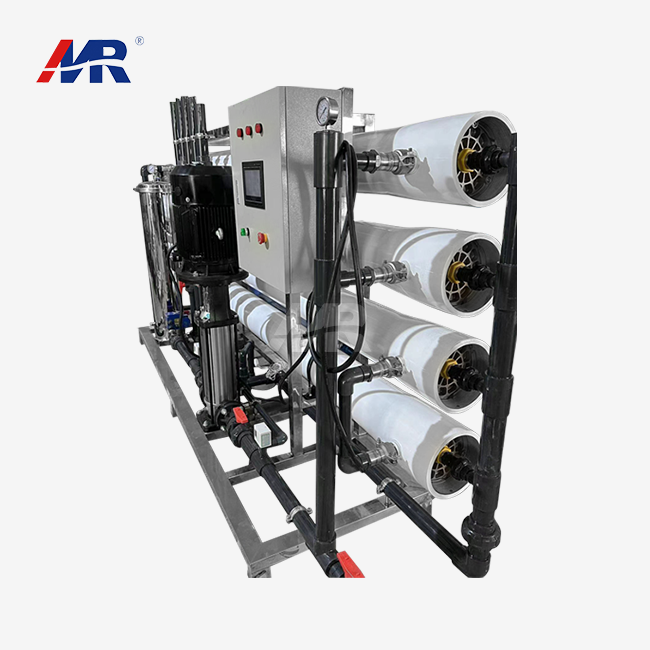 VIEW MOREunder counter reverse osmosis water system
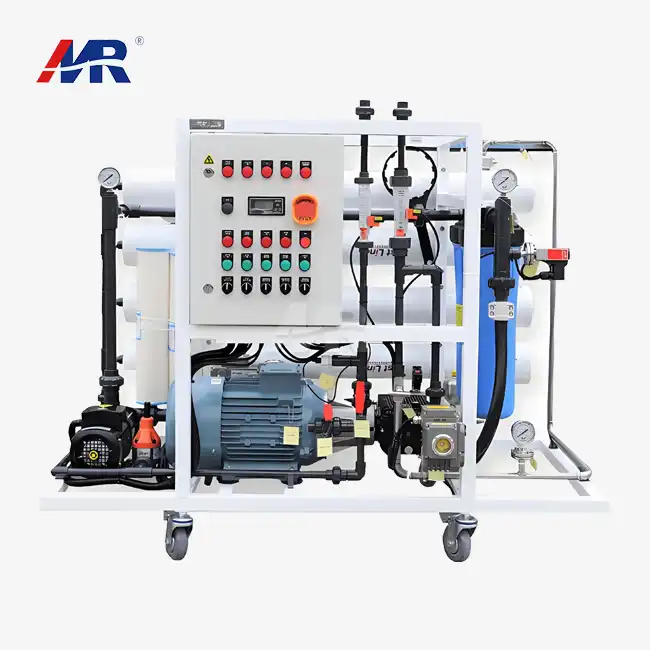 VIEW MORE2m3/hour seawater desalination equipment
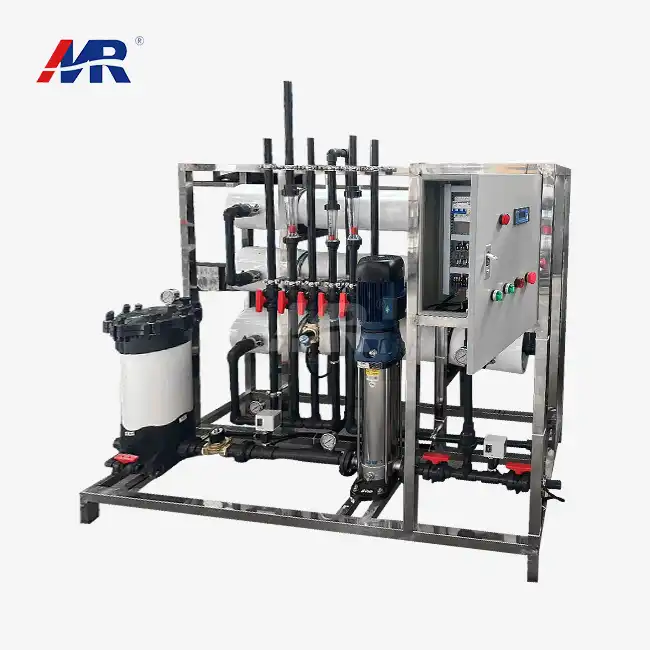 VIEW MORE3T/H reverse osmosis equipment
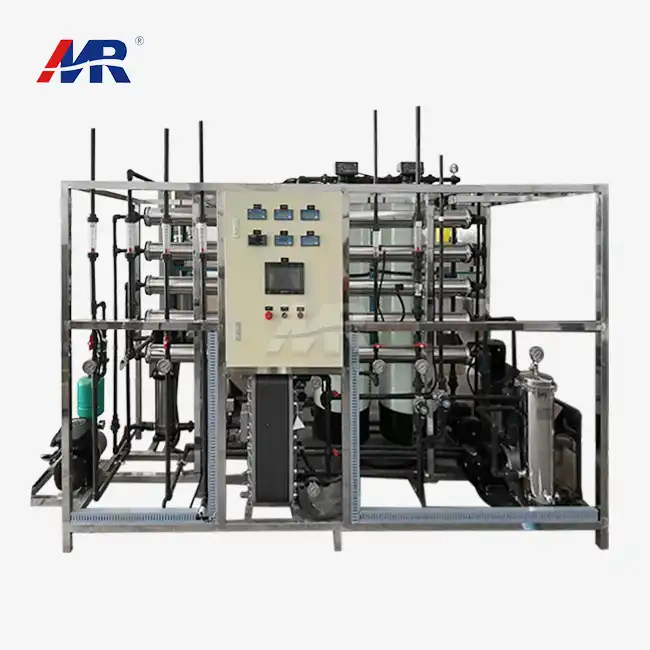 VIEW MOREedi water purification system
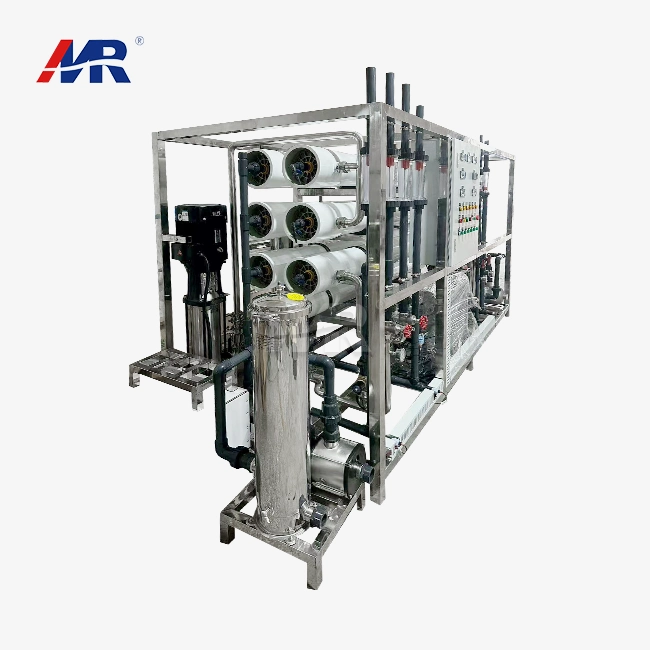 VIEW MOREedi module
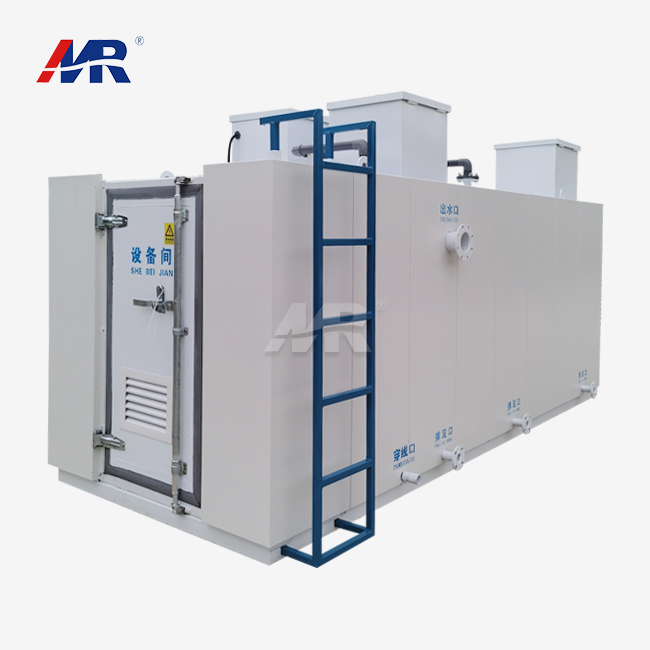 VIEW MOREwastewater treatment plant
 VIEW MOREsubmerged membrane bioreactor
