

_1745823981883.webp)

Finding the Best Reverse Osmosis System for Well Water
If you choose the right reverse osmosis system for well water, the water will be reverse osmosis system for well water safer and better for your business. A lot of iron and manganese, nitrates, and hardness minerals can get into well water and make it dirty. This makes tools work less well and the quality of the result worse. A good RO system does more than just filter water. It also keeps your infrastructure safe, makes sure you follow the rules, and gives you the clean water you need for public uses, food processing, industry, and medicine production. Because I've worked with water cleaning systems for a long time, I know how important it is to pick the right one. If you don't, you could end up spending a lot of money fixing problems.
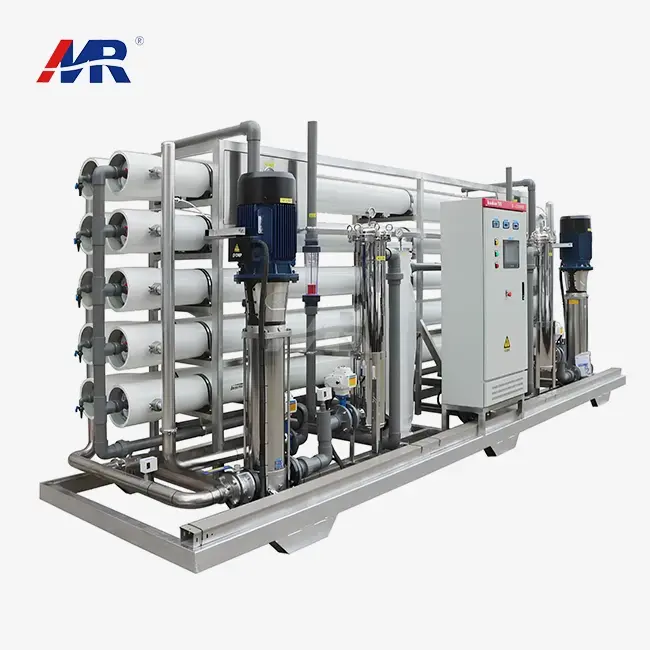
Understanding Reverse Osmosis Systems for Well Water
The Core RO Filtration Process
In reverse osmosis, water molecules pass through a barrier with holes about 0.0001 microns wide, but dissolved solids, germs, and chemical pollutants can't get through. The outside pressure (normally 40 to 100 psi) is used to beat the osmotic pressure and clean the water. This makes RO different from natural osmosis. By being very exact, this process gets rid of 95–99% of most contaminants. This makes the water quality better than what activated carbon and sediment filters can do. A standard design for a system is made up of several steps. First, sediment pre-filters get rid of things that could hurt the membrane. Then, carbon pre-filters get rid of chlorine and organic compounds. The ro membrane does the main separation, and finally, post-filtration makes the final product smooth. The membrane lasts longer and gets rid of all contaminants when it is stacked in this way. People who work in buying systems can compare how well they fix certain water quality issues when they know how this process works.
Well Water Contamination Challenges
Most of the time, well water has more total dissolved solids (TDS) than city water, which usually has less than 300 mg/L. The amount of TDS can be between 500 mg/L and over 1,500 mg/L. Calcium and magnesium, which make the water hard, dissolve along with iron and manganese, which stain and change the taste of food. Arsenic, lead, nitrates, and sulfates are bad elements that also dissolve. Getting dirty with germs from E. If you drink water that has coliform or E. coli germs in it, you should treat it before giving it to other people. When iron levels go above 0.3 mg/L, they mess up the workplace by blocking membranes, changing the color of goods, and breaking delicate factory gear. It is also bad when manganese levels are above 0.05 mg/L. Nitrate amounts above 10 mg/L are very bad for your health. This is especially true in industries like pharmaceuticals and food processing, where clean water has a direct impact on the safety of the goods. When the hardness level is above 150 mg/L, scaling happens faster. This makes tools less useful and needs reverse osmosis system for well water, more maintenance.
Why RO Outperforms Traditional Methods
Other types of filters can get rid of some contaminants, but RO can get rid of all of them. It is possible for sediment screens to catch particles, but not liquid objects. No matter how strong the carbon screen is, chlorine and organic molecules will not be able to get through. Water softeners switch out the minerals that make water hard with sodium, but they don't deal with bacteria, nitrates, or other pollutants that break down. The chemicals and minerals in the water don't change when UV light cleans it. So germs are gone. This is all taken care of by RO systems at the same time. Molecules bigger than water can't get through the semipermeable layer. Heavy metals, nitrates, sulfates, germs, and viruses are all removed at the same time, 95% to 99% of them. This all-around method makes the system easier to use, cuts down on the number of steps needed to clean it, and makes sure that the water quality always meets strict government and industry standards. There must be this level of cleanliness in places that make drugs, electronics, or drinks; anything less would be too dangerous.
Comparing Reverse Osmosis Systems and Alternative Solutions for Well Water
Technology-Specific Contaminant Removal
Ion exchange is a great way for water softeners to get rid of minerals that make the water hard, but it doesn't get rid of TDS, nitrates, or bacteria. It's important to make sure that UV devices let light through so that they can kill germs. They also don't get rid of salts or chemicals. Activated carbon filters get rid of chlorine, some pesticides, and volatile organic chemicals. But they can't get rid of heavy metals or salts that are already in the water. All of the systems are good at some things, but RO is the most adjustable. Reverse osmosis can get rid of a lot of different biological toxins, including heavy metals, nitrates, sulfates, bacteria, viruses, and more. RO is the most important part of plans to treat well water because it can fix a lot of issues. A lot of places use RO along with technologies that work well with it. For example, water softeners are used upstream to protect membranes from hardness scaling, UV systems are used downstream to keep storage tanks free of bacteria, and carbon filters are used to improve taste and smell.
Advantages and Limitations of RO Technology
Reverse osmosis is the best way to remove impurities from water, leaving only clean water that can be used in the tightest situations. Plants that make thousands of gallons of water every hour work well with point-of-use systems that make 50 gallons of water every day. If you take good care of your current RO system, it will work well, and the membrane will last a long time as long as you feed it clean water. When RO is used, though, there are some useful things that need to be thought about. In this process, concentrated waste is created. About 3–4 gallons of water are wasted for every gallon of clean water that is made. This number can be dropped by using more efficient designs, though. Before membranes are used, they need to be properly cleaned so they don't get dirty. This is especially important when well water has a lot of iron, manganese, or hardness. For systems to keep working well, the membranes and filters need to be cleaned and changed often. As a business owner, you need to think about the ongoing cost of energy used for pumping and pressurization of a reverse osmosis system for well water when you figure out the total cost of ownership.
How to Choose the Best Reverse Osmosis System for Well Water
Critical Technical Specifications
When selecting a reverse osmosis (RO) system for well water, it’s essential to consider technical specifications that indicate performance. The effectiveness of the treatment is reflected in the number of filtration stages: simpler three-stage systems typically remove grit, carbon, and contaminants, while more advanced five- to seven-stage systems further purify the water and may add minerals back in. For point-of-use devices, ensure the flow rate aligns with actual needs, while whole-building systems should match operational demands measured in gallons per day (GPD). High-quality RO systems can reduce total dissolved solids (TDS) by 95–99%, which is a key indicator of performance. The type of membrane used significantly affects both efficiency and lifespan. Thin-film composite (TFC) membranes offer superior performance and chemical resistance compared to cellulose membranes, which are less expensive but also less effective and shorter-lived. Membrane longevity generally ranges from two to five years, depending on feed water quality and maintenance practices. The frequency of pre-filter changes is influenced by the level of contamination in the water.
Point-of-Use Versus Whole-Facility Systems
Point-of-use RO systems are designed for specific applications, such as drinking and cooking, and are often installed under sinks or in equipment rooms. They usually produce between 50 and 100 GPD, sufficient for small-scale needs. Installation is straightforward, and operational costs are low; however, they may not meet the demands of larger operations. In contrast, whole-building RO systems treat all incoming well water, protecting fixtures and processes throughout the facility. These systems require higher flow rates—typically 5 to 20 gallons per minute (GPM)—and involve extensive pre-treatment, larger membrane arrays, and additional pumps. While initial costs for point-of-use systems are lower, routine expenses such as filter replacements and energy usage increase proportionally. Choosing between these systems depends on the specific needs of the facility. Point-of-use systems may suffice where only limited processes require high-purity water. However, if contaminants like iron or hard water scaling pose risks to equipment and product quality, a whole-facility solution is advisable. Many businesses opt for a combination approach, using whole-building softeners or sediment filters alongside RO systems for critical applications.
Evaluating System Brands and Configurations
Select systems specifically designed for hard water from reputable manufacturers. Custom-built solutions should include robust pre-treatment processes, durable materials, and monitoring features to detect performance changes. When evaluating service providers, prioritize those with experience handling well water for your specific application. Look for case studies demonstrating successful installations and check for Certifications from recognized organizations ensuring contaminant removal capabilities. Instead of generic solutions, seek providers offering customizable setups tailored to local water conditions. They should conduct thorough water analyses and suggest appropriate pre-treatment methods, compatible membranes, and optimal recovery rates that balance efficiency and durability. Outstanding customer service distinguishes top providers from average ones. Ensure you can easily obtain replacement filters and membranes, access expert support when needed, and confirm that warranties cover all critical components. Established service networks can resolve issues promptly, minimizing downtime and maintaining production efficiency. These factors often outweigh minor price differences when assessing overall value.
Maximizing the Efficiency and Longevity of Your Well Water RO System
Proactive Maintenance Strategies
To ensure optimal performance of your reverse osmosis (RO) system, proactive maintenance is essential. Regular checks can identify issues early, preventing disruptions in functionality. Monthly inspections should include checking for leaks in housings, comparing pressure gauge readings to established baselines, examining tubing for wear, and testing the total dissolved solids (TDS) in the product water to verify membrane performance. Filters should be thoroughly checked every three months, and routine cleaning is necessary to prevent microbial growth. Additionally, ensure that drain lines are functioning correctly to facilitate proper concentrate disposal. Cleaning the membrane is crucial for extending its lifespan. Using appropriate chemicals can effectively remove scale, bacteria, and organic fouling. The frequency of cleaning depends largely on the quality of the feed water; heavily contaminated well water may require cleaning every three months, while cleaner sources might only necessitate annual maintenance. Adhering to manufacturer guidelines for cleaning will help maintain membrane integrity.
Performance Monitoring and Troubleshooting
Establishing baseline performance metrics when the system is installed allows for an effective reverse osmosis system for well water and ongoing monitoring. Key indicators include working pressure, initial flow rate, and TDS measurements for both product and concentrate water. Monthly tracking of these metrics helps identify trends that signal potential issues. A gradual increase in TDS could indicate membrane damage, while rising pressure with declining flow rates suggests fouling that may require filter replacement. Changes in water quality often signal the need for maintenance. Unpleasant tastes or odors typically indicate filter saturation, while cloudy or discolored water points to ineffective filtration or dirty holding tanks. Scale buildup on taps can suggest hard water issues, usually linked to problems with the RO or softening systems. Addressing these signs promptly is crucial to avoiding equipment damage and health risks. Many modern RO systems feature computer tracking that alerts operators when filters need changing or membranes require cleaning. These smart systems streamline maintenance processes and minimize downtime. Even in simpler setups, maintaining manual logs and training staff to recognize problems can facilitate quick troubleshooting.
Emerging Technologies and Innovation Trends
Recent advancements aim to enhance RO efficiency and durability. Energy recovery devices can significantly reduce costs by alleviating pressure in concentrate lines, resulting in savings of 20% to 30%. New barrier materials improve filtration effectiveness and require less frequent cleaning. Cloud-connected smart tracking systems can diagnose issues remotely, allowing for timely maintenance and preventing downtime. Integrating RO with complementary technologies can enhance overall performance. For instance, RO-edi systems produce ultrapure water suitable for pharmaceuticals and electronics, while combining RO with UV treatment can keep holding tanks free from microbes. Additionally, high-recovery membranes and solar-powered RO solutions contribute to sustainability efforts, reducing water waste and operational costs. These innovations are not just advantageous but are increasingly becoming necessities as environmental regulations tighten and sustainability concerns grow.
Conclusion
To pick the best reverse osmosis system for well water, you should carefully consider your specific problems with contamination as well as your short- and long-term goals. Well water has its own set of contaminants, such as high TDS, hardness minerals, iron, manganese, and possibly dangerous substances like bacteria and nitrates. To get rid of all of these, it needs RO technology. Procurement experts make sure that decisions about water quality, running economy, and following the rules are based on correct system specs, setup comparisons, maintenance planning, and staying up to date on new technologies. When companies in cities, such as food processing, manufacturing, and medicine, buy the right RO systems, they save money on tools, make sure the quality of the product, and stay open for a long time.
FAQ
1. Can reverse osmosis effectively remove iron from well water?
95–98% of the time, RO screens can get rid of dissolved ferrous iron (Fe2+). Iron that has been corroded, on the other hand, makes bits that quickly clog membranes. To make the treatment work, the water must first be pre-oxidized by bubbling or chemical treatment. It then needs to be filtered through sediment before it gets to the RO step. Water softeners can also get rid of iron levels that aren't too high (below 5 mg/L) before RO systems. A lab test can tell you the basic type and amount of your iron, which will tell you how to handle it best.
2. How does hard water affect reverse osmosis systems, and what pre-treatment is recommended?
Hard water speeds up the process of scaling on RO membranes, which makes flow rates much slower and shortens the life of the membranes. If the hardness level is more than 150 mg/L, the water generally needs to be softened, or a chemical that stops scale from building up needs to be added before it can be used. Calcium and magnesium are switched out for sodium in water softeners. This keeps scale from building. The structure of rock crystals is changed by anti-scalants. This stops scale layers from growing. When you do these things and clean the membranes on a frequent basis, they help RO systems that deal with hard well water and make the membranes last from months to years.
3. What is the typical lifespan of an RO system treating well water?
As long as you take care of it, the parts and housings should last between 10 and 15 years. Depending on how dirty the water is and how well the pre-treatment worked, RO filters that clean well water need to be changed every two to five years. Based on how much grit and dirt they hold, pre-filters need to be changed every three to twelve months. How the water is used, how well it is kept, and the quality of the water all affect how long the system lasts. Taking good care of systems and making sure they are ready to use makes them last longer than imagined. On the other hand, systems that aren't taken care of break down quickly, no matter how good they were to begin with.
Partner with Morui for Comprehensive Well Water RO Solutions
If you are having trouble with your well water, Guangdong Morui Environmental Technology can help. They have been cleaning water for over ten years. A well-known reverse osmosis system for well water providers, our cleaning systems have been used in public and private places, as well as in the food and drink, medicinal, and industrial sectors. Our engineers carefully check the quality of the water and make specialty RO systems that are just right for your needs in terms of pollution level and volume.
We can do everything for you, from figuring out what technology to use to setting it up, making sure it works, and giving you ongoing help. We run our business with the help of 14 branches, 500 hardworking employees, and 20 expert engineers. Plants that make membranes and plants that handle tools are both part of our manufacturing skills. We can keep an eye on quality and keep prices low this way. We work with well-known part brands like Shimge Water Pumps, Runxin Valves, and Createc Instruments to put together strong systems that use the best parts.
Morui has a lot of different goods and technical know-how to help you fix your well water issues. They can set up point-of-use systems for specific uses or whole-facility systems to protect your whole business. Send us an email at benson@guangdongmorui.com to tell us about your needs, get detailed quotes, and learn how our services can help your business in the long run.
References
1. American Water Works Association. (2021). Reverse Osmosis and Nanofiltration: Manual of Water Supply Practices M46, Second Edition. Denver: AWWA.
2. Greenlee, L. F., Lawler, D. F., Freeman, B. D., Marrot, B., & Moulin, P. (2009). Reverse osmosis desalination: Water sources, technology, and today's challenges. Water Research, 43(9), 2317-2348.
3. National Ground Water Association. (2020). Private Well Water Treatment Systems: A Guide for Homeowners. Westerville: NGWA Press.
4. Bergman, R. A., & Sutherland, K. (2018). Membrane Technology in Water and Wastewater Treatment, Second Edition. Cambridge: Royal Society of Chemistry.
5. Water Quality Association. (2019). Technical Application Bulletin: Reverse Osmosis Systems for Problem Well Water. Lisle: WQA Technical Services.
6. Elimelech, M., & Phillip, W. A. (2011). The Future of Seawater Desalination: Energy, Technology, and the Environment. Science, 333(6043), 712-717.
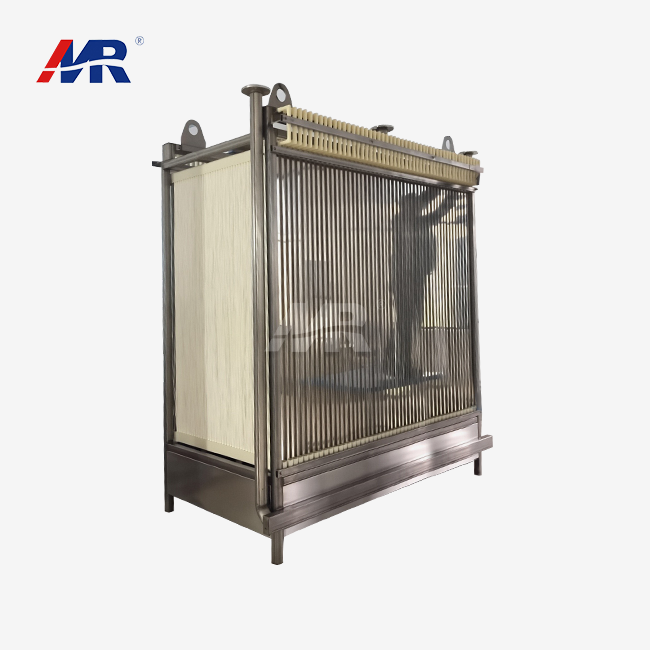 VIEW MOREsubmerged membrane bioreactor
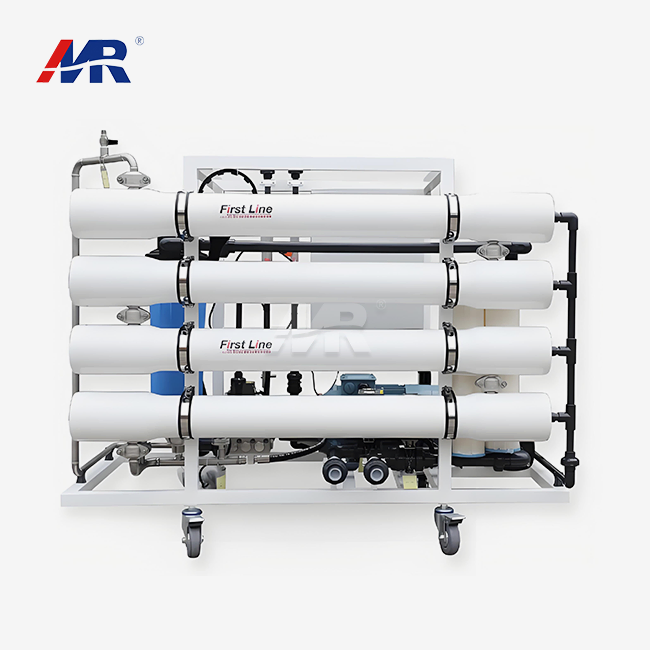 VIEW MOREseawater desalination equipment
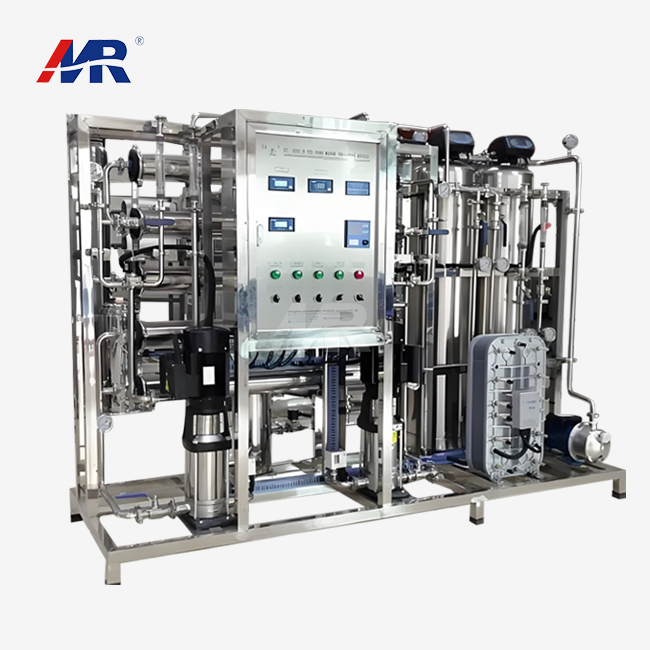 VIEW MORE1000LPH EDI system
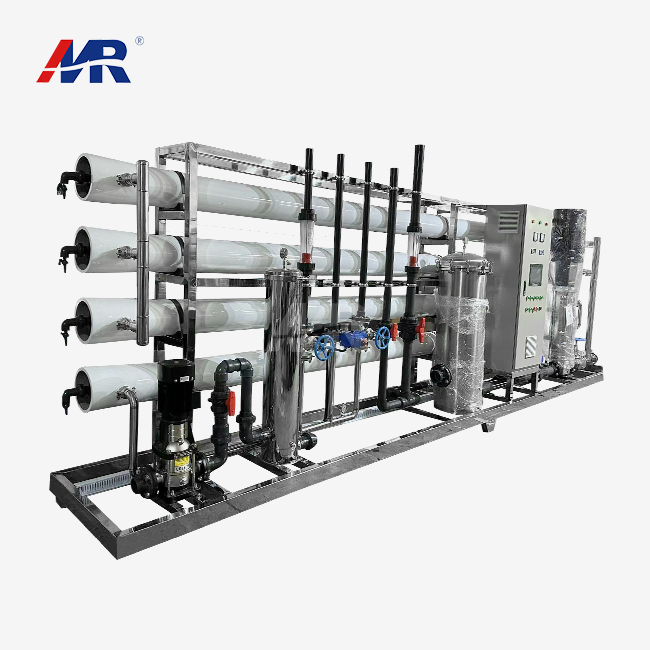 VIEW MOREreverse osmosis plant
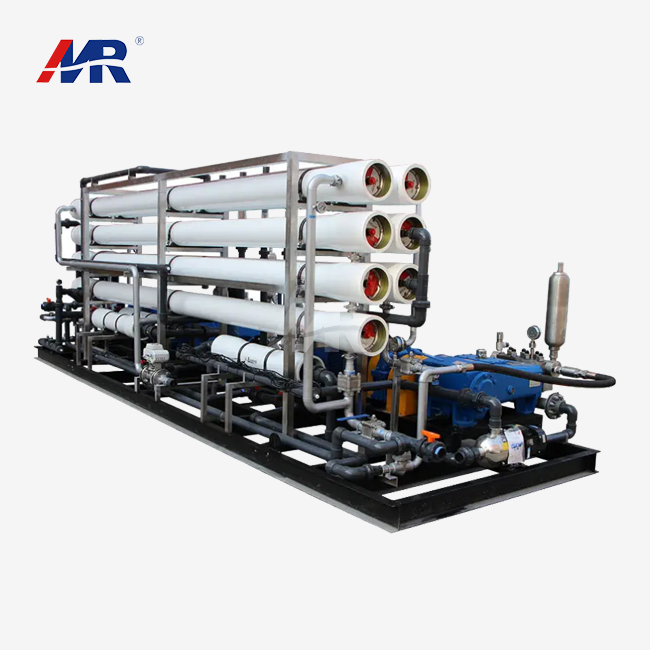 VIEW MOREseawater desalination machine
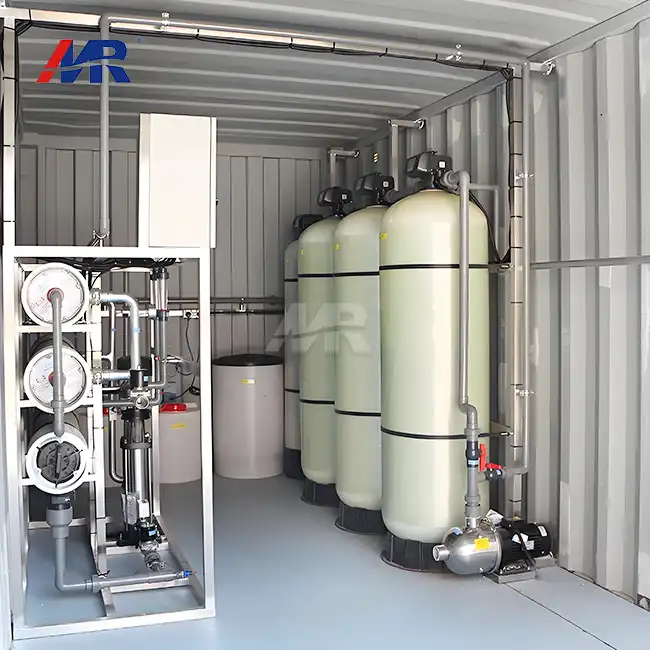 VIEW MOREcontainer type 3m3/hour RO equipment
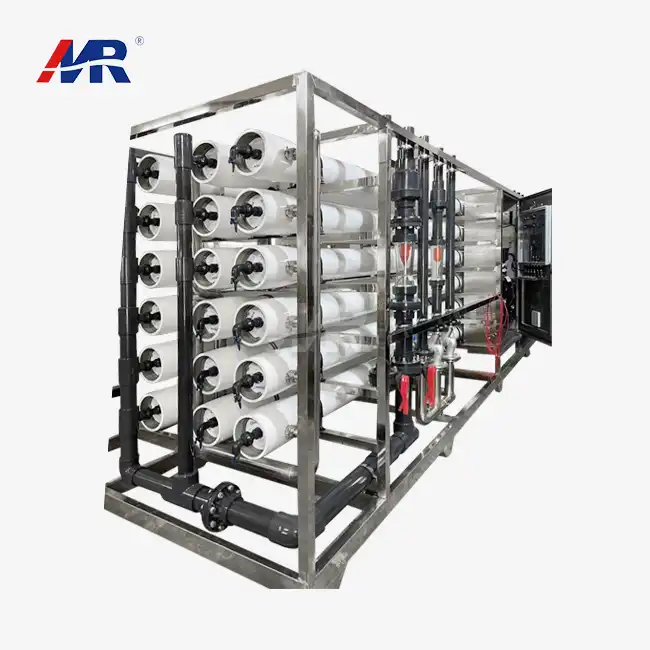 VIEW MORE100m3/hour reverse osmosis equipment
 VIEW MOREcontainerized ultrafiltration equipment
