_1745823981883.webp)

Reverse Osmosis Water with Remineralization: Is It a Good Add-on?
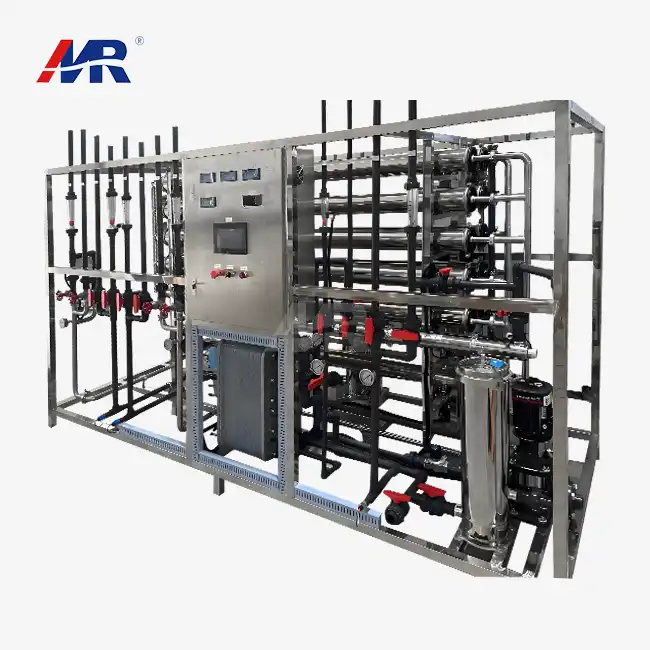
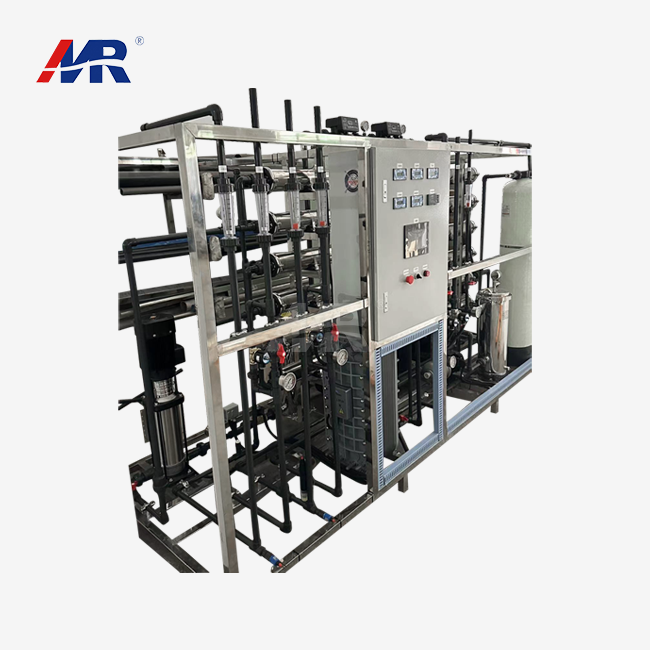
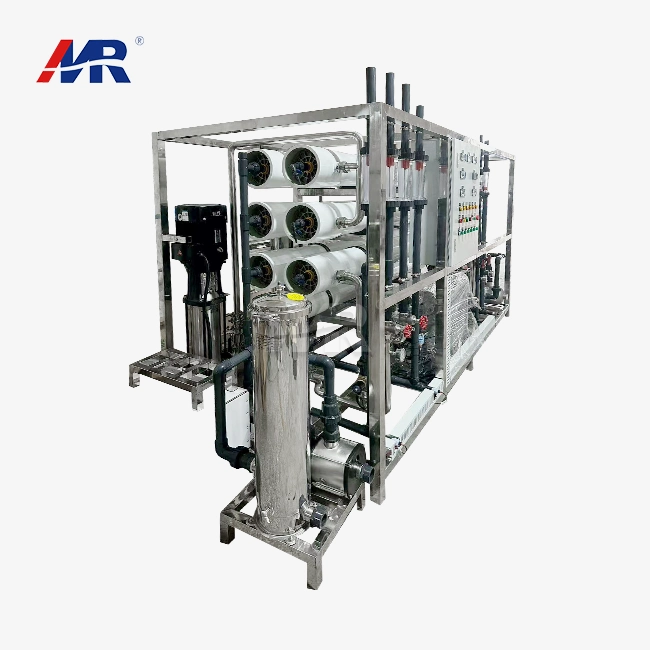
Remineralization is the process of adding minerals back into clean water ro system with remineralization after reverse osmosis (RO). This makes the water mineral-rich and well-balanced so that it can be used in many ways. A big problem with traditional RO technology is that it loses helpful minerals during the cleaning process. An ro system with remineralization fixes this problem. Adding nutrients like calcium and magnesium back into water makes it taste better, keeps the pH level steady, and makes the water better overall. This change is helpful in areas that need to be clean and have the right amount of minerals, like making food and drinks, and using them in medicine. Remineralization isn't always needed; it depends on the needs of the business, the law, and the standards of the end user. This means that it's not a must, but more of a choice.
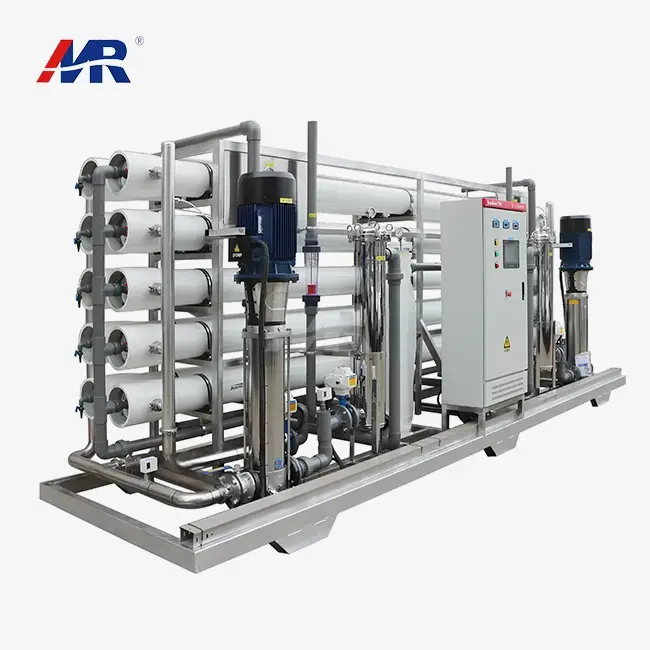
Understanding Reverse Osmosis and the Role of Remineralization
How Reverse Osmosis Technology Works
Reverse osmosis moves water through a semipermeable barrier while it is under pressure. This gets rid of up to 99% of the solids, contaminants, and impurities that are in the water. After this process, very clean water is made that passes strict standards for use in business, medicine, and labs. It is possible for water molecules to pass through the RO barrier, but not particles, germs, viruses, heavy metals, or chemical compounds. It is this process that requires RO technology in places that bottle water, clean water for medicinal use, and make semiconductors with ultrapure water.
The Mineral Depletion Challenge
RO is great at getting rid of harmful things in water, but it also takes away minerals that are good for it. Trace elements like calcium, magnesium, potassium, and others that make water tasty and good for you are taken away, along with things that aren't needed. Most of the time, the pH of the water is between 5.0 and 6.5, which means it is slightly sour. When the mineral content is important, like when making drinks, boiling water, or making drinking water, this loss of minerals makes things harder. Natural water sources with the right amount of minerals can make pure RO water taste or feel "flat" to people who are used to drinking them.
What Remineralization Accomplishes
Remineralization is a controlled process that adds minerals back to clean water through tubes that hold mineral mixes. These tubes break down exact amounts of calcium carbonate, magnesium oxide, and other chemicals as water flows through them. When the process is done, the alkalinity is restored, the pH is raised to normal or slightly alkaline levels (generally 7.0–8.5), and the taste is better. People who live in places with drinking water standards can follow the rules more easily when minerals are added to the water through remineralization. In this focused step after treatment, RO's cleaning benefits are kept in the RO system with remineralization while its flaws are fixed.
Why Is Remineralization Important After RO Filtration?
Health Considerations and Mineral Balance
If you use demineralized water for a long time, I wonder what will happen to your health in the long run. Researchers have found that drinking water gives us 5 to 20% of the minerals we need every day, including minerals like calcium and magnesium. This is especially true for groups whose food doesn't change much. The body might need to get these minerals from food or stored reserves more if they aren't in the water. Studies in people have shown a link between drinking water that is low in nutrients and heart problems. However, it is still not clear what causes these problems. There's no doubt that mineral-rich water helps the body stay hydrated and keep pH levels stable. The amount of minerals in drinks and drinking water is important to companies that make them because it affects how well they sell and where they stand in the market.
pH Stability and Corrosion Prevention
Normal RO water that is acidic is bad for infrastructure for reasons other than health. Water with a pH below 7.0 is more likely to corrode and damage pipes, fittings, holding tanks, and lines that carry water. Metals are released into the water by this rusting, which could make it even dirtier and make cleaning up less useful. Metal pollution can lower the quality of goods and make it harder to follow the rules in places like hospitals, food processing plants, and drug labs. Remineralization brings the pH up to a neutral or alkaline level. This creates a safe buffer that keeps the quality of the water high throughout the transport system and makes devices last longer. Most of the time, buying remineralization technology is a good idea because it saves money on costs like upkeep and repairs.
Regulatory Alignment and Quality Standards
International standards say that the mineral content of drinking water is becoming more and more important. The WHO says that to stay healthy, people should get at least the amount of calcium and magnesium that they say they should. There are rules in the European Union, India, and some Asian countries that say bottled water has to have a certain amount of minerals. These rules are different for places that move goods or do business in more than one state. With a ro system with remineralization, you can change the mineral ratios to meet the needs of the market. This gives you more working options. With this feature, it's easier to follow the rules, and you don't have to change as many recipes or production lines for each market.
Selecting and Installing Remineralization Filters for RO Systems
Evaluating Filter Technologies and Specifications
There are different remineralization pills for different uses that use the ro system with remineralization, different mineral mixtures, and ways to release the minerals. It is safe to drink water that has been filtered with calcium carbonate. Mixed magnesium oxides make food taste better and are good for your heart. Refills that are both alkaline and mineral let you change the pH level and add minerals in one small package. Depending on the minerals in the water and how fast it flows, the filter can hold anywhere from 3,000 to 20,000 liters. People choose a system based on the features of the source water, the end TDS levels they want, their pH goals, the flow rates they need, and how easy it is to maintain. To make sure the mixture works well, the technical specs should match the pressure, temperature, and building ranges of the system.
Installation Best Practices and System Integration
This keeps the system pure, and remineralization works best when it is set up properly. These should be put in place after the RO membranes and any post-treatment steps, such as UV cleaning or activated carbon filters. Minerals can change the water's quality, but this process stops them from blocking the membranes. For water hookups, you need materials that are safe for food and don't build up minerals. Most of the time, stainless steel and high-density polyethylene are used. Bypass valves should be installed so that repairs can be made without having to shut down the system. This is very important in places where people work all the time.It is helpful for business systems that are right after the remineralization steps to keep an eye on pH and TDS in real time. These steps let you know when the cartridge needs to be changed and make sure the filter is working properly.
Maintenance Requirements and Lifecycle Management
Every six to twelve months, remineralization filters need to be changed. This depends on how much water is going through them and what chemicals are in the water source. A lot of work should be done in places that keep extra parts on hand so that there isn't too much downtime during service times. To replace a cartridge, all you have to do is let air out of the case, open the sump, remove the old cartridge, insert the new one, and close the sump. It is important to clean something for 5 to 10 minutes after replacing it to make sure that all the minerals are gone and the system is stable before it can be used again for output. Checking the water quality to see how well the cartridges are working helps set up refill times that work best for the way the facility really works. When you replace something too soon, you lose resources, and when you replace it too late, you risk losing quality. Keeping upkeep logs with readings of water quality, filter lot numbers, and installation dates can help you be more responsible and figure out why there are quality issues. It can be easier to follow GMP rules in pharmacy settings and HACCP rules in food production settings if you work with the people who make the tools on regular repair plans.
Procurement Insights: Buying RO Systems with Remineralization Features
Market Landscape and Supplier Capabilities
There is a lot of different water treatment technologies on the market, from small tools for homes to big treatment plants. Looking for a RO system with remineralization for business uses? Procurement teams should check out a supplier's technical skills, production quality, service networks, and experience in the field. Brand-name manufacturers can show that their Products follow certain rules, like the NSF/ANSI standards for drinking water, the FDA's register for medical equipment, and the CE marking for European markets. When you look at a supplier's collection, you can be sure that the tools they offer will work well and that they can give you good advice. Regional availability of service and new parts in an area has a big impact on how well processes run. It's faster to get replacement parts and fix things that need to be fixed right away when they come from local sources with distribution networks. Tech companies give guarantees that last between one and five years because they know the tech will last that long. Full service agreements, on the other hand, are often a better deal than just longer guarantees. If buying teams want to be sure that the service and performance standards they are promised are met, they should ask current customers in similar industries and working scales for examples.
Specification Development and Bid Evaluation
To get the best deals, it's important to be clear on the water quality requirements, output amounts, RO system with remineralization, and speed limits. The water source, the quality standards you want the product to meet, the flow rates you need, the size of your area, the services that are available, and any automation needs you have should all be in the technical specs. With this information, service providers can give you tools that are the right size instead of just about any size. When businesses ask for bids, they should include lifetime cost figures that take into account things like expected service life, energy use, refilling of consumables, and maintenance work. To decide which bids to accept, the total cost of ownership over the projected life of the tools should be weighed against the cost of capital at the start. It's possible for cheaper systems to have higher running costs if they have problems like pumps that don't work well, membranes that need to be changed often, or goods that can only be bought through expensive sole-source channels. A scientific study should look at the quality of the membrane, how well the pump works, how complicated the control system is, and how simple it is to keep up. If you want to really compare different plans in a financial analysis, you should make sure that you have the same ideas about how much energy costs, how much is made, and how much things cost.
Implementation Planning and Vendor Partnership
System integration is more than just providing the equipment; it also includes setting it up, getting it running, showing the operators how to use it, and checking to see how well it's working. In procurement contracts, it should be clear who is in charge of linking the utilities, getting the building ready, starting the job, and turning in all the paperwork that needs to be done. The seller oversees the installation to make sure that the design standards are met and the warranty is still good. Operators are fully trained in simple repairs, regular maintenance, and safety rules that are specific to the tools they will be using. It is important to make sure that systems that have been put in place work as promised in the real world through performance acceptance testing. They keep track of flow rates, refusal rates, recovery efficiency, power use, and the quality of the water that comes out, just like the deal said they would. Having these standards in place saves the buyer and lets you see how well things are going over time. After the first transaction, it's worth a lot to keep in touch with sellers who can offer better deals on products, faster service replies, and expert advice. Businesses are better able to grow as their needs change when they have strategic ties with companies that can help them with growth or changes in technology.
Conclusion
That being said, remineralization is a useful add-on for reverse osmosis systems that are used when taste, mineral content, and pH balance are important. By adding remineralization steps, standard RO technology can get the cleanest water for industrial uses. However, drinking water, food and drinks, and other things that people use have problems when demineralized water is used. Remineralization won't be added until business goals, legal obligations, and what end users want have been carefully considered. When systems are set up and maintained properly, they offer real benefits such as better product quality, safer infrastructure, and following the rules. When buying staff buy investments in water treatment, they should not only look at the original prices, but also at the total lifecycle value. This is because better water quality helps the business reach more goals than just making sure the water is clean.
FAQ
1. Is remineralization necessary for all RO applications?
It is helpful to remineralize things when the amount of minerals in them impacts the quality, sales, or compliance with government rules. The right elements are needed to make drinks, boil water, and make drinking water. Remineralization wouldn't work in places where medicines, electronics, and ultrapure water are made or used because they need water that doesn't have any minerals in it. The needs of each program should guide the decisions you make about system specifications.
2. How often do remineralization cartridges need replacement?
How often you need to change it is based on how much water you use and the chemicals that are in it. Pumps in homes that handle 5 to 10 gallons of water every day might not need to be changed for 8 to 12 months. Every three months, commercial systems with higher flow rates might need to be changed. Instead of making replacement plans at random, keeping an eye on the pH and TDS of the product gives you data-driven ones. By keeping performance logs, the best times for each building can be set based on how things really work.
3. Can remineralization systems be added to RO systems that are already in place?
Remineralization tablets are a simple addition that can be made to most basic RO systems. To make the change work, a cartridge case needs to be added after the steps that are already there. For water hookups, standard parts that work with the way systems are designed now are used. Putting new parts on old systems is a lot less expensive than changing the whole thing, and it makes a big difference in how good the water is. With technical help, you can be sure that the link and size are correct.
Partner with Morui for Advanced RO System Solutions
Guangdong Morui Environmental Technology is an expert at offering full water treatment systems, such as a RO system with remineralization options that are strong enough for commercial use. Our engineering team comes up with one-of-a-kind solutions for many types of businesses, such as those that make drugs, food and drinks, desalinate oceans, and give cities water. We offer full services, from the initial design to installation, testing, and continued support. We have over 500 committed professionals, 20 experienced engineers, and our own facilities for making membranes. Because we are authorized sellers for Shimge Water Pumps, Runxin Valves, and Createc Instruments, we use high-quality parts that make sure the goods work well and won't break. Whether you need a RO system with remineralization for a new building or a large piece of public infrastructure, our 14 regional branches can help you quickly and locally. They are backed by organized technical knowledge. Email benson@guangdongmorui.com to talk to our application pros about your specific needs. Questionnaires are welcome from the ro system with remineralization suppliers looking for ways to work together and buying teams looking for new ways to treat their sites.
References
1. World Health Organization. (2017). Guidelines for Drinking-water Quality: Fourth Edition Incorporating the First Addendum. Geneva: WHO Press.
2. Kozisek, F. (2020). "Health Risks from Drinking Demineralised Water." Water Quality and Health: Global Perspectives, 3rd Edition. London: IWA Publishing.
3. American Water Works Association. (2019). Reverse Osmosis and Nanofiltration Manual of Water Supply Practices (M46). Denver: AWWA.
4. National Research Council. (2018). Drinking Water Distribution Systems: Assessing and Reducing Risks. Washington, DC: National Academies Press.
5. Cotruvo, J., & Bartram, J. (Eds.). (2019). Calcium and Magnesium in Drinking Water: Public Health Significance. Geneva: World Health Organization.
6. International Desalination Association. (2021). Industrial and Commercial RO System Design Guidelines. Topsfield: IDA Technical Publications.