_1745823981883.webp)

Choosing the Best RO System with Remineralization for Healthier, Tastier Water
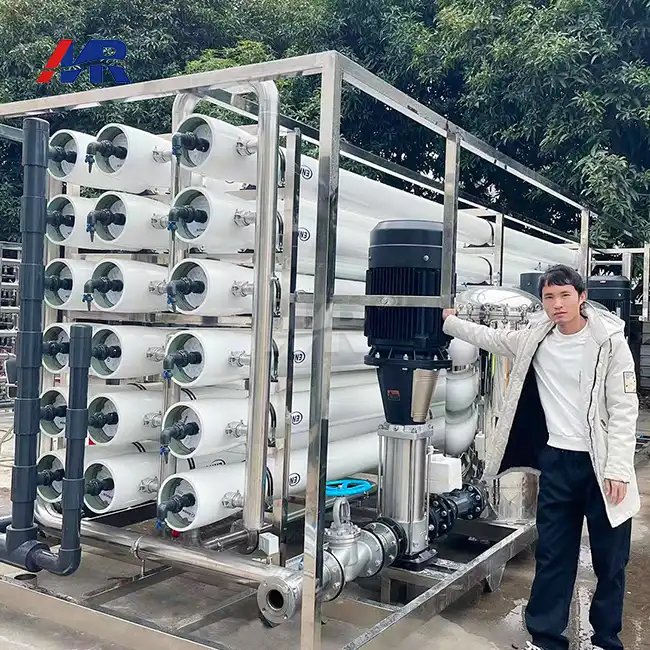
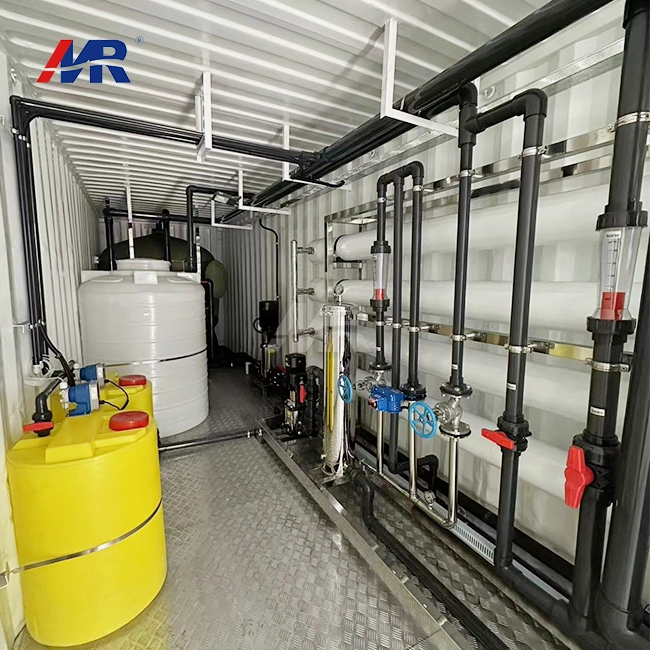
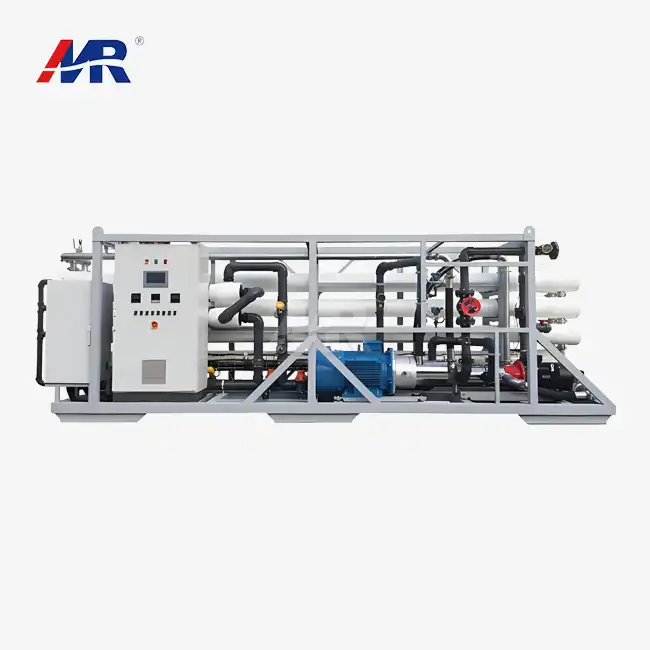
When companies put money into water treatment systems, the problem isn't just getting clean water; it's also getting water that workers want to drink. A RO system with remineralization fixes this problem by mixing reverse osmosis filtration with adding minerals back into the water. This makes the water very pure and naturally a RO system with remineralization balanced. This technology gets rid of impurities and adds back minerals like calcium and magnesium, making a taste that makes you want to drink more water and supports health programs at work. Business-to-business buying workers who want to improve the quality of water in the workplace, while also cutting costs and making sure the system works reliably, need to know how important it is to choose the right remineralizing reverse osmosis system. This piece gives basic information about how remineralization works, important comparison criteria for different systems, buying strategies that are tailored to business needs, and reliable brand reviews. This information helps readers make decisions that are good for their health and their budget.
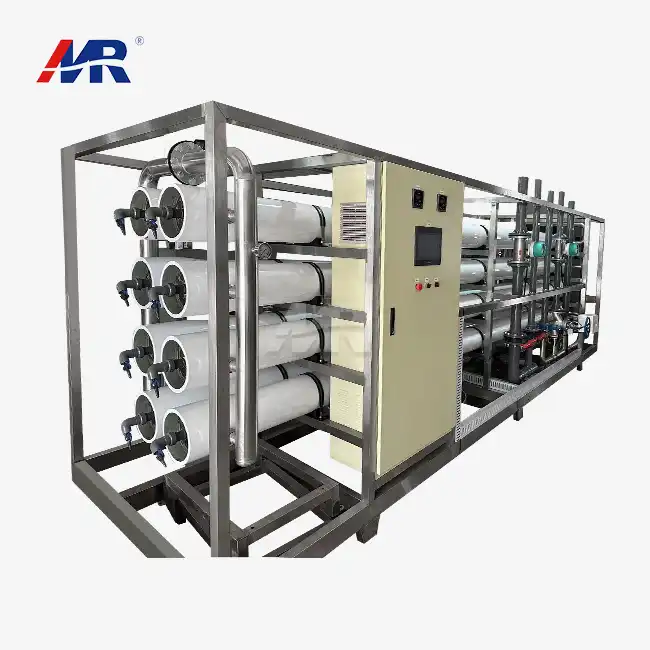
Understanding RO Systems with Remineralization: How They Work and Why They Matter
The use of reverse osmosis technology has changed the way water is treated in many fields, from making medicines to processing food. The process pushes water through semi-permeable filters that remove up to 99% of the dissolved solids. This makes the water very clean. However, this thoroughness causes a surprising problem: the water that is left tastes flat and slightly acidic, and its pH often falls below 6.5. A ro system with remineralization is designed specifically to address these chemical changes.
The Remineralization Process Explained
This problem can be fixed by adding some minerals back in after the RO filter step. Specialized tubes with calcite, mineral stones, or ceramic media slowly release good minerals back into the clean water. Minerals like calcium carbonate, magnesium oxide, and potassium salts are often returned. These are the same chemicals that give natural spring water its unique taste and health benefits. By raising the pH to a more balanced range between 7.0 and 8.5, this process makes water taste better and supports body functions better.
Why Pure RO Water Needs Mineral Restoration
Standard reverse osmosis systems make water that is so clean that it might not be safe to drink. According to studies included in the World Health Organization's standards on drinking water quality, drinking demineralized water on a regular basis might not help people get enough minerals, especially in groups that don't eat a lot of different foods. Aside from health concerns, demineralized water actively tries to balance its mineral content by absorbing minerals from lines, storage tanks, the RO system with remineralization, and even containers, which could introduce substances that aren't needed.
Remineralization Filters vs. Alkaline Filters
Alkaline ionizers and remineralization screens work in different ways, even though they are sometimes mixed up. Minerals are quietly broken down by touch with remineralization cartridges, which creates a stable, naturally balanced water makeup. Electrolysis is used by alkaline ionizers to briefly raise pH and make ionized water with a different oxidation-reduction potential. Remineralization gives reliable, regular results that are good for industry uses where water chemistry needs to stay stable during shifts and production cycles.
Key Comparison Factors for Choosing the Best RO System with Remineralization
To choose the best RO system with remineralization, you need to look at a number of factors that have a direct effect on operating efficiency, employee happiness, and the total cost of ownership. The choice involves weighing the benefits of long-term practical savings against the costs of instant capital purchases.
Water Quality Improvement and Health Impact
Systems that have remineralization steps built in make it easier for water to enter. Taste tests done in business settings regularly show that more than 75% of people prefer remineralized RO water to normal RO output. The mineral repair changes more than just how good it tastes; it also changes how well it hydrates. Water with the right amount of minerals helps cells absorb it better, which boosts productivity at work, especially in physically demanding jobs or climate-controlled offices where dehydration is common but not noticed.
Operational Costs and Maintenance Demands
To get a full picture of the costs, you need to look beyond the original cost of the tools. Standard RO systems need to have the membrane replaced every two to three years, the pre-filter changed every three months, and the system sanitized from time to time. Adding remineralization means replacing the cartridge once more a year, which usually costs between $40 and $120, based on the size. However, this extra cost is often worth it when compared to other options, such as buying bottled vitamin water or dealing with unhappy employees who can't get enough water to drink. When systems are properly defined, they are easy to maintain. These days, remineralization filters work perfectly with current filtration trains and don't need any extra power, controls, or special tools to be replaced. Because they are so simple, these devices are great for places that don't have specific maintenance staff.
Brand Comparison and Feature Analysis
In the industrial water treatment area, a number of companies have built strong names. Pentair systems are known for being well-built and having extensive support networks. This makes them good for businesses that need to meet uniform performance standards in multiple locations. APEC makes systems with clear specification sheets and easy access to new parts, which makes them appealing to buying teams that are in charge of a wide range of equipment. Kent has reasonable prices and good performance for small to medium-sized tasks, but service access may be different in different areas. Procurement workers should carefully look at Certifications when comparing choices. The NSF/ANSI Standard 58 certification backs up claims that a RO system works well, and the NSF/ANSI Standard 61 certification shows that the materials used in its parts are safe for drinking water. These validations by a third party lower the risk and the RO system with remineralization make compliance paperwork easier for businesses that have to follow rules.
Procurement Guide: How to Source the Best RO System with Remineralization for Your Business
To do effective buying, you must first correctly define requirements based on how they will be used in the real world, not on theoretical maximums. This method avoids over-specification while making sure there is enough capacity for an RO system with remineralization during times of high demand.
Identifying Your Specific Business Needs
Seasonal changes, the number of employees, and job plans should all be taken into account when planning capacity. A factory with 200 workers on two shifts needs 50 to 75 gallons of clean drinking water every day, but this amount goes up a lot in hot places or jobs that require a lot of physical work. In most office settings, 0.25 gallons per person per day is used. Aside from drinking water, you should also think about whether the system will provide break room appliances like coffee makers or ice machines, which can have a big effect on the total amount needed. The application environment is just as important. Businesses that serve food may need methods that meet FDA standards for food handling. For quality control systems, companies that make electronics need to write down the water specs. If medical facilities want to use pure water for clinical purposes, they need to think about the USP standards for that.
Sourcing from Reliable Suppliers and Distributors
The channels of procurement have a big effect on both prices and the level of ongoing help. Authorized dealers give factory training, handle warranties, and give customers access to original substitute parts. Direct connections with manufacturers are helpful for businesses that run more than one location or need custom setups. Online industrial sellers may not offer a lot of expert help, but their prices for basic models are usually reasonable. When considering providers, carefully look into how they handle filter replacement. Systems that need special cartridges that can only be bought from one source make the supply chain less secure. If suppliers keep new filters in stock locally, they can ship them overnight, reducing the chance of downtime during unplanned maintenance.
Warranty Terms and After-Sales Support
Different makers offer very different warranty coverage, which should be taken into account when figuring out the total cost. Standard guarantees usually cover problems with the way the product was made for one to three years. However, because membranes are so sensitive to changes in water quality, they usually have their own coverage terms. For budget predictability's sake, extended warranty choices may come in handy, especially in places where large unplanned capital costs need a lot of approvals. After-sales help is more than just fixing problems when they happen. Leading providers offer installation help, starting support, and operator training that speed up the process and lower the number of mistakes made by users. When water quality directly impacts production schedules or legal compliance, technical help that is quick to respond is very important.
Why Leading Brands' RO Systems with Remineralization Are Trusted by Businesses Worldwide
Well-known companies have gained trust around the world by consistently delivering high-quality Products and coming up with new ideas to solve real-world business problems. Their methods for the RO system with remineralization are better because they've been used in the field for decades and have been improved over time based on different uses and water conditions.
Proprietary Technology and Performance Consistency
Modern remineralization systems use carefully planned RO systems with remineralization mineral mixes that keep the water's chemistry stable even when the flow rate and temperature change. Pentair's mineral cartridges were created after a lot of study. They keep the pH and mineral content fixed even as the media slowly wears down. This makes sure that the water quality stays within the specifications for the entire cartridge's service life. This level of uniformity gets rid of the differences in taste that make people doubt the quality of the water. Membrane technology is another important thing that sets us apart. Thin-film composite membranes from well-known brands have consistent rejection rates and last longer if they are kept properly. These membranes are more reliable than cheaper options at handling difficult feedwater chemistry, which means they are less likely to fail unexpectedly and stop operations.
Industry Certifications and Compliance Assurance
In controlled industries, procurement managers depend on thorough certification paperwork to meet the needs of auditors and inspectors. Systems that are approved to more than one worldwide standard make it easier to follow the rules in different places. In North America, NSF licensing is a known seal of approval, and in Europe, CE marking makes operations easier. Keeping up with ISO 9001 quality control systems is a sign that a company is committed to regular production standards.
Real-World Performance in Commercial Settings
A regional healthcare network with seventeen offices put in remineralizing RO systems after staff complained about the water pumps that were already in place. Within three months, people drinking water from office fountains went up by 34%, while buying bottled water went down by the same amount. Employee happiness polls showed that rates of workplace amenities got better, which shows that water quality affects how much a company cares about the workplace as a whole. To improve the quality of their process water, a food preparation plant that sells ingredients to big beverage companies added remineralization to their current RO system. Mineral-balanced water got rid of the need to change the pH of some products, which sped up production and cut down on chemical handling. This case shows that remineralization can be useful for more than just drinking water.
Conclusion
Deciding on the right ro system with remineralization is an investment in the health and efficiency of your workplace. The technology makes sure that people get clean, tasty water that keeps them hydrated and takes away their worries about getting exposed to contaminants. When business leaders are looking at their choices, they should give more weight to systems from manufacturers with a history of success, large support networks, and clear design documents. Long-term worth is realized through proper installation, upkeep, commitment, and supplier ties. Companies that carefully match the system's powers to their real needs always have better results than those that only try to cut costs at the start.
FAQ
1. Is remineralized RO water safe for long-term consumption in workplace settings?
Remineralized reverse osmosis water is safe to drink all the time and is often better than regular RO water. The remineralization process adds back the calcium, magnesium, and other minerals that are naturally found in spring water. These minerals help the body's systems work normally. According to studies from the WHO, mineral-balanced water helps keep electrolytes in balance better than water that has been stripped of minerals.
2. How often do remineralization filters need replacement, and what are the costs?
In business settings, remineralization cartridges need to be replaced every year, and the cost can be anywhere from $50 to $150, based on the system's capacity and the brand. Compared to the general cost of running the machine, this is a small extra cost. Flow metering data can help you correctly predict when replacements will be needed in places with a lot of traffic because it shows how often things need to be replaced.
3. Can existing RO systems be upgraded with remineralization capabilities?
Most normal reverse osmosis systems can be retrofitted with remineralization by adding a simple cartridge directly. For the change to work, a filter housing must be placed after the storage tank and linked to it with standard tubing fittings. This way of upgrading lets businesses improve what they already have instead of buying new, working equipment. This means that remineralization can be done even if they don't have a lot of money to spend on new equipment.
Partner with Morui for a Superior RO System with Remineralization Solutions
At Guangdong Morui Environmental Technology Co., Ltd., we are experts at providing commercial-grade water cleaning systems that are built to last and work well. As a provider of ro system with remineralization with a lot of experience, we know what procurement workers in manufacturing, food processing, healthcare, and educational settings need. The 20 committed engineers on Our Team have decades of experience designing, installing, and improving systems.
We provide full package solutions that include choosing the right equipment, installing it, making sure it works, and providing ongoing support through our network of 14 branches and 500 pros. Our expert team makes suggestions based on your water quality needs and operational limitations, whether you need a small system for a single location or coordinated implementations at multiple sites. To talk about your unique needs, get full specs, or set up system demonstrations, email our procurement experts at benson@guangdongmorui.com. Visit moruiwater.com to learn more about how we treat water and why companies all over the world trust us with their most important water assets.
References
1. World Health Organization. (2017). "Guidelines for Drinking Water Quality: Fourth Edition Incorporating the First Addendum." WHO Press, Geneva.
2. Kozisek, F. (2020). "Health Risks from Drinking Demineralised Water." In: Nutrients in Drinking Water, WHO Publication.
3. National Sanitation Foundation International. (2019). "NSF/ANSI Standard 58: Reverse Osmosis Drinking Water Treatment Systems." NSF International, Ann Arbor, Michigan.
4. Cotruvo, J. & Bartram, J. (2009). "Calcium and Magnesium in Drinking Water: Public Health Significance." World Health Organization Press.
5. American Water Works Association. (2018). "Reverse Osmosis and Nanofiltration: Manual of Water Supply Practices M46." AWWA Publications.
6. Membrane Technology Research Institute. (2021). "Commercial Applications of Remineralization in Water Treatment Systems." Industrial Water Treatment Journal, Vol. 43, pp. 112-128.