_1745823981883.webp)

Water Softeners and Reverse Osmosis Systems: What You Need to Know
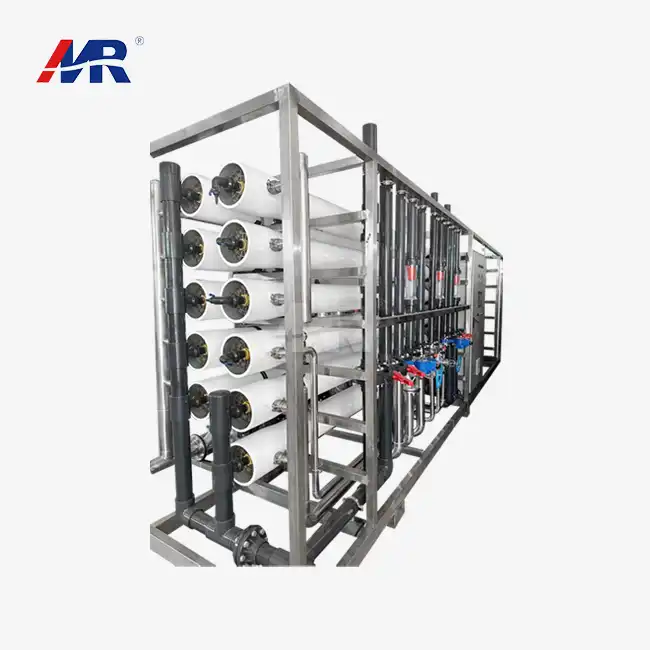
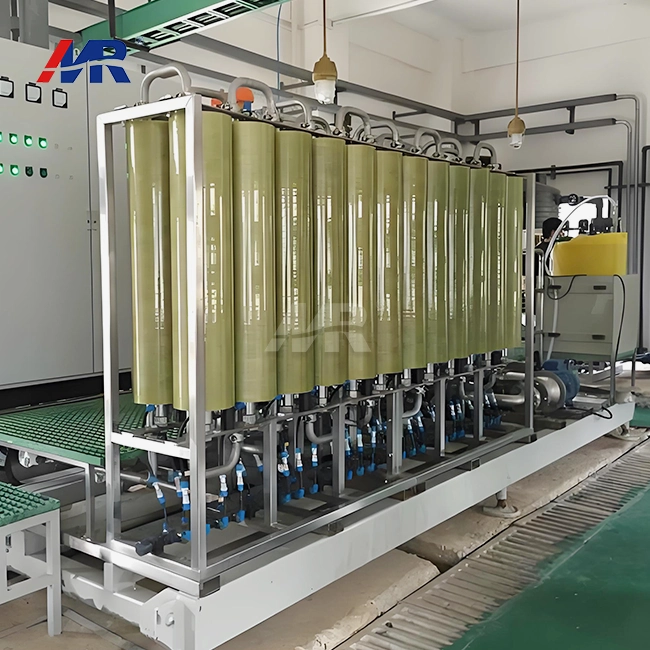
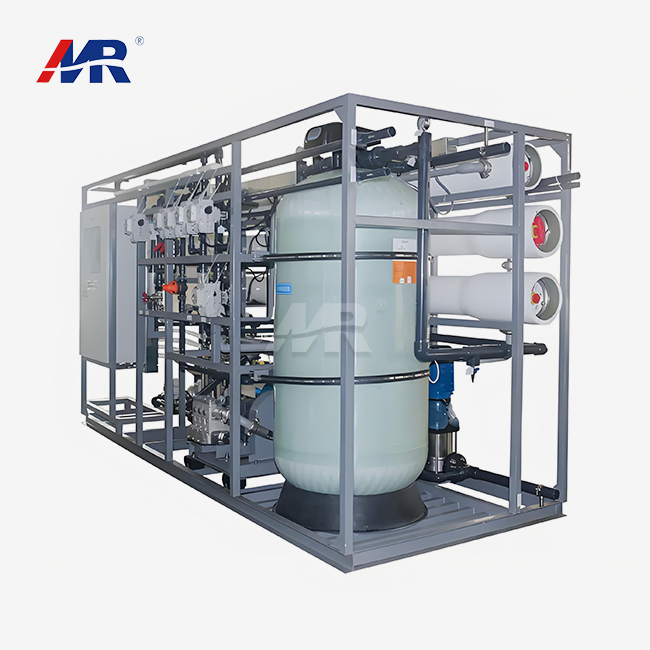
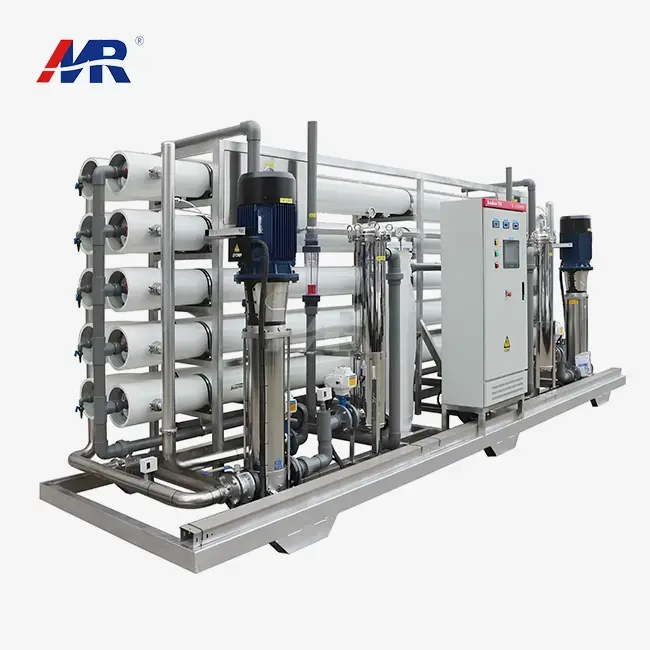
When looking at different water treatment options, it's important to know the difference between reverse osmosis water softener sets and systems that work on their own. A lot of corporate buyers think these technologies do the same thing, but they actually solve different water quality problems. membrane filtration in a reverse osmosis system gets rid of dissolved solids, heavy metals, and contaminants. Traditional water softeners, on the other hand, deal with hard water by switching out calcium and magnesium ions for sodium ions. When you use both technologies together, you get the best results. Softeners keep ro membranes from scaling, and RO systems get rid of the sodium that is added during softening. This creates laboratory-grade cleanliness that is needed for making drugs, electronics, and food.
Understanding Water Softeners and Reverse Osmosis Systems
The Core Principles of Traditional Water Softeners
Ion exchange technology is what most water softeners use. It's a chemical process in which resin beads remove minerals that make water hard. Calcium and magnesium ions link to negatively charged resin when hard water runs through the softener tank. This lets sodium ions into the water stream. Scale doesn't build up in boilers, cooling towers, and industrial pipe systems because of this exchange. Periodically, salt brine must be used to regenerate the resin. This allows minerals that were trapped in the resin to drain and restores its exchange capacity. A lot of power plants and water plants use these systems to keep expensive equipment free of mineral layers that slow down heat transfer and raise repair costs.
How Reverse Osmosis Technology Functions
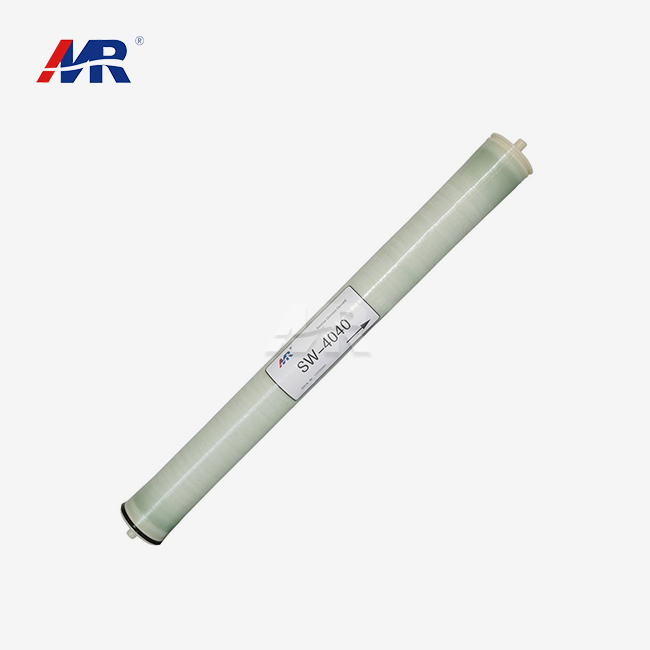
An RO water filter works by separating water molecules through semi-permeable barriers with pores that are about 0.0001 microns wide. This is done by applying pressure to the membranes. This very fine filtering gets rid of dissolved solids, germs, viruses, drug residues, and PFAS chemicals that ion exchange can't get rid of. To get rid of natural osmotic pressure and separate pure permeate from concentrated brine reject, the system needs feed water pressure between 40 and 100 psi. Pharmaceutical companies use this technology to make sure they follow GMP guidelines. Semiconductor makers combine RO with electrodeionization (EDI) to get resistivity levels higher than 18 megohm-cm for chip cleaning purposes. The membrane usually rejects more than 95% of all dissolved solids, but performance can vary depending on the type of feed water and membrane used.
Clarifying Common Misconceptions
A common mistake among buying teams is that RO systems soften water well, even without first treating it. Reverse osmosis lowers hardness by getting rid of calcium and magnesium, but using RO membranes with hard feed water speeds up scaling and membrane fouling. Calcium carbonate builds up on membrane surfaces, slowing down flow rates and needing to be replaced too soon. This fact of operation makes the total cost of ownership much higher than for systems that have been properly pre-treated. When the feed water hardness is more than 150 mg/L as CaCO3, professionals in water treatment say to put softeners ahead of RO systems. The RO investment is protected by this setup, which also improves the water quality for use in labs, medical treatment, and the production of drinks.
How to Select the Best Reverse Osmosis Water Softener System for Your Business Needs
Defining Your Water Treatment Objectives
A thorough study of the water quality and clear treatment goals are the first steps in choosing the right reverse osmosis water softener method. Technical leaders should get lab tests that measure iron, manganese, silica, chlorides, hardness, TDS, and other pollutants that are important to their business. If a beverage maker cares about taste and smell, they focus on getting rid of chlorine and organic compounds. On the other hand, an electronics company cares more about meeting resistivity goals and getting rid of ionic contaminants. System capacity needs change during times of high demand. For example, a hospital dialysis center has peak demand times, while a chemical plant needs a steady supply 24 hours a day, seven days a week. By understanding these operating trends, you can avoid either buying too much or too little equipment, which can cause production to slow down during times of high demand.
Critical Specifications and Performance Criteria
When buying, teams look at different RO water softener setups, and they should look at a number of technical factors. The type of membrane you choose—thin-film composite (TFC) or cellulose acetate—affects how well it rejects chemicals, how hot it can get, and what chemicals it can handle. Feed water recovery rates of 50 to 75% balance the production of permeate with the amount of concentrate that needs to be thrown away. System pressure standards affect the choice of pump and the cost of energy. This is especially true for power plants and industrial plants that already have high-pressure systems in place. Long-term dependability depends on how the pre-treatment is set up. Multimedia filtration, activated carbon adsorption, and antiscalant doses protect membrane investments. Brands with a good reputation, like APEC, Culligan, and Pentair, have different service networks and guarantee terms. International companies are competing more and more with well-known providers. However, people who buy things should make sure that the systems they buy are ISO 9001 certified, NSF/ANSI 61 compliant for drinking water uses, and FDA registered for pharmaceutical-grade systems.
Evaluating Supplier Capabilities and Support Infrastructure
Beyond equipment specifications, supplier selection should consider expert help depth and service turnaround skills. Manufacturers that offer turnkey installation services make projects easier to carry out, which is especially helpful for complicated connections with the equipment of an existing building. The standard of after-sales help varies a lot. Some providers give technical hotlines 24 hours a day, 7 days a week, remote monitoring, and preventative maintenance programs, while others only cover certain things under their warranties. People who work in procurement and are in charge of multiple sites benefit from sellers with national or regional service networks that can respond quickly on-site. Replacement membrane costs are big lifetime costs, so comparing OEM and compatible membrane prices helps you plan your long-term spending. Seawater desalination projects and local water plants often sign multi-year service agreements that include performance promises and guaranteed reaction times to protect their operations.
Installation, Maintenance, and Troubleshooting of Reverse Osmosis Water Softeners
Site Assessment and Installation Planning
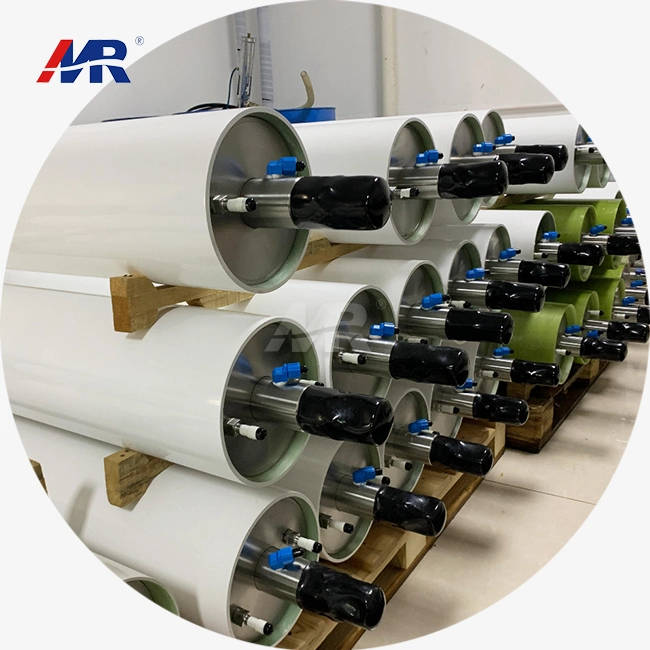
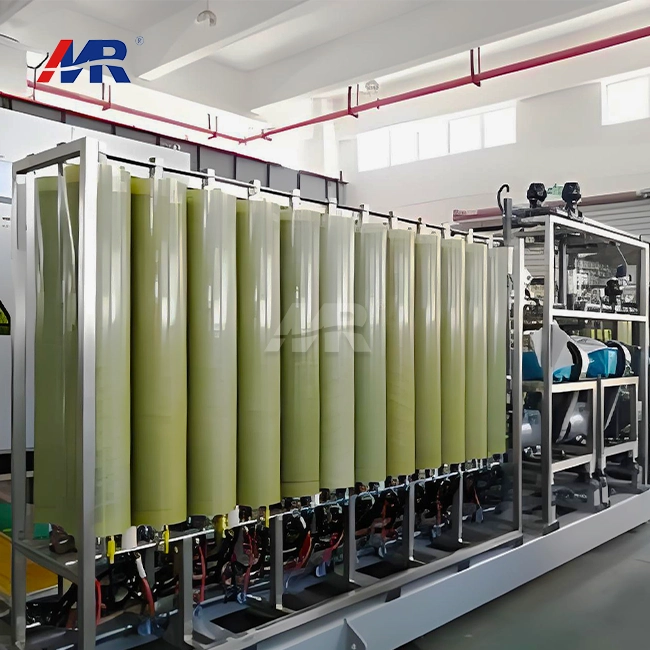
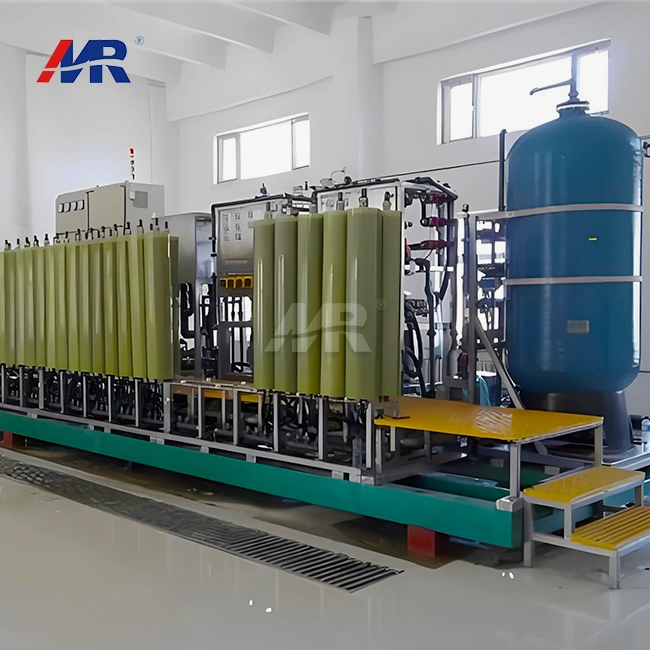
A full site review that looks at things like room needs, utility connections, and drainage systems is the first step to a proper installation of a reverse osmosis water softener. RO systems need enough floor room for the pre-treatment equipment, membrane vessels, holding tanks for product water, and pipes that drain concentrate. The water source that feeds the system needs to have steady pressure and flow rates. Most city lines offer 40 to 60 psi, but well water systems may need booster pumps. Electrical service has to be able to handle the loads of pumps, control systems, and extras like UV sterilizers. Drainage capacity for concentrate streams and system cleaning wastewater keeps operations from getting interrupted. When mariculture facilities install Ultrafiltration Equipment to clean the water that flows through them, they have to do the same things to get the place ready, like working with existing tank systems and pump stations.
Routine Maintenance Protocols
Setting up regular repair plans for equipment increases its life and stops it from breaking down without warning. Pre-filters should be replaced at the manufacturer's recommended intervals. Sediment filters, which remove chlorine from feed water, need to be inspected and replaced every three months for normal conditions, and every six to twelve months for activated carbon filters, which remove chlorine from particles larger than 5 microns. Monitoring membrane performance with normalized flux and salt rejection estimates can find performance that is going down before it affects output. Cleaning methods that use citric acid to remove mineral scaling or alkaline soaps to get rid of biological fouling make the membranes work again. For softener resin beds, resin samples must be taken once a year to make sure that the capacity is still being maintained. If hardness loss exceeds acceptable levels, the resin must be replaced. To make sure that testing conditions are always the same, scientific research institutions that use ultrapure water equipment in the lab keep thorough service logs that show changes in conductivity, TOC levels, and the number of bacteria.
Common Operational Issues and Resolutions
Technical teams face problems that can be predicted and can be fixed by following a set of steps. Low permeate flow rates usually mean that the membrane is clogged, the feed pump isn't working right, or the feed pressure isn't high enough. By looking at pressure gauges across different membrane steps, you can tell if fouling is mostly in the lead elements or spreads out evenly. High permeate conductivity means that the membrane is damaged, the O-ring seal has failed, or the rejection isn't good enough. Each membrane needs to be tested separately to find the failed parts. Too much concentrate flow could mean that the concentrate control valves aren't working right or that the system isn't balanced properly. If the softener breaks down and the water becomes hard, it means that the resin is running out, the recycling processes aren't working right, or the control valve isn't working right. Ships and offshore platforms that use small Seawater Desalination Equipment need to keep extra parts like pump seals, membrane elements, and control valve assemblies on hand to keep downtime to a minimum, especially on long trips where getting expert help is hard.
Cost Analysis and Procurement Insights for Reverse Osmosis Water Softener Systems
Total Cost of Ownership Evaluation
A full cost study looks at more than just the original cost of buying new equipment. It also looks at the costs of setting up, running, maintaining, and getting rid of the reverse osmosis water softener over its useful life. Industrial RO systems can cost anywhere from $50,000 to $500,000, based on their volume (10–1000 gallons per minute) and how complicated the treatment is. Softeners, on the other hand, cost $5,000 to $50,000 for flow rates that are similar. Installation costs add 15–30% to the cost of the equipment, depending on how complicated the connection is and how much work needs to be done to prepare the spot. Operating costs include RO pump power, Products like pre-filter filters, cleaning chemicals, and softener salt, membrane replacement every 3 to 5 years, and fees for getting rid of concentrate. Thermal power companies that need ultrapure water equipment for boiler feedwater should compare these lifetime costs to the costs of avoiding corrosion damage, heat exchanger cleaning, and boiler tube replacement in order to figure out when they will get their money back.
Supplier Credibility and Quality Assurance
Making sure the supplier is reliable guards against fake parts, low-quality materials, and not enough expert help. Manufacturers with a good reputation will give you third-party approval paperwork that includes performance test results, material safety data sheets for membrane and resin materials, and proof that they meet NSF/ANSI standards. By asking for customer examples from similar industries and uses, you can find out how well a supplier has done at completing projects and providing long-term support. Payment terms and guarantee conditions are very different. For example, some suppliers offer warranties that cover parts and work for 3–5 years, while others only cover them for 1 year. Performance guarantees should be negotiated by procurement teams. These guarantees should include permeate quality parameters, recovery rates, and energy consumption thresholds, as well as liquidated damages for not meeting the requirements. This contractual safety is especially helpful for seawater desalination projects, where poor performance has a direct effect on the reliability of city water supplies and running budgets.
Strategic Procurement for Commercial and Industrial Applications
Large buyers can get better deals and longer supply agreements when they buy in bulk. Facility managers who are in charge of more than one location can make sure that all of the equipment meets the same standards. This makes it easier to keep track of spare parts, train staff, and do maintenance. By negotiating framework agreements with preferred suppliers, you can get better prices, faster service during emergencies, and shared engineering support for projects that grow. Some makers let you lease-purchase their products or sign performance-based contracts that let suppliers keep the equipment and ensure the quality of the water that comes out of them. This shifts the operational risk from the buyer to the supplier. Organizations like wastewater treatment plants that want to try out new membrane technology without putting down a lot of money until they know the technology works well, like this model. By forming strategic relationships with suppliers, both parties are motivated to keep tools reliable and improve operations over the long run.
Conclusion
To choose the right water treatment option, you have to balance technical performance needs, operating limitations, and cost factors. A reverse osmosis water softener improves the quality of water for businesses that need to get rid of both minerals and contaminants. Knowing the different roles of each technology—for example, how softeners protect downstream equipment from scale, and RO systems meet strict purity standards—helps you make smart choices about what to buy based on your application needs. A thorough site inspection, strict maintenance rules, and smart partnerships with suppliers that offer responsive Technical support throughout the equipment lifecycle are all necessary for implementation to go well. As rules on water quality get stricter and more pure water is needed for industrial processes, investment in treatment systems that are set up correctly saves product quality, machine reliability, and the ability to keep running.
Frequently Asked Questions
1. Can RO systems and water softeners work together effectively?
Of course. When the feed water has more than 150 mg/L of hardness, adding a reverse osmosis water softener configuration (with a filter before an RO system) is the best thing to do. Calcium and magnesium would normally build up on RO membranes and cause a buildup and less flow. The cleaner gets rid of these minerals. This setup makes the membrane last longer, from two to three years to five to seven years, while keeping the quality of the permeate the same. After that, the RO system gets rid of the sodium that was added during relaxing, along with any other toxins that were dissolved, completely cleaning the water.
2. What water quality parameters should I test before selecting equipment?
Get an analysis done in a lab that checks for iron, manganese, silica, chlorides, sulfates, turbidity, and contaminants that are special to your business. For pharmaceutical uses, you need to test for endotoxins and the number of germs. For industrial uses, you need to test for heavy metals and chemical compounds. This standard data lets you choose the right membrane, pre-treatment design, and system size.
3. How often do RO membranes require replacement?
The membrane can last anywhere from 3 to 7 years, based on the quality of the feed water, how well the pre-treatment works, and how well the membrane is maintained. When replacement is needed, it can be seen by keeping an eye on the standardized flux drop and salt rejection degradation. Facilities that clean aggressively and do the right pre-treatment usually get 5 years out of their membranes. However, operations with hard feed water or poor care may need to change them every 2 to 3 years.
Partner with Morui for Industrial Water Treatment Solutions
Guangdong Morui Environmental Technology offers complete reverse osmosis water softener systems that are made to meet the needs of tough commercial settings. Our engineering team creates unique solutions for pharmaceutical companies that need GMP-compliant purified water, electronics companies that need ultrapure water for handling semiconductors, and local plants that need to increase their treatment capacity. With more than 500 workers spread out across 14 branches, we take care of the whole project, from the original consultation to installation, commissioning, and ongoing upkeep. Our plant for making membranes ensures quality control and low prices, and our relationships with Shimge Water Pumps, Runxin Valves, and Createc Instruments make sure that all of the parts work well together. Our technical experts can look at your water quality problems and suggest the best ways to treat them, whether you run a food processing plant, a power plant, or a saltwater desalination project. Get in touch with us at benson@guangdongmorui.com to talk about your needs with a top manufacturer with experience in a wide range of business fields.
References
1. American Water Works Association Research Foundation, "Reverse Osmosis and Nanofiltration: Manual of Water Supply Practices," Second Edition, 2007.
2. Bergman, R.A., "Membrane Softening: A Treatment Process Comes of Age," Journal of the American Water Works Association, Volume 87, Issue 11, 1995.
3. Greenlee, L.F., Lawler, D.F., Freeman, B.D., Marrot, B., and Moulin, P., "Reverse Osmosis Desalination: Water Sources, Technology, and Today's Challenges," Water Research, Volume 43, Issue 9, 2009.
4. Wilf, M., and Bartels, C., "Optimization of Seawater RO Systems Design," Desalination Journal, Volume 173, Issue 1, 2005.
5. World Health Organization, "Guidelines for Drinking-Water Quality: Fourth Edition Incorporating the First Addendum," Geneva, 2017.
6. Zhao, Y., Song, L., and Ong, S.L., "Fouling Behavior and Foulant Characteristics of Reverse Osmosis Membranes for Treated Secondary Effluent Reclamation," Journal of Membrane Science, Volume 349, Issues 1-2, 2010.